
Life
Brain Rot: Thoreau’s Reproach, Turned Into a Joke
Life
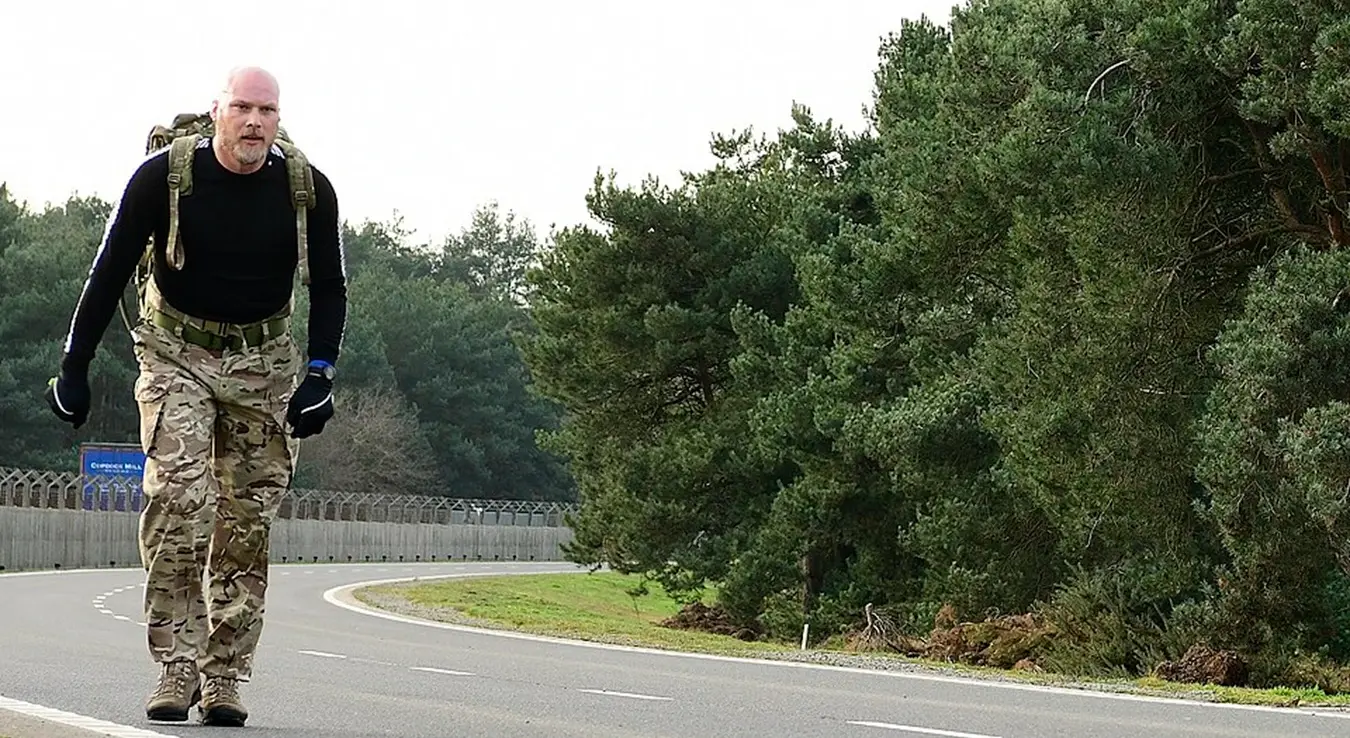
Rucking: How a Military March Became the Most Fashionable Walk
Gastro
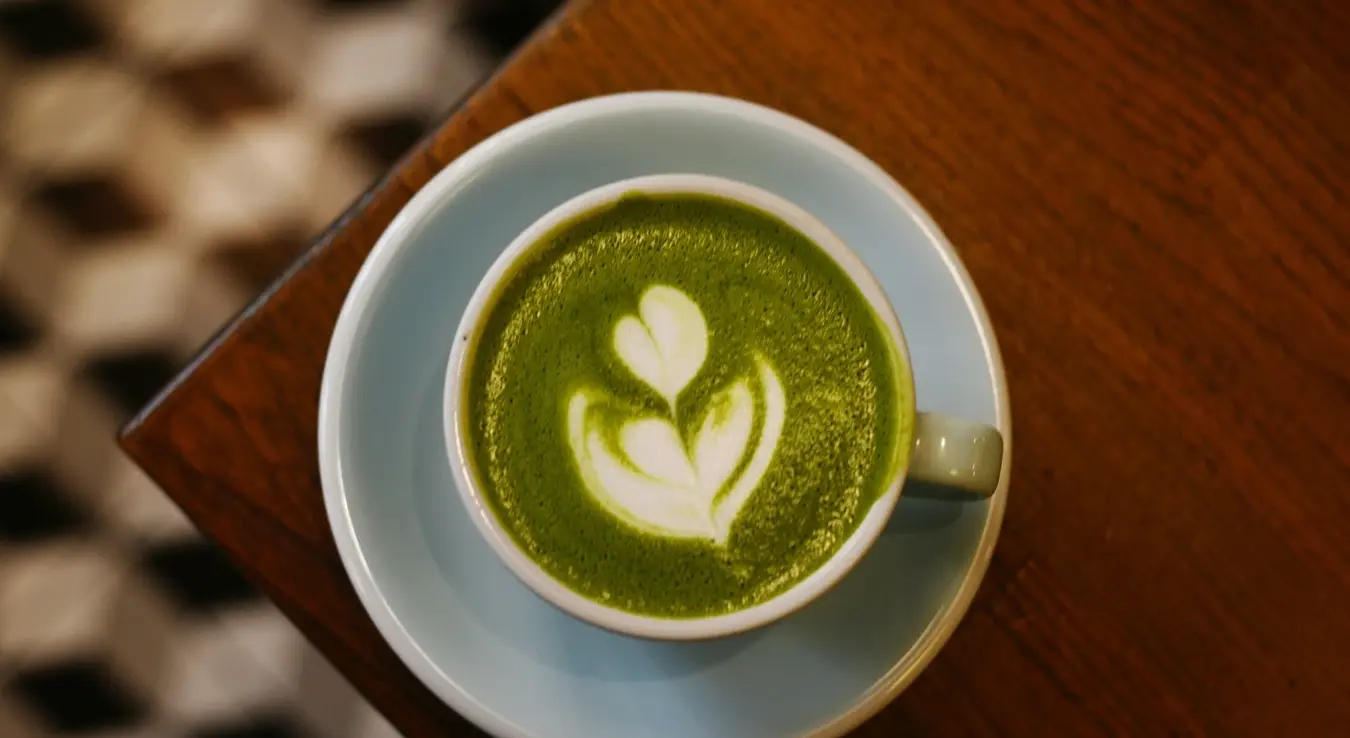
Matcha: The Powder That Created a Shortage

Life
The Lost Key: Why We Can’t Remember the First Years of Life

Life
The Quietest Room in the World: What We Hear When Everything Else Disappears
Adventure
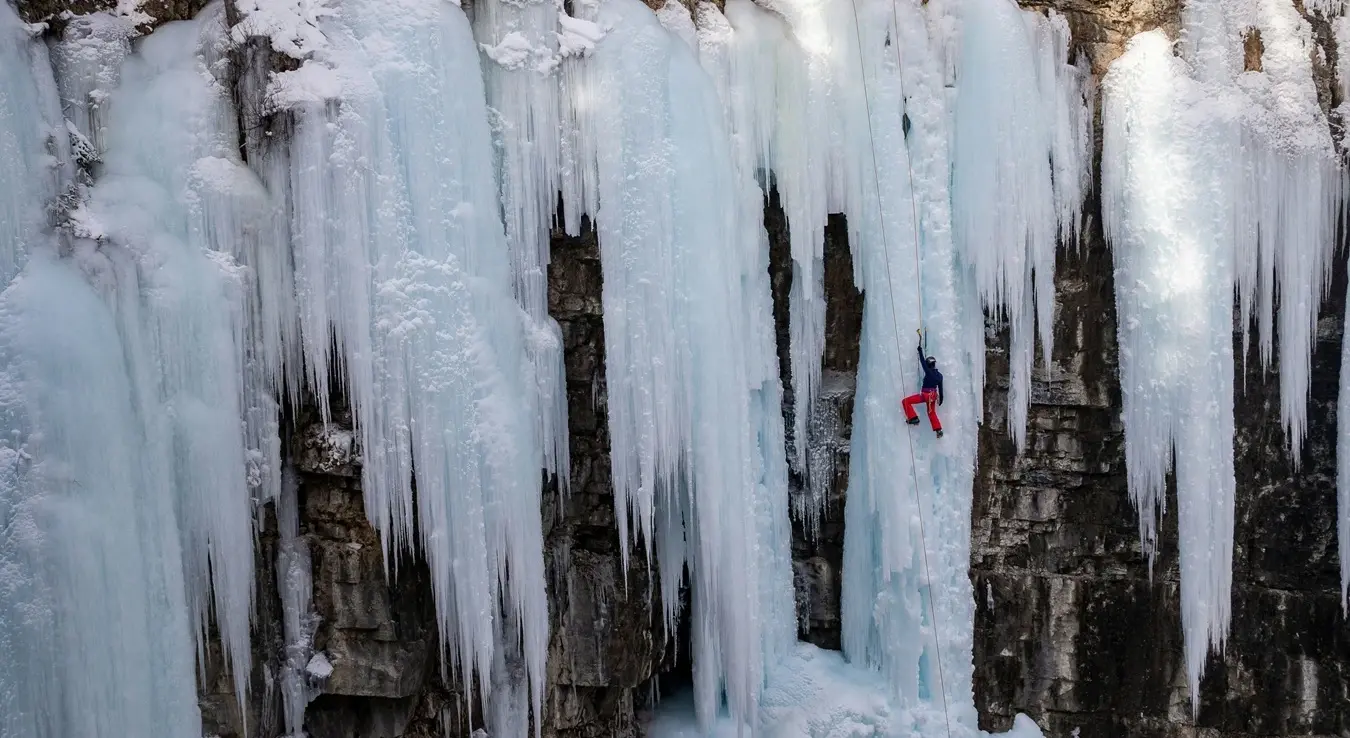
Icefall Climbing: Into a World That Lasts Only One Winter
Most Popular

Made in Seconds: What Remains Human When Machines Can Do Everything
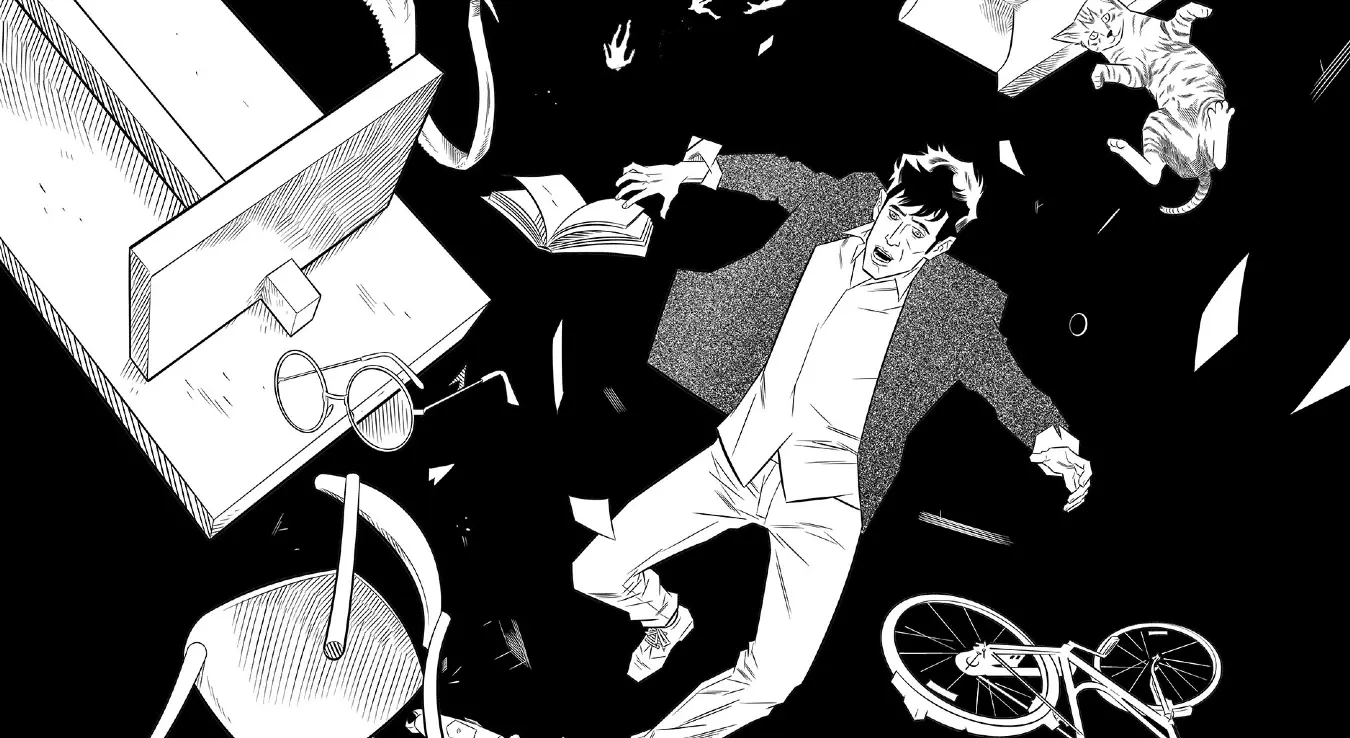
The Puzzle Italy Can't Solve: Why the Balkans Love Dylan Dog More Than the Rest of the World
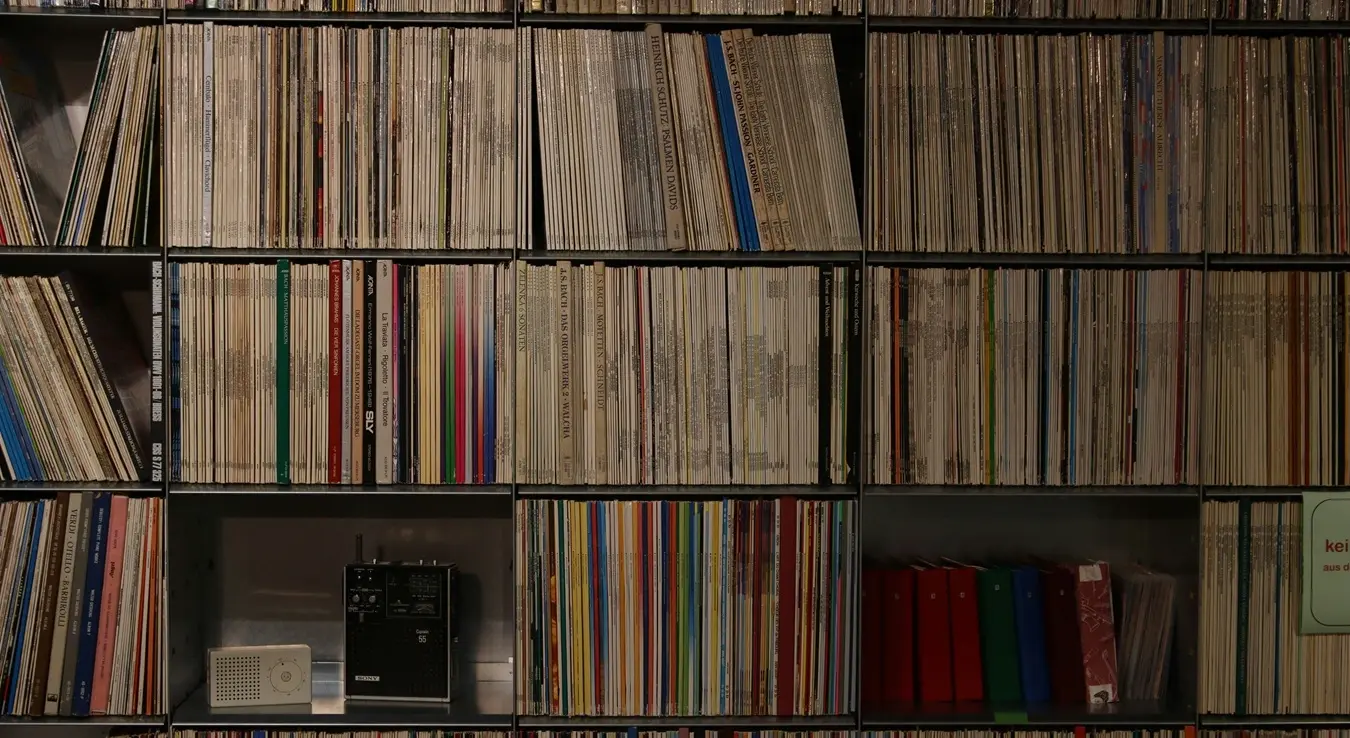
Why We Keep Things We No Longer Need: The Psychology of Collecting
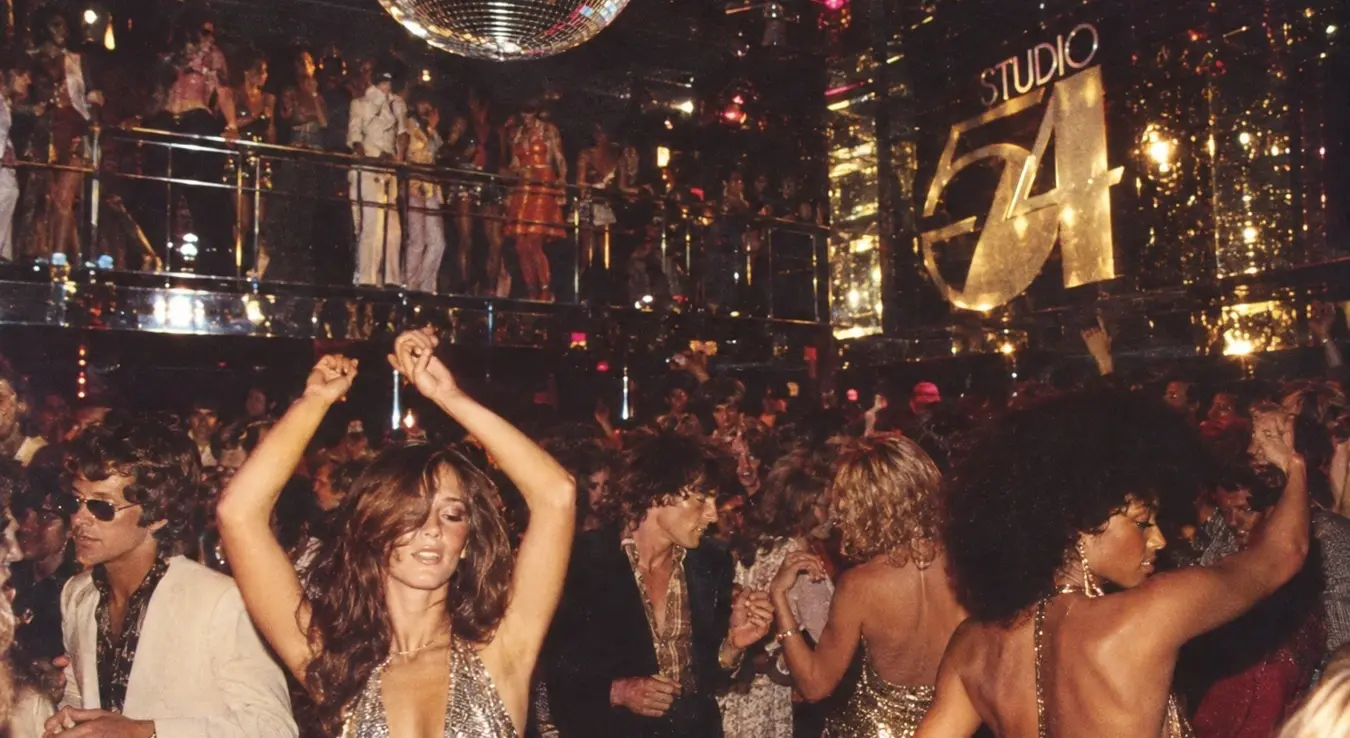
Studio 54: The Club That Lasted 33 Months and Has Been Building Its Legend for Half a Century Since
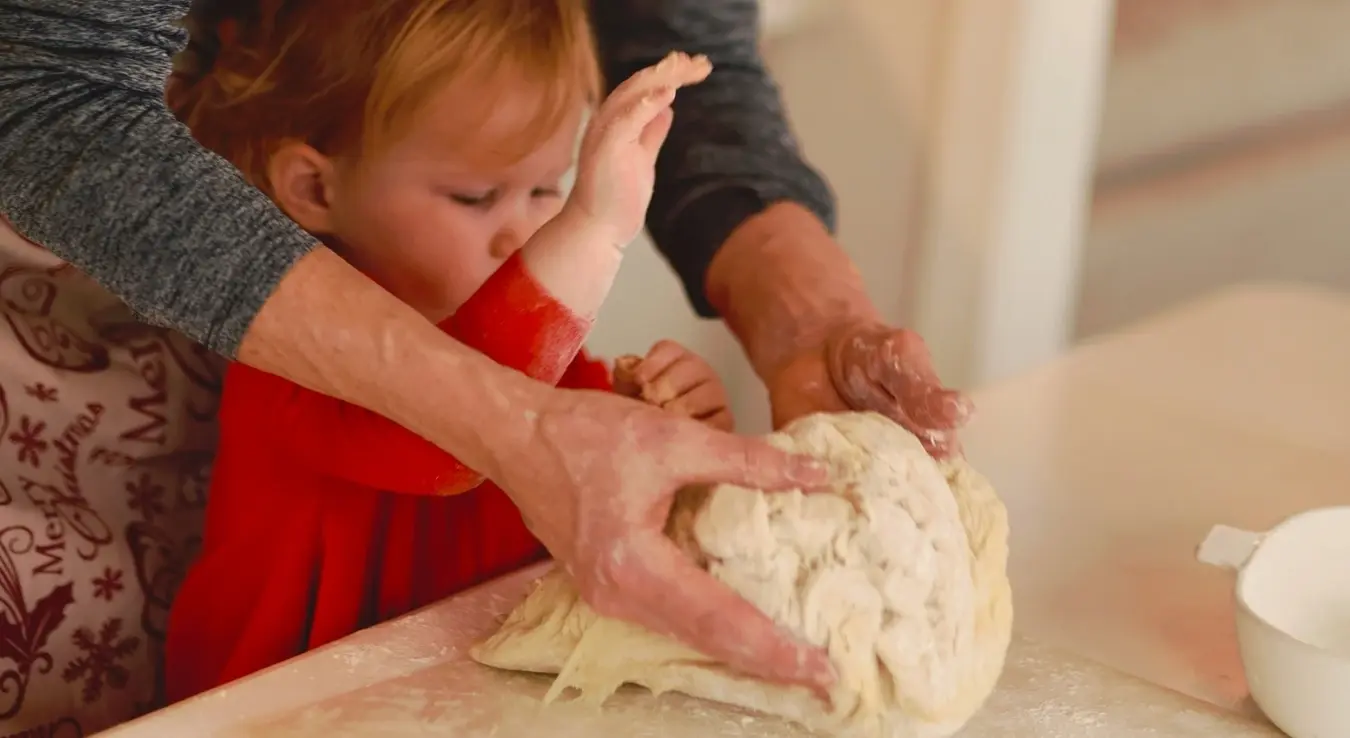
A Shortcut to Childhood: Why Smell Takes Us Back More Powerfully Than an Image
From Proust’s madeleine to brain scans: smell doesn’t necessarily bring memories back faster than a photograph does, but it brings them back differently. Here is what science actually knows about it.

Clocks Back: Who Invented Changing the Time?
The most common answer is Benjamin Franklin, and it is wrong. The real story involves a joke, a beetle collector, a builder and a war, and this autumn its sequel is playing out in Brussels.

The Pumpkin Wasn’t First: How the Turnip Lost Halloween
The first Halloween lanterns were hollowed-out turnips, ugly and hard to carve. The story of how the pumpkin replaced them is more tangled than the one we usually hear.
Made in Seconds: What Remains Human When Machines Can Do Everything
From text and music to photography and design, AI is redefining creativity. What happens to talent, originality, and the value of work when a machine can produce something convincing in seconds?
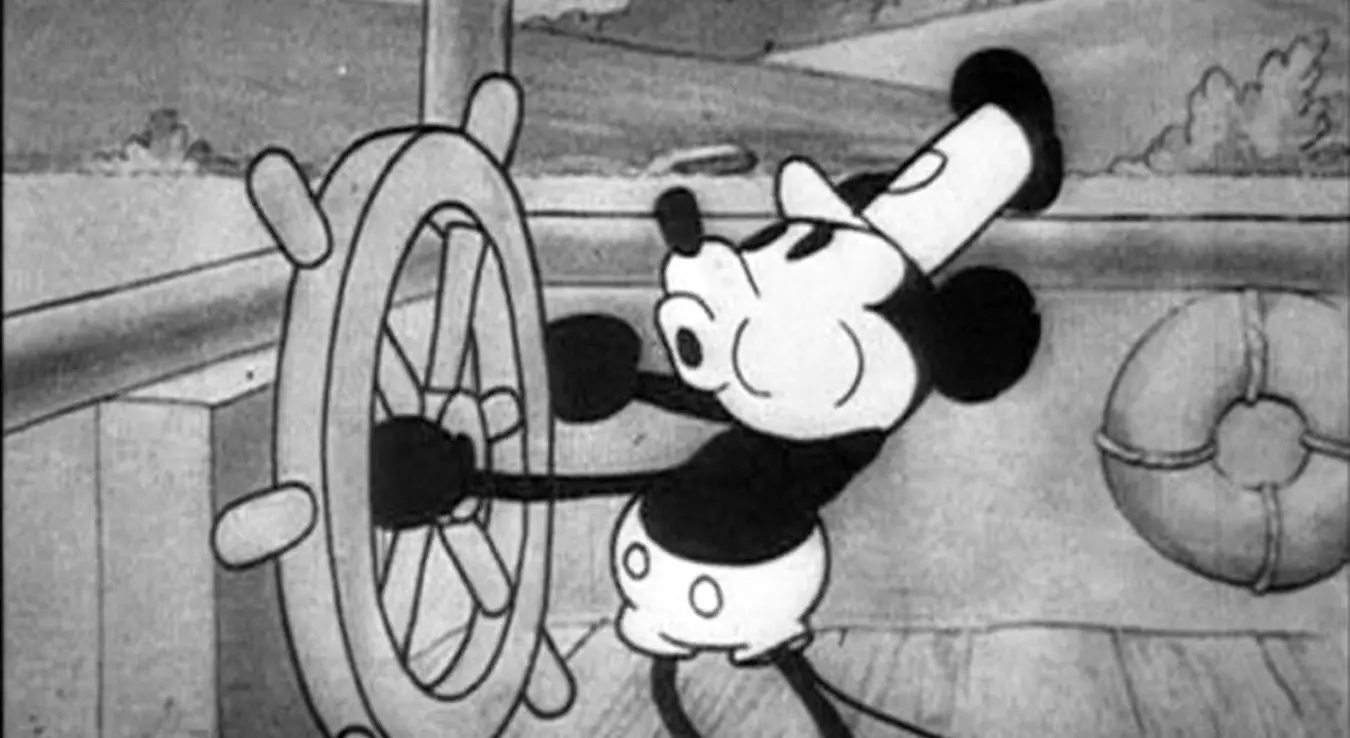
The Mouse Who Taught the World to Whistle
New York, Sunday, November 18, 1928. It is cold outside, and in the Colony Theatre on Broadway the smell of damp overcoats mixes with cigarette smoke and poster paint. The audience has come for the feature film. Before it comes a short cartoon, seven and a half minutes that most viewers will forget by the time they reach the coat check.

Medici in Hoodies: How a New Generation Is Changing the Rules of Giving - and What It Wants in Return
Before he began restoring the monastery of San Marco in Florence, the city’s most powerful banker turned to the pope. Cosimo de’ Medici dealt in money, and in the fifteenth century, money carried the burden of usury, a sin that was hard to absolve.

Ten Colours, Ten Moments We Carry in Our Minds
Ask someone to think of red, and they will rarely think of red itself. They will think of something specific: a little light, a particular sound, an afternoon in November. We do not store colours in our memory as colours, but as scenes in which we once encountered them. And behind almost every such scene there is a real, verifiable story: about physics, coincidence, or a glue that would not hold.
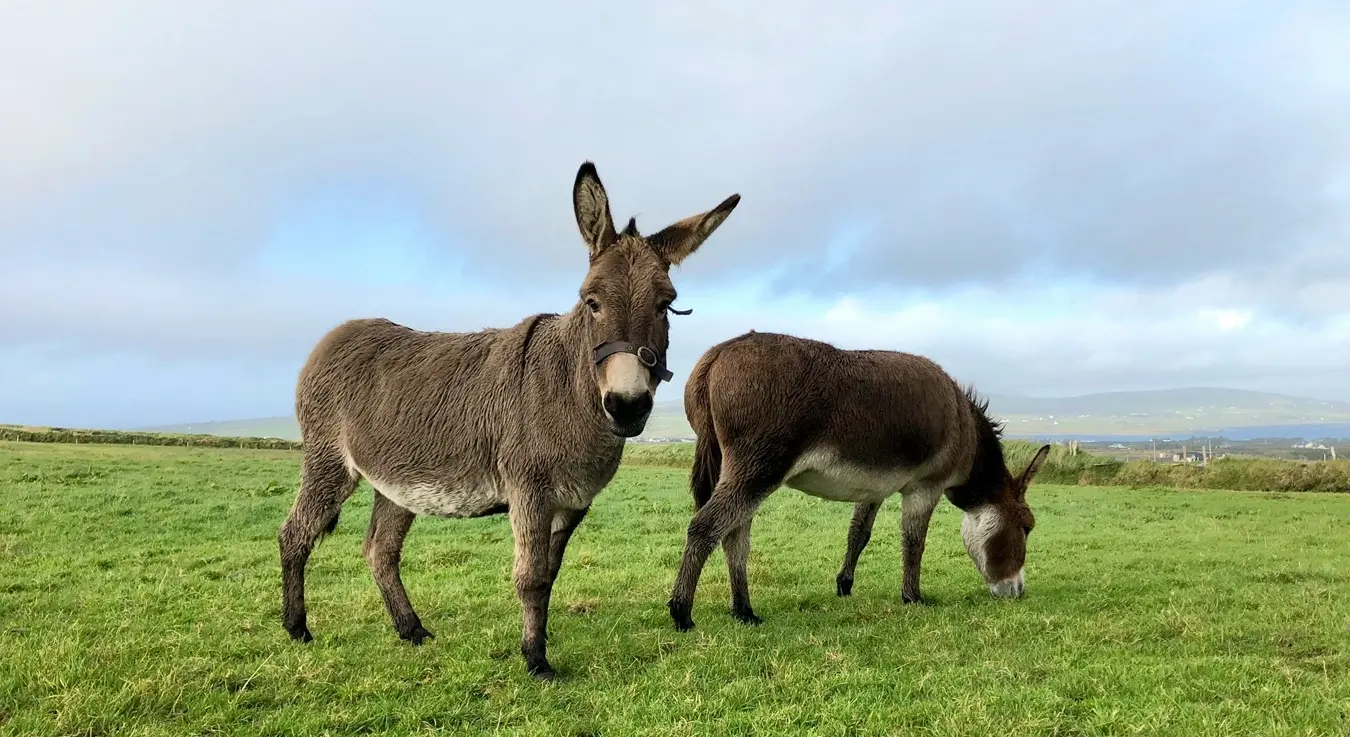
Fifty Grams for Fifty Euros: The Story of the World’s Most Expensive Cheese
It is made on a single farm, from milk drawn by hand, drop by drop, and sold by the gram- how a nature reserve near Sremska Mitrovica produced a cheese that was long believed impossible to make.
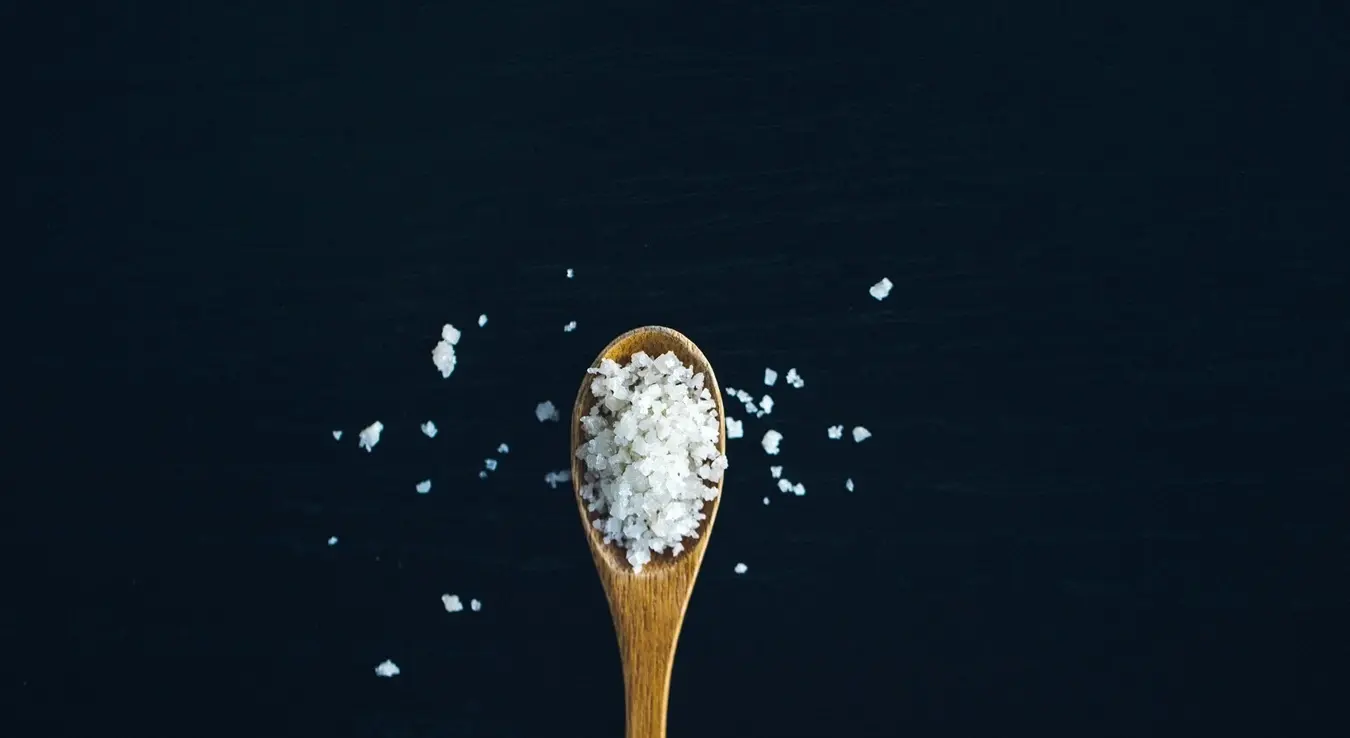
Salt: The Only Rock Humans Eat
Of all the minerals on the planet - and there are thousands, from quartz to diamond - only one does a human deliberately put directly into their mouth every day, in enormous quantities. Salt, chemically halite, is the only rock that isn't a decoration, a tool, or a building material, but an ingredient.
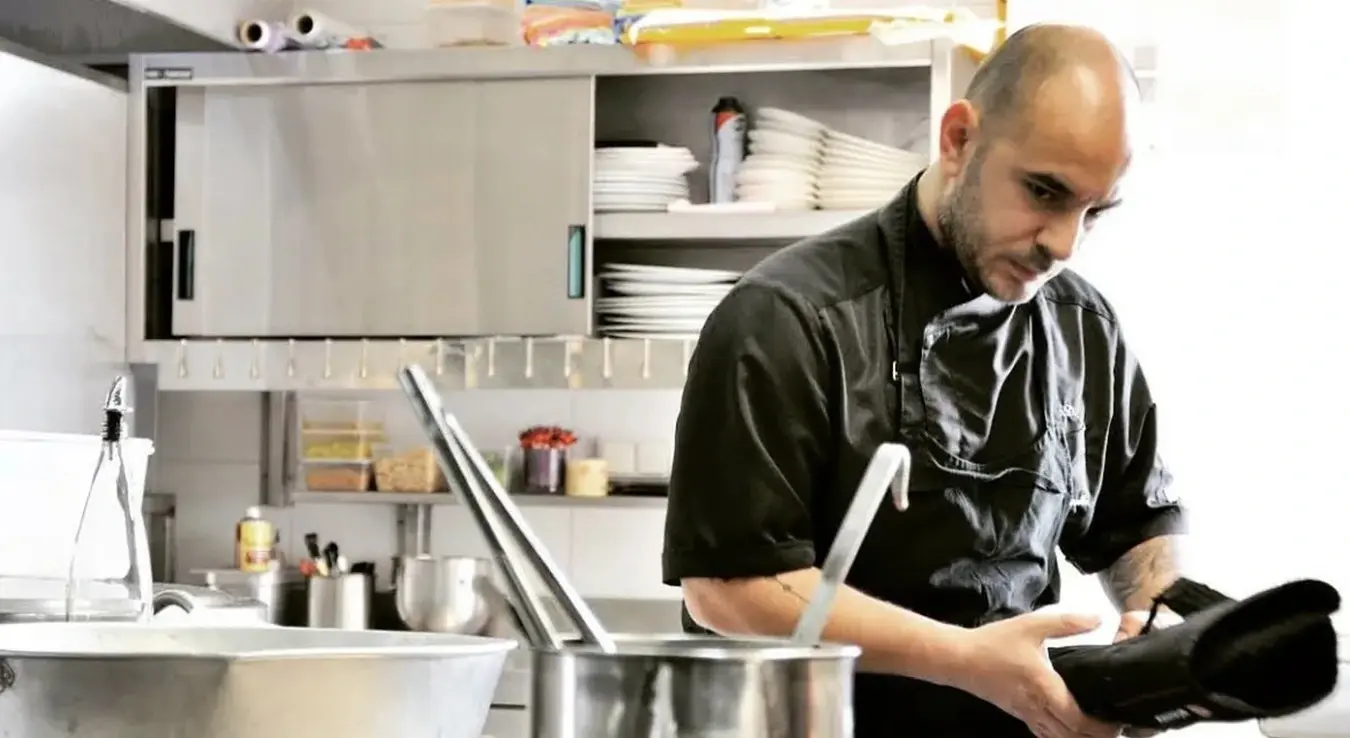
Savino Divincenzo: From Dishwasher to the Chef Everyone in Corsica Wants to Know
At twenty, Savino Divincenzo left his hometown of Barletta in Italy’s Puglia region with a single plan: to go somewhere, anywhere, and do whatever work he could find. He had no culinary diploma and no clear idea of what he wanted - only the growing conviction that his job in a textile factory was not what he wanted to spend the rest of his life doing.

Why We Eat Spicy Food: What Actually Happens in the Body When We Eat Chili
The first bite always plays out the same way: your mouth burns, your eyes water, your nose starts running, and your brain, in all seriousness, sends the signal that your mouth is on fire. What's interesting is that no part of that reaction is a lie in the sense we'd expect - your brain genuinely believes you're burning.
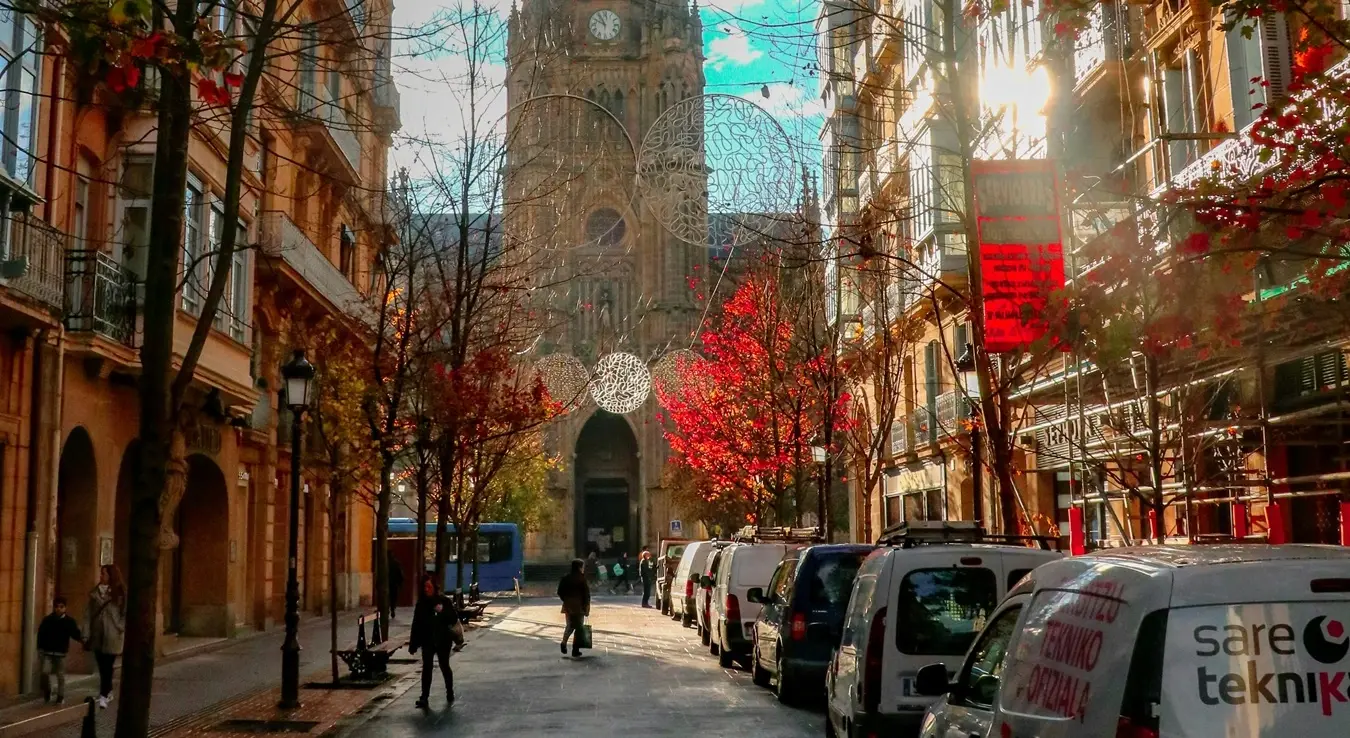
The Best European Weekend Destinations: Cities That Don’t Need More Than Two Days
The true test of a good weekend destination isn't how much a city offers, but how well it works with just forty-eight hours. Great cities like Paris or Rome can easily swallow an entire week without ever feeling like you have seen enough.
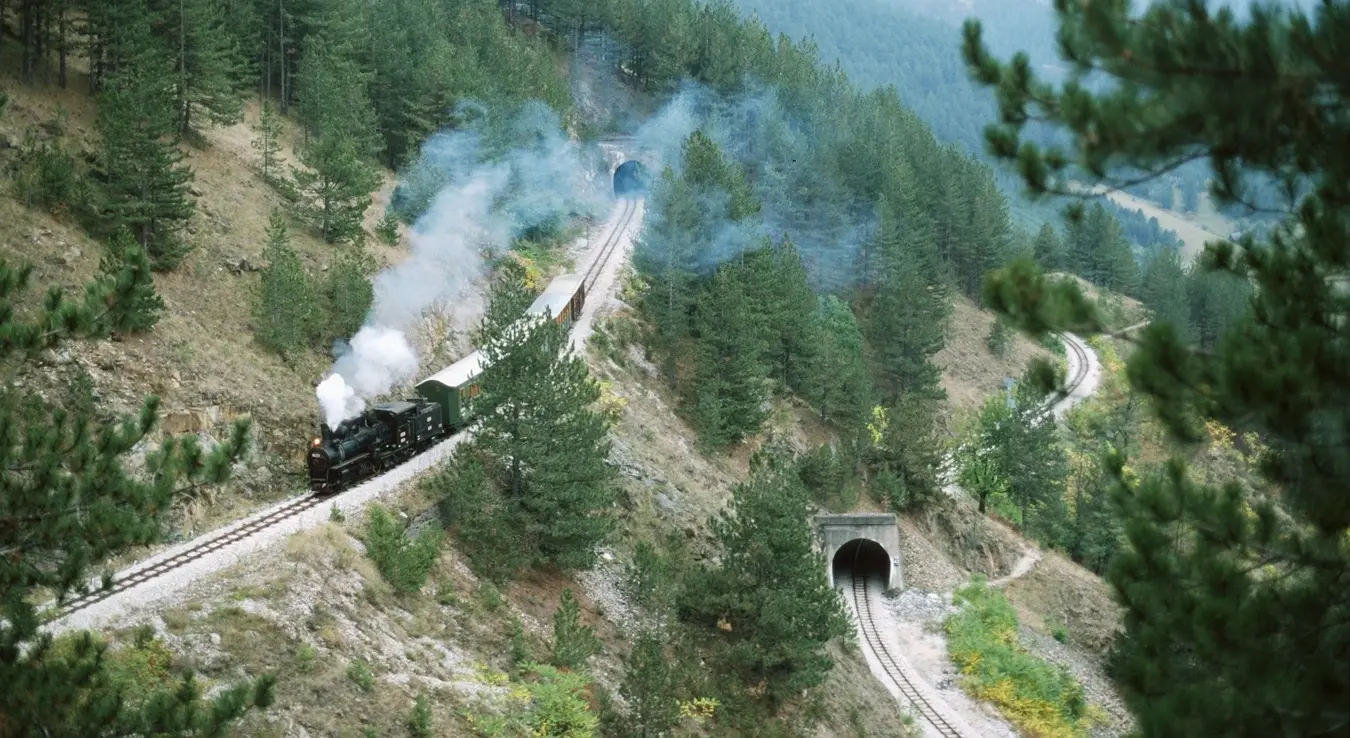
The Train in the Shape of an Eight: The Story of the Railway That Beat Šargan
Fifteen and a half kilometers of narrow-gauge track, 22 tunnels, and an eight-shaped loop. It once linked Belgrade with Sarajevo and the Adriatic; today it is a tourist train through Mokra Gora that many people still don’t know about.
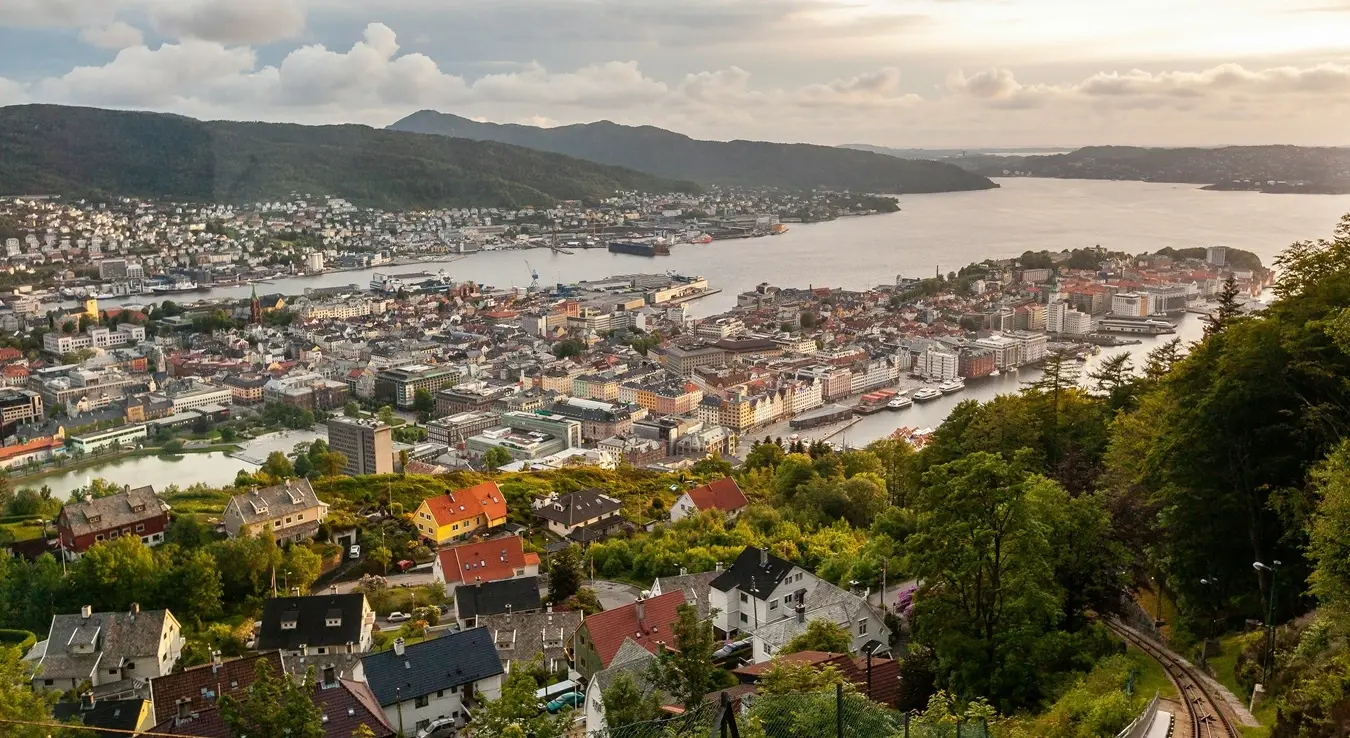
The City Where the Workday Ends on a Mountaintop: Bergen Named the Best Place to Live in Europe
Picture a workday that doesn't end with a stressful commute home, but with a hike up a mountain trail overlooking an entire fjord, sunlight still hanging high over the water even though it's already past five in the afternoon. That's not a travel agency's marketing fantasy - it's everyday life in the city that has just been named the best place to live in Europe.
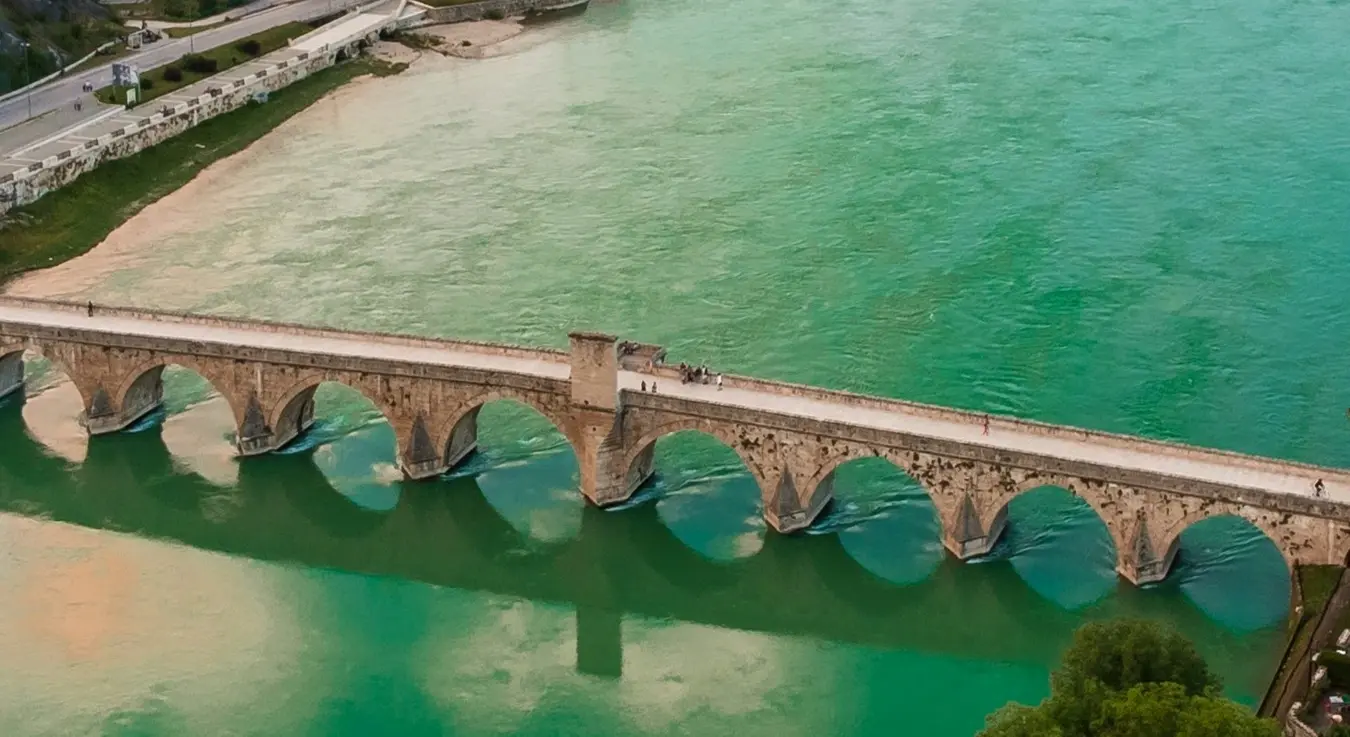
Mehmed Pasha Sokolović Bridge: A Magnet for Tourists Visiting Višegrad
On the banks of the deep blue-green Drina River in Višegrad stands one of the region’s greatest historical and cultural monuments – the world-famous Mehmed Pasha Sokolović Bridge. Known through Ivo Andrić’s novel and built as an endowment of the Grand Vizier, the bridge was constructed between 1571 and 1577 under the supervision of Kodža Mimar Sinan, the most renowned Ottoman architect of his time.
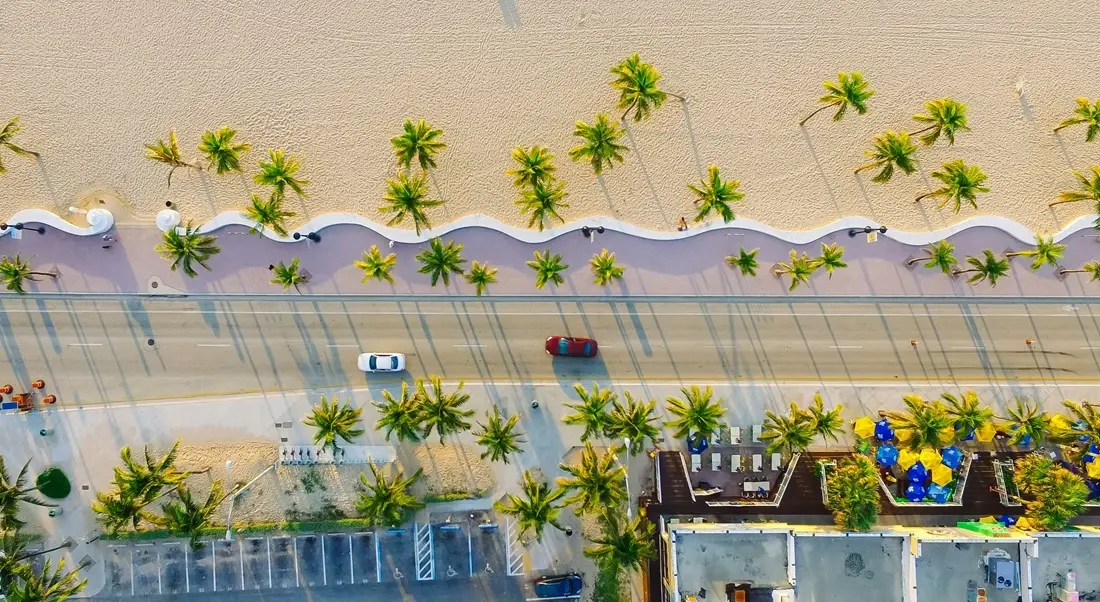
Miami: The City That Swallowed Its Own Past
In 1896, no city stood on Florida's southeastern coast. There was heat. A swamp lay thick and green, where mosquitoes ruled more mercilessly than any mayor who would come later. On that stretch of land, between Biscayne Bay and the wilderness of the Everglades, lived a little over three hundred people. So few that today, one decent Brickell high-rise could house them all, elevator working, bay view included.
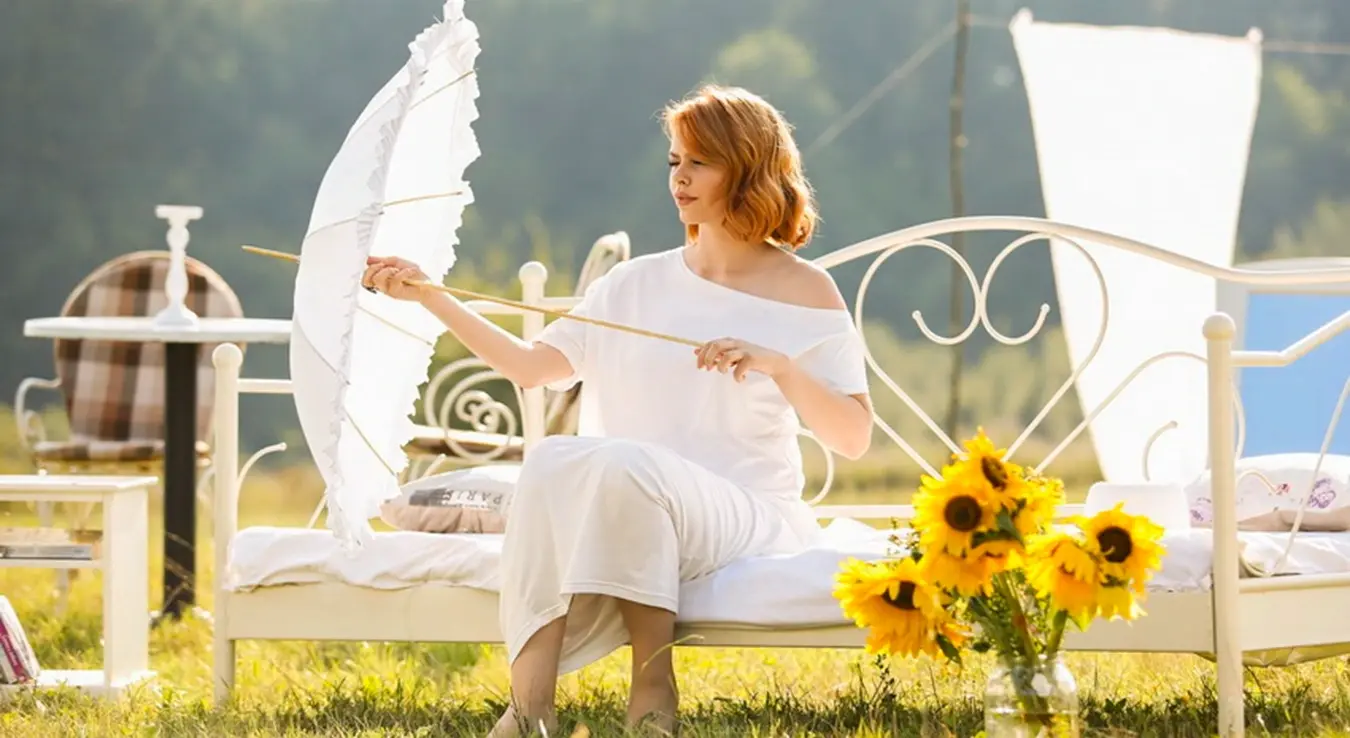
Hidden Corners Recommended by Vanja Mišić: From a Festival to a Village Revived by an Old School
Few people know the landscapes of Republika Srpska from as many different angles as Vanja Mišić does. A singer and journalist from Banja Luka, she has spent years crossing terrain most tourists never think to put on their map - from festival grounds deep inside national parks to villages where the only public building used to be a school and is now a visitor center.
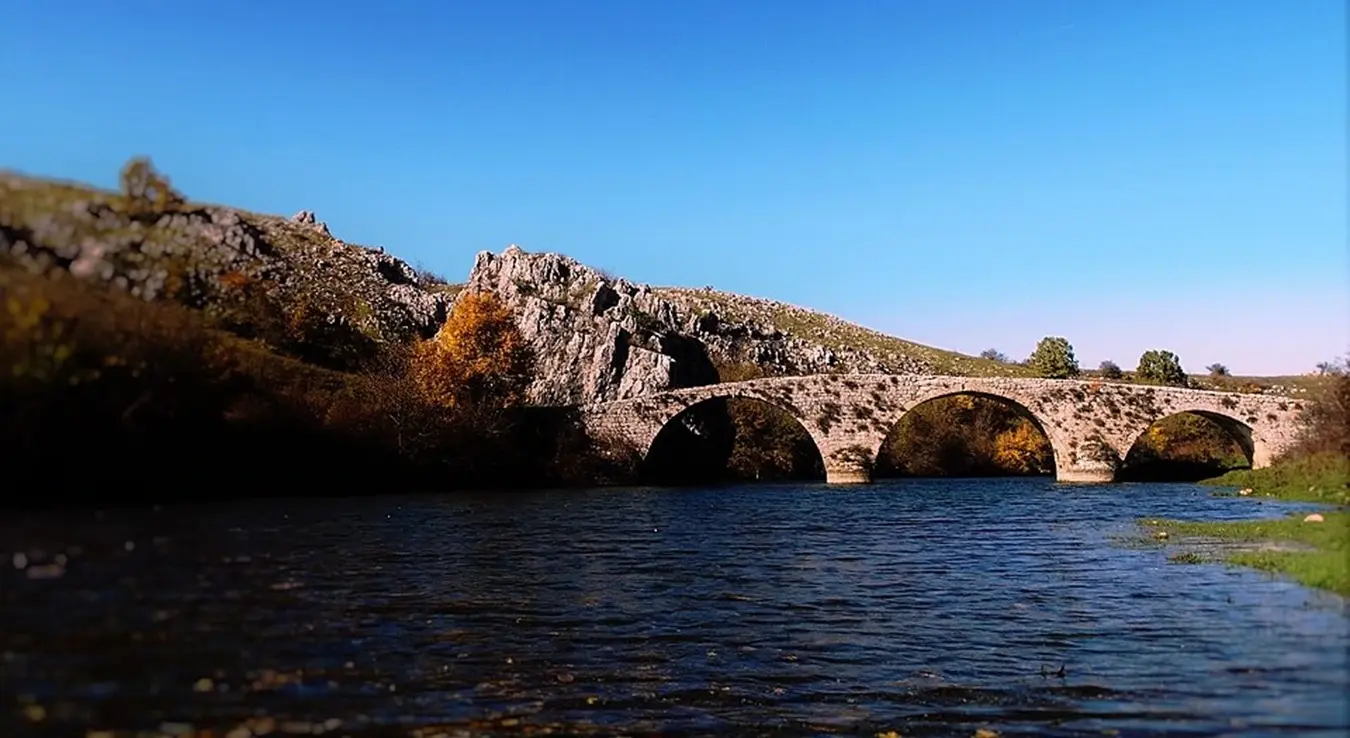
Ovčiji Brod: The Bridge Older Than the Višegrad Bridge, Yet Almost Unknown
Across the so-called "Sheep's Ford" on the Zalomka River, flocks of sheep have long been herded from lower Herzegovina up into upper Herzegovina each spring, toward Treskavica, Zelengora, and Morine, for pasture - and back again each autumn.
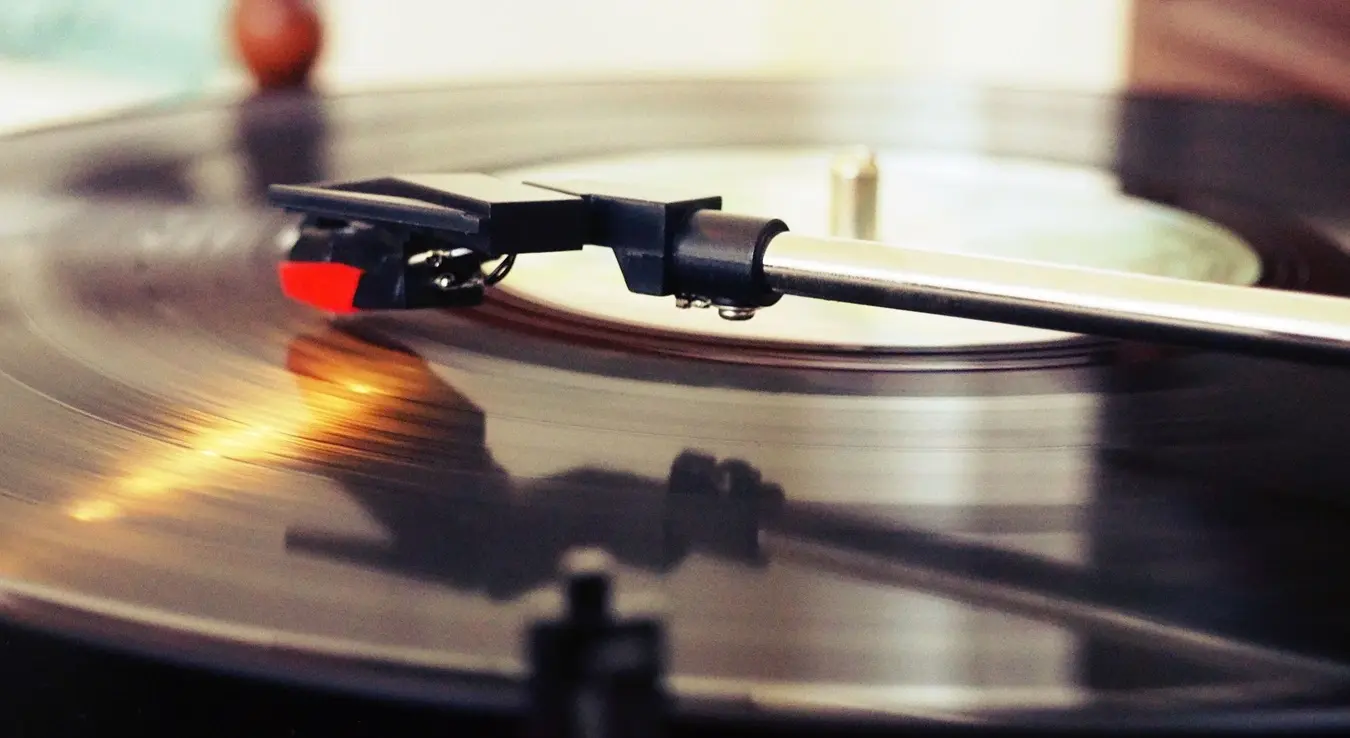
The Record Without the Record Player: Why Analogue Has Become a Luxury
Vinyl outsold CDs in 2022 for the first time since 1987; Kodak is struggling to keep up with demand for film, and a phone that deliberately does less costs nearly $800. Who is buying these things, and what are they really paying for?
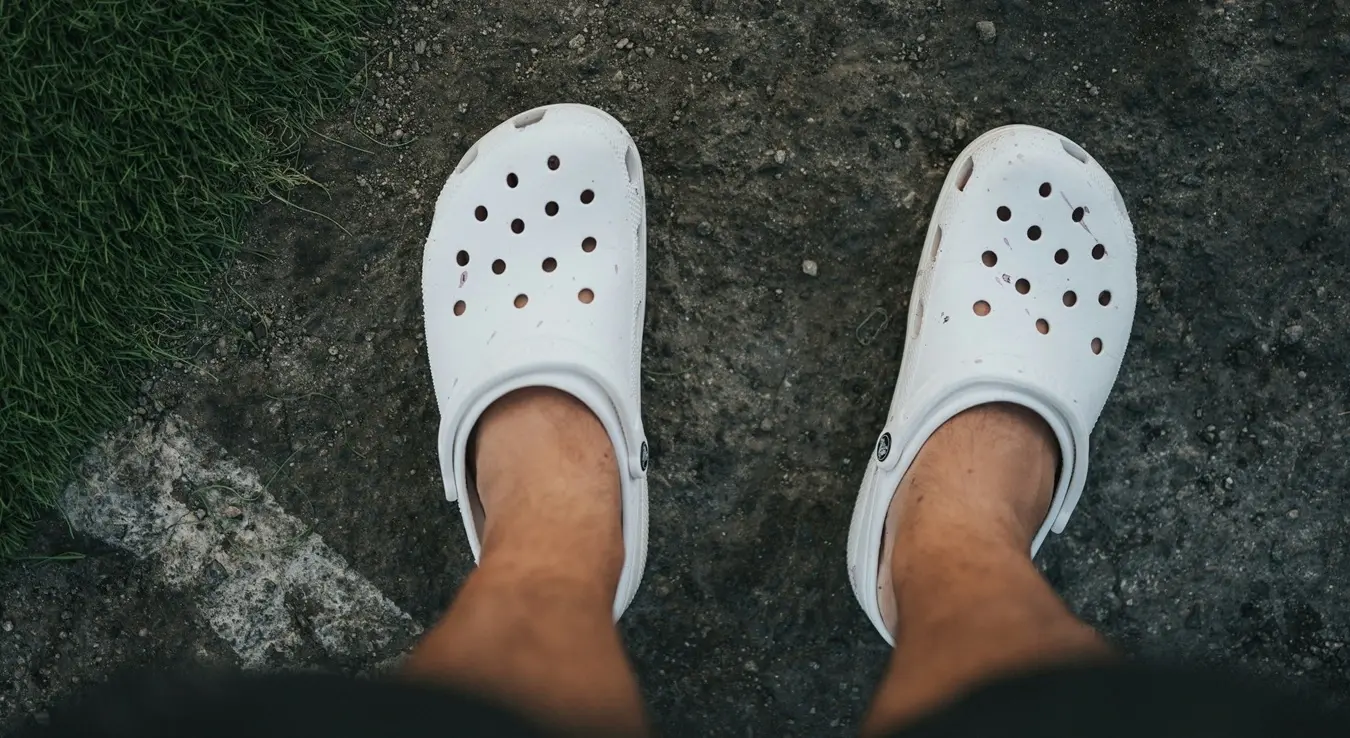
Ugly Is Expensive: How Crocs and Dad Sneakers Became Status Symbols
It began in 2002 at a boat show in Florida, with 200 pairs of footwear that even their founders thought were ugly. Some fifteen years later, similar shoes were selling out in hours at hundreds of dollars a pair. Here is what science has to say about it.
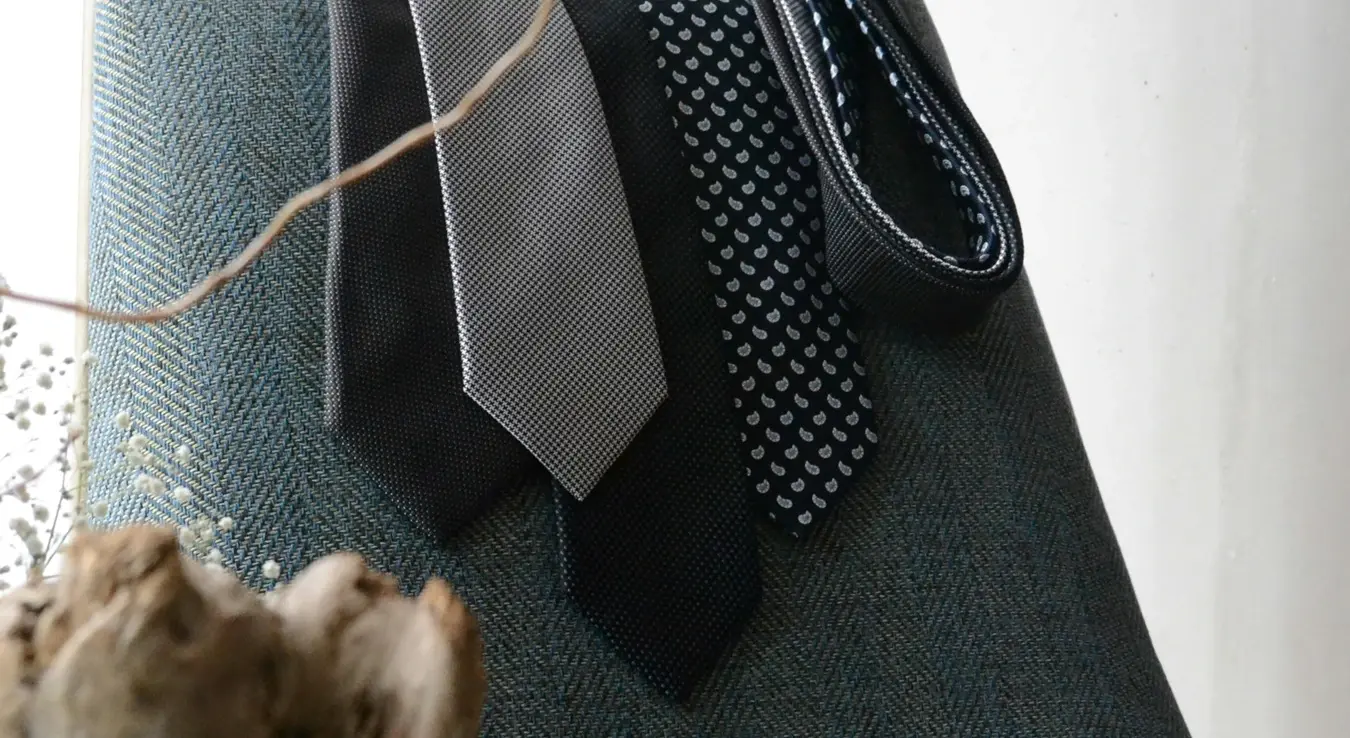
A Brief History of the Necktie: From Military Detail to Emblem of Style
Few garments have changed as much as the necktie while remaining so instantly recognizable. Four centuries after its first appearance, it still sits where it always has, between collar and lapel, though it no longer says what it said a hundred or three hundred years ago.
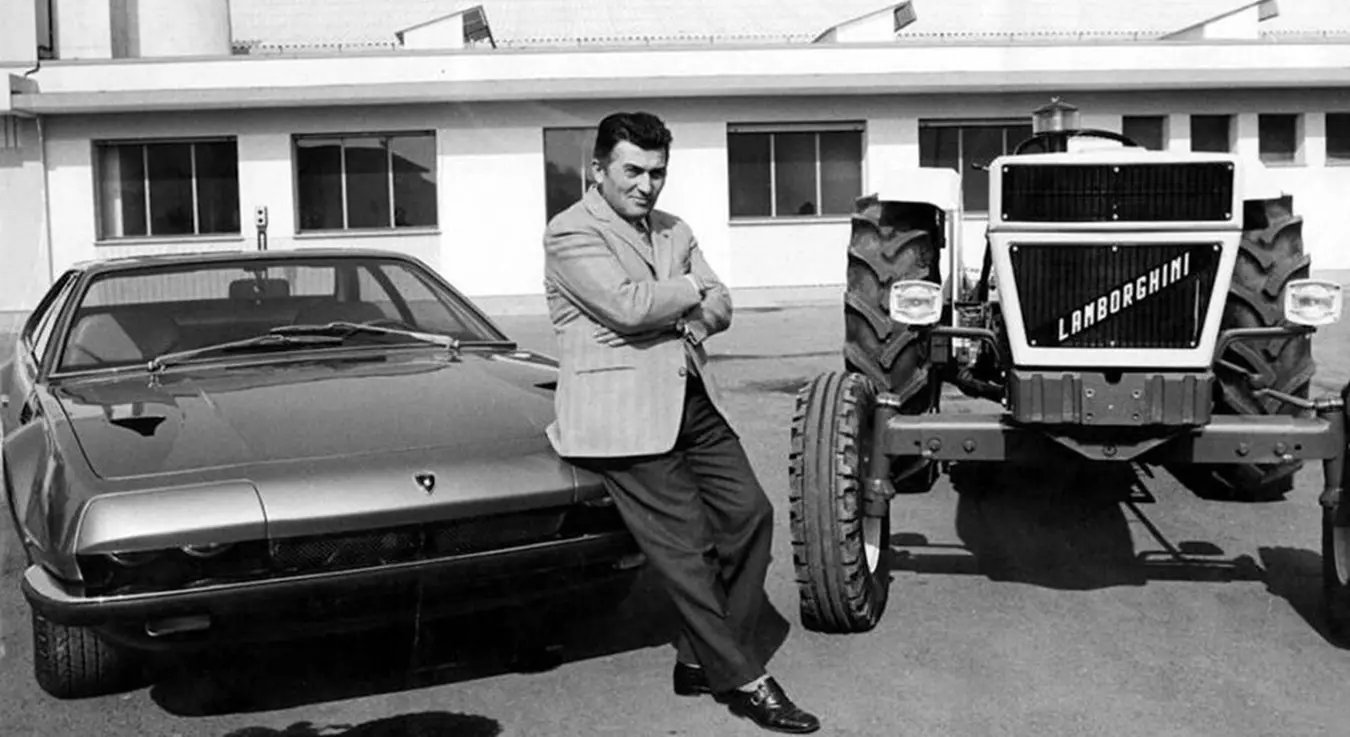
Ferruccio Lamborghini: The Farmer Who Decided to Build a Better Ferrari
The year is 1963. A successful Italian industrialist and tractor factory owner drives up to Maranello in his Ferrari 250 GT and knocks on Enzo Ferrari's door. He hasn't come to buy a new car. He's come to complain - the clutch on his expensive sports car keeps failing, and as a man who has spent his whole life building tractors, he even has a concrete suggestion for how to fix it.
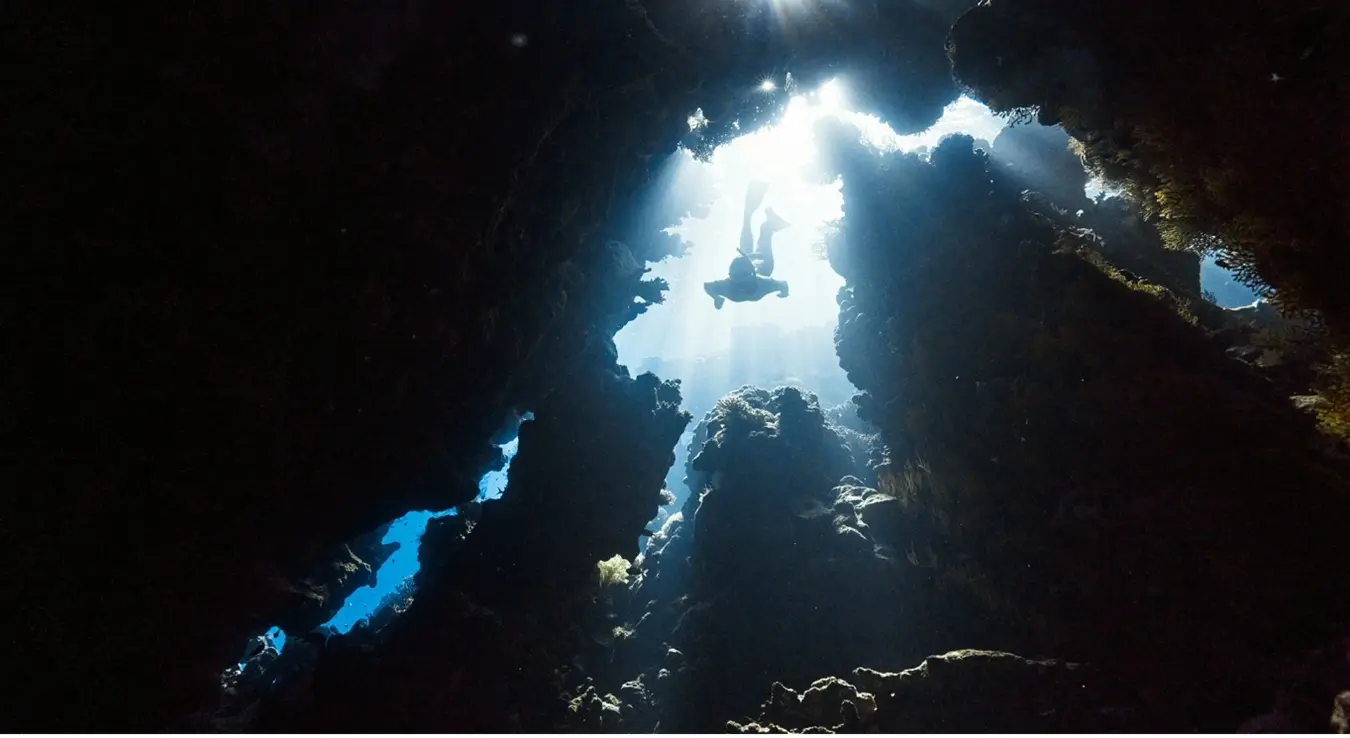
Cave Diving: A Journey Into a World the Sun Never Enters
Most extreme sports leave some margin for error. A climber can turn back a hundred metres from the summit. A big-wave surfer who wipes out can be pulled from the water by a jet-ski waiting nearby. Cave diving offers no such second chances. Go deep enough into the wrong passage, and the only thing standing between a diver and never being found again is a single thin line he laid down himself, and his own discipline in following it back.
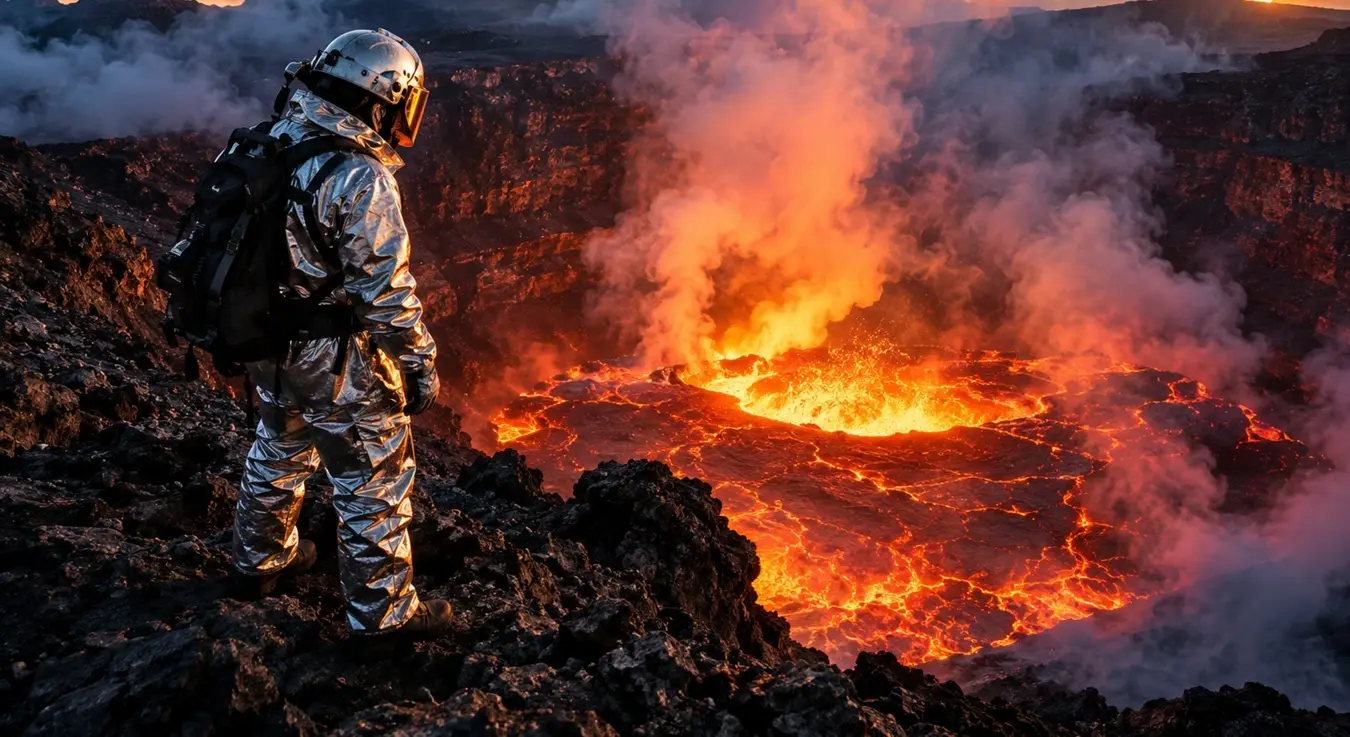
A Window Into Hell: Places Where Gases Melt Gear, and People Still Go Back
Sam Cossman stood at the edge of a crater as deep as the Empire State Building is tall, wearing a custom-built suit of aluminised fibreglass cloth and fire-retardant Nomex. At the same time, two camera-mounted drones hovered above a glowing lake of lava. "It's a glimpse into the centre of the Earth," he later described the moment to National Geographic.
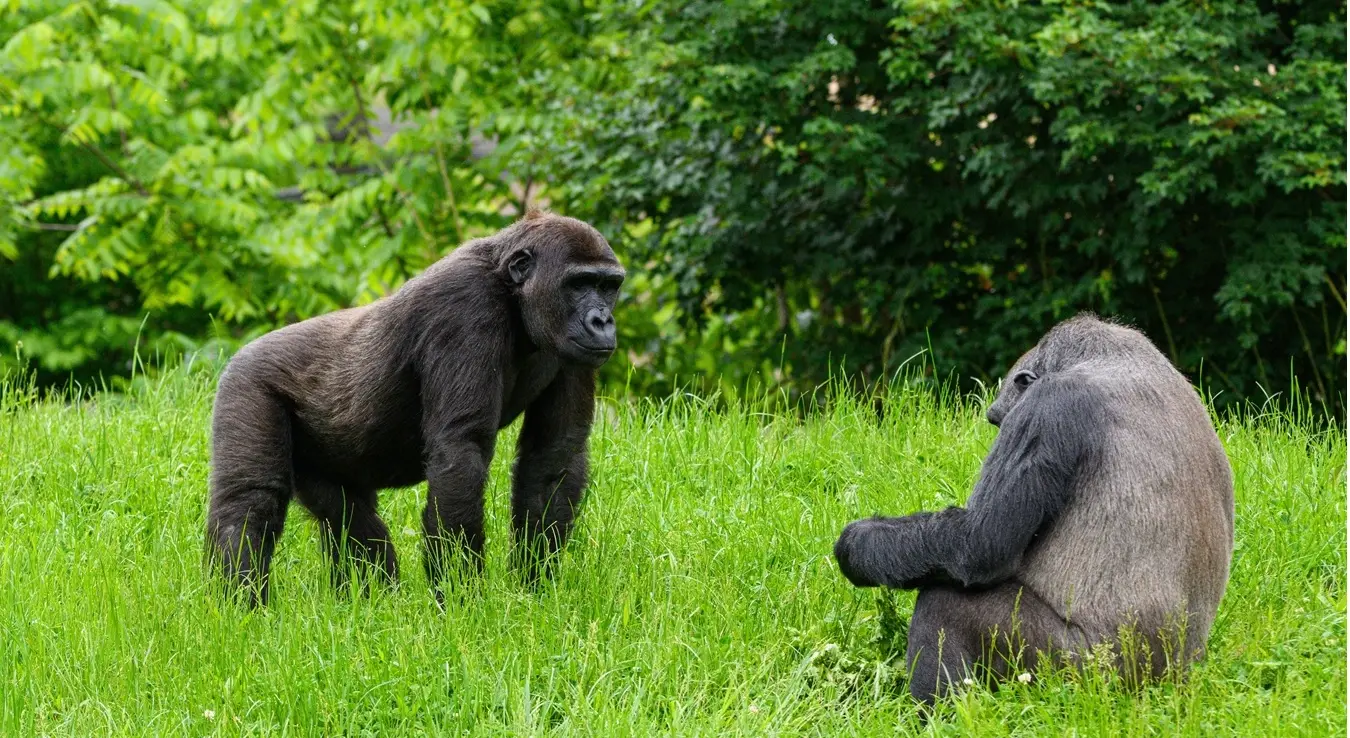
A Guest in Someone Else's Forest: Walking Among the Mountain Gorillas
A person walks for several hours through dense, damp forest, climbing volcanic slopes, pushing through vegetation as thick as a wall, trying to follow the tracks of animals that move through it far more easily than he does. There's no zoo, no fence, no glass - mud up to the knees, sweat mixing with the morning damp, and a ranger who occasionally raises a hand to signal the group to stop and listen.
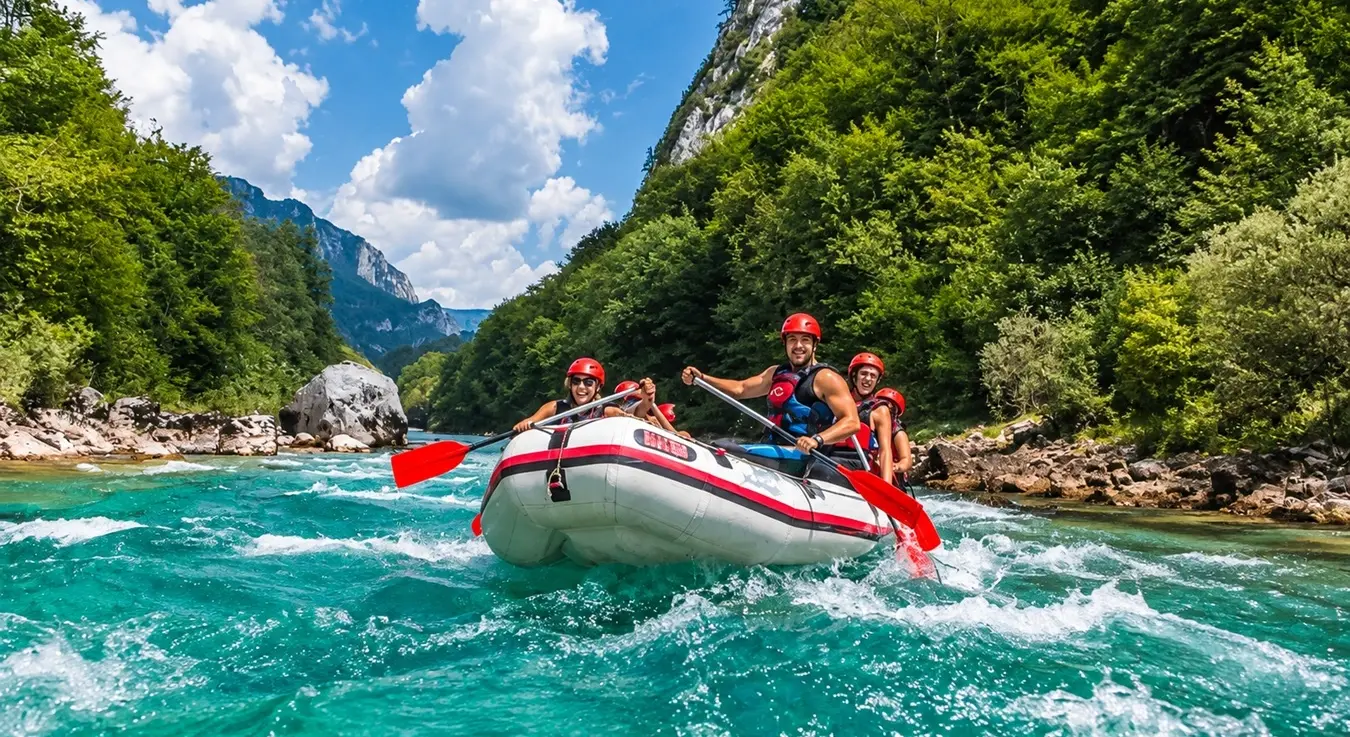
Rafting on the Tara and Vrbas: A Magical Adventure on Water
For adventure seekers looking for wild river currents and rapids, Republika Srpska offers plenty to choose from. Rafting is especially popular on the Tara and Vrbas rivers, both offering active recreation in a truly unique natural setting.
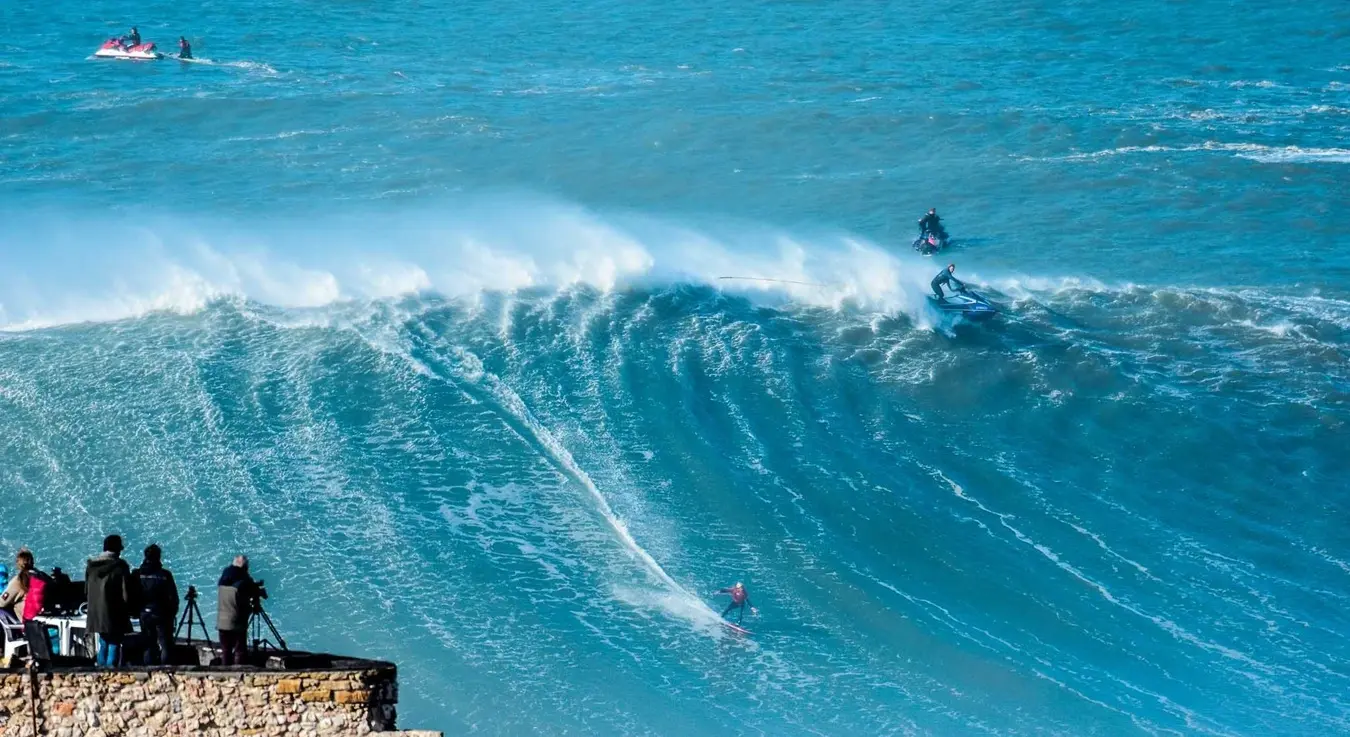
Waves That Don't Forgive: Where Surfing Turns Into a Game With Death
There's a moment, just before a surfer drops into a wave as tall as a five-storey building, when the jet ski lets go of the rope and leaves him alone on a mass of water moving at highway speed.
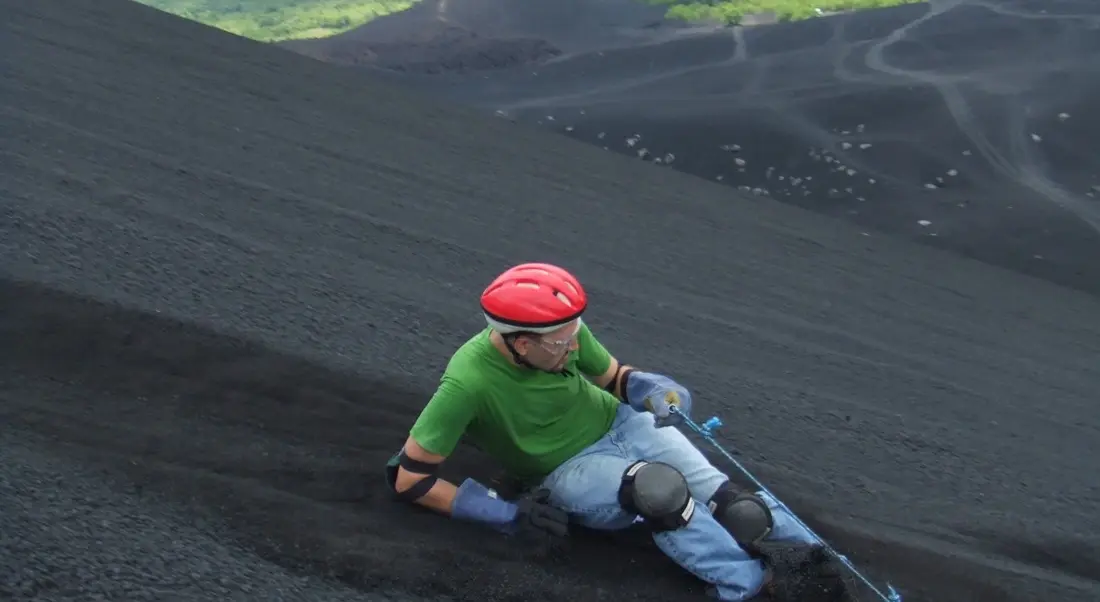
Surfing Volcanic Ash: Adrenaline on the Slopes of Cerro Negro
In 2004, Daryn Webb stood at the summit of Cerro Negro looking for a faster way down. He'd already tried a surfboard. He'd tried a snowboard. When neither worked the way he'd hoped, the story still goes around León that he even tried a refrigerator door.
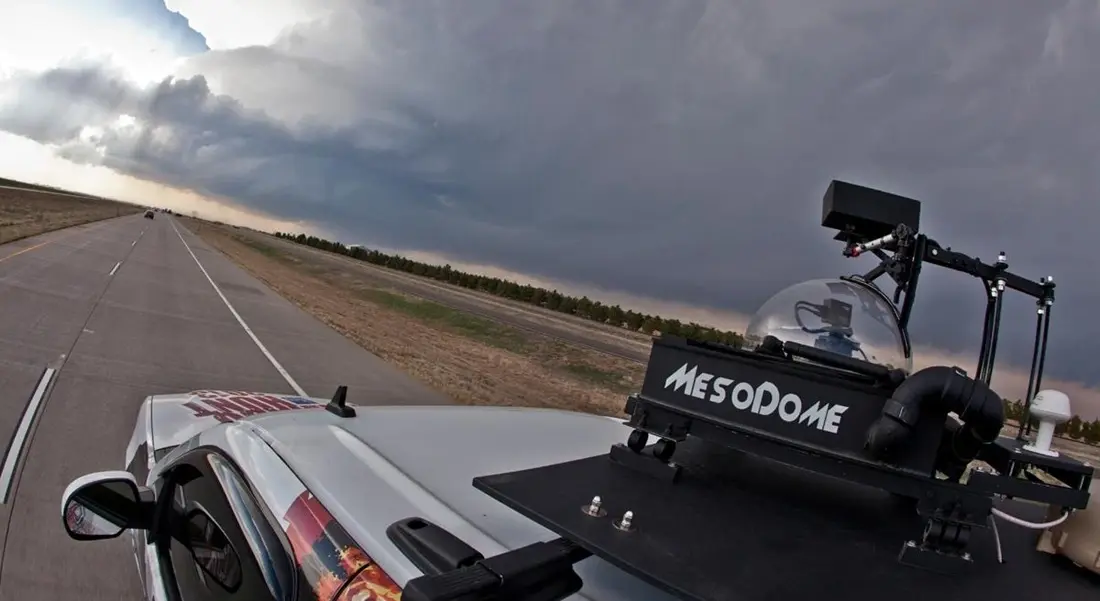
Storm Chasers: Why Some People Drive Straight Into the Storm Everyone Else Is Trying to Escape
Across the vast plains of America's heartland, a small community of people responds to tornado warnings in a way that seems almost unimaginable. While families seek shelter and highways empty, they fuel their vehicles, check their radar screens and head directly toward the darkening horizon. They are not chasing danger for its own sake - they are pursuing one of nature's most extraordinary spectacles.