

The Man Who Founded IKEA and Lived More Modestly Than Most of His Customers
![[object Object]](https://api.hedonistmagazine.net/storage/images/2026/07/5b2f83fc-2338-4acb-8c53-32dec1da8e40.webp)
If a stranger had found themselves sitting next to him on a flight, they would have had little reason to believe they were sharing a row with one of the richest men in the world. He flew economy class, drove a fifteen-year-old car, stayed in modest hotels, and often dined in the restaurants of his own company. While other billionaires collected yachts, private jets, and sprawling estates, he insisted that wasting money was one of humanity's greatest sins.
That man was Ingvar Kamprad, the founder of IKEA, whose vision transformed the way millions of people furnish their homes. Today, IKEA operates in dozens of countries, sells hundreds of millions of pieces of furniture each year, and has become synonymous with functional, affordable design. Yet the story of IKEA is more than a tale of extraordinary business success. It is the story of a boy from rural Sweden who believed that a beautiful home should never be a privilege reserved for the wealthy.
The Boy Who Was Always Selling Something
Ingvar Kamprad was born in 1926 on the family farm of Elmtaryd, in the village of Agunnaryd in southern Sweden. From an early age, he displayed an unusual talent for business. While most children were occupied with games, Kamprad was buying matches in bulk and selling them to neighbours at a small profit. Before long, he had expanded his inventory to include pens, wallets, watches, Christmas decorations, and a variety of household items purchased at wholesale prices.
Kamprad was not the kind of visionary who waited for a single brilliant idea. Instead, he was a determined young entrepreneur who constantly searched for better ways to sell everyday products. That persistence would eventually become the foundation of one of the world's most influential companies.
At the age of seventeen, after receiving a cash reward from his father for doing well in school, Kamprad faced a choice. Many teenagers would have bought a motorcycle or a car. He chose to start a business instead. He called it IKEA.
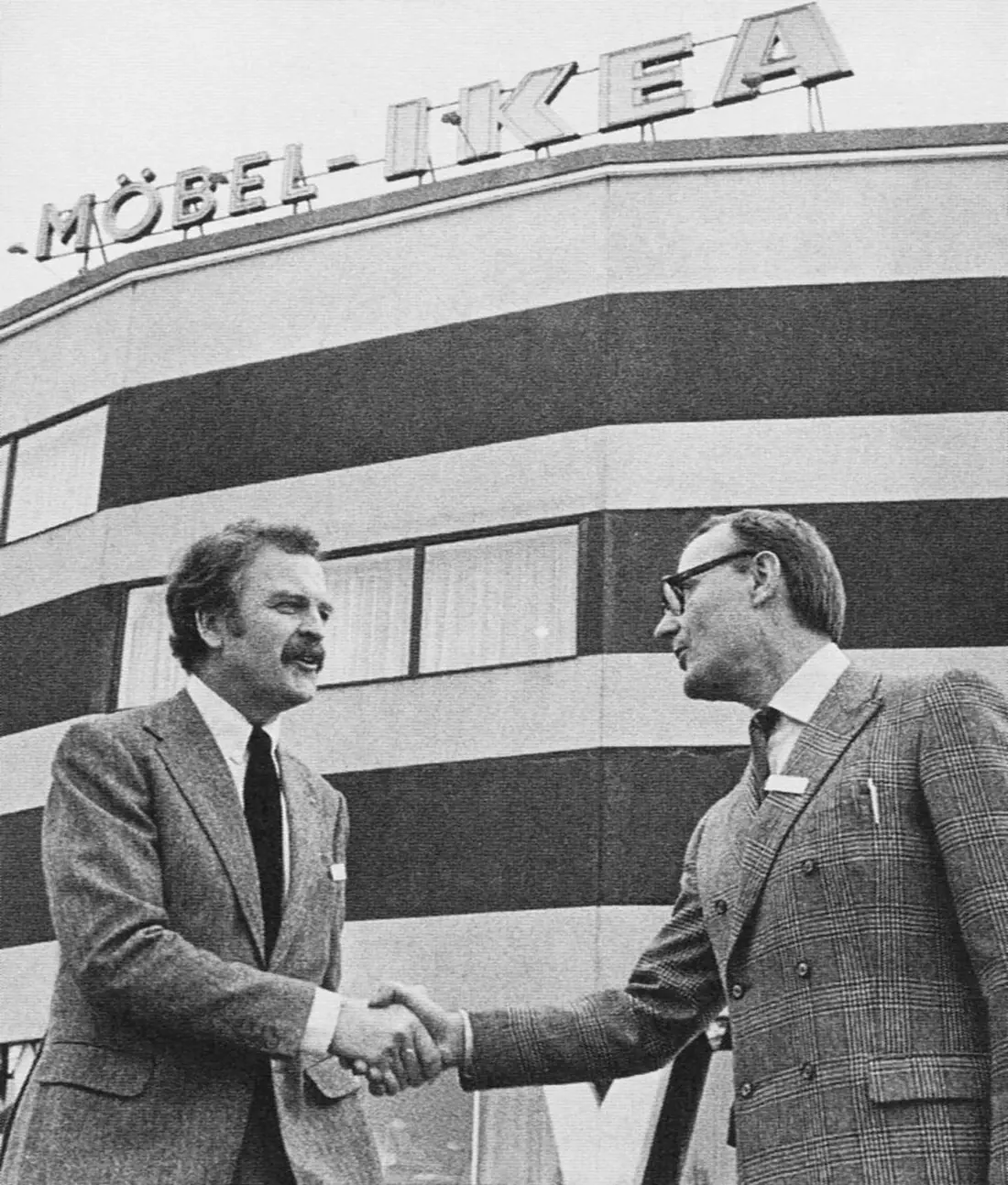
The name was no coincidence. It combined his initials - Ingvar Kamprad - with the first letters of the family farm, Elmtaryd, and his home village, Agunnaryd. Four simple letters that would go on to become one of the world's most recognisable brands.
How Ordinary Furniture Became a Revolution
In its earliest years, IKEA did not sell furniture. Its catalogue featured pens, picture frames, watches, stockings, and a range of everyday goods that Kamprad distributed by mail order.
It was not until the late 1940s that furniture entered the catalogue. Kamprad quickly recognised a remarkable opportunity. Well-designed furniture was expensive, and modern interiors remained largely out of reach for ordinary families. He believed there had to be another way.
His philosophy was straightforward: good design should be accessible to as many people as possible. Rather than increasing prices to create an air of exclusivity, he searched relentlessly for ways to reduce costs without compromising quality.
The company's defining breakthrough arrived almost by accident. While trying to fit a large table into a customer's car, one of Kamprad's employees removed its legs to make transportation easier. Kamprad immediately recognised the potential of the idea.
If furniture could be disassembled before shipping, it would require less storage space, reduce transport costs, and ultimately become far more affordable for customers.
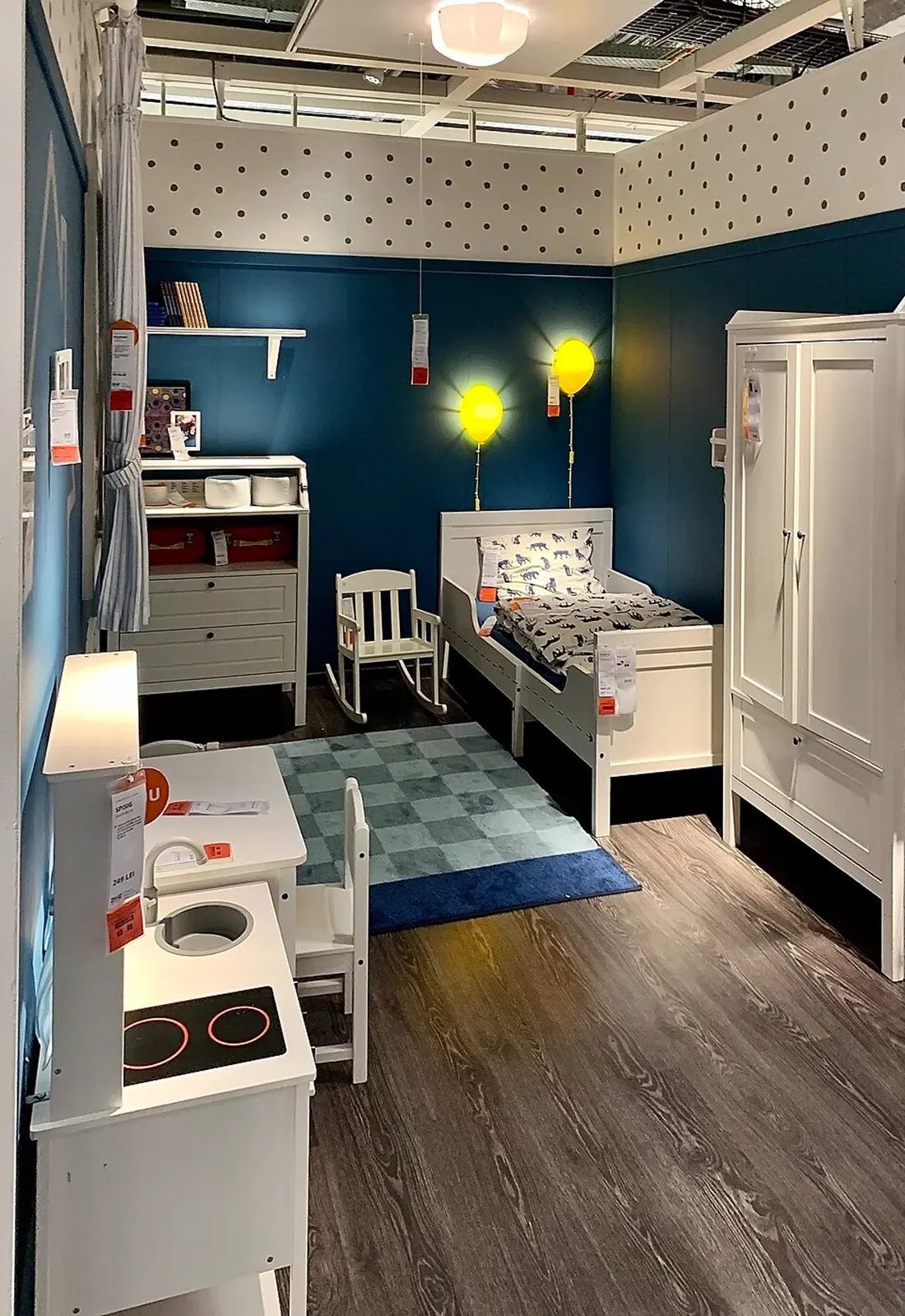
From that simple observation emerged the concept of flat-pack furniture - arguably IKEA's most iconic innovation.
Customers were asked to assemble their purchases themselves. At first, many were sceptical. But they soon realised that a little effort at home translated into significantly lower prices. What initially appeared to be a compromise became one of the most influential business innovations of the twentieth century.
The Store That Turned Shopping into an Experience
Kamprad transformed more than furniture manufacturing. He fundamentally changed the way people bought furniture.
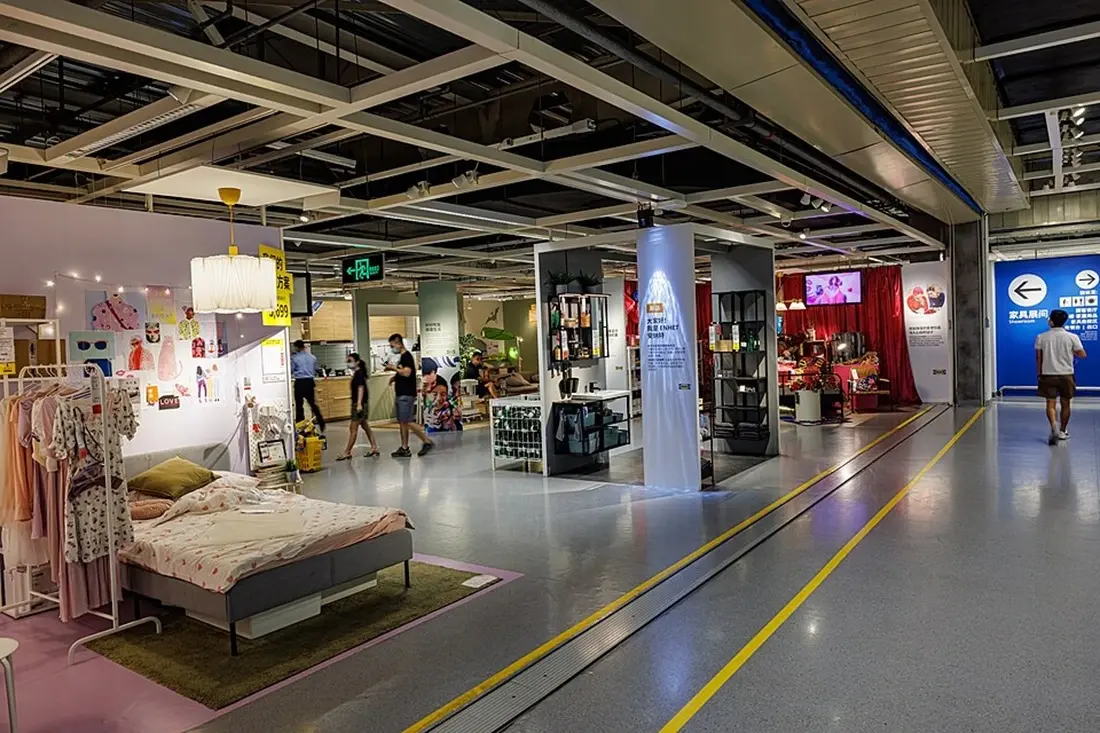
Instead of traditional showrooms where individual pieces were displayed like museum exhibits, IKEA created fully furnished apartments and realistic living spaces. Customers no longer looked at a table or a bookshelf in isolation. They walked through complete kitchens, living rooms, bedrooms, and home offices, making it easier to imagine those spaces in their own homes.
Later came Swedish restaurants, children's play areas, and vast self-service warehouses where customers collected their own flat-packed purchases.
Buying furniture became a family outing rather than a routine shopping trip. Many retail concepts that now seem perfectly ordinary first appeared inside an IKEA store.
The Billionaire Who Refused to Live Like One
As IKEA expanded across the globe, Kamprad's fortune grew alongside it. For decades, he ranked among Europe's wealthiest individuals and, at times, among the ten richest people in the world.
Yet his lifestyle remained remarkably modest.
He drove the same ageing Volvo for years, replacing it only when it was no longer practical to keep. He flew economy, used public transportation whenever possible, and preferred modest hotels to luxury suites. Stories circulated that he would save packets of salt and pepper from restaurants to avoid waste, while encouraging employees to print on both sides of every sheet of paper. He also enjoyed shopping at flea markets, convinced there was little sense in paying more for something that served the same purpose.
For Kamprad, frugality was never a carefully cultivated public image. It was a deeply held personal philosophy.
He often argued that every unnecessary expense eventually found its way into the price paid by customers. Many employees later said that this mindset shaped IKEA's corporate culture as profoundly as any business strategy.

A Legacy Not Without Controversy
Like many influential business figures, Kamprad's legacy is not without its complexities.
In his youth, he briefly associated with far-right movements in Sweden, a chapter of his life that drew significant criticism decades later. He publicly described those connections as the greatest mistake of his life, repeatedly expressing regret and offering sincere apologies for his actions.
IKEA's intricate ownership structure and Kamprad's move to Switzerland, where he lived for many years under a more favourable tax regime, also generated debate. Critics argued that the company's corporate structure was unnecessarily complex, while IKEA maintained that it had been designed to protect the company's independence and long-term vision.
Whatever one's perspective, these issues remain an important part of Kamprad's story and are regularly addressed in any comprehensive account of his life.

A Legacy Found in Millions of Homes
Today, it is difficult to find a city where IKEA is unknown. Its furniture fills the homes of students, young families, architects, artists, and retirees alike. For countless people, furnishing a first apartment begins beneath the company's familiar blue-and-yellow sign.
Yet Kamprad's greatest achievement is not measured in bookshelves, tables, or wardrobes. He changed the way people think about home.
He demonstrated that thoughtful design should never be reserved for a privileged few, and that practicality can be every bit as valuable as luxury. His philosophy inspired manufacturers around the world to prioritise simplicity, functionality, and affordability over unnecessary ornamentation and inflated prices.
When Ingvar Kamprad died in 2018, he left behind far more than one of the world's largest furniture companies. He left behind an idea that reshaped an entire industry.