

The Man Who Invented the Holiday: How Modern Tourism Was Born

![[object Object]](https://api.hedonistmagazine.net/storage/images/2026/07/2d6a195a-3a5f-4765-94cd-2dab55da1b53.webp)
Morning slowly broke over industrial England. Thick smoke from factory chimneys hung above Birmingham, Manchester, and Leicester as the first locomotives thundered across a landscape transforming faster than ever before. Factories absorbed thousands of workers, cities expanded almost overnight, and railways connected places that had once been separated by days of travel by horse-drawn carriage.
Europe was entering a new age. Yet despite this technological revolution, there was one idea that rarely crossed people's minds: traveling simply because they wanted to.
Today, the thought of spending every weekend at home feels almost unimaginable. Flights can be booked in minutes, hotels reserved with a single click, and millions of people cross borders every day in search of new cities, beaches, mountains, or unforgettable culinary experiences. Travel has become an essential part of modern life and a defining feature of leisure.
Less than two centuries ago, however, the world looked entirely different. For most people, travel was never about pleasure - it was a necessity. People left home because they had to, not because they wanted to.
Merchants journeyed across vast distances to sell goods and discover new markets. Sailors spent months at sea searching for spices, silk, and precious metals. Soldiers marched thousands of miles in the service of their rulers' wars. Pilgrims traveled to Rome, Jerusalem, or Santiago de Compostela in the hope of saving their souls. Entire families migrated in search of fertile land or better opportunities, while craftsmen and laborers followed work wherever it could be found. Very few people traveled simply to watch a sunset on a distant coast or wander through the streets of an unfamiliar city.
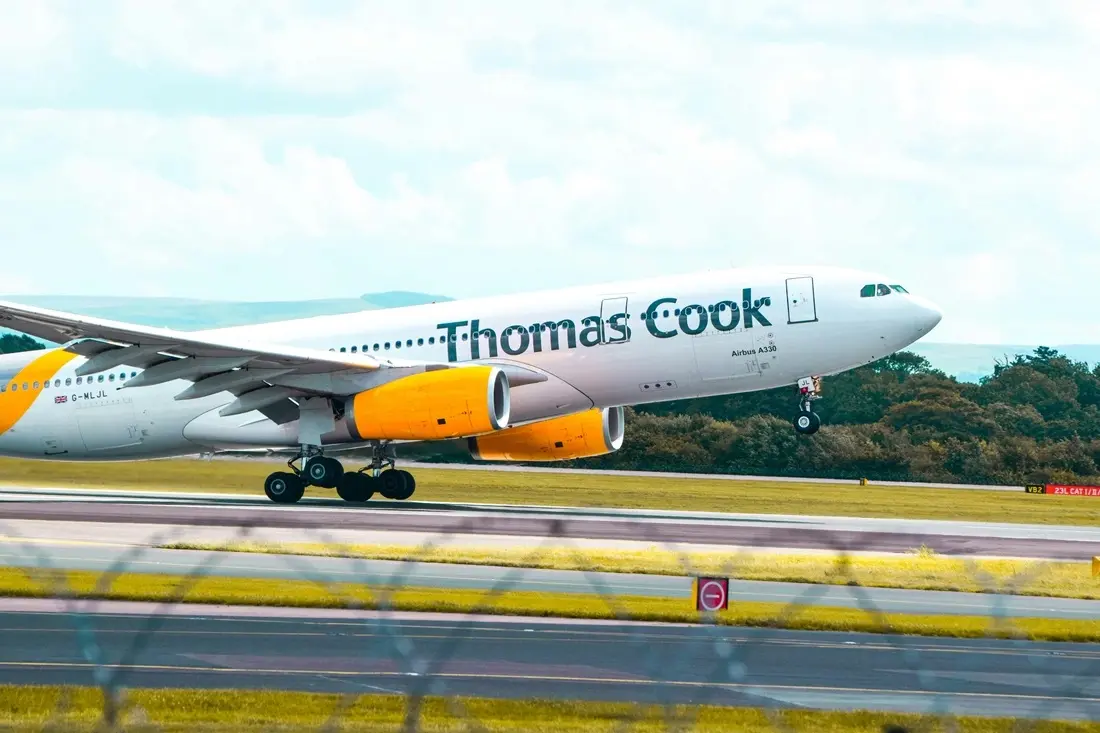
The very idea of a holiday, as we understand it today, scarcely existed. This was not because people lacked curiosity. The desire to explore has always been deeply rooted in human nature. The problem was that travel was expensive, slow, and often dangerous. Poor roads, highway robbers, disease, unpredictable weather, and limited transportation made even relatively short journeys major undertakings. Traveling just a few hundred kilometers could take weeks and involve considerable risk. As a result, most Europeans spent their entire lives within a few dozen kilometers of the place where they were born.
Historians estimate that, for the average European in the early nineteenth century, the longest journey they would ever make was often a visit to a nearby fair or market town. Traveling purely for pleasure remained an extraordinary privilege reserved for a fortunate few.
Travel as a Symbol of Status
If anyone could afford to travel simply for enjoyment, it was Europe's aristocracy. Beginning in the seventeenth century, wealthy British families embraced a tradition known as the Grand Tour. After completing their formal education, young noblemen embarked on journeys lasting months, or even years, across continental Europe to further their education, learn foreign languages, and immerse themselves in the continent's art, architecture, and culture.
Their itineraries followed a familiar pattern. Paris offered elegance and sophistication. Geneva represented intellectual life and philosophy. Florence and Rome provided access to Renaissance masterpieces and the remnants of classical antiquity. Venice dazzled with its canals and grand squares. Many continued to Naples or Sicily, while the most ambitious traveled as far as Greece in search of the roots of European civilization.
Along the way, they collected paintings, sculptures, books, and manuscripts, studied music, mastered etiquette, and forged relationships that would later prove valuable in politics and diplomacy. The Grand Tour was, in many ways, the finishing school of Europe's elite.
Yet it was not tourism in the modern sense. It remained accessible only to the wealthiest members of society. These journeys required enormous financial resources, private tutors, servants, guides, and months, or even years, away from home. They were part of an aristocratic education rather than a form of leisure.
For a factory worker in Leicester or a textile laborer in Manchester, such a journey was about as attainable as a private trip to the Moon would be today. Tourism, as we know it, simply did not exist. There were no travel agencies, organized excursions, guidebooks designed for ordinary travelers, package holidays, or hotel reservations. There was no one you could tell, "I'd like to spend a few days somewhere new - please arrange everything for me."
That would all change because of one boy who grew up far removed from aristocratic drawing rooms.
The Boy Who Had Almost Nothing
Thomas Cook was born on November 22, 1808, in the village of Melbourne, Derbyshire, England. His childhood bore little resemblance to the lives of those privileged enough to tour Europe for pleasure.
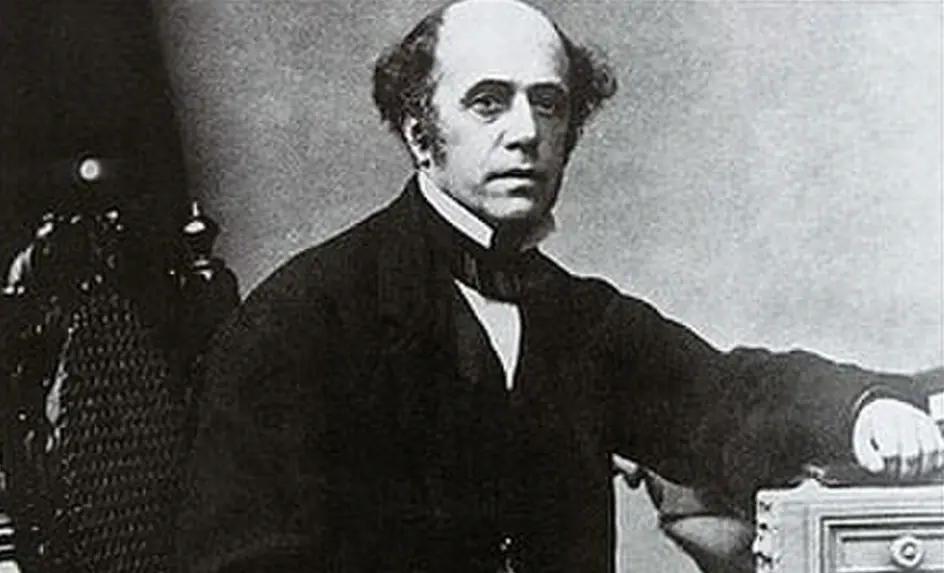
His father died when Thomas was only four years old, leaving the family in severe financial hardship. His mother remarried soon afterward, but from an early age, the boy understood that whatever he achieved in life would depend on his own determination and hard work.
At just ten years old, he began working as an assistant to a local gardener, earning only a few pennies each week. Later, he apprenticed as a woodturner and cabinet maker, developing the discipline, precision, and organizational skills that would shape his future. Unlike many wealthy Englishmen of his era, Cook never enjoyed an elite formal education. Most of his knowledge came through self-study, books, and church schools whenever he could spare the time. But it was not woodworking that defined him. It was faith.
As a young man, Cook joined the Baptist Church and soon became a lay preacher. He traveled from village to village delivering sermons on morality, education, and social reform. Although he did not realize it at the time, this would become his first real experience organizing journeys - not to show people famous landmarks, but to bring them together around a common purpose.
A Society Drowning in Alcohol
To understand Thomas Cook, one must first understand the England in which he lived.
The Industrial Revolution generated extraordinary wealth, but it also created immense social problems. Thousands of workers spent twelve hours or more each day in factories under harsh conditions for meager wages. Cities expanded chaotically, poverty was widespread, and alcoholism emerged as one of Britain's greatest social challenges.
Public houses were crowded from morning until night. For countless laborers, a glass of gin or ale offered the only escape from exhausting daily routines.
It was during this period that the Temperance Movement began spreading across Britain, advocating moderation or complete abstinence from alcohol. Its mission extended far beyond personal health. Reformers believed reducing alcohol consumption would also combat poverty, domestic violence, and crime. Thomas Cook quickly became one of the movement's most energetic campaigners.
His enthusiasm proved infectious. He organized lectures, public meetings, and community gatherings, traveling tirelessly from town to town while encouraging people to seek healthier and more meaningful ways to spend their free time. Today, that idea sounds perfectly ordinary. In the 1840s, it was surprisingly revolutionary.
After all, leisure itself was barely recognized as a social concept.
The Idea No One Had Thought Of
In the early 1840s, another revolution was unfolding across Britain. Railways were connecting cities faster than ever before. Trains, once used primarily for transporting freight and business travelers, were becoming increasingly accessible to the public.
Thomas Cook saw something that others overlooked. If a train could carry hundreds of passengers at once, why couldn't it also give ordinary working people something they had rarely experienced before? A day away from everyday life. Not for business. Not for trade. Not because of war. Not to relocate. Simply to relax, socialize, and enjoy themselves. The idea was so obvious that it seems astonishing no one had attempted it before.
Cook believed a carefully organized day trip could offer workers a healthier alternative to crowded taverns and excessive drinking. Instead of spending the weekend in smoky pubs, people could travel together by train, enjoy music, take walks in the countryside, meet new friends, and return home the very same evening.
Today we would call it a package day excursion. In 1841, the concept did not exist. The practical challenges were enormous. Cook had to persuade a railway company to provide a special train, organize ticket sales, design an itinerary, and convince enough people to join what was, for all intents and purposes, a completely new idea.
It was an enormous gamble. But Thomas Cook refused to abandon it. After lengthy negotiations, he reached an agreement with the Midland Counties Railway, securing a dedicated train for the journey. The date was set. The departure station was chosen. No one, not even Cook himself, could have imagined that this simple excursion would become the first chapter in the history of modern tourism.
On July 5, 1841, passengers began gathering at Leicester railway station. They were not traveling for work. They were not merchants transporting goods. They were not emigrants searching for a new home. For the first time in history, hundreds of ordinary people boarded a train for one simple reason: To enjoy a pleasant day out. Modern tourism had just been born.

The Day Tourism Was Born
That morning looked no different from countless others in Leicester. The railway station was cloaked in the smoke of steam locomotives, crowded with factory workers hurrying to their jobs and merchants transporting goods to England's booming industrial centers. At the time, the train was above all a symbol of the Industrial Revolution - a machine built to move coal, iron, textiles, and people traveling for business. No one could have imagined that an ordinary train departing that day would mark the beginning of an entirely new industry, one that, nearly two centuries later, would employ hundreds of millions of people across the globe.
Yet something unusual was happening on the platform. The passengers gathering there carried no trade samples, tools, or business papers. They were not reporting for military service, nor were they relocating to another town. Most had never traveled by train before. They had come for one simple reason: to enjoy a pleasant day away from the routines of everyday life. England had never witnessed anything quite like it.
For months, Thomas Cook had meticulously planned every detail. He negotiated with the Midland Counties Railway, persuading its directors to provide a special train between Leicester and Loughborough for a gathering organized by the Temperance Movement. Rather than selling individual tickets at standard fares, he secured a discounted group rate, making the journey affordable for ordinary working people. It was a deceptively simple business idea that would later become the foundation of virtually every travel agency in the world: the more passengers who traveled together, the lower the cost for each individual.
When everything was in place, tickets went on sale for a single shilling. The fare included a return journey, making it an exceptional bargain by the standards of the day. For many participants, it was the first time they could afford an organized trip that had nothing to do with work, necessity, or survival.
The response exceeded every expectation. Around 570 passengers - men, women, and children from different walks of life - joined the excursion, united by a shared desire to escape their daily routines, if only for a single day. Today, that number might seem modest. In mid-nineteenth-century England, however, it was unprecedented.
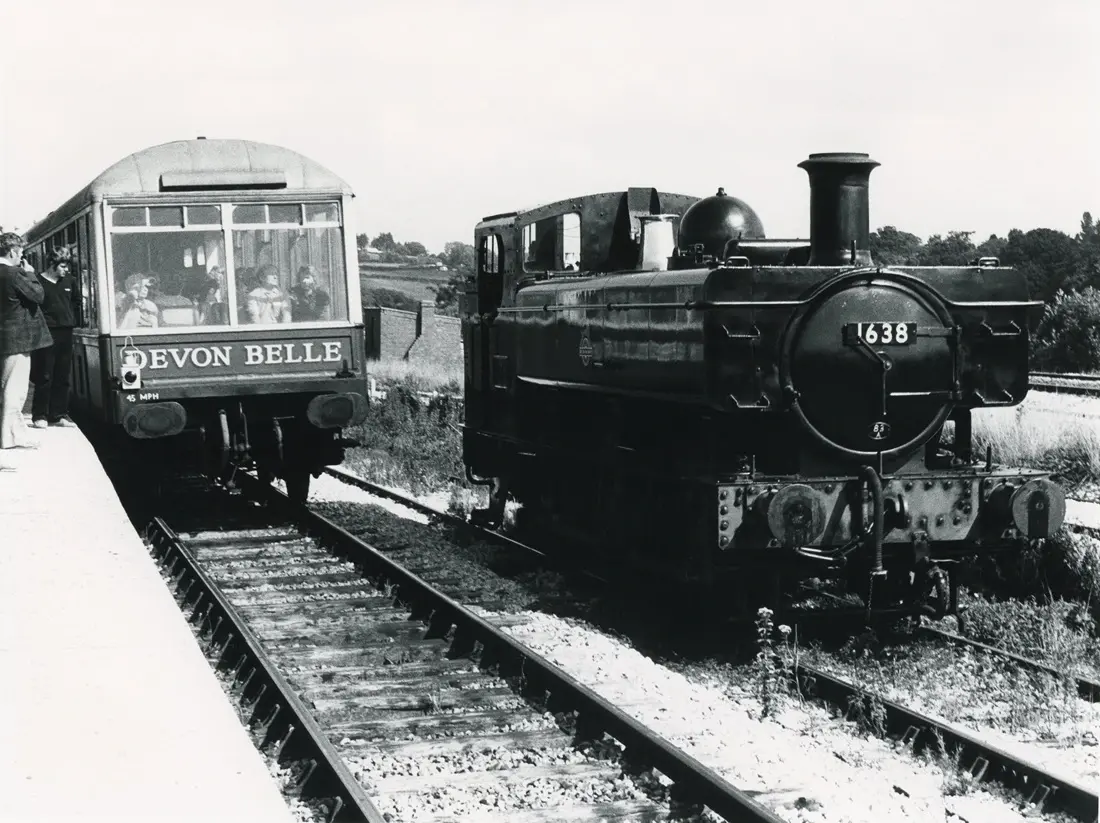
As the locomotive pulled out of Leicester with a shrill whistle and a cloud of steam, few aboard realized they were making history. Families waved goodbye from the platform, strangers struck up conversations, and passengers watched the countryside rush past the windows faster than anything they had ever experienced from a horse-drawn carriage.
For many of them, the journey itself was the attraction. The railway between Leicester and Loughborough stretched little more than twenty kilometers, but symbolically it covered a far greater distance. It was the world's first organized leisure excursion designed specifically for ordinary people.
Cook had no intention of simply transporting his passengers from one place to another. He wanted the entire day to become an experience in itself. Upon arrival, the travelers attended a large Temperance Movement gathering, but the event extended far beyond speeches. There was music, communal recreation, leisurely walks, and a variety of social activities. Some brought picnic baskets, others purchased food on site, and many spent the day talking with people they had never met before. For perhaps the first time in their lives, they experienced the idea that travel could exist purely for its own sake.
That was the true revolution. Thomas Cook had not merely sold train tickets - he had sold an experience.
Today, it seems perfectly natural for a travel company to arrange transportation, reserve hotels, organize excursions, and coordinate every aspect of an itinerary. In 1841, however, such thinking was virtually unheard of. Anyone fortunate enough to travel was expected to organize every detail independently.
Cook understood something that no one else had fully grasped: people were looking for more than transportation. They wanted the reassurance that someone else had already solved the logistical challenges. In essence, he invented what we now call the package tour.
The extraordinary success of that first one-day excursion convinced Cook almost immediately that the idea had a future. Over the following years, he organized an increasing number of journeys across England and later throughout Scotland. Each trip was more carefully planned than the last. He refined his methods, negotiated with additional railway companies, and continually found new ways to make travel more affordable.
His customers were no longer limited to members of the Temperance Movement. Families, craftsmen, factory workers, teachers, and curious travelers eager to discover something new all became part of his growing clientele. Cook quickly realized that he was no longer selling transportation - he was selling memories.
From One Train to the World's First Travel Empire
The years that followed proved that the Leicester excursion had not been a fortunate accident. It was the beginning of a transformation.
Demand for organized travel grew steadily with each passing year. Britain's railway network expanded at a remarkable speed, but Cook understood something that many of his contemporaries overlooked. Railways did more than connect cities - they connected people with places they had never before been able to visit.
His office became increasingly busy. Visitors arrived with a simple question: "Where can we go next?"
As the business flourished, Cook's son, John Mason Cook, joined the company, which soon became known as Thomas Cook & Son - a name that, over the following century, would become synonymous with organized travel around the world.
The family business expanded at an astonishing pace. Rather than waiting for competitors to introduce new services, Cook created them himself.
Among his most significant innovations was the development of the hotel voucher system. Instead of negotiating accommodations and payments at every destination, travelers could purchase documents in advance that guaranteed lodging at hotels partnered with Cook's company.
Today, this seems entirely routine. At the time, it was revolutionary.
The same spirit of innovation shaped his approach to travel information. Cook was among the first to publish detailed guidebooks containing practical advice about cities, historical landmarks, restaurants, local customs, and useful travel tips. No longer did travelers have to rely solely on chance encounters or local guides. For the first time, someone had thoughtfully designed the entire travel experience before the journey even began.
Europe Becomes Accessible
By the mid-1850s, Cook was organizing the first international package tours. Crossing the English Channel was still a daunting undertaking for most Britons, requiring careful planning, multiple tickets, hotel arrangements, and often at least a basic knowledge of foreign languages.

Cook simplified every step.
His organized groups traveled through France, Belgium, Germany, Switzerland, and Italy, allowing ordinary travelers to experience Europe's great capitals without worrying about accommodation, transportation, or unfamiliar surroundings.
Circular tours of Europe quickly became especially popular. Paris captivated lovers of art and fashion. The Swiss Alps revealed landscapes unlike anything most English travelers had ever seen. Italy offered an encounter with classical antiquity and the masterpieces of the Renaissance, while the Rhine Valley enchanted visitors with its romantic castles and vineyard-covered hills.
Cook's itineraries became something like universities on wheels. His customers did not simply travel - they learned about the world.
Toward the Land of the Pharaohs
If there was one moment when Thomas Cook demonstrated that virtually nothing was beyond his reach, it was his expansion into Egypt.
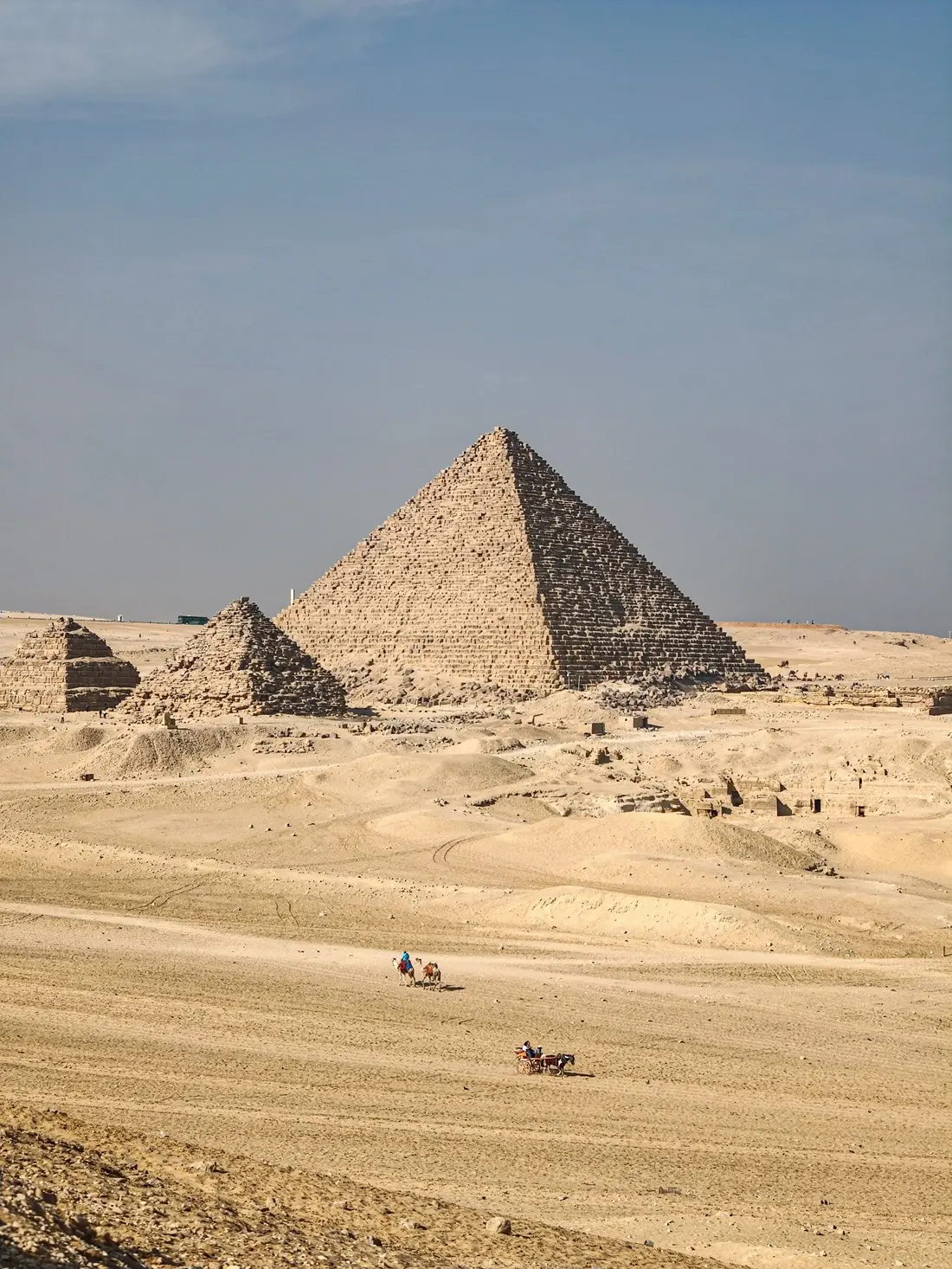
During the second half of the nineteenth century, the Nile possessed an almost mythical status in the European imagination. Stories of pharaohs, pyramids, the temples of Luxor, and lost civilizations inspired generations of travelers, yet organizing such a journey remained enormously complicated.
Once again, Cook found a solution.
His company began offering fully organized expeditions through Egypt, complete with Nile cruises, expert guides, accommodations, and logistical support.
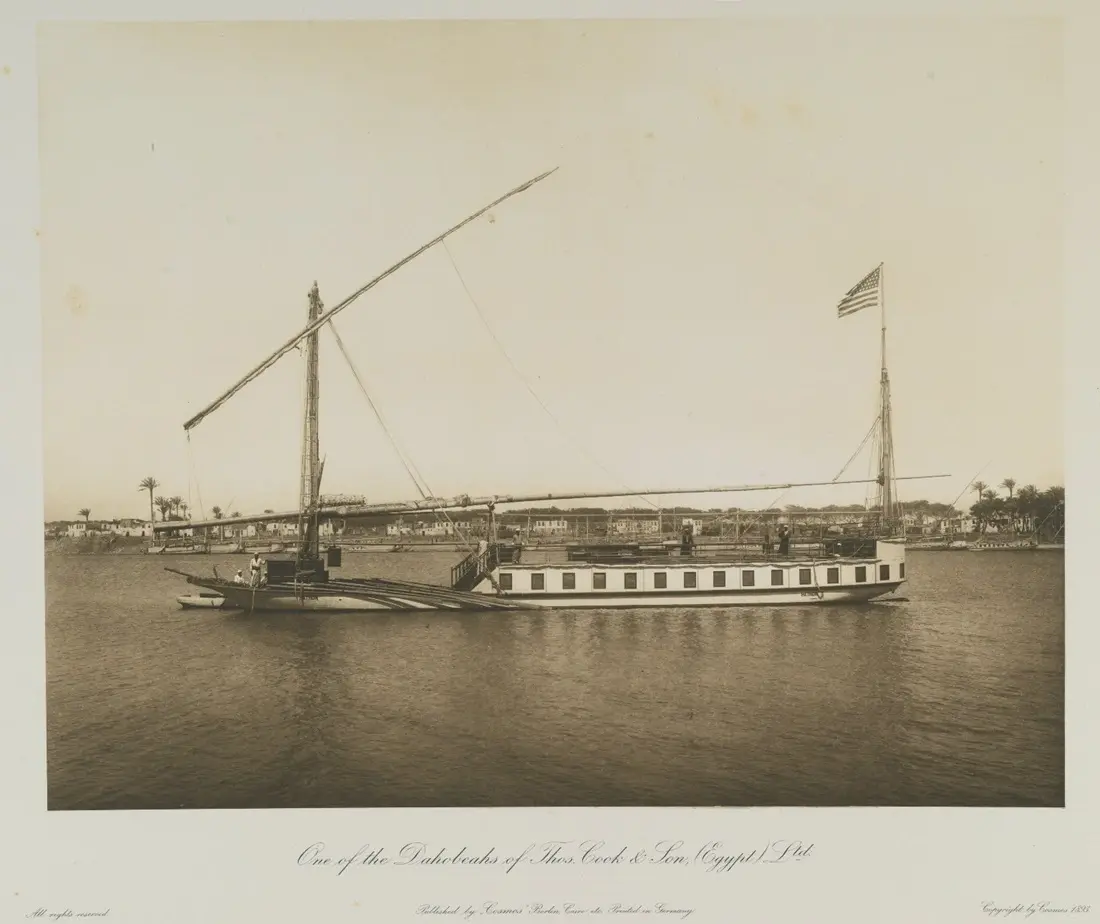
In time, Thomas Cook & Son even operated its own fleet of river steamers, carrying visitors between the country's most important archaeological sites. For countless British travelers, Cook made possible their first encounter with the Pyramids of Giza, the Valley of the Kings, and temples that had stood for thousands of years.
Tourism had become something far greater than recreation. It had become a gateway to civilizations.
A Journey to the Holy Land
Even more ambitious was Cook's decision to organize tours to the Holy Land.
Today, a flight to Israel takes only a few hours. In the nineteenth century, such a journey was a major expedition.

Cook successfully designed itineraries that combined Mediterranean crossings with visits to Egypt and Palestine, guiding hundreds of travelers through places they had previously known only from the pages of the Bible.
For many participants, it was far more than a holiday. It was the journey of a lifetime.
His reputation grew steadily. Monarchs, diplomats, artists, scholars, wealthy merchants, and members of the expanding middle class all relied on his services.
For the first time in history, travel was no longer the exclusive privilege of the aristocracy. It was becoming accessible to an ever-growing segment of society.
The World Opens Up
By the end of the nineteenth century, the name Thomas Cook was recognized across nearly every continent. His company organized journeys throughout Europe, North America, the Middle East, India, and Africa, building an international network unlike anything the travel industry had ever seen.
What had begun as a single-day excursion from Leicester to Loughborough evolved into a global system that fundamentally changed the way people experienced the world. Travel was no longer reserved for merchants, soldiers, or aristocrats. It had become something that teachers, craftsmen, office workers, and families could aspire to - a chance to spend a few days beyond the familiar rhythms of everyday life.
Thomas Cook could never have imagined commercial aviation, high-speed rail, luxury cruise ships, or online booking platforms. Yet he laid the foundations upon which all of them would eventually be built.
His greatest innovation was not a locomotive, a steamship, or a hotel. It was the simple but transformative idea that travel could be organized in a way that made it easy, safe, affordable, and accessible to almost everyone.
Once that idea proved possible, the barriers that had separated people from the wider world began to disappear. The world, quite literally, opened up.
Around the World
In 1872, Thomas Cook introduced something that, at the time, seemed almost unimaginable: an organized journey around the world. The expedition lasted more than seven months, taking travelers across Europe, the Middle East, India, Southeast Asia, China, Japan, and the United States. They traveled by train, steamship, horse-drawn carriage, and a variety of other means of transport, covering tens of thousands of kilometers at a time when many people spent their entire lives within a few dozen kilometers of the place where they were born.
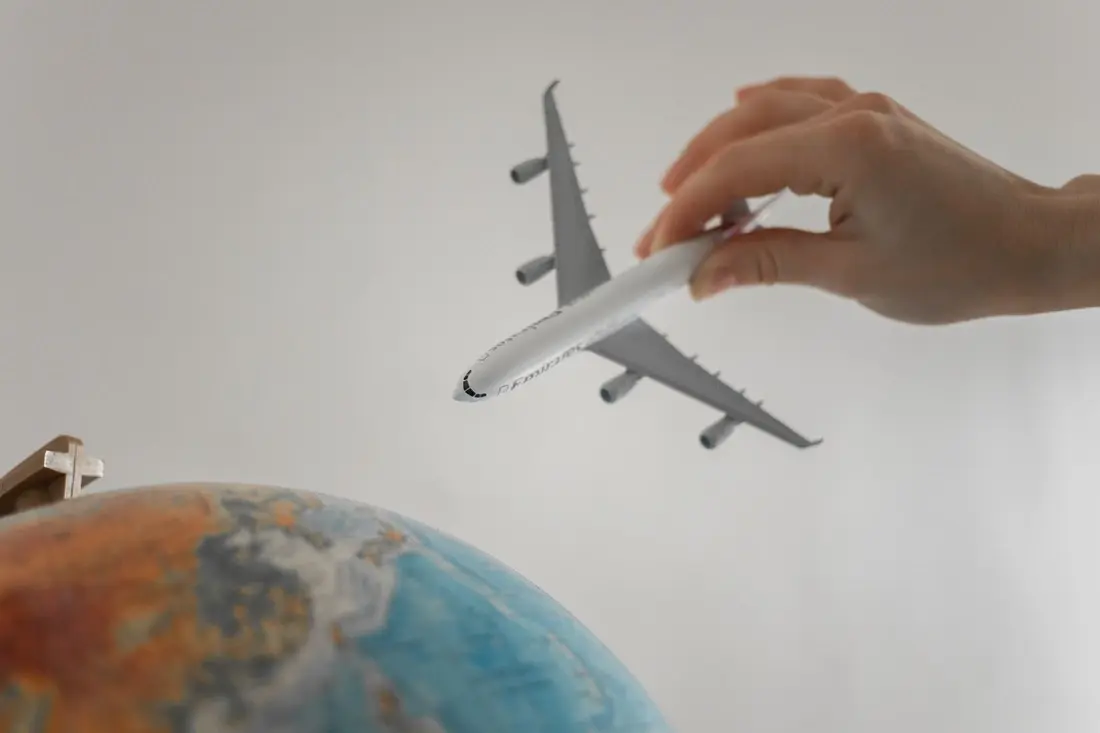
This was far more than an ambitious holiday. It symbolized the beginning of a new era. The world was no longer a collection of distant, inaccessible places. For the first time, it became a connected whole that could be explored according to a carefully planned itinerary, with known costs and a structured schedule.
Today, booking a round-the-world flight takes only a few minutes online. Nearly 150 years ago, it was Thomas Cook who first proved that such an idea was possible.
The Birth of Mass Tourism
By the beginning of the twentieth century, travel was becoming increasingly accessible. The rapid expansion of the railway network, the growing number of steamships, and the rise of the middle class created the conditions for tourism to evolve from an exclusive privilege into a mass social phenomenon.
After the Second World War, that transformation accelerated dramatically. Europe's economic recovery, rising living standards, and the introduction of paid annual leave enabled millions of people to plan summer holidays or winter vacations for the very first time. What had begun in Cook's day as a one-day railway excursion became a two-week seaside holiday or an international journey.
At the same time, tourist destinations themselves were changing. Mediterranean coastlines that had once been remote and difficult to reach were transformed into some of the world's most desirable holiday regions. Spain, Italy, Greece, and the south of France began developing entire towns designed to welcome visitors from Northern Europe.
Tourism was no longer simply about traveling. It had become one of the world's most powerful economic engines.
Hotels Become Destinations
The rise of tourism also transformed the role of hotels. Inns had traditionally catered to merchants, mail coaches, and travelers who simply needed a place to spend the night during long journeys. As leisure travel expanded, hotels became destinations in their own right.

The early twentieth century saw the emergence of legendary properties such as the Ritz in Paris, the Savoy in London, and the Negresco in Nice, offering levels of luxury previously unimaginable. Travel was no longer defined solely by reaching a destination. The hotel itself became an integral part of the experience.
In the decades that followed, international hotel chains spread across the globe, providing consistent standards of comfort in virtually every major city. It was Cook's concept of pre-arranged accommodation that laid the foundation for this entire system.
From Ocean Liners to Cruise Ships
Maritime travel underwent a similar transformation. Steamships that had once carried emigrants across the Atlantic gradually gave way to elegant passenger liners, and during the second half of the twentieth century, the modern cruise industry was born.
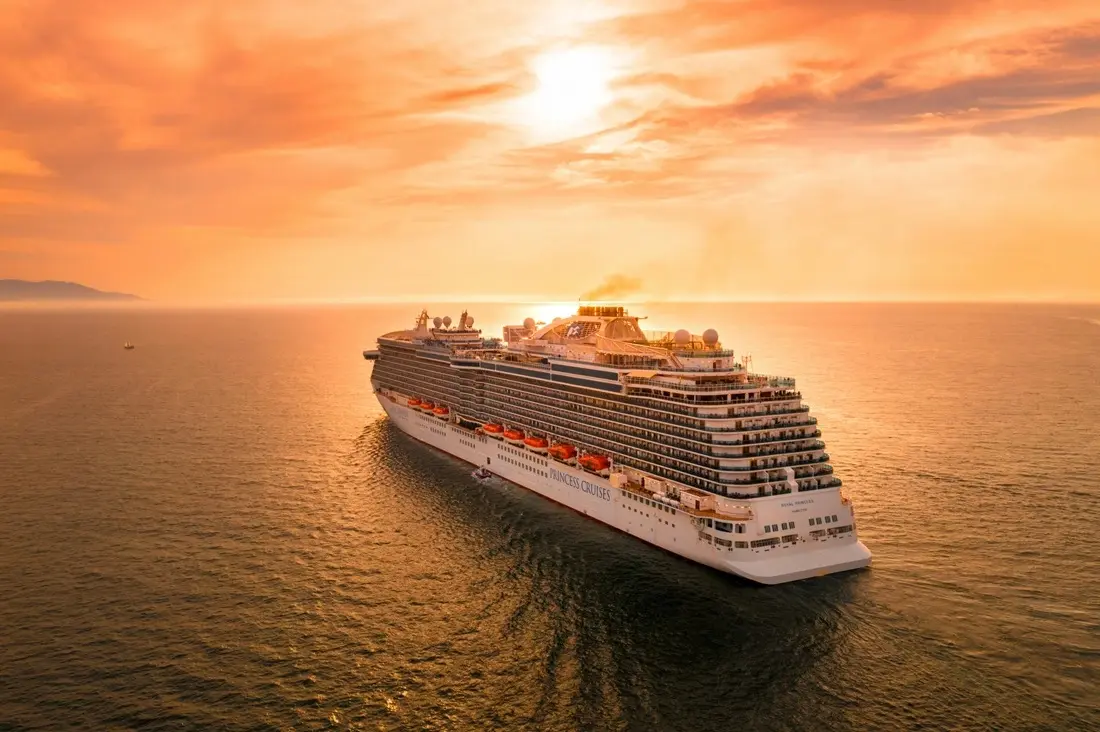
Today, the world's largest cruise ships resemble floating cities more than vessels at sea. They feature restaurants, theaters, swimming pools, spas, shopping promenades, sports facilities, and even ice-skating rinks. Every year, millions of travelers explore the Mediterranean, the Caribbean, Alaska, or the Norwegian fjords aboard ships that represent the natural evolution of Cook's original vision: someone else takes care of every logistical detail, allowing the traveler to focus entirely on the experience.
The Sky Becomes the New Railway
The greatest revolution, however, came with aviation.
When Thomas Cook died in 1892, the Wright brothers had not yet made their first powered flight. Had he seen today's international airports, he might well have mistaken them for something out of science fiction.

Air travel completely reshaped the geography of the world. Destinations that once required weeks or even months to reach are now only a few hours away. A weekend in Rome, a business meeting in Dubai, or a holiday in Bali has become an everyday reality for millions of people.
It was this unprecedented accessibility that allowed international tourism to expand on a scale Cook could never have imagined.
The Package Holiday Conquers the World
Although trains gave way to airplanes and horse-drawn carriages to automobiles, one of Cook's greatest innovations has remained remarkably unchanged: the package holiday.
Flights, hotels, airport transfers, insurance, excursions, and local guides bundled into a single price are direct descendants of the one-day excursion Cook organized in 1841.
His core idea proved so successful that it became the universal blueprint of the modern travel industry. Millions of people still seek exactly what those first passengers departing Leicester desired: someone else to handle the logistics so they can simply enjoy the journey.
The Digital Revolution
The twenty-first century brought yet another transformation. The internet fundamentally changed the way people plan their travels. In just a few minutes, travelers can compare hundreds of hotels, book flights, discover restaurants, purchase museum tickets, and organize an entire vacation without ever stepping into a travel agency.
Platforms such as Booking.com, Airbnb, and countless other digital services have empowered travelers to become their own travel planners.

At first glance, it might seem that traditional travel agencies have become obsolete. In reality, the opposite is true.
Digital platforms are, in many ways, doing exactly what Thomas Cook did nearly two centuries ago: simplifying travel planning and removing barriers between people and the world they want to explore. The technology has changed. The philosophy has not.
The World as an Office
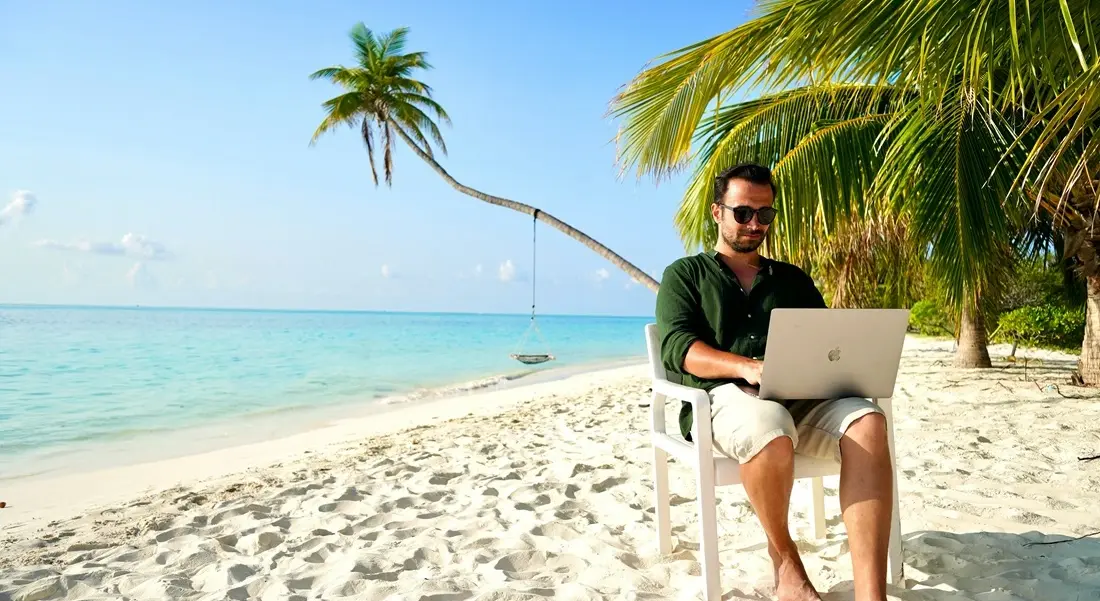
Perhaps nothing would surprise Cook more than the rise of an entirely new kind of traveler: the digital nomad.
Today, millions of people work remotely while moving from one country to another without a permanent address. Their office may be a café in Lisbon, a beach in Bali, or a mountain village in Georgia.
For previous generations, work and travel were largely incompatible. Today, they increasingly merge into a single lifestyle. The boundaries between work, leisure, and everyday life continue to blur.
Would Thomas Cook be pleased with this evolution? It is impossible to know for certain.
On one hand, his vision has been realized on a scale he could scarcely have imagined. Travel is no longer the preserve of aristocrats. Every year, billions of people cross borders, discover new cultures, and experience places that were once accessible only to wealthy elites or intrepid explorers.
On the other hand, tourism's extraordinary success has created challenges Cook could never have foreseen.
When There Are Too Many Travelers
In recent years, one term has become increasingly common: overtourism.
Cities such as Venice, Barcelona, Dubrovnik, and Amsterdam are struggling to cope with millions of visitors who strain infrastructure, drive up housing costs, and reshape the daily lives of local communities.
Some destinations have introduced entrance fees, limited the number of cruise ships, or restricted the construction of new tourist accommodations. The paradox is striking.
The very idea that emerged to make the world accessible to everyone now threatens, in some places, to undermine the qualities that drew visitors there in the first place.
Are We Traveling - or Simply Collecting Photographs?
The way we experience travel has changed as well.
Once, travelers spent weeks, or even months, planning a single great journey they would remember for the rest of their lives. Today, destinations are often chosen for how they will appear on social media.
Queues to photograph famous landmarks can sometimes be longer than the lines to enter the museums themselves. Entire cities have become backdrops for a few seconds of online video, while authentic local life unfolds somewhere beyond the camera's frame.
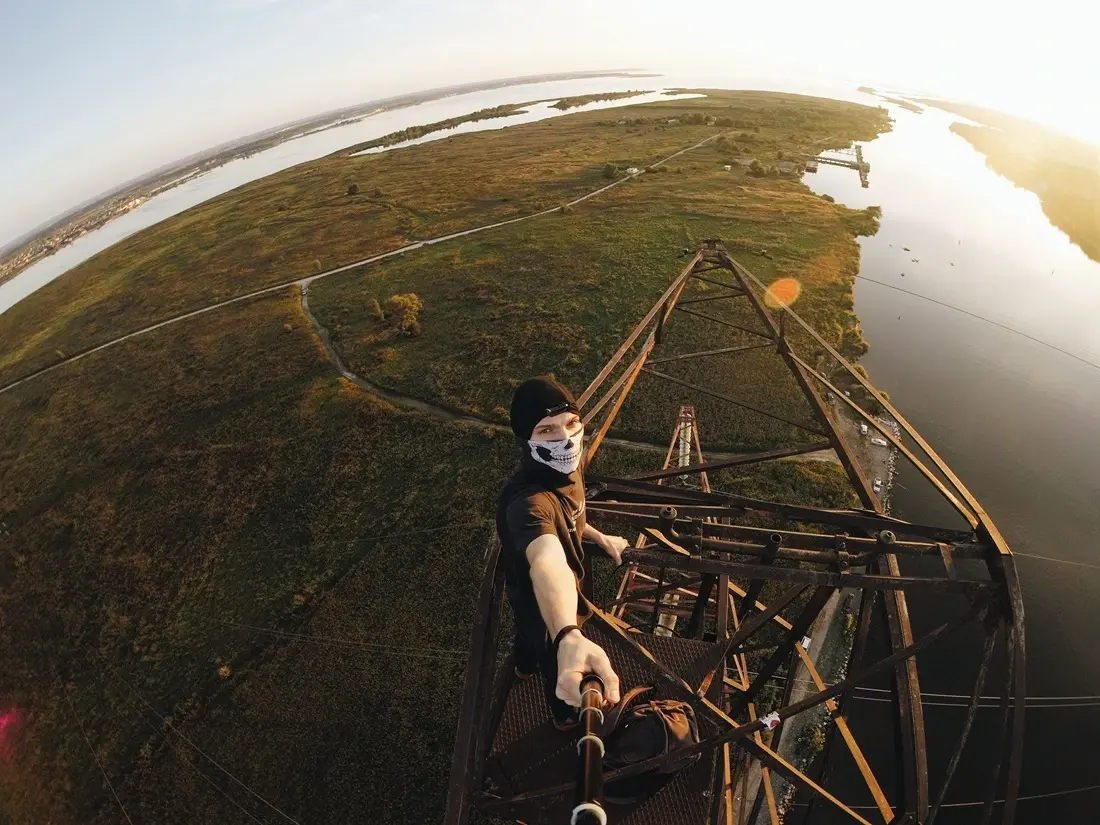
Never before have we had so many opportunities to travel. Yet an increasingly important question is being asked by sociologists, anthropologists, and travelers alike: are we truly experiencing more of the world - or simply moving through it faster?
A Legacy That Endures
Despite all these changes, one thing has remained constant. Every journey begins with the same human curiosity that inspired explorers, navigators, and pilgrims long before Thomas Cook was born.
He did not create humanity's desire to discover the world. He created a way to make that desire accessible to millions. His greatest legacy is not the company that still bears his name, nor the first travel vouchers, guidebooks, or organized tours. His greatest achievement was changing the way people think about travel itself. He demonstrated that travel is not a luxury reserved for a privileged few, but an experience capable of enriching the life of virtually anyone.

That is why Thomas Cook occupies a unique place in history. He did not invent travel. People have been traveling for thousands of years. He invented something far more important - the idea that the world belongs to everyone, not just the wealthy.