
The History of Caviar: How Food for the Poor Became the World's Most Expensive Delicacy
![[object Object]](https://api.hedonistmagazine.net/storage/images/2026/07/fc209028-0fe0-4b83-99c5-0dcead77d729.webp)
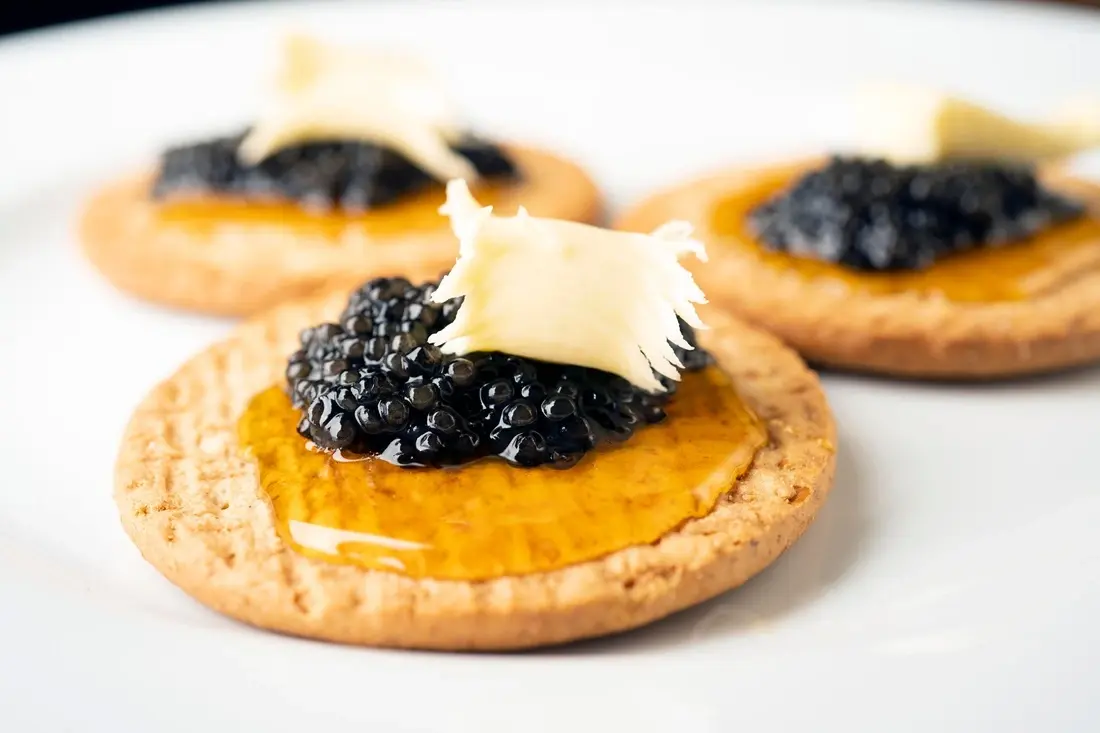
Today, it is almost impossible to imagine a gala dinner, a luxury hotel, or a private yacht without a small tin filled with shimmering black or golden pearls worth more than many fine watches or works of art. Yet the history of caviar is anything but a story of aristocracy.
On the contrary, it is one of the greatest culinary transformations in history - a journey from a humble food eaten by fishermen and the poor to an enduring symbol of wealth, power, and prestige.
When Sturgeon Was Just Another Fish
Today, nearly every sturgeon is regarded as a natural treasure. There was a time, however, when it was so abundant that it was simply part of the daily catch.
Enormous sturgeon swam through the Caspian, Black, and Azov Seas, as well as Europe's great rivers, including the Danube, Volga, Rhine, and Po. Some reached several hundred kilograms in weight and measured more than five metres in length. Fishermen prized them for their filling, inexpensive meat, while the roe was often treated as nothing more than a by-product.
During the Middle Ages, fish roe was far from a luxury. More often than not, it was packed into wooden barrels and heavily salted so it could survive long winters and extended journeys. It was eaten by sailors, labourers, and people living in riverside villages, who rarely thought of it as anything particularly valuable.
In many parts of Persia and Russia, caviar was almost as common as bread or dried fish.
Persia Was the First to Recognise Its Value
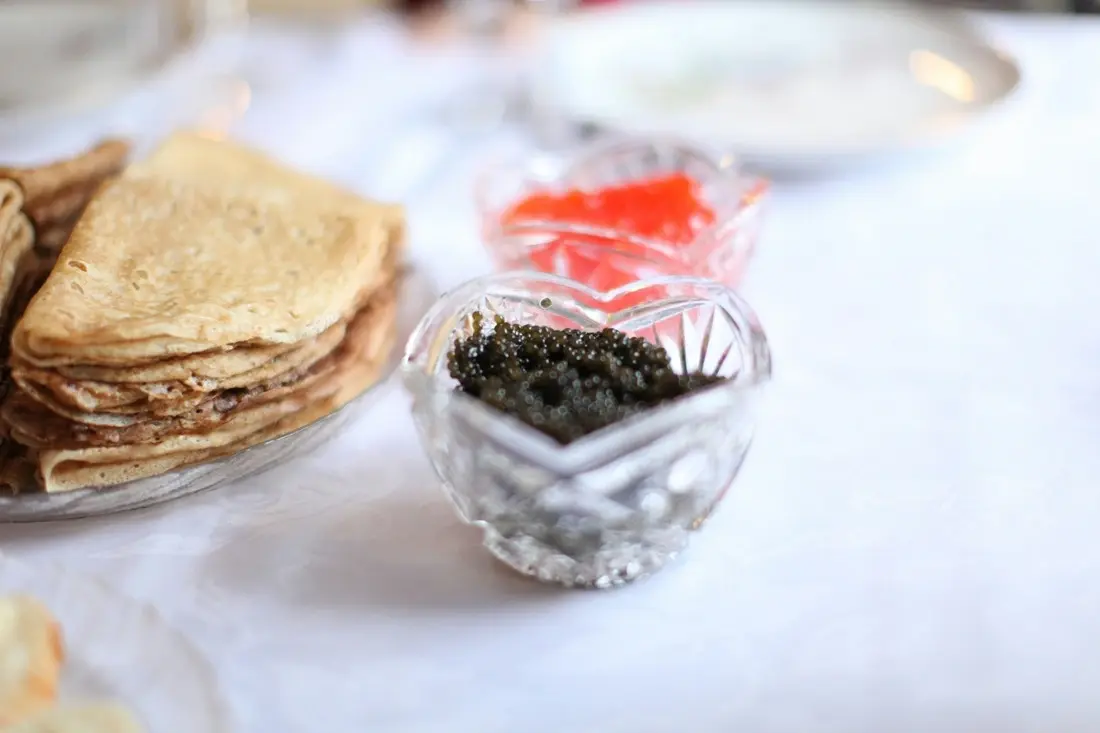
The word caviar is widely believed to have Persian origins. It is thought to derive from a term meaning either "cake of strength" or "food that gives energy."
The Persians were among the first to refine the processing of sturgeon roe, developing salting techniques that preserved both its flavour and texture. They believed it possessed almost medicinal qualities and recommended it to warriors, travellers, and rulers.
Only then did caviar begin to acquire the status of a delicacy.
The Russian Tsars Turned Food into Privilege
The real revolution took place between the sixteenth and eighteenth centuries.
The Russian tsars realised they possessed a resource unlike anything found elsewhere in Europe. The Volga River and the Caspian Sea became the world's greatest source of the finest sturgeon, and caviar was no longer a commodity freely traded in marketplaces.
The Imperial Court introduced strict controls over its production and trade. The highest-quality roe was reserved for the tables of the nobility, while exports became an important source of revenue for the Russian Empire.
French diplomats, Austrian aristocrats, and British merchants were among the first Europeans to discover the delicacy that would, centuries later, become synonymous with luxury.
The French Turned Caviar into a Myth
Russia produced caviar. France transformed it into a legend.
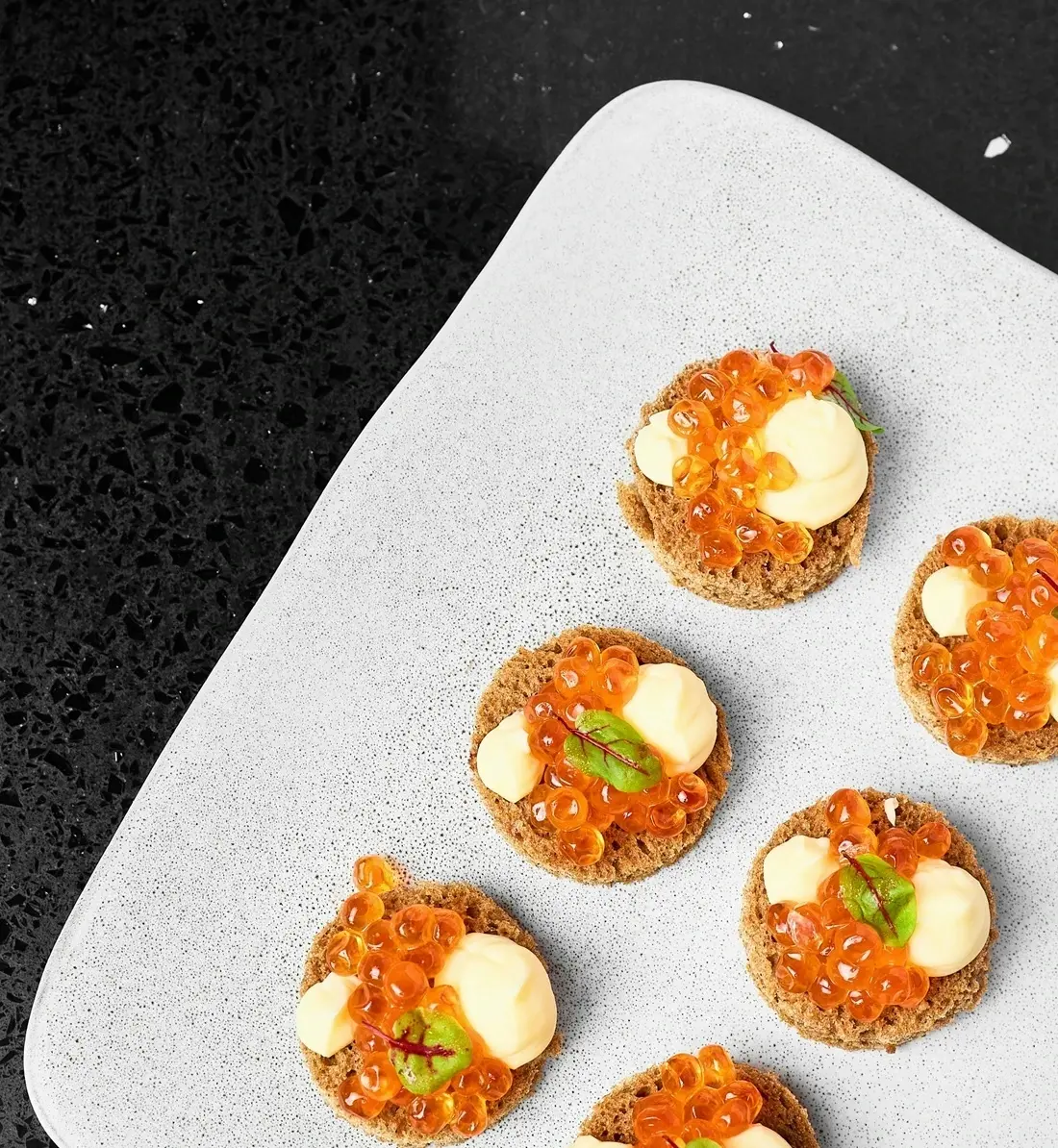
By the nineteenth century, Paris had become the gastronomic capital of the world. Grand restaurants and luxury hotels began serving caviar as the opening course of their most lavish dinners.
French chefs insisted that it should be served chilled and never eaten with metal utensils, which they believed could alter its delicate flavour. It was presented on crushed ice, accompanied by blinis, sour cream, or simply slices of toasted bread.
Caviar was no longer merely food - it had become a ritual.
America Ate It with Beer
The most surprising chapter in the history of caviar unfolded across the Atlantic. By the late nineteenth century, the United States had become the world's largest producer of caviar. Sturgeon from the Delaware River were harvested in extraordinary numbers, making caviar so inexpensive that saloon owners frequently served it to customers free of charge.
Not out of generosity.
The salty delicacy made people thirsty, encouraging them to order more beer. It is difficult to imagine today that a food now worth hundreds or even thousands of euros once served as a complimentary bar snack.
When Greed Changed History
Like so many luxury foods, caviar eventually became a victim of its own success. Throughout the twentieth century, soaring demand led to uncontrolled overfishing of wild sturgeon, while dam construction, industrial pollution, and rampant poaching further decimated their populations.
The Caspian Sea was hit particularly hard, having been the world's principal source of the prized Beluga caviar for centuries. As sturgeon became increasingly scarce, the value of their roe rose dramatically.
A paradox emerged that continues to define the luxury market today: the rarer caviar became, the more desirable it was.
Luxury Is Created by Time, Not Rarity Alone
Today, almost all legally produced caviar comes from specialised aquaculture farms.
France, Italy, China, and several other countries have developed sophisticated sturgeon-farming systems that produce exceptional caviar while protecting wild populations from extinction.
Unlike many other foods, however, this process cannot be rushed. Some sturgeon species require more than fifteen years to reach maturity and produce roe of sufficient quality. That is why the price of caviar reflects more than rarity - it also reflects time, perhaps the most expensive ingredient in gastronomy.
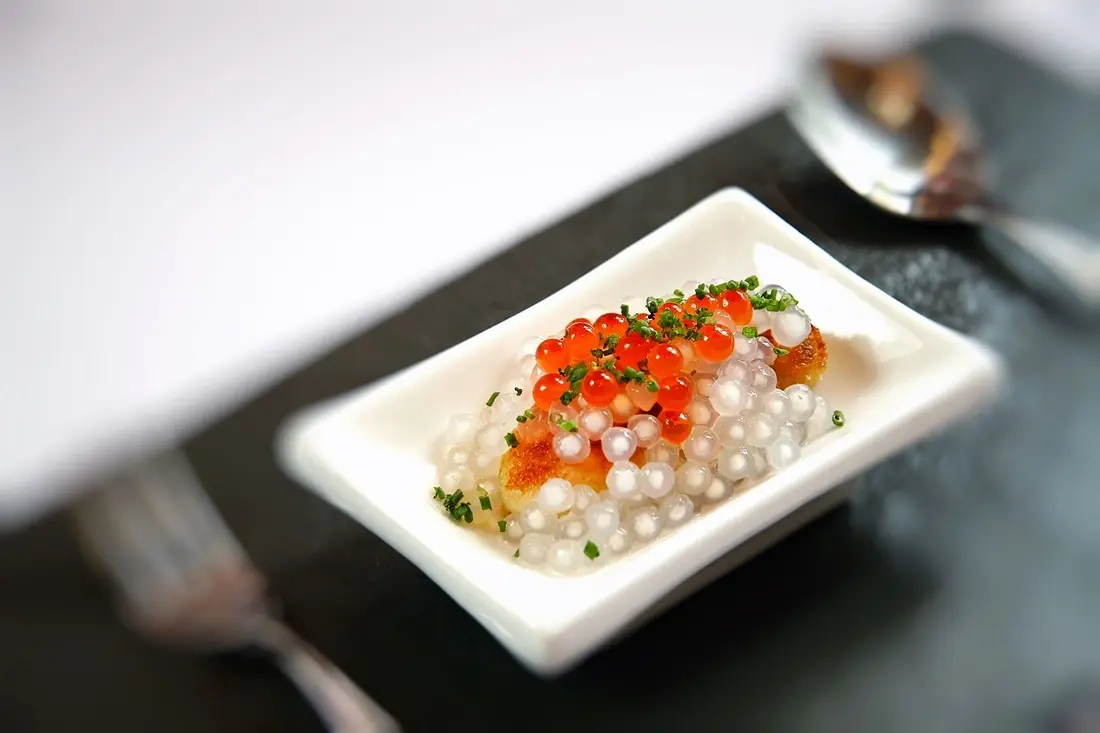
The Golden Eggs of the Culinary World
At the very top of the market sits Almas, a caviar harvested from the exceptionally rare albino Beluga sturgeon.
Its golden colour and extraordinary rarity have made it one of the world's most expensive food products, with prices reaching tens of thousands of euros per kilogram.
It is sold only in strictly limited quantities, often packaged in luxurious metal or gold-plated tins. For most people, it will never be a gastronomic experience.
Instead, it remains, above all, a symbol - a reminder that luxury is not always a matter of taste but of exclusivity.