

Odysseus Was Never the Hero We Imagined: How We Misread Homer’s Masterpiece for Nearly Three Thousand Years

![[object Object]](https://api.hedonistmagazine.net/storage/images/2026/08/33ddccf8-1074-4e56-b46a-3ed88f987a98.webp)
Why the man who outwitted the Cyclops, devised the Trojan Horse, and became the ultimate symbol of perseverance may also be one of literature’s most morally ambiguous protagonists. The answer lies not only in The Odyssey itself, but in the way generations have chosen to read it.
Few literary figures have left a mark on our language quite like Odysseus. His long voyage from Troy to Ithaca has long outgrown the boundaries of Greek mythology. Today, the word odyssey evokes any arduous journey filled with hardship and uncertainty, while Odysseus himself has become the embodiment of resilience - a man who refuses to surrender despite impossible odds.
This is the image most of us inherit from schoolbooks, films and countless literary adaptations produced over the last two millennia. In them, Odysseus is the wise king, the fearless warrior and the faithful husband whose love for Penelope and longing for home enable him to overcome monsters, tempests and the wrath of the gods.
But what if that familiar portrait tells only part of the story?
An increasing number of classical scholars argue that Homer's hero has become considerably nobler over the centuries than he ever was in the original epic. Recent analyses highlighted by National Geographic, drawing on the work of leading experts in ancient literature, remind us that Odysseus was never intended to be a flawless hero. He is brilliant, eloquent and remarkably resourceful - but he is also proud, manipulative and often willing to place the lives of others at risk in pursuit of his own glory.
It is precisely this complexity that makes him feel astonishingly modern.
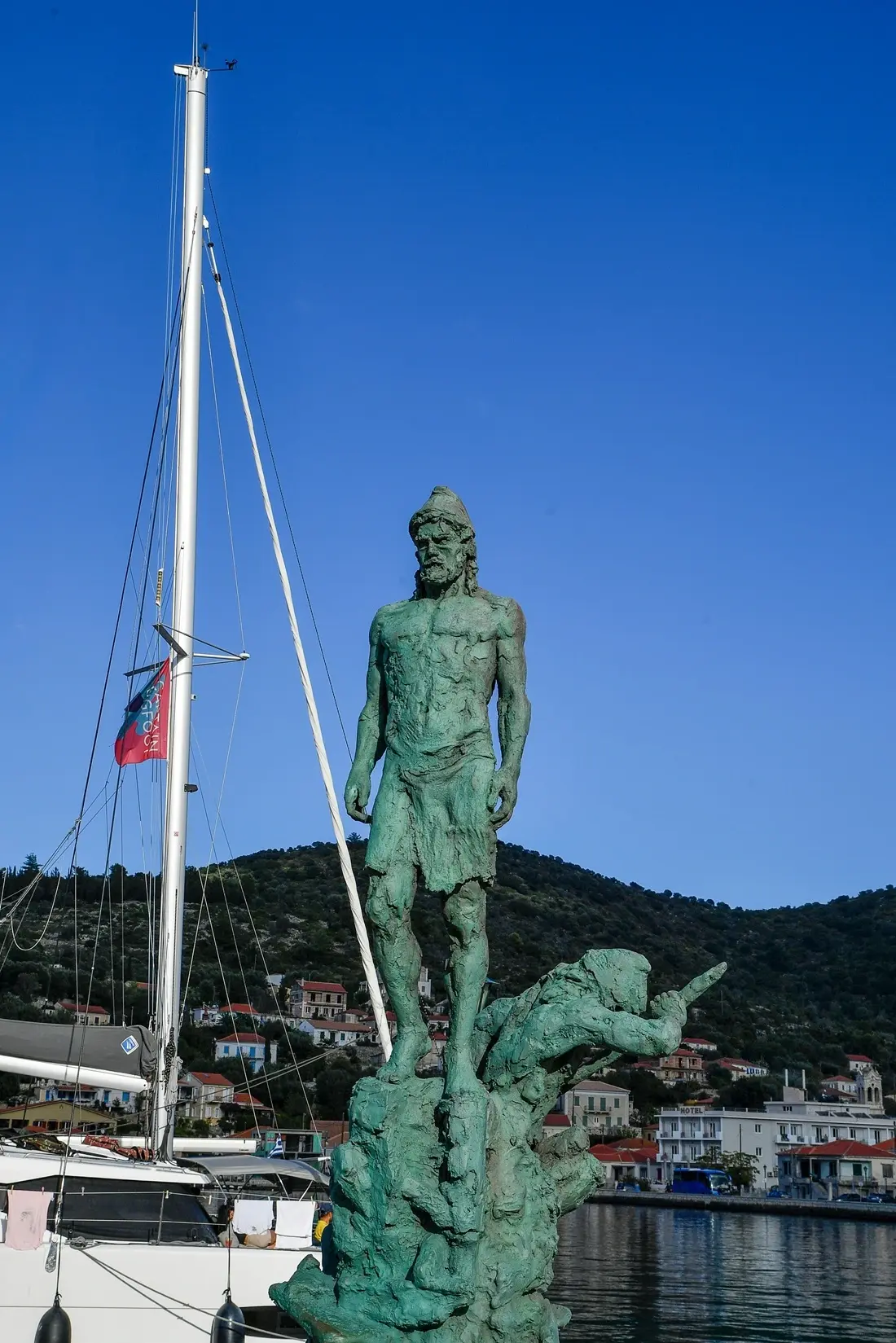
Intelligence Is Not the Same as Wisdom
Few characters are as closely associated with cleverness as Odysseus. His name has become synonymous with ingenuity, while the Trojan Horse remains one of history's most celebrated acts of strategic deception.
Yet Homer repeatedly reminds us that intelligence alone does not guarantee wisdom.
Nowhere is this clearer than in the famous encounter with the Cyclops Polyphemus. Odysseus devises an ingenious escape, blinds the giant, and leads his companions to safety by hiding beneath the Cyclops' sheep. It is a masterpiece of strategy and composure.
But instead of sailing away in silence, he cannot resist revealing his identity.
As his ship pulls away from the island, Odysseus proudly announces his name to the blinded Cyclops. In doing so, he invites the wrath of Poseidon, Polyphemus' father, condemning himself to years of wandering across unforgiving seas.
Ironically, the greatest obstacle on his journey home was never the sea itself. It was his own pride.
A Hero by Ancient Standards
One of the greatest mistakes modern readers make is judging Homer’s characters by contemporary moral values.
In ancient Greece, a hero was not expected to be morally perfect. Heroism was measured by extraordinary deeds, courage, fame, and lasting glory - not by compassion or ethical virtue.
Homer never attempts to conceal Odysseus’ flaws.
Before Polyphemus attacks the intruders, Odysseus and his men enter the Cyclops’ cave without permission and begin helping themselves to food and supplies that do not belong to them. From a modern perspective, it is difficult to ignore the fact that this act sets the tragedy in motion.
The conclusion of The Odyssey is equally unsettling.
Upon returning to Ithaca, Odysseus ruthlessly slaughters the suitors who have occupied his palace for years and sought to force Penelope into remarriage. Yet his vengeance does not end there. The servant women who had associated with the suitors - many of them with little choice in the matter - are also executed.
For Homer, these acts restore order. For modern readers, they provoke difficult questions about where justice ends, and revenge begins.
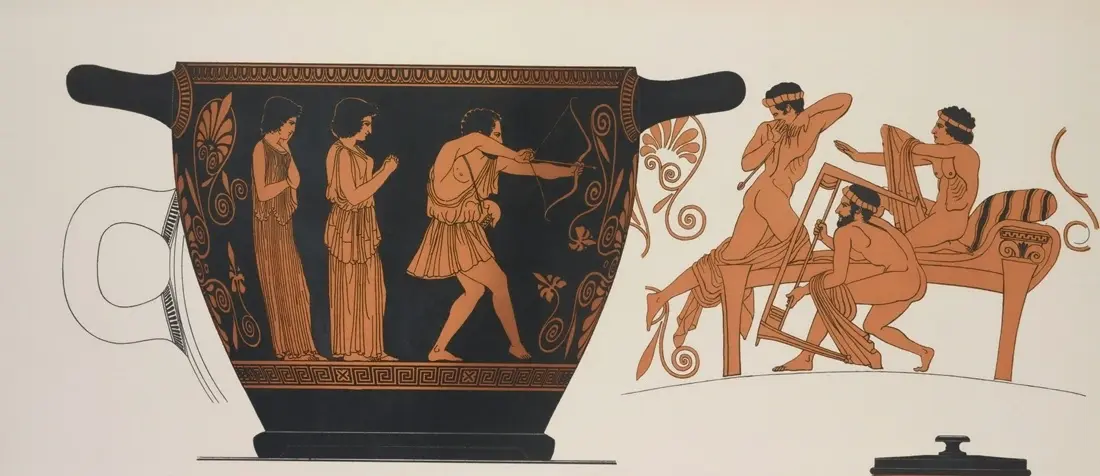
Penelope, Calypso and the Myth of Fidelity
Much of Odysseus’ reputation as the model husband rests on his relentless determination to return home.
Yet even this image becomes more complicated upon closer reading.
He spends seven years on the island of the nymph Calypso, who offers him something few mortals could imagine: immortality itself.
Later generations often portrayed his departure as the ultimate triumph of marital devotion. Homer, however, leaves far more room for ambiguity. Odysseus' words do not always sound like those of a romantic hero. At times, they resemble the carefully crafted narrative of a man who understands exactly how he wishes to be remembered.
That is precisely what makes him so fascinating. He is not simply a man who tells stories. He is a man who knows how to shape them.
How History Rewrote Odysseus
Every civilization has discovered its own version of Homer’s hero. The Romans admired his political wisdom. Medieval scholars sought moral lessons in his journey.
The Renaissance celebrated him as a symbol of intellectual curiosity, while the modern world transformed him into the ultimate embodiment of endurance and the universal longing for home.
Every age found the Odysseus it needed. With time, his virtues grew brighter, while his darker qualities gradually faded into the background. Only in recent decades have classical scholars begun stripping away centuries of interpretation in an effort to rediscover the far more complex, contradictory, and deeply human figure Homer created.
Why The Odyssey Still Speaks to Us
Perhaps this is why Homer’s masterpiece continues to captivate readers nearly three thousand years after it was first composed.
Not because it tells the story of a perfect hero, but because it tells the story of a profoundly imperfect man. A man whose greatest strengths repeatedly create opportunities for triumph, while his weaknesses prolong his suffering. A man capable of courage and vanity, generosity and selfishness, wisdom and stubbornness - often all at once.
Such heroes rarely exist in fairy tales. They exist in real life.
Perhaps that is why Odysseus has never truly reached the end of his journey. Long after his ship found Ithaca, he has continued travelling through the imagination of every generation, each discovering in him a reflection of its own ideals and contradictions.
And perhaps the greatest irony of all is this: in trying to transform him into the perfect hero, we lost sight of the very quality that made him timeless. His humanity.