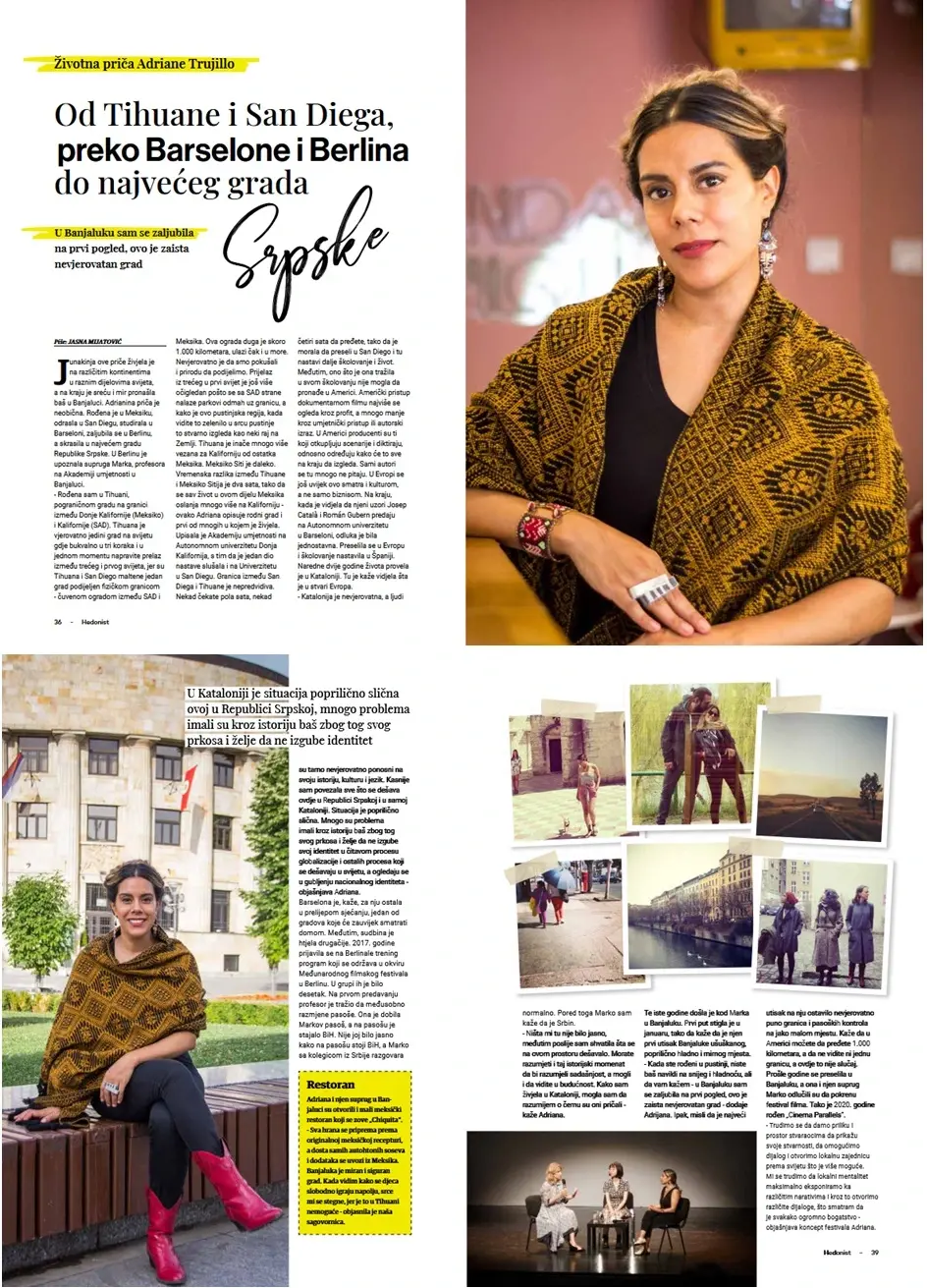
Adriana Trujillo: How I Went from Tijuana and San Diego, Through Barcelona, to Banja Luka

![[object Object]](https://api.hedonistmagazine.net/storage/images/2026/05/34b05106-8443-445c-9d1c-455ae9498b67.webp)
The heroine of this story lived on different continents and in various parts of the world before eventually finding peace and happiness in Banja Luka. Adriana’s story is anything but ordinary. Born in Mexico, raised in San Diego, educated in Barcelona, and in love in Berlin, she ultimately settled in the largest city of Republika Srpska. It was in Berlin that she met her husband Marko, a professor at the Academy of Arts in Banja Luka.
“I was born in Tijuana, a border city between Baja California (Mexico) and California (USA). Tijuana is probably the only city in the world where, in literally just a few steps, you cross from the Third World into the First World, because Tijuana and San Diego are essentially one city divided by a physical border- the famous wall between the United States and Mexico. The wall is almost 1,000 kilometers long and even stretches into the sea. Incredibly, we tried to divide nature itself. The contrast between the Third and First worlds becomes even more obvious because, on the U.S. side, there are parks right next to the border. Since this is a desert region, seeing all that greenery in the middle of the desert really looks like paradise. Tijuana is actually much more connected to California than to the rest of Mexico. Mexico City is far away. There’s a two-hour time difference between Tijuana and Mexico City, so life in this part of Mexico depends far more on California,” Adriana tells HEDONIST magazine while describing her hometown- the first of many cities she has called home.
She enrolled in the Academy of Arts at the Autonomous University of Baja California while also taking part in her courses at the University of San Diego. The border between San Diego and Tijuana was unpredictable. Sometimes it took half an hour to cross, sometimes four hours, which eventually led her to move to San Diego and continue both her education and life there.
However, what she was searching for in her studies, she could not find in America. The American approach to documentary filmmaking, she says, is focused primarily on profit and far less on artistic vision or personal expression. Producers buy scripts and dictate how projects will look in the end, leaving little room for authors themselves. In Europe, documentary film is still viewed as culture, not just business. When she realized that her role models, Josep Català and Román Gubern, were teaching at the Autonomous University of Barcelona, the decision became easy. She moved to Europe and continued her education in Spain. The next two years of her life were spent in Catalonia, where, as she says, she truly came to understand what Europe is.
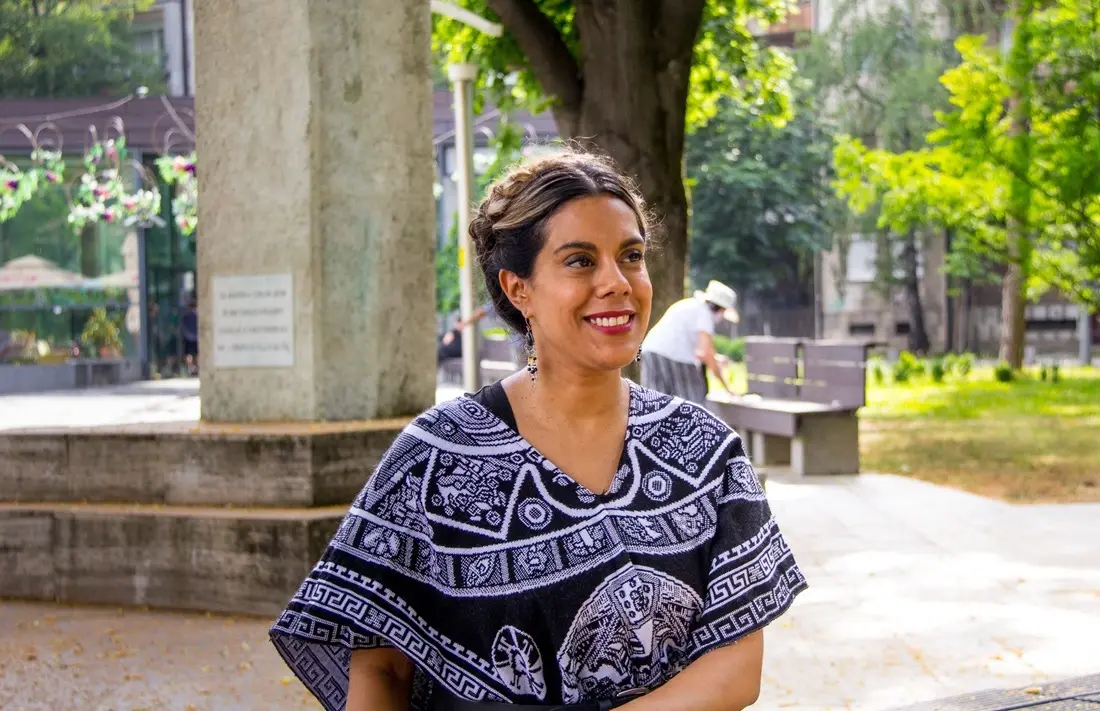
“Catalonia is incredible, and people there are deeply proud of their history, culture, and language. Later, I connected many of the things happening in Republika Srpska with what I saw in Catalonia. The situation is surprisingly similar. Through history, they faced many problems precisely because of their defiance and desire not to lose their identity in the process of globalization and other changes that erase national identity,” Adriana explains.
Barcelona, she says, remains one of the cities she will always consider home. But fate had other plans. In 2017, she applied for a Berlinale training program held as part of the Berlin International Film Festival. There were around ten participants in the group. During the first workshop, the professor asked them to exchange passports. Adriana received Marko’s passport, which said Bosnia and Herzegovina. She was confused because Marko spoke normally with a colleague from Serbia, and he himself said he was Serbian.
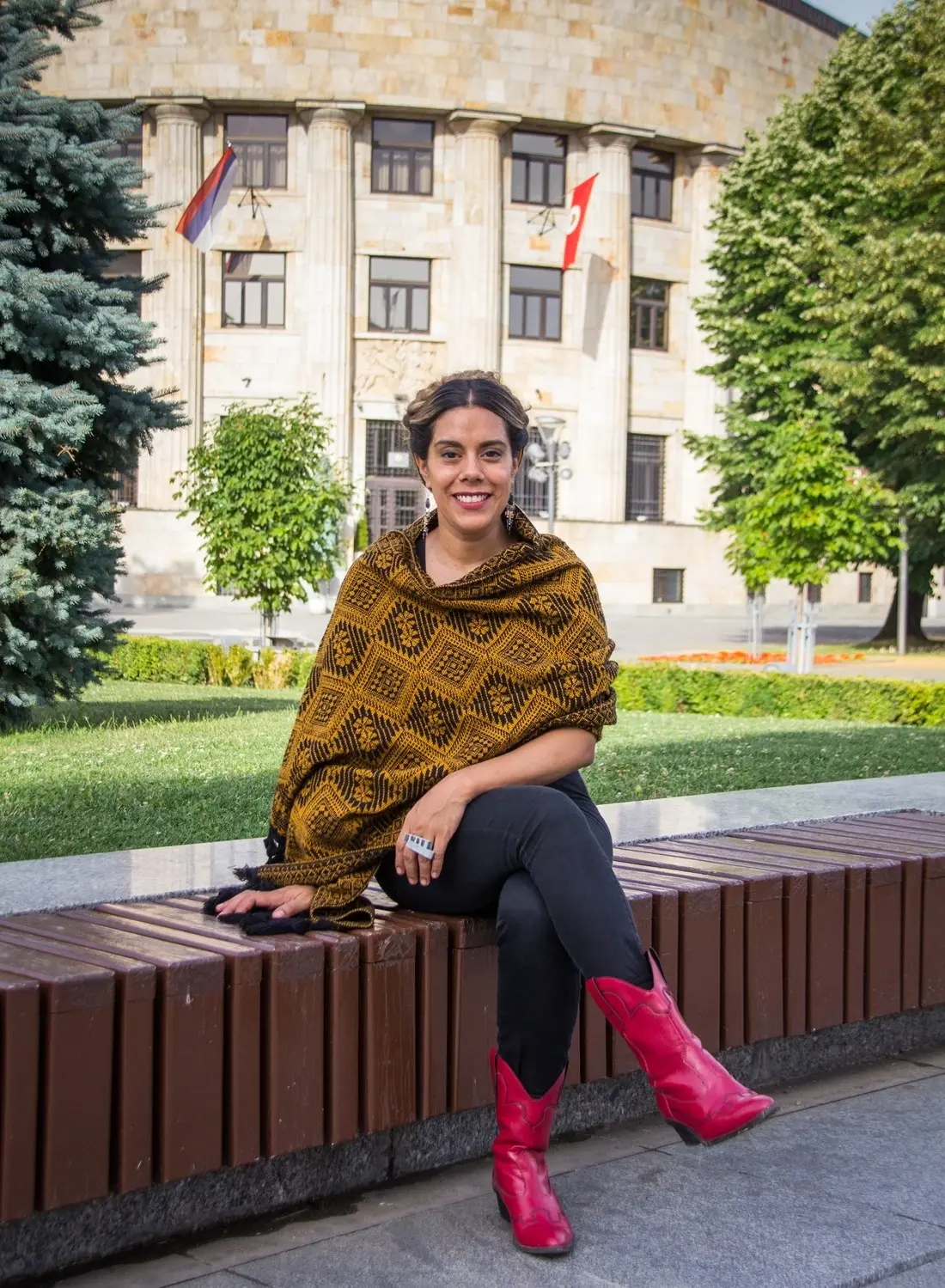
“None of it made sense to me at first, but later I understood what had happened in this region. You have to understand the historical context in order to understand the present and even see the future. Since I had lived in Catalonia, I could understand what they were talking about,” Adriana says.
That same year, she came to visit Marko in Banja Luka. Her first arrival was in January, so her first impression of the city was that of a cozy, rather cold, and peaceful place.
“When you are born in the desert, you’re not exactly used to snow and cold weather. But honestly, I fell in love with Banja Luka at first sight. It is truly an incredible city,” Adriana adds.
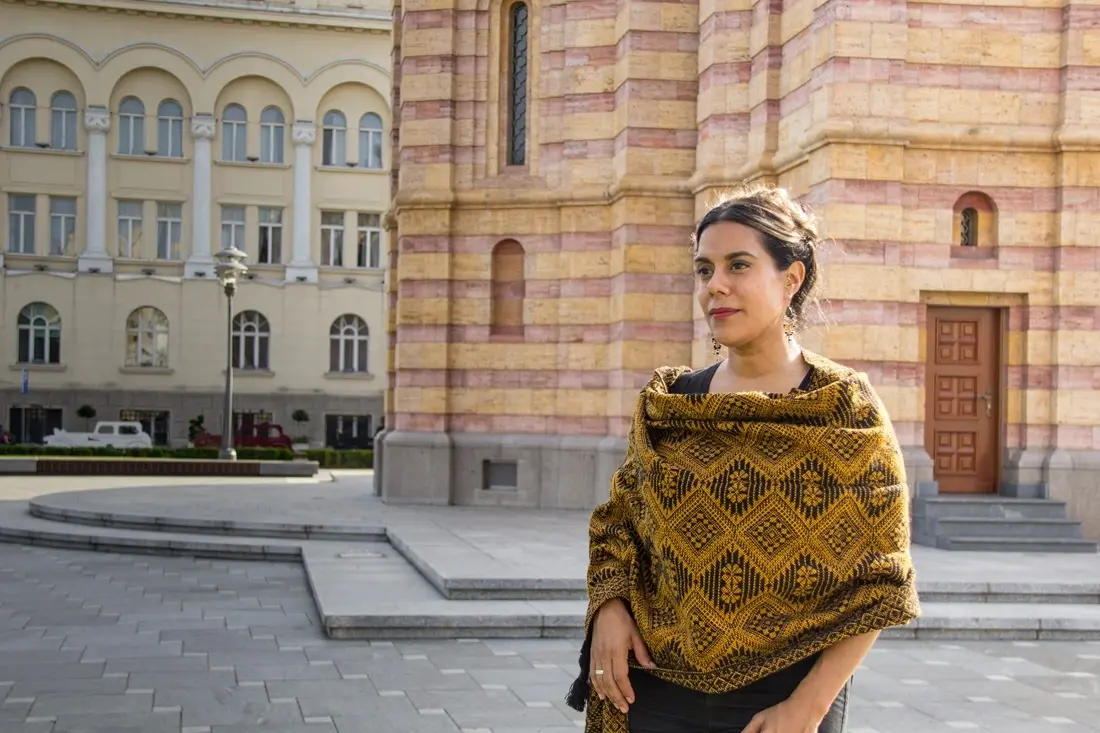
Still, she says the biggest impression on her was the number of borders and passport controls in such a small area. In America, she explains, you can travel 1,000 kilometers without seeing a single border, while here things are very different.
In 2020, she moved permanently to Banja Luka, and together with her husband Marko, launched a film festival called “Cinema Parallels.”
“We try to create opportunities and space for filmmakers to present their realities, encourage dialogue, and open the local community to the world as much as possible. We want to expose the local mentality to different narratives and, through that, create conversations. I believe that diversity of perspectives is an enormous richness,” Adriana explains while describing the festival’s concept.
Restaurant
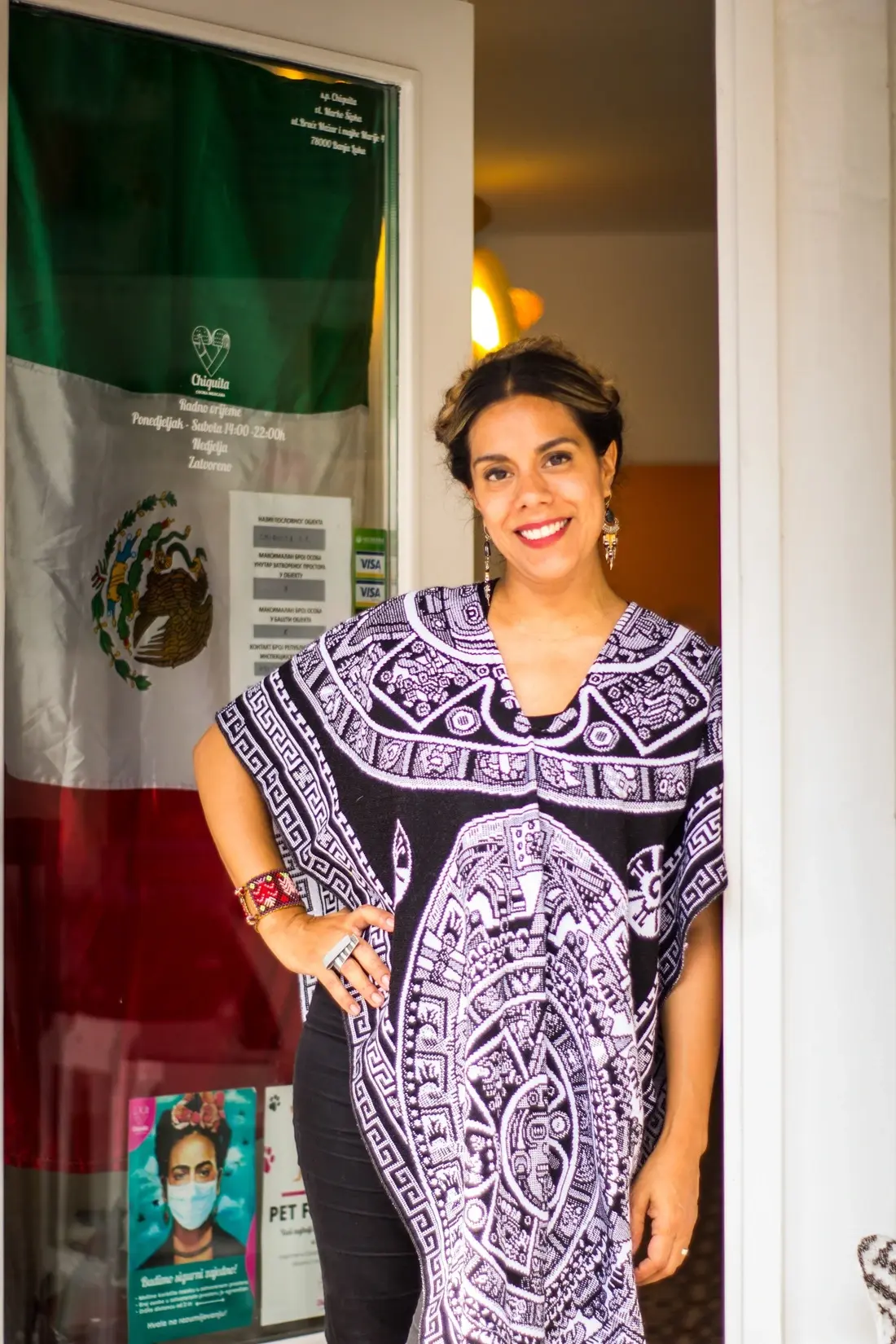
Adriana and her husband also opened a small Mexican restaurant in Banja Luka called “Chiquita.”
“All the food is prepared using authentic Mexican recipes, and many traditional sauces and ingredients are imported directly from Mexico. Banja Luka is a peaceful and safe city. When I see children freely playing outside, my heart tightens, because that is impossible in Tijuana,” our interviewee explains.
- Written by: Jasna Mijatović / HEDONIST
- Originally published in HEDONIST Magazine, Issue 06, 2021