The Guardians of the Vrbas: Eight Decades of Shaping Banja Luka's Story
![[object Object]](https://api.hedonistmagazine.net/storage/images/2026/07/fcdce09c-8d5e-4f7c-9cec-5eb6c680fab4.webp)
The Kayak Canoe Club Vrbas has been part of Banja Luka's identity for so long that its history predates many of the city's most recognizable landmarks. Founded in 1947, it predates the iconic Boska department store by more than three decades, the Borik Sports Hall by twenty-six years, the Fallen Krajina Soldiers Monument by fourteen, and even Miro Janjanin's beloved song This Is My City by nearly half a century.
For almost eighty years, the club has been writing the history of Banja Luka from the banks of its emerald river.
Among the athletes who carried both the club's and the city's name far beyond Bosnia and Herzegovina was Zlatan Ibrahimbegović, who represented Yugoslavia at the 1972 Munich Olympic Games. Another legendary figure, Đurica Vučak, won silver medals at both the World and European Championships and later received one of the country's highest national sporting honors.
Editor's note: This article is part of the HEDONIST Archive and was originally published in the sixth print edition of the magazine in 2021.
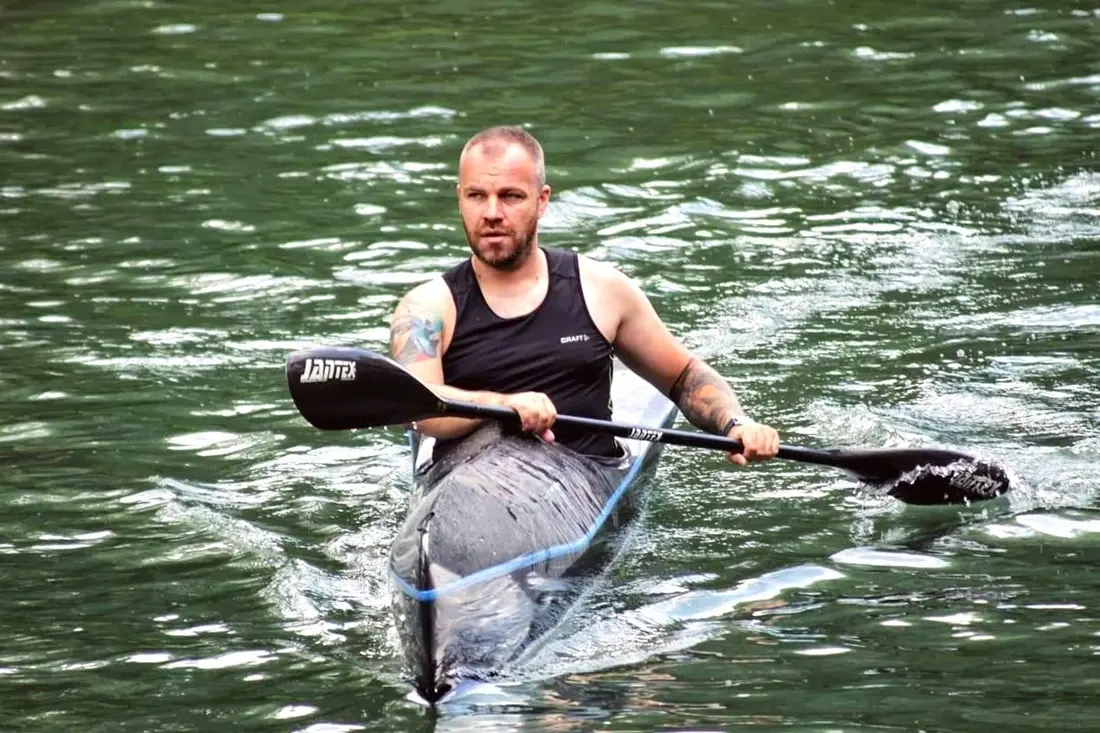
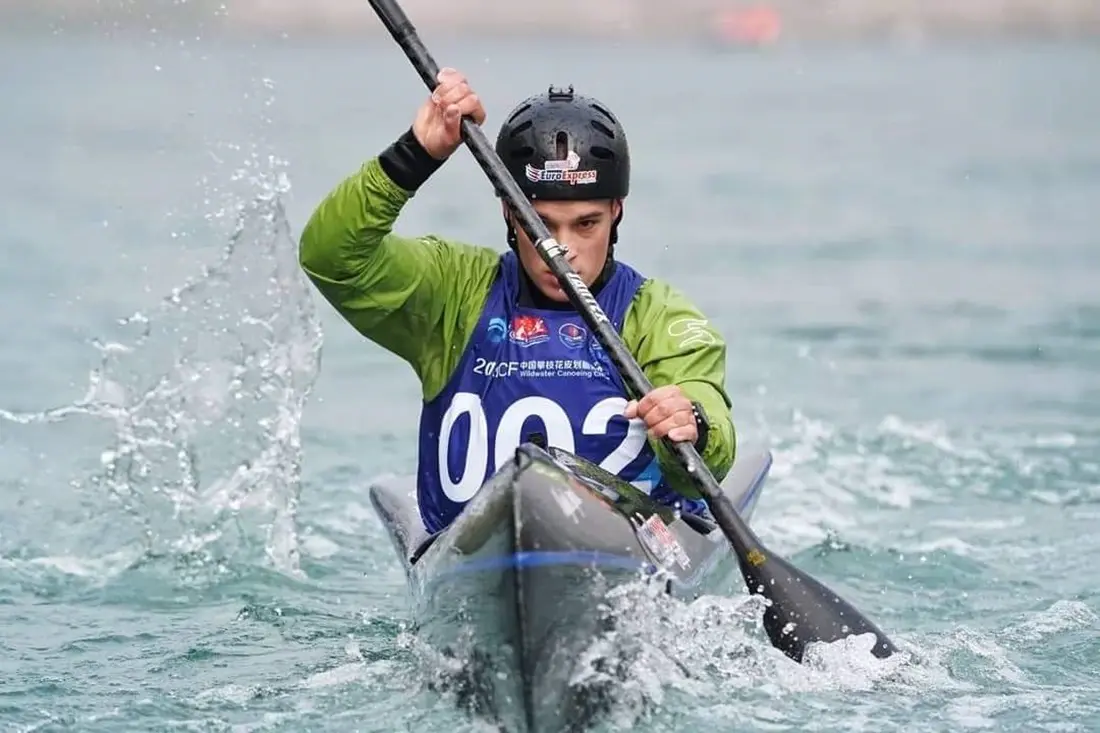
In more recent years, Darko Savić achieved notable success on the international stage, while Dušan Mačkić has emerged as one of the club's brightest young prospects.
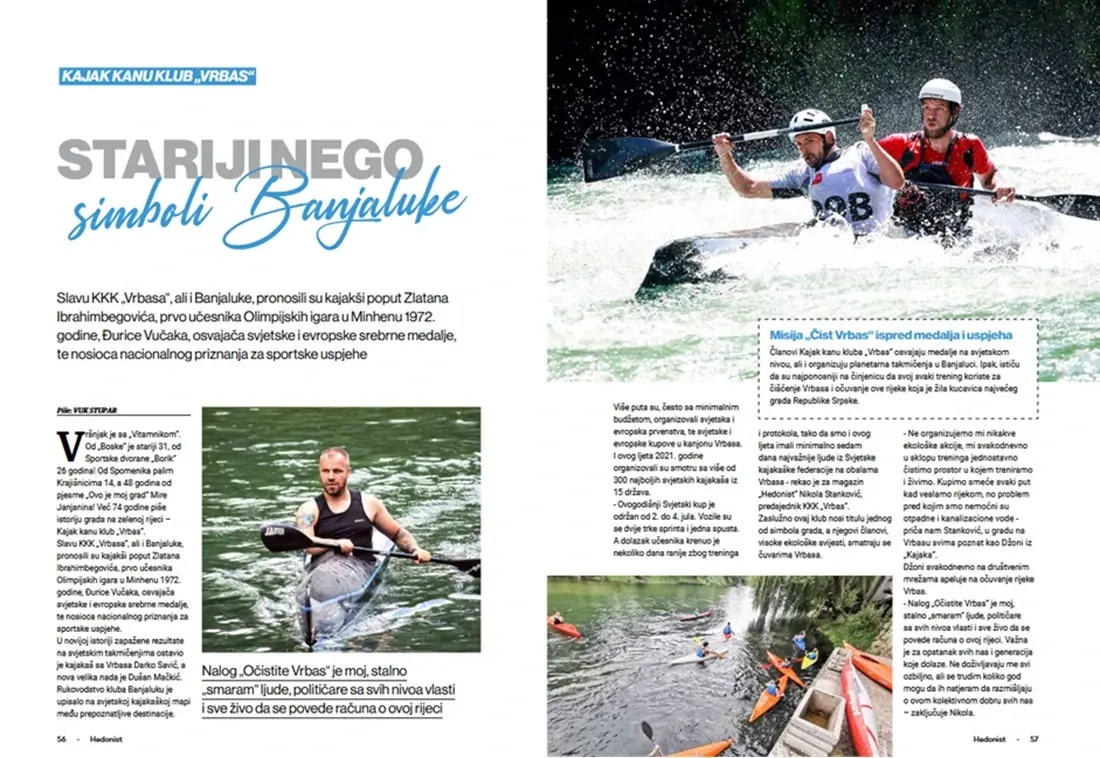
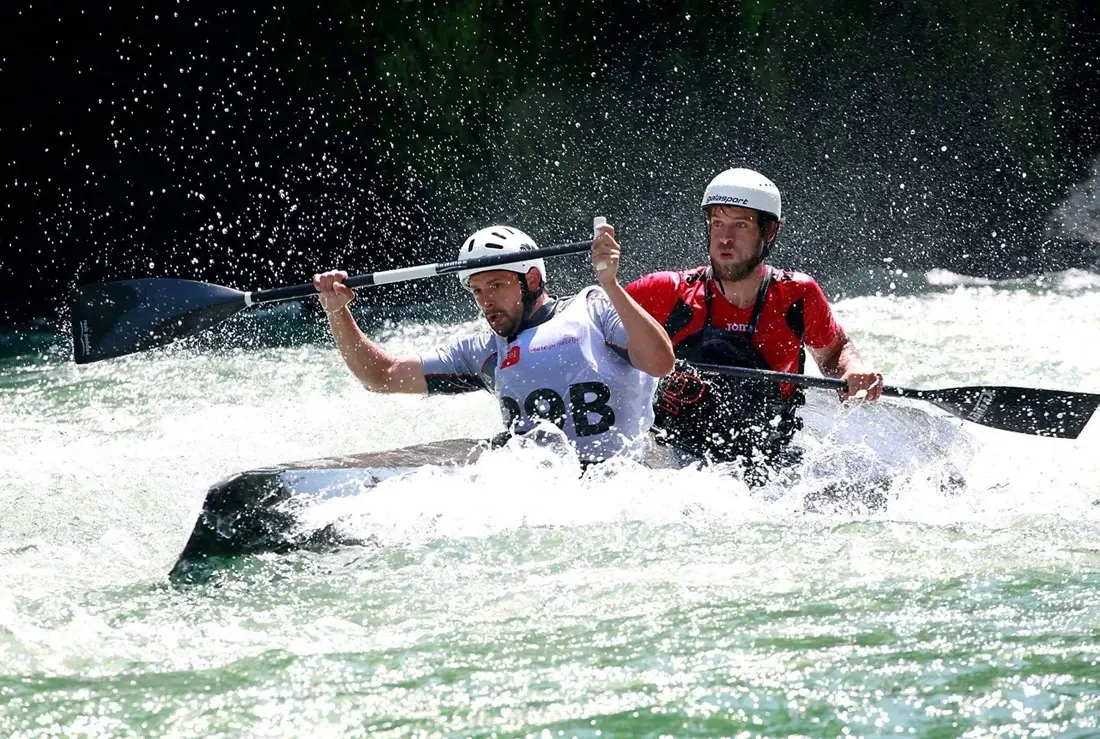
Beyond producing elite athletes, the club has played a pivotal role in establishing Banja Luka as one of the world's most respected destinations for wildwater canoeing. Despite often operating on modest budgets, it has successfully hosted World and European Championships, as well as World and European Cup events in the spectacular Vrbas Canyon, bringing the global paddling community to the heart of Republika Srpska.
For generations, the club has deservedly been regarded as one of Banja Luka's defining symbols. Yet its members are known for something that extends far beyond sport. They see themselves as guardians of the Vrbas River.
"We don't organize environmental campaigns," says Nikola Stanković of KKK Vrbas, better known throughout Banja Luka simply as Džoni from the Kayak Club. "Cleaning the river is part of our daily routine. Every training session becomes an opportunity to collect litter from the water and its banks. The one challenge we still cannot solve is the untreated wastewater and sewage flowing into the river."
Through social media, Stanković has become one of the most persistent advocates for protecting the Vrbas. His account, Clean the Vrbas, is a constant reminder that preserving the river is everyone's responsibility.
"I keep reminding people - politicians at every level of government, institutions, and ordinary citizens - that this river matters. It is essential to the future of all of us, and of the generations that will come after us. Not everyone takes me seriously, but I will continue doing everything I can to make people think about this shared treasure."
A Clean Vrbas
The members of Kayak Canoe Club Vrbas have won medals on the world stage and organized some of the sport's most prestigious international competitions. Yet, when asked what makes them proudest, they rarely mention trophies.
Instead, they point to something much simpler: every training session is also an opportunity to clean the Vrbas and protect the river that has shaped both their sport and their city. In doing so, they continue a tradition that has defined the club for nearly eight decades - proving that its greatest legacy is not only measured in medals, but in the river it has spent generations safeguarding.
- Written by: Vuk Stupar / HEDONIST
- Originally published in HEDONIST Magazine, Issue 06, 2021