

How Wayfarer Sunglasses Became a Pop Culture Icon
![[object Object]](https://api.hedonistmagazine.net/storage/images/2026/08/67e8d40f-1ef6-455b-a64c-b82df05efbf9.webp)
When James Dean walked the streets of Los Angeles, Tom Cruise danced across a living room in a white Oxford shirt, and the Blues Brothers stepped onto the stage in their signature black suits, audiences remembered more than their faces. They remembered the sunglasses.
Few fashion accessories have managed to reinvent their cultural meaning so many times while changing so little in appearance. Over the course of more than seven decades, the Wayfarer has represented rebellion, Hollywood glamour, rock 'n' roll, effortless sophistication and contemporary minimalism. Very few objects of industrial design have enjoyed such remarkable longevity, and even fewer have remained equally relevant across generations.
Its story is not simply about a pair of sunglasses. It is about the rare moment when design, cinema and music converge to transform an everyday object into a lasting cultural symbol.
A Revolution in Acetate
In the early 1950s, most sunglasses followed the same design language. Thin metal frames were discreet, practical and intended to remain almost invisible.
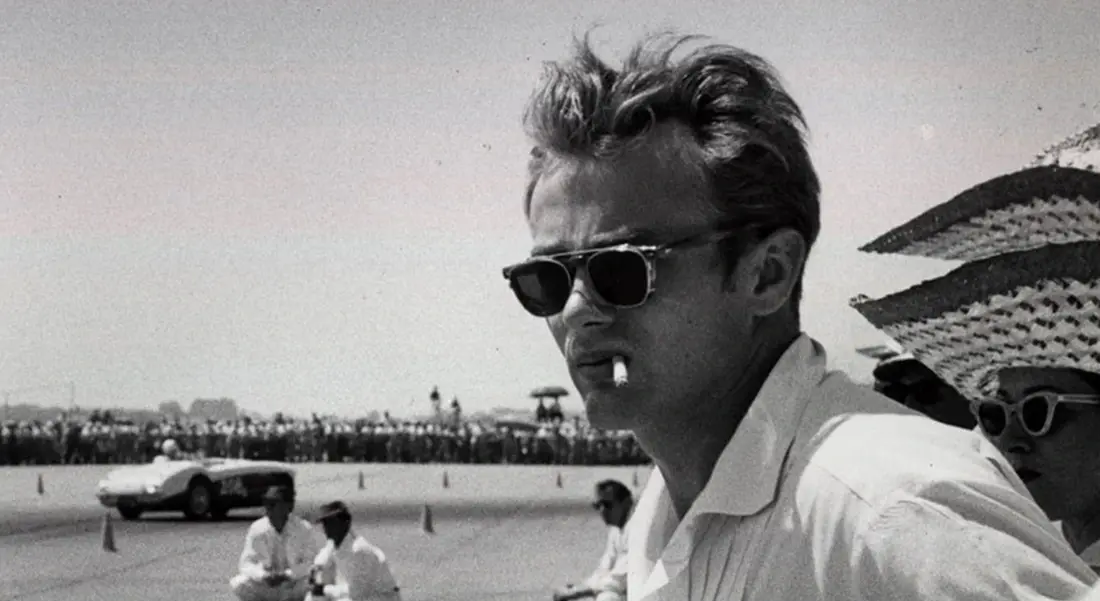
Then, in 1952, Ray-Ban decided to challenge convention.
Designed by industrial designer Raymond Stegeman, the Wayfarer looked unlike anything that had come before. Its bold acetate frame, sharp lines and gently angled silhouette reflected the optimism of post-war America, drawing inspiration not from fashion but from modern architecture, automobile design and contemporary furniture.
The Wayfarer was never intended to blend into the background. It was designed to be noticed. And noticed it was.
Hollywood Saw More Than a Pair of Sunglasses
Cinema has a remarkable ability to elevate ordinary objects into cultural icons.
A wristwatch, a sports car or a pair of sunglasses can become just as memorable as the character wearing them. The Wayfarer was among the first fashion accessories to achieve that status almost effortlessly.
By the late 1950s, it had already been worn by James Dean and Marilyn Monroe. Soon afterwards came Audrey Hepburn in Breakfast at Tiffany's. In the film's unforgettable opening sequence, as Holly Golightly stands before the windows of Tiffany & Co. on Fifth Avenue, her oversized dark sunglasses become an inseparable part of one of the most celebrated images in cinematic history.
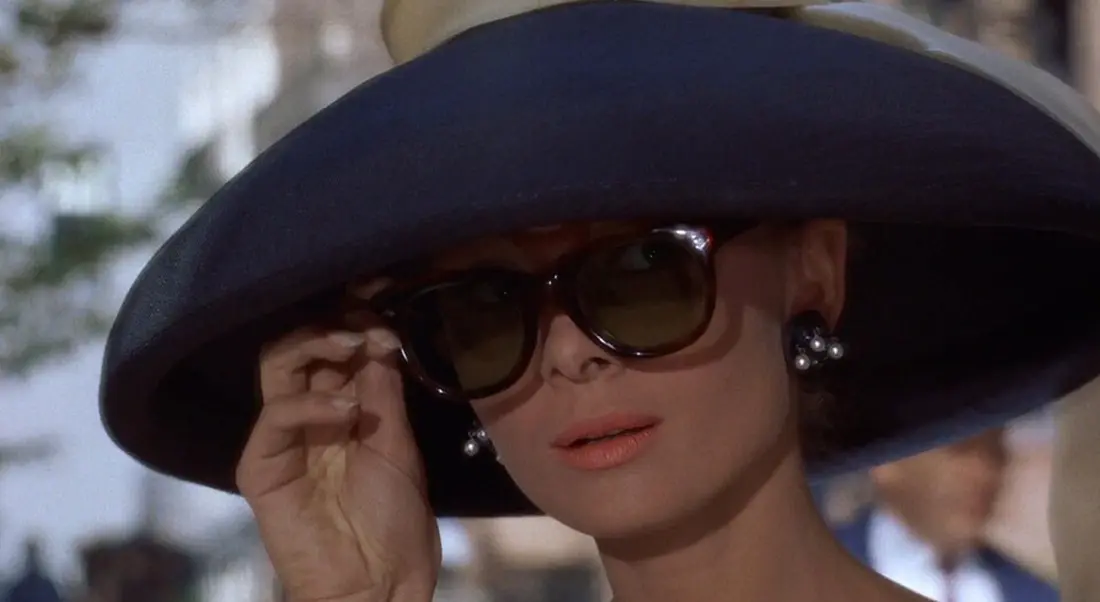
Audiences did not simply want to watch the film. They wanted to look like the people in it.
When a Product Becomes a Star
By the late 1970s, however, the Wayfarer appeared to have reached the end of its journey. Slimmer, sportier frames had replaced its bold silhouette, and sales declined dramatically.
Then Hollywood rewrote the story.
In 1983, Tom Cruise wore a pair of Wayfarers in Risky Business, helping create one of the defining images of the decade. Around the same time, John Belushi and Dan Aykroyd turned the sunglasses into the unmistakable signature of The Blues Brothers. Soon afterwards, they appeared in television hits such as Miami Vice and Moonlighting, and went on to star in countless films throughout the 1980s and beyond.
It became one of the most successful examples of product placement in entertainment history.
At the beginning of the decade, Ray-Ban was selling only tens of thousands of Wayfarers each year. Within a few years, annual sales had climbed into the millions.
Yet the numbers alone never told the full story. More importantly, the Wayfarer had once again become part of the world's visual vocabulary.
A Frame That Belonged to Everyone
Few fashion accessories have crossed as many cultural boundaries.
The Wayfarer has been worn by rock musicians, punk icons, Hollywood actors, world leaders, artists and students alike. It has never belonged to a single generation or a particular style.
Bob Dylan wore it. Later came Debbie Harry. Then Bono. Eventually, it found its place among indie musicians, hip-hop artists and a generation raised in the age of social media.
Its design proved simple enough to complement almost any aesthetic, yet distinctive enough to remain instantly recognisable. That balance is exceptionally rare.
Recognisable Without a Logo
Industrial designers often say that a product becomes an icon only when its silhouette alone is enough for people to identify it.
The Wayfarer crossed that threshold decades ago. A few bold lines are all it takes to recognise the frame, even without seeing the Ray-Ban logo.
Only a handful of industrial designs share that distinction - the Coca-Cola contour bottle, the Zippo lighter, the Porsche 911 or the Eames Lounge Chair.
At that point, form becomes more powerful than branding.
Why It Never Goes Out of Style
Fashion moves in cycles. What dominates one season often disappears the next. The Wayfarer escaped that fate because it never tried to follow trends.
Instead, it quietly outlived them.
It looks equally at home with a linen suit on the Italian Riviera, a leather jacket in London, a crisp white shirt in New York or a simple T-shirt and jeans in Tokyo.
Its greatest strength has never been its fashionability. It is that it never appears tied to any single era.
Beyond Fashion
Today, the Wayfarer can be found in museum collections dedicated to industrial design, on iconic movie posters, album covers and countless photographs that have shaped visual culture over the past seventy years.
Its frame no longer serves only to shield eyes from the sun. It has become part of the visual history of modern popular culture.
In an age where trends emerge and disappear at extraordinary speed, the Wayfarer remains a reminder that genuine icons are never created overnight.
They are born when exceptional design, perfect timing and culture come together to create something that endures far beyond its original purpose.