

Around the World Without Flying – Is It Still Possible?
![[object Object]](https://api.hedonistmagazine.net/storage/images/2026/07/33486785-6549-4108-aa42-807822d86dcb.webp)
There comes a moment at almost every airport when travel stops feeling like a journey and becomes little more than logistics. A few hours after takeoff, we step out on the other side of the world, often with little sense of the immense distance we have actually covered. Time zones change, languages shift, yet the space between two points seems to disappear altogether.
It was not always this way. Long before the age of mass air travel, crossing a continent took weeks, and circumnavigating the globe required months. Trains linked cities, ships connected continents, while buses and ferries bridged the gaps between them. The journey itself was every bit as important as the destination.
Today, when almost anywhere on Earth can be reached within a single day by air, an almost romantic question arises: is it still possible to travel around the world without boarding a single flight? Surprisingly, the answer is yes. It simply demands far more time, patience, and a willingness to experience the world at a different pace.
A Journey That Restores the Meaning of Distance
Air travel has fundamentally altered our perception of geography. A ten-hour flight across an ocean has made distances that once shaped the fate of nations seem almost insignificant. Yet the moment we choose not to fly, the planet regains its true scale.
A train rolling across the European plains for days, a ferry slowly crossing a sea, or a ship spending weeks at sea restores a sense of distance that modern technology has almost erased. Instead of leaping from one landscape to another, travellers witness the gradual transformation of the world around them. Fields give way to mountains, forests become steppes, temperate climates fade into tropical shores. Borders are no longer just stamps in a passport but shifts in language, architecture, cuisine, and the rhythm of everyday life.
For many who have explored even part of the world overland, this is the moment they truly understand just how remarkably diverse our planet is.
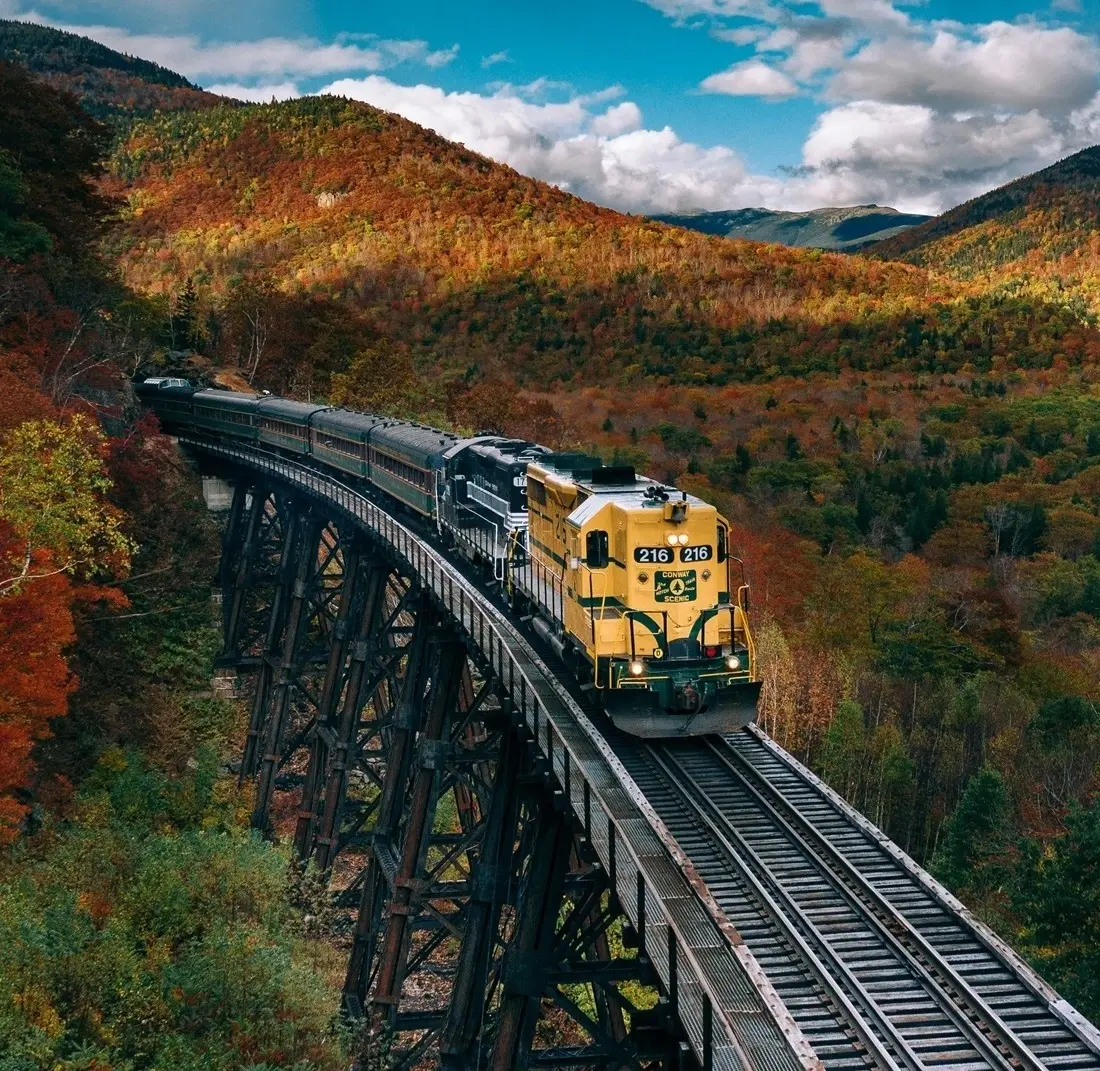
Europe - A Continent Built for Rail Travel
If there is one place where travelling without flying feels almost effortless, it is Europe. Thanks to one of the world's most extensive railway networks, it is entirely possible to spend weeks exploring the continent without ever sitting behind the wheel of a car or boarding an aircraft.
High-speed trains connect Paris with Amsterdam, Berlin with Vienna, Milan with Rome, and Madrid with Barcelona. Night trains have experienced a remarkable revival in recent years, allowing travellers to fall asleep in one country and wake up in another.
The experience could hardly be more different from flying. Instead of security checkpoints, anonymous terminals, and long waits, trains glide through city centres, alongside rivers, vineyards, and small towns that would remain invisible from 35,000 feet.
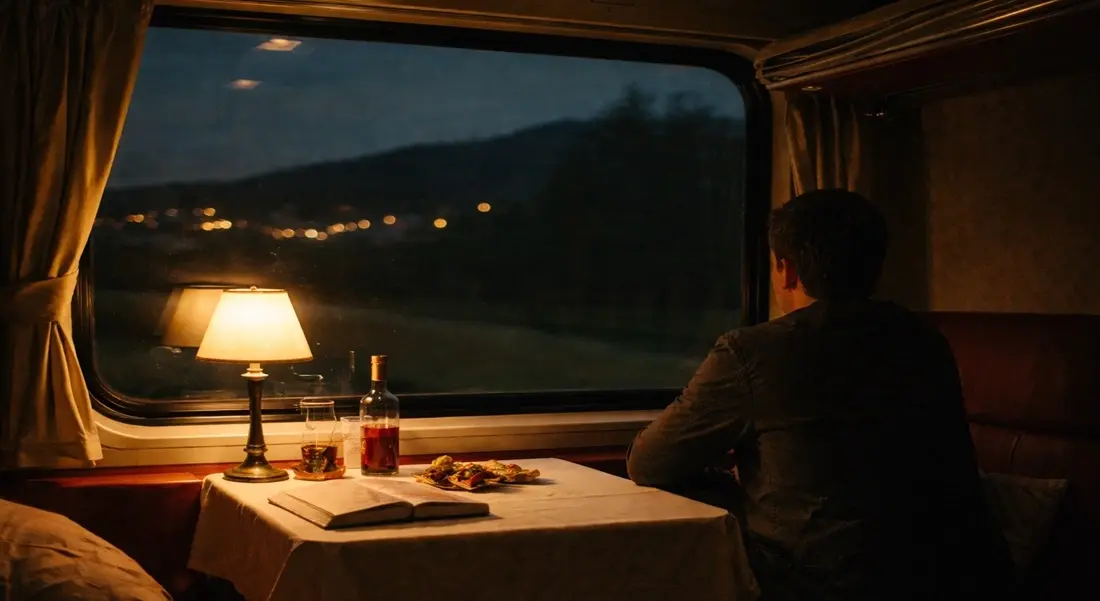
Asia - Where the Journey Becomes an Adventure
Beyond Europe begins an entirely different world. For more than a century, the legendary Trans-Siberian Railway has connected European Russia with the shores of the Pacific Ocean. Travelling from Moscow to Vladivostok takes nearly seven uninterrupted days and crosses eight time zones. It is not merely the longest railway journey in the world - it is one of the few experiences that truly convey the immense scale of an entire continent.
Farther south, an extensive network of trains and buses makes it possible to continue through China, Southeast Asia, and India. China's high-speed rail system ranks among the most advanced in the world, while journeys through Vietnam, Thailand, or Malaysia often evoke the slower, cinematic rhythm of classic expeditions.
Political realities and changing border regulations can occasionally alter overland routes, making careful planning essential. Yet it is precisely this uncertainty that preserves the spirit of exploration.
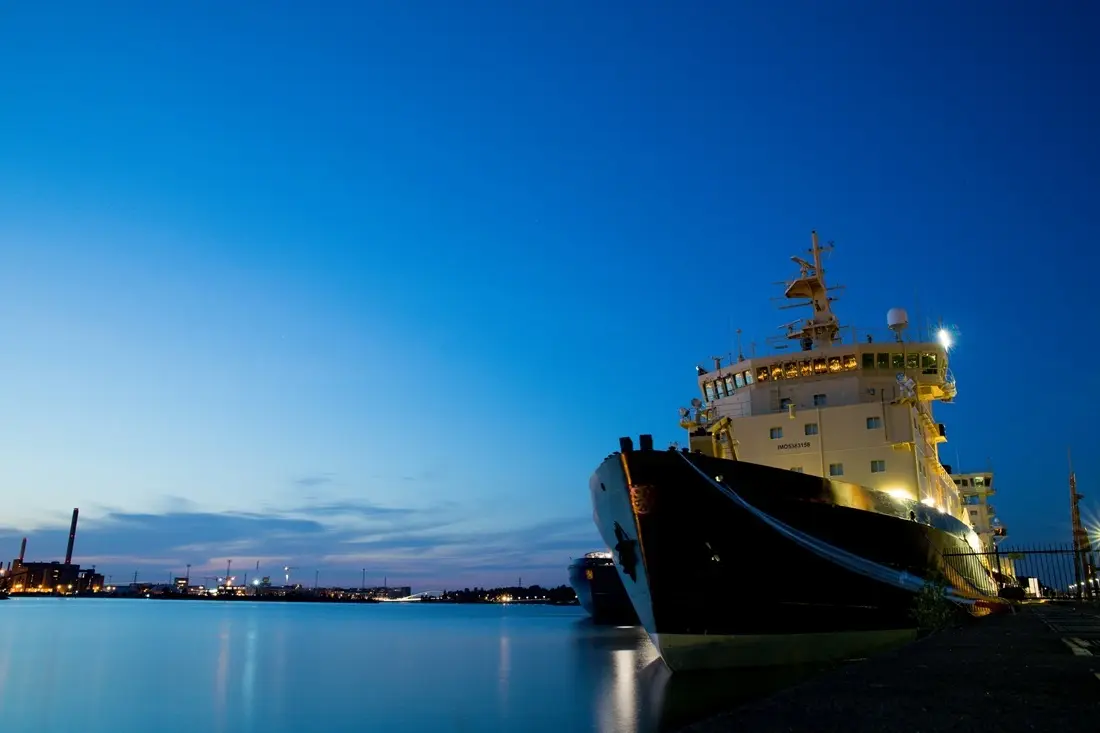
Oceans Are No Longer Impassable
The greatest challenge of travelling around the world without flying has always been the oceans.
Scheduled passenger liners are far less common today than they were half a century ago, but they have not disappeared entirely. Cruise ships continue to connect continents, while some cargo vessels still accept a limited number of passengers on long international routes under special arrangements.
These voyages bear little resemblance to the speed of modern tourism. Crossing either the Atlantic or the Pacific may take several weeks. Days unfold to the rhythm of the sea, often without reliable internet access, accompanied only by an unchanging horizon stretching endlessly in every direction.
For many travellers, this has become the greatest luxury of all - time that no longer belongs to deadlines.
The Americas - Between Railways and Highways
Unlike Europe, North America's railway network was never designed primarily for passenger travel, yet it still offers several spectacular long-distance routes. Crossing the United States by rail from coast to coast reveals vast prairies, the Rocky Mountains, sweeping deserts, and the Pacific shoreline, offering a perspective of the country that flying simply cannot provide.
In South America, buses remain the backbone of long-distance travel. Comfortable coaches connect countries such as Argentina, Chile, Peru, and Brazil, while iconic railway lines through the Peruvian Andes rank among the most breathtaking train journeys anywhere in the world.
Slower Travel, Richer Experiences
Travelling without flying is not merely a logistical challenge - it transforms our perception of time itself.
Modern tourism often encourages travellers to visit several countries in little more than a week. Such itineraries allow us to see much, yet truly experience very little. When a journey unfolds over weeks or months, the pace changes naturally. Visiting ten landmarks in a single day no longer seems possible - or even desirable. Instead, the journey fills with conversations shared on trains, quiet mornings in small ports, unexpected stopovers, and towns that never appear on lists of must-see destinations.
These are rarely the moments that make postcards, yet they often become the memories that last a lifetime.

Why More Travellers Are Choosing the Slow Route
In recent years, growing numbers of travellers have embraced the philosophy of slow travel - an approach that values meaningful experiences over the number of destinations visited. Rather than rushing through five countries in two weeks, many now choose to spend that same time exploring a single region in greater depth, relying on local transport and allowing places to reveal themselves gradually.
The reasons are not merely romantic. Trains and buses on shorter routes generally produce a significantly smaller carbon footprint than air travel, making them an attractive option for environmentally conscious travellers. Yet perhaps the greater appeal lies elsewhere. The journey itself regains its importance. Arrival is no longer the only objective; everything that happens between departure and destination becomes part of the experience.
Is It Really Possible?
Technically, the answer is yes. With sufficient time, careful route planning, the appropriate visas, and a healthy measure of flexibility, it is entirely possible to travel around the world using nothing more than trains, buses, ferries, and ships. Such a journey takes considerably longer than it did before the rise of commercial aviation, yet that is precisely what makes it extraordinary.
Perhaps the greatest reward is not the satisfaction of circling the globe without ever stepping onto an airplane. It is something far more valuable: rediscovering what modern tourism has almost forgotten - that travel is not simply about arriving somewhere. Sometimes, the journey itself is the very reason to set out.