
How Champagne Became the Drink of Celebration
![[object Object]](https://api.hedonistmagazine.net/storage/images/2026/07/a406ff49-1014-413d-94a1-7bd1617e56c1.webp)
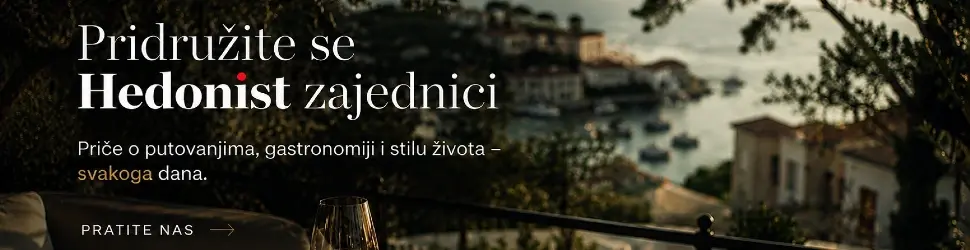
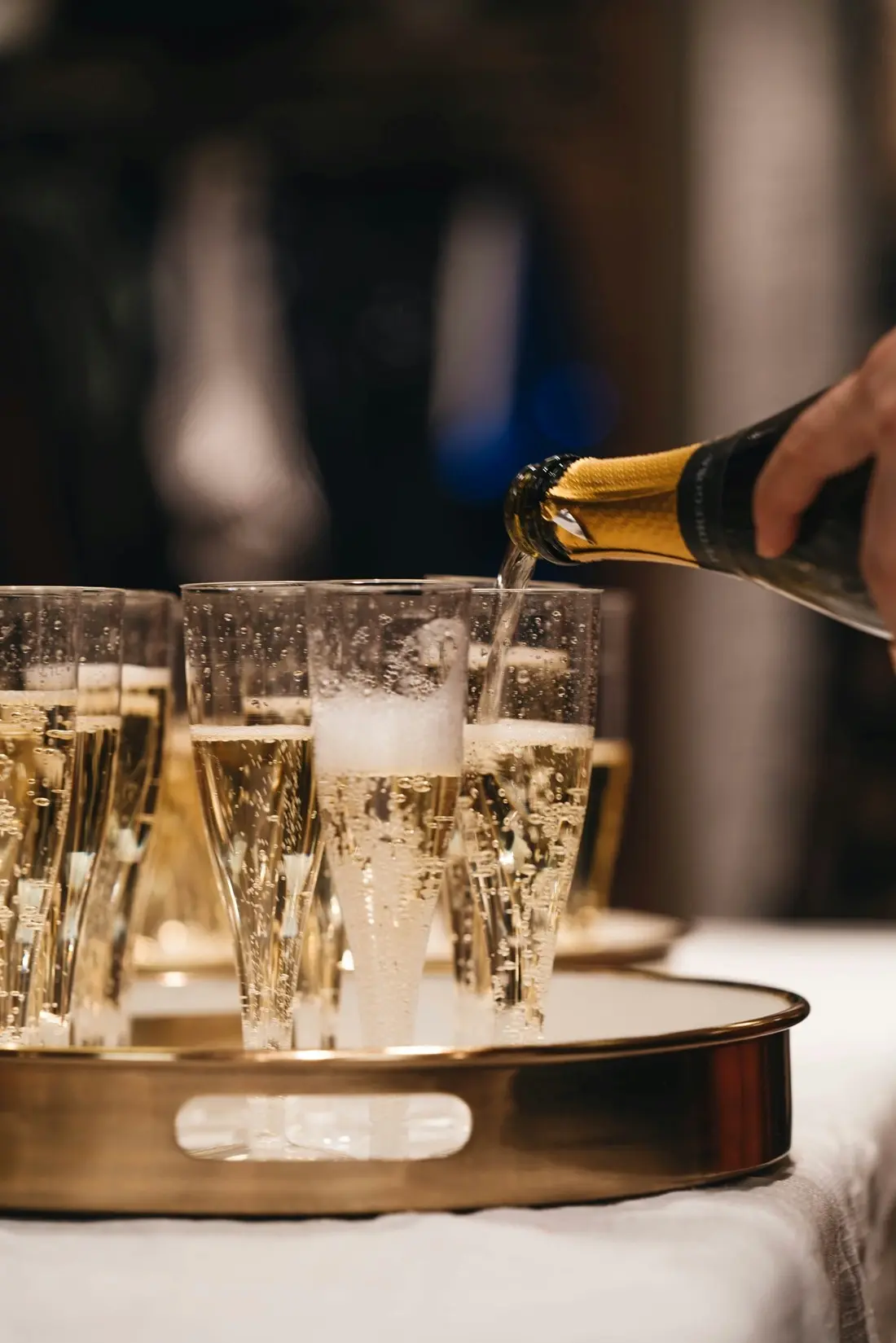
As the clock strikes midnight, the countdown ends, and a moment later a sound rings out that has become the universal signal of celebration. A cork bursts from the bottle, streams of tiny bubbles rise through crystal glasses, people raise a toast, embrace one another, and exchange wishes for the year ahead. Whether it marks New Year's Eve, a wedding, a world championship victory, or a major business milestone, it is difficult to imagine an important celebration without a bottle of Champagne being opened.
No other drink has achieved quite the same status. Wine belongs at the dinner table, whisky accompanies long conversations, cognac follows a fine meal, and cocktails define lively parties. Champagne, however, is tied neither to a particular time of day nor to a specific occasion. It signifies that something extraordinary has happened. It has become more than a beverage - it has become a ritual.
Ironically, its journey to that iconic status did not begin as a story of triumph - quite the opposite. The first sparkling Champagnes were the result of what winemakers considered a serious flaw.
A Region Never Destined for Great Wine
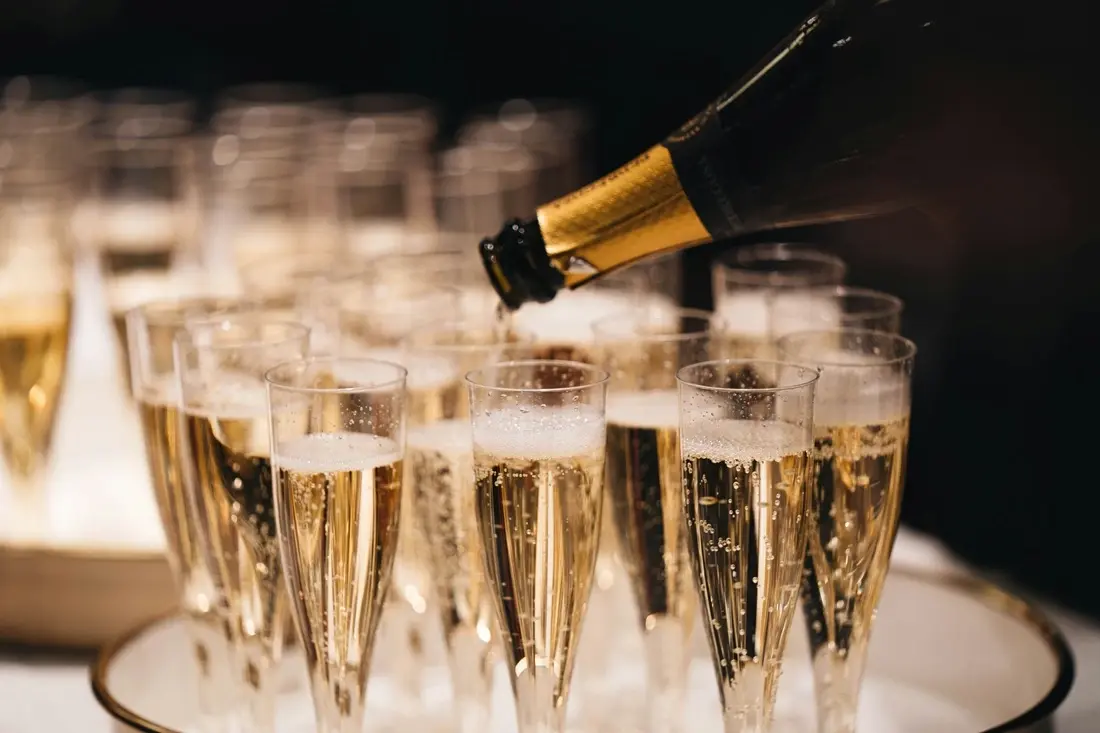
Today, the Champagne region in northeastern France is one of the world's most celebrated wine-producing areas. Yet a few centuries ago, few would have imagined that this corner of France would give birth to the planet's most prestigious sparkling wine.
Unlike the country's warmer wine regions, Champagne's cool climate often prevented grapes from fully ripening. Winemakers produced still wines that were respected but struggled to rival the richer wines of Burgundy or Bordeaux.
Their greatest challenge came with winter. Cold temperatures halted fermentation before all the grape sugars had been converted into alcohol. When spring arrived and temperatures rose, fermentation resumed inside bottles that had already been sealed. Carbon dioxide built up with nowhere to escape, causing bottles to explode - or leaving the wine filled with unwanted bubbles.
At the time, this was not considered a mark of quality. It was regarded as a defect.
Winemakers did everything they could to prevent sparkling wine from forming. Entire vintages were destroyed by exploding bottles, often triggering chain reactions throughout their cellars. Losses were enormous, and sparkling wine was viewed as unstable and undesirable.
The Myth of the Monk Who "Tasted the Stars"
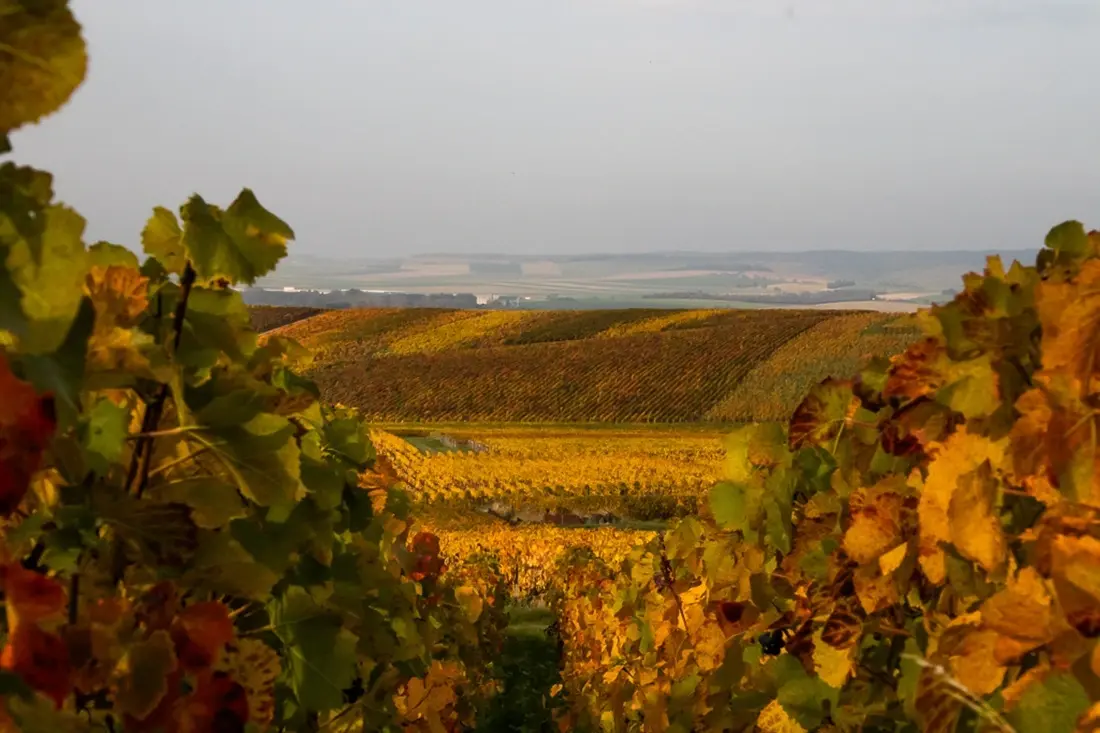
No name is more closely associated with Champagne than Dom Pérignon. According to one of wine's most enduring legends, the Benedictine monk took his first sip and exclaimed, "Come quickly - I am drinking the stars!"
It is a beautiful story, though historians generally agree it is almost certainly apocryphal.
Dom Pierre Pérignon did indeed live in the 17th century and played a pivotal role in the development of Champagne wines. His greatest contribution, however, was not the invention of sparkling wine but the refinement of winemaking itself. He introduced more rigorous grape selection, improved the art of blending wines from different vineyards, and dramatically elevated the overall quality of the region's wines.
Many historians even believe that he actively tried to prevent bubbles rather than encourage them.
Yet legends often acquire a life of their own. Dom Pérignon became synonymous with the origins of Champagne, and today his name adorns one of the world's most celebrated luxury cuvées.
How an Imperfection Became Champagne's Greatest Strength
While French winemakers searched for a solution, technological progress unexpectedly changed the course of history.
English glassmakers began producing stronger bottles capable of withstanding far greater internal pressure. At the same time, improved cork closures made it possible to seal wine far more securely. What had once caused bottles to shatter could now be safely controlled.
Winemakers gradually realized that bubbles did not have to be the enemy.
On the contrary, sparkling wine offered an entirely new sensory experience. Its delicate effervescence, remarkable freshness, and vibrant character distinguished it from every other wine of the era. Rather than eliminating the bubbles, producers began perfecting them.
Over the following decades, the traditional method of secondary fermentation in the bottle - the process that still defines Champagne today - was refined. It demanded considerably more time, expertise, and manual craftsmanship than the production of still wine, making Champagne both rarer and more expensive from the very beginning.
Kings Created the World's First Luxury Wine Brand
Had Champagne remained merely an intriguing sparkling wine, it might never have become a global icon. Much of its extraordinary rise can be credited to the French monarchy.
The city of Reims, the historic heart of Champagne, served for centuries as the coronation site of French kings. After each ceremony, nobles and distinguished guests celebrated with the region's local wines. Gradually, Champagne became associated with royalty, prestige, and the most significant occasions of the French state.
Europe's aristocracy quickly embraced the new fashion. At the royal courts of Paris, Vienna, St. Petersburg, and London, Champagne became the wine reserved for exceptional moments. Russian emperors ordered it in vast quantities, the English nobility regarded it as a symbol of refinement, and the French court elevated it into an expression of elegance itself.
Once it became the drink of kings, the rest of Europe eagerly followed.
The Widow Who Changed Champagne Forever
One of the most influential figures in Champagne's history was neither a king, a military commander, nor a wealthy merchant. She was a widow.
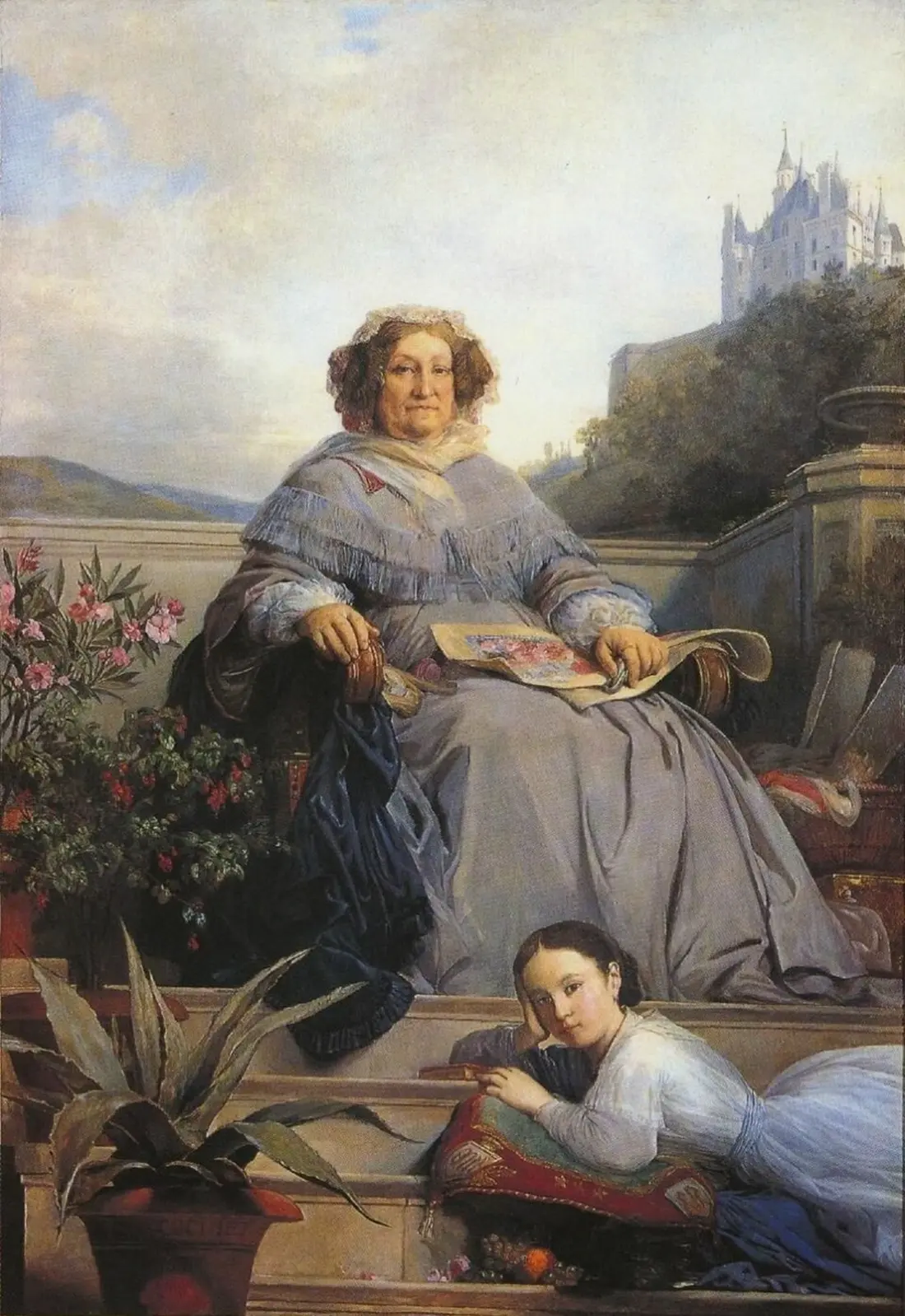
Following the death of her husband in the early 19th century, Barbe-Nicole Ponsardin took over the family wine house. At a time when women rarely led major businesses, she made decisions that would transform the entire Champagne industry. Today, the world knows her simply as Veuve Clicquot - the Widow Clicquot.
At her winery, the process known as remuage, or riddling, was perfected. By gradually rotating each bottle, sediment collected in the neck, allowing producers to create a clearer, more refined Champagne. The innovation revolutionized production and soon became the industry standard.
Madame Clicquot was more than a brilliant innovator. She was also an exceptional entrepreneur. Despite wars and political upheaval, her Champagnes reached the Russian imperial court, Europe's great capitals, and the world's wealthiest clientele. Many historians believe that without her vision, Champagne might never have become a global luxury product.
From Royal Courts to Hollywood
The 19th century transformed the world. The Industrial Revolution created a new class of wealthy industrialists, financiers, and entrepreneurs eager to display their success.
Champagne became the perfect symbol of that newfound prosperity.
It was poured in grand hotels, aboard transatlantic ocean liners, in the world's finest restaurants, and at the lavish soirées of the Belle Époque. First-class passengers aboard the Titanic toasted with Champagne. At the same time, luxury hotels in Paris, London, and New York proudly featured the great Champagne houses at the top of their wine lists.
The 20th century only strengthened its prestige. Film stars, business magnates, athletes, and politicians were almost invariably photographed holding a glass of Champagne. Hollywood amplified that image across the globe.
Whether celebrating an Academy Award, a Grand Slam title, or the opening of a luxury hotel, Champagne became the drink of the moment.
Why Champagne?
Few beverages appeal to the senses quite like Champagne. First comes the unmistakable pop of the cork. Then the whisper of thousands of rising bubbles. A froth of delicate foam fills the glass, golden reflections shimmer in the light, and the ritual of raising a toast begins.
The entire sequence lasts only seconds, yet those few moments create the unmistakable feeling that something extraordinary is taking place.
Psychologists have long argued that rituals play an essential role in human life, marking the transition from one moment to another. Champagne, with its distinctive way of being opened and served, became the perfect drink for celebrating life's defining milestones.
It accompanies weddings, births, anniversaries, sporting triumphs, business successes, ship launchings, and New Year's celebrations. Formula One transformed spraying Champagne into a globally recognized symbol of victory, while luxury yachts and ocean liners have traditionally been christened by smashing a bottle against the bow.
No other wine has forged such a powerful connection with the very idea of celebration.
Can Every Sparkling Wine Be Called Champagne?
One of the most common misconceptions is that every sparkling wine is Champagne. It is not.
The name Champagne is legally protected and may be used only for sparkling wines produced within the Champagne region of France according to strict production regulations. The grapes must come from designated vineyards, the wine must be made using the traditional method of secondary fermentation in the bottle, and every stage of production is governed by rigorous standards.
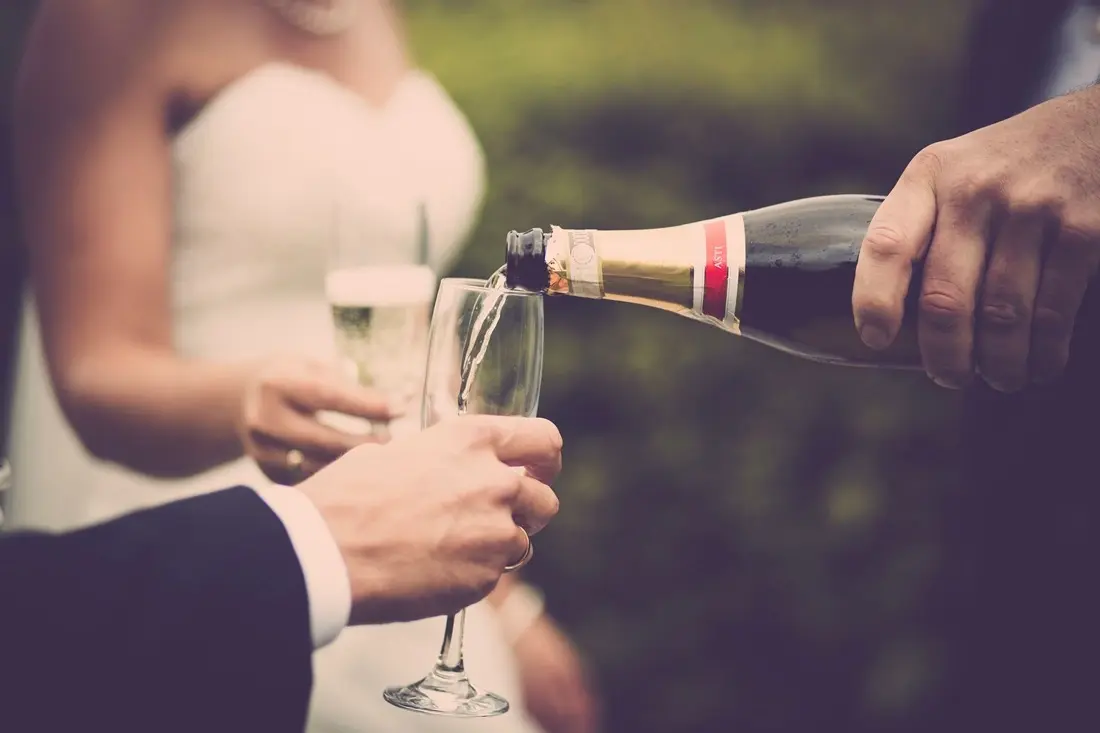
That does not mean other sparkling wines are any less remarkable. Italy's Prosecco is produced using a different method that emphasizes freshness and fruit. Spain's Cava also undergoes secondary fermentation in the bottle but relies on different grape varieties and expresses its own distinctive personality. France's Crémant is made outside Champagne, yet follows similar traditional techniques.
Each has its own place in the world of wine. Only one, however, can truly be called Champagne.