

The Last Dinner on the Titanic: What Passengers Ate Just Hours Before the Ship Sank
![[object Object]](https://api.hedonistmagazine.net/storage/images/2026/08/36560e61-5cea-4205-a1e4-fd2b2240149c.webp)
On the evening of April 14, 1912, as the Titanic sailed across the calm waters of the North Atlantic, few among its more than 2,200 passengers could have imagined that within hours they would become part of one of history's greatest maritime disasters. In the ship's elegant dining rooms and lounges, dinner unfolded with effortless sophistication.
Waiters served elaborate multi-course menus, wine flowed freely, the orchestra played, and conversations drifted from business and travel to plans for arrival in New York.
One of history's greatest ironies is that the menus from that final evening have survived as some of the most revealing records of life aboard the Titanic. Thanks to them, we can reconstruct in remarkable detail what passengers were eating only hours before the ship struck the iceberg.
A Floating Palace Unlike Any Other
When the White Star Line introduced the Titanic, its ambition was never to build the fastest ship afloat. That distinction already belonged to others. Instead, the company set out to create the most luxurious ocean liner ever constructed - a vessel defined by comfort, elegance, and impeccable service.
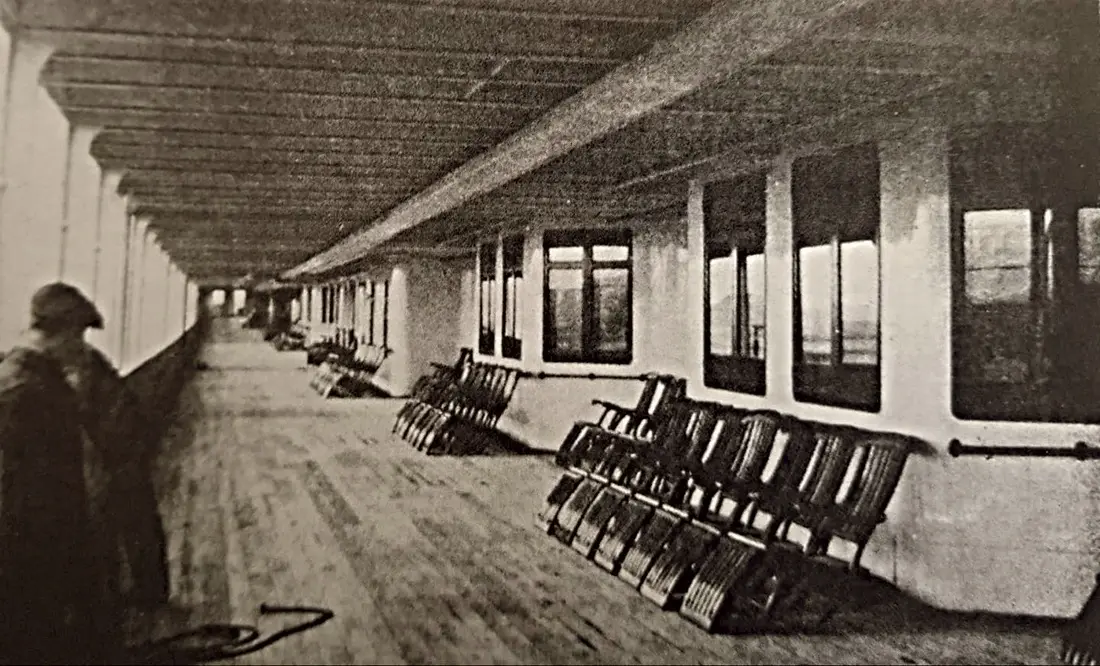
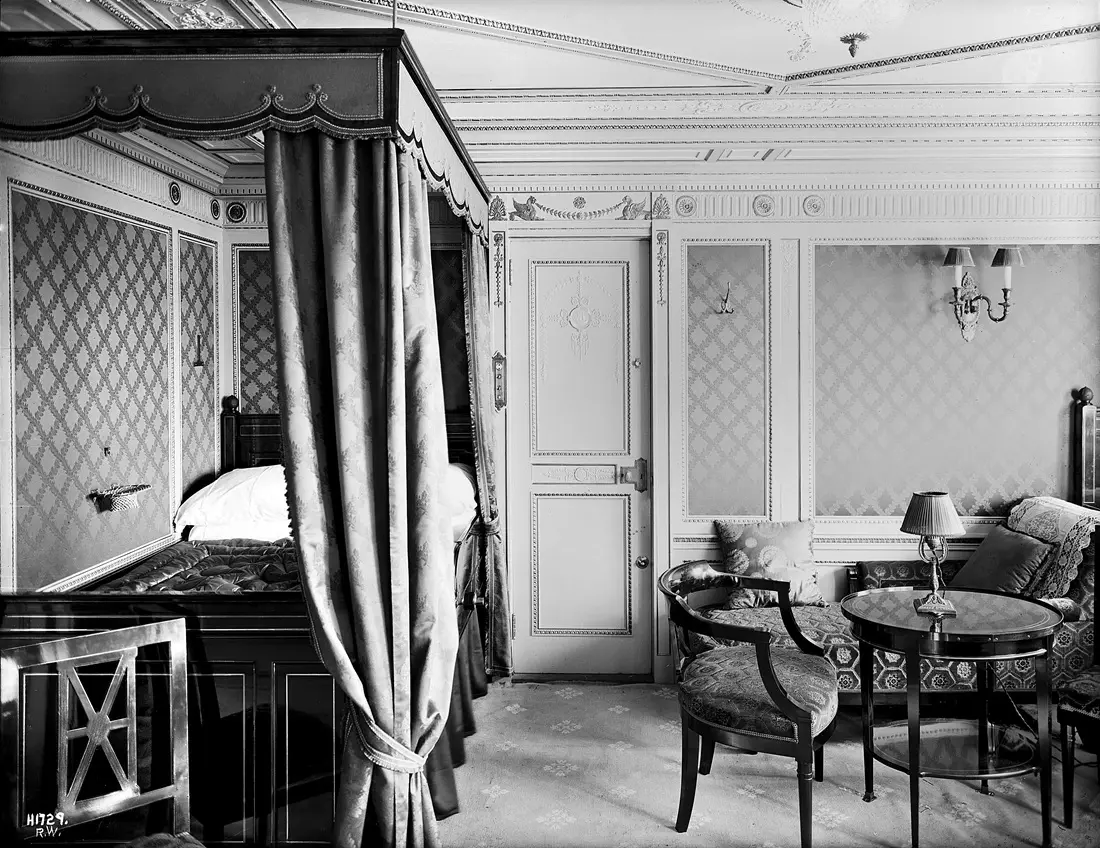
First-class accommodations were designed to rival Europe's finest grand hotels. Passengers enjoyed lavish restaurants, a Parisian-style café, elegant lounges, a library, a swimming pool, Turkish baths, and even a gymnasium. Dining was central to the experience. White Star Line wanted its guests to feel that nowhere - not even in the great palaces of Europe - could they dine more exquisitely.
Yet luxury aboard the Titanic was not reserved exclusively for the wealthiest travelers. Both second- and third-class passengers enjoyed meals that far exceeded the standards of most ocean liners of the era. For many emigrants traveling in third class, the food served on board was richer and more varied than anything they had experienced at home.
First Class: An Eleven-Course Dinner in the Middle of the Atlantic
The first-class dinner menu served on April 14 has become one of the most famous menus in culinary history.
The evening began with freshly served oysters, then considered one of the great symbols of refinement. They were followed by consommé and cream of barley soup before diners were served poached salmon with mousseline sauce and cucumbers.
The main courses reflected the grandeur of Edwardian haute cuisine. Guests could choose from filet mignon, roast spring lamb with mint sauce, roast duckling, chicken, sirloin of beef, and an assortment of seasonal vegetables. Among the evening's finest dishes was roast squab served on a bed of watercress, a delicacy that represented the height of French-inspired fine dining.
After the meat courses came salad, followed by an impressive selection of desserts, including Waldorf pudding, peaches in Chartreuse jelly, French ice cream, éclairs, assorted cheeses, fresh fruit, nuts, and coffee.
In total, the meal consisted of eleven courses and lasted for more than four hours. It was never intended to be merely dinner; it was a carefully orchestrated social occasion where conversation, atmosphere, and ceremony were every bit as important as the cuisine itself.
The Restaurant Beyond the Ticket
Beyond the main dining saloon, the Titanic offered another gastronomic attraction that was exceptional even by the standards of the world's finest liners.
The à la carte restaurant, managed by renowned Italian restaurateur Gaspare Gatti, operated much like an elite Parisian establishment. Unlike the main dining room, where meals were included in the ticket price, guests here ordered individually from an exclusive menu and paid separately.
Its intimate atmosphere, refined décor, and sophisticated cuisine appealed to passengers seeking a quieter dining experience. Many culinary historians regard Gatti's Restaurant as the predecessor of the specialty restaurants now found aboard modern luxury cruise ships.
Second Class: Far Beyond Expectations
Although it lacked the opulence of first class, the second-class dining experience would still compare favorably with many respectable restaurants of its time.
Passengers were served roast chicken, spring lamb with mint sauce, roast potatoes, rice, seasonal vegetables, and a variety of desserts, including puddings, fresh fruit, and ice cream.
Elegant china, attentive service, and thoughtfully designed dining rooms reflected White Star Line's commitment to quality across every class. For teachers, merchants, physicians, and other middle-class travelers, a voyage aboard the Titanic offered a level of comfort once reserved almost exclusively for Europe's elite.
Third Class: Surprisingly Generous
Perhaps the greatest surprise lies in the menus served to third-class passengers.
On many transatlantic liners of the early twentieth century, emigrants either prepared their own meals or received only the most basic provisions. White Star Line chose a different approach.
On the ship's final evening, third-class passengers were served roast beef with brown gravy, boiled potatoes, sweetcorn, freshly baked bread, plum pudding, fruit, and tea.
The menu was simple but hearty, varied, and generous - far superior to what many passengers were accustomed to on land. Historians often cite the quality of Titanic's third-class dining as one of the reasons White Star Line earned its reputation for treating emigrants with unusual dignity and care.
A Kitchen That Never Stopped
Preparing thousands of meals each day required one of the most advanced culinary operations ever installed aboard a passenger ship.
The Titanic employed dozens of chefs, bakers, butchers, pastry chefs, and kitchen assistants. Massive ovens worked almost continuously, while refrigerated storage rooms held fresh meat, seafood, dairy products, fruit, and vegetables.
For its maiden voyage, the ship was stocked with approximately 75 metric tons of meat, around 40,000 eggs, thousands of liters of milk, tens of thousands of pieces of fresh produce, and vast quantities of potatoes, flour, butter, sugar, and other provisions. Even by today's standards, the logistics behind feeding more than two thousand people at sea were extraordinary.
Few passengers ever considered the immense operation taking place beneath the elegant dining rooms. Below deck, a highly organized culinary machine produced thousands of meals every single day.
An Evening That Seemed Entirely Ordinary
As the final desserts were served, nothing hinted at the catastrophe that lay ahead.
Many passengers retired to the lounges for conversation or card games. Others strolled along the promenade deck beneath the stars or listened to the orchestra. Members of the crew completed their evening routines, while kitchen staff cleaned their workstations and prepared for another day at sea.
At 11:40 p.m., the Titanic struck an iceberg.
Less than three hours later, the ship that had been built to redefine luxury on the ocean floor disappeared beneath the icy waters of the Atlantic.
The Menu That Outlived the Ship
Very few objects from the Titanic survived, yet several original dinner menus were preserved because passengers kept them as souvenirs. Today, they reside in museums and private collections, where they regularly command tens of thousands of dollars at auction.
Their value extends far beyond rarity. They preserve a frozen moment from what appeared to be an entirely ordinary evening - one that would soon become history.
Nothing on those elegant printed cards hints at the tragedy to come. They contain only carefully listed courses, impeccable service, and the promise of another refined dinner aboard the most luxurious ship of its age.
That is precisely why the Titanic's final menu continues to fascinate more than a century later. Not because of the dishes it offered, but because it reminds us that history rarely announces itself before it changes forever. Sometimes the world's greatest stories unfold while someone is deciding between roast lamb and filet mignon, convinced that tomorrow will be just another ordinary day.