Life

Clocks Back: Who Invented Changing the Time?
The most common answer is Benjamin Franklin, and it is wrong. The real story involves a joke, a beetle collector, a builder and a war, and this autumn its sequel is playing out in Brussels.

A Shortcut to Childhood: Why Smell Takes Us Back More Powerfully Than an Image
From Proust’s madeleine to brain scans: smell doesn’t necessarily bring memories back faster than a photograph does, but it brings them back differently. Here is what science actually knows about it.

The Pumpkin Wasn’t First: How the Turnip Lost Halloween
The first Halloween lanterns were hollowed-out turnips, ugly and hard to carve. The story of how the pumpkin replaced them is more tangled than the one we usually hear.
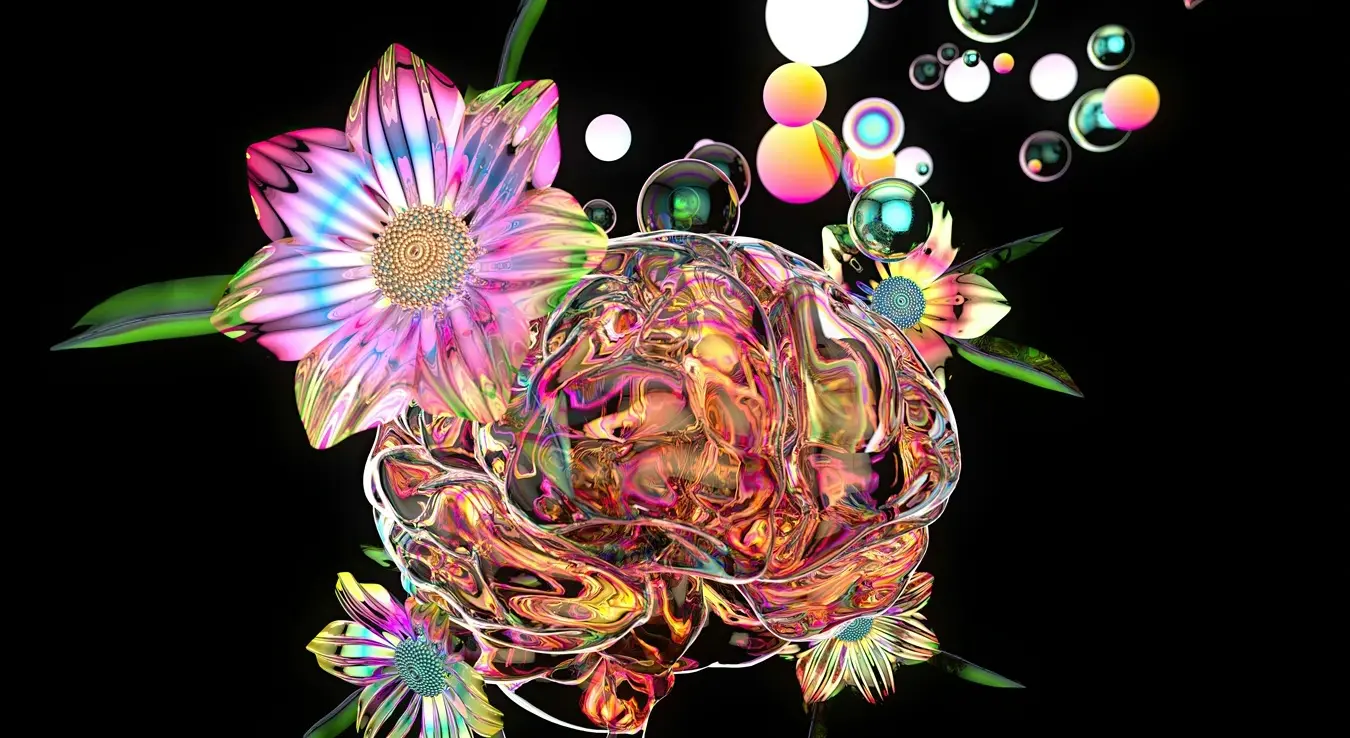
Made in Seconds: What Remains Human When Machines Can Do Everything
From text and music to photography and design, AI is redefining creativity. What happens to talent, originality, and the value of work when a machine can produce something convincing in seconds?
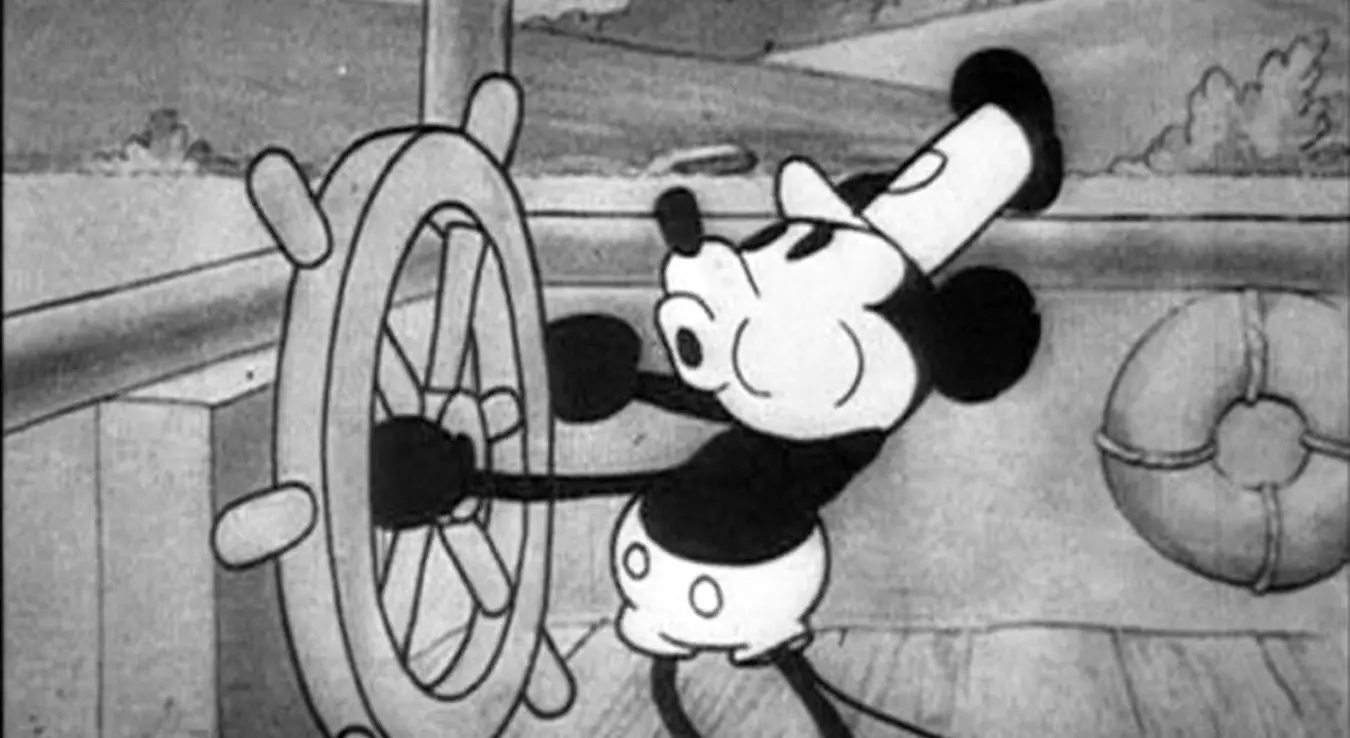
The Mouse Who Taught the World to Whistle
New York, Sunday, November 18, 1928. It is cold outside, and in the Colony Theatre on Broadway the smell of damp overcoats mixes with cigarette smoke and poster paint. The audience has come for the feature film. Before it comes a short cartoon, seven and a half minutes that most viewers will forget by the time they reach the coat check.

Medici in Hoodies: How a New Generation Is Changing the Rules of Giving - and What It Wants in Return
Before he began restoring the monastery of San Marco in Florence, the city’s most powerful banker turned to the pope. Cosimo de’ Medici dealt in money, and in the fifteenth century, money carried the burden of usury, a sin that was hard to absolve.
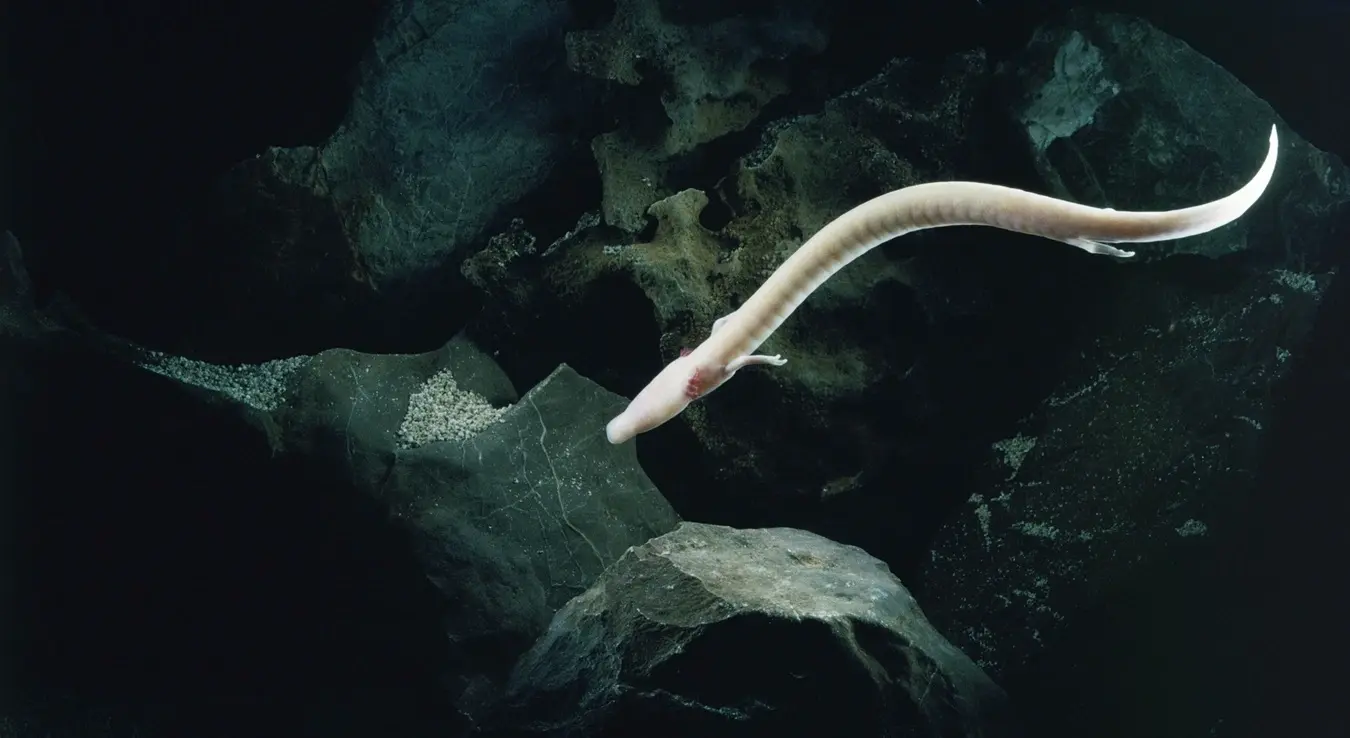
The Dragon of Herzegovina’s Caves: The Animal That Can Survive for Years Without Food
Somewhere in the underground waters of eastern Herzegovina, in darkness that sunlight has never reached, an animal was found after 2,569 days in precisely the same place where it had first been recorded. That is more than seven years.

Ten Colours, Ten Moments We Carry in Our Minds
Ask someone to think of red, and they will rarely think of red itself. They will think of something specific: a little light, a particular sound, an afternoon in November. We do not store colours in our memory as colours, but as scenes in which we once encountered them. And behind almost every such scene there is a real, verifiable story: about physics, coincidence, or a glue that would not hold.
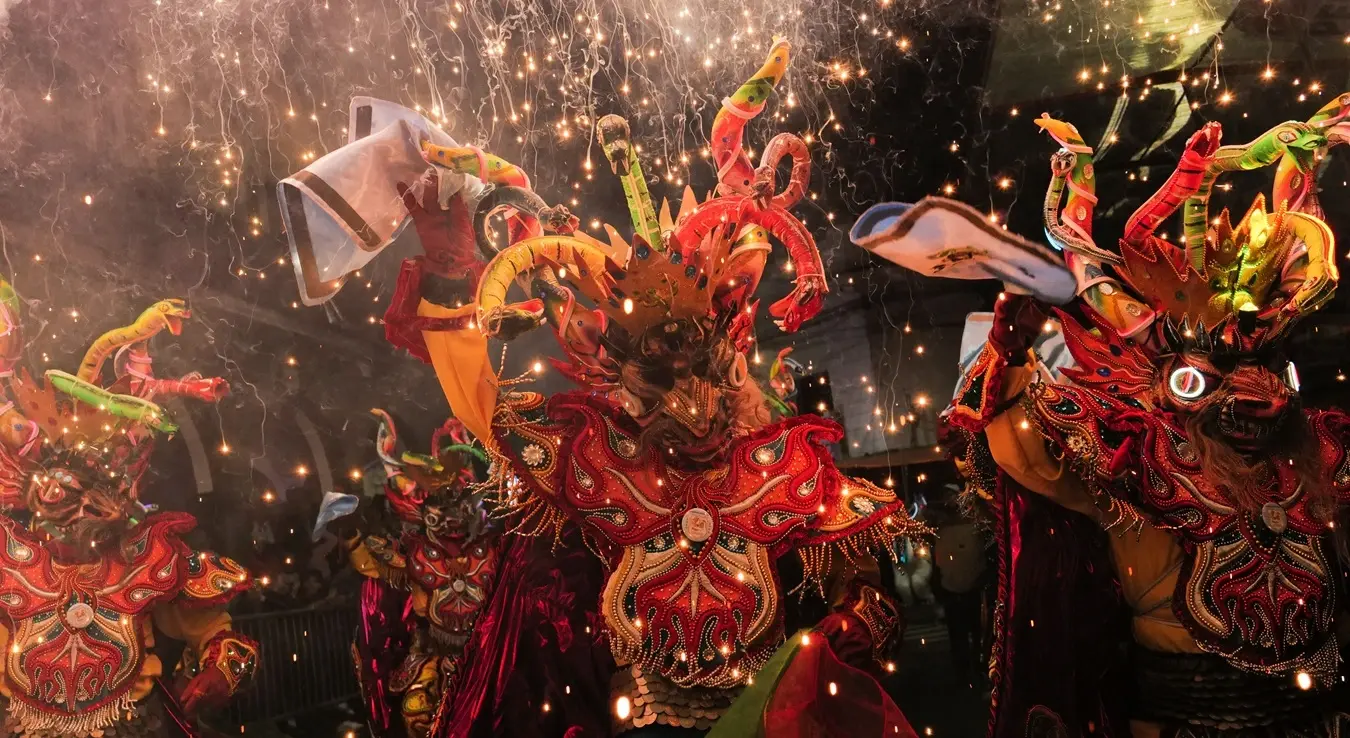
The World's Most Vivid Carnivals: When Colour Becomes a Weapon
Four carnivals, on four different continents, born in entirely different centuries, among entirely different peoples - and yet each one, scratched deep enough beneath the costumes and feathers, tells the same story: of people who had no power, and who took it back, if only for a few days a year, with colour, masks, and music. The world's most vivid carnivals aren't just a spectacle for tourists.
The Puzzle Italy Can't Solve: Why the Balkans Love Dylan Dog More Than the Rest of the World
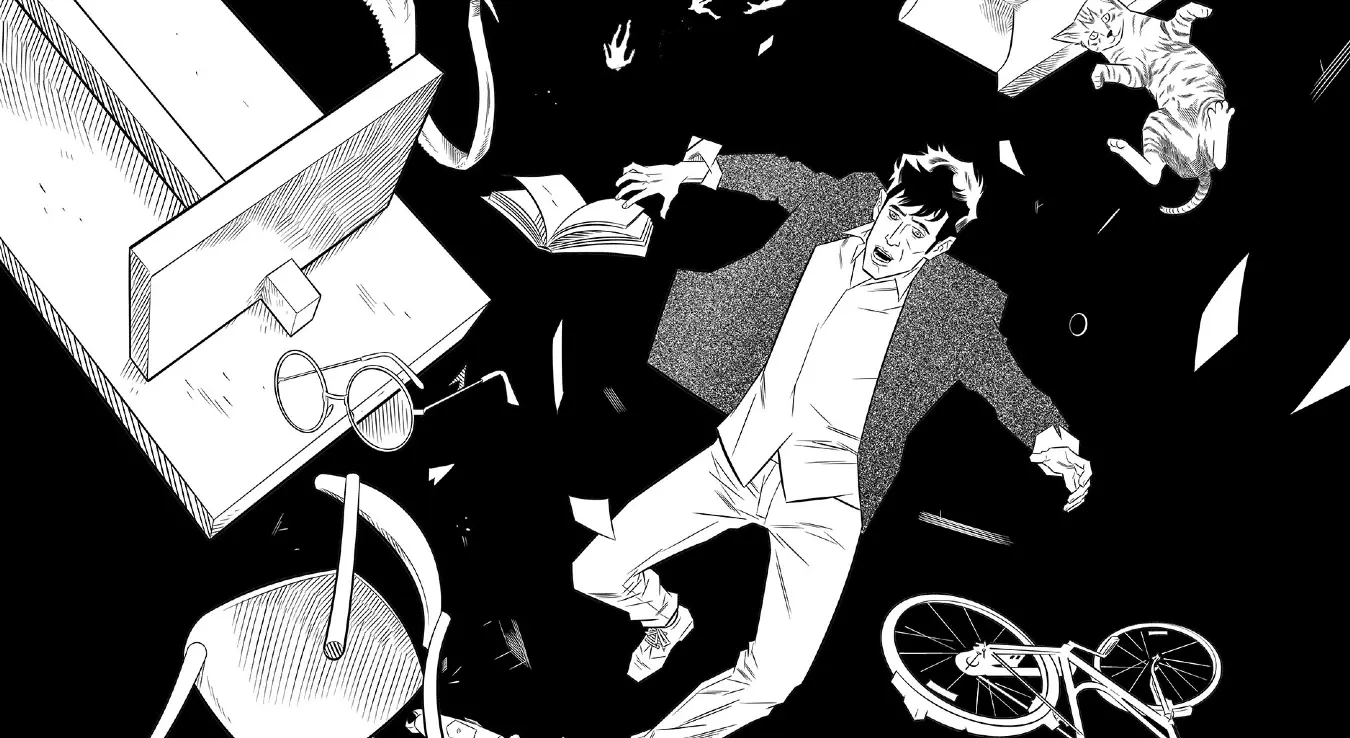
While Italy spent this September celebrating Dylan Dog's fortieth birthday - with special editions, a stage play, "Horror Nights" in bookshops from Milan to Palermo - none of the commentators there addressed a far stranger question: why has this gaunt nightmare investigator from London, born in the mind of an Italian scriptwriter, taken root in the Balkans like almost nowhere else on the planet outside Italy itself?

Tijana Bošković for HEDONIST: I Always Take the Opportunity to Say Who I Am and Where I Come From
When Tijana Bošković put away her 33rd point in the Champions League final at Istanbul's Ülker Arena on May 3, 2026, she was really finishing a job she'd been working on for years. VakıfBank beat Eczacıbaşı 3–1 (25–20, 25–21, 21–25, 25–18) to claim a record seventh European title, and along with her first Champions League trophy, she took home the awards for Most Valuable Player and Best Opposite of the Final Four.
When the Photograph Became Proof We Had Lived: From the Family Album to Instagram
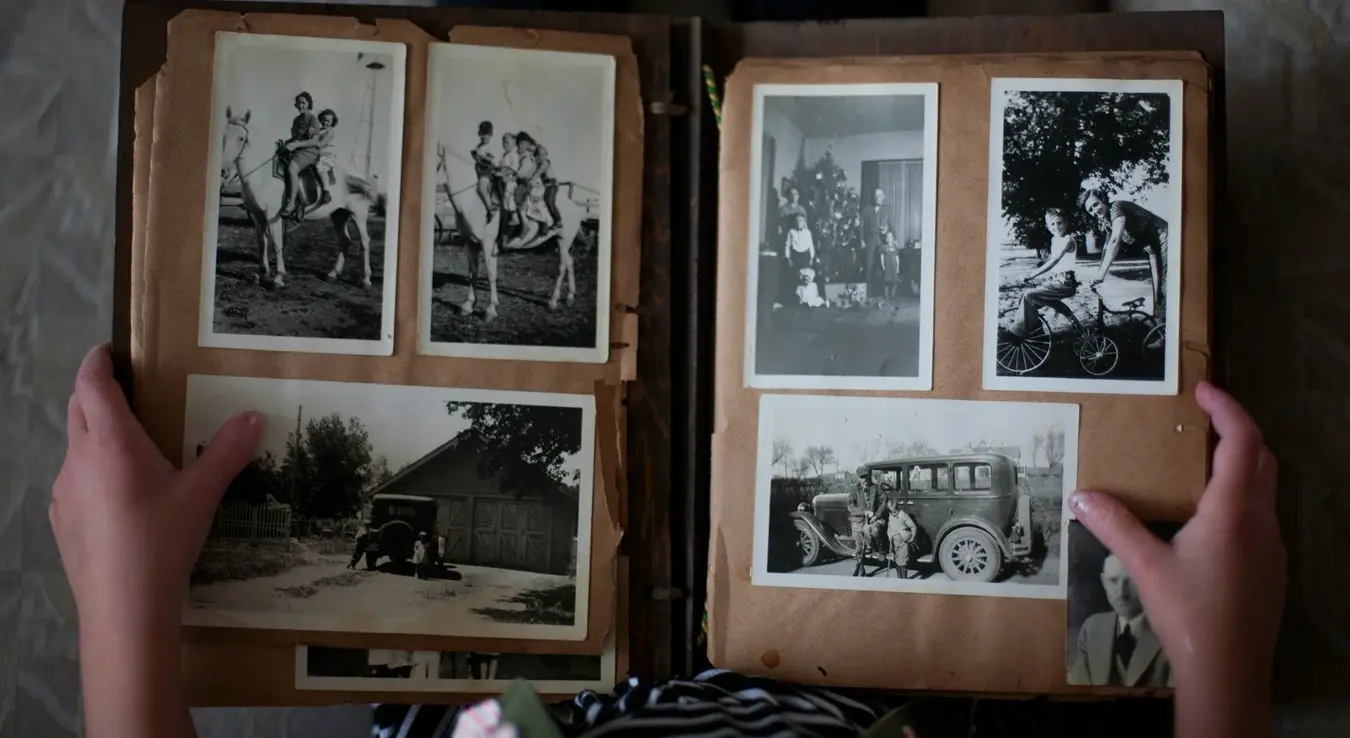
There's a heavy, leather-bound album that sits on the same shelf in every older family home - black-and-white photographs glued at the corners onto cardboard pages, just a handful of images for an entire year, each one carefully chosen to represent something worth remembering: a wedding, a birth, a summer holiday, the first day of school.
Why We Keep Things We No Longer Need: The Psychology of Collecting
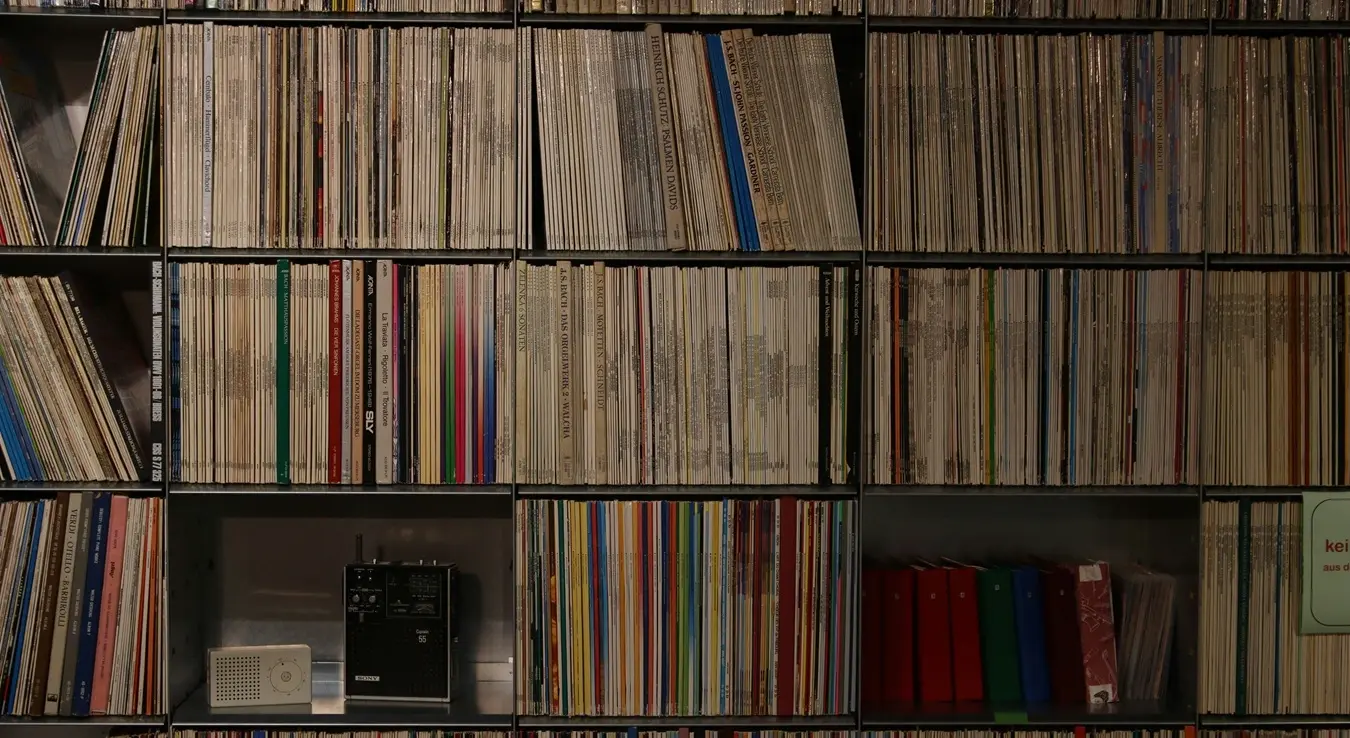
At the bottom of a drawer, in a box in the attic, or on a shelf we haven't really looked at in years, almost all of us keep something that no longer serves any purpose. An old postcard no one will ever read again. A childhood toy. A ticket stub from a concert we went to fifteen years ago. The rational part of the brain knows these things should be thrown out or given away. And yet, for some reason we rarely manage to explain, they stay put, for years, sometimes for decades.
The Club That Invented Football and Stayed in the Seventh Tier
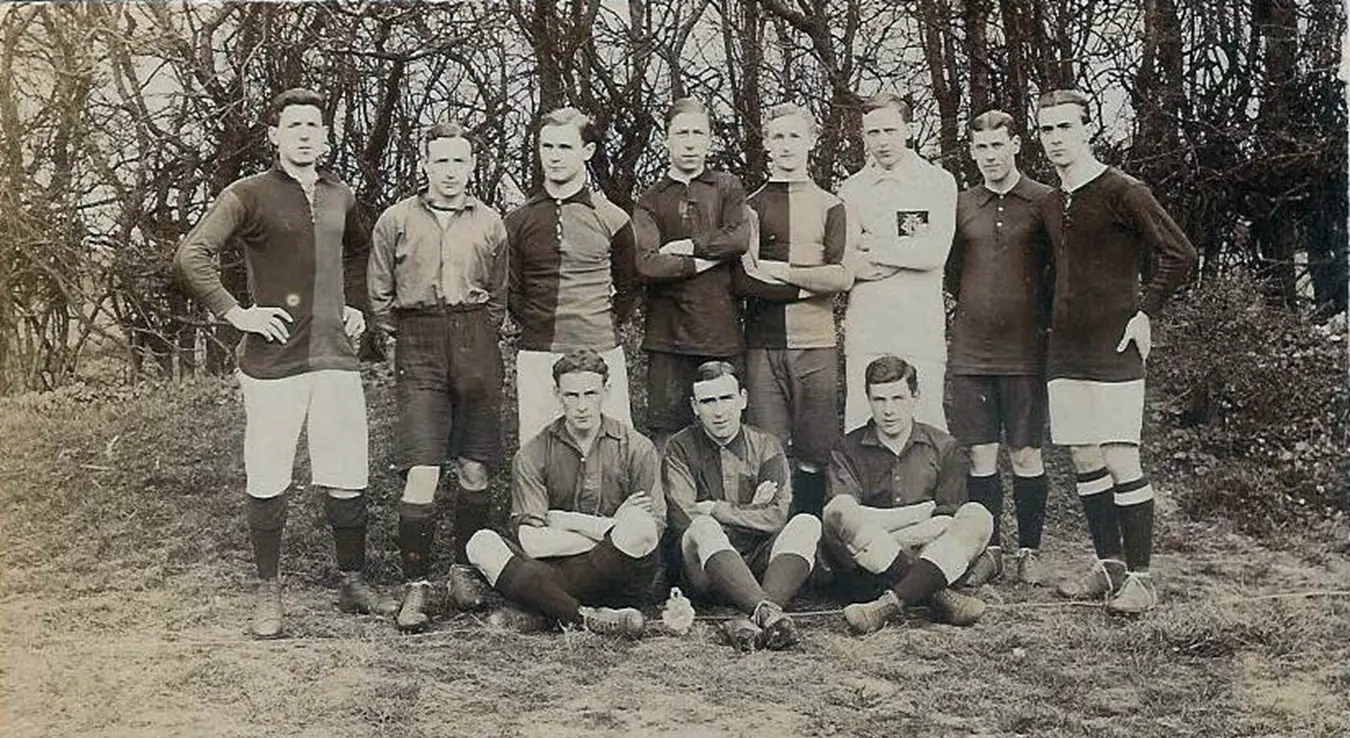
The club that wrote football's first rulebook holds its meetings in a pub today. Not as a figure of speech - Sheffield FC's headquarters really is the Coach and Horses, an ordinary pub in Dronfield, and the club currently plays in the seventh tier of English football, in front of crowds that rarely top a few hundred people.
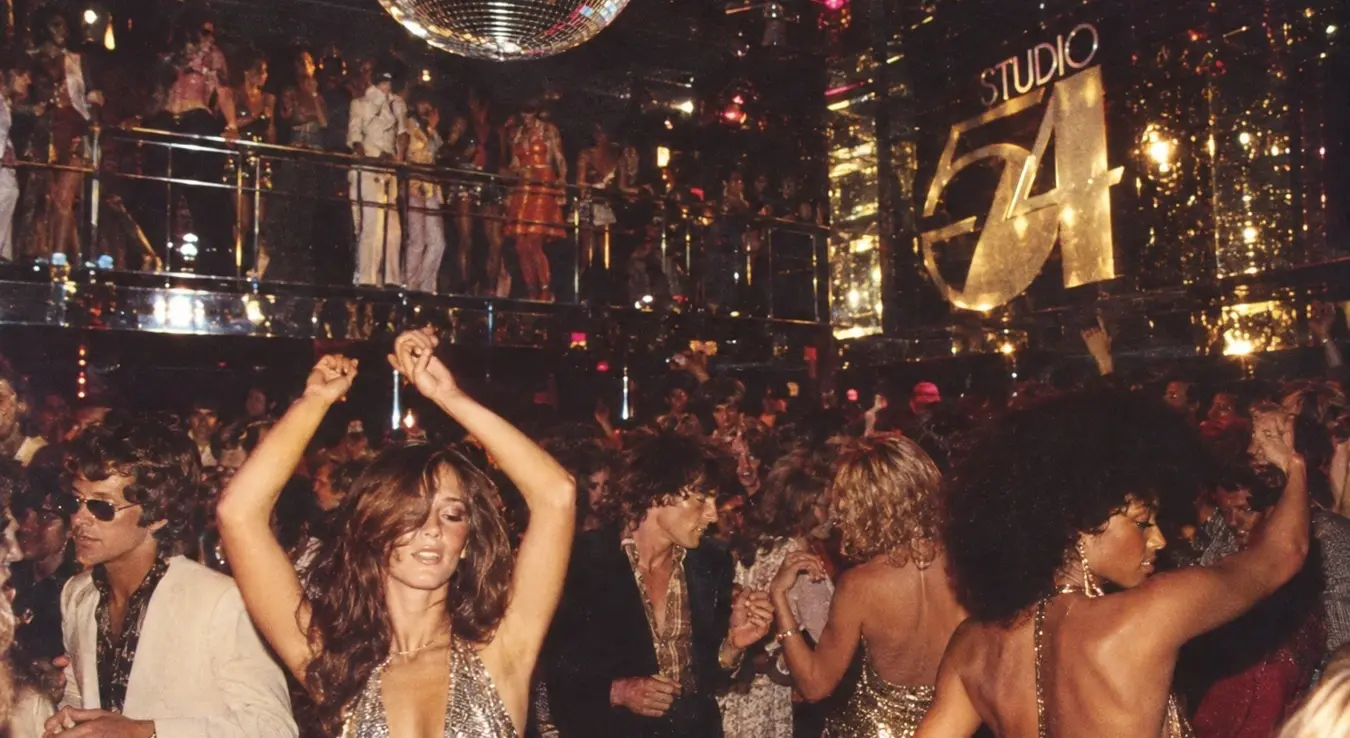
Studio 54: The Club That Lasted 33 Months and Has Been Building Its Legend for Half a Century Since
When Steve Rubell and Ian Schrager opened the doors of a former theater on West 54th Street in New York on April 26, 1977, few could have guessed that within a year the space would become the most famous discotheque in the world - or that in just over two and a half years, it would be shut down under the weight of a federal investigation.

How Humans Lost the Ability to Do Nothing
In 2014, psychologist Timothy Wilson at the University of Virginia sat a group of people down in an empty room. He asked them to spend fifteen minutes alone with their own thoughts. No phone, no book, not even a pen to doodle with. Just a chair and their own mind.

Jezero on Earth and Jezero on Mars: The Village NASA Made Famous
Was there once life on Mars, in Jezero Crater, long ago? In the small, idyllic village of Jezero in Republika Srpska- on planet Earth, that is - nobody, of course, knows the answer. That's for scientists to figure out. But the people of Jezero believe that their namesake on a distant planet is about to open the door to a better, happier future.
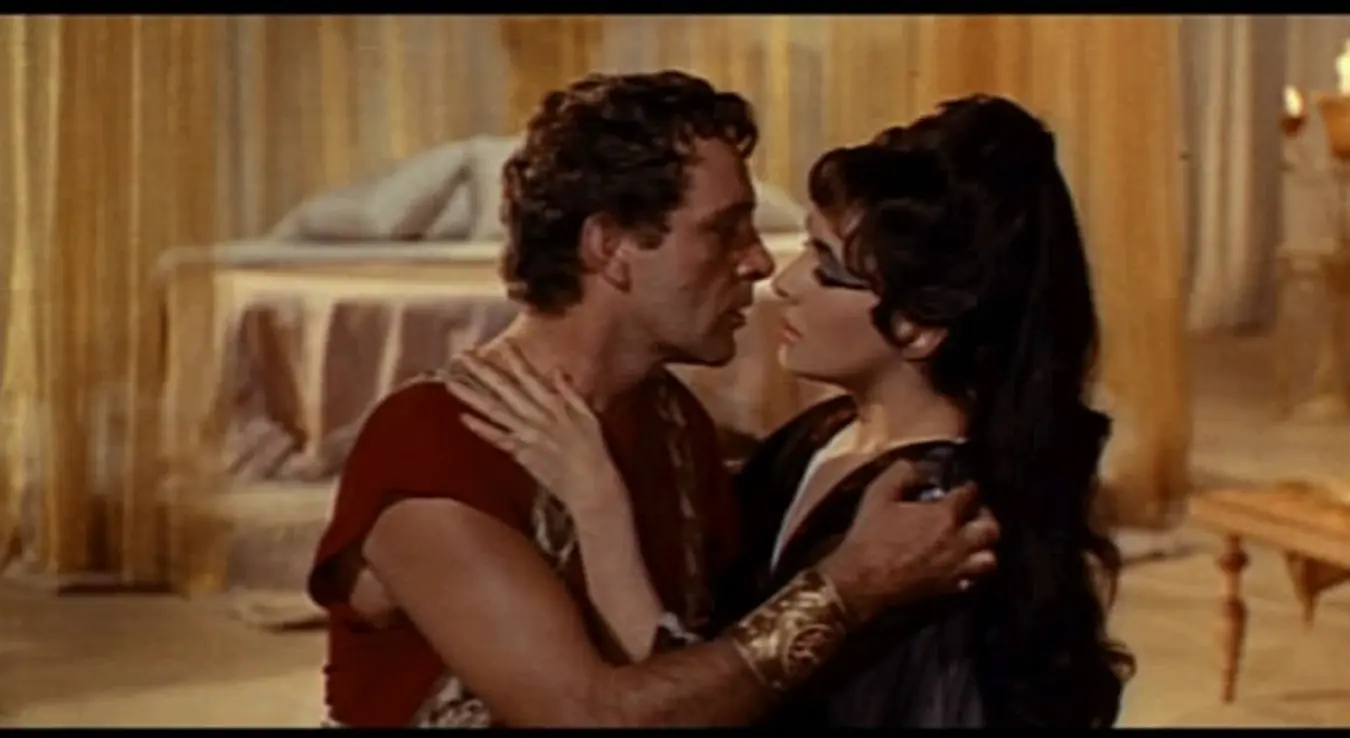
The Film That Nearly Destroyed Hollywood: How Cleopatra Became the Most Expensive Flop in Film History
When Elizabeth Taylor descended a staircase in 1963 playing the Egyptian queen, she was wearing a dress woven from twenty-four-karat gold - just one of sixty-five costumes made for her alone, part of a wardrobe that eventually totaled twenty-six thousand pieces across the entire production.
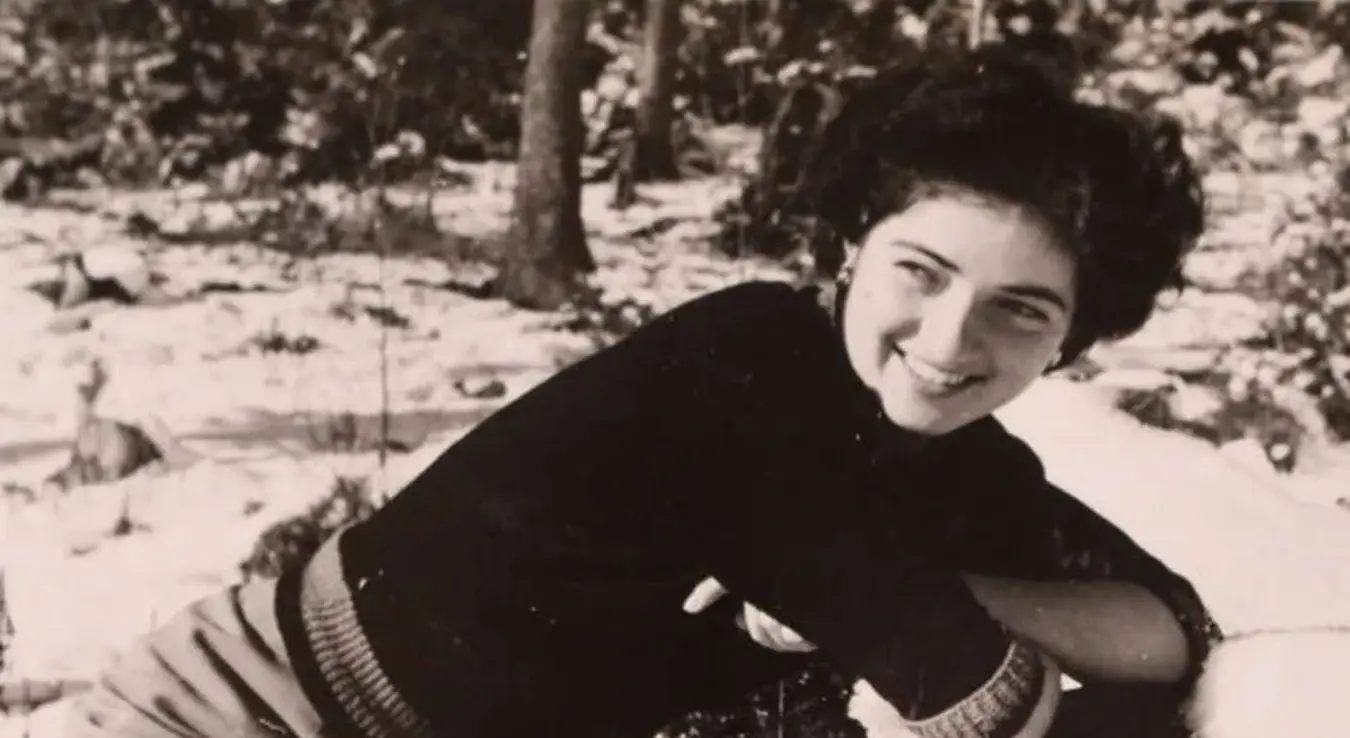
Kova: From the Camps of Jasenovac to the Film Festival That Carries Her Name
In the summer of 1942, as a German offensive laid waste to the Kozara region, a girl named Koviljka Ivanović - later known as Koviljka Bačvić, the surname under which she built her career, and the one behind the festival's nickname "Kova" - was imprisoned in the Stara Gradiška stockade.