

The Foods That Divide the World: Delicacies Some Adore and Others Can't Even Look At
![[object Object]](https://api.hedonistmagazine.net/storage/images/2026/07/851e7118-1601-46e9-8216-22256006ef6b.webp)
The aroma of freshly baked bread is almost universally comforting. A piece of fine chocolate rarely sparks debate, and pizza is perhaps one of the few dishes embraced across nearly every continent. Yet there are foods that inspire an ent
For some, they are cherished national treasures and the pinnacle of culinary tradition. For others, they are impossible to smell - let alone taste.
Interestingly, the quality of these dishes is rarely the issue. What truly divides people are culture, habit, and the flavours we become familiar with in childhood. That is why some of the world's most celebrated delicacies also rank among its most controversial culinary experiences.
Durian – The King of Fruits Banned from Hotels
If there is one food that polarises opinions more than any other, it is durian.
At first glance, it resembles a large green fruit covered in sharp spikes. But its legendary reputation begins only after it is opened.
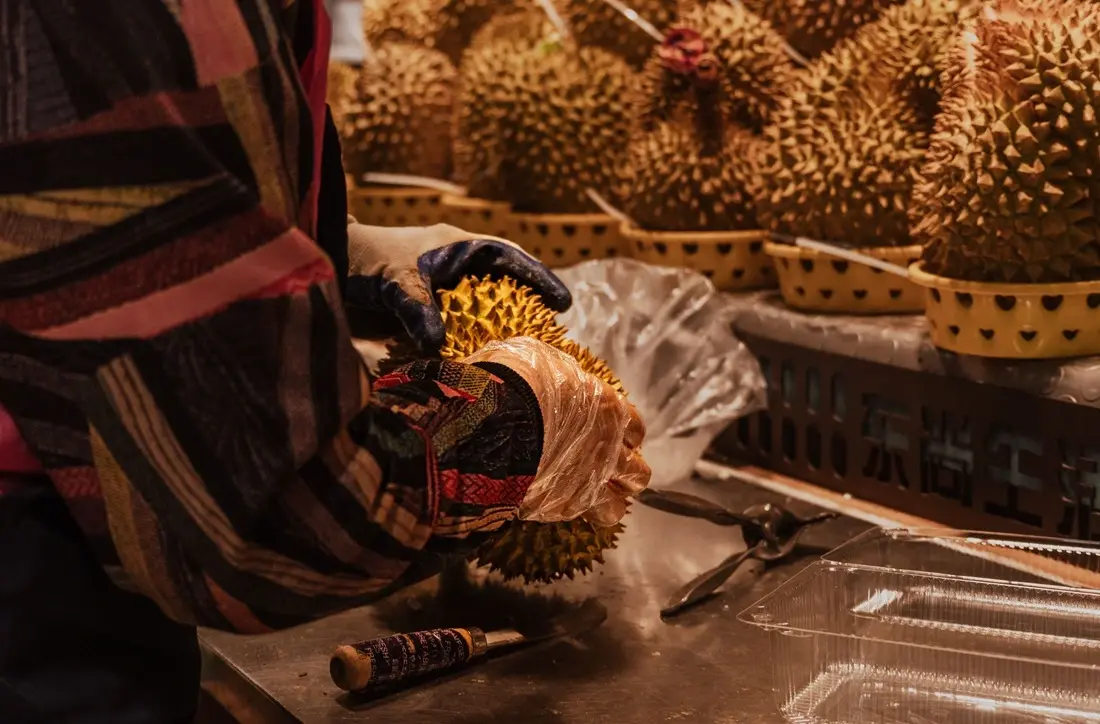
Its aroma has been described in countless ways. Some compare it to rotten onions, sewage, or aged cheese, while others detect sweet tropical notes. Scientists have identified dozens of volatile compounds in its scent, which explains why virtually everyone experiences it differently.
Those who love durian insist that its flavour bears little resemblance to its smell. They describe it as an indulgent blend of vanilla, almonds, caramel, and rich custard.
Across Southeast Asia, durian is so highly prized that it is known simply as the King of Fruits. At the same time, its powerful aroma has led to it being banned from many hotels, airports, and public transport systems in countries such as Thailand, Singapore, and Malaysia.
Surströmming – The Tin That Is Best Opened Outdoors
Sweden is home to a delicacy that frequently appears on lists of the world's most controversial foods.
Surströmming is fermented Baltic herring that matures inside a sealed tin for several months. During fermentation, gases build up inside the can, causing it to bulge noticeably.
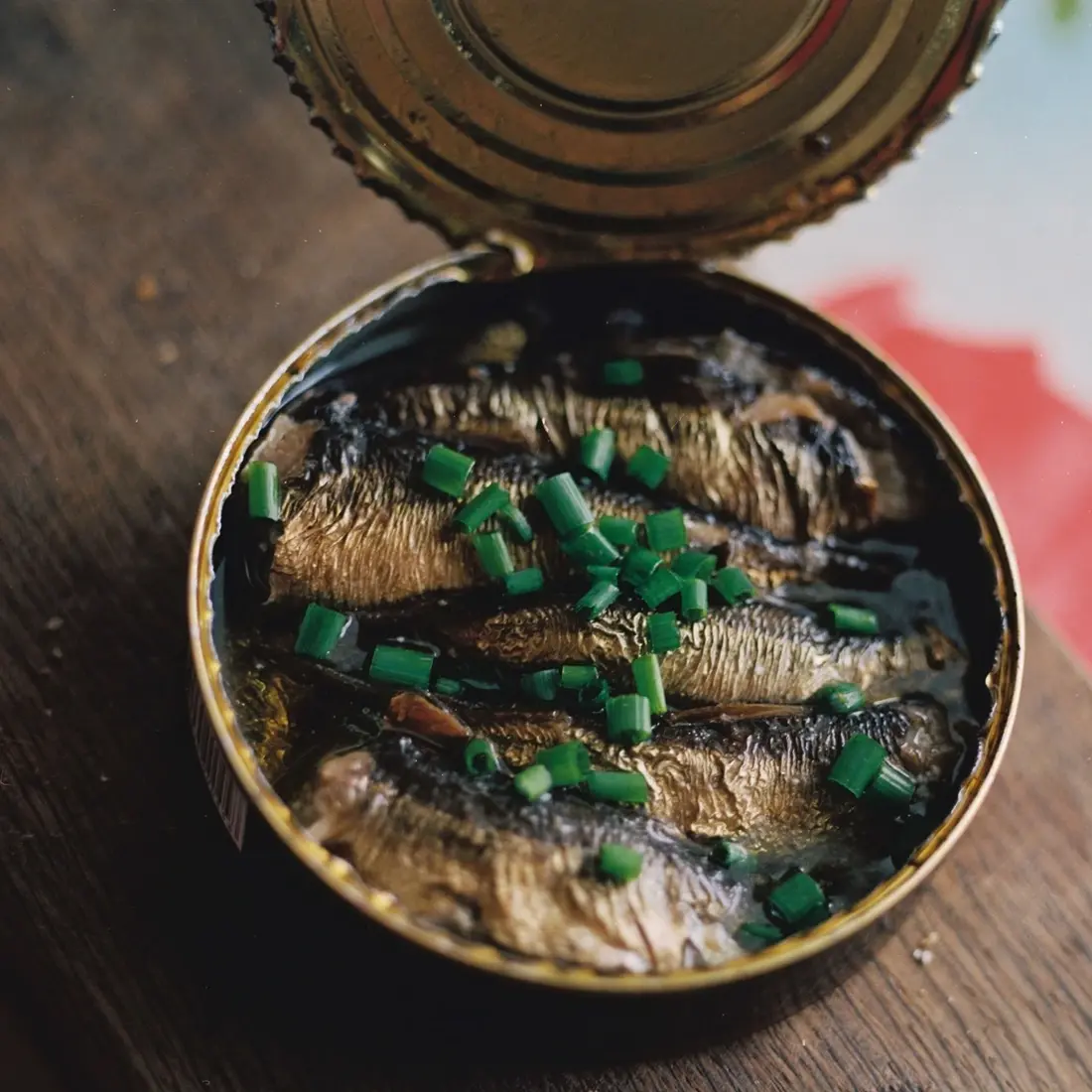
For that reason, seasoned enthusiasts almost always open it outdoors.
Its smell is so intense that many people give up before taking the first bite. Those who appreciate it, however, argue that judging surströmming solely by its aroma is its greatest injustice. Traditionally served with thin flatbread, potatoes, sour cream, and red onion, it develops a surprisingly balanced and nuanced flavour.
For Swedes, it is not a culinary dare but an enduring part of their national heritage.
Balut – The Egg That Requires Courage
In the Philippines and Vietnam, balut is an everyday street food.
It consists of a fertilised duck egg that is boiled shortly before the embryo fully develops. For many Western visitors, its appearance alone is enough to discourage even the most adventurous palate.
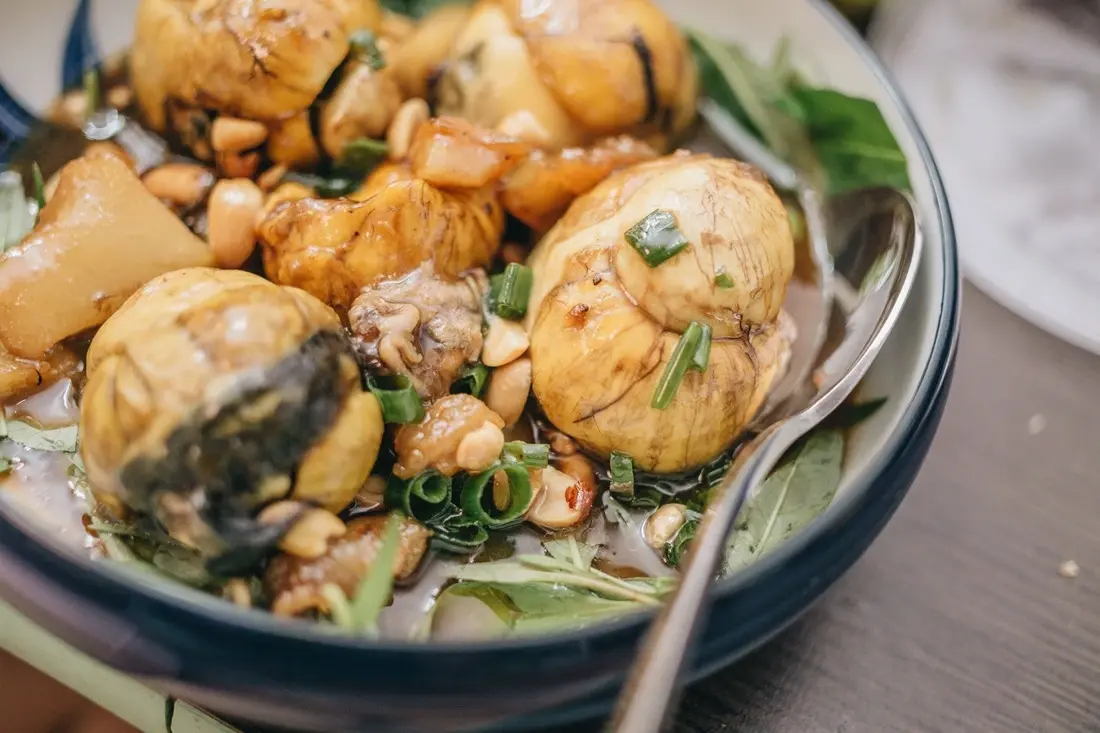
Locals, however, regard balut as a nourishing delicacy rich in protein. It is eaten warm, seasoned with a pinch of salt or a splash of vinegar, and is commonly sold by evening street vendors as a quick snack.
What is a shocking sight for one person is simply comfort food for another.
Hákarl – Iceland's Lesson in Survival
Nature has never been especially generous to Iceland. For centuries, survival depended on finding ways to preserve food through long, unforgiving winters.
That necessity gave rise to hákarl - fermented Greenland shark.
Fresh Greenland shark meat is unsafe to eat because of its naturally high concentration of toxins. Traditionally, it is buried underground or left to ferment for several months before being hung to dry in the open air.
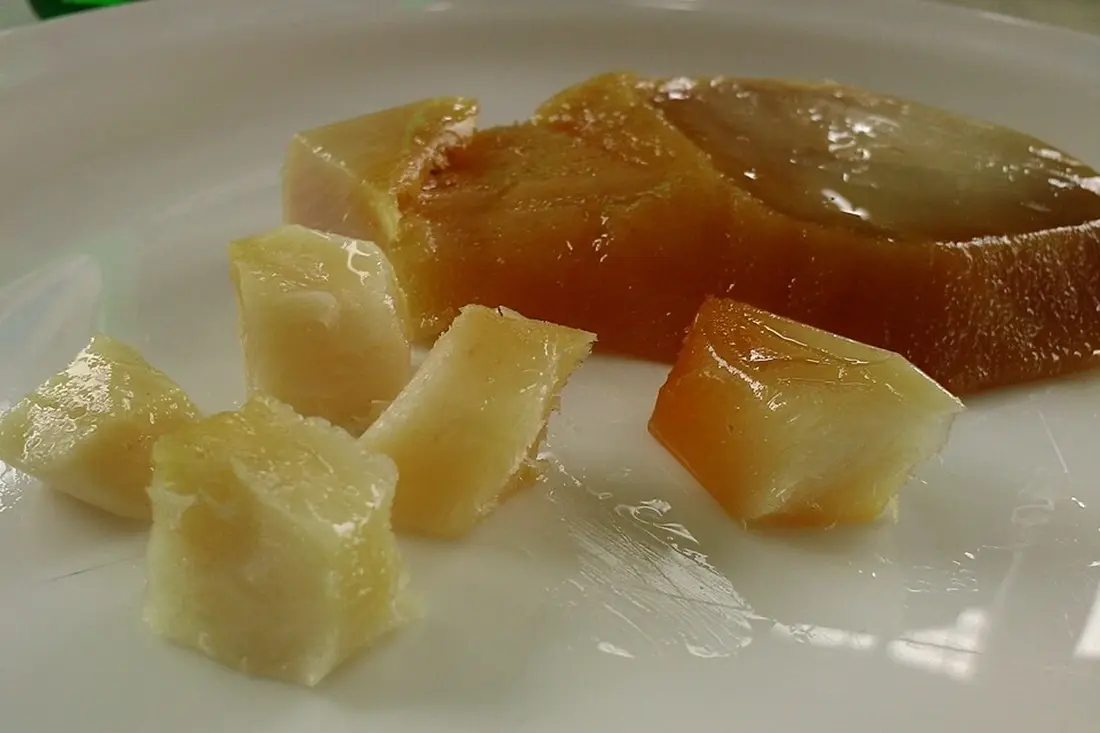
The result is a delicacy with a remarkably pungent aroma that many compare to ammonia.
For Icelanders, however, hákarl represents far more than an acquired taste. It is a symbol of national identity and a reminder of a time when food was, above all, about survival.
Casu Marzu – The Cheese That Is Still Alive
On the Italian island of Sardinia, there is a cheese so unusual that it has been the subject of debate for decades.
Casu marzu is made by allowing sheep's milk cheese to continue maturing with the help of larvae from a specific species of fly. Their activity accelerates fermentation, creating an exceptionally soft and creamy texture.
To some, it is the pinnacle of traditional cheesemaking. To others, the very idea of serving such a cheese is unimaginable.
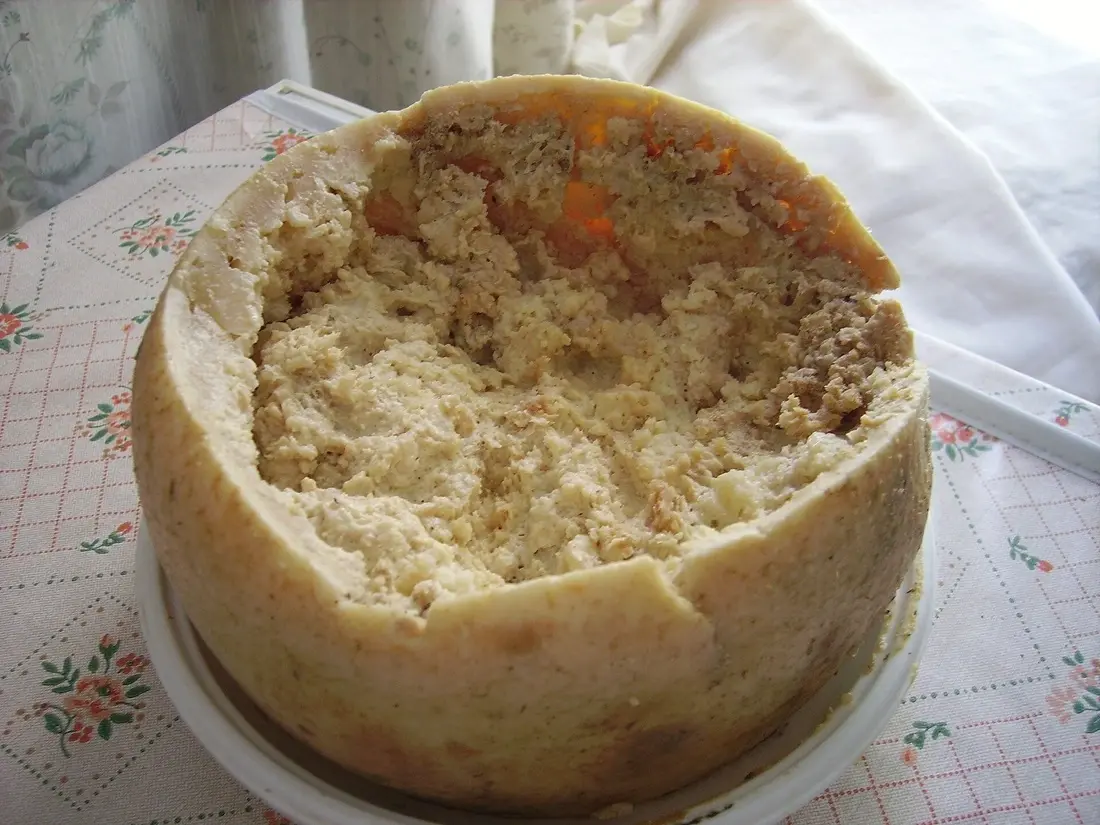
Regardless of opinion, casu marzu remains one of Sardinia's most iconic gastronomic symbols.
Century Eggs – When Appearance Is Deceptive
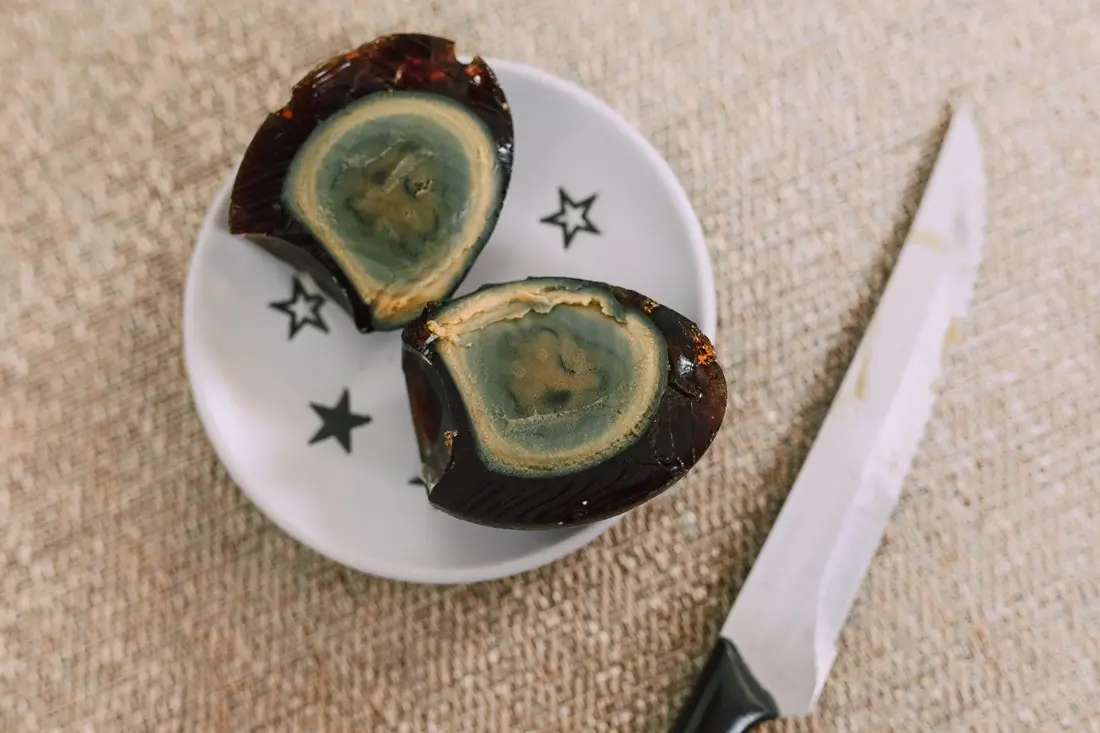
Despite their name, Chinese century eggs are neither a hundred years old nor spoiled.
Duck, chicken, or quail eggs are preserved for several months in a mixture of clay, ash, salt, and lime. During this process, the egg white turns dark and translucent, while the yolk develops a creamy texture and a deeply complex flavour.
Their appearance may seem unusual to many first-time visitors, yet in Chinese cuisine they are considered a delicacy, often served with rice porridge or tofu.
Why Do Some Foods Repel Us?
Psychologists argue that taste is shaped as much by the brain as by the palate.
The foods we eat from early childhood become our personal definition of what is "normal." When we encounter something entirely unfamiliar, the brain often responds with caution. From an evolutionary perspective, this instinct once helped protect humans from potentially dangerous foods.
That is why the very same aroma can evoke pleasure in one person and an almost instinctive aversion in another.
More Than Food
Travel teaches us that gastronomy is about far more than flavour. It tells stories of history, climate, hardship, abundance, and the countless ways different cultures learned to survive and thrive.
Durian, surströmming, or balut may never find a place on everyone's plate. Yet they remind us just how wonderfully diverse the world truly is.
What seems unimaginable to one person is the taste of childhood to another. And perhaps that is the greatest gift of travel - not discovering familiar comforts wherever we go, but learning to understand why someone else loves what we have never dared to try.