

Three Cities, Three Stages of Life: Where in Australia Should You Live Now?
![[object Object]](https://api.hedonistmagazine.net/storage/images/2026/08/88b17d55-15bd-4fba-a471-50278bf3b18f.webp)
The city we want at 25 is unlikely to be the city we would choose at 45. Later, priorities shift again. Nightlife gives way to a quieter pa
That is what makes the story of three major Australian cities - Sydney, Melbourne and Perth - particularly interesting. Building on Monocle's approach to assessing quality of life, these cities can be viewed almost as different stages along the same journey.
The question is not necessarily which one is the “best”. It is which city makes the most sense for the life you want to live at a particular moment.
Sydney: A City for Beginnings - and Returns
Sydney owes much of its character to water. Its harbour is at once the city’s natural stage, transport artery and one of its most important social spaces. Bays, small beaches, mangroves and the vast blue expanse cutting through the city create a landscape that is impossible to ignore. Here, water is not decoration; it shapes where people meet, how they spend their free time and, to a remarkable extent, the life they imagine for themselves.
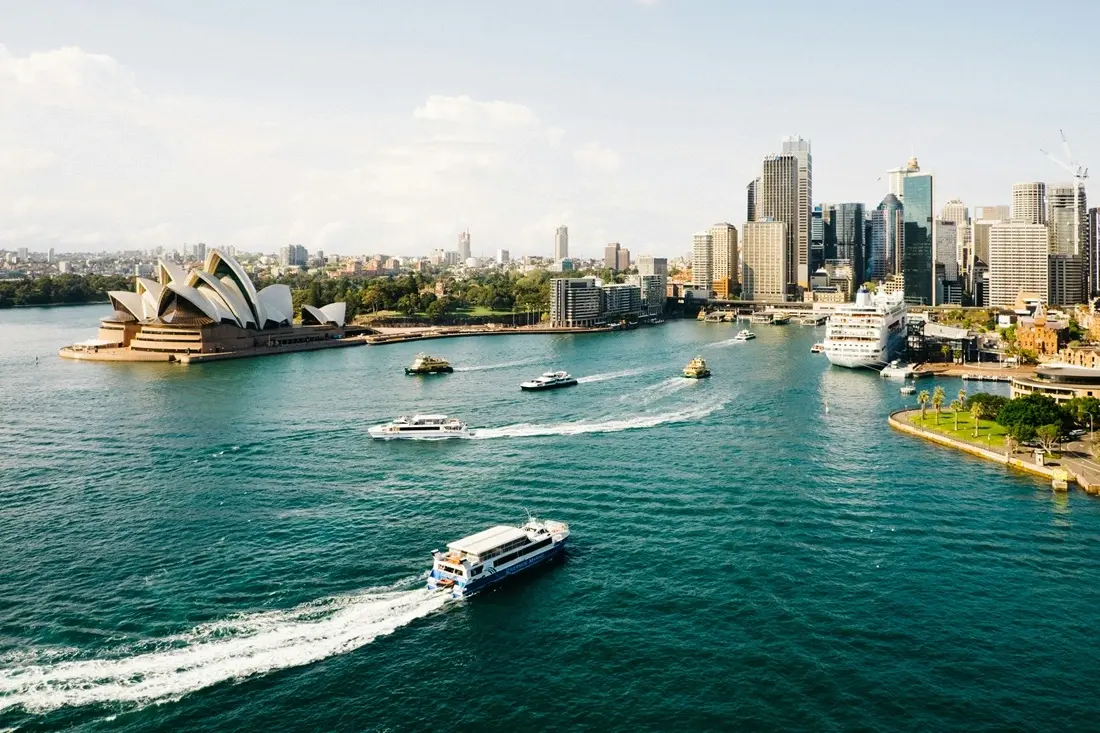
This is a city of early mornings and outdoor living. The day might begin with a swim, a run or coffee by the water, while children grow up with sport and open space woven naturally into everyday life. The climate only reinforces the habit, making the boundary between city and nature feel unusually thin.
Sydney has its more demanding side, too. Proximity to the water has a powerful effect on property prices, while the desire for a harbour or ocean view has become almost a status category in itself. For a young person establishing a career, that obsession with location and real estate can feel considerably less romantic than it looks on a postcard.
Later in life, however, the same city can acquire a very different appeal.
Melbourne: A City for Finding Yourself
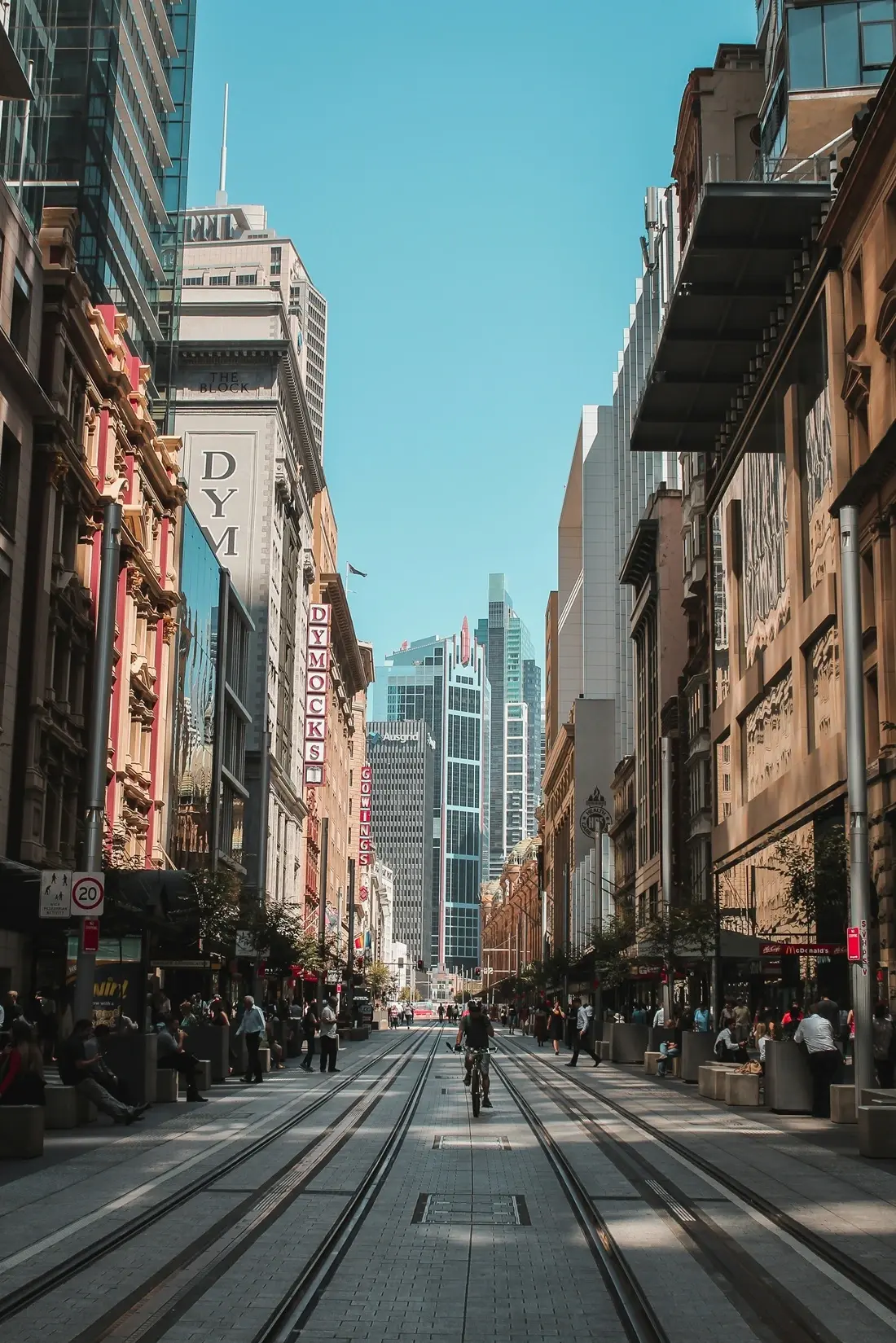
If Sydney lives by the water, Melbourne finds its energy in its streets. It lacks the spectacular natural setting that reminds you of its beauty every morning. Instead, it offers something else: the freedom to live without following a predetermined script.
Its neighbourhoods, cafés, galleries, restaurants, music venues and bars create the atmosphere of a city made for wandering. An evening can easily stretch beyond dinner, a coffee can turn into a long conversation, and a plan for one street can end several neighbourhoods away.
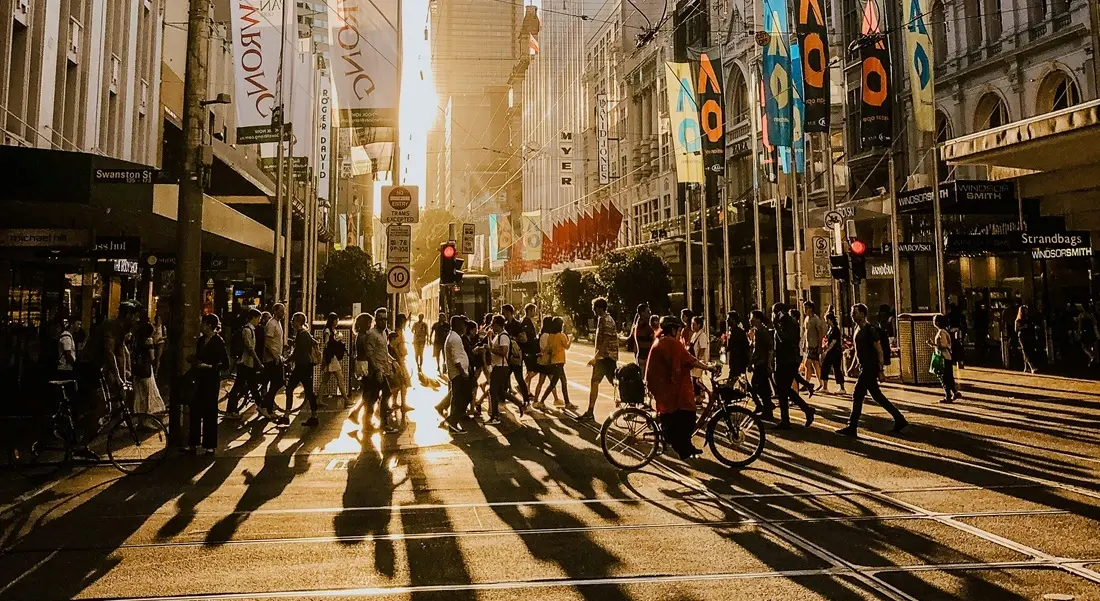
That makes Melbourne particularly compelling during the years when you are still figuring out what you want from life. Its cultural scene is deeply established, music is woven into the city's identity, sport occupies an enormous place in local life, and its food culture draws as much character from individual neighbourhoods as it does from prestigious addresses.
Then there is coffee. Melbourne has transformed its obsession with a good espresso into part of its everyday culture, making the neighbourhood café almost as important as the address where you live.
This is not a city that needs to impress you at first sight. It prefers to reveal itself slowly.
Perth: When Space Starts to Matter
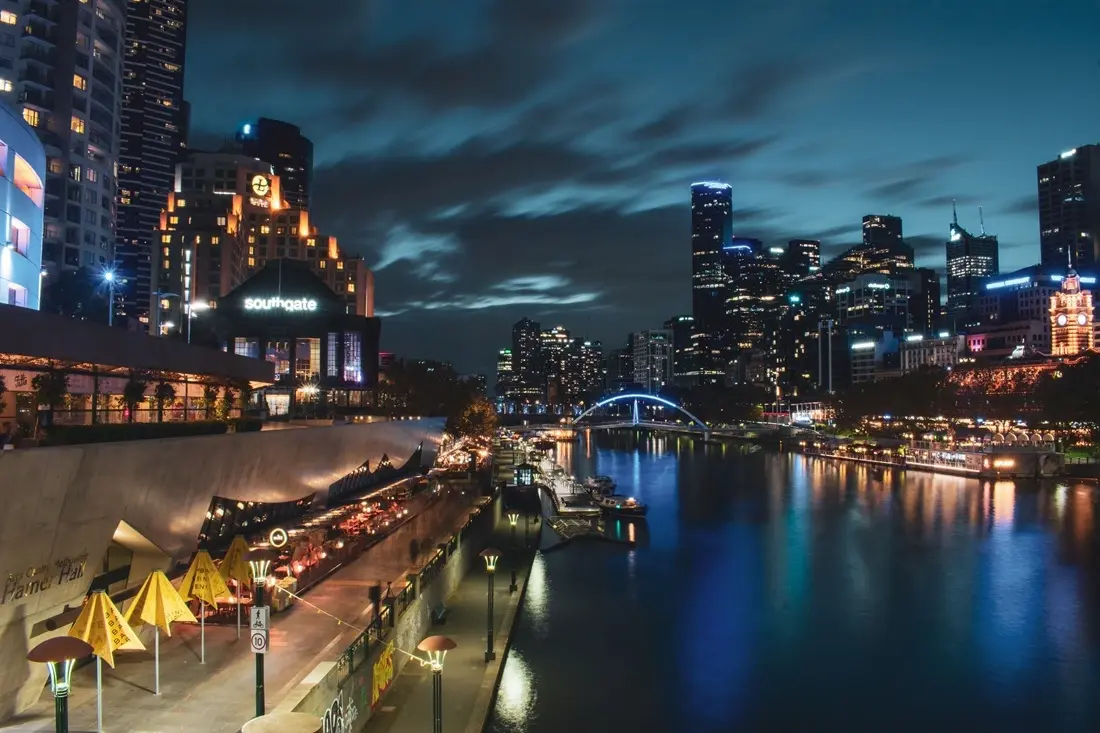
Western Australia offers a different answer. Perth is geographically removed from the country's eastern centres and has long carried the reputation of being one of the world's most isolated major cities. That distance, however, has become part of its appeal.
When the pace of urban life begins to lose its attraction, Perth's strengths become increasingly obvious.
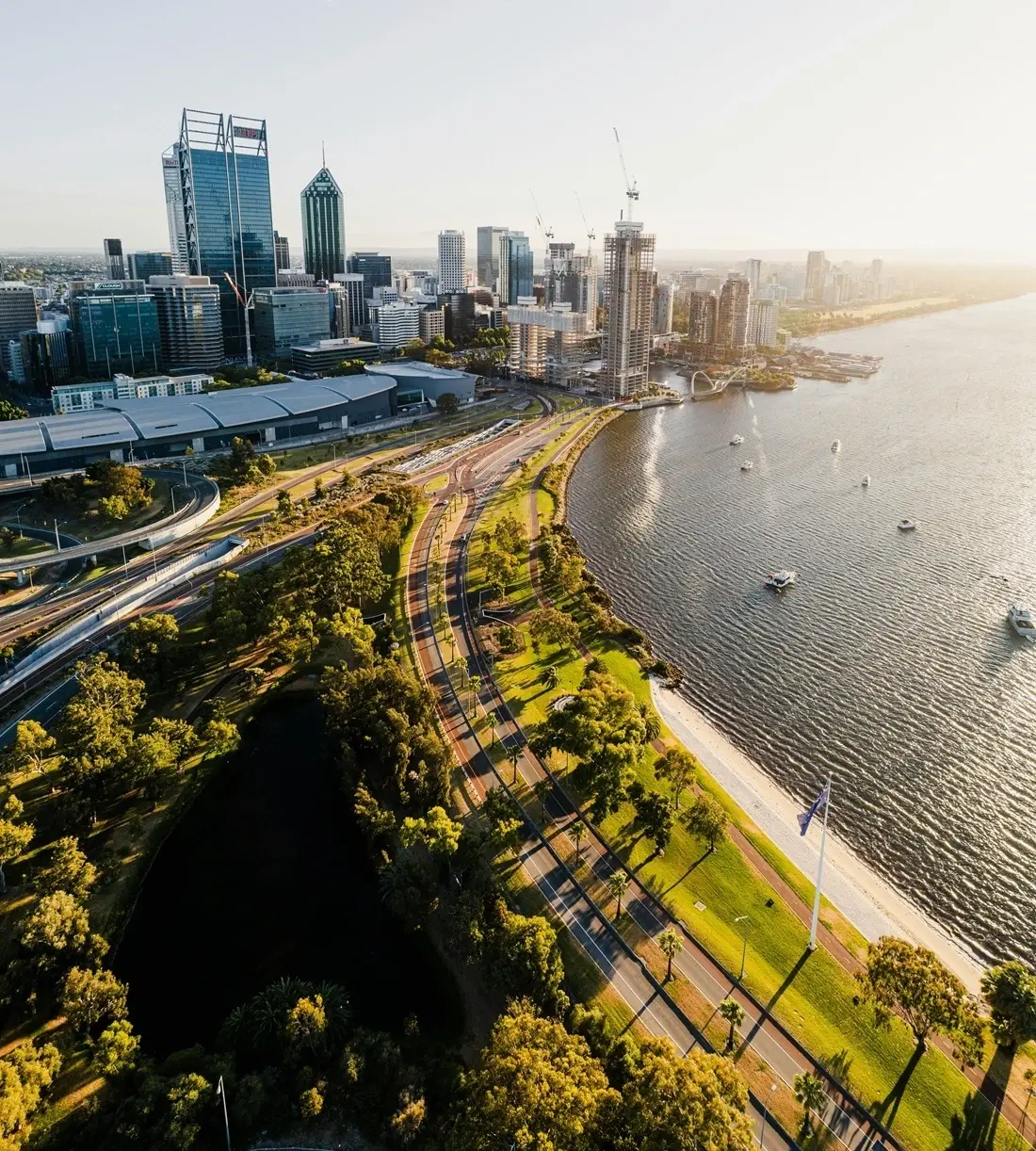
The city offers more space, a slower rhythm and the sense that everyday life does not have to become a race between work, traffic and obligations. The banks of the Swan River provide generous room for outdoor life, while the surrounding landscape makes the city feel connected to something much larger than itself.
Infrastructure improvements in recent years have also strengthened connections between the city centre, airport and suburbs, making everyday movement increasingly straightforward.
Perth is not a city that demands you adapt to it. In many ways, it is a city that allows you to shape life around yourself.
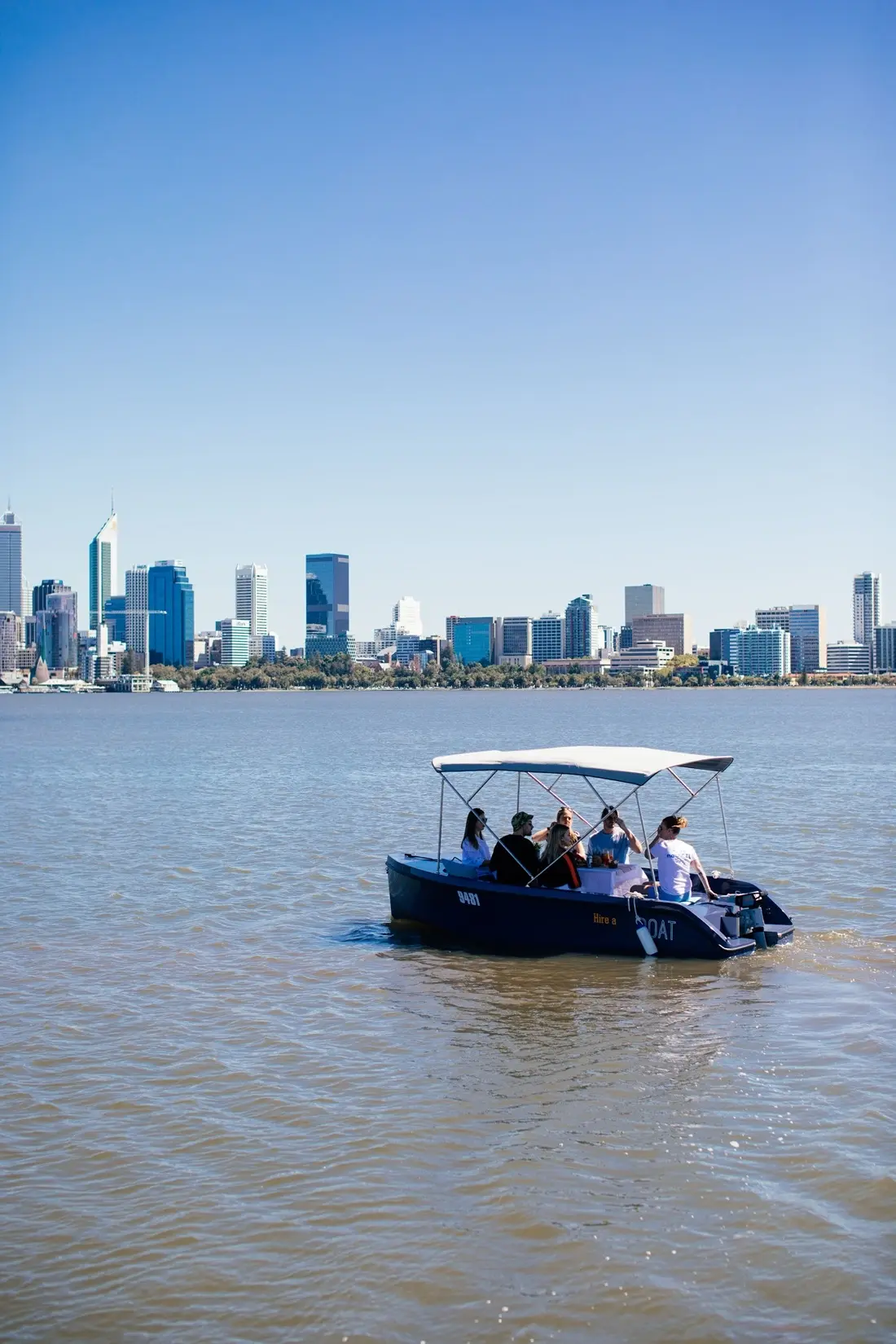
Timing May Be the Most Important Criterion
The idea that one city should be perfect for an entire lifetime sounds appealing, but it rarely reflects reality.
At 25, you may want the city's best concert venue to be a ten-minute walk from your front door. At 45, a good school nearby, a park and a restaurant where you can have a quiet dinner may matter more. By 65, being able to start the morning with a swim and spend the afternoon beside the water may become more valuable than everything that once made urban life exciting.
That is why Sydney, Melbourne and Perth do not necessarily need to be viewed as competitors. They offer three different answers to the same question: what kind of life do we want to live now?
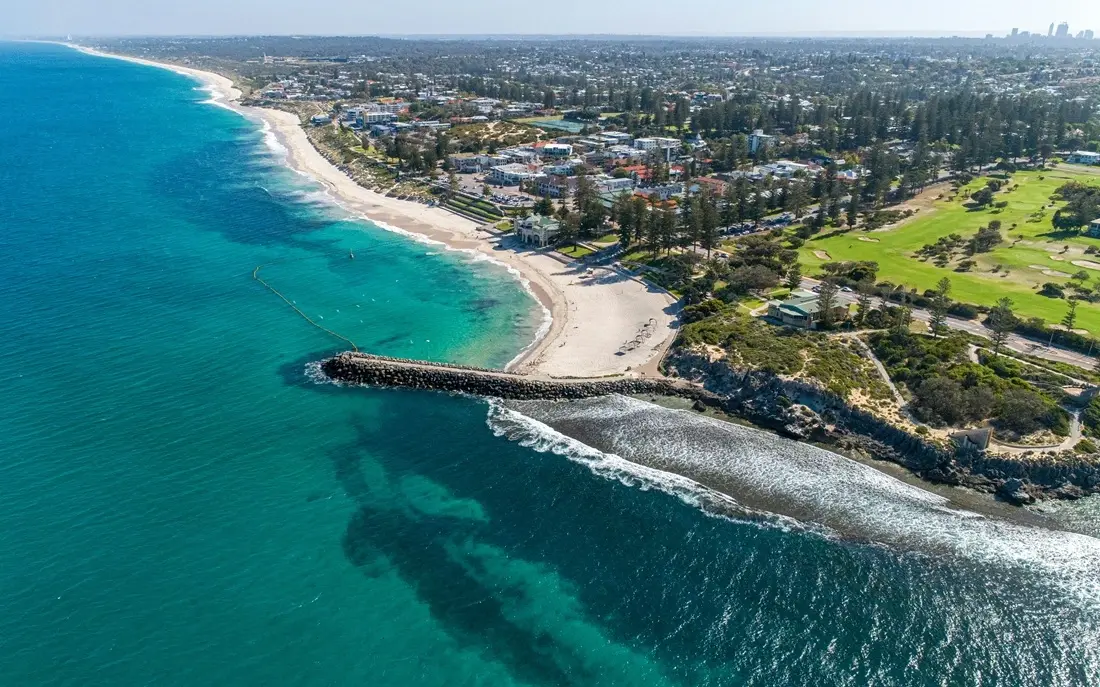
Sydney has the sea, energy and rare ability to feel like a major global city while still being deeply connected to outdoor life. Melbourne offers cultural curiosity, diversity and the freedom of an urban life built around discovery. Perth brings space, stability and a sense of calm that can become increasingly attractive with age.
And then Sydney enters the picture again. When the search turns towards balance - between activity and quiet, nature and culture, an early swim and an evening out - it is difficult to overlook a city whose identity is so closely tied to the sea.
Perhaps the more useful question is not which city is the best? It is: which city is best for me - now? Australia has at least three very compelling answers.