Travel
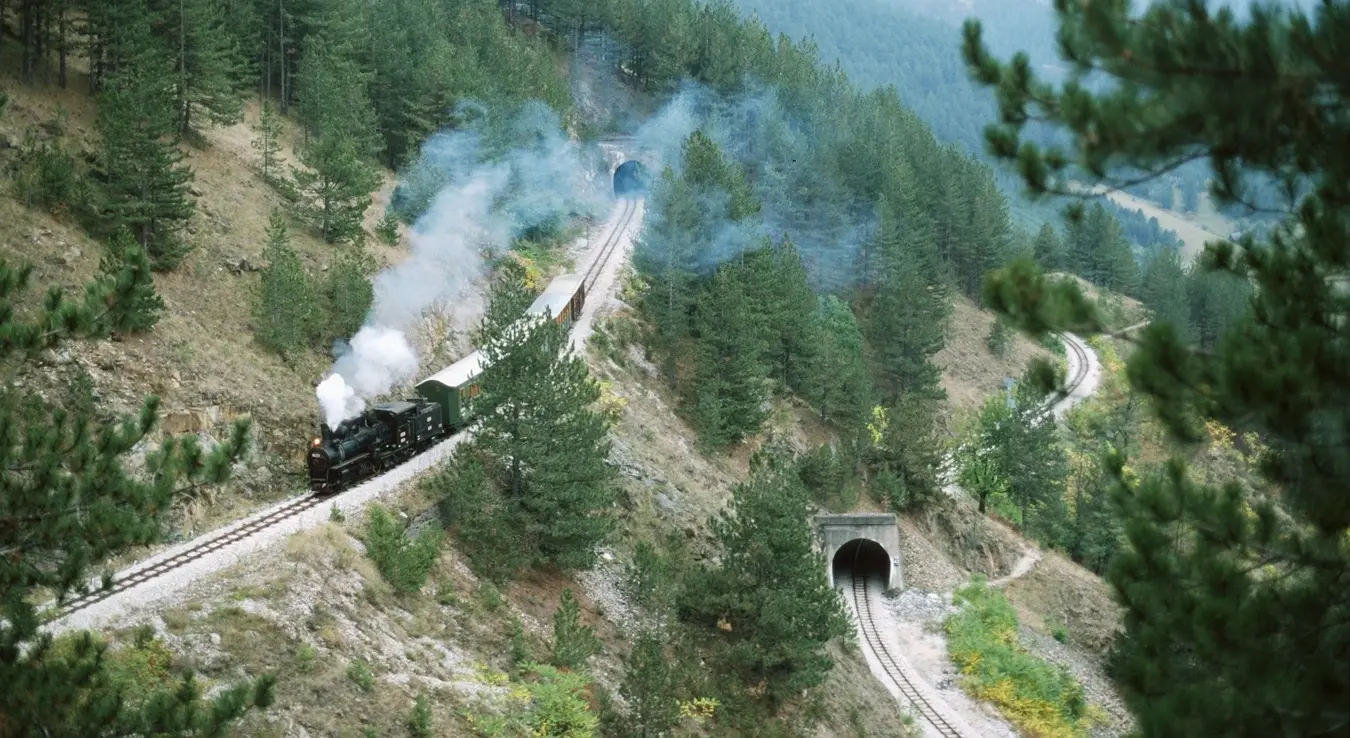
The Train in the Shape of an Eight: The Story of the Railway That Beat Šargan
Fifteen and a half kilometers of narrow-gauge track, 22 tunnels, and an eight-shaped loop. It once linked Belgrade with Sarajevo and the Adriatic; today it is a tourist train through Mokra Gora that many people still don’t know about.
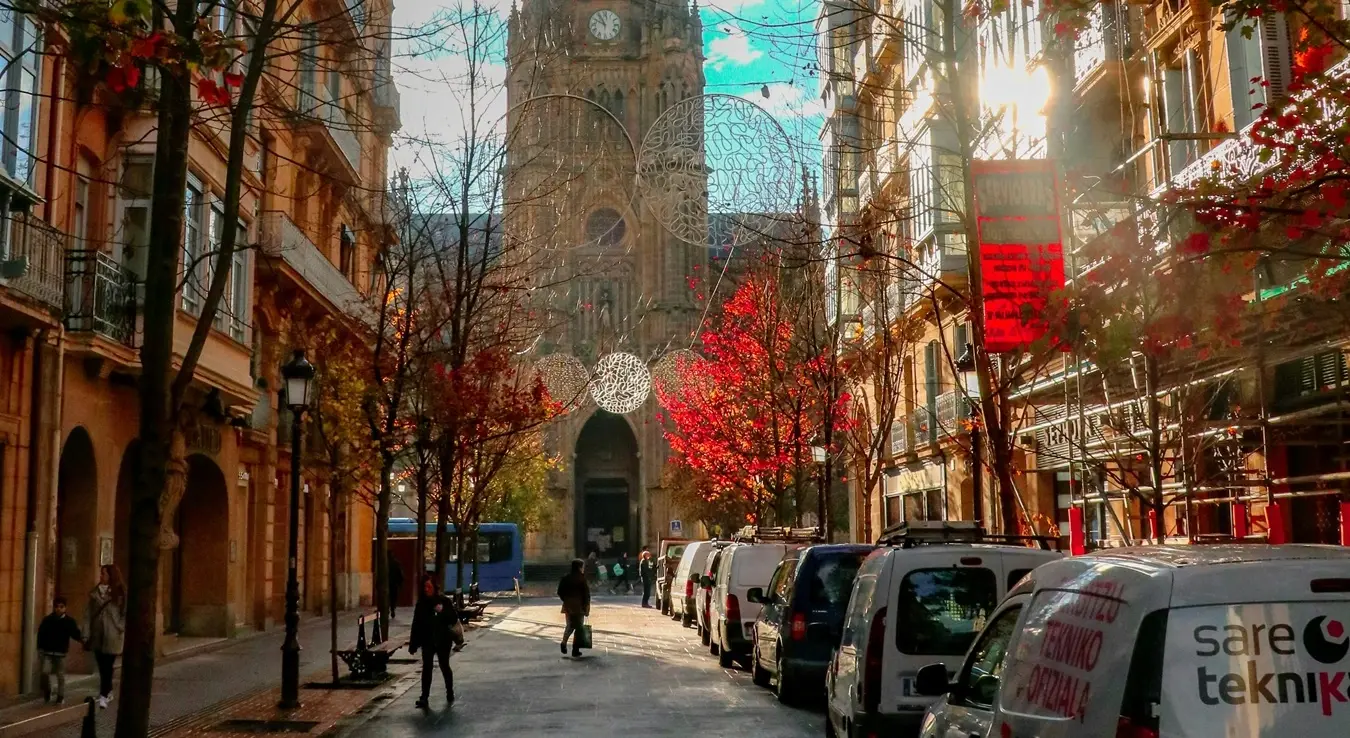
The Best European Weekend Destinations: Cities That Don’t Need More Than Two Days
The true test of a good weekend destination isn't how much a city offers, but how well it works with just forty-eight hours. Great cities like Paris or Rome can easily swallow an entire week without ever feeling like you have seen enough.
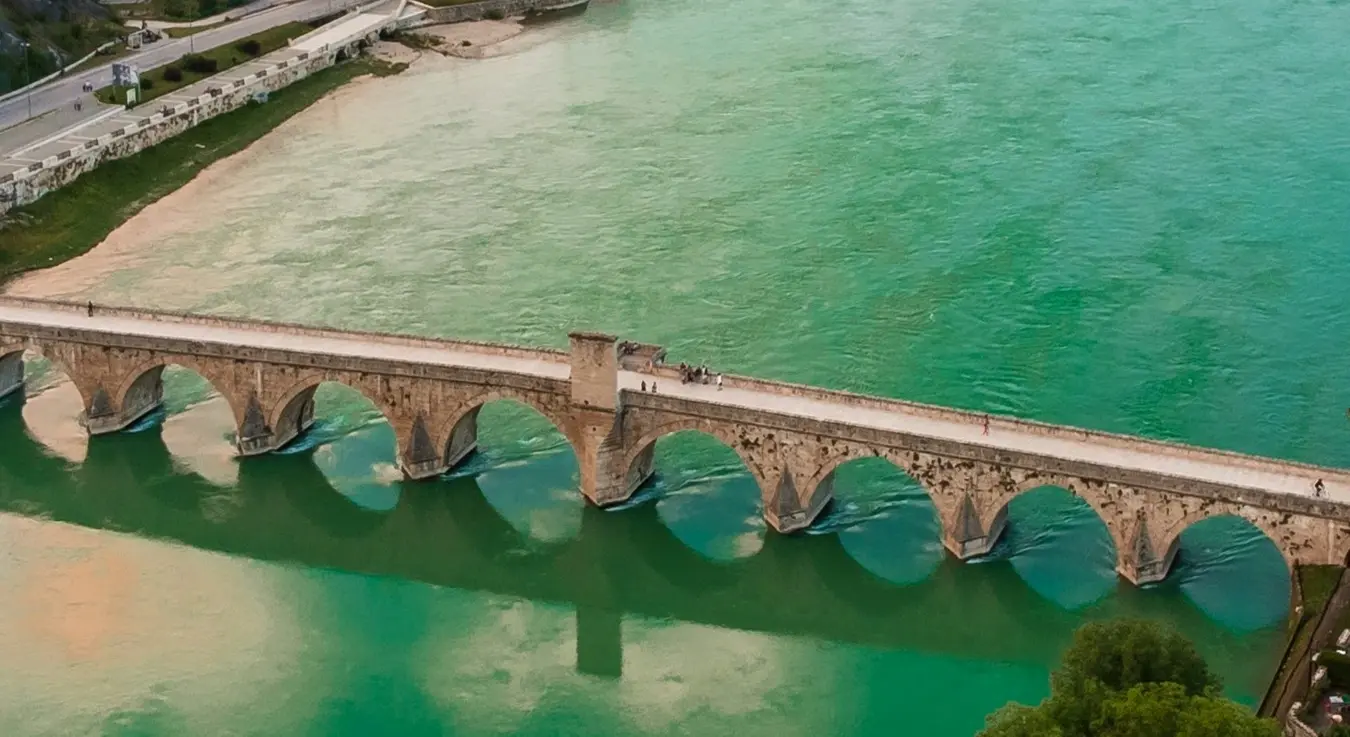
Mehmed Pasha Sokolović Bridge: A Magnet for Tourists Visiting Višegrad
On the banks of the deep blue-green Drina River in Višegrad stands one of the region’s greatest historical and cultural monuments – the world-famous Mehmed Pasha Sokolović Bridge. Known through Ivo Andrić’s novel and built as an endowment of the Grand Vizier, the bridge was constructed between 1571 and 1577 under the supervision of Kodža Mimar Sinan, the most renowned Ottoman architect of his time.
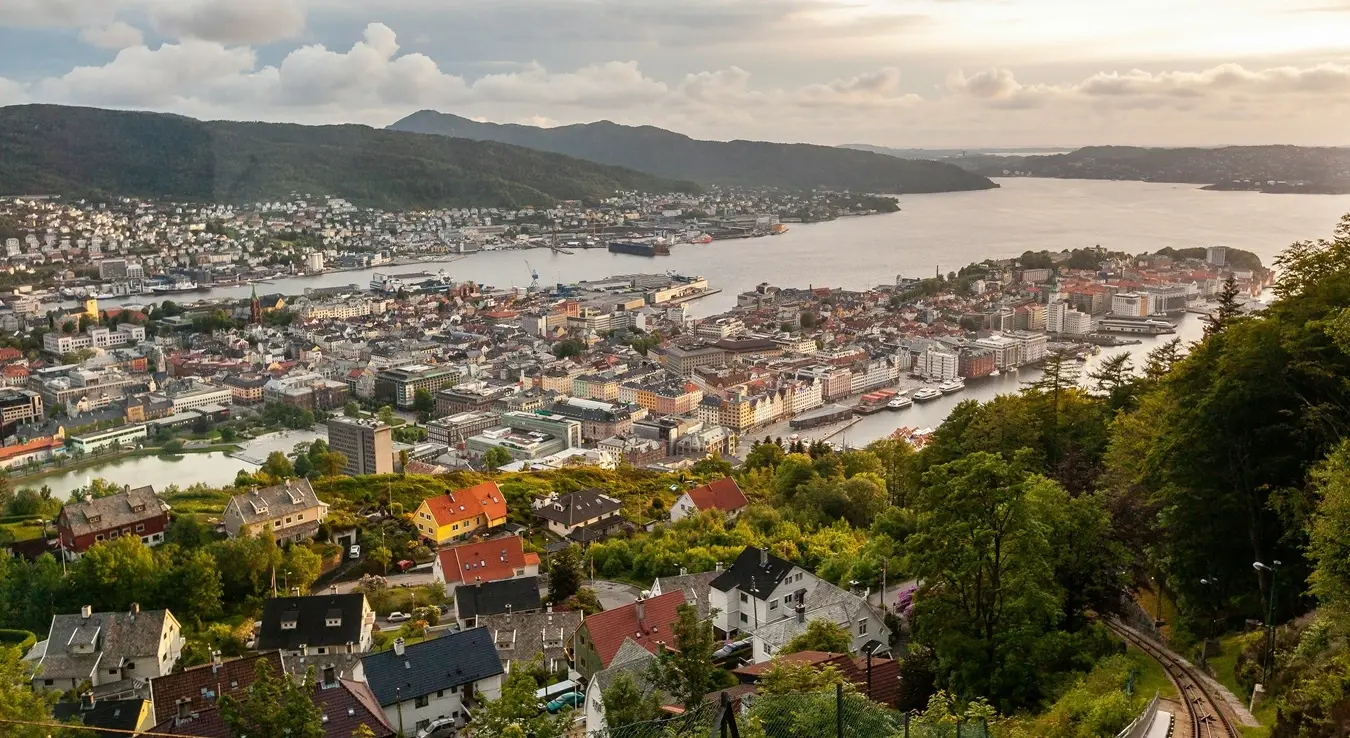
The City Where the Workday Ends on a Mountaintop: Bergen Named the Best Place to Live in Europe
Picture a workday that doesn't end with a stressful commute home, but with a hike up a mountain trail overlooking an entire fjord, sunlight still hanging high over the water even though it's already past five in the afternoon. That's not a travel agency's marketing fantasy - it's everyday life in the city that has just been named the best place to live in Europe.
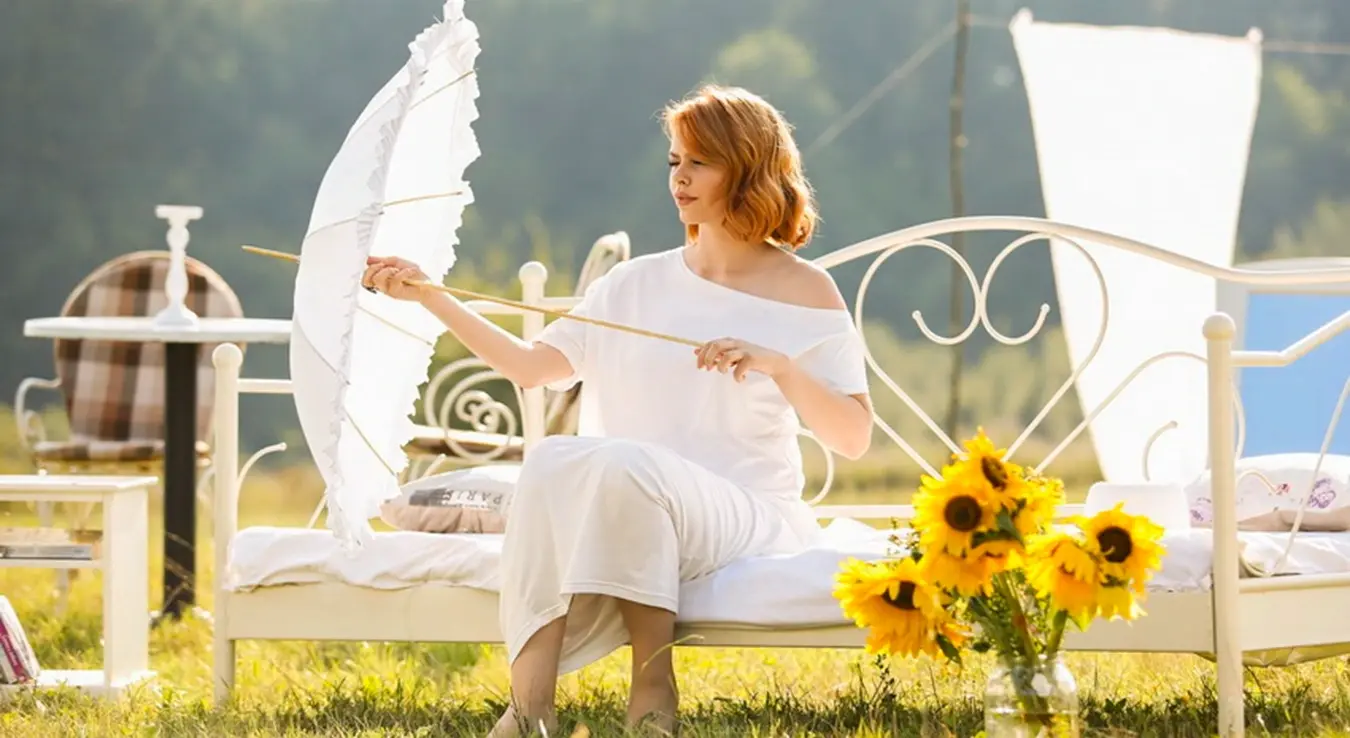
Hidden Corners Recommended by Vanja Mišić: From a Festival to a Village Revived by an Old School
Few people know the landscapes of Republika Srpska from as many different angles as Vanja Mišić does. A singer and journalist from Banja Luka, she has spent years crossing terrain most tourists never think to put on their map - from festival grounds deep inside national parks to villages where the only public building used to be a school and is now a visitor center.
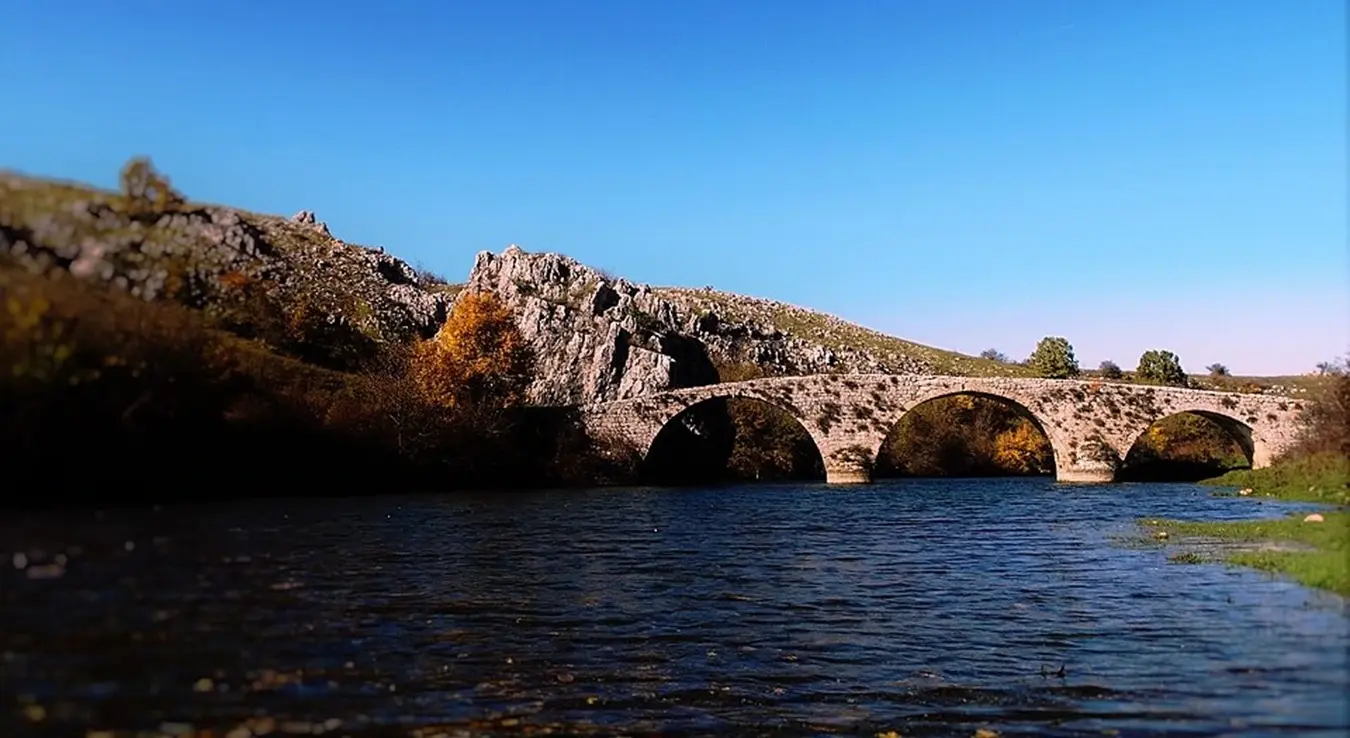
Ovčiji Brod: The Bridge Older Than the Višegrad Bridge, Yet Almost Unknown
Across the so-called "Sheep's Ford" on the Zalomka River, flocks of sheep have long been herded from lower Herzegovina up into upper Herzegovina each spring, toward Treskavica, Zelengora, and Morine, for pasture - and back again each autumn.
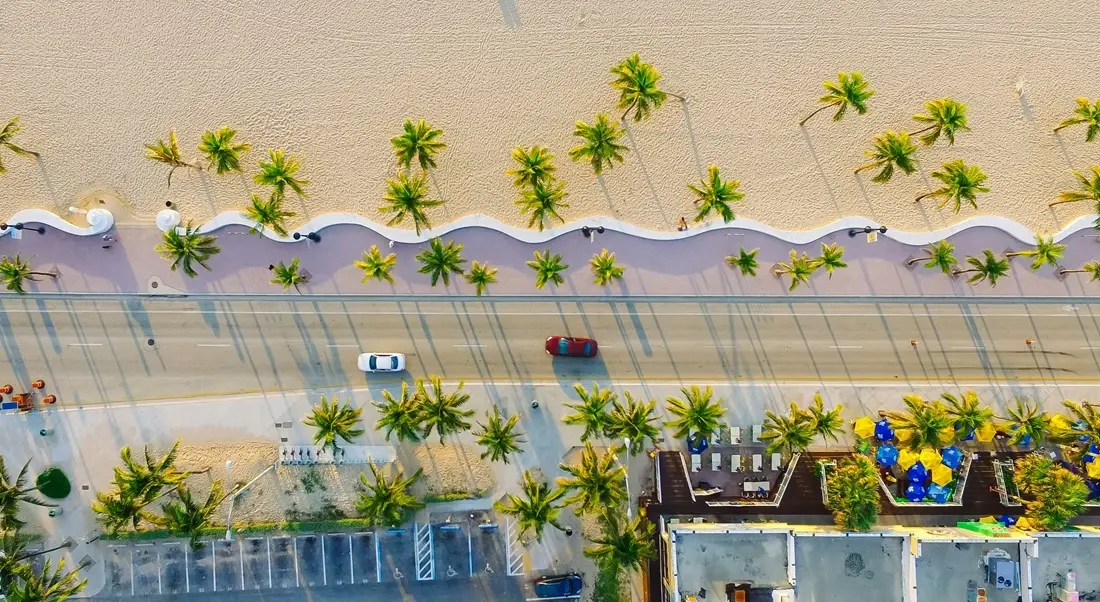
Miami: The City That Swallowed Its Own Past
In 1896, no city stood on Florida's southeastern coast. There was heat. A swamp lay thick and green, where mosquitoes ruled more mercilessly than any mayor who would come later. On that stretch of land, between Biscayne Bay and the wilderness of the Everglades, lived a little over three hundred people. So few that today, one decent Brickell high-rise could house them all, elevator working, bay view included.
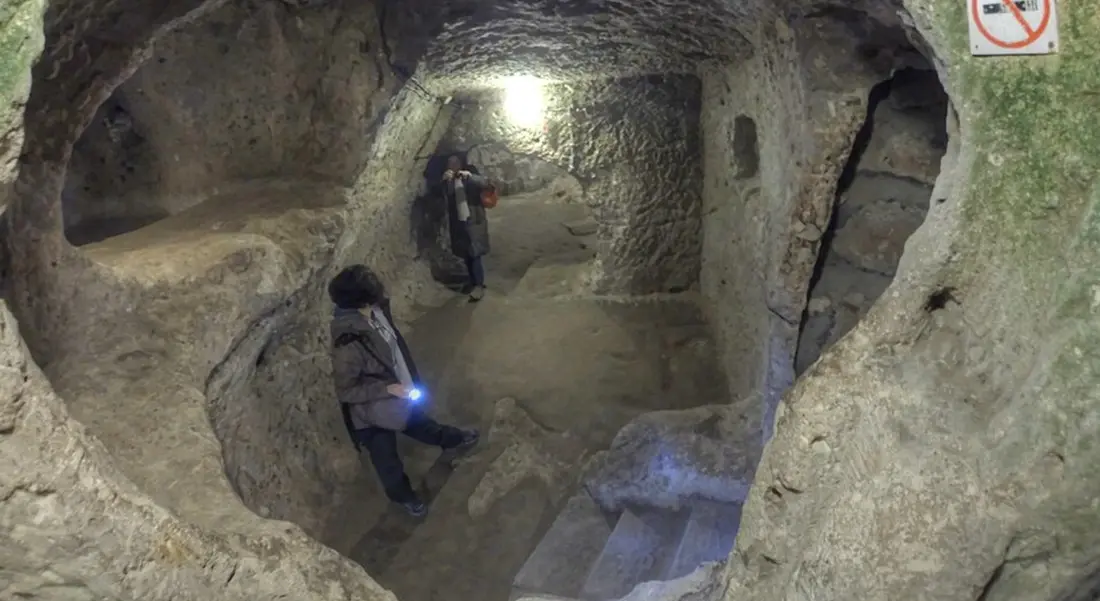
Cities Beneath Cities: Places Where History Was Preserved Underground
In 1963, a man renovating his house in the Turkish town of Derinkuyu knocked through part of a basement wall and discovered
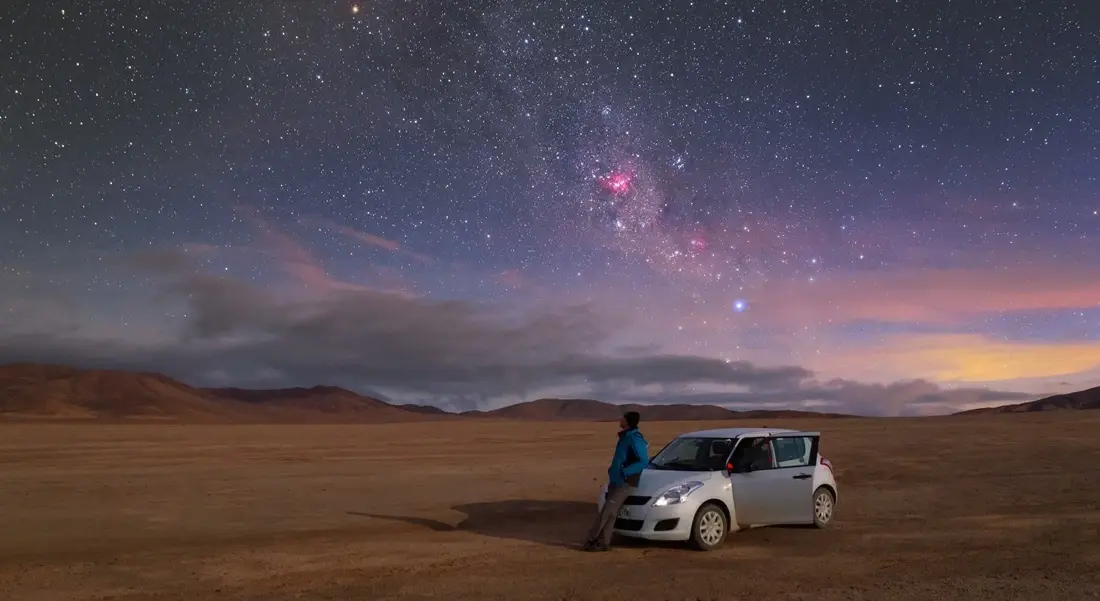
Where the Night Still Looks the Way It Once Did for Everyone
More than a third of humanity can no longer see the Milky Way, not even on a clear night. According to the World Atlas of Light Pollution, over 80 percent of the global population now lives under a sky saturated with artificial light, with the figure climbing even higher in North America and Europe. What was once an ordinary, everyday sight - a river of stars overhead - has become something people now travel to find.
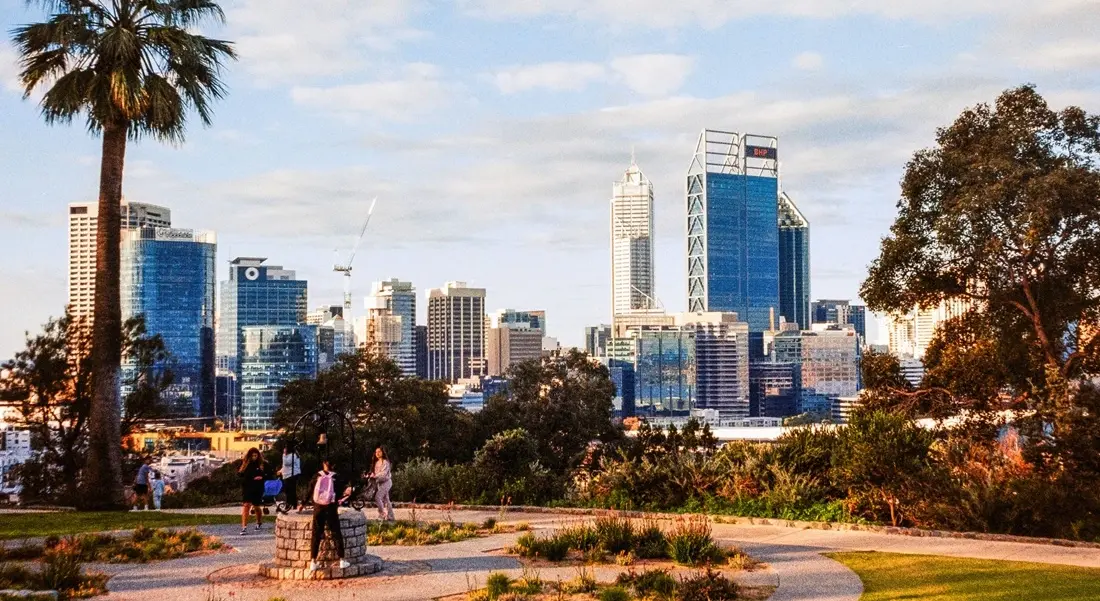
Three Cities, Three Stages of Life: Where in Australia Should You Live Now?
The city we want at 25 is unlikely to be the city we would choose at 45. Later, priorities shift again. Nightlife gives way to a quieter pa
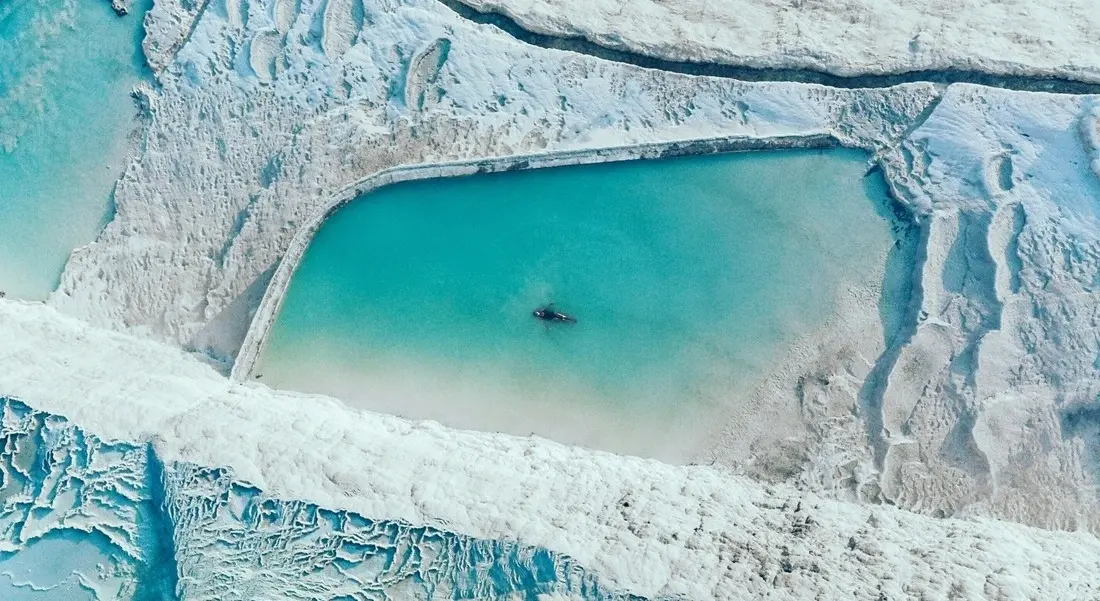
Top 5 of the World's Most Beautiful Natural Pools
In some corners of the world, nature has created landscapes so extraordinary they seem almost unreal. Without architects, engineers, or machinery, water has spent thousands of years sculpting rock, depositing minerals, and carving out pools whose beauty rivals - even surpasses - that of the world's most luxurious man-made resorts.
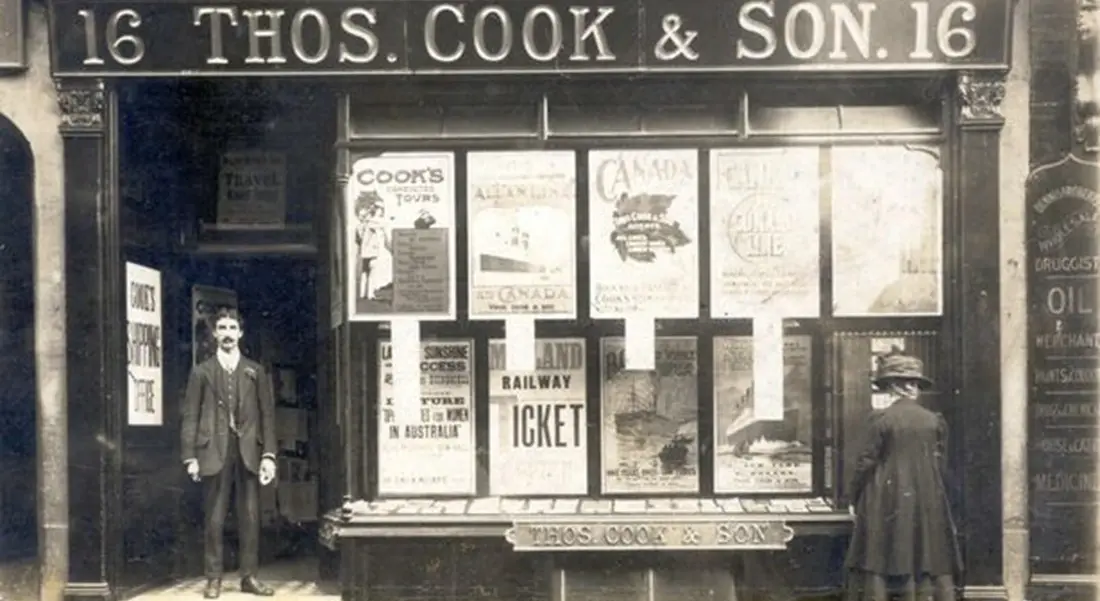
The Man Who Invented the Holiday: How Modern Tourism Was Born
Morning slowly broke over industrial England. Thick smoke from factory chimneys hung above Birmingham, Manchester, and Leicester as the first locomotives thundered across a landscape transforming faster than ever before. Factories absorbed thousands of workers, cities expanded almost overnight, and railways connected places that had once been separated by days of travel by horse-drawn carriage.
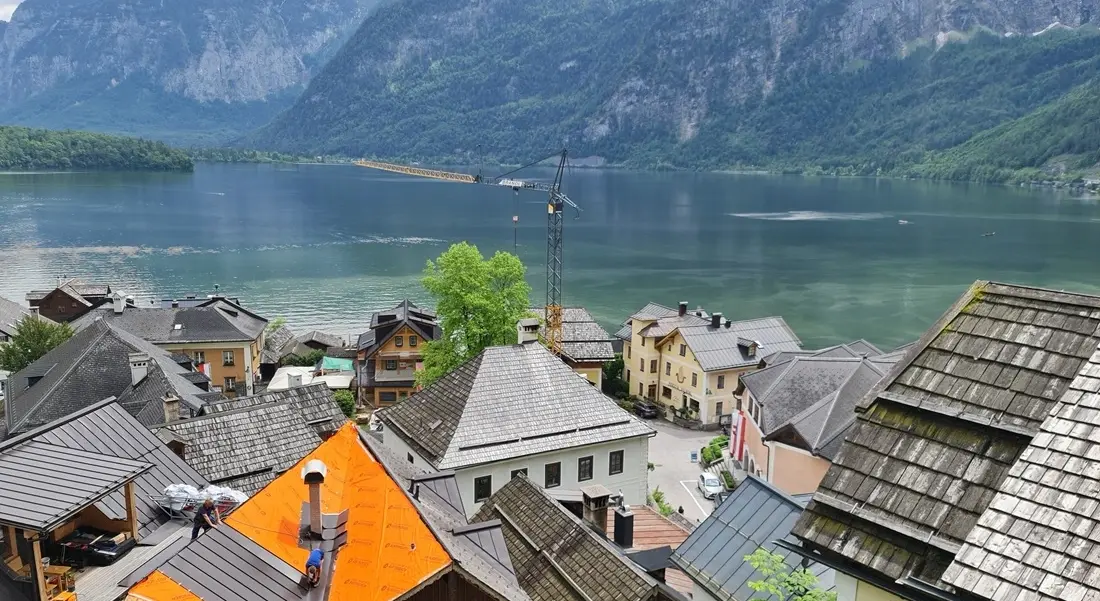
The Village China Rebuilt: The Story of Europe’s Most Photographed Settlement
Some cities have inspired films, places immortalized in songs, and landscapes captured on the canvases of history’s greatest painters. Yet very few places have left such a profound impression that someone chose to recreate them almost stone for stone, thousands of miles from their original home. That is precisely what happened to Hallstatt, the tiny Austrian village nestled between the steep slopes of the Alps and the tranquil waters of the lake that bears its name.
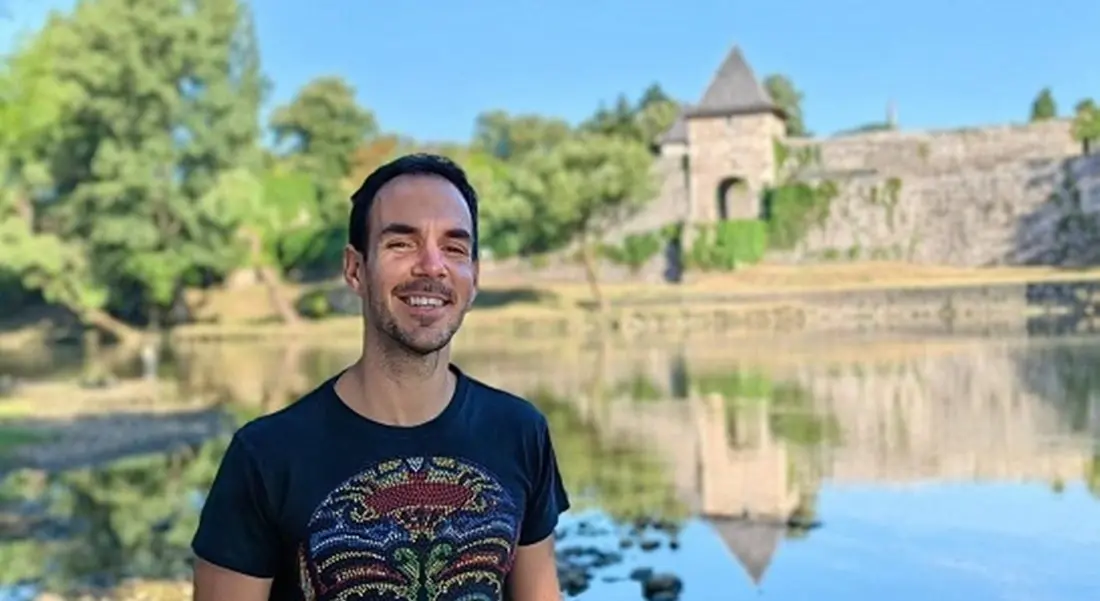
Robert Dacešin: Bosnia and Herzegovina Has Tourism Gems That Would Impress Even Colombia and Malaysia
After visiting more than a hundred countries around the world, Robert Dacešin has earned the right to make comparisons. That is precisely why the words of Banja Luka's best-known travel writer carry particular weight when he says that Bosnia and Herzegovina is home to natural and cultural treasures capable of standing alongside some of the world's most celebrated destinations.
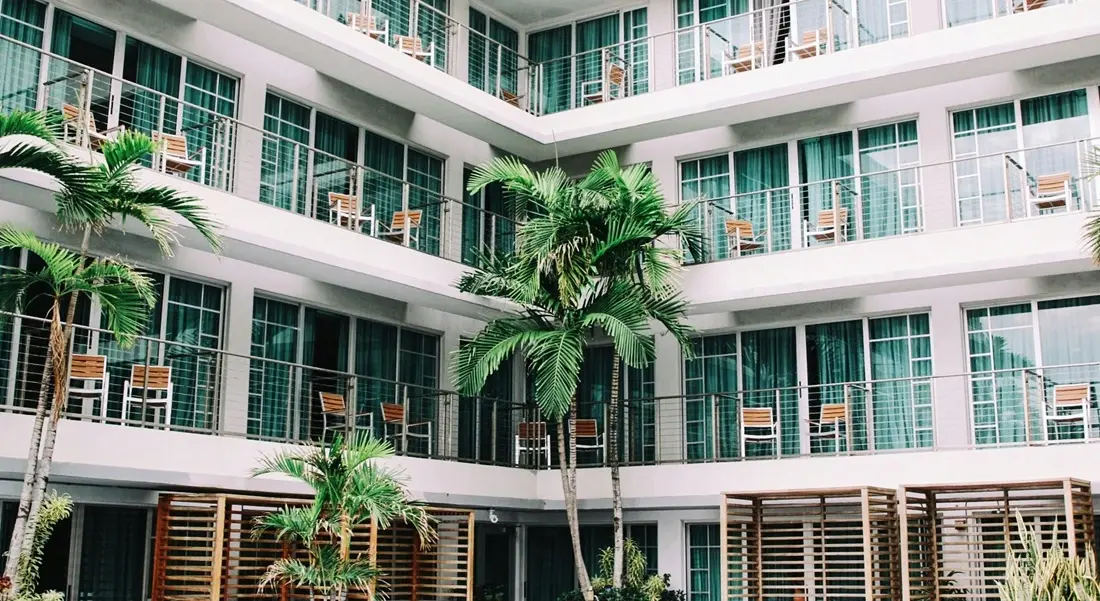
10 Mistakes Tourists Most Often Make When Booking a Hotel
You've found a hotel that looks perfect. The photos resemble a luxury resort, the ratings are excellent, and the price seems like a great deal. But when you finally arrive, you discover that "five minutes from the city center" actually means a 30-minute uphill walk, your room overlooks a parking lot instead of the sea, and the final bill is nowhere near what you expected when making the reservation.
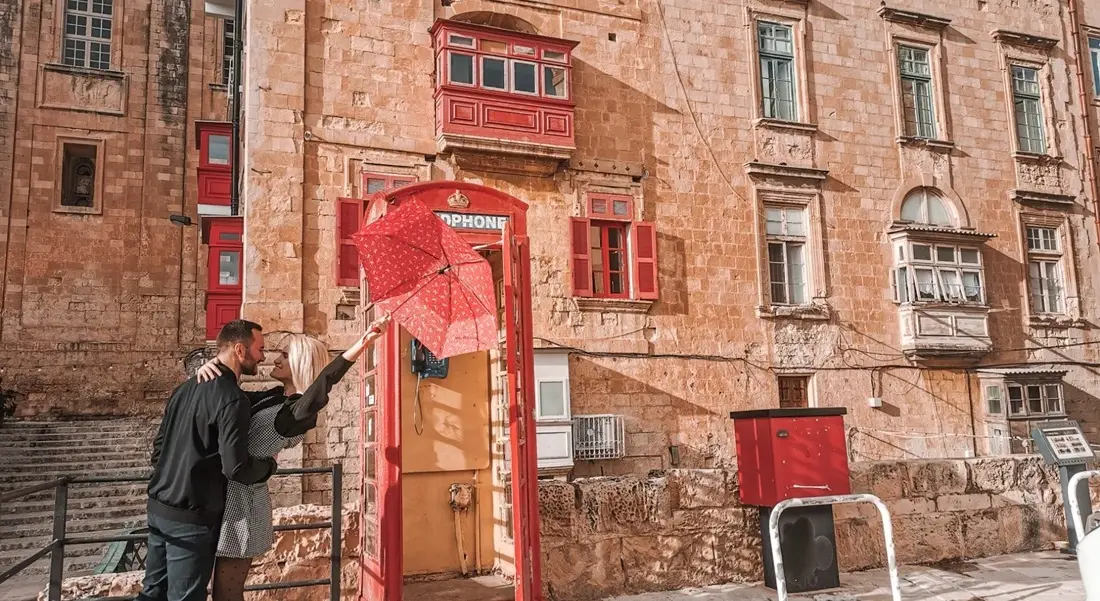
Life in Malta: Sun, Sea and a New Beginning
Malta, one of Europe’s smallest countries by territory, has enjoyed a strategic location that has attracted travelers from around the world for centuries. Its name is believed to derive from the Phoenician word Malet, meaning a place of refuge. It was on this Mediterranean island that two people from Banja Luka, Nevena Striković and Rajko Trubajić, found their own refuge.
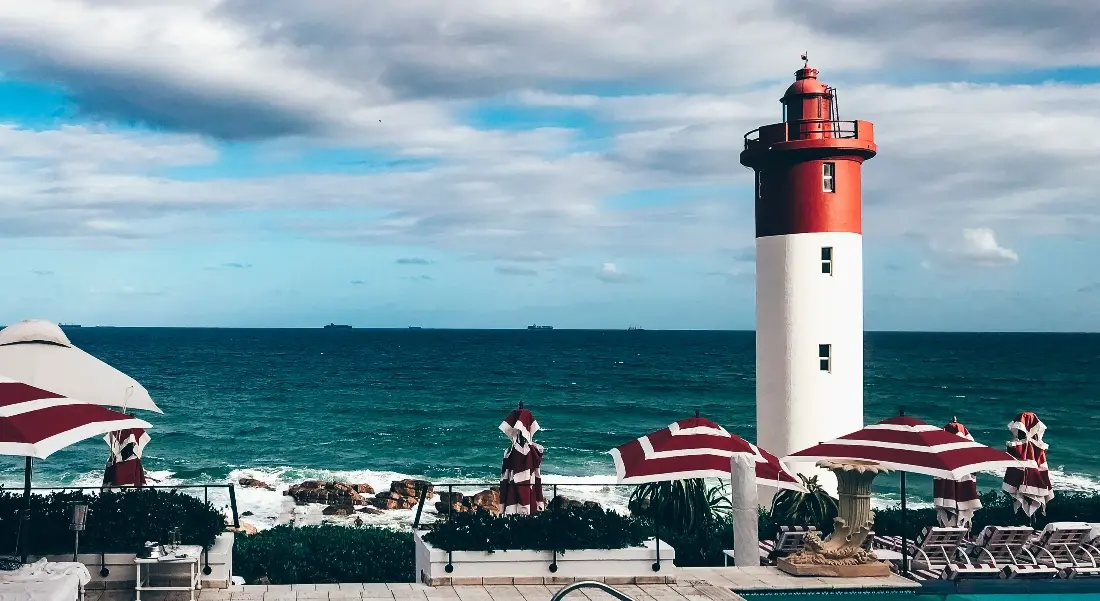
A Night at the Edge of the World: Why Lighthouse Hotels Have Become a Travel Trend
Not long ago, these buildings were home to lighthouse keepers whose job was to guide ships safely away from dangerous cliffs and hidden reefs. Today, the very same lighthouses welcome travelers looking to escape city noise, crowded hotels, and the pace of everyday life. Across Europe, historic lighthouses have become some of the most sought-after places to stay.
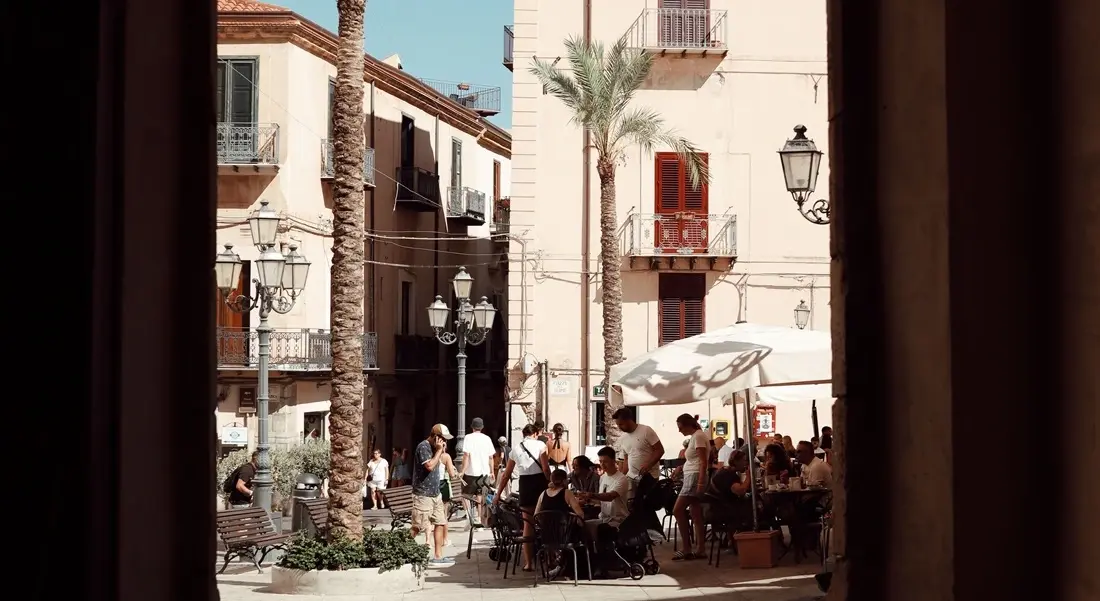
5 Films That Will Take You to Italy - No Plane Ticket Required
While some countries are best discovered through museums and others through food, Italy is often first experienced through cinema. Its narrow cobbled streets, sun-drenched piazzas, the aroma of espresso, the vineyards of Tuscany, and the Amalfi Coast are enough to make you want to pack your bags after the very first scene.
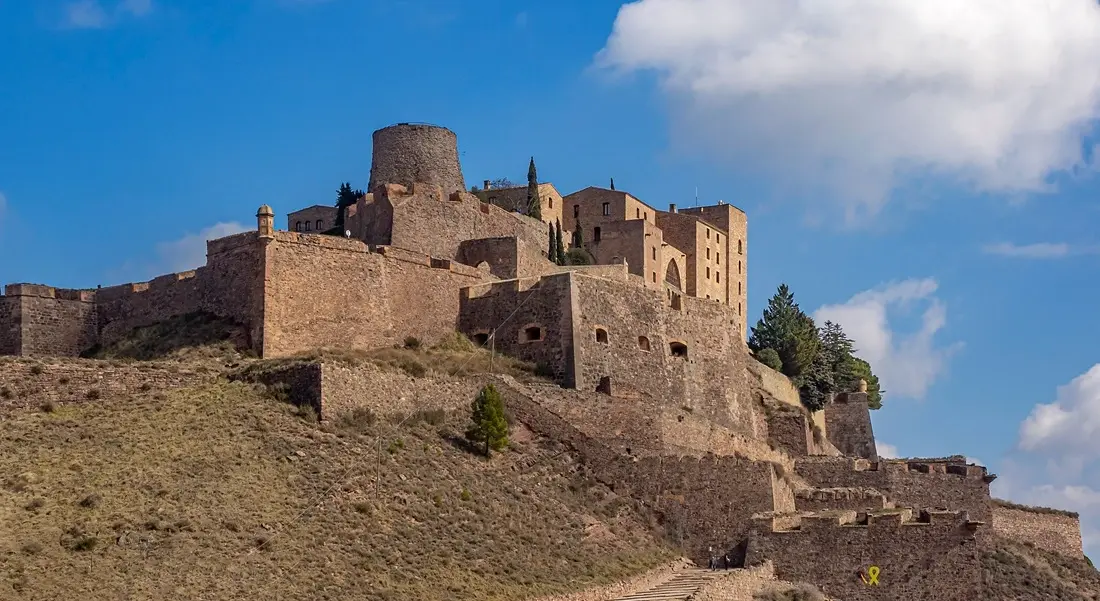
The Pink Town on a Cliff: Spain’s Hidden Secret Few People Know About
Some places seem as if they were created from a painter’s imagination rather than from history. Towns whose streets look like film sets, whose walls guard centuries of stories, and where every corner appears to be a perfect photograph. One such place lies in the heart of Spain, far from the crowds of Barcelona, Madrid, and Seville. Its name is Albarracín.