

Women Who Redefined Elegance
![[object Object]](https://api.hedonistmagazine.net/storage/images/2026/07/e9d2eea5-a5ec-4c3d-bc46-8fcb2ec93ea0.webp)
Fashion changes faster than ever. Every season brings new colours, new silhouettes and new rules that often feel outdated only months later. True elegance, however, has never depended on trends. It is defined not by what we wear, but by the way we wear it.
That is why there are women whose photographs have lost none of their allure, even after half a century. If anything, they appear as fresh today as they did when they were first taken. Their style was never a product of fleeting fashion but a reflection of character, confidence and impeccable restraint. They did not rely on the most extravagant gowns or the most dazzling jewellery. Their greatest gift was the ability to make even the simplest outfit unforgettable.
Among them, three names stand above the rest. Grace Kelly, Audrey Hepburn and Jackie Kennedy were far more than Hollywood stars, actresses and a First Lady. Each became the embodiment of a distinct vision of elegance, and their influence continues to shape fashion runways, inspire the world's leading luxury houses and define sophisticated style across generations.
Their legacy has endured not because it was lavish, but because it was never intended to be temporary.
Grace Kelly - When Elegance Became Royal
Some actresses become fashion icons. Some princesses become symbols of style. Grace Kelly became both.
Born in Philadelphia in 1929, Kelly rose to fame during Hollywood's golden age. She collaborated with Alfred Hitchcock on Dial M for Murder, Rear Window, and To Catch a Thief, won the Academy Award for The Country Girl, and, within just a few years, established herself as one of the defining stars of her generation.
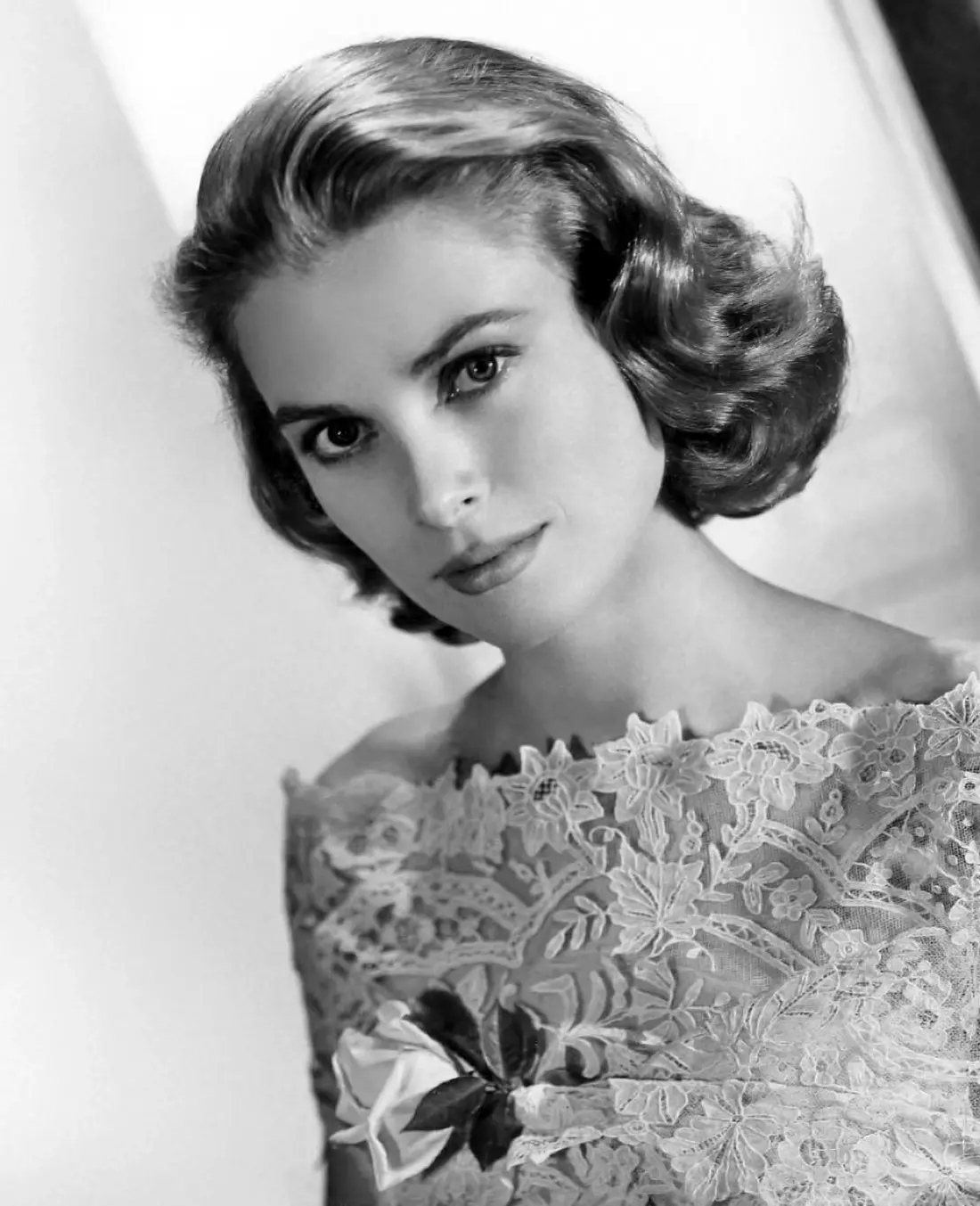
Then, at the height of her career, life took a turn no film studio could have scripted.
At the Cannes Film Festival in 1955, she met Prince Rainier III of Monaco. Their wedding a year later was watched by more than thirty million people worldwide, becoming one of the greatest media spectacles of its era. Hollywood lost one of its brightest stars, while Europe gained a new princess.
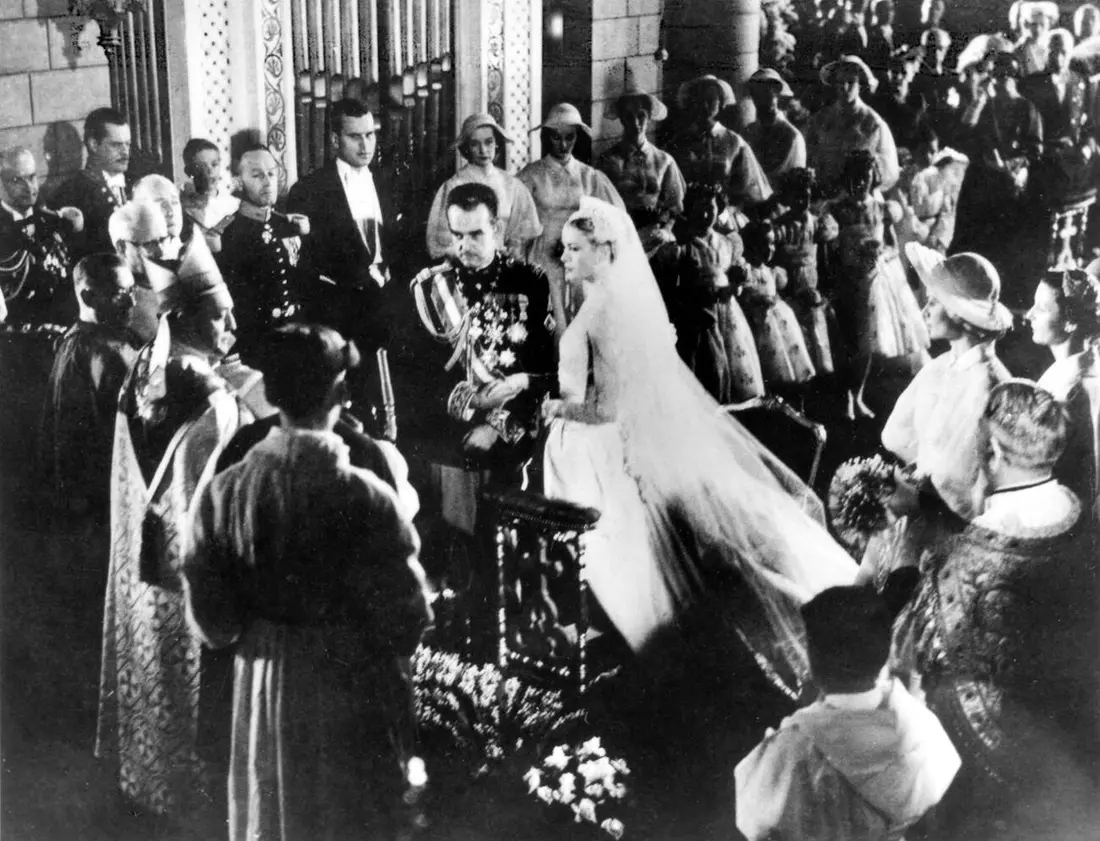
Her role in life changed, but her sense of style did not. Grace Kelly was never drawn to excess. While many of the era's leading actresses embraced elaborate gowns, dramatic embellishments and overt glamour, she consistently favoured understated sophistication. Impeccably tailored coats, clean-lined dresses, fine leather gloves, pearl necklaces and discreet jewellery became her signature. Nothing she wore ever overshadowed the woman herself.
Her wardrobe was built on a simple principle: quality speaks louder than extravagance. One accessory, in particular, secured its place in fashion history. The Hermès Sac à dépêches frequently accompanied Kelly in public appearances, and during her pregnancy she famously used it to shield her baby bump from persistent photographers. The images travelled around the world, demand for the handbag soared, and Hermès officially renamed it the Kelly Bag - a title it proudly carries to this day.
Few fashion accessories can claim to have been named after a single woman while remaining among the world's most coveted handbags for more than half a century.
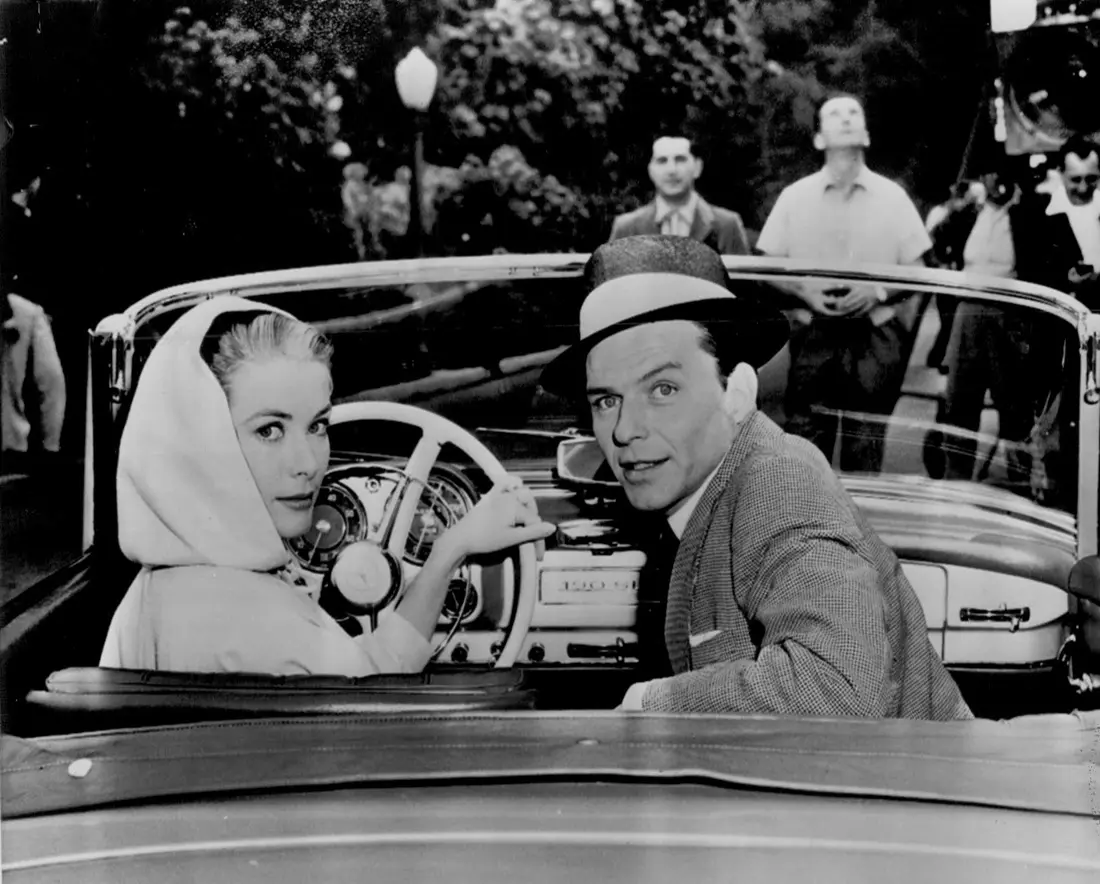
Her wedding gown achieved legendary status as well. Designed by MGM costume designer Helen Rose, it combined yards of silk, lace and tulle in a masterpiece of refined craftsmanship. Despite its extraordinary detail, the dress never appeared ostentatious. Its beauty lay in flawless proportions and quiet sophistication. It is no coincidence that decades later it served as one of the principal inspirations for Catherine Middleton's wedding gown when she married Prince William.
Yet perhaps the greatest reason Grace Kelly remains an enduring style icon has little to do with clothing. It was her composure.
In almost every photograph, her posture is impeccable, her movements graceful, her smile restrained and her gaze serene. She never appeared to be trying to impress anyone, which is precisely why she always did.
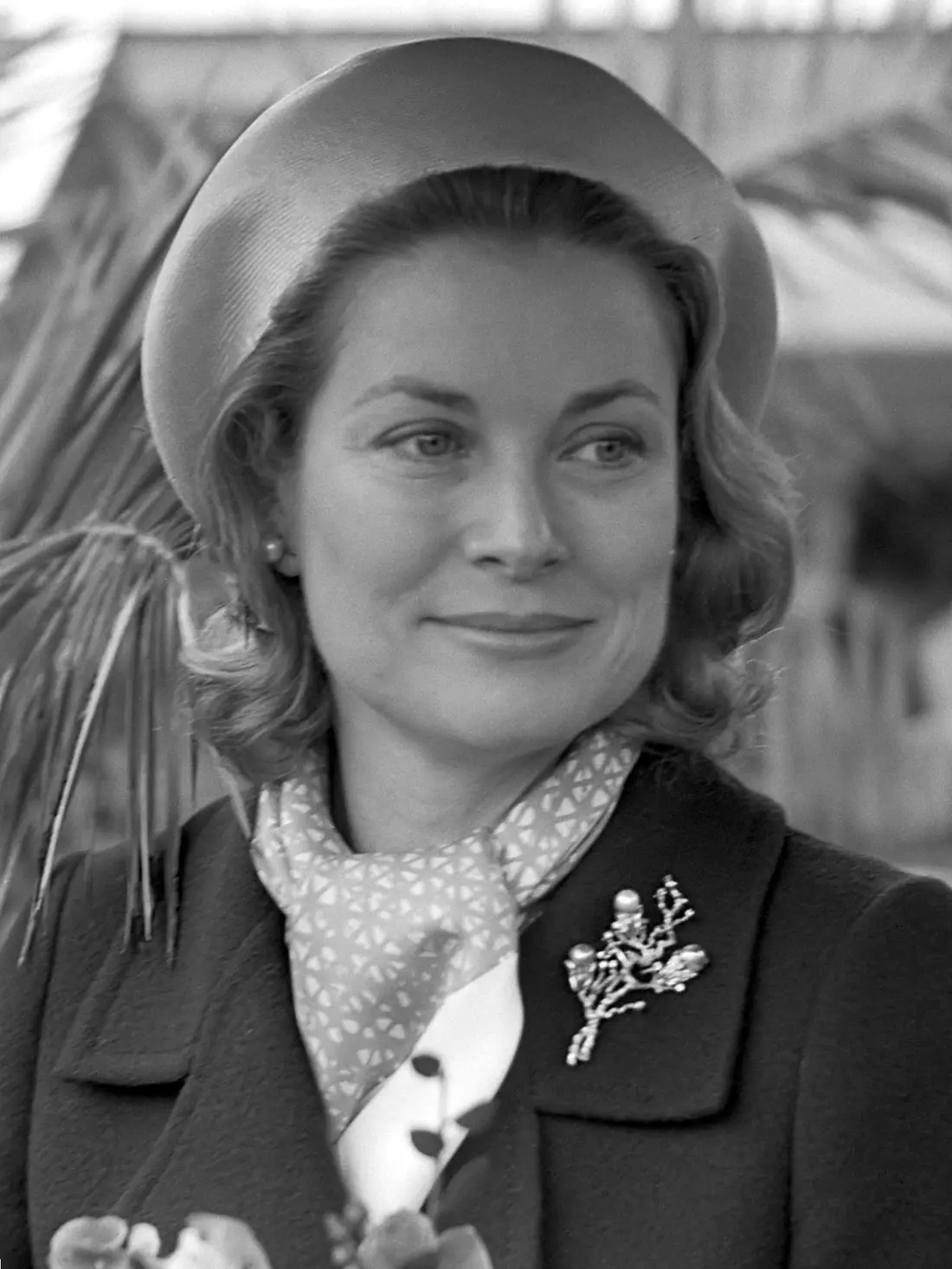
Today, as fashion once again embraces timeless tailoring, monochromatic palettes and understated luxury, it becomes increasingly clear just how far ahead of her time Grace Kelly truly was.
Audrey Hepburn - The Woman Who Proved Less Is Truly More
If Grace Kelly embodied regal elegance, Audrey Hepburn represented its most refined and modern interpretation.
At first glance, she seemed an unlikely Hollywood star. Slimmer than the leading actresses of her day, with a delicate frame, cropped hair and softly defined features, she stood apart from the prevailing ideals of glamour. What some initially perceived as limitations soon became her greatest strengths.
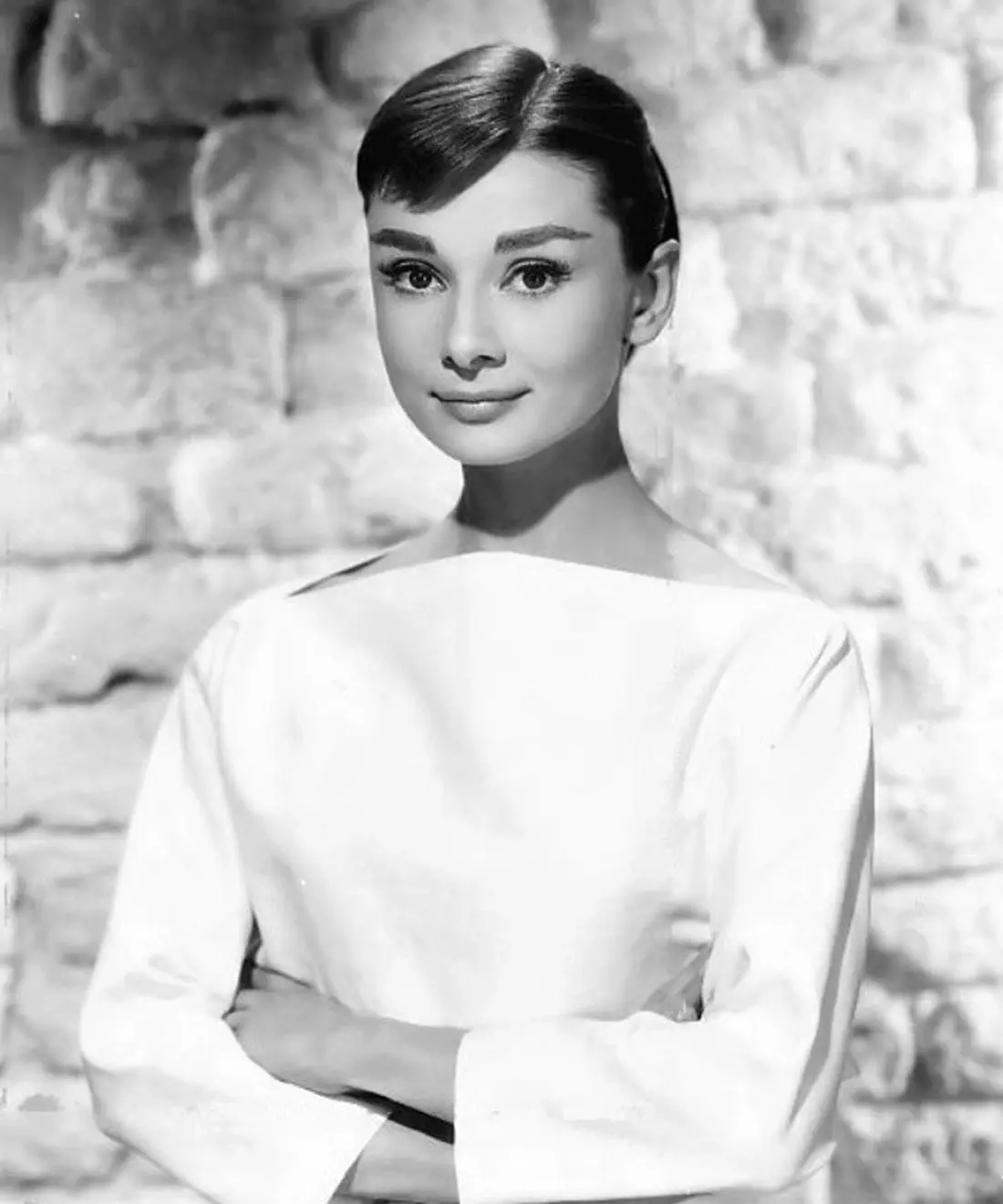
Audrey Hepburn never tried to resemble anyone else. Her breakthrough came with Roman Holiday, earning her an Academy Award almost overnight, followed by timeless classics including Sabrina, Funny Face, Charade and Breakfast at Tiffany's. Yet one figure proved almost as influential in shaping her image as any film director - Hubert de Givenchy.
Their friendship became one of fashion's most celebrated creative partnerships. Givenchy did far more than dress Audrey Hepburn - they redefined elegance together.
Until then, luxury had often been associated with elaborate embellishment, voluminous skirts and decorative excess. Audrey introduced a completely different aesthetic. A perfectly cut little black dress. A crisp white shirt. Slim cigarette trousers. Ballet flats. A silk scarf tied effortlessly around the neck - oversized sunglasses.
This became her visual language. Its most iconic expression was undoubtedly the black dress from Breakfast at Tiffany's. Designed by Givenchy, it accompanied one of cinema's most memorable scenes, as Holly Golightly stands before the windows of Tiffany & Co., coffee in one hand and a croissant in the other. That single costume transformed the little black dress into a permanent wardrobe essential for women around the world.
Despite her immense influence, Audrey Hepburn never appeared to chase fashion.
Her elegance was rooted in simplicity. Nothing felt excessive. Makeup remained understated, jewellery carefully chosen, and every garment perfectly suited to her frame. She possessed the rare ability to look effortlessly polished, as though refinement required no effort at all - and that effortless quality became her greatest achievement.
It is hardly surprising that today's minimalist aesthetic, championed by fashion houses such as The Row, Max Mara and Brunello Cucinelli, often echoes the timeless style Audrey Hepburn established more than six decades ago.
After stepping away from the film industry, she devoted herself almost entirely to humanitarian work as a UNICEF Goodwill Ambassador. Travelling to some of the world's poorest regions, far removed from red carpets and flashing cameras, she appeared in simple trousers, cotton shirts and flat shoes. Yet she carried herself with the same quiet dignity she had displayed on Hollywood's grandest stages.
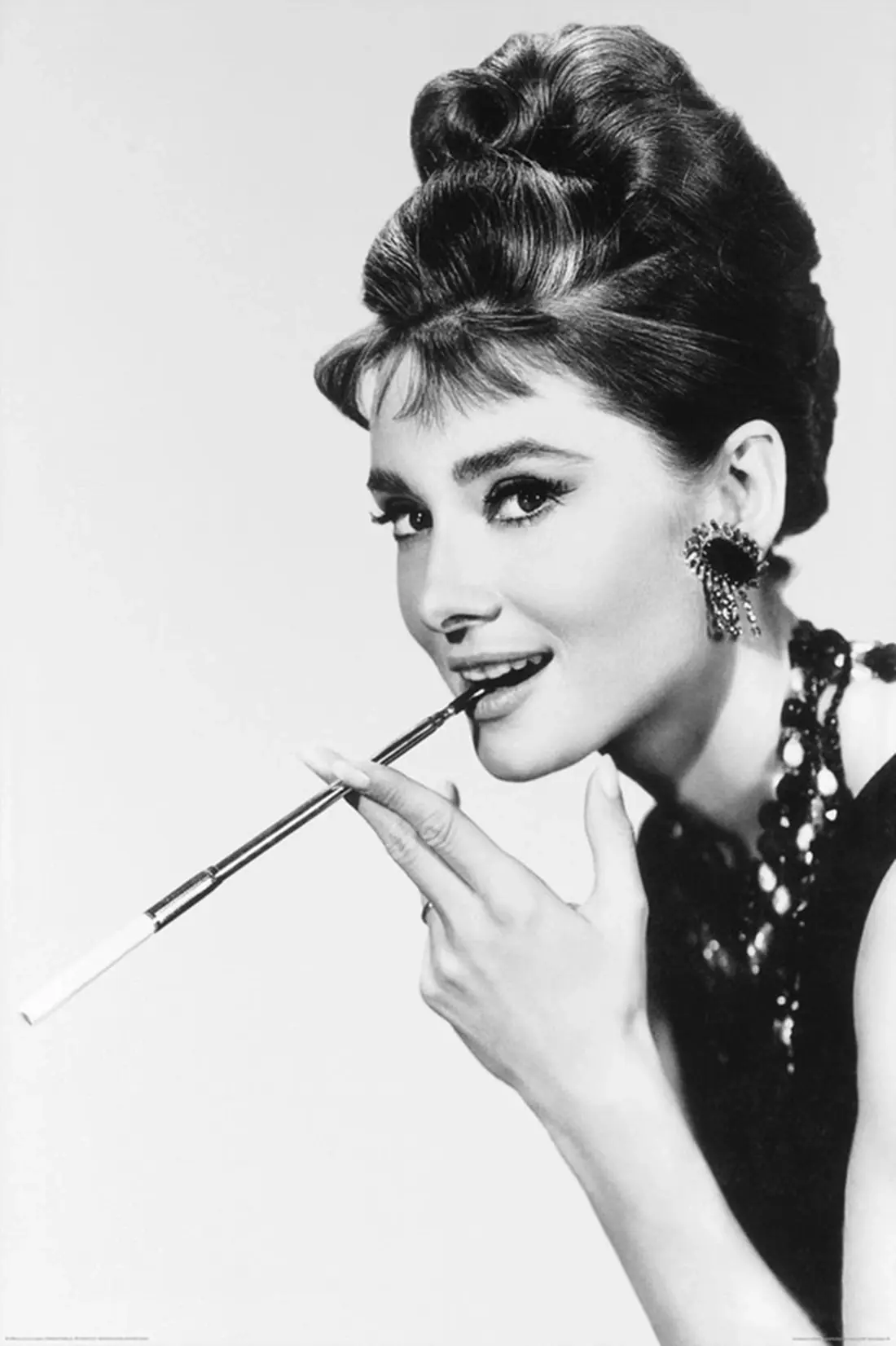
Perhaps that is why Audrey Hepburn transcended the title of fashion icon. She became a reminder that elegance begins long before the wardrobe. It is reflected in the way we speak, the way we walk, the way we treat others, and ultimately, in the grace with which we live our lives.
Jackie Kennedy - The First Lady Who Turned Style into Diplomacy
When John F. Kennedy took the presidential oath of office in January 1961, the United States gained not only the youngest elected president in its history but also a First Lady who would forever reshape the world's perception of American elegance.
At just thirty-one years old, Jacqueline Bouvier Kennedy entered the White House with a rare combination of intelligence, cultural sophistication, and impeccable taste. She was highly educated, fluent in several languages, had studied art history, and had cultivated an appreciation for beauty that was rooted not in fleeting trends but in a deep understanding of culture and design. At a time when political spouses were expected to remain largely in the background, Jackie became one of the most photographed women in the world, with every public appearance attracting as much attention as the political events she attended.
Her wardrobe was never merely about fashion - it was a carefully crafted form of communication. While Europe had long dictated the rules of elegance, Jackie developed a style that felt simultaneously Parisian in its refinement and unmistakably American in its restraint. She favored clean tailoring, A-line dresses, sharply cut coats, and carefully selected pastel shades that projected dignity rather than extravagance. Her ensembles were modern yet understated, sophisticated without ever overshadowing the office she represented.
That balance made her a style icon for millions of women seeking elegance without excessive formality. At the heart of her fashion legacy stands the iconic pillbox hat - a small, brimless design that became inseparable from her image. Although the silhouette existed long before Jackie wore it, she transformed it into an international phenomenon. Throughout the early 1960s, nearly every major fashion house introduced its own interpretation of the style, while photographs of the First Lady in impeccably tailored suits and her signature hat appeared on magazine covers across the globe.
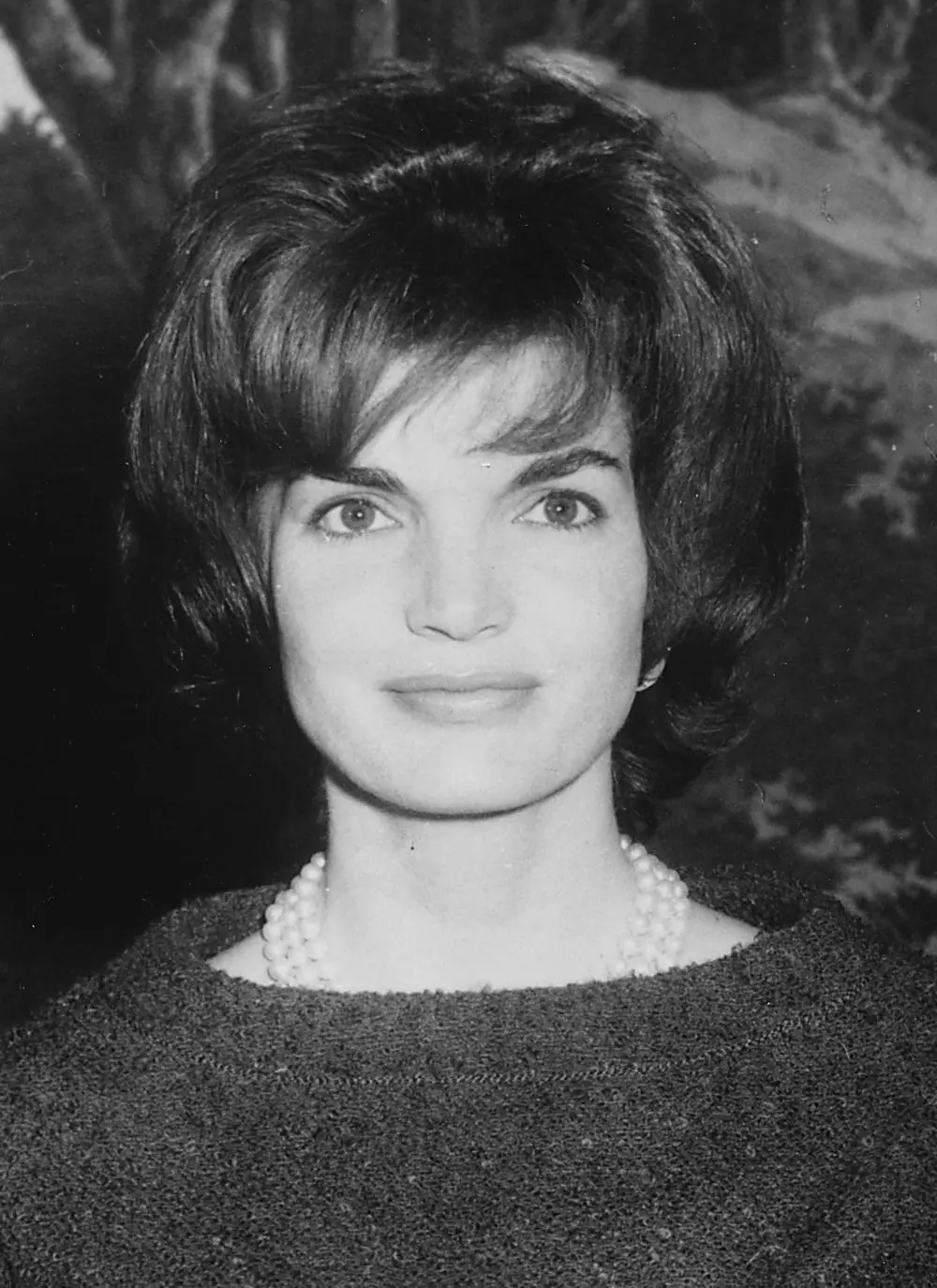
Equally distinctive were her oversized dark sunglasses, silk scarves tied gracefully over her hair during convertible rides, long white gloves, and strings of pearls that accompanied her whether she was attending a state ceremony or traveling privately. Every accessory was deliberate, yet nothing ever appeared contrived. Jackie instinctively understood a lesson that many still strive to master today - that elegance is often defined as much by what is left out as by what is included.
Although she is frequently associated with Chanel suits, the reality was more nuanced. Because purchasing French couture carried political sensitivities while serving as America's First Lady, many of her celebrated ensembles were produced by the New York fashion house Chez Ninon, which, under license from leading Parisian designers, recreated garments almost identical to the originals. In doing so, Jackie successfully married European sophistication with support for American craftsmanship, demonstrating that style could also serve as a subtle instrument of cultural diplomacy.
Her influence did not fade after leaving the White House. If anything, it grew stronger. Following the assassination of President Kennedy in 1963, Jackie became one of the defining women of her era. Images of her facing one of the darkest moments in American history with extraordinary composure resonated around the world, reinforcing the perception that true elegance is measured not by clothing but by the grace with which one carries life's greatest trials.
In later years, while working as an editor for Viking Press and Doubleday in New York, Jackie continued to refine the same timeless aesthetic. She never chased changing trends or attempted to reinvent herself for younger generations. Instead, her wardrobe evolved naturally alongside her. Neutral tones gradually replaced the softer pastels of her White House years, silhouettes became even more streamlined, while oversized scarves and her signature sunglasses remained enduring hallmarks of her style. She proved that elegance belongs neither to youth nor to a particular decade, but to character.
For that reason, it is impossible to discuss the fashion history of the 1960s without Jackie Kennedy. Her aesthetic continues to inspire designers at houses such as Dior, Oscar de la Renta, Carolina Herrera, and Ralph Lauren, while her photographs remain constant points of reference in contemporary collections. Few women have left such a profound mark on fashion without ever seeking to become fashion celebrities.
Elegance That Never Goes Out of Style
Grace Kelly, Audrey Hepburn, and Jackie Kennedy lived remarkably different lives. One left Hollywood to become a princess, another exchanged cinematic fame for humanitarian work, while the third helped define one of the most significant political eras of the twentieth century. Yet what connects them is far more enduring than history itself.
All three understood that fashion has meaning only when it serves the person wearing it. Their clothes never spoke louder than their personalities. They never sought attention through extravagance, nor did they believe that luxury had to be ostentatious. Instead, they relied on impeccable tailoring, exceptional craftsmanship, and carefully considered wardrobes that allowed poise, intelligence, and confidence to remain at the forefront.
That is precisely why their photographs feel remarkably contemporary today. The gowns worn by Grace Kelly or Audrey Hepburn would look entirely at home on today's red carpets, while Jackie Kennedy would effortlessly rank among the best-dressed women of the modern era. Their style was never tied to a particular season - it was built upon principles that transcend fashion itself.
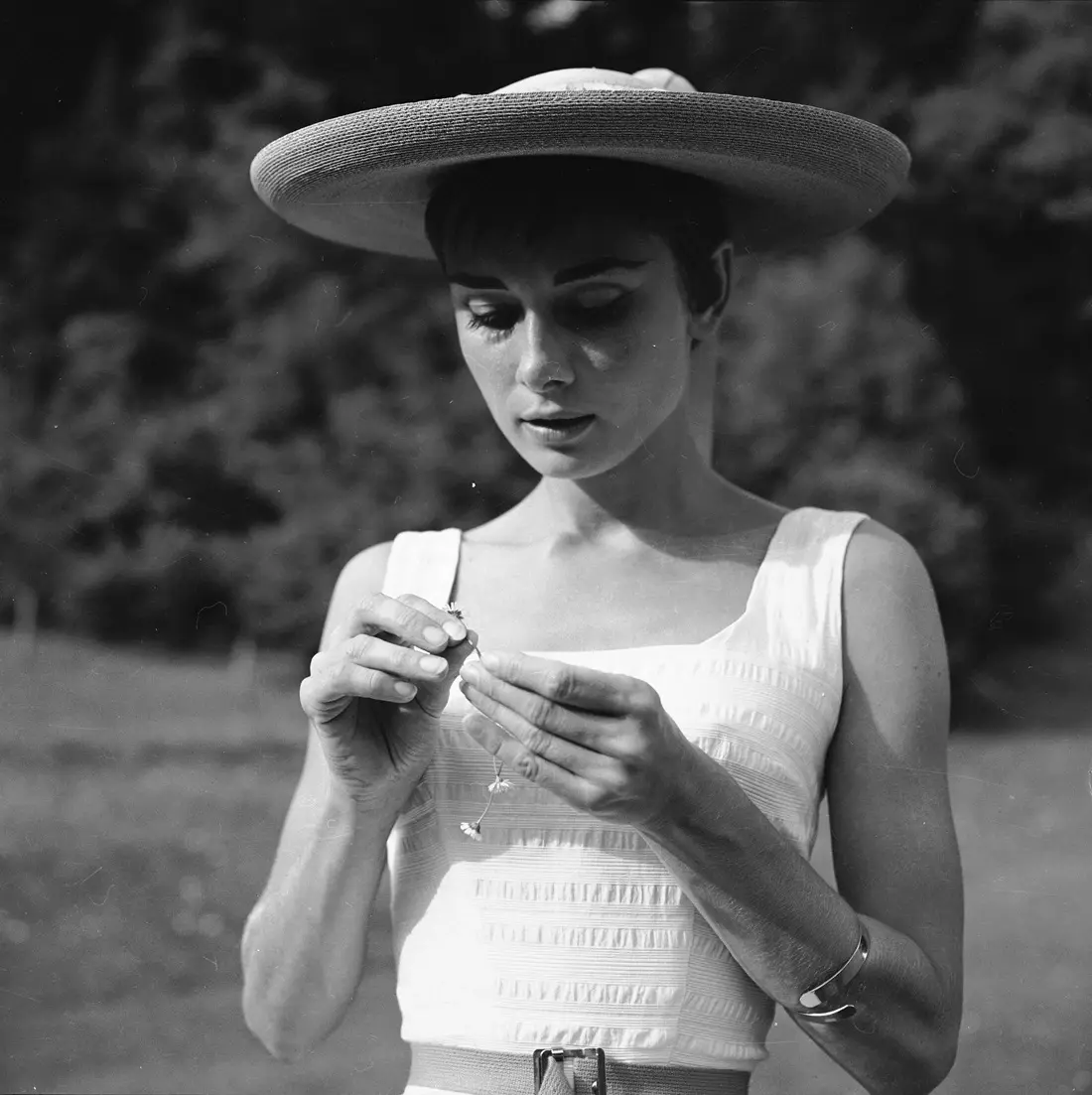
In recent years, the industry has increasingly returned to those very ideals. After decades dominated by conspicuous logos, exaggerated silhouettes, and an endless pursuit of novelty, luxury has rediscovered the beauty of restraint. Concepts such as quiet luxury, timeless wardrobes, and capsule collections now define the contemporary fashion conversation, yet the philosophy behind them is anything but new. Grace Kelly, Audrey Hepburn, and Jackie Kennedy embodied these values long before the industry found a name for them.
Perhaps that is why their legacy remains untouched by time. They did not redefine elegance because they wore the most expensive clothes or introduced the latest silhouette. They redefined it because they demonstrated that true style has little to do with what happens to be fashionable and everything to do with remaining authentic to oneself.
More than half a century later, their photographs no longer feel like relics of the past. Instead, they serve as enduring reminders that elegance has never been a matter of fashion - it has always been a reflection of character.