Style
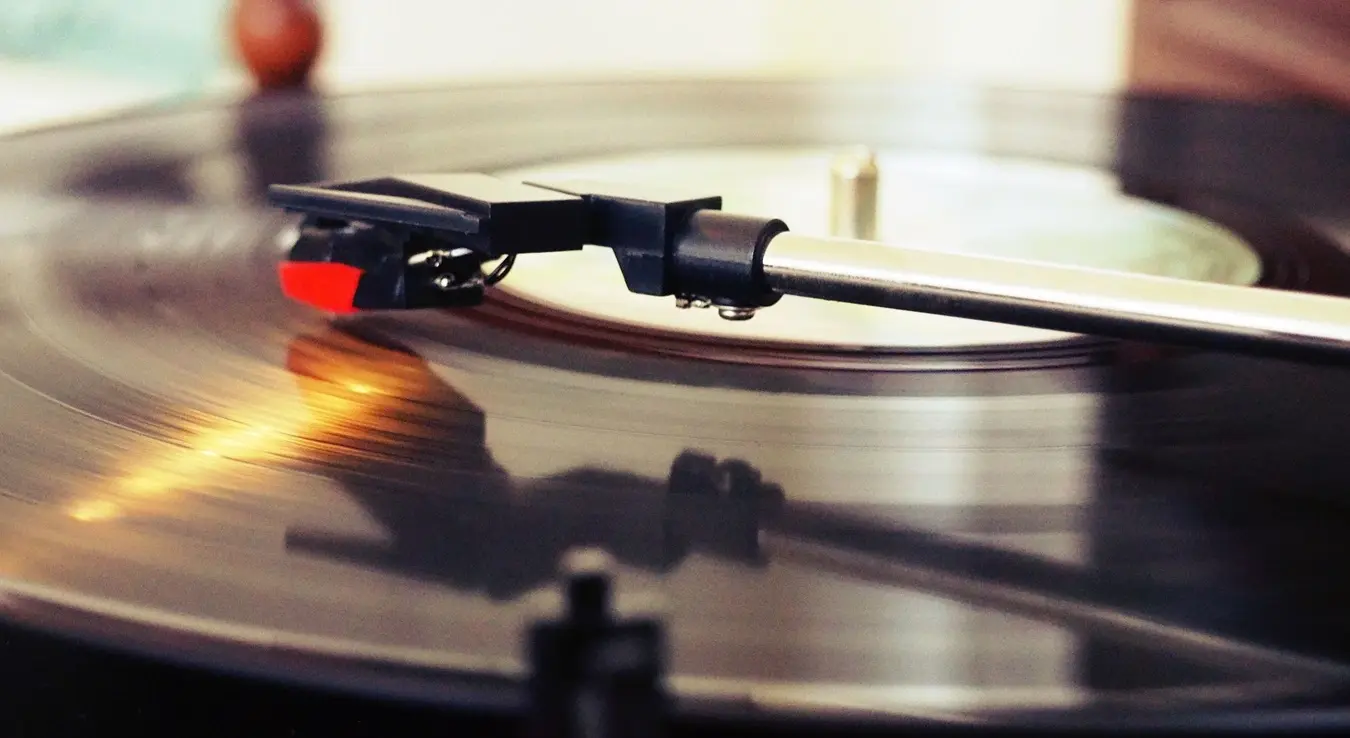
The Record Without the Record Player: Why Analogue Has Become a Luxury
Vinyl outsold CDs in 2022 for the first time since 1987; Kodak is struggling to keep up with demand for film, and a phone that deliberately does less costs nearly $800. Who is buying these things, and what are they really paying for?

Ugly Is Expensive: How Crocs and Dad Sneakers Became Status Symbols
It began in 2002 at a boat show in Florida, with 200 pairs of footwear that even their founders thought were ugly. Some fifteen years later, similar shoes were selling out in hours at hundreds of dollars a pair. Here is what science has to say about it.
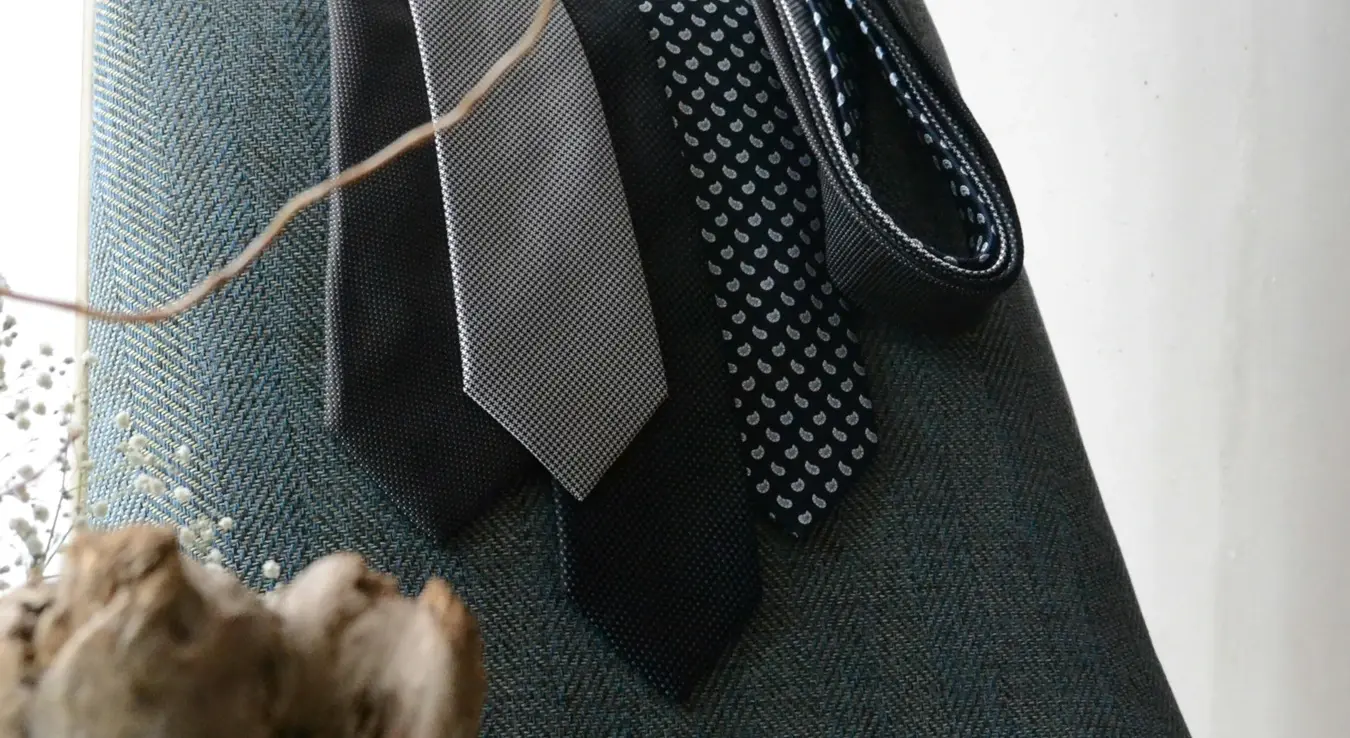
A Brief History of the Necktie: From Military Detail to Emblem of Style
Few garments have changed as much as the necktie while remaining so instantly recognizable. Four centuries after its first appearance, it still sits where it always has, between collar and lapel, though it no longer says what it said a hundred or three hundred years ago.
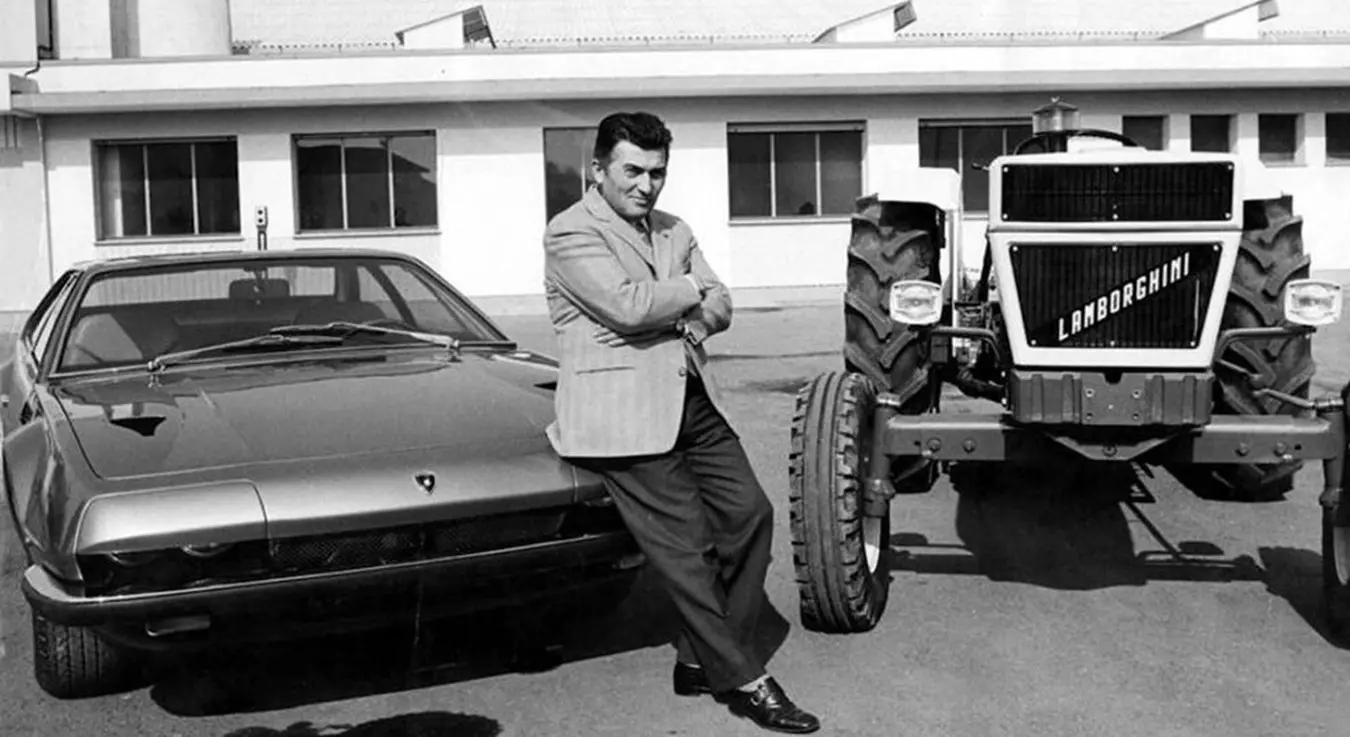
Ferruccio Lamborghini: The Farmer Who Decided to Build a Better Ferrari
The year is 1963. A successful Italian industrialist and tractor factory owner drives up to Maranello in his Ferrari 250 GT and knocks on Enzo Ferrari's door. He hasn't come to buy a new car. He's come to complain - the clutch on his expensive sports car keeps failing, and as a man who has spent his whole life building tractors, he even has a concrete suggestion for how to fix it.

Why the White Shirt Is a Timeless Style Icon
The white shirt was never elegant because it was white. It was elegant because staying white was almost impossible - and a man who managed to keep it that way, day after day, was proving something worth far more than good taste: that someone else washed, starched, and pressed his linen for him, and that he himself never had to do work dirty enough to soil his collar.
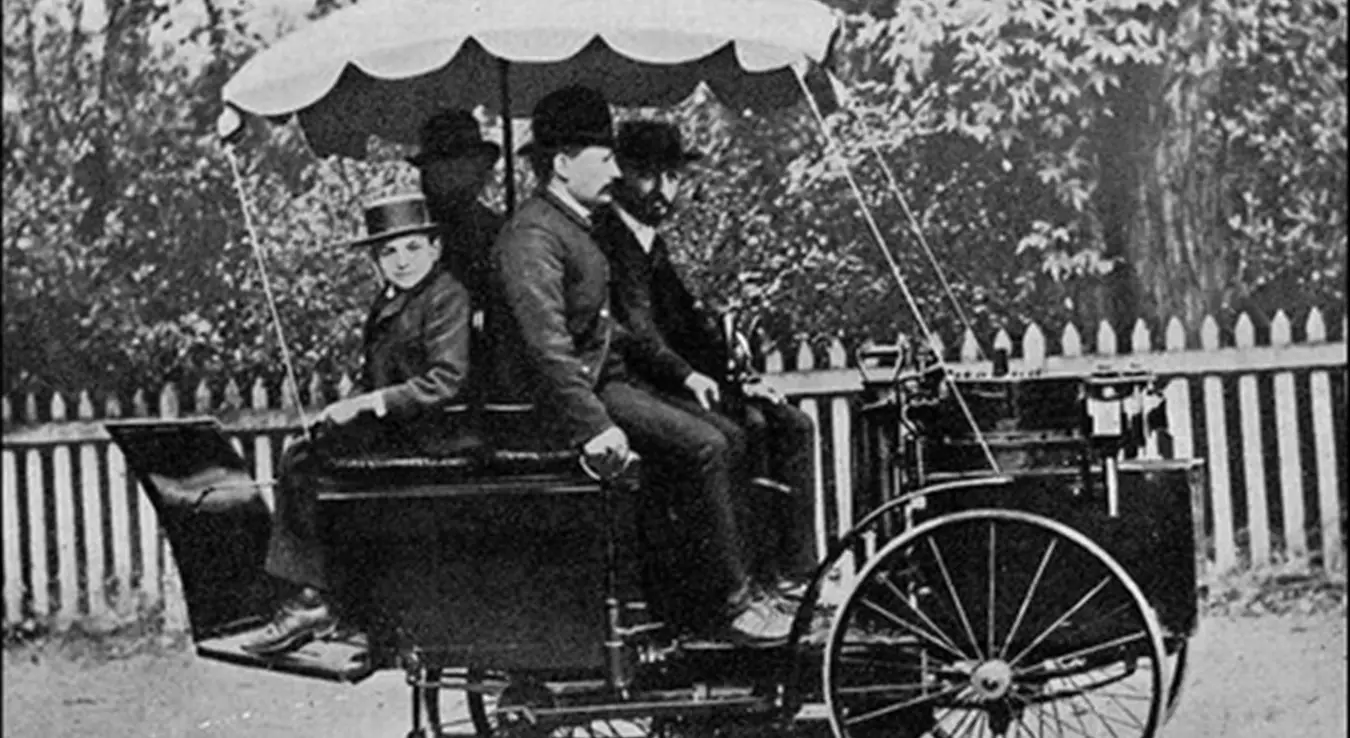
La Marquise: The Car That Won Because No One Else Showed Up
It all began with a toy in the window of a Parisian shop. In 1881, Count Jules-Albert de Dion, a man known in high society as much for the duels he challenged people to as for his fondness for women, was looking for prizes for a ball when his attention was caught by a model steam locomotive. It had been crafted with such precision that he decided to track down the people who had made it.
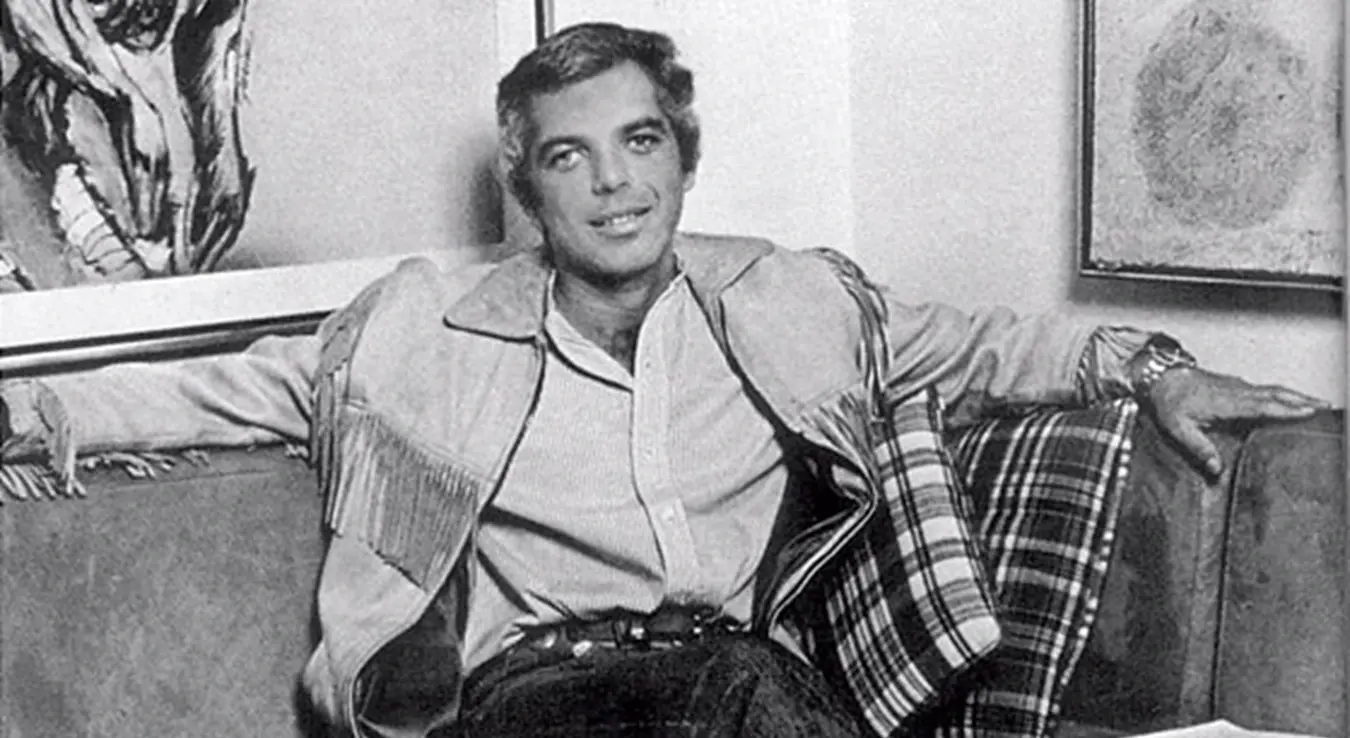
How Ralph Lauren Sold the American Dream to the World
In 1955, a sixteen-year-old boy from a working-class family in the Bronx decided to change his last name, and he didn't pick a neutral one. Ralph Lifshitz became Ralph Lauren - a name that sounded like it belonged to someone who had always owned a riding club, not to a boy whose father painted houses for a living and whose mother insisted the family keep strictly kosher.
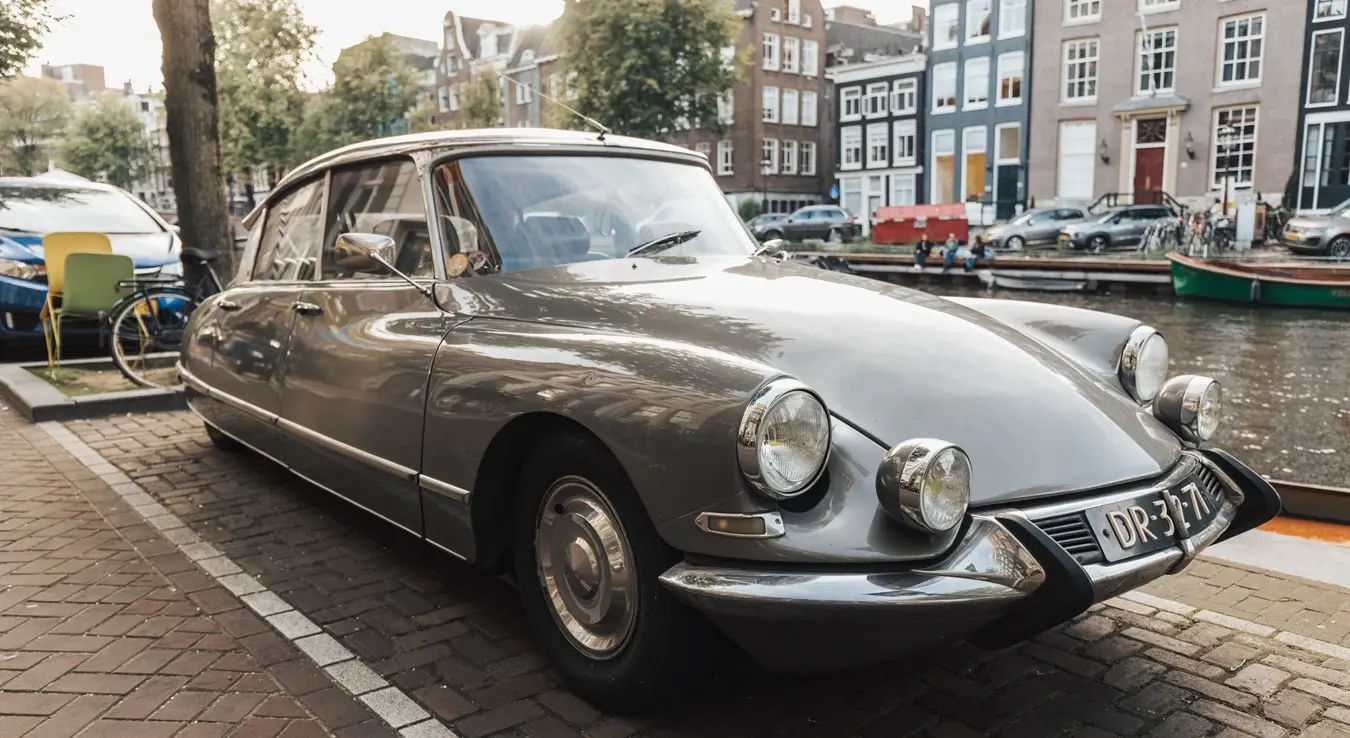
How the Citroën DS Became a Work of Art on Wheels
Paris, October 5th, 1955. Under the vaults of the Grand Palais, where generations before had come to look at paintings and sculpture, a crowd gathers in silence around a car draped in cloth. When the cloth comes off, something happens in the hall that witnesses describe as a collective gasp - a shape none of them had ever seen before, on any vehicle, in any country in the world.

When Fashion Takes to the Street, the City Becomes the Runway
Fashion works best the moment it stops being just what we wear and becomes part of the space we live in. That's when the street stops being just a street and turns into a stage, and the audience becomes part of the event itself. That's exactly the idea behind Elite Fashion Connection, which will turn Banja Luka into an open-air fashion scene on September 12th.

The Straight Razor: A Ritual That Outlived Us, Died, and Came Back
Outside almost every barbershop in the world, the same symbol still spins - a red-and-white spiral so familiar that almost no one looks at it twice. Few people know it was never decoration. It was an advertisement, and for something far less pleasant than a haircut.
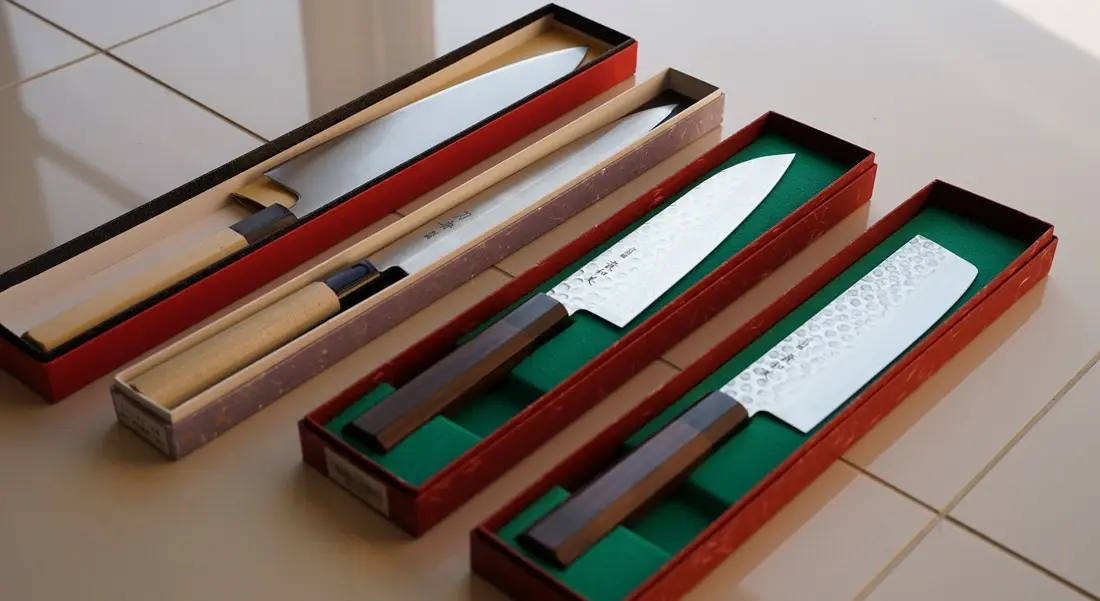
The Knife That Gets Better With Age
In a workshop in Sakai, just outside Osaka, one man spends his entire working life doing a single thing: sharpening. He doesn't forge, doesn't shape the handle, doesn't select the steel - he only hones the edge, moving it across a progression of increasingly fine whetstones, until it can glide through the flesh of a fish without resistance.
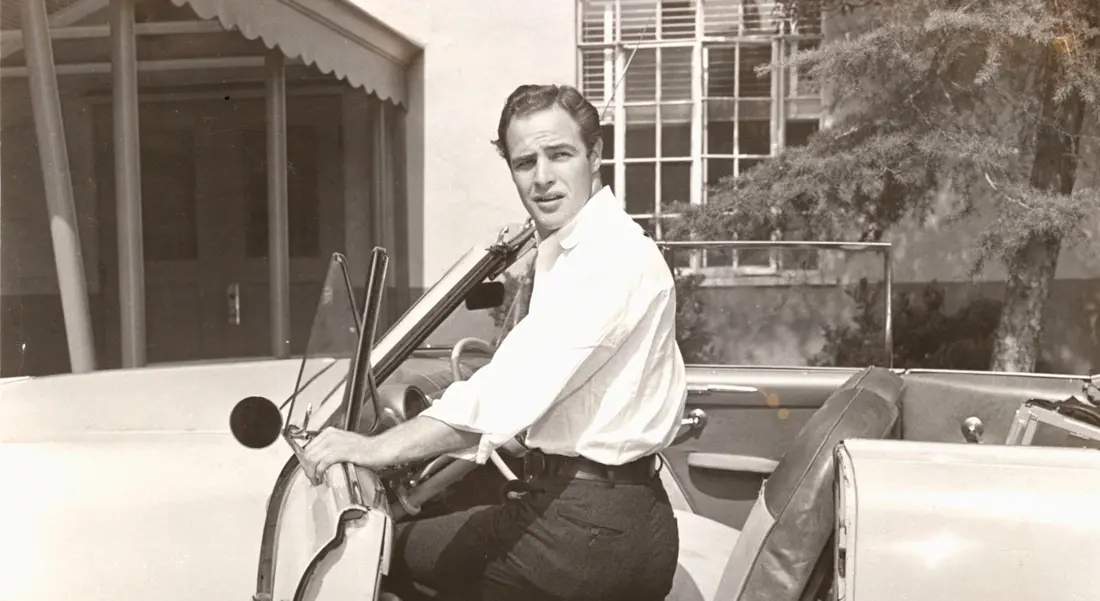
Seven Men Who Changed the Way Men Dress
The camera moves in. Cary Grant steps out of the car, buttons his jacket in a single motion, and walks into frame as though the suit were a second skin rather than something he'd put on that morning. The audience doesn't register it as style. They simply register it as him. That, in the end, is the difference between a man who wears fashion and a man who becomes it, without ever seeming to try.

How Wayfarer Sunglasses Became a Pop Culture Icon
When James Dean walked the streets of Los Angeles, Tom Cruise danced across a living room in a white Oxford shirt, and the Blues Brothers stepped onto the stage in their signature black suits, audiences remembered more than their faces. They remembered the sunglasses.
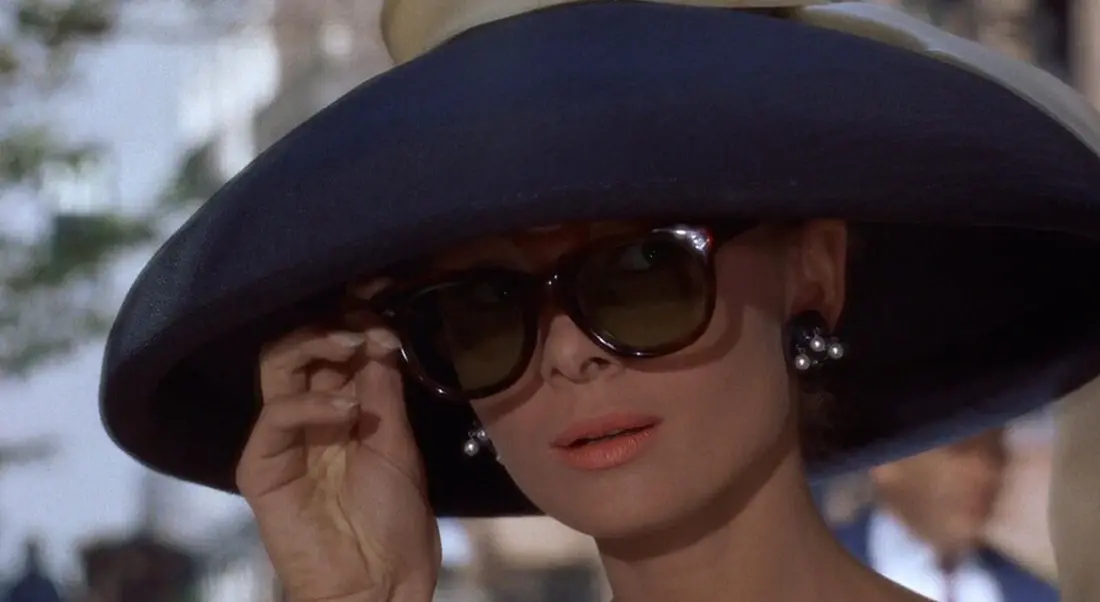
Women Who Redefined Elegance
Fashion changes faster than ever. Every season brings new colours, new silhouettes and new rules that often feel outdated only months later. True elegance, however, has never depended on trends. It is defined not by what we wear, but by the way we wear it.

The Houses That Changed Architecture: Five Masterpieces of the 20th Century
Most houses are designed to be lived in. A select few, however, have gone far beyond that, transforming the way the world thinks about space, light, and the relationship between architecture and nature. They were neither the largest nor the most expensive homes ever built, yet each marked a turning point in architectural history. Without them, the modern home would look remarkably different today.

The Watch That Went to the Moon: How the Omega Speedmaster Became a Legend
On July 20, 1969, more than 600 million people around the world sat in front of their television sets, waiting for a moment no previous generation had ever imagined possible. The black-and-white images were grainy, the signal faded in and out, and voices from space arrived through bursts of static and interference. Yet no one looked away. Humanity was about to witness its first footsteps on another world.
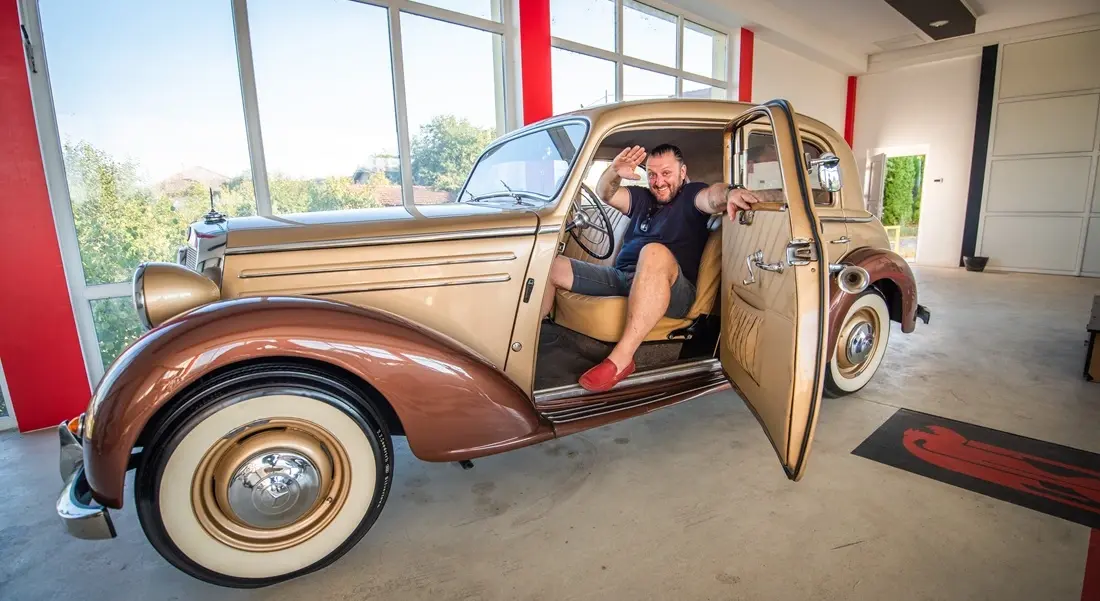
A 1950s Icon Preserved as a Family Treasure
Mercedes-Benz automobiles - particularly the marque's legendary sports cars - have been known as the "Silver Arrows" since the 1930s. Yet the Mercedes, carefully preserved in the garage of Banja Luka collector Velimir Tamamović, gleams more like gold.

Why Italians Almost Never Drink Cappuccino After Noon
If you've ever ordered a cappuccino in Italy after lunch, chances are the waiter didn't give you a strange look. On the contrary, they'll happily serve it without a word. But they'll almost certainly know you're not Italian.
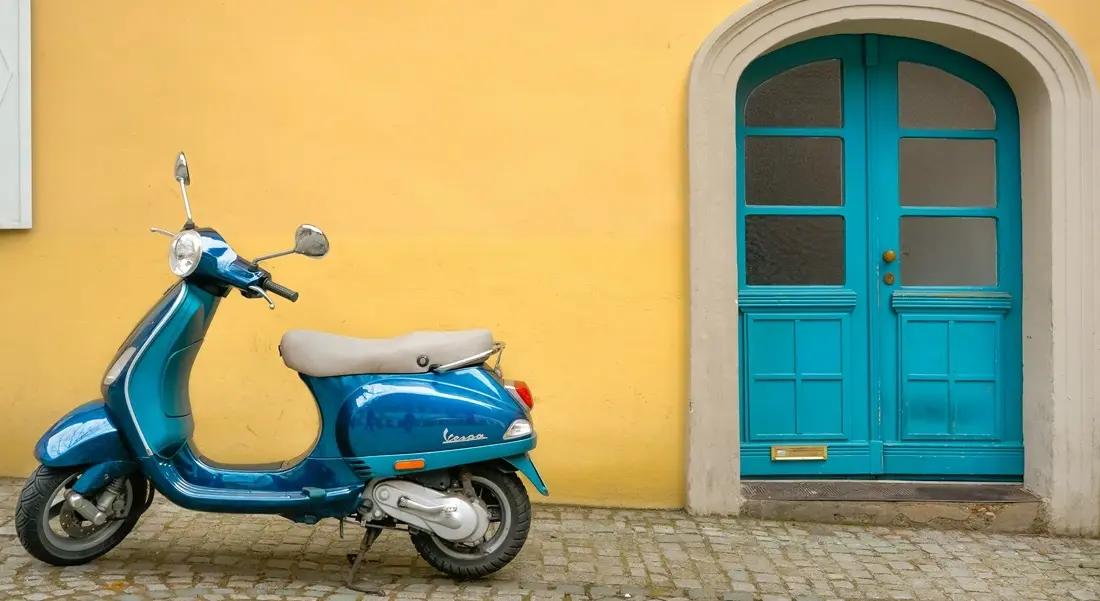
Vespa: The Scooter That Became a Symbol of Italy and Freedom
Few products have managed to outgrow their original purpose and become part of a nation's identity. Vespa is undoubtedly one of them. Over nearly eight decades, it has evolved into far more than a scooter - it has become a symbol of the Italian way of life, an essential feature of classic cinema, a fashion icon, and one of the most recognizable examples of European design.