

Why Italians Almost Never Drink Cappuccino After Noon

![[object Object]](https://api.hedonistmagazine.net/storage/images/2026/06/e435185e-03ff-4fb6-9943-d5338e970ee6.webp)
If you've ever ordered a cappuccino in Italy after lunch, chances are the waiter didn't give you a strange look. On the contrary, they'll happily serve it without a word. But they'll almost certainly know you're not Italian.
Unlike many other culinary customs that have become more flexible over time, this tradition is still widely observed throughout Italy. For most Italians, cappuccino is strictly a morning drink. Afternoon, it's espresso time.
Why? The answer has little to do with snobbery or rigid etiquette. Instead, it reflects the way Italians think about food, coffee, and daily life.
Cappuccino Belongs to Breakfast
Italian mornings have looked much the same for decades. Before work, people stop by their local café, order a cappuccino and a cornetto, Italy's version of a croissant, drink it standing at the bar in just a few minutes, and continue with their day.
The milk in a cappuccino is considered food rather than just an addition to coffee. That's why the drink naturally belongs to breakfast.
After lunch or dinner, most Italians simply don't feel like having another large cup of warm milk alongside a full meal.
After Lunch Comes Espresso
Once you've finished lunch in Italy, the waiter will most likely ask just one question:
"Un caffè?"
What they mean is espresso.
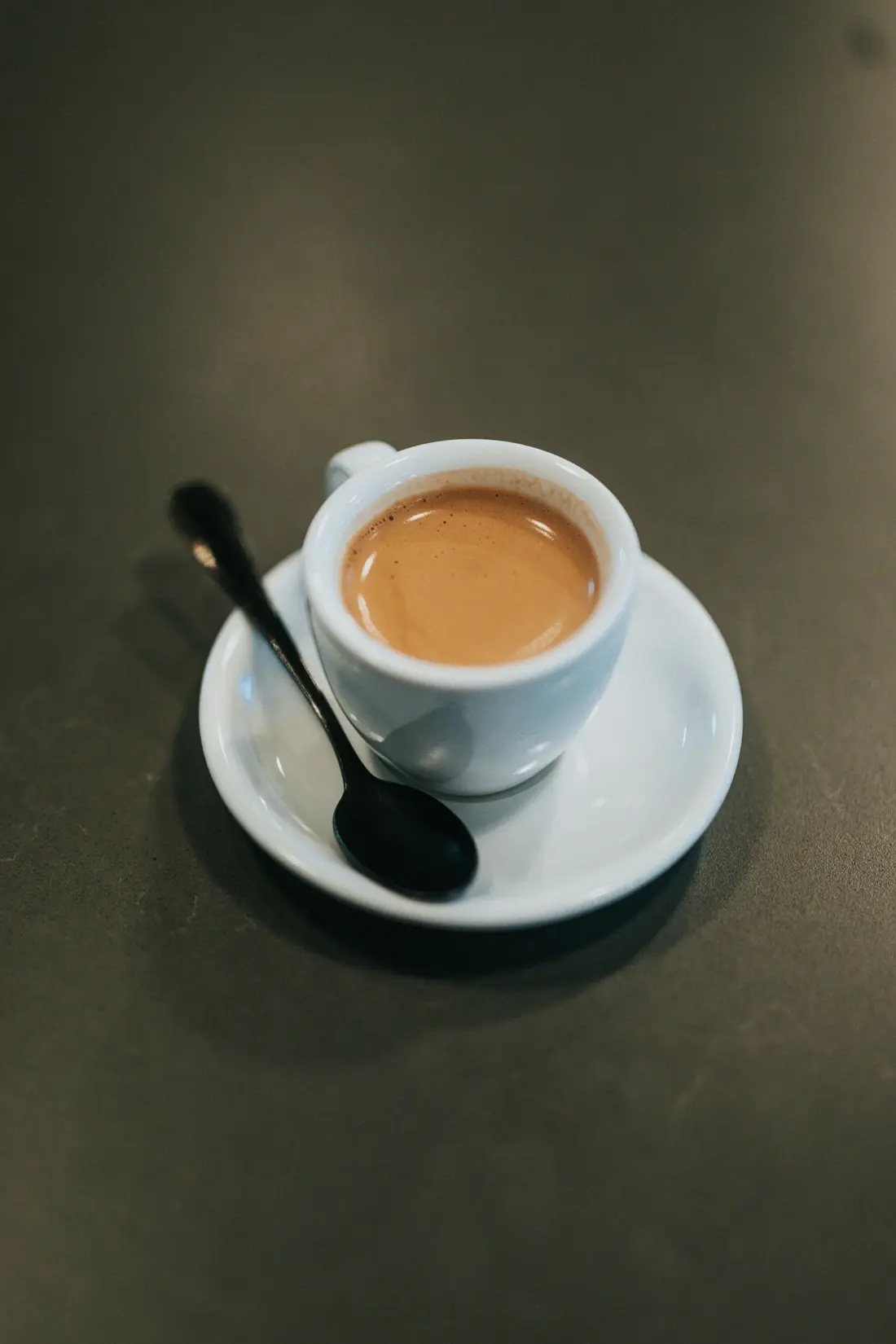
Small, strong, and served in just a few sips, espresso is considered the perfect way to end a meal. It's more than coffee - it's part of a daily ritual.
Many Italians drink three, four, or even five espressos a day, yet very few would order a second cappuccino.
There Are Exceptions - but They're Rare
Of course, this isn't a strict rule.
Someone working a night shift, skipping breakfast, or simply craving a cappuccino later in the day can order one without any problem.
Tourists do it all the time, especially after lunch, and nobody will make a fuss about it.
Still, if you sit in a local café in Rome, Naples, or Bologna at four in the afternoon and look around, you'll notice that almost everyone is drinking espresso.
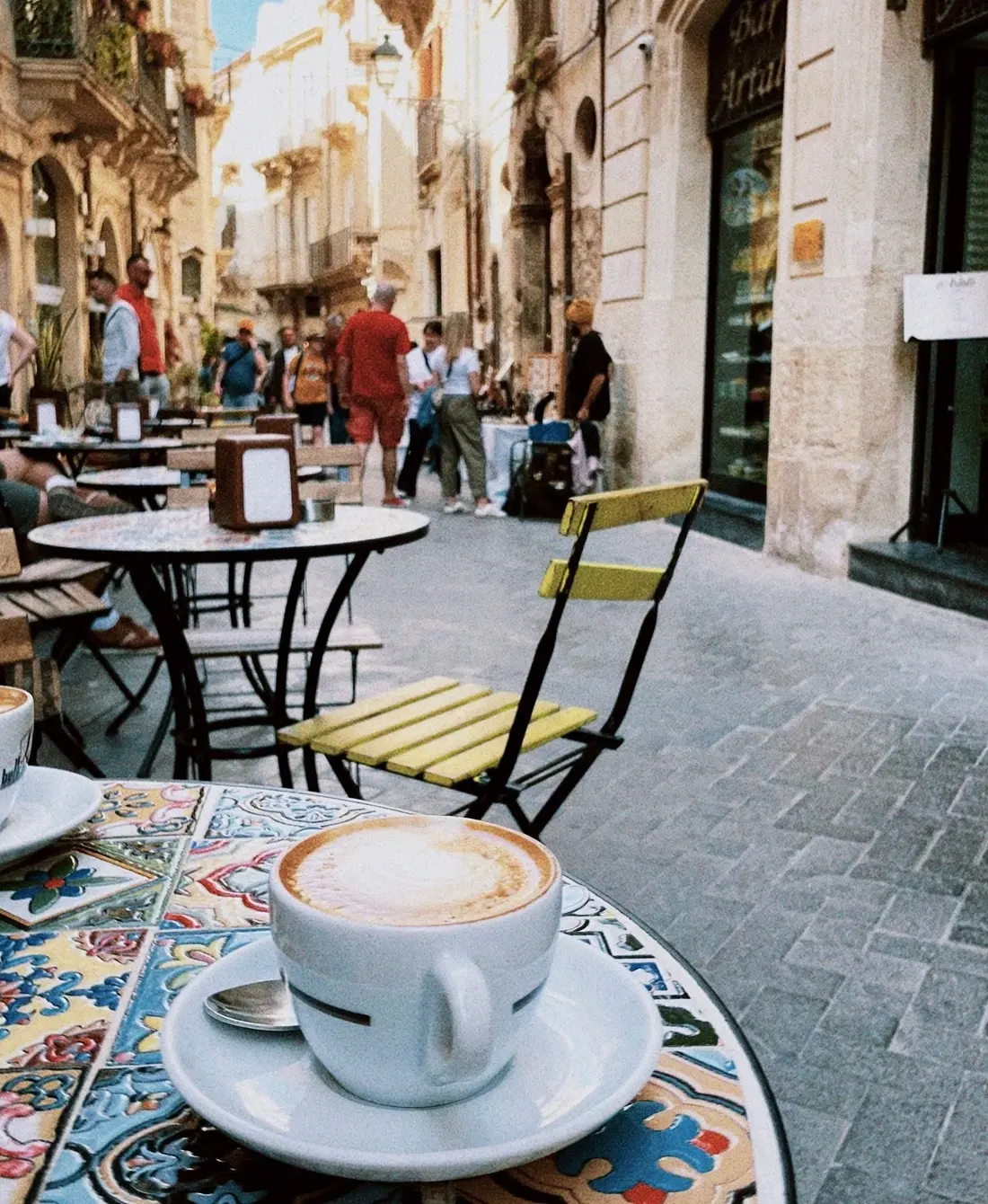
Italians Don't Spend Hours Over a Cup of Coffee
Another interesting difference is the way Italians drink their coffee.
In many countries, coffee means long conversations, working on a laptop, or lingering in a café for hours.
In Italy, coffee often lasts less than five minutes.
People walk into a café, order an espresso, drink it standing at the counter, exchange a few words with the barista, and continue with their day. That's why Italian coffee bars have a completely different atmosphere from the cafés many visitors are used to.
So, What If You Still Want a Cappuccino?
Nothing at all.
The barista will prepare it with the same care as they would in the morning - without comment or a smile suggesting you've just broken one of Italy's most famous unwritten culinary rules.
Still, if you'd like to feel like a local, even for a moment, simply order an espresso after lunch.
It may only last a few sips, but in that simple ritual lies one of the reasons why coffee in Italy is so much more than just a drink. It's a small daily tradition that has remained almost unchanged for generations.