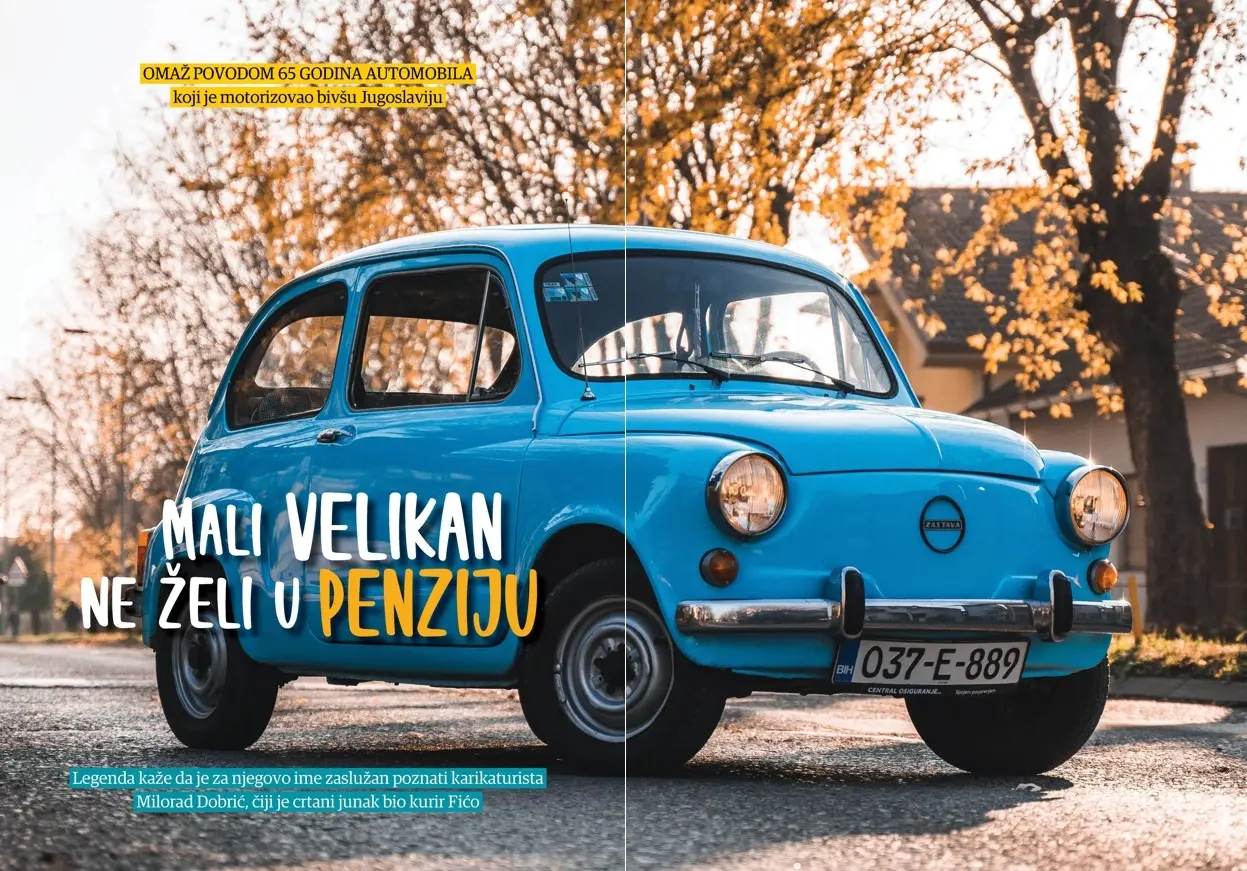
The Little Giant That Refuses to Retire

![[object Object]](https://api.hedonistmagazine.net/storage/images/2026/04/a030f39e-79b5-403f-a262-fcb59eb8f86d.webp)
It has been branded with many slogans: “All cars are driven, only the Fićo is loved,” “Our fathers learned to drive in it,” “The car that motorized Yugoslavia.” It has always remained modest, unique, and unmistakable. Simply put - the Fićo.
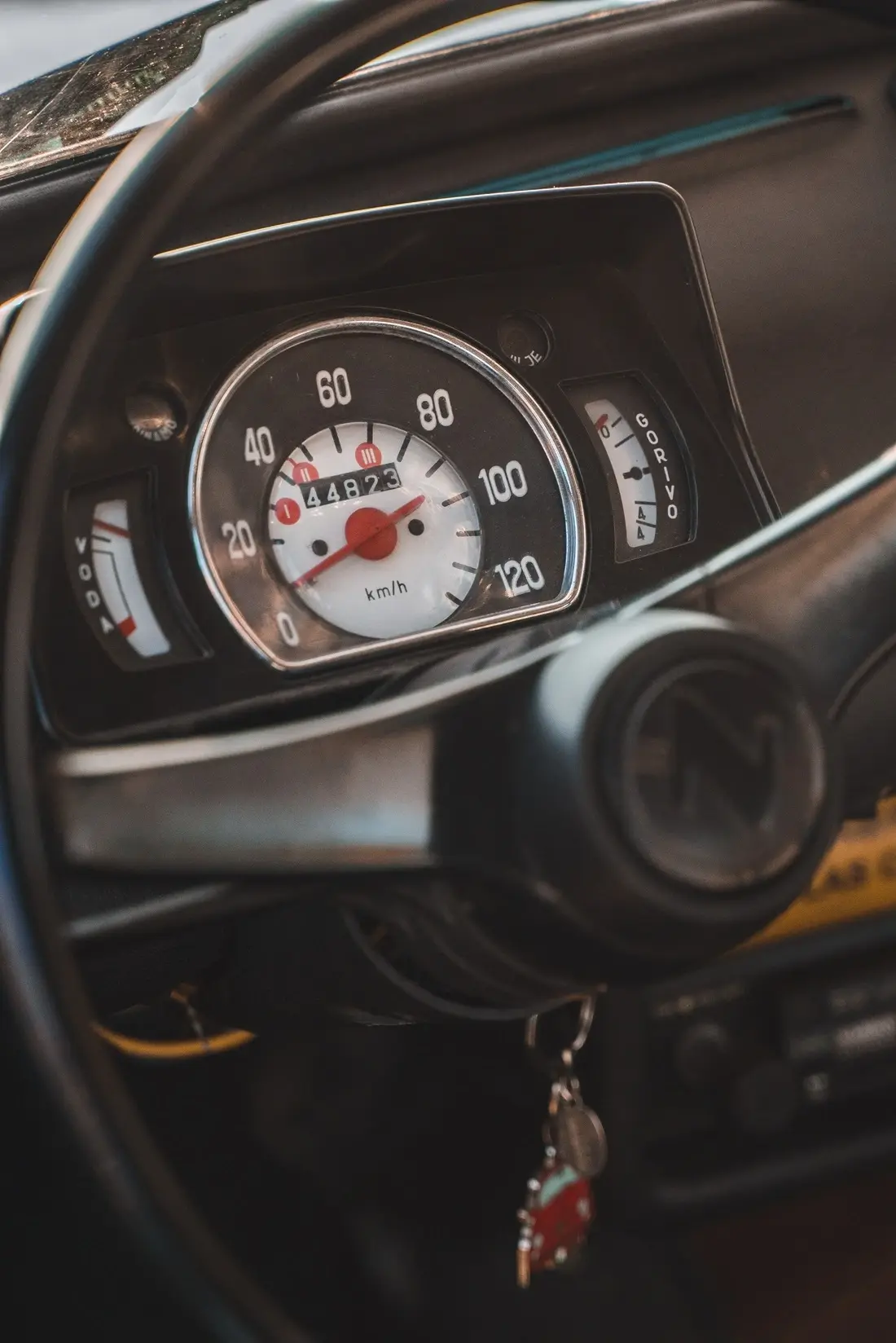
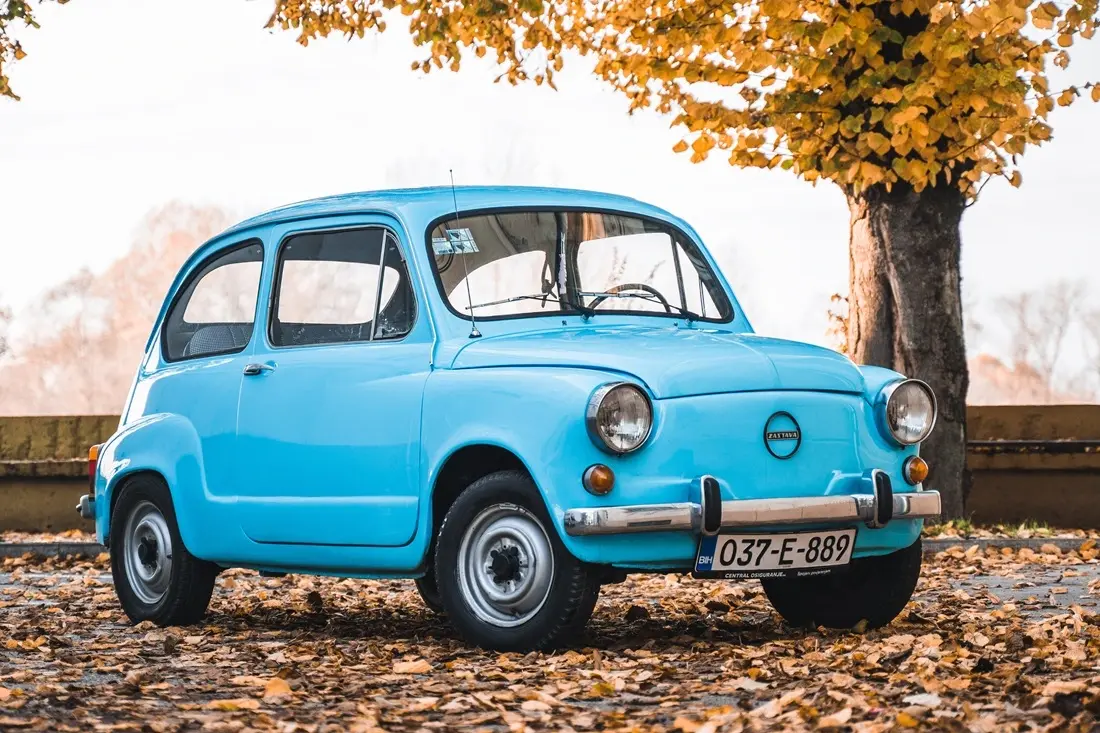
Its official designation was Zastava 750, with later versions marked by different numbers indicating minor redesigns and technical upgrades. Under ideal conditions, its engine could reach around 120 km/h. Legend has it that its name came from cartoonist Milorad Dobrić, whose comic character was a courier named Fićo. Whether for that reason or another, workers at the Kragujevac factory began calling the car fića or fićo back in 1955, even though the rear still bore the badge Fiat 600, the model it was built under license from for a full 30 years.
The country where it was produced no longer exists, but the nostalgia it evokes is only growing stronger - along with the affection for this charming four-wheeler.
Even those who know little about cars know what a Fićo is. That’s why we chose to pay tribute once again to this small giant, marking its anniversary. The first Kragujevac-built Fićo rolled off the line in 1955, yet this little car shows no intention of retiring. While it’s not known as indestructible like the VW Golf, enthusiasts’ associations say that several hundred Fićos are still on the road today. Some barely run, while others are restored and revitalized thanks to people who see in them not just a car, but a symbol of a sweeter, simpler life - what many would call dolce vita.
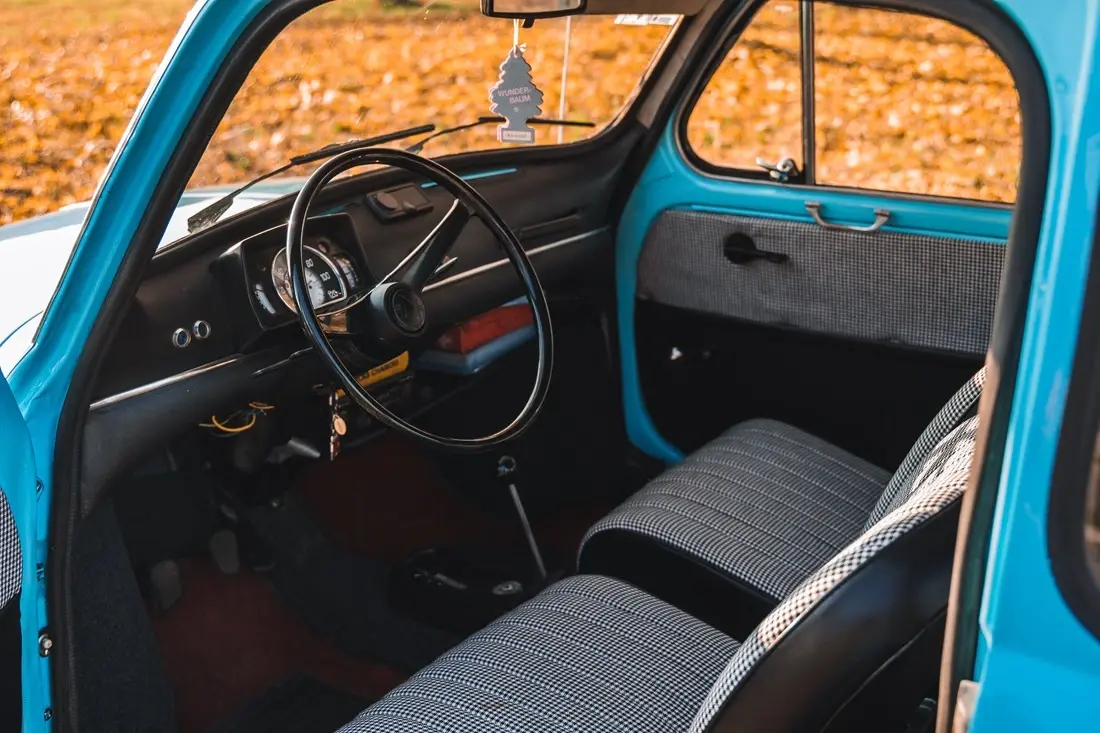
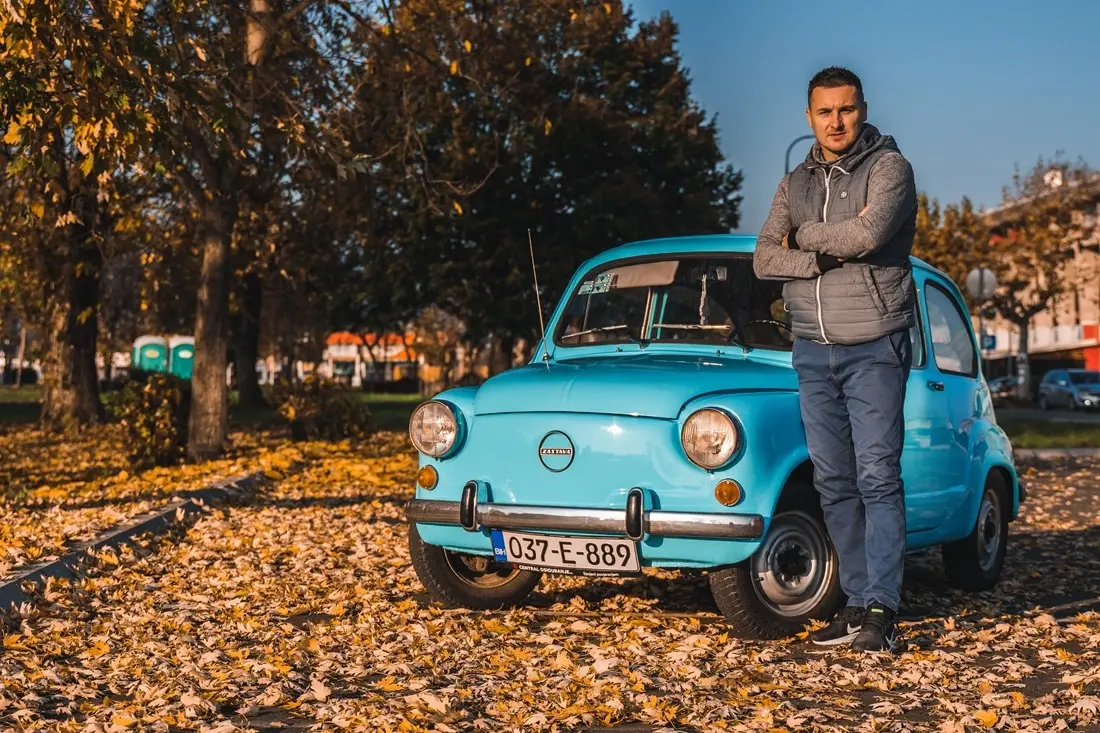
One such example belongs to Branko Tomić from Gradiška. As his polished Fićo stands proudly parked on a carpet of fallen leaves, it makes you want to pause, slow down, take a deep breath, and travel back a few decades - when life moved at a gentler pace, when cars had soul, and when size and shine weren’t measures of success. You imagine framing a photo of this car, once used by a family of four for trips to the seaside, with extra luggage tied to the roof rack - a common “upgrade” back in the day.
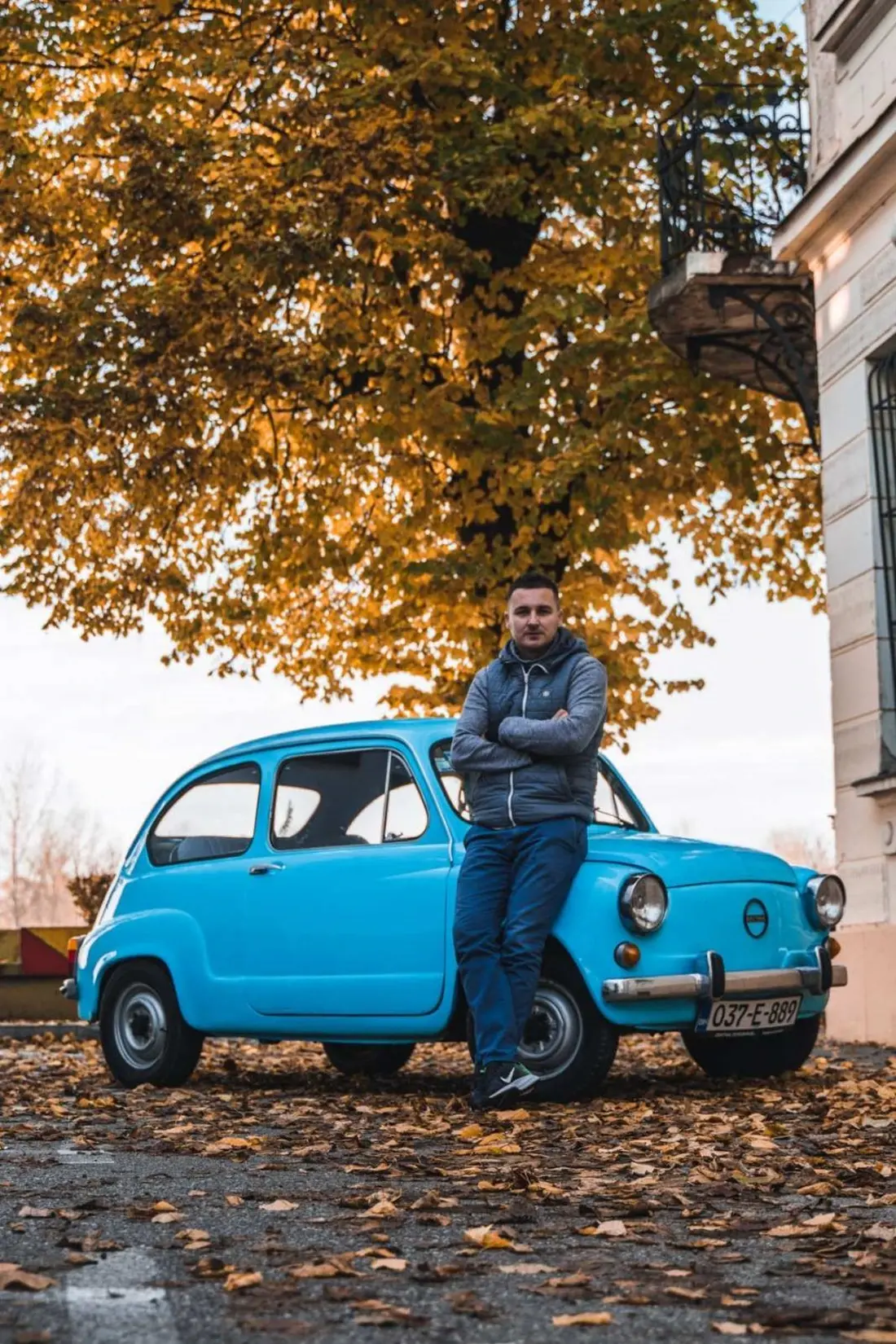
“Today, when I listen to older people talk about their adventures, trips to the coast, journeys to Trieste for jeans, I feel the urge to do the same. Honestly, I’d love to take a long trip in my Fićo. If everything goes according to plan, I’m heading to the Adriatic, maybe even further,” Tomić says.
He recalls how, as a boy, he dreamed of owning a car - and the most realistic option at the time was a Fićo.
“Towards the end of elementary school, I bought my first Fićo with my savings. That’s when the love started, and in recent years, it grew into a desire to extend the life of these cars by restoring them with a few friends. I’ve owned five Fićos in total, and currently have two. I’m not a mechanic, but the mechanics are simple - any owner knows the basics: spark points, distributor, belt, flange… It’s all straightforward,” he explains.
Historical records show that in the early 1950s, the Kragujevac-based Zastava launched an international tender seeking a foreign partner. Companies like Renault, Rover, Austin, Willys, Alfa Romeo, and Fiat applied. After testing, Fiat was selected. When the Italians unveiled the compact and economical Fiat 600 at the Geneva Motor Show, a star was born. The license was sold to several countries, including Yugoslavia. In the first year, only 25 cars were produced.
“We had no proper tools - we even made our own screwdrivers. At first, we could assemble maybe three cars a day. For years, very few workers could afford a Fićo. You’d see only a handful in front of the factory. It was expensive, about 450,000 dinars, while my salary was 9,000 dinars. That’s 50 salaries,” said Milun Aleksić, a production controller at Zastava, in a 1985 interview.
902,000 units sold
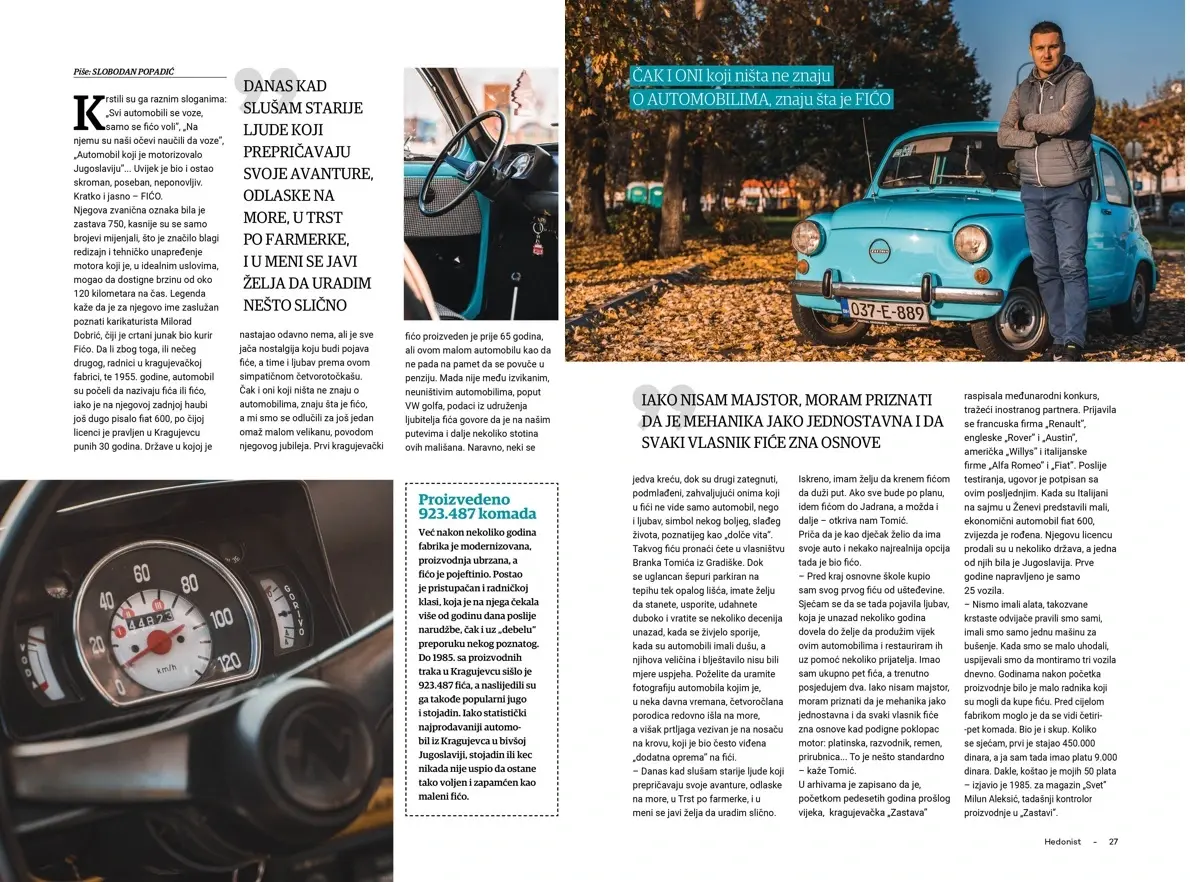
Within a few years, the factory modernized, production increased, and the Fićo became more affordable. It finally reached the working class, though buyers often waited over a year after ordering - sometimes even with strong recommendations. By 1985, a total of 902,347 units had been produced. It was later succeeded by the equally popular Yugo and Stojadin. Despite being the best-selling model from Kragujevac, neither managed to remain as beloved and memorable as the Fićo.
“National Class”
The Fićo also became a symbol across all layers of society. It was used by police, ambulances, the army, firefighters, and everyday people. Thanks to Dragan Nikolić and the cult film National Class (1978), it even became a movie star. On the film poster, alongside the main character, a race car driver, stands a black Fićo covered in sponsor decals, including brands like Vuteks and Tigar.
- Written by: Slobodan Popadić / HEDONIST
- Originally published in HEDONIST Magazine, Issue 03, 2020