

Vespa: The Scooter That Became a Symbol of Italy and Freedom

![[object Object]](https://api.hedonistmagazine.net/storage/images/2026/06/5bcacbd0-c9b6-4711-bd40-249aec49f7f2.webp)
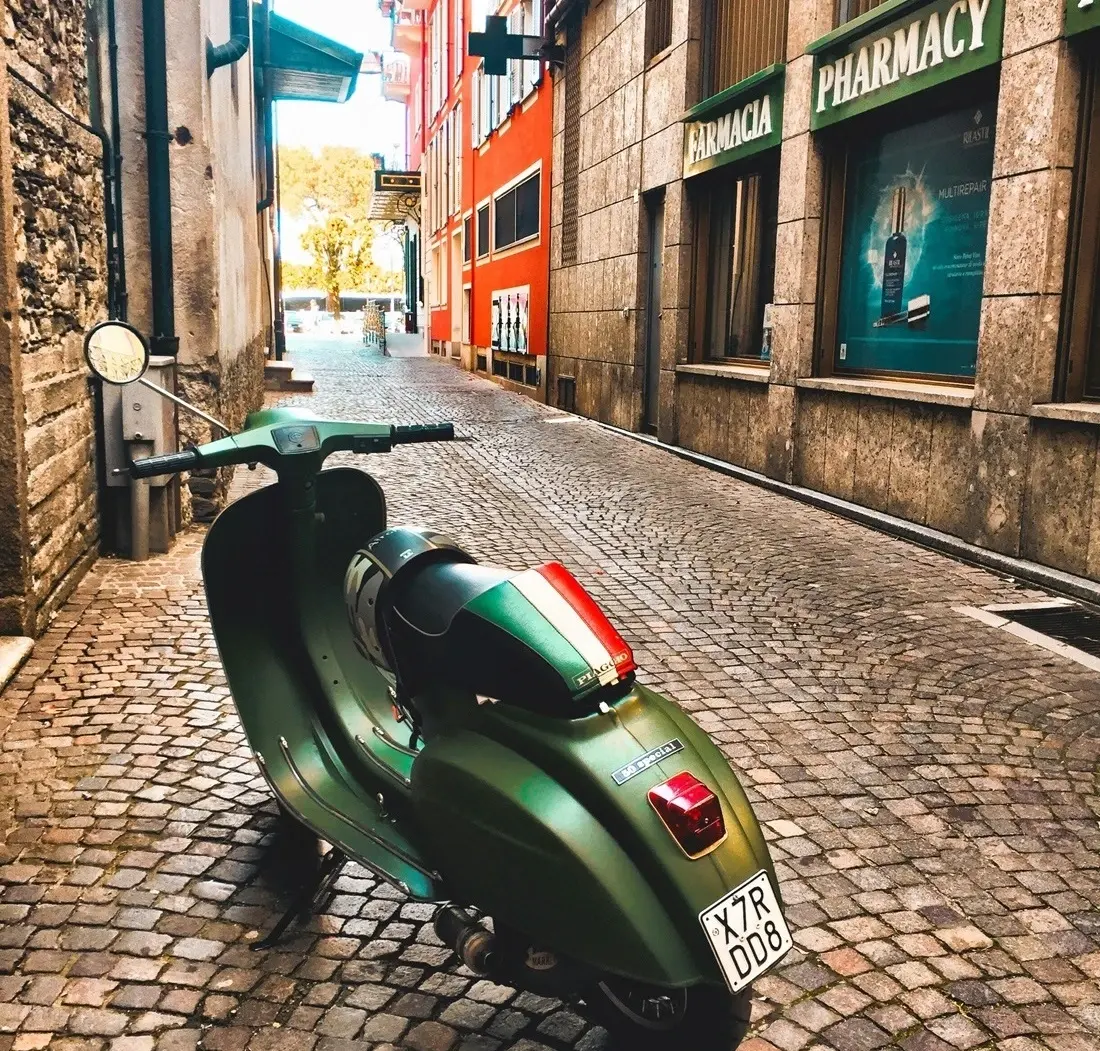
Few products have managed to outgrow their original purpose and become part of a nation's identity. Vespa is undoubtedly one of them. Over nearly eight decades, it has evolved into far more than a scooter - it has become a symbol of the Italian way of life, an essential feature of classic cinema, a fashion icon, and one of the most recognizable examples of European design.
Today, it is almost impossible to imagine Rome, Florence, or the Amalfi Coast without their unmistakable silhouettes, just as it is difficult to talk about the Italian lifestyle without mentioning the Vespa.
How Vespa Was Born
The story of Vespa begins in post-war Italy. The country needed an affordable and practical means of transportation - one that was simple to use, inexpensive to maintain, and accessible to ordinary people.
Piaggio, a company previously known for manufacturing aircraft, decided to apply its engineering expertise in a completely new direction. The project was entrusted to engineer Corradino D'Ascanio, who, interestingly enough, was far more passionate about airplanes than motorcycles. Rather than designing another conventional motorbike, he envisioned a vehicle that would be cleaner, more comfortable, and easier to ride.
The engine was enclosed beneath the bodywork to prevent riders from getting their clothes dirty; the flat floorboard made mounting and dismounting effortless, and the riding position was designed to be approachable even for those with no previous experience on two wheels. When the first Vespa was introduced in 1946, few could have imagined that a future global icon had just been born.
Why Is It Called Vespa?
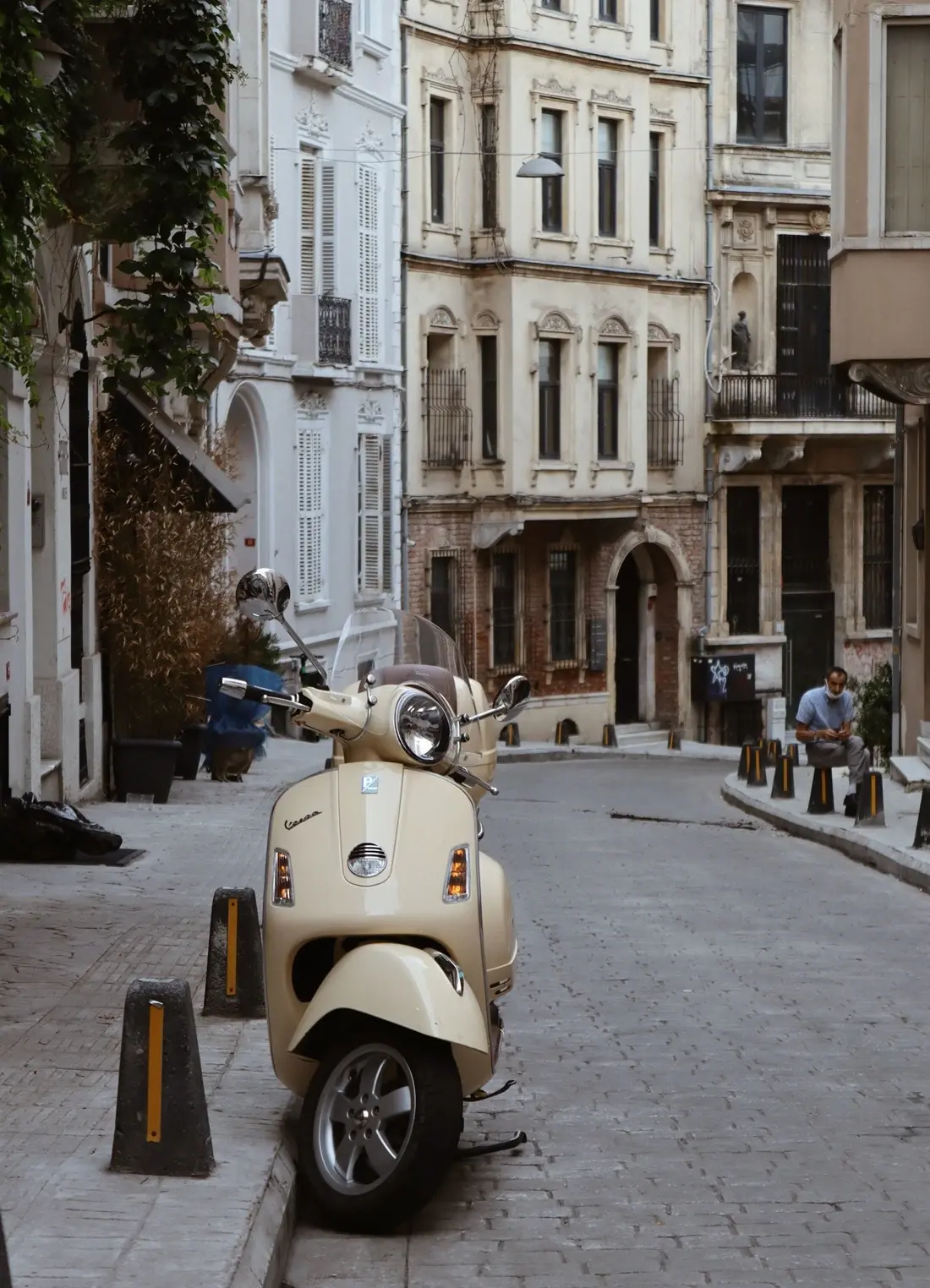
The name came about entirely by chance. When Enrico Piaggio first saw the prototype, he is said to have exclaimed, "Sembra una vespa!" - "It looks like a wasp!"
Its wide rear, narrow waist, and distinctive engine sound reminded him of the insect's shape and buzzing. The name was immediately adopted and, over time, became one of the most recognizable brands in motorcycling.
Few products have a name that so perfectly reflects their appearance while remaining just as memorable nearly eighty years later.
Audrey Hepburn, Gregory Peck, and Roman Holiday
Although Vespa quickly became a success in Italy, it was cinema that made it famous around the world.
When Audrey Hepburn and Gregory Peck rode through the streets of Rome in the 1953 classic Roman Holiday, they created far more than one of the most memorable scenes in film history - they gave birth to a legend that endures to this day.
Cruising past the Colosseum, weaving through Rome's narrow streets, and crossing its sunlit squares transformed Vespa into a symbol of freedom, youth, and carefree living. The film won an Academy Award, Audrey Hepburn became an international star, and Vespa's sales surged across global markets.
Many design historians believe that no advertising campaign has ever done as much for a product as Roman Holiday did for Vespa.
La Dolce Vita on Two Wheels
The 1950s and 1960s were the decades in which Italy became synonymous with elegance, fashion, cinema, and the Mediterranean lifestyle. It was during this period that Vespa evolved beyond its practical role and became part of the country's cultural identity.
People rode it to work, to the seaside, shopping, or simply out for an evening ride with no particular destination. Unlike motorcycles that emphasized speed and power, Vespa offered a different kind of experience. It encouraged a slower pace, inviting riders to enjoy the streets they were passing through rather than simply rushing toward their destination.
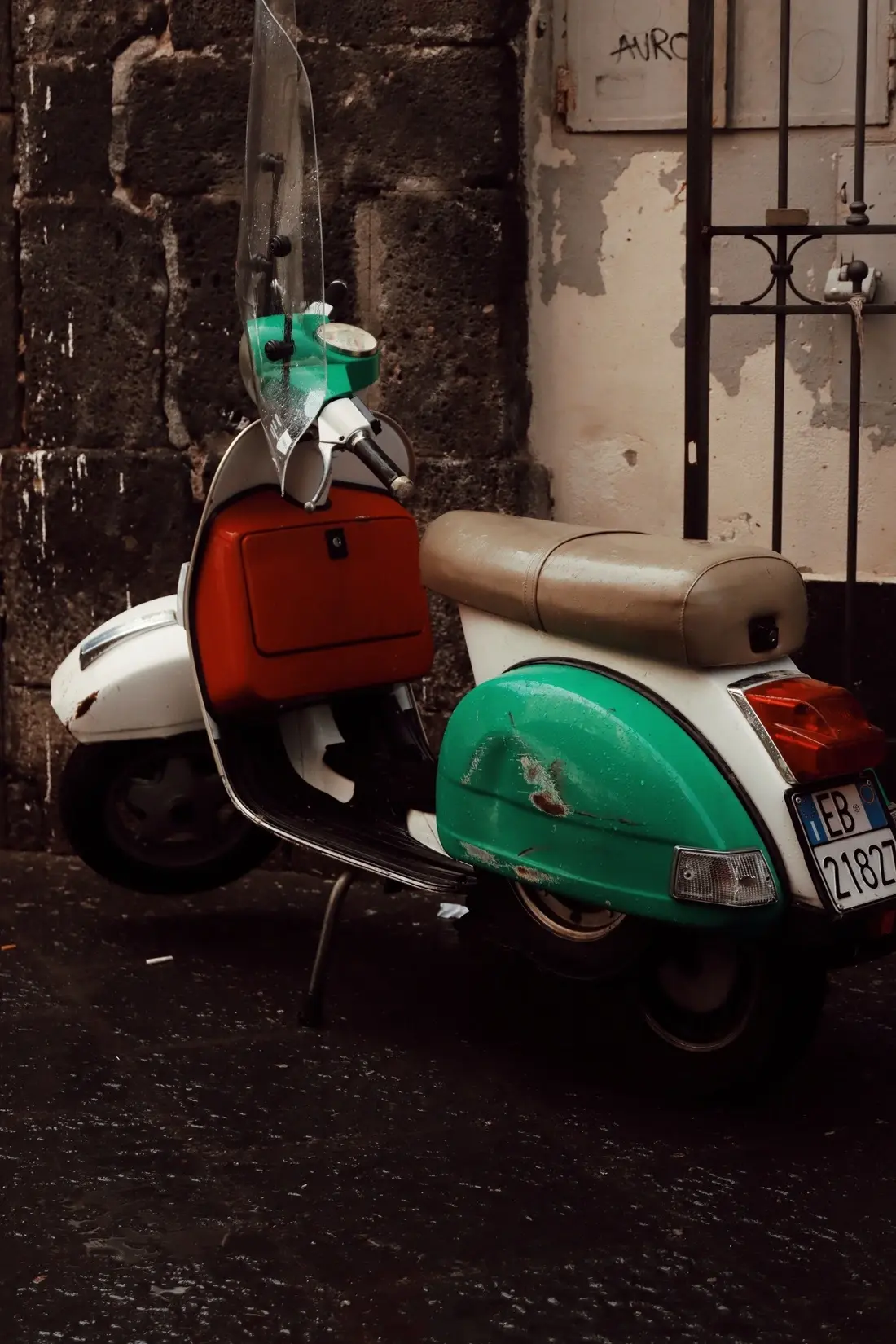
That is precisely why it became the perfect expression of la dolce vita - a philosophy in which a morning espresso, a conversation in the piazza, dinner with friends, and a leisurely ride along the coast all hold equal value. It is no coincidence that Vespa continues to appear in countless photographs that define Italy today.
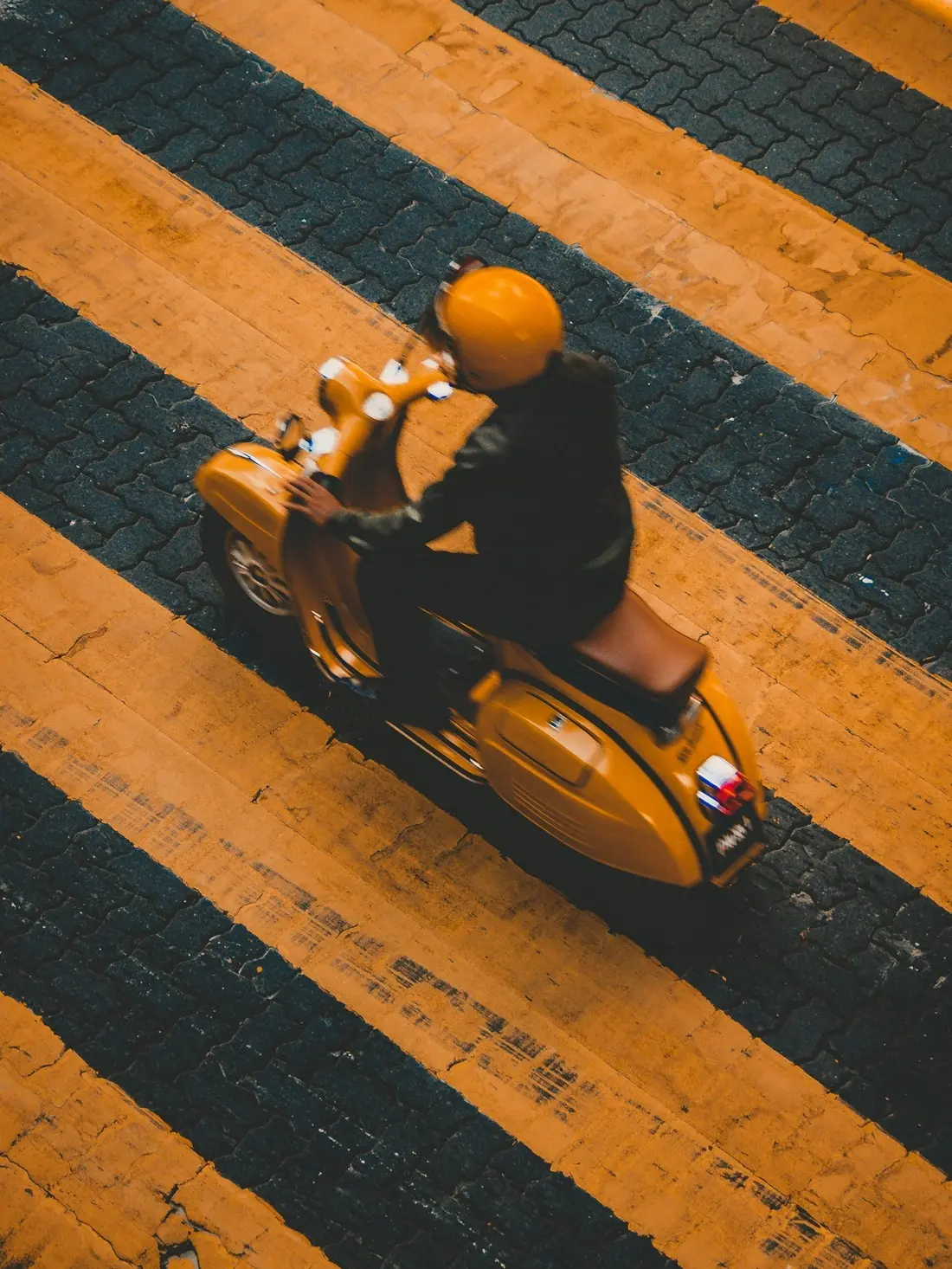
Why It Remains a Style Icon
The automotive and motorcycle industries have changed dramatically over the past few decades, yet Vespa remains instantly recognizable at first glance. Its design has evolved only enough to meet the demands of modern times, while its unmistakable silhouette has remained virtually unchanged.
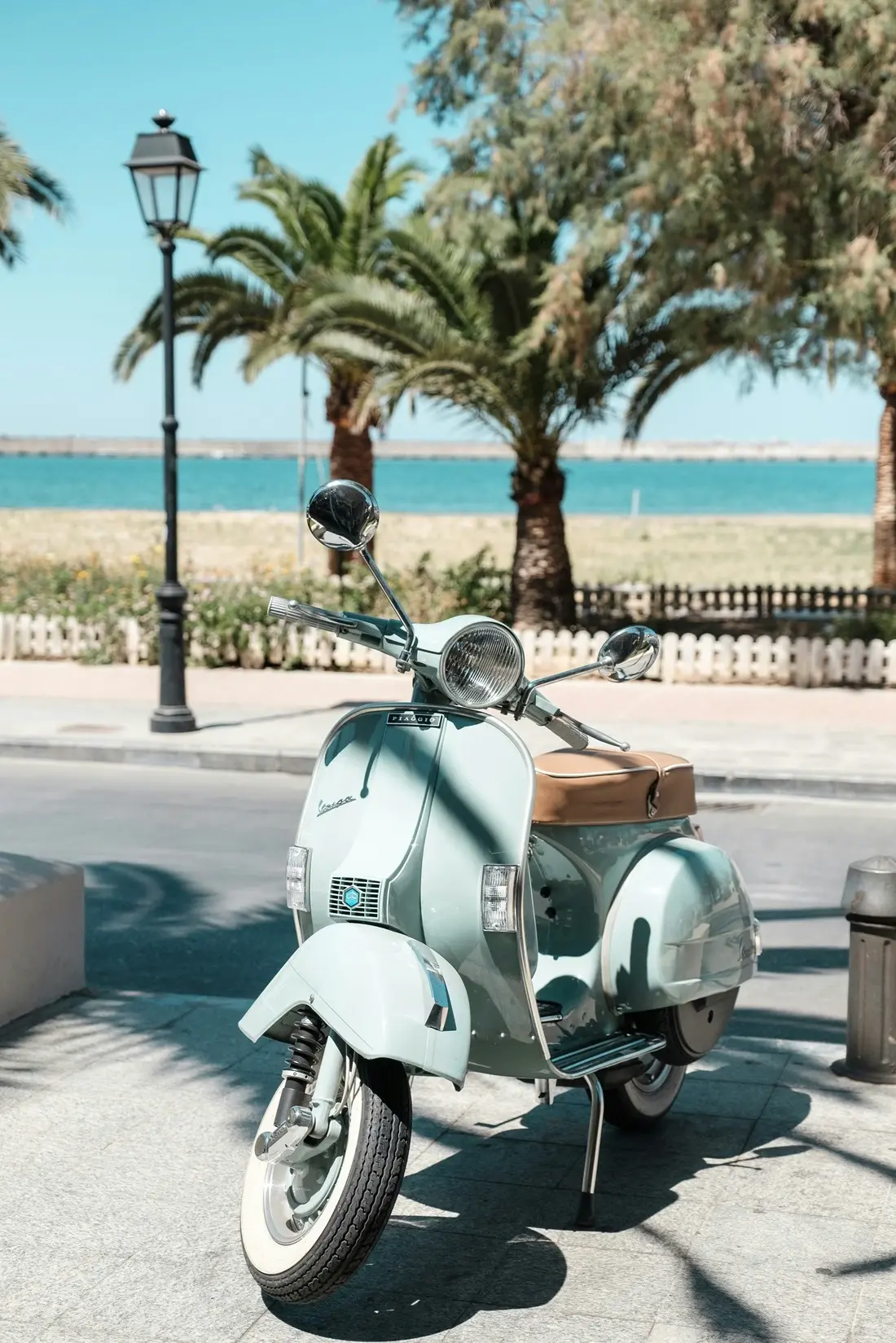
That is perhaps its greatest achievement. While many vehicles become outdated within just a few years, Vespa has become a timeless object of desire. Today, it feels equally at home parked outside a luxury hotel on the Ligurian coast, weaving through the narrow streets of Naples, or standing beside a charming café in Tuscany.
It may not be the fastest or the most powerful scooter ever built, but very few two-wheelers have achieved the status of a cultural icon. That is why Vespa continues to appear in fashion editorials, advertising campaigns, films, and travel postcards just as frequently as Italy's most famous landmarks themselves.
Related articles
Porsche: The Mediterranean Side of German Discipline
On paper, Porsche seems like the perfect definition of German discipline: precision, engineering obsession with detail, and an almost mathematical devotion to driving. Yet the most beautiful Porsche moments rarely have anything to do with discipline.
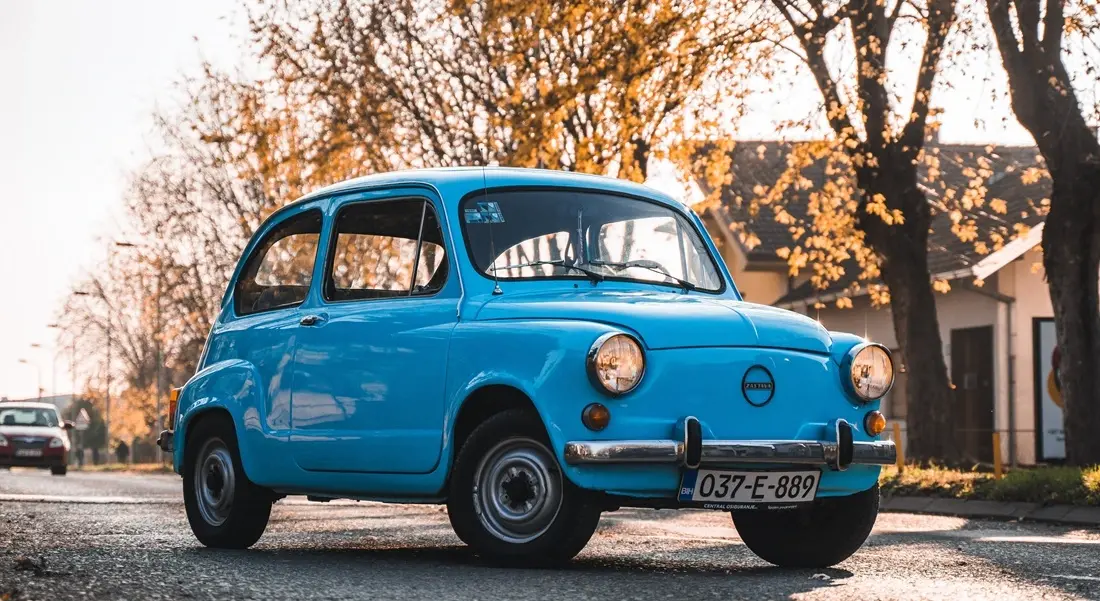
The Little Giant That Refuses to Retire
It has been branded with many slogans: “All cars are driven, only the Fićo is loved,” “Our fathers learned to drive in it,” “The car that motorized Yugoslavia.” It has always remained modest, unique, and unmistakable. Simply put - the Fićo.
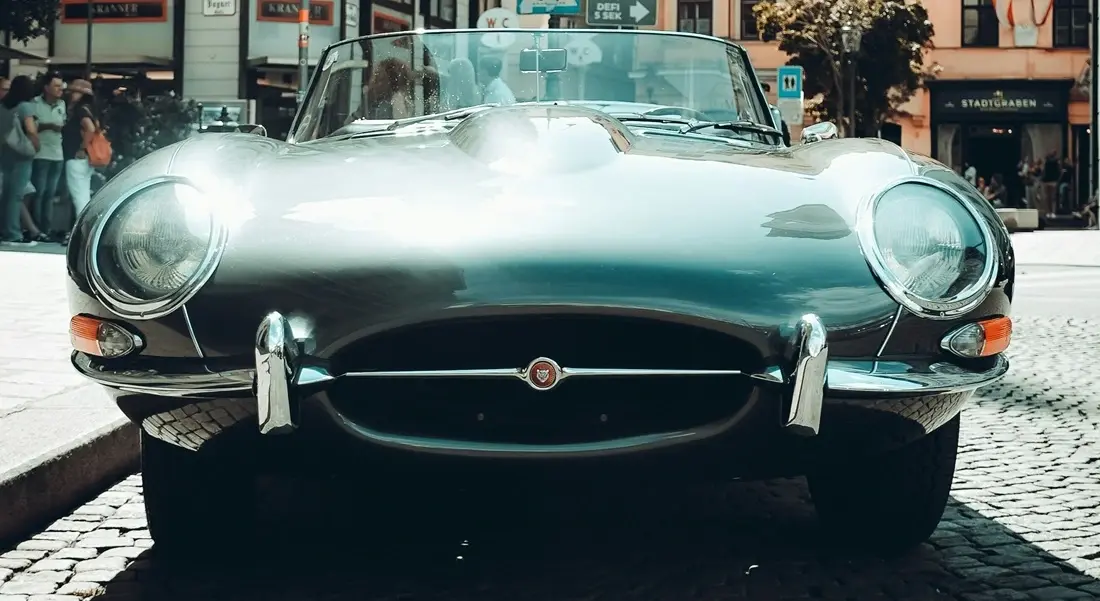
Cars That Became Art
There are cars built to last. And there are those built to be remembered. The classics in this story have long left the garage and entered the history of design. Their lines, proportions, and details are not just technical solutions - they are pure aesthetics. They are not seen merely as transportation, but as sculptures on wheels.
When a Car Becomes a Work of Art
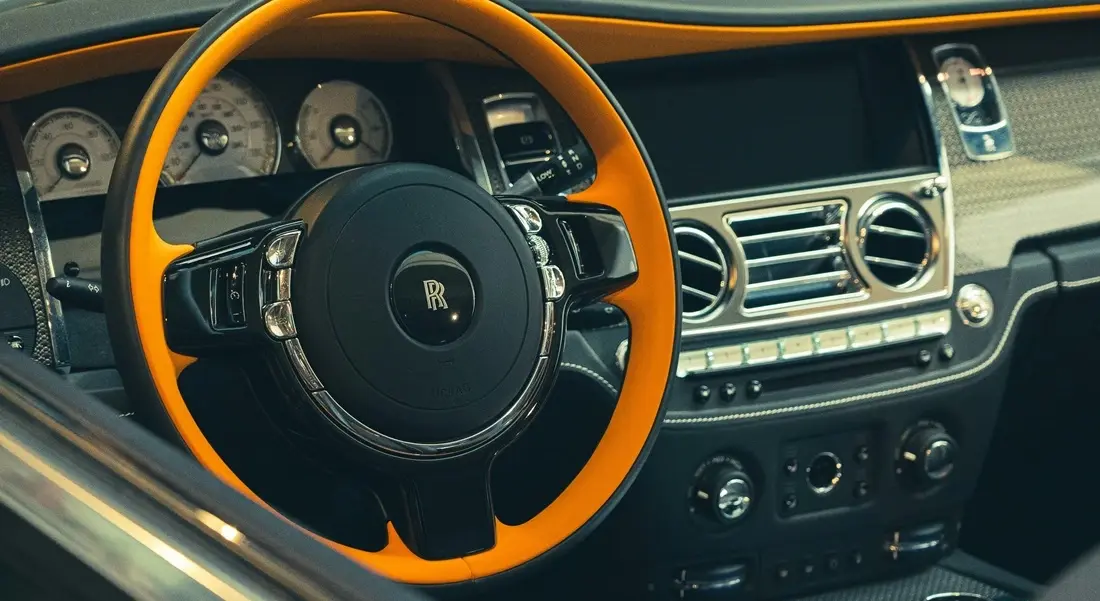
In a world where luxury is no longer defined by necessity but by experience, there are cars that are not simply bought - they are created. They do not wait for their owners in showrooms; instead, they emerge through conversations, sketches, and months of handcrafted work, shaped according to the desires of individuals for whom price has never been the deciding factor.