

The Watch That Went to the Moon: How the Omega Speedmaster Became a Legend

![[object Object]](https://api.hedonistmagazine.net/storage/images/2026/07/c300699e-62fa-490d-ac11-94a2a4fb443d.webp)
On July 20, 1969, more than 600 million people around the world sat in front of their television sets, waiting for a moment no previous generation had ever imagined possible. The black-and-white images were grainy, the signal faded in and out, and voices from space arrived through bursts of static and interference. Yet no one looked away. Humanity was about to witness its first footsteps on another world.
Neil Armstrong became the face of that historic achievement. His words - "That's one small step for man, one giant leap for mankind" - echoed across the globe and secured their place in history. Hidden behind one of the twentieth century's most iconic images, however, is a detail that many people still don't know.
The first watch to reach the surface of the Moon was not on Armstrong's wrist.
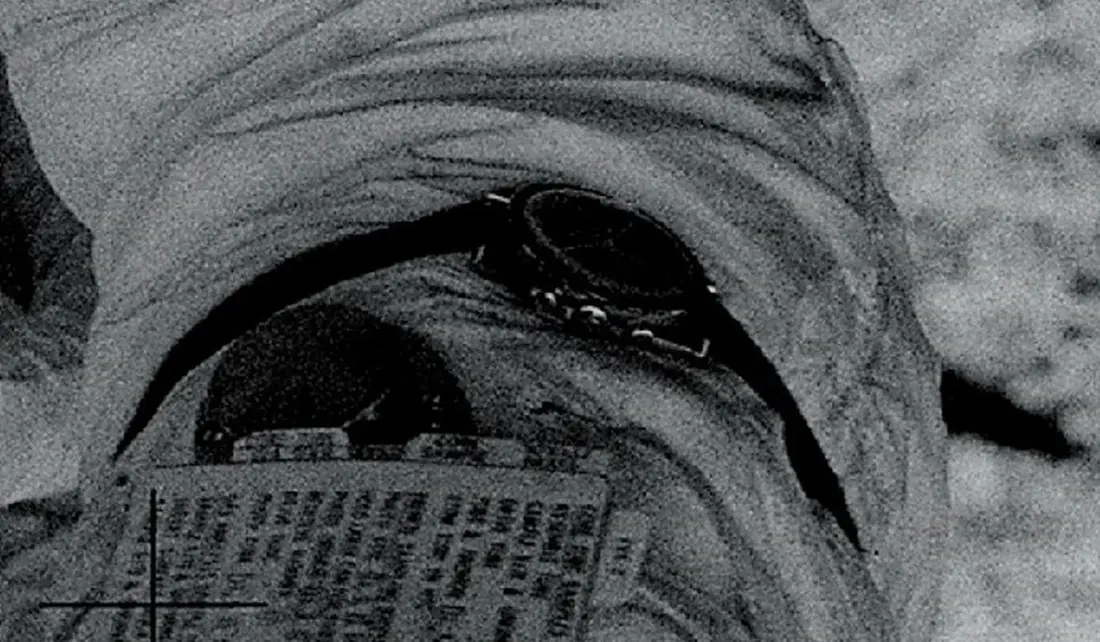
Moments before leaving the lunar module Eagle, Armstrong removed his Omega Speedmaster and left it inside. The module's electronic timing system had begun showing irregularities, and NASA decided that the mechanical watch should remain aboard as a backup in case the onboard timer failed. Minutes later, Buzz Aldrin climbed down the ladder and stepped onto the lunar surface. Fastened to his left wrist was the watch that would become part of history: the Omega Speedmaster Professional.
In that instant, it became more than the first watch worn on the Moon. It became the symbol of an era - a testament to the idea that exceptional industrial design can sometimes outlast even the greatest technological breakthroughs of its time. The irony is that the Speedmaster was never designed for space. Its designers had not been thinking about zero gravity, vacuum, or extreme temperature swings. When it was introduced in the late 1950s, it belonged to an entirely different world: motor racing, stopwatches in drivers' hands, and measuring speed on asphalt. The journey from the racetrack to the Moon was so improbable that no one could have planned it.
And that is precisely why the story of the Omega Speedmaster is not simply the story of a watch.
It is the story of an era when humanity believed that almost every frontier could be crossed.
Switzerland, the Nation That Measured the World's Time
To understand why it was the Speedmaster that ultimately reached the Moon, we must travel back more than a decade - to Switzerland in the 1950s.
In the years following the Second World War, Swiss watchmaking stood at the height of its influence. While Europe rebuilt shattered cities, watchmakers in Biel, Geneva, Le Locle, and the Vallée de Joux continued refining the mechanical movements that had become synonymous with precision. A Swiss watch was no longer merely an instrument for telling time. It was a masterpiece of engineering, a machine composed of hundreds of tiny components working together in near-perfect harmony.
Competition was fierce. Rolex had earned a reputation for rugged waterproof watches. Longines was renowned for its precision chronographs. Jaeger-LeCoultre was admired for its sophisticated complications, while Patek Philippe and Vacheron Constantin represented the pinnacle of traditional haute horlogerie.
Omega occupied a distinctive place among them. Founded in 1848, the company had spent decades building exceptionally reliable movements, and its watches had already been trusted at Olympic Games, scientific expeditions, and major sporting events around the world.
Yet Omega was not the luxury icon collectors know today. It was, above all, a manufacturer of precision instruments. Reliability mattered more than prestige. Function came before status. That philosophy would prove decisive only a few years later.
The 1950s were defined by speed. Motor racing was entering a golden age, aviation was breaking record after record, and technological progress seemed to accelerate with every passing month. Formula One was becoming an international spectacle, the 24 Hours of Le Mans captivated the world's finest drivers, and manufacturers increasingly turned to motorsport to demonstrate the performance of their machines.
Omega recognized the moment. The company believed that racing drivers needed more than an elegant wristwatch. They required a professional instrument capable of measuring lap times, calculating average speed, and recording the fractions of a second that separated victory from defeat.
From that vision, the Speedmaster was born.
A Watch Built for Life at Full Speed
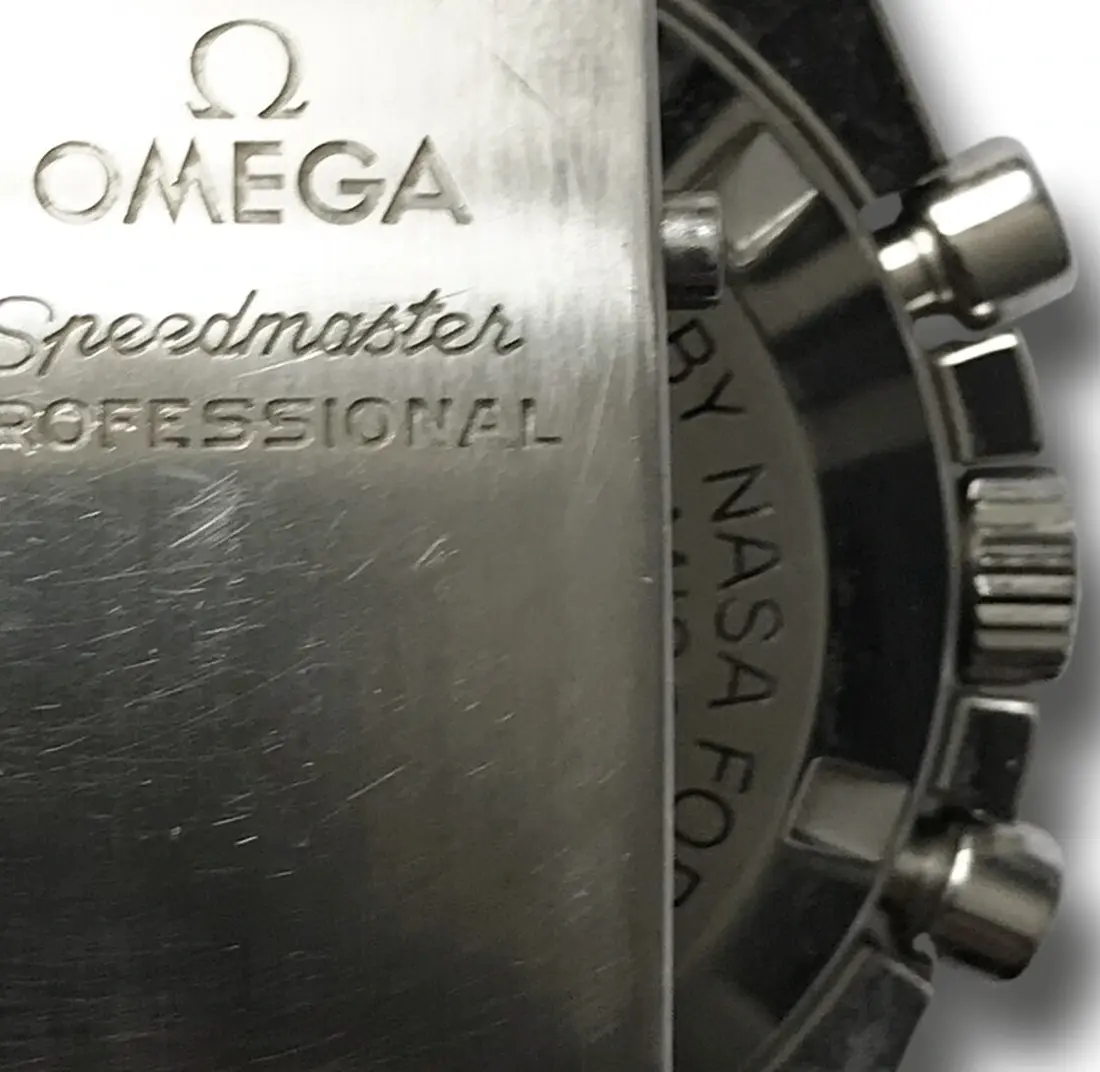
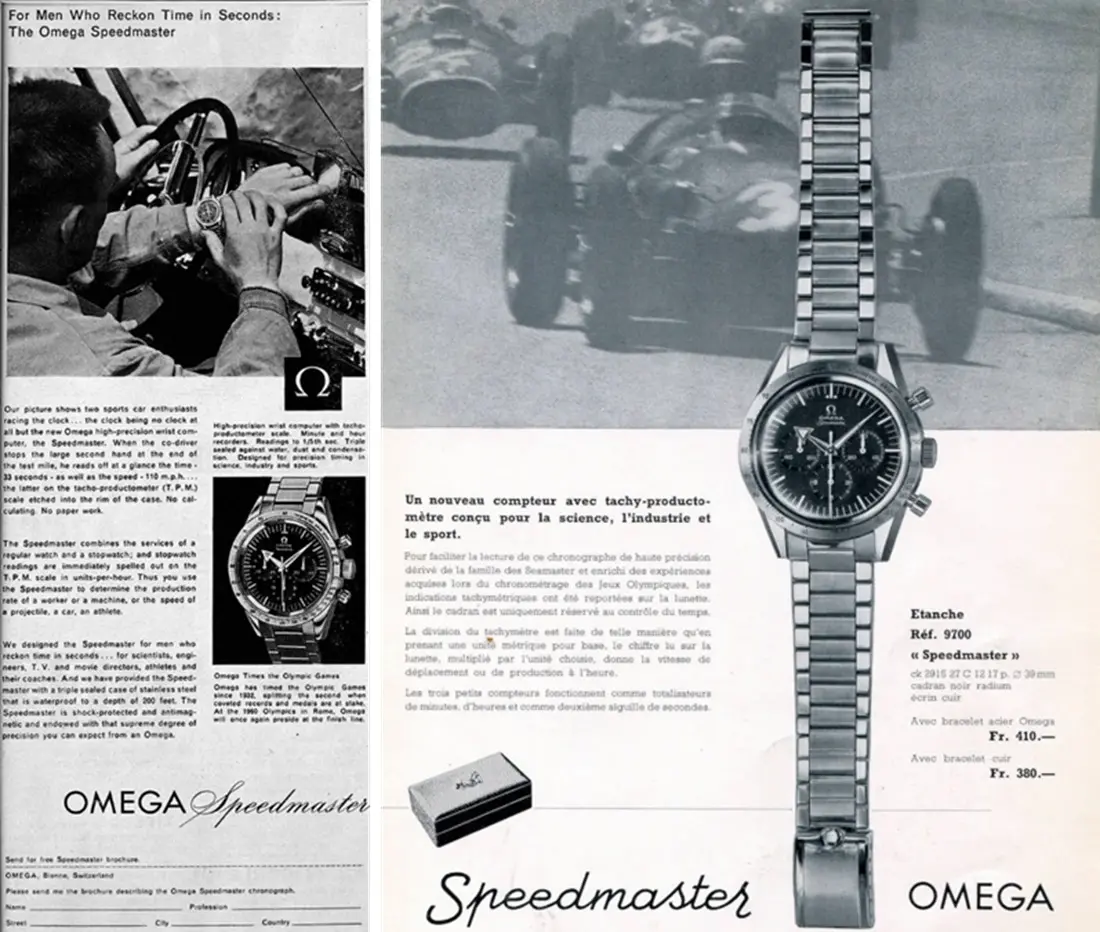
When the first Omega Speedmaster CK2915 was introduced in 1957, few could have imagined it would become one of the most celebrated watches in history. Unlike most chronographs of its era, the Speedmaster was never intended to complement a business suit or serve as a symbol of elegance. From the very beginning, it was designed as a professional instrument. Its large dial offered exceptional legibility, the high-contrast hands remained easy to read even in poor lighting, and its robust stainless-steel case, paired with a dependable mechanical movement, was built to withstand demanding conditions.
Its most groundbreaking innovation, however, was found around the edge of the case. The Speedmaster became the first serially produced chronograph to place its tachymeter scale on the bezel rather than on the dial itself. Today, that configuration feels completely natural, but in the late 1950s it represented a significant leap forward in watch design. By relocating the scale, Omega created a cleaner, more readable dial while making it considerably easier for racing drivers to calculate average speed at a glance.
The name Speedmaster was no accident. From the outset, the watch was conceived as a professional timing instrument for the world of motorsport. Advertising campaigns paired it with racing cars, driving gloves, and crash helmets, appealing to men whose fortunes could be decided by a fraction of a second. It belonged to the asphalt, not the stars.
Even Omega could never have predicted that, only a few years later, this racing chronograph would find its way onto the wrists of men piloting spacecraft instead of sports cars. History, it seems, has a habit of choosing its heroes in the most unexpected ways.
The Space Race Changes Everything
While Omega was perfecting a watch for racing drivers, an entirely different race was unfolding on the other side of the world. The Cold War between the United States and the Soviet Union was fought not only through politics and nuclear arsenals, but also in space. Every breakthrough beyond Earth's atmosphere became a powerful demonstration of technological supremacy.
In 1957 - the very year the Speedmaster made its debut - the Soviet Union launched Sputnik 1, the world's first artificial satellite. Just a few years later, Yuri Gagarin became the first human to orbit the Earth. For the United States, these achievements represented far more than scientific milestones; they were blows to national prestige.
President John F. Kennedy responded with one of the most ambitious political commitments of the twentieth century: to land a man on the Moon before the decade was over.
From that challenge emerged the Mercury, Gemini, and Apollo programs - missions that would redefine humanity's understanding of what was possible.
Yet every new step into space raised new questions. How would astronauts measure time if the onboard electronics failed? What would happen if instruments stopped working during a spacewalk? Could an ordinary mechanical wristwatch survive the vacuum of space, extreme temperatures, violent acceleration, and relentless vibration?
NASA understood that these questions could not remain theoretical. The astronauts needed a watch they could trust when everything else stopped working.
Why Did Astronauts Need a Wristwatch at All?
At first glance, the question seems almost unnecessary. Why would astronauts require a mechanical wristwatch when a spacecraft was filled with sophisticated instruments and electronic systems?
The answer lies precisely in the words mechanical wristwatch.
For all their technological sophistication, the spacecraft's electronic systems were still vulnerable to failure. Astronauts needed a completely independent timing device they could rely on during critical procedures - engine burns, fuel calculations, extravehicular activities, or emergency operations if primary systems became unavailable.
In space, there was no room for improvisation. An error of just a few seconds could mean missing an orbital insertion, miscalculating a maneuver, or jeopardizing the return journey to Earth.
NASA was not looking for a luxury watch or a status symbol. It was looking for a tool. A precision instrument that would continue to function after vibration, shock, vacuum, searing heat, or cold had rendered everything else unreliable.
The problem was that no one knew which watch, if any, could survive such punishment. There was only one way to find out. Test them - under conditions more extreme than any watch manufacturer had ever imagined.
NASA’s Search for a Watch That Could Not Fail
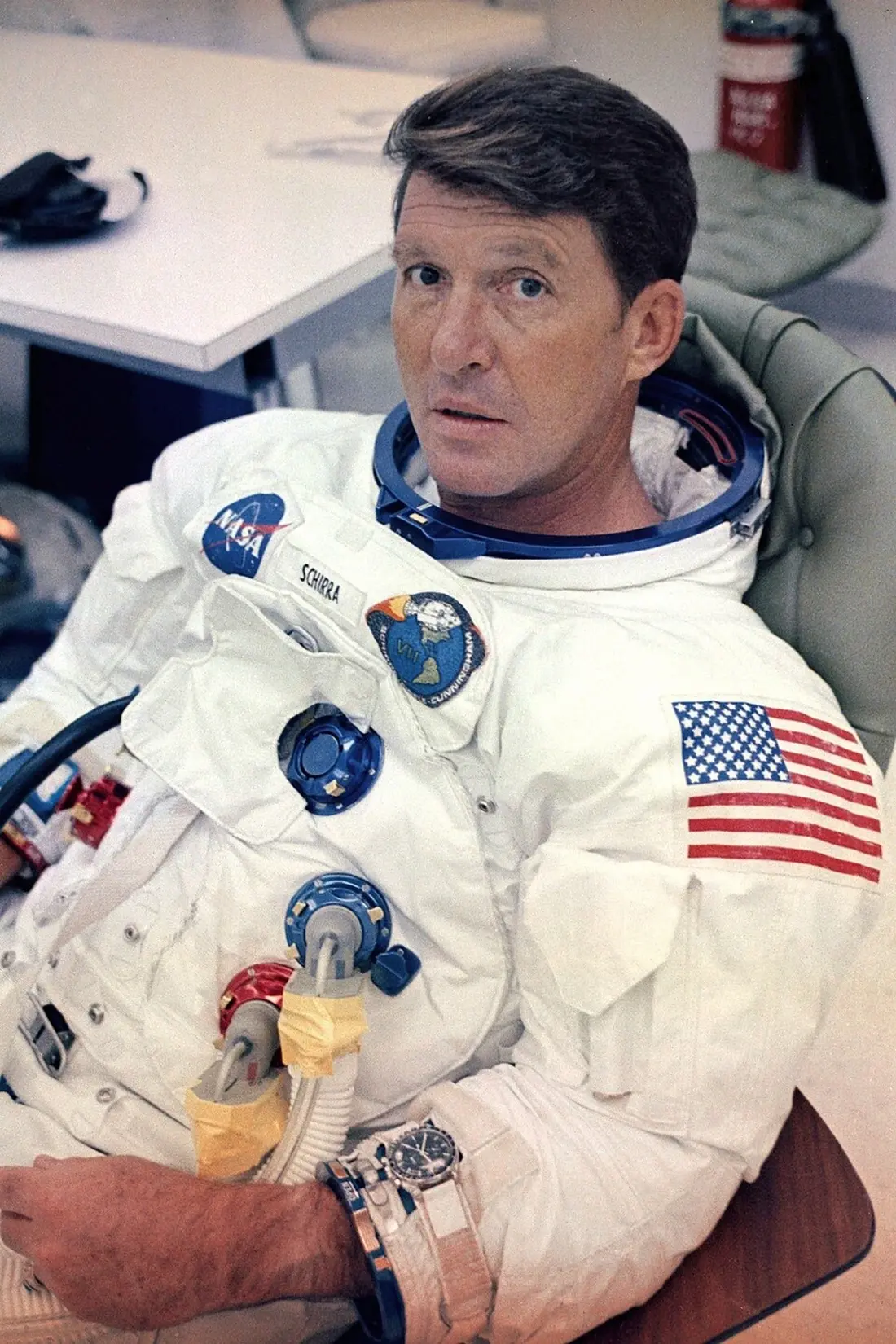
By the early 1960s, NASA was rapidly preparing the Gemini program, the crucial bridge between America’s first human spaceflights and the ultimate goal of landing astronauts on the Moon. For the first time, crews would spend extended periods in orbit, perform spacewalks, and execute the complex docking maneuvers that would later make the Apollo missions possible. Every one of those operations depended on precise timekeeping - but in conditions unlike anything ever encountered on Earth.
At the time, no watchmaker advertised its products as being “space-qualified.” The category simply did not exist. The world’s finest chronographs had been designed for racing drivers, military pilots, and professional athletes - not astronauts. To determine which of them could survive the hostile environment of space, NASA made a decision that would become legendary in the history of watchmaking.
Rather than requesting specially prepared prototypes or inviting manufacturers to submit handpicked examples, the agency instructed its engineers to purchase watches anonymously from ordinary retail stores.
The reasoning was straightforward. NASA wanted the same watches available to any customer walking into a jeweler’s shop - no modifications, no factory tuning, no specially assembled versions built exclusively for testing. If an astronaut was going to wear a watch on the Moon, it had to be identical to the one displayed in a store window.
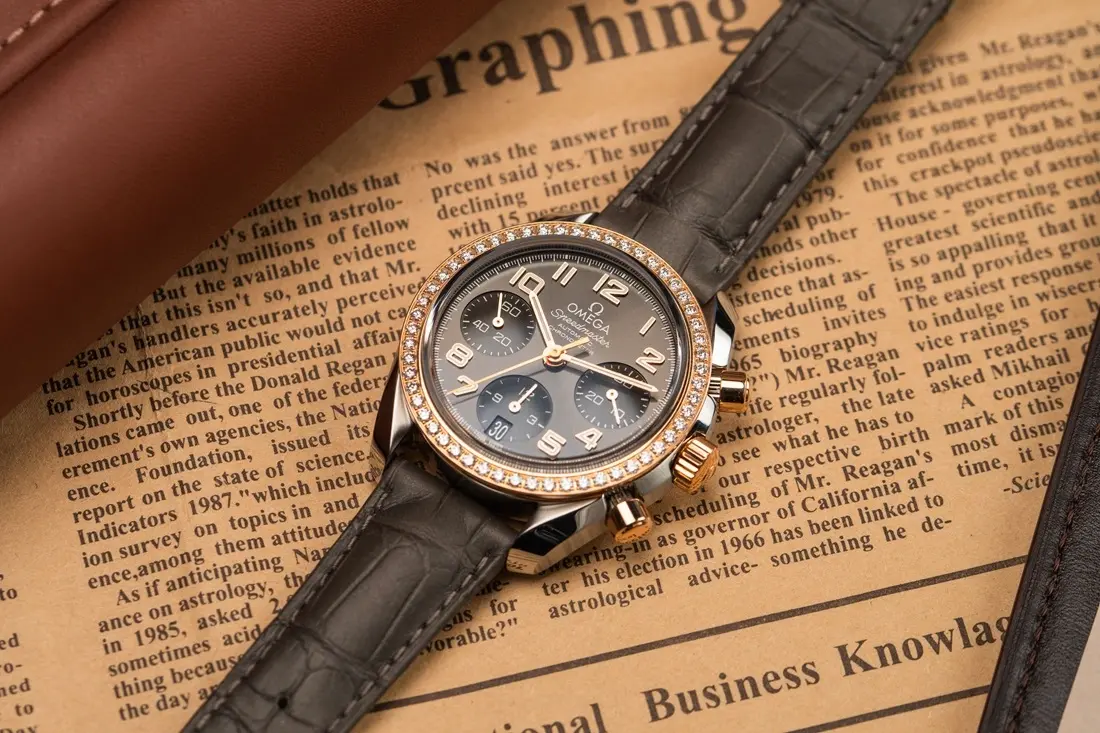
The engineers acquired several of the most respected chronographs of the era, including models from Rolex, Longines-Wittnauer, Hamilton, Bulova, and Omega. Each manufacturer enjoyed an outstanding reputation for precision engineering and believed its watches were capable of handling the toughest professional demands.
None of them, however, had any idea what was about to happen.
The Most Brutal Tests in the History of Watchmaking
NASA was not looking for the most elegant watch, the most prestigious brand, or the most expensive timepiece. It wanted an instrument that would continue to function when almost everything else failed.
To find it, the agency devised a series of qualification tests unlike anything the watch industry had ever seen. More than half a century later, they are still widely regarded as the harshest trials any wristwatch has ever undergone.
The first challenge was extreme heat. For hours, the watches were exposed to temperatures approaching 93°C (200°F) in an environment of nearly 100 percent humidity. Metal components expanded, lubricants changed their properties, and seals were pushed to their limits. Immediately afterward, without any period of adjustment, the watches were plunged into the opposite extreme: –18°C (0°F). They were expected to continue operating with the same precision despite the violent thermal shock.
But that was only the beginning. The watches were then placed inside vacuum chambers designed to simulate the near-total absence of atmosphere in space. Under such conditions, many lubricants evaporate, materials behave differently, and mechanical systems that perform flawlessly on Earth can simply stop working.
Next came impact testing. Each watch was subjected to powerful mechanical shocks replicating the violent forces experienced during a rocket launch or an accidental blow while an astronaut was working outside the spacecraft.
Then came vibration tests. For hours, the watches endured vibrations across multiple frequencies, reproducing the relentless pounding generated by rocket engines. What might feel like a mild tremor on the wrist actually translates into thousands of microscopic impacts capable of disrupting even the finest mechanical components.
One of the most punishing stages involved acceleration. During centrifuge testing, the watches were required to withstand forces of 40 G - forty times the force of Earth's gravity. For comparison, most people lose consciousness under significantly lower loads. Yet the watches were expected to continue running flawlessly without stopping or losing accuracy.
Even that was not the end. The candidates were subjected to repeated cycles of decompression and repressurization, prolonged exposure to high humidity, rapid pressure changes, extended operation in multiple positions, and numerous additional procedures designed with a single purpose: to uncover the weakest point in every watch.
A single failure meant immediate elimination.
One by One, They Fell
The results surprised nearly everyone.
Some watches failed during the very first temperature tests. Hands warped under the heat, dials cracked or detached from their mounts, and several movements simply stopped functioning altogether.
Others proved unable to cope with the vacuum. Their lubricants deteriorated, accuracy declined dramatically, and their chronograph functions could no longer be relied upon for precise timing.
Some succumbed to vibration. Others failed the impact tests. A few continued to run, but no longer with the level of precision required for equipment on which an astronaut’s life might depend.
As the weeks passed, the list of contenders grew steadily shorter. Eventually, only one watch remained. The Omega Speedmaster.
Originally designed for racing drivers and high-speed motorsport, it had outperformed every competitor in an environment it had never been intended to face.
It was an extraordinary outcome. Omega had played no role in designing the tests, had no advance knowledge of when they would take place, and had no opportunity to modify the watch to meet NASA’s requirements.
The Speedmaster simply proved to be engineered well enough to survive what none of the others could.
The Verdict That Changed History
On March 1, 1965, NASA made a decision that would forever alter the destiny of a Swiss watchmaker. Buried in an official technical document was a simple, almost bureaucratic sentence: “Flight Qualified for All Manned Space Missions.”
At first glance, it seemed like little more than an administrative approval. In reality, it became one of the greatest endorsements ever awarded to a wristwatch.
With those six words, the Omega Speedmaster was officially certified as the chronograph for every crewed NASA space mission. It was not chosen because it was the most beautiful watch, nor because it was the most luxurious. It was chosen because it was the most reliable.
For Omega, it was the kind of validation no advertising campaign could ever buy. For NASA, it was a decision involving equipment that astronauts might one day trust with their lives. And for history, it was only the beginning.
Just four years later, in the summer of 1969, three astronauts would climb aboard Apollo 11 and set course for the Moon. On their wrists was the same watch that had survived the harshest testing program in the history of watchmaking.
One of those watches would become the first timepiece ever worn on the surface of another celestial body.
How Omega Became Immortal
On July 20, 1969, humanity fulfilled a dream as old as civilization itself.
More than half a billion people around the world watched as the lunar module Eagle descended toward the Moon. Neil Armstrong and Buzz Aldrin prepared for a moment that would redefine what human beings believed was possible.
Few people realize that Neil Armstrong was not wearing his Omega Speedmaster when he stepped onto the lunar surface. Shortly before leaving the lunar module, he removed the watch and left it inside as a backup timer after the spacecraft's electronic timing system began showing irregularities.
That decision made Buzz Aldrin the man who carried the first wristwatch onto the Moon. Strapped to his left wrist was the Omega Speedmaster Professional.
As Armstrong delivered the immortal words, “That's one small step for man, one giant leap for mankind,” the Speedmaster quietly performed the task it had been built for - keeping precise time in an environment no wristwatch had ever experienced.
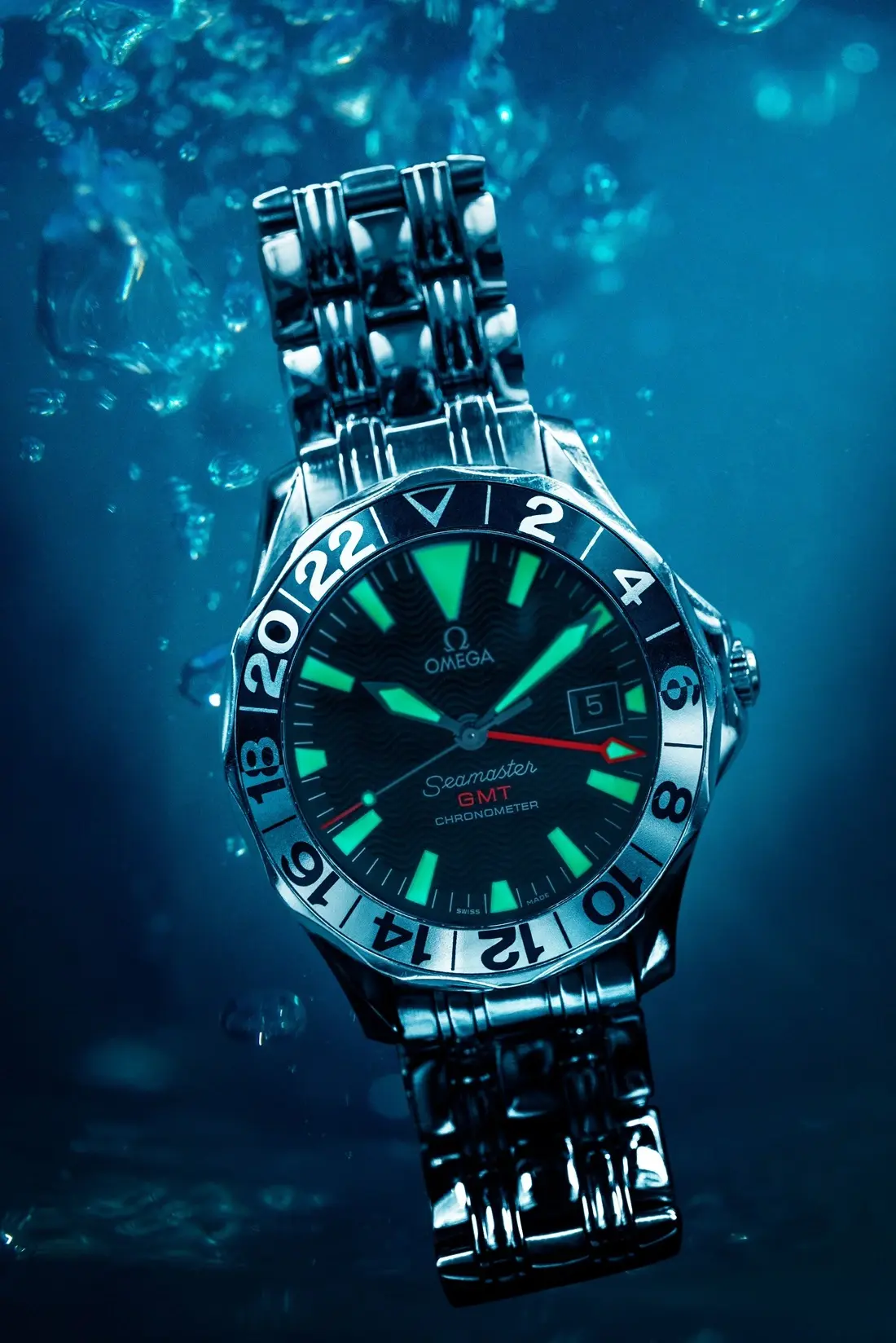
In that instant, it ceased to be merely a tool. It became part of history. In the years that followed, it would acquire the nickname by which it is now known across the world: The Moonwatch.
The Watch That Helped Bring Astronauts Home
Ironically, the defining moment in the Speedmaster's history did not occur during the triumphant Moon landing. It came a year later, when disaster struck.
In April 1970, Apollo 13 launched as NASA's third planned lunar landing mission. Two days into the journey, an oxygen tank exploded, crippling the spacecraft and knocking out much of its electrical power.
Moments later came one of the most famous transmissions in the history of spaceflight: “Houston, we've had a problem.”
To conserve enough energy for re-entry, the crew shut down almost every electrical system aboard the spacecraft. But before returning to Earth, they faced a critical maneuver: the engine had to be fired for exactly fourteen seconds to place the spacecraft on the correct trajectory.
Too short, and they would miss Earth. Too long, and they would enter the atmosphere at a fatal angle. Without reliable onboard electronics, the astronauts had only one timing instrument they could trust.
The Omega Speedmaster.
The mechanical chronograph measured every second of the engine burn. When the hand reached fourteen seconds, the engine was shut down.
The maneuver succeeded. The trajectory was corrected. Days later, all three astronauts returned safely to Earth. The Speedmaster had done far more than tell time. It had helped save lives.
The Silver Snoopy Award
NASA never forgot the role the Speedmaster played during Apollo 13.
Later that same year, Omega received the Silver Snoopy Award, one of the highest honors the space agency bestows upon individuals and organizations for exceptional contributions to the safety and success of human spaceflight.
Unlike most corporate awards, this one is presented by NASA astronauts and employees themselves.
That distinction has given it almost mythical status among watch collectors. Today, Speedmaster models inspired by the Silver Snoopy Award rank among the most sought-after and valuable versions ever produced.
How a Tool Became a Legend
When the Speedmaster debuted in 1957, it was never intended to be a luxury object.
It was a professional instrument designed for racing drivers and anyone whose work depended on measuring time with absolute precision.
The Apollo program changed everything. People were no longer buying a well-made chronograph. They were buying the watch that had accompanied humanity on its greatest adventure.
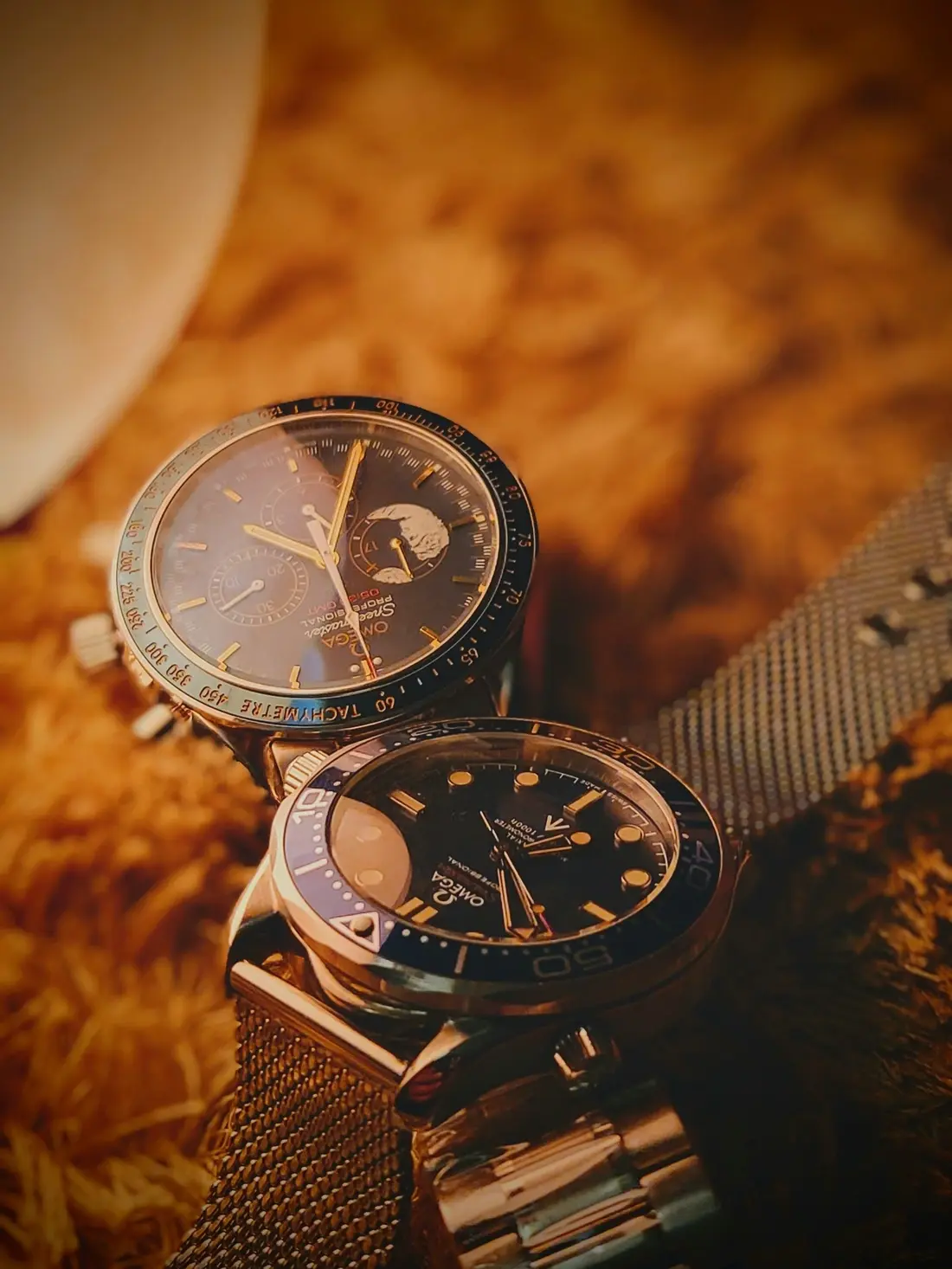
Over the decades, it became a favorite not only among astronauts, pilots, engineers, and collectors, but also among some of the world's best-known public figures. George Clooney, Tom Hanks, and Daniel Craig have all worn the Speedmaster, while Omega itself has become inseparable from the modern cinematic identity of James Bond.
Limited editions celebrating Apollo missions, NASA milestones, and Moon landing anniversaries followed. Rare vintage examples began selling at auction for hundreds of thousands of dollars, while historically significant pieces became virtually priceless.
No marketing campaign is more persuasive than history itself.
Why a Digital Watch Could Not Replace the Speedmaster
From today's perspective, one obvious question arises: Why didn't astronauts simply wear digital watches?
The answer lies in the technology of the era. A mechanical watch required no battery that could fail under extreme temperature changes. It was inherently resistant to many forms of electromagnetic interference, and its straightforward mechanical construction meant there were far fewer components that could malfunction in vacuum, violent vibration, or intense acceleration.
In space, luxury had no value. Reliability was the only currency that mattered. That is precisely why the Speedmaster remained standard NASA equipment long after the Apollo program came to an end.
Are There Still Speedmasters on the Moon?
One of the most fascinating questions among space enthusiasts is remarkably simple:
Are Omega Speedmasters still on the Moon? The answer is yes. During the Apollo missions, astronauts intentionally left behind a wide range of equipment to reduce the spacecraft's weight for the return journey. Scientific instruments, tools, experiment hardware, and even personal belongings remained on the lunar surface.
Among them were several Omega Speedmasters.
No one knows with absolute certainty how many remain there today, but it is widely believed that multiple watches still rest on the Moon, exposed to the vacuum of space, cosmic radiation, and temperature swings ranging from approximately 130°C (266°F) in sunlight to below –170°C (–274°F) in darkness.
Should one of those watches ever return to Earth, its value would be impossible to calculate - not because of the gold, the steel, or the movement inside, but because of where it has spent more than half a century.
More Than a Watch
For thousands of years, humanity looked up at the Moon and wondered what lay beyond its pale glow. Empires rose and fell beneath it. Sailors navigated by it. Poets wrote about it. Scientists devoted centuries to understanding it.
It stood as a symbol of the unreachable - a reminder that some frontiers remained beyond human grasp. When mankind finally took its first step onto its surface, the astronaut was not wearing the world's most expensive watch.
Nor was he wearing its most extravagant one. He wore the watch that had proven it could survive what no other watch could.
That is why the Omega Speedmaster did not become a legend because it was luxurious. It became a legend because it was good enough to go where no watch had ever gone before.