

The Houses That Changed Architecture: Five Masterpieces of the 20th Century

![[object Object]](https://api.hedonistmagazine.net/storage/images/2026/07/02ae6cbf-16d0-42dd-b87c-e19e7b5eaf46.webp)
Most houses are designed to be lived in. A select few, however, have gone far beyond that, transforming the way the world thinks about space, light, and the relationship between architecture and nature. They were neither the largest nor the most expensive homes ever built, yet each marked a turning point in architectural history. Without them, the modern home would look remarkably different today.
Fallingwater - The House That Became Part of a Waterfall
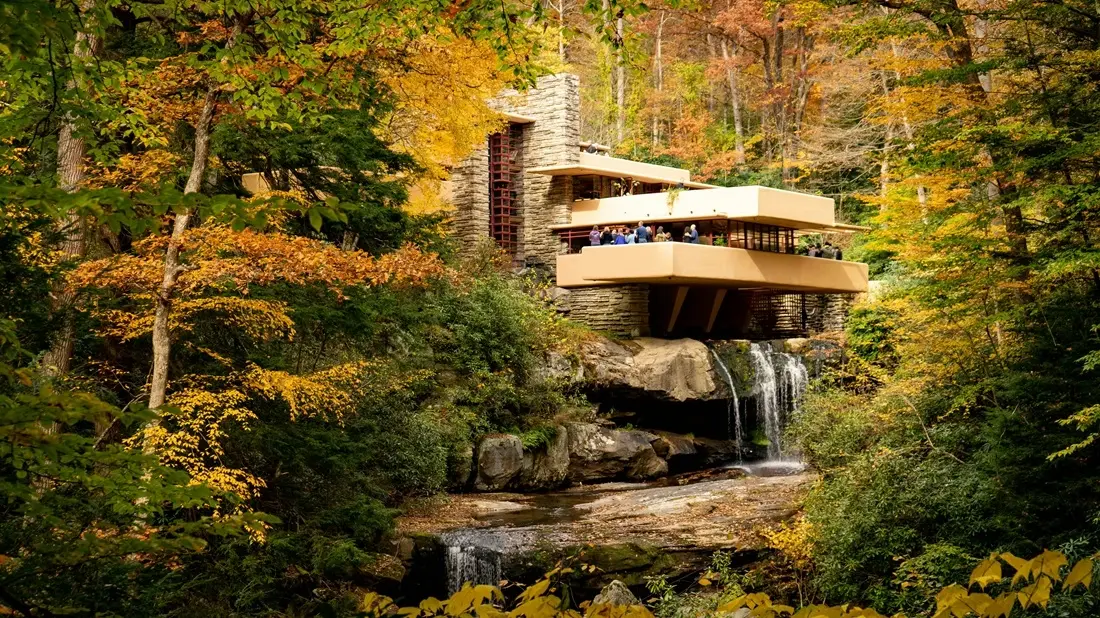
When American architect Frank Lloyd Wright was commissioned in 1935 to design a weekend retreat for the Kaufmann family, everyone expected a house overlooking a waterfall. Wright envisioned something entirely different - he decided to build the house directly above it.
The result was Fallingwater, arguably the most celebrated private residence in the world. Rather than framing nature through a window, Wright made it an integral part of the home itself. Terraces float above cascading water, natural rock formations extend into the interior, and the sound of the waterfall resonates throughout every room. With Fallingwater, Wright demonstrated that architecture need not dominate the landscape - it can exist in complete harmony with it. Nearly every contemporary home that blurs the boundary between indoors and outdoors owes something to this revolutionary vision.
Villa Savoye - The Manifesto of Modern Architecture
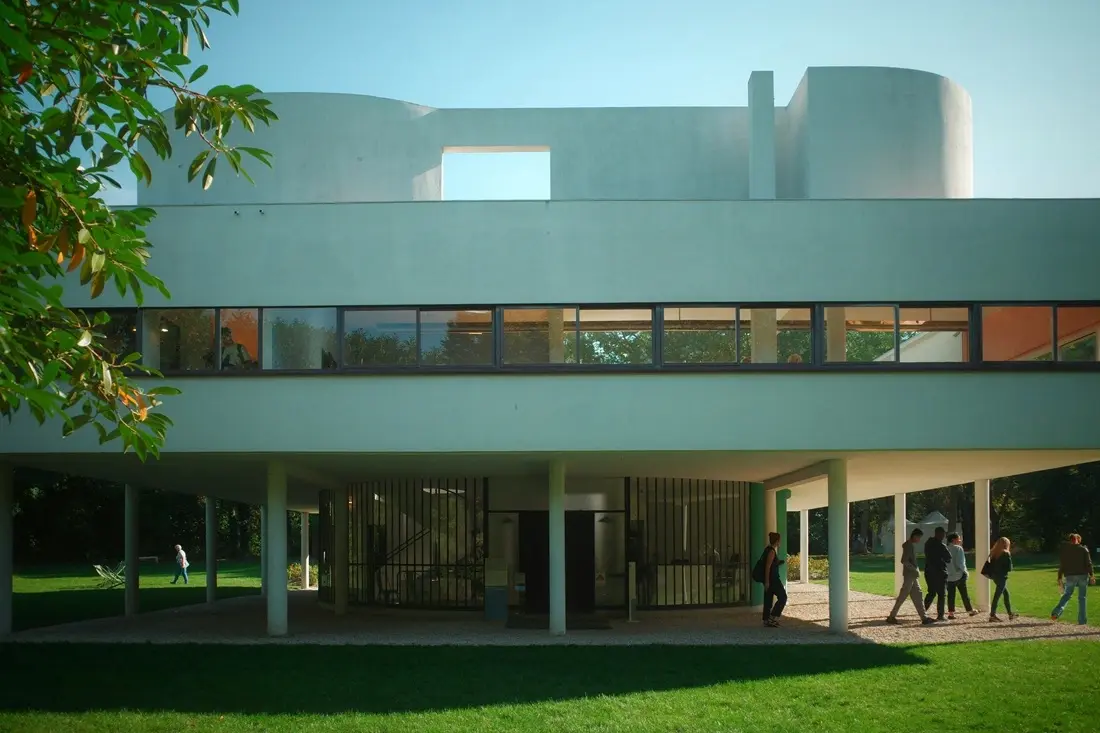
If one house redefined the rules of architecture, it is Villa Savoye, completed by Le Corbusier in 1931 on the outskirts of Paris.
Raised on slender pilotis, the pristine white villa became an icon of modernism. Its flat roof transformed into a terrace, continuous horizontal windows, open-plan interiors, and free-flowing façade represented a radical departure from everything that had come before. Le Corbusier famously described his philosophy with a simple phrase: "A house is a machine for living in." His ideas shaped generations of architects and left a lasting imprint on residential design across the globe.
Farnsworth House - Fewer Walls, More Nature
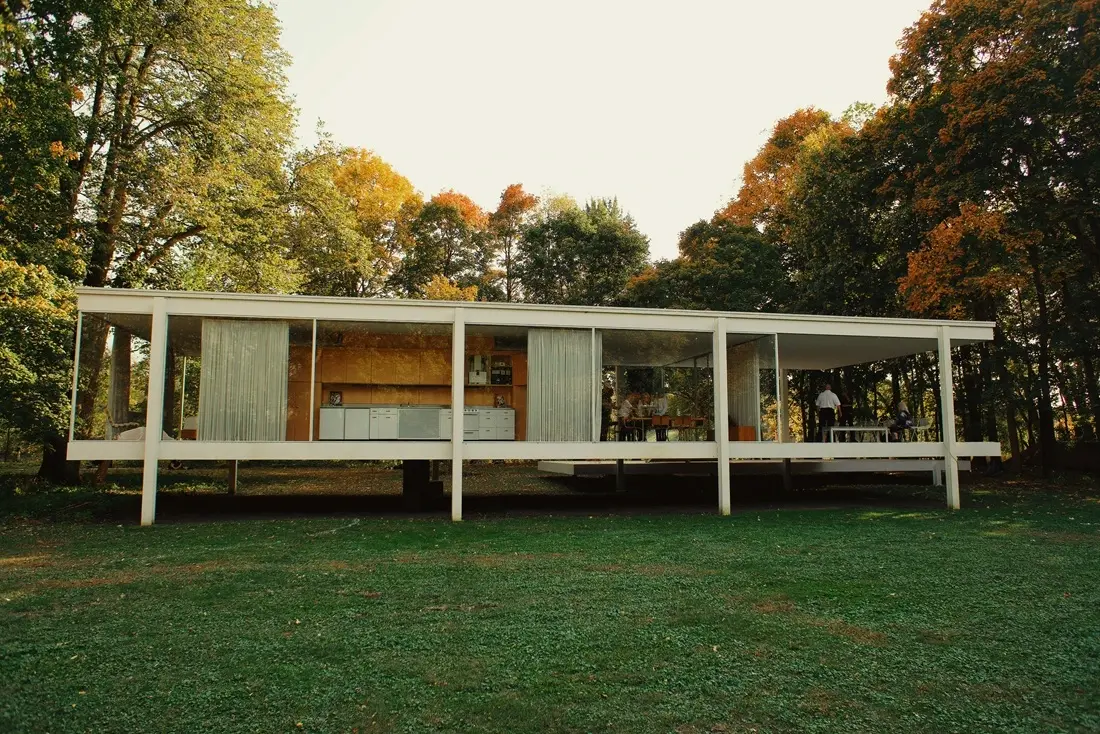
At first glance, it seems almost unreal - a delicate steel frame, floor-to-ceiling glass walls, and a roof that appears to float effortlessly above the landscape. Completed in 1951 by Ludwig Mies van der Rohe, Farnsworth House became one of the defining works of modern architecture.
Its philosophy was remarkably simple: remove everything unnecessary. Traditional walls all but disappeared, allowing nature itself to become the home's primary decoration. The minimalist aesthetic we now associate with luxury residences, contemporary galleries, and even Apple Stores can be traced back, in large part, to Mies' enduring principle that "less is more." While its complete transparency sparked debates about privacy, its influence on modern architectural thinking remains immeasurable.
Glass House - Living Without Curtains
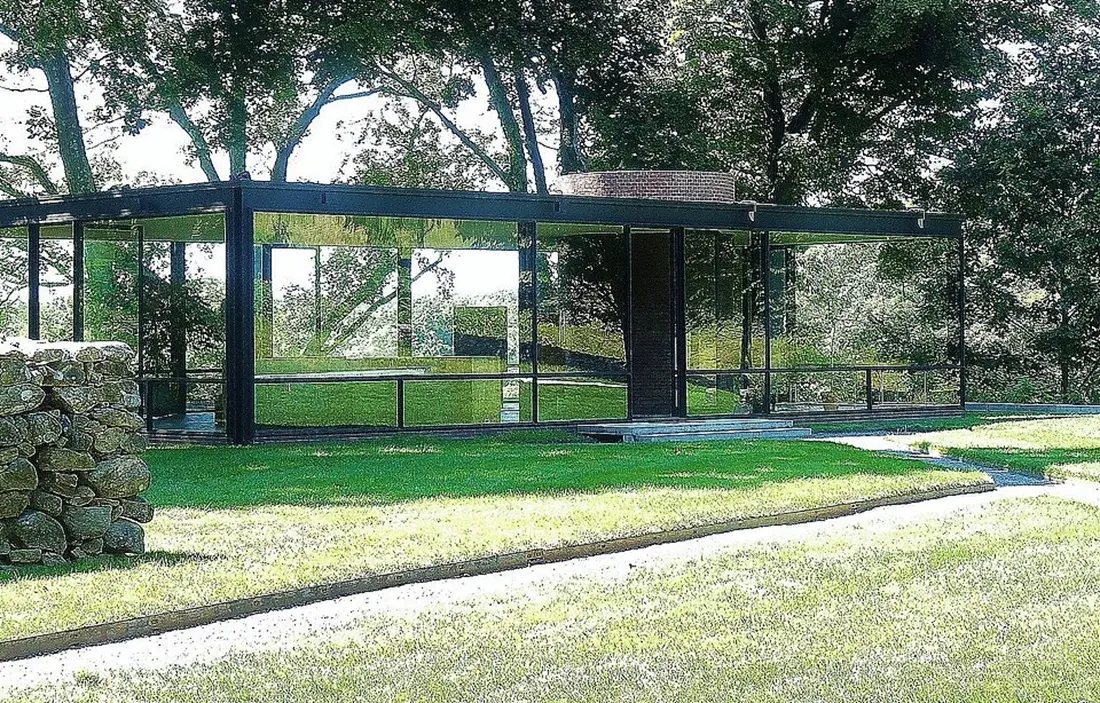
Just two years before Farnsworth House, American architect Philip Johnson completed his own Glass House in Connecticut. Inspired by Mies van der Rohe's work, Johnson pushed the concept even further, transforming almost the entire residence into a transparent glass pavilion.
The boundary between the house and the surrounding landscape virtually disappears. Instead of walls, uninterrupted views extend in every direction, while the changing seasons become an ever-evolving part of the interior itself. The Glass House sparked a conversation that continues today: how much privacy are we willing to sacrifice in pursuit of architectural beauty? Whatever the answer, it remains one of the most photographed and influential houses in the history of modern architecture.
Casa Batlló - When a House Becomes a Work of Art
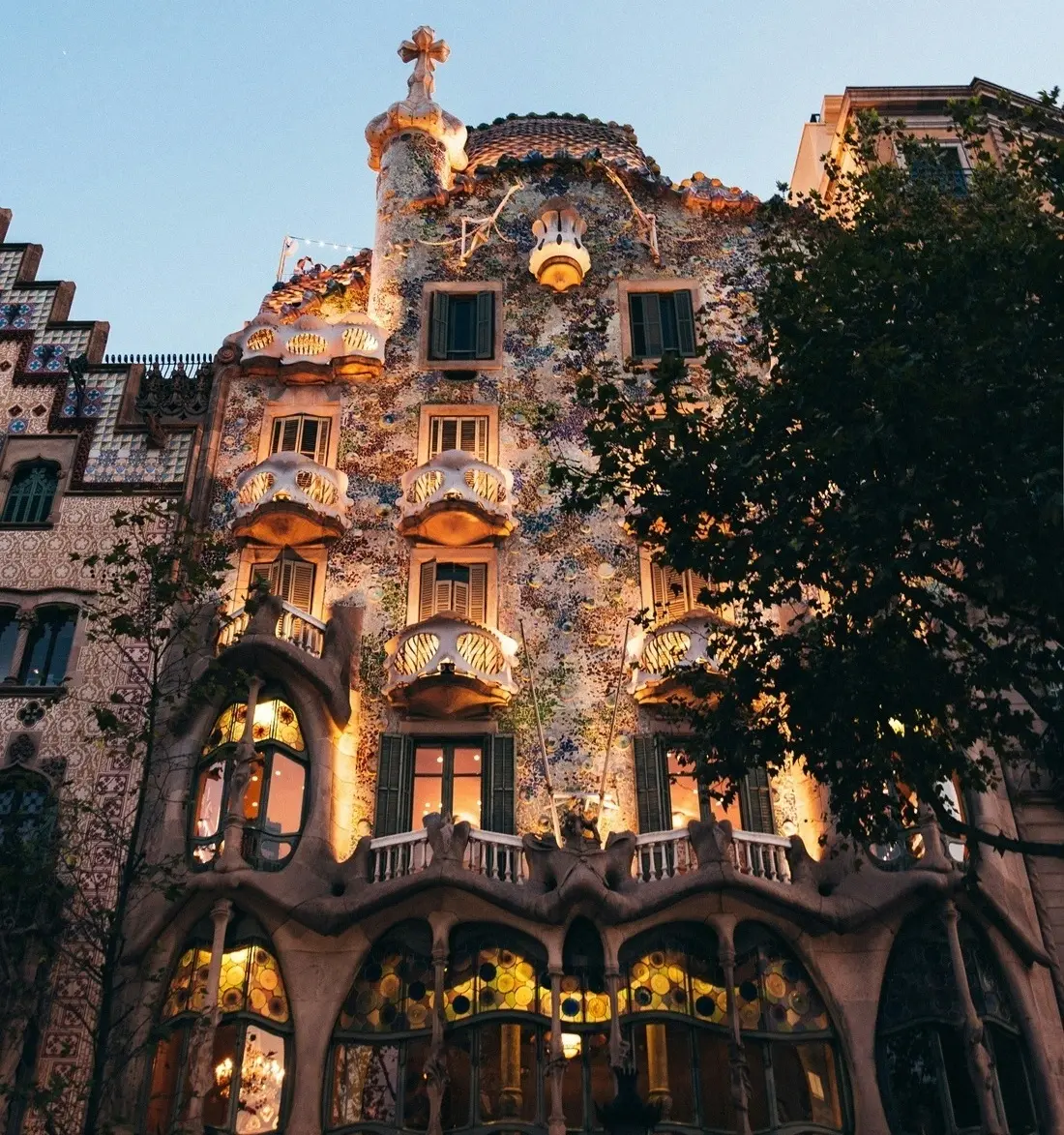
While modernists pursued straight lines and functional simplicity, Antoni Gaudí believed that nature contained no rigid geometry. His Casa Batlló, completed in the early 20th century in Barcelona, still appears as though it emerged from the pages of a dream.
Its façade is almost entirely free of straight lines. Balconies resemble theatrical masks, columns evoke skeletal forms, and the roof recalls the back of the legendary dragon from Catalan folklore. The interior is equally extraordinary, with light flowing through carefully sculpted openings, undulating walls that echo the movement of the sea, and every detail contributing to a unified artistic vision. Casa Batlló proved that architecture need not be merely functional - it can be emotion, imagination, and storytelling expressed through stone, glass, and ceramic.
More Than Houses
These five buildings long ago transcended their original purpose. They are no longer simply places to live, but enduring ideas that reshaped the course of modern architecture. Every time we choose expansive panoramic windows, an open-plan living space, a rooftop terrace, or a home that embraces its natural surroundings, we are often drawing - perhaps unknowingly - on concepts born nearly a century ago.
The greatest houses do more than transform skylines. Sometimes, they transform the very way we imagine living.