Food
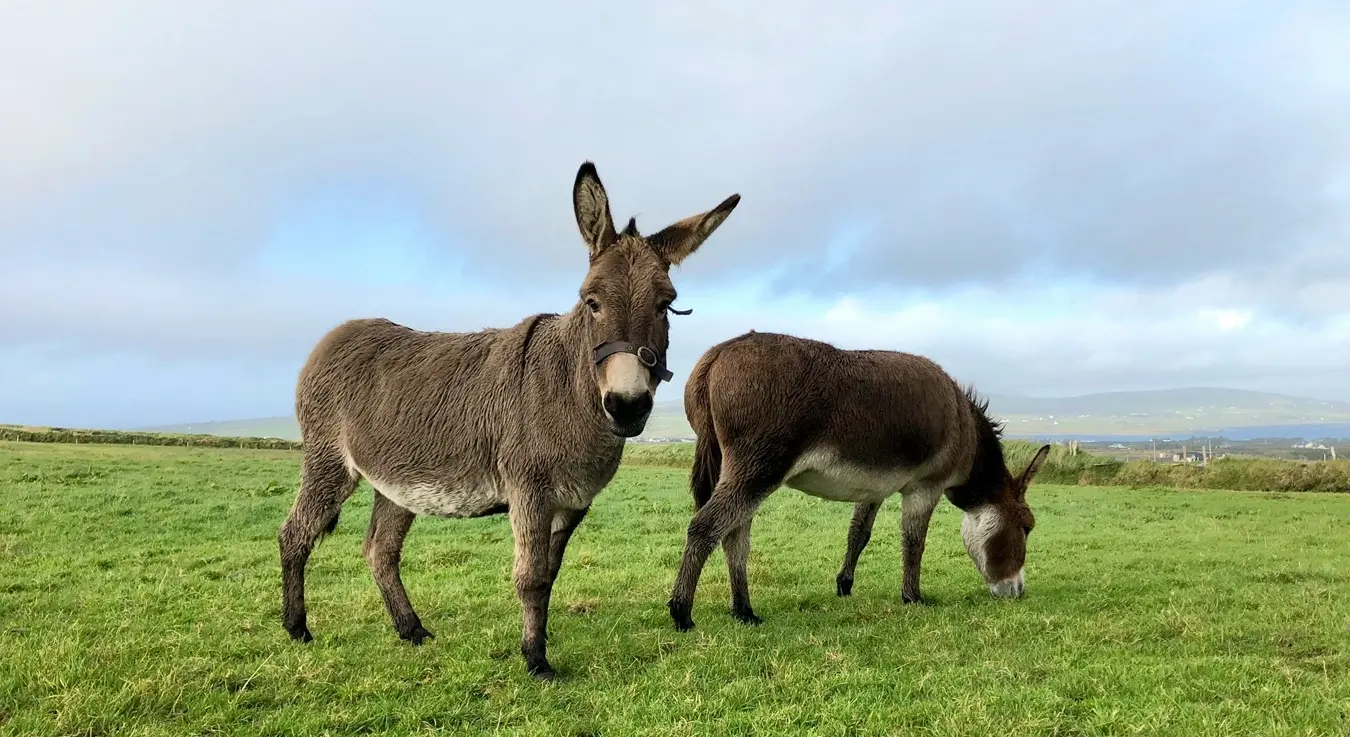
Fifty Grams for Fifty Euros: The Story of the World’s Most Expensive Cheese
It is made on a single farm, from milk drawn by hand, drop by drop, and sold by the gram- how a nature reserve near Sremska Mitrovica produced a cheese that was long believed impossible to make.
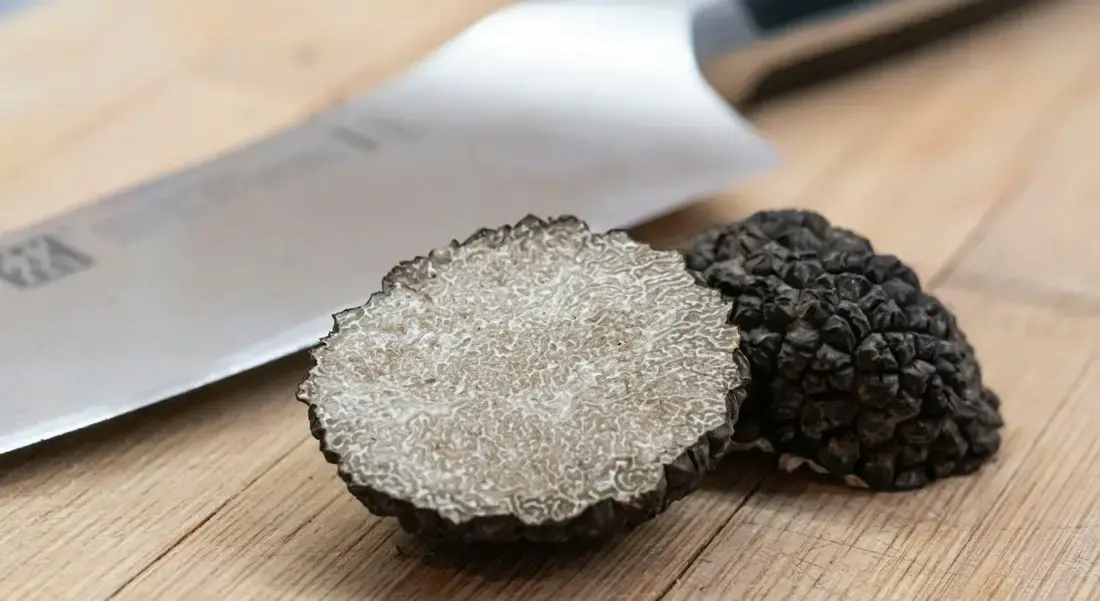
Why Are Truffles the Most Desired Ingredient of Autumn?
A truffle is not just an ingredient — it’s an experience. A fragrance that announces itself before you even see it, a texture that melts into warm pasta, and a touch of luxury that turns every bite into a ritual. Autumn is the season when this precious gem appears in its full glory, reminding us that nature saves its best gifts for last.
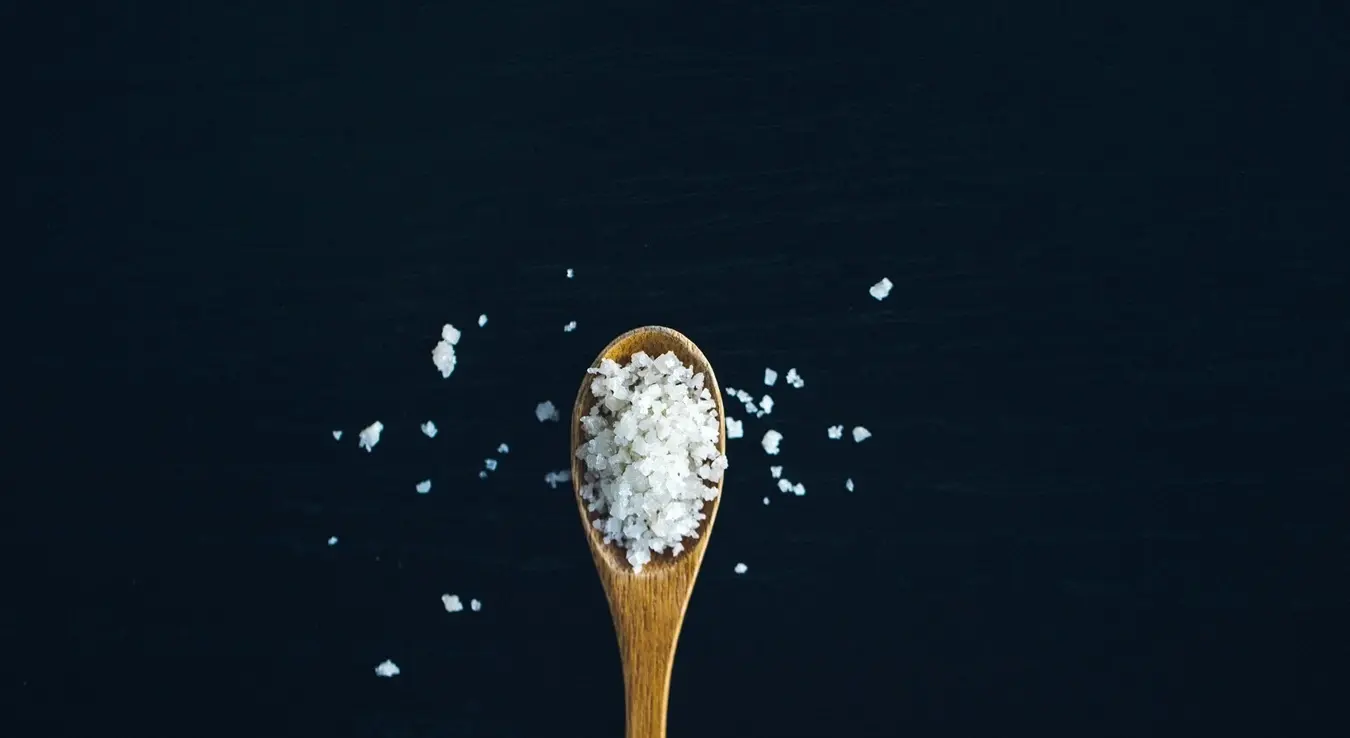
Salt: The Only Rock Humans Eat
Of all the minerals on the planet - and there are thousands, from quartz to diamond - only one does a human deliberately put directly into their mouth every day, in enormous quantities. Salt, chemically halite, is the only rock that isn't a decoration, a tool, or a building material, but an ingredient.
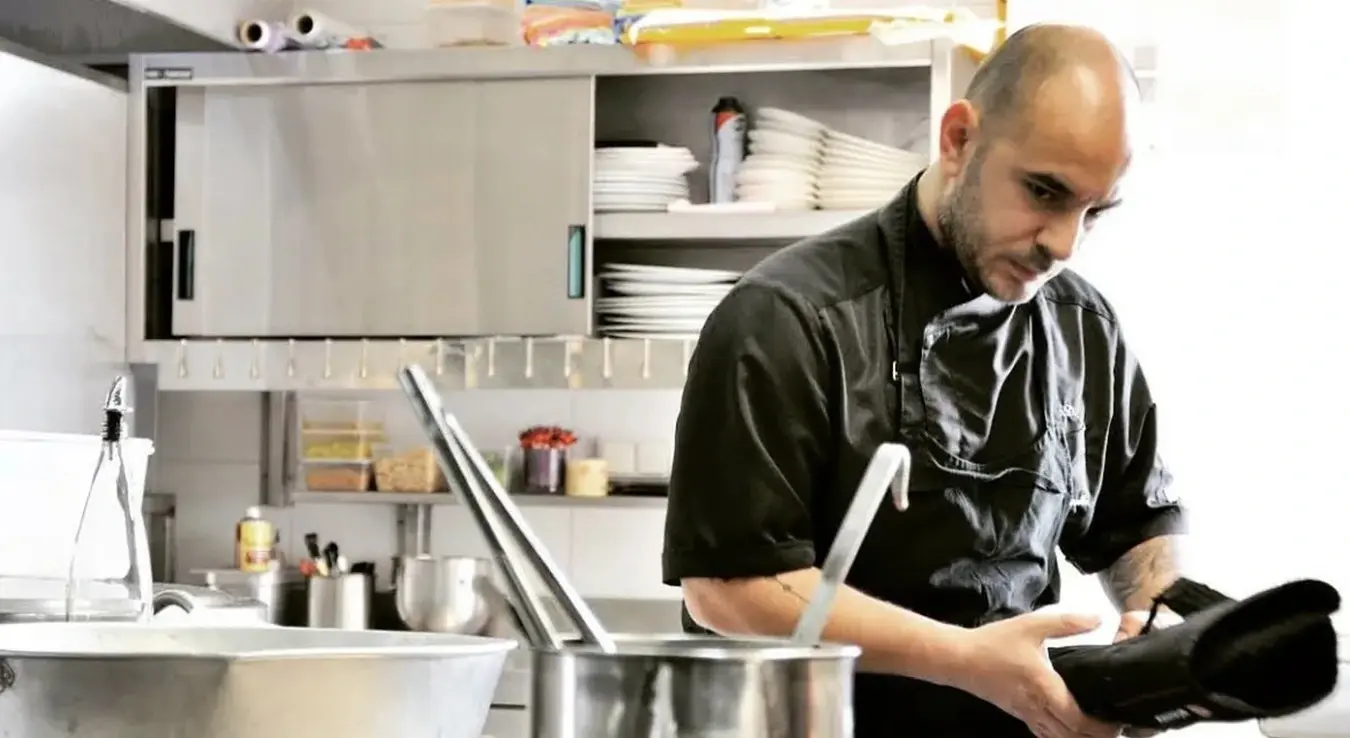
Savino Divincenzo: From Dishwasher to the Chef Everyone in Corsica Wants to Know
At twenty, Savino Divincenzo left his hometown of Barletta in Italy’s Puglia region with a single plan: to go somewhere, anywhere, and do whatever work he could find. He had no culinary diploma and no clear idea of what he wanted - only the growing conviction that his job in a textile factory was not what he wanted to spend the rest of his life doing.
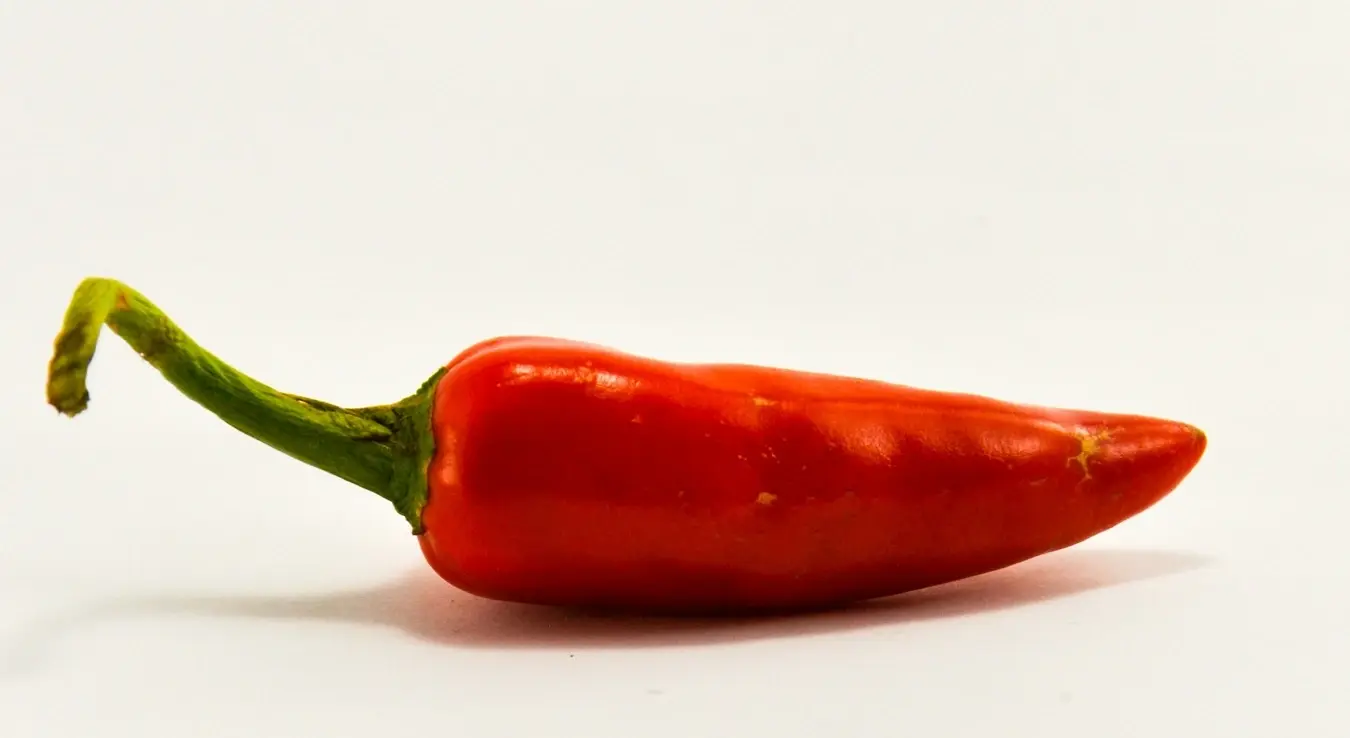
Why We Eat Spicy Food: What Actually Happens in the Body When We Eat Chili
The first bite always plays out the same way: your mouth burns, your eyes water, your nose starts running, and your brain, in all seriousness, sends the signal that your mouth is on fire. What's interesting is that no part of that reaction is a lie in the sense we'd expect - your brain genuinely believes you're burning.
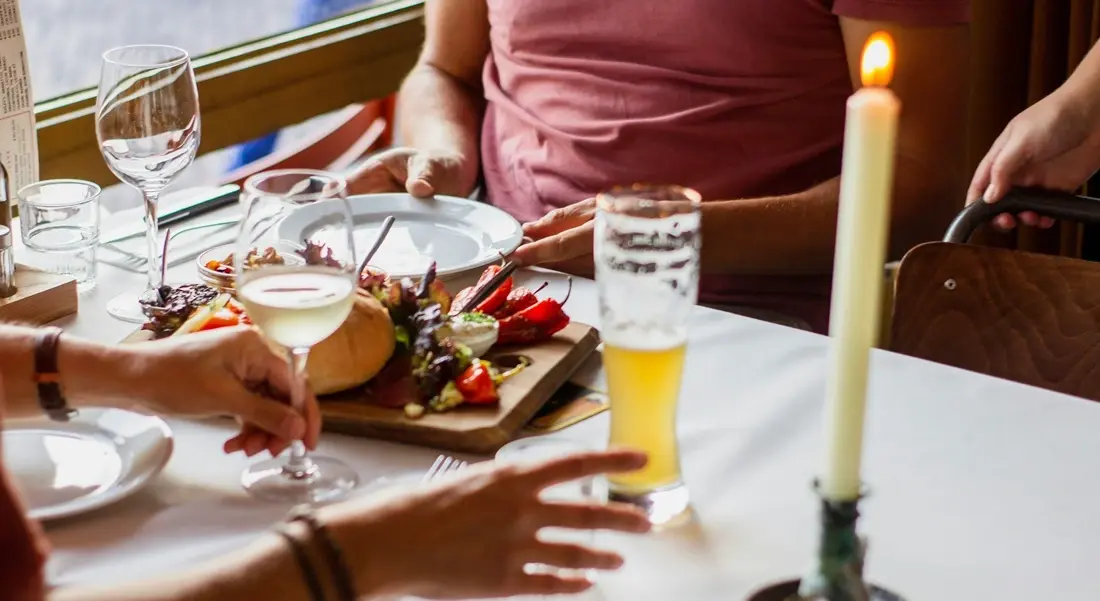
Ten Interviews, One Secret: What Makes Us Feel Alive Has No Price Tag
We asked the same question to ten different people, in ten different conversations, in ten different moods: what does hedonism mean to you? We expected something about champagne, private jets, maybe an expensive watch on someone's wrist. Instead, once we laid all the interviews side by side, something far less expected emerged. And, we have to admit, something far more beautiful.
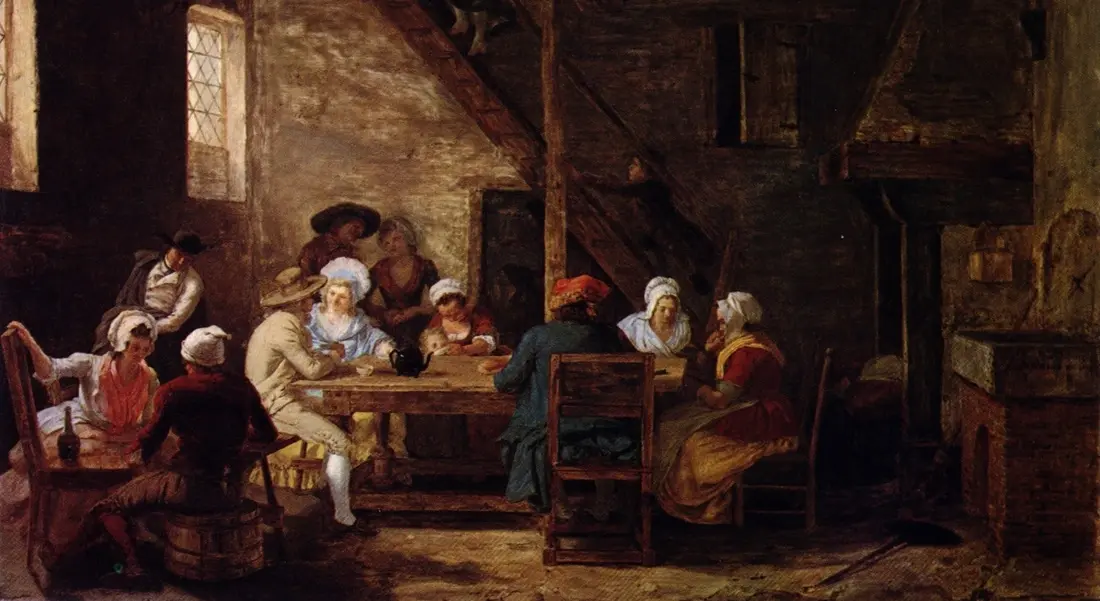
A History of Restaurants: The First Time We Sat at a Table That Wasn't Ours
The table was long, wooden, and not yours. Beside you sat a man whose name you didn't know, smelling of horse and road dust, eating from the same bowl as you. No one asked what you'd like for dinner. The meal was whatever had been cooked that day - served at noon, on a bench, in a room thick with smoke and other people's voices. This wasn't hospitality. It was logistics: travelers had to eat, horses had to rest, and the roadside inn solved both problems at once, without asking about taste.
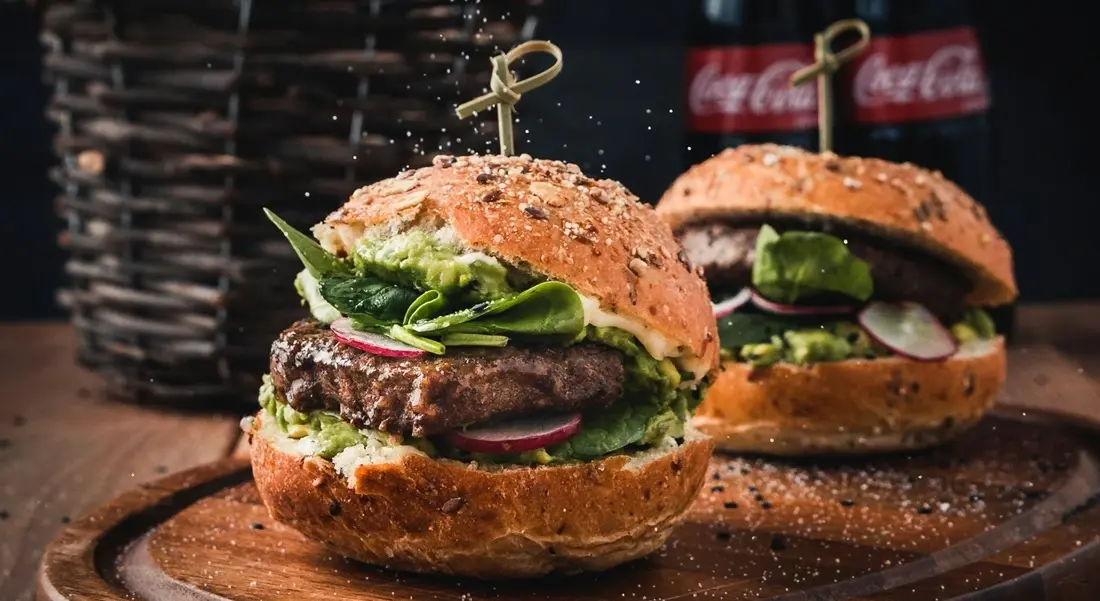
The Burger: A History of the Sandwich Nobody Invented and Everybody Perfected
At the 1904 World's Fair in St. Louis, among pavilions promising the future - automobiles, electric lighting, iced tea served cold for the first time - one stand offered something far humbler: ground meat between two pieces of bread. None of the visitors that day could have guessed that this modest sandwich, not the cars or the electricity, would become one of the defining symbols of the century that followed.

The Last Dinner on the Titanic: What Passengers Ate Just Hours Before the Ship Sank
On the evening of April 14, 1912, as the Titanic sailed across the calm waters of the North Atlantic, few among its more than 2,200 passengers could have imagined that within hours they would become part of one of history's greatest maritime disasters. In the ship's elegant dining rooms and lounges, dinner unfolded with effortless sophistication.
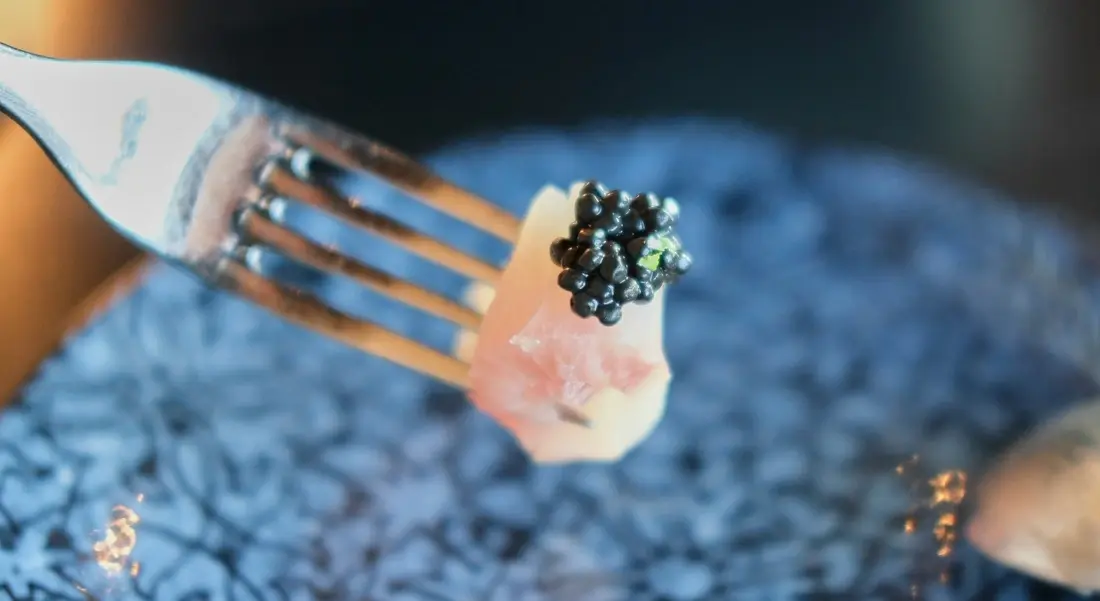
The History of Caviar: How Food for the Poor Became the World's Most Expensive Delicacy
Today, it is almost impossible to imagine a gala dinner, a luxury hotel, or a private yacht without a small tin filled with shimmering black or golden pearls worth more than many fine watches or works of art. Yet the history of caviar is anything but a story of aristocracy.
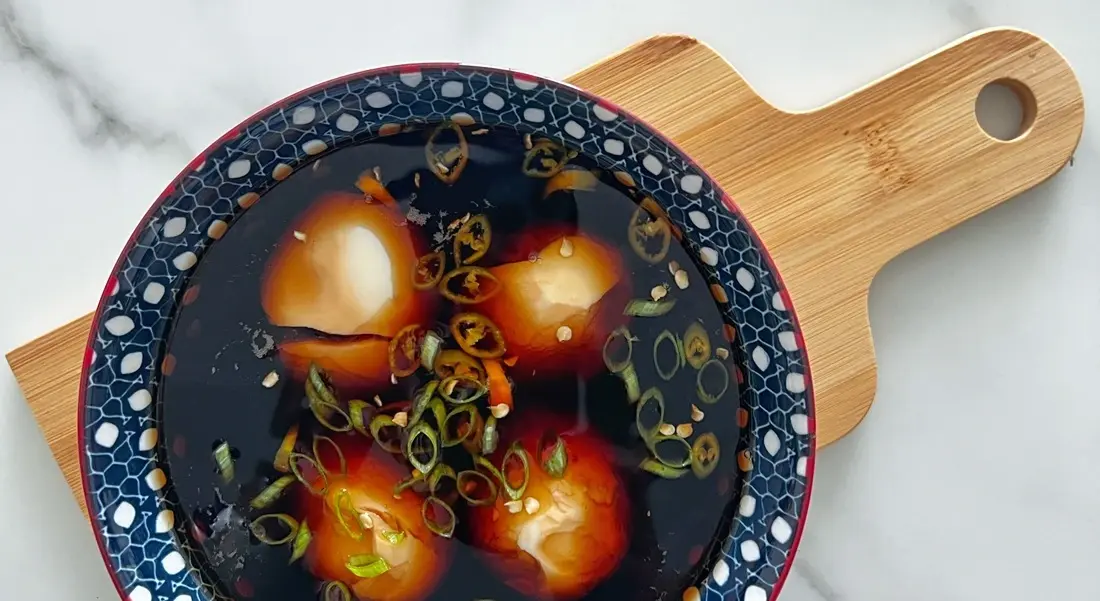
The Foods That Divide the World: Delicacies Some Adore and Others Can't Even Look At
The aroma of freshly baked bread is almost universally comforting. A piece of fine chocolate rarely sparks debate, and pizza is perhaps one of the few dishes embraced across nearly every continent. Yet there are foods that inspire an ent
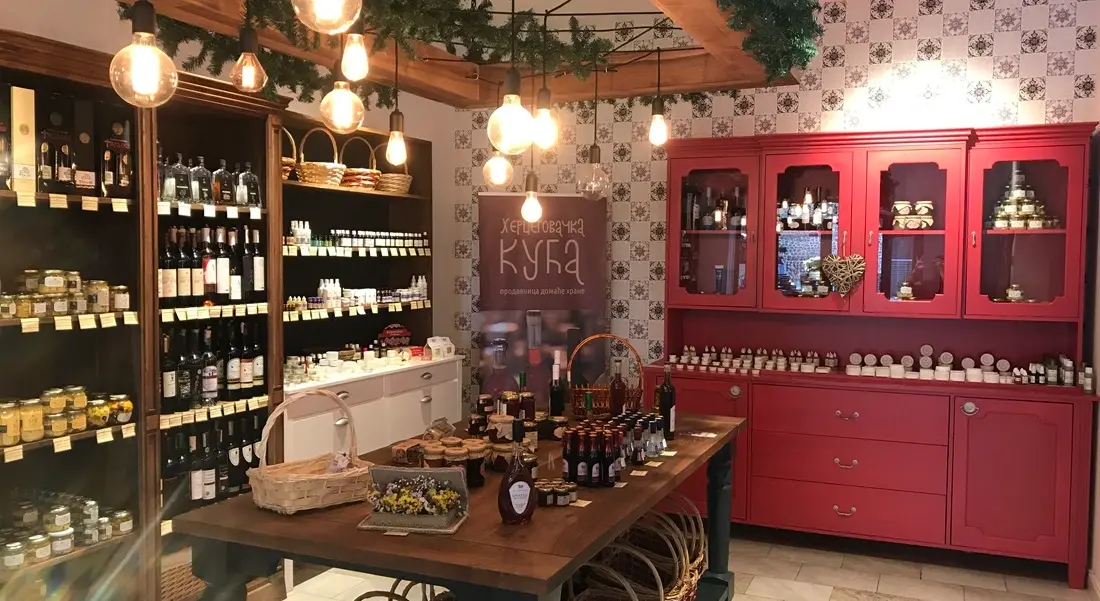
The Flavours of Herzegovina: A Culinary Treasure That Has Captivated the World
The day begins in the rocky landscapes of Herzegovina with a čokalj of homemade grape brandy and a spoonful of honey. It continues with cured prosciutto, artisan cheese, and kajmak aged in a traditional sheepskin sack, before giving way to hearty dishes such as raštan (collard greens) and smoked mutton. By evening, the table is completed with a few glasses of local wine.
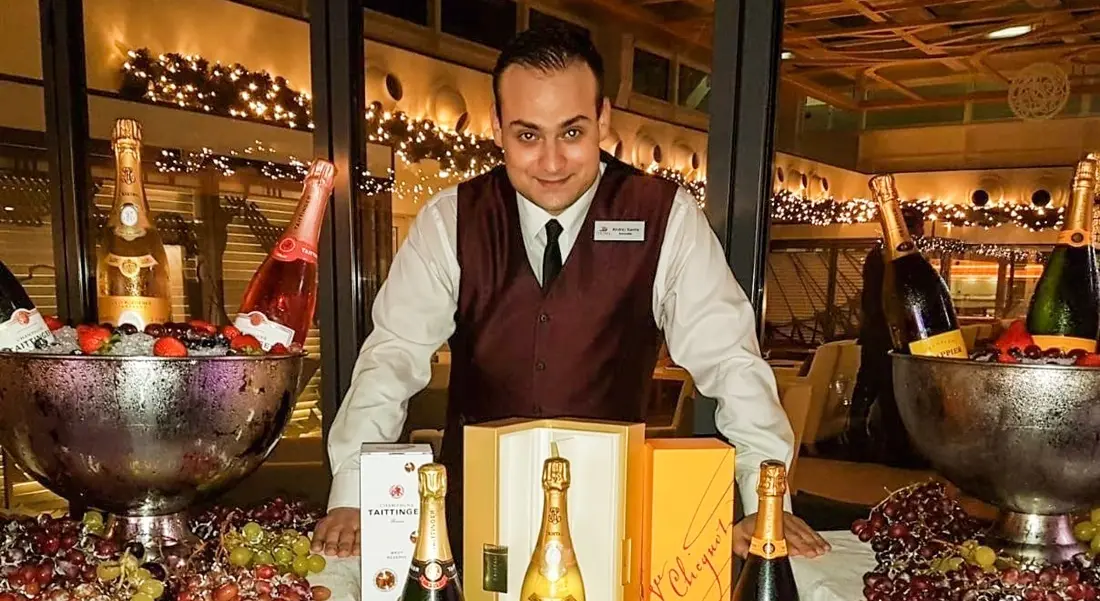
From Banja Luka to the World's Oceans: Turning Hedonism into a Profession
For Andrej Slavnić, travel, gastronomy and fine wine are not simply passions - they are a profession. His journey began in 2016, when the Banja Luka native joined one of the world's leading luxury cruise lines, Viking Ocean Cruises, as a wine specialist, embarking on a career that would carry him across every ocean and to some of the planet's most extraordinary destinations.
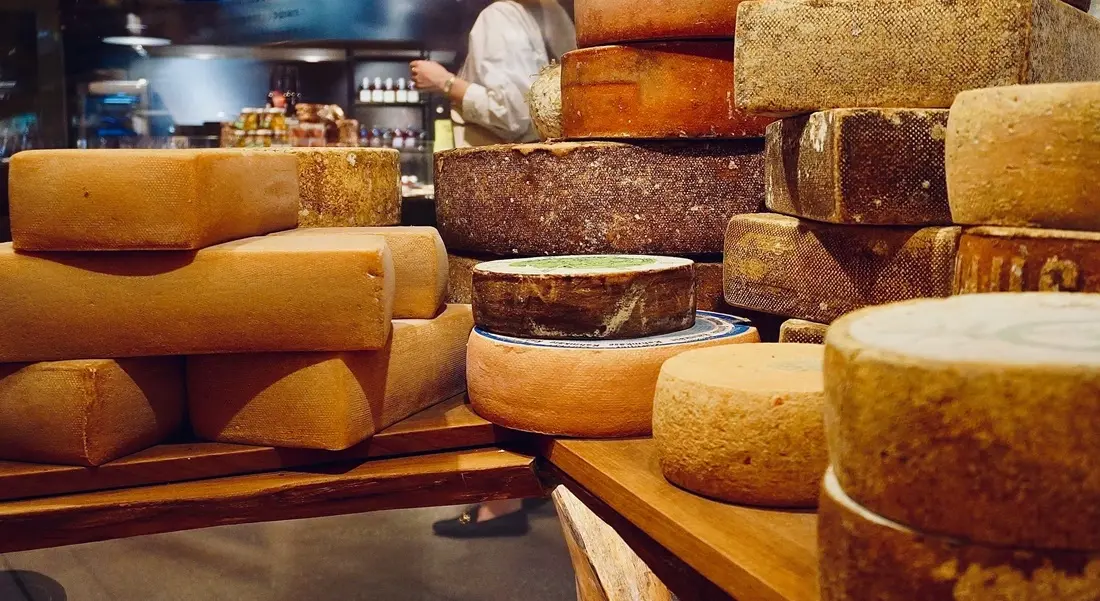
Five European Cheeses Every Food Lover Should Try at Least Once
Some countries are best discovered through their cities, others through their wines or desserts. But there is one product that often reveals more about a region's history, climate, and way of life than an entire travel brochure - cheese. Behind every wheel lie centuries of craftsmanship, carefully preserved traditions, and flavors that are almost impossible to replicate anywhere else.
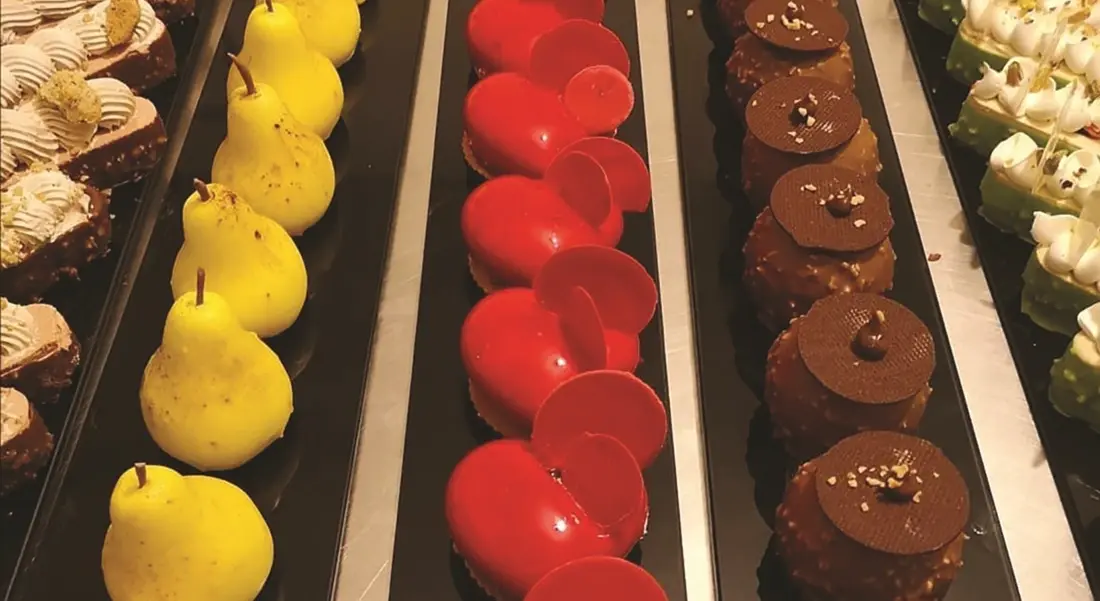
Desserts That Even the Legendary Stevo Karapandža Couldn't Resist
The creativity behind his desserts leaves a lasting impression, making him one of the first names that comes to mind when speaking about modern pastry art in the region. Trained by some of the industry's finest professionals, he has also earned the admiration of one of the Balkans' most celebrated chefs. His creations delighted the palate of renowned chef Stevo Karapandža, with whom he once shared the kitchen.
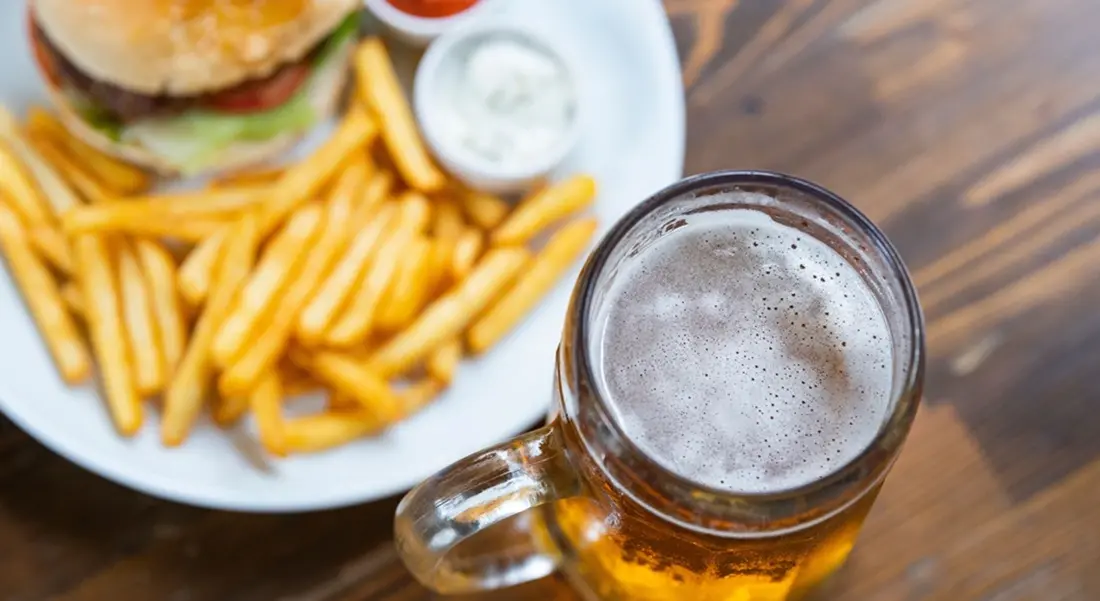
Beer, Street Food and Live Music: A Ten-Day Festival Celebrating Great Flavors and Great Sounds
September brings an event that combines everything lovers of a good time enjoy most - outstanding food, quality beer, open-air concerts, and the vibrant atmosphere of Europe's most popular food festivals.