

Why We Eat Spicy Food: What Actually Happens in the Body When We Eat Chili
![[object Object]](https://api.hedonistmagazine.net/storage/images/2026/09/193cc3da-5146-4839-98e9-7d66f93442ab.webp)
The first bite always plays out the same way: your mouth burns, your eyes water, your nose starts running, and your brain, in all seriousness, sends the signal that your mouth is on fire. What's interesting is that no part of that reaction is a lie in the sense we'd expect - your brain genuinely believes you're burning.
The problem is, you're not, and it's precisely that gap between what the body thinks is happening and what's actually happening that is the whole science behind one of the strangest human habits: voluntarily, repeatedly seeking out pain at the dinner table.
An Alarm Triggered by Mistake
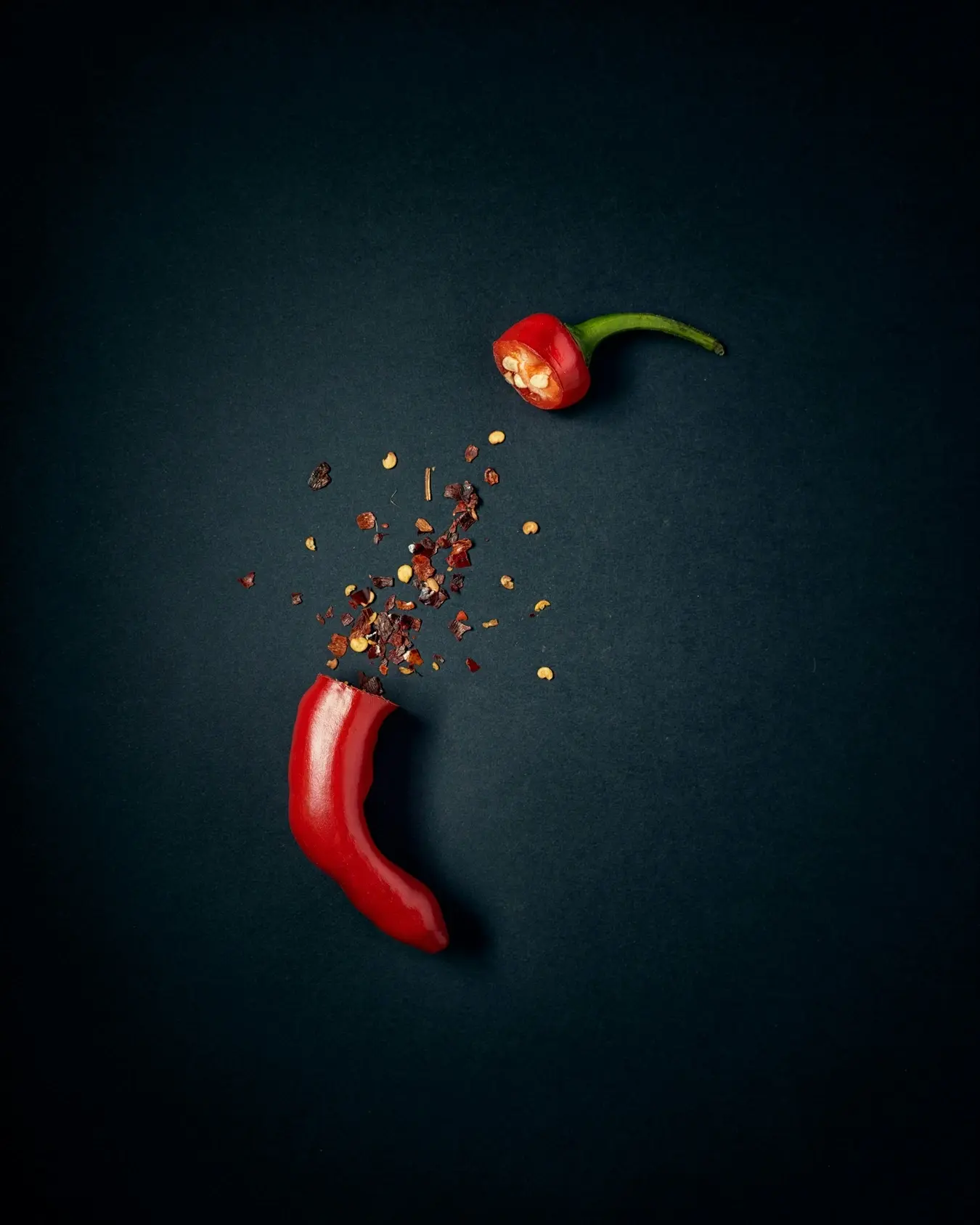
When capsaicin, the active compound in chili, touches receptors in the mouth, it doesn't activate taste receptors, as you might expect. Instead, it binds to a receptor called TRPV1-a protein whose job is to warn the body about genuinely dangerous heat, temperatures above forty-three degrees Celsius, hot enough to physically damage tissue. Capsaicin tricks that receptor. It fits its chemical shape well enough to activate it even though there's nothing anywhere near that hot in your mouth, so the receptor sends the exact same panicked warning signal it would send if you'd actually swallowed a burning coal.
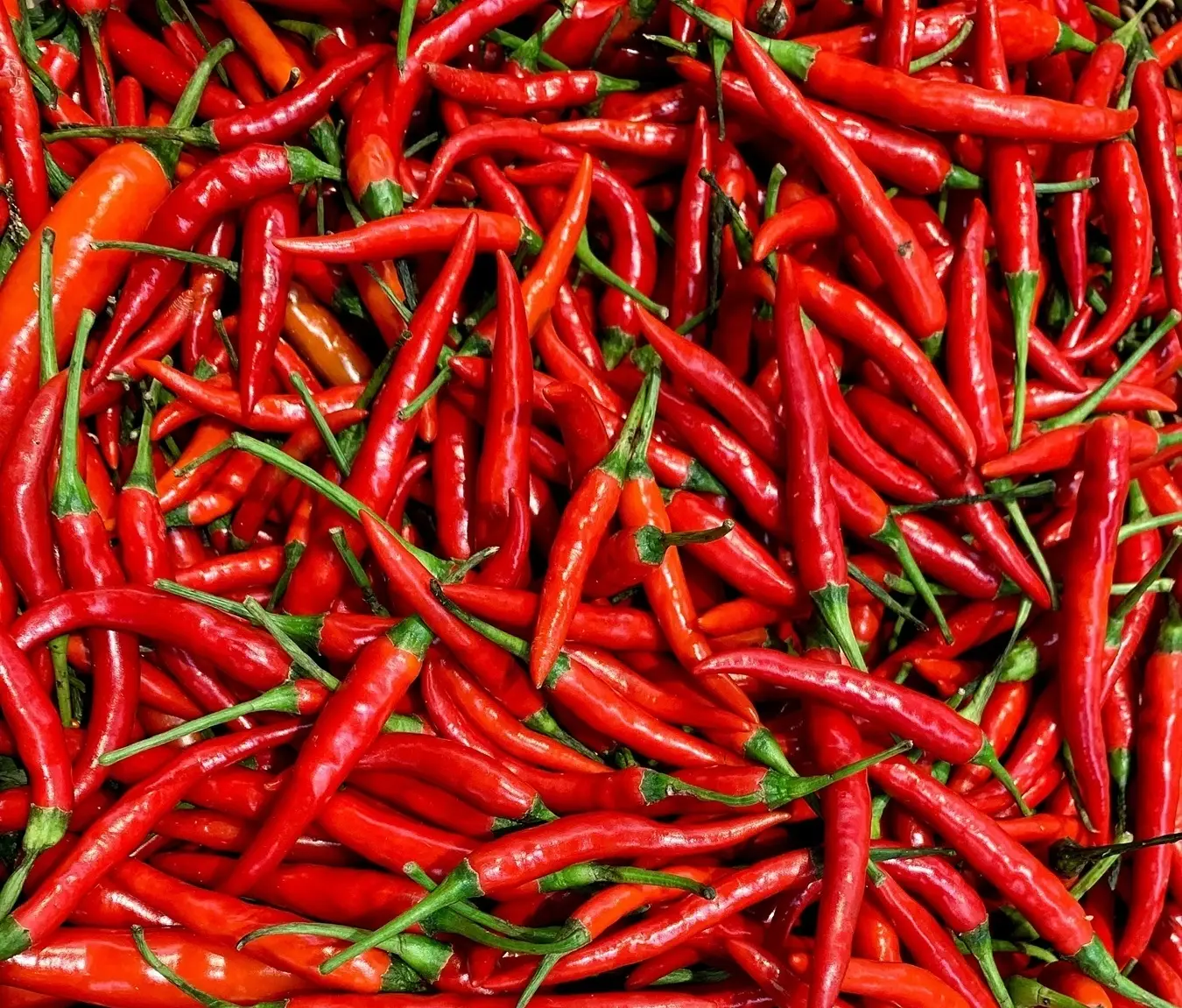
Discovering the exact mechanism behind this wasn't a small feat - scientists David Julius and Ardem Patapoutian won the 2021 Nobel Prize in Physiology or Medicine specifically for identifying the TRPV1 receptor and understanding how the body detects heat and pain. What they clarified at the molecular level is that your nervous system, quite literally, is lying to you about what's happening in your mouth - and you, for some reason, keep seeking out that lie again and again.
Pain the Body Rewards
When the TRPV1 receptor sends a pain signal, the body automatically launches a countermeasure: the pituitary gland releases beta-endorphins, natural pain-relieving substances that produce a sense of relief, even mild euphoria. It's the same system that kicks in after intense exercise or, in more extreme cases, after a serious injury - the moment the pain stops and the body is flooded with an almost rewarding sense of calm.
Psychologist Paul Rozin of the University of Pennsylvania spent decades studying this exact phenomenon and coined a term that describes it perfectly: benign masochism. According to Rozin, enjoying spicy food is a lot like riding a rollercoaster - the body registers danger and sends a signal that would normally trigger flight, but the brain simultaneously knows the danger is fake, and it's exactly that combination of fear without real risk that produces pleasure. Rozin also points to a fact that sounds almost unbelievable: as far as science knows, humans are the only species on the planet that deliberately seeks out experiences its own body is signalling it should avoid. Not even rats in laboratory experiments could be trained to enjoy capsaicin, no matter how hard researchers tried to reward them into it.
Seven Thousand Years of Habit
Humans didn't start eating chili yesterday. Archaeological evidence shows that communities in what is now Mexico were domesticating chili peppers at least seven to nine thousand years ago, making the plant one of the oldest cultivated foods on the continent. Until Christopher Columbus arrived in the Americas in 1492, chili was completely unknown to the rest of the world - only afterward, through the trade networks that connected the continents, did the pepper spread to Asia within a few decades, to the point where it's now almost impossible to imagine the cuisines of Thailand, Sichuan, or India without it.
One theory about why chili took root especially firmly in warmer climates comes from researchers Jennifer Billing and Paul Sherman, who analyzed recipes from thirty-six countries and found a clear correlation: the higher a region's average annual temperature, the more that culture's recipes relied on spices with stronger antimicrobial properties. Capsaicin, it turns out, has pronounced antibacterial effects - in a world without refrigerators, adding chili to meat could literally slow spoilage and reduce the risk of food poisoning, potentially turning a habit that started as pure pleasure into a practical survival advantage.
A Scale That Measures Pain in Numbers
In 1912, American pharmacist Wilbur Scoville developed a method for literally ranking peppers by strength, diluting chili extract in sugar water until tasters could no longer detect any heat, and counting how much dilution it took. His scale, now measured using more precise laboratory methods instead of the human palate, remains the standard unit for spiciness to this day.
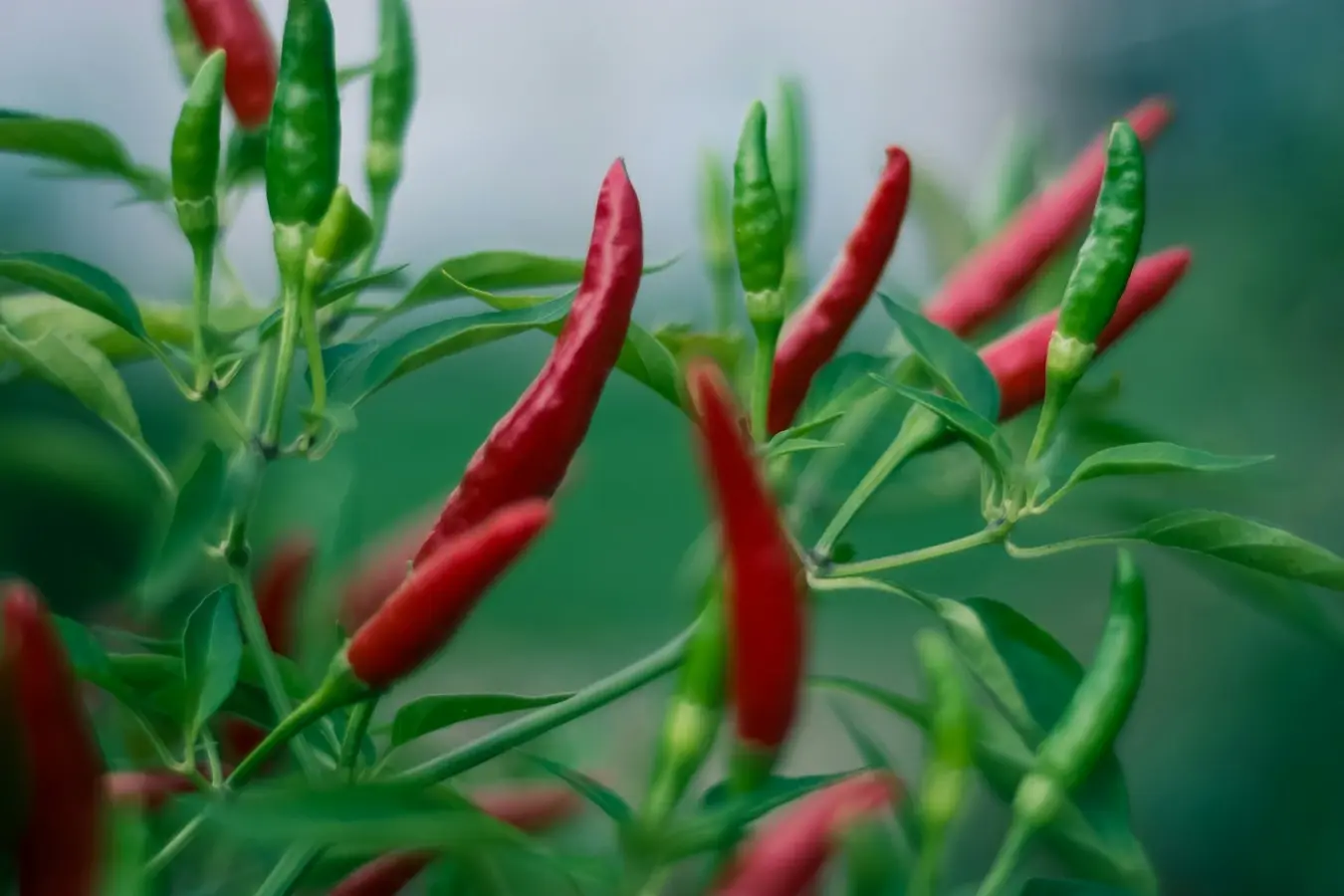
The range on that scale is staggering. A regular bell pepper sits at zero Scoville units - no capsaicin at all. A jalapeño runs between two and eight thousand units, depending on growing conditions. A habanero jumps to around two hundred thousand. The ghost pepper, once the record holder, reaches over a million units. The current record holder, a pepper called Pepper X, bred by American grower Ed Currie, exceeds two million six hundred thousand units - several hundred times hotter than an average jalapeño.
Why Some People Can Handle More Than Others
Tolerance for spice isn't purely a matter of habit, though habit does play a role. Research shows people can inherit slightly different variants of the gene for the TRPV1 receptor, meaning some brains receive a weaker or stronger pain signal from birth for the same amount of capsaicin. Regular exposure to spicy food reduces receptor sensitivity over time - a desensitization process that explains why experienced spicy-food lovers can eat, without blinking, something that would leave a beginner in tears. Interestingly, research hasn't found a clear link between age itself and tolerance - it's far more a matter of exposure and, according to Rozin's findings, a personality inclined toward seeking thrills, rather than biological maturation.
Today it's estimated that roughly one in four people on the planet eats chili every day. That's not a small statistic for a food whose only describable effect, in the strictly biological sense, is pain. But maybe that's exactly the point - in a world full of real dangers we can't control, chili offers something rare: a chance to feel alarm, panic, and relief, all within a few minutes, completely safely, and at exactly the intensity we choose to let into our own mouths.