
Ten Interviews, One Secret: What Makes Us Feel Alive Has No Price Tag

![[object Object]](https://api.hedonistmagazine.net/storage/images/2026/08/09f181ae-b642-4065-995a-0596043e72f2.webp)
We asked the same question to ten different people, in ten different conversations, in ten different moods: what does hedonism mean to you? We expected something about champagne, private jets, maybe an expensive watch on someone's wrist. Instead, once we laid all the interviews side by side, something far less expected emerged. And, we have to admit, something far more beautiful.
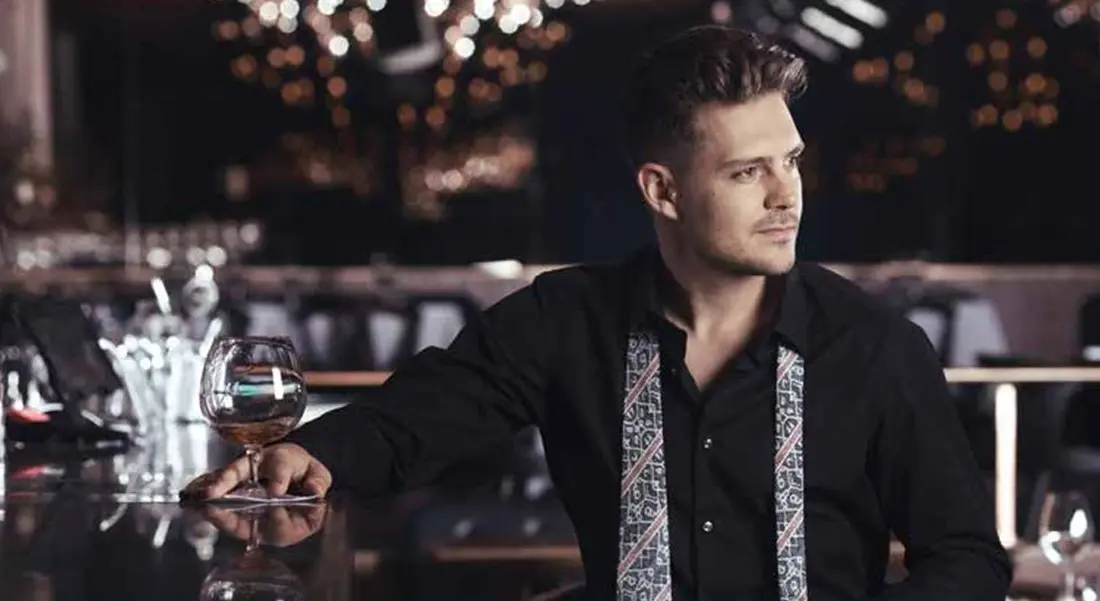
Miloš Biković was the first to turn the question on its head. Enjoyment, he says, isn't a state you buy, but a state in which a person feels alive - and for him that happens most often while he's thinking, while the scent of pine and sea reaches him, or while he makes real contact with someone, whether a stranger or someone close. Material things, he says, are just one of the triggers for something that runs much deeper.
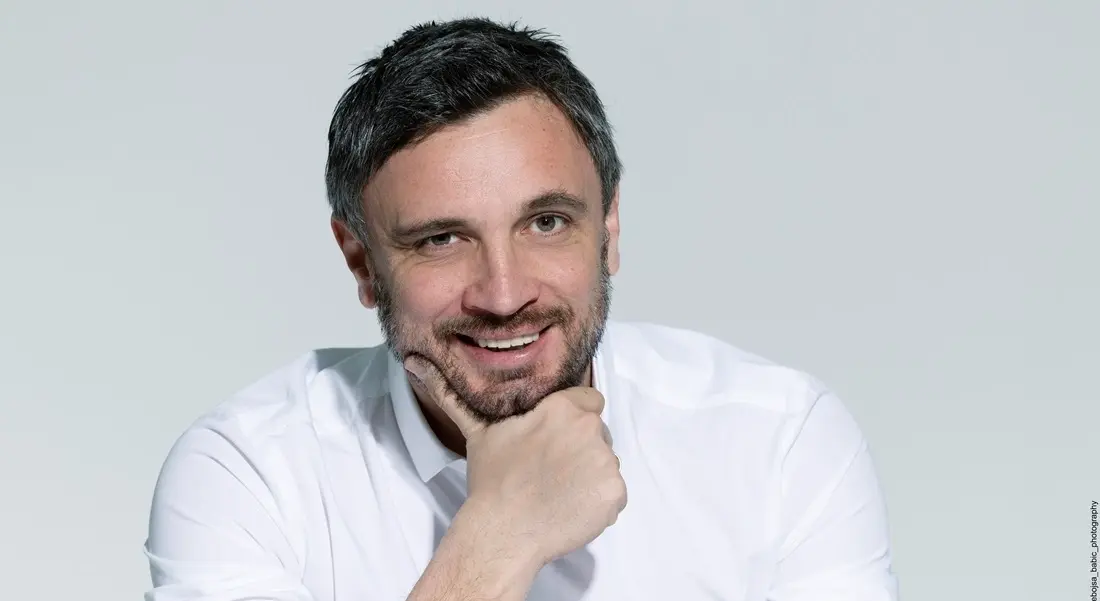
Jovan Memedović took that a step further - he turned that deeper layer into an address. He traded a house in Dedinje for a log cabin on the bank of the Drina, and today he defines hedonism literally as that trade: city status for a morning spent in a canoe, where, as he puts it, every stroke of the paddle carries away one bad thought.

Zlatan Vidović, asked where he enjoys himself most once the spotlights go off, gave nearly the same answer in different words - nature, silence, small daily rituals that can happen within four walls.
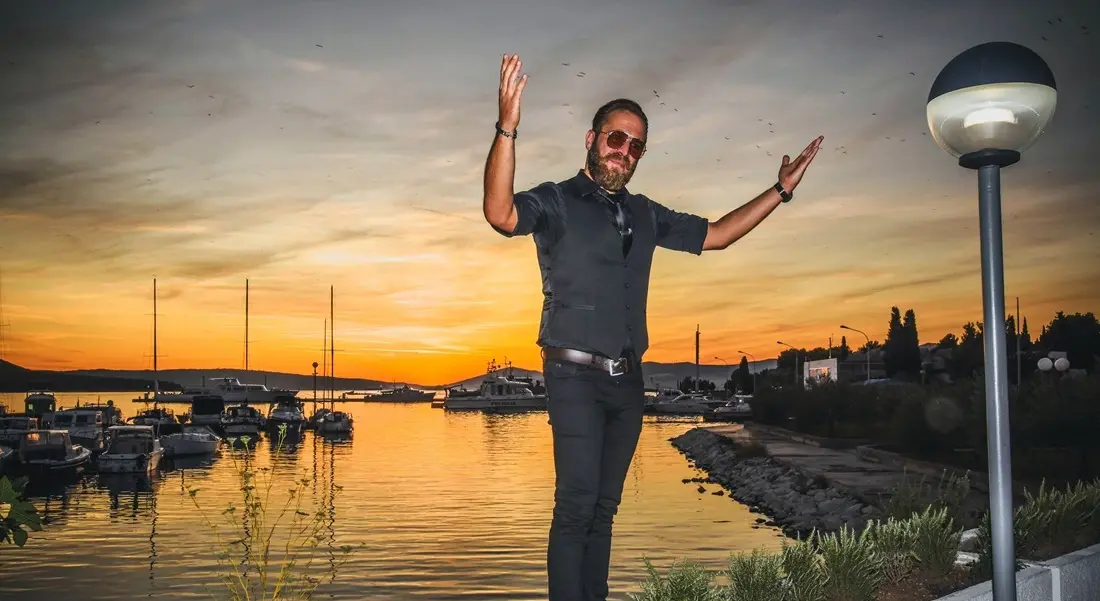
The same pattern repeats around food, only there it's even more pronounced. Ivan Pažanin, a man whose job is to turn food into a spectacle for the cameras, says his greatest pleasure is actually the plainest one - tomatoes from his own garden turned into sauce, in his parents' house, far from any kind of set design.
And that's exactly where the strangest twist of the whole story happens: Zdravko Mamić, a man convicted of tens of millions of euros in fraud, when asked about hedonism, doesn't talk about the luxury that passed through his hands, but about prayer, and about cabbage rolls and stuffed cabbage at home. Two completely different men, two completely different paths through life, and their answers match almost word for word: real pleasure smells like smoke from a parent's kitchen, not like a wine list at a Michelin-starred restaurant.

The third pattern is maybe the most striking, because it repeats almost verbatim. Sergej Ćetković said that all the exotic places in the world mean nothing if you have no one to share them with.
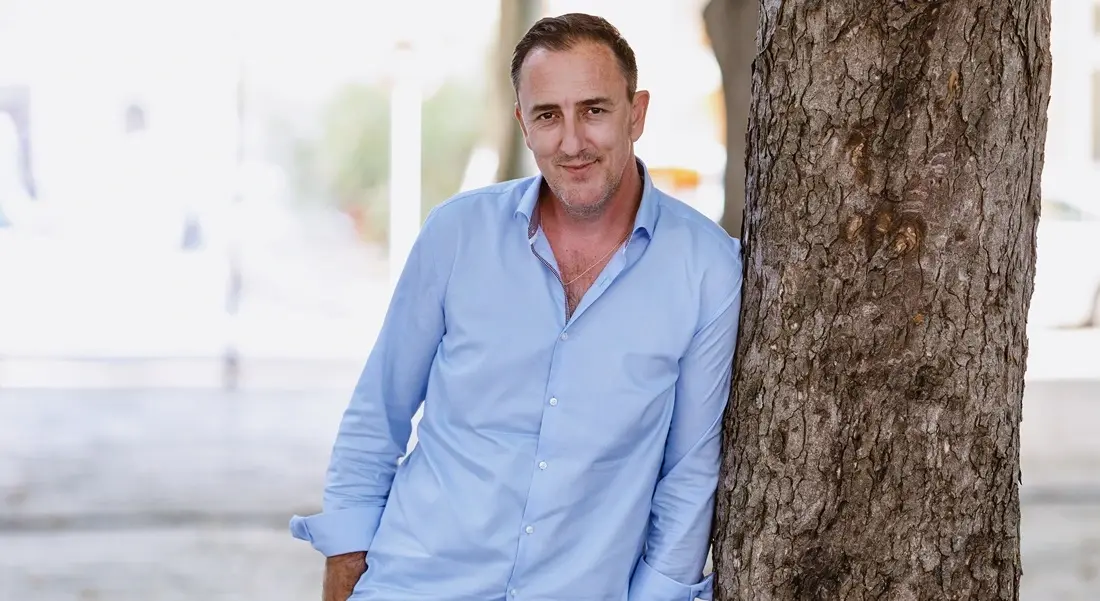
Ida Prester, independently of him, described herself as someone addicted to people and to touch, and concluded that hedonism, at its core, is closeness.

Branka Katić, when we asked her about enjoyment, first thought of a friend who is no longer alive - and right there the emotion becomes clearer than in any definition: enjoyment, it seems, isn't remembered as a moment a person had, but as a moment they had with someone.

Goran Bogdan brought a small but important nuance to the story - for him, hedonism has the texture of paper. He always travels with a trunk full of books, picks titles that connect somehow to the place he's heading to, and says that's how he tries not to be a tourist who just "checks off" the sights, but someone who soaks up the streets and the pavement of a city.
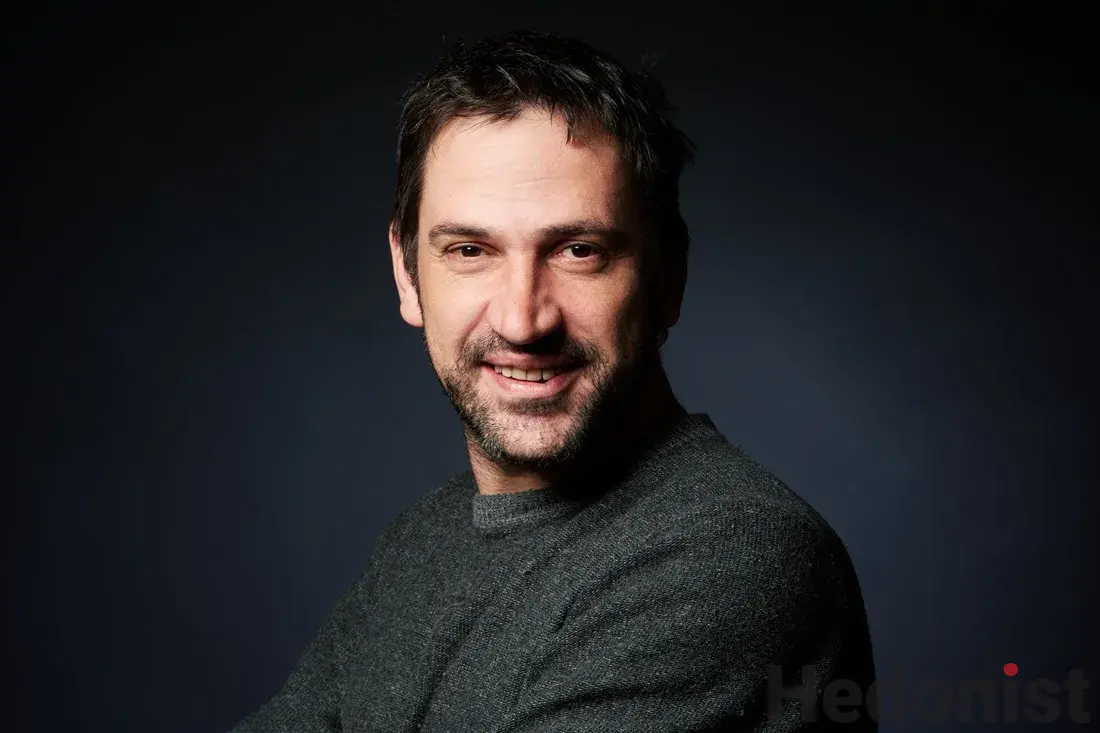
Ashok Murty may have named it most precisely of all: real hedonism is stolen moments, intimate and private enough, with people who are dear to us - and trips where you were allowed to be a stranger somewhere without feeling lost.

Add it all up, and you get a fairly unexpected conclusion for a magazine that carries the word hedonism in its name. Not one of the ten people we spoke to - actors, singers, chefs, stylists, television personalities, not even the one man we'd most expect to talk about money - described hedonism through an object you can own.
They described it through a state of mind while thinking, through a scent that carries you back to one place, through a morning spent on the water, through a plate cooked with no one watching, through someone sitting beside you while you drink a glass of wine. Ida Prester put it, in the most honest moment of the whole series of conversations, almost like the motto of this whole theme: she doesn't need yachts or status symbols, just enough to have her own moments.
Maybe that's the most honest definition our magazine can offer its readers. Hedonism isn't a list of things you need to own before you die. Hedonism is a list of people and moments that made it worth living up to that day - and that list, as it turned out across ten independent conversations, is for almost everyone the same: a familiar scent, a familiar face, and a table that doesn't need to be crowded to have enough on it.