

Five European Cheeses Every Food Lover Should Try at Least Once

![[object Object]](https://api.hedonistmagazine.net/storage/images/2026/07/2a3de753-524a-4f88-865f-08b81fecd308.webp)
Some countries are best discovered through their cities, others through their wines or desserts. But there is one product that often reveals more about a region's history, climate, and way of life than an entire travel brochure - cheese. Behind every wheel lie centuries of craftsmanship, carefully preserved traditions, and flavors that are almost impossible to replicate anywhere else.
If you enjoy exploring the world through gastronomy, these five European cheeses deserve a place on your tasting list.
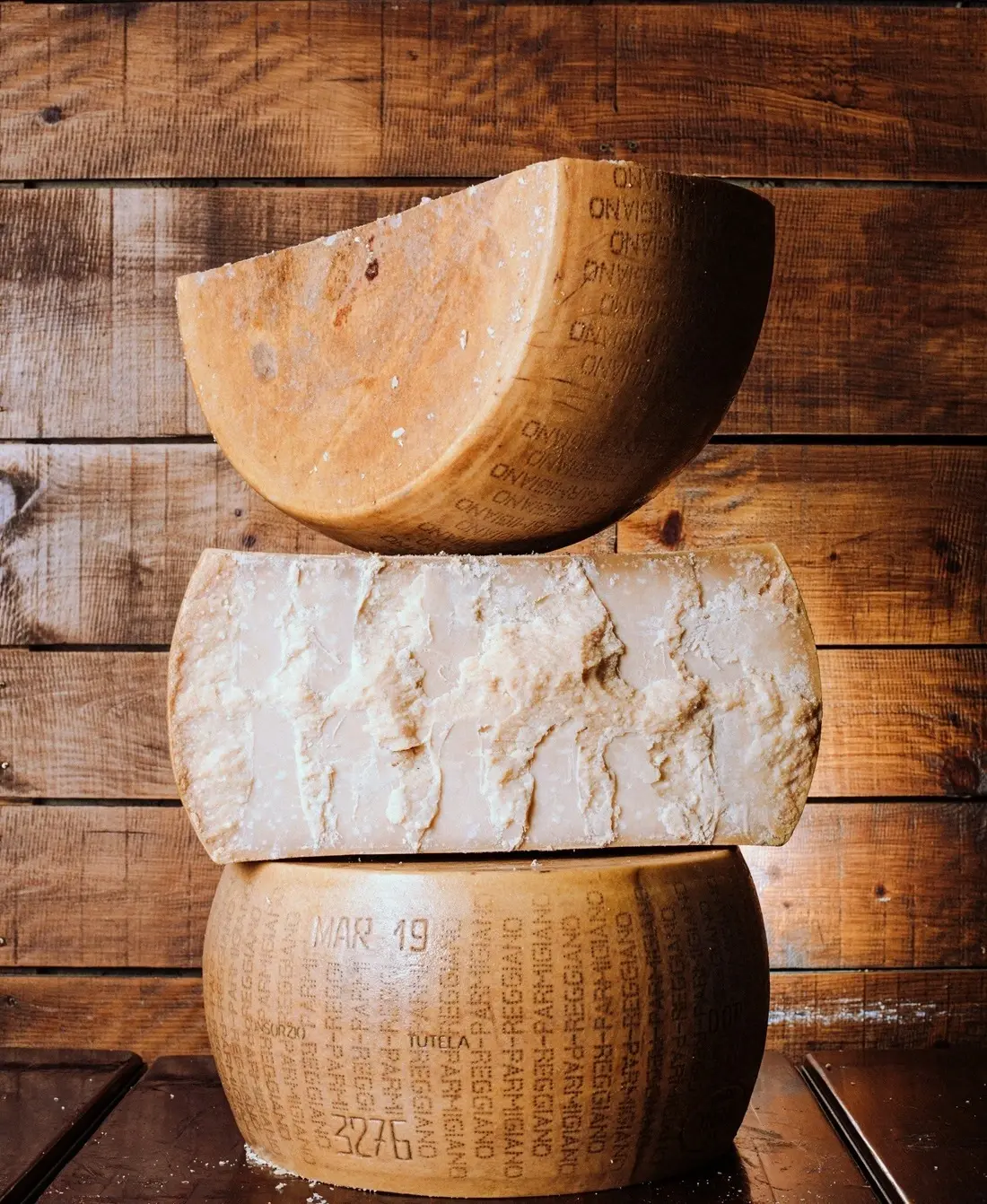
Parmigiano Reggiano (Italy)
For many, it is the undisputed king of cheeses. Authentic Parmigiano Reggiano is produced exclusively in a handful of provinces in northern Italy, following production methods that have remained virtually unchanged for more than 900 years. It is made using only milk, salt, and rennet, with no additives or preservatives.
The cheese is aged for at least 12 months, while the finest wheels mature for three years or even longer. Over time, it develops its distinctive crystalline texture, rich aroma, and complex flavor filled with nutty notes and balanced saltiness.
It is best enjoyed in chunks with a few drops of aged balsamic vinegar or a glass of red wine. Grating it over pasta is just one of the many ways to appreciate this Italian masterpiece.
Manchego (Spain)
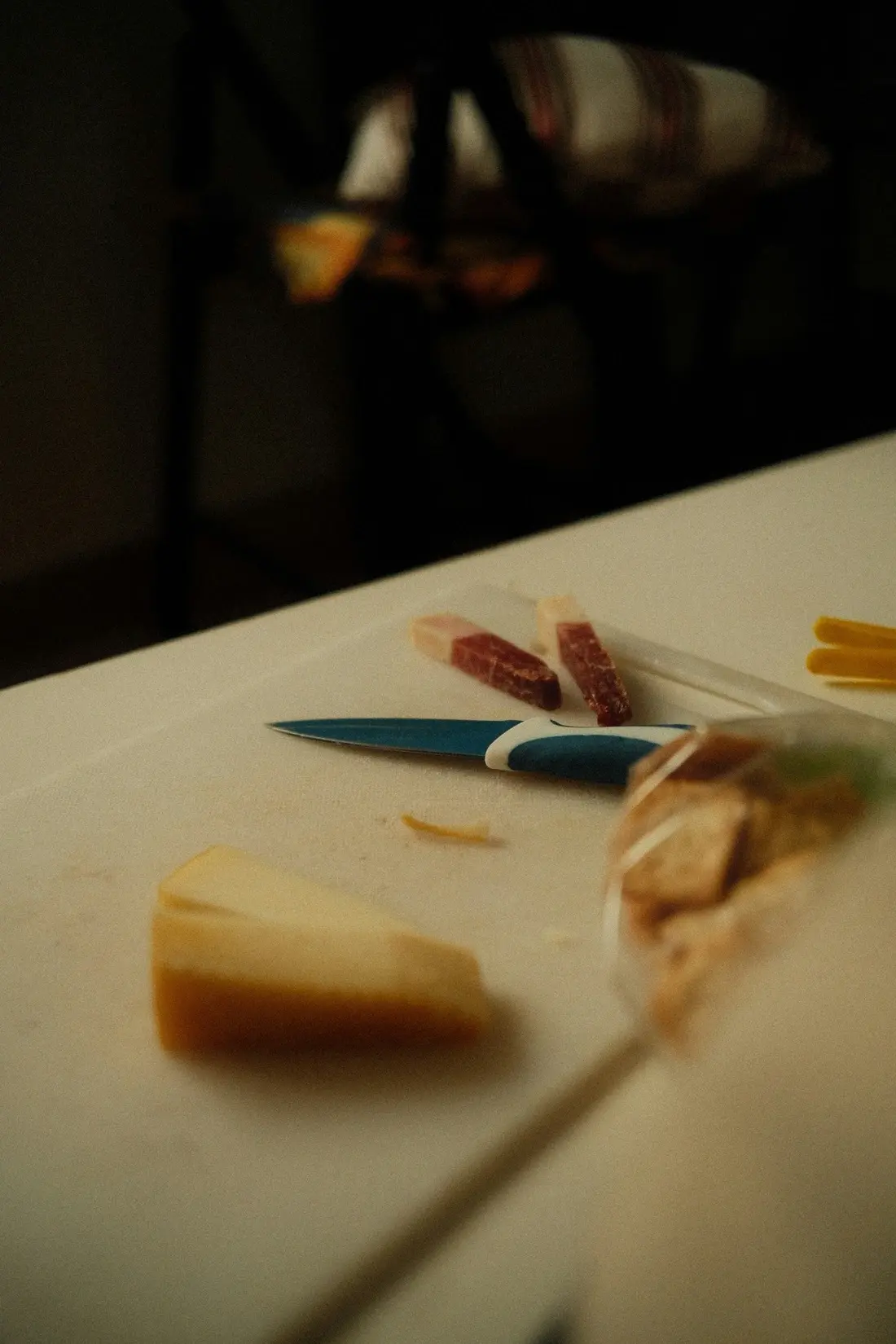
If there is one cheese that captures the essence of Spain's La Mancha region, it is Manchego. Authentic Manchego is made exclusively from the milk of Manchega sheep, the native breed from which it takes its name. It is instantly recognizable by the woven pattern on its rind, created using traditional grass molds.
Young Manchego is mild and creamy, while aged varieties become firmer, richer, and more intense, with a pleasantly nutty finish.
It pairs beautifully with cured ham, olives, and a glass of Spanish red wine, making it a staple on almost every traditional tapas platter.
Gruyère (Switzerland)
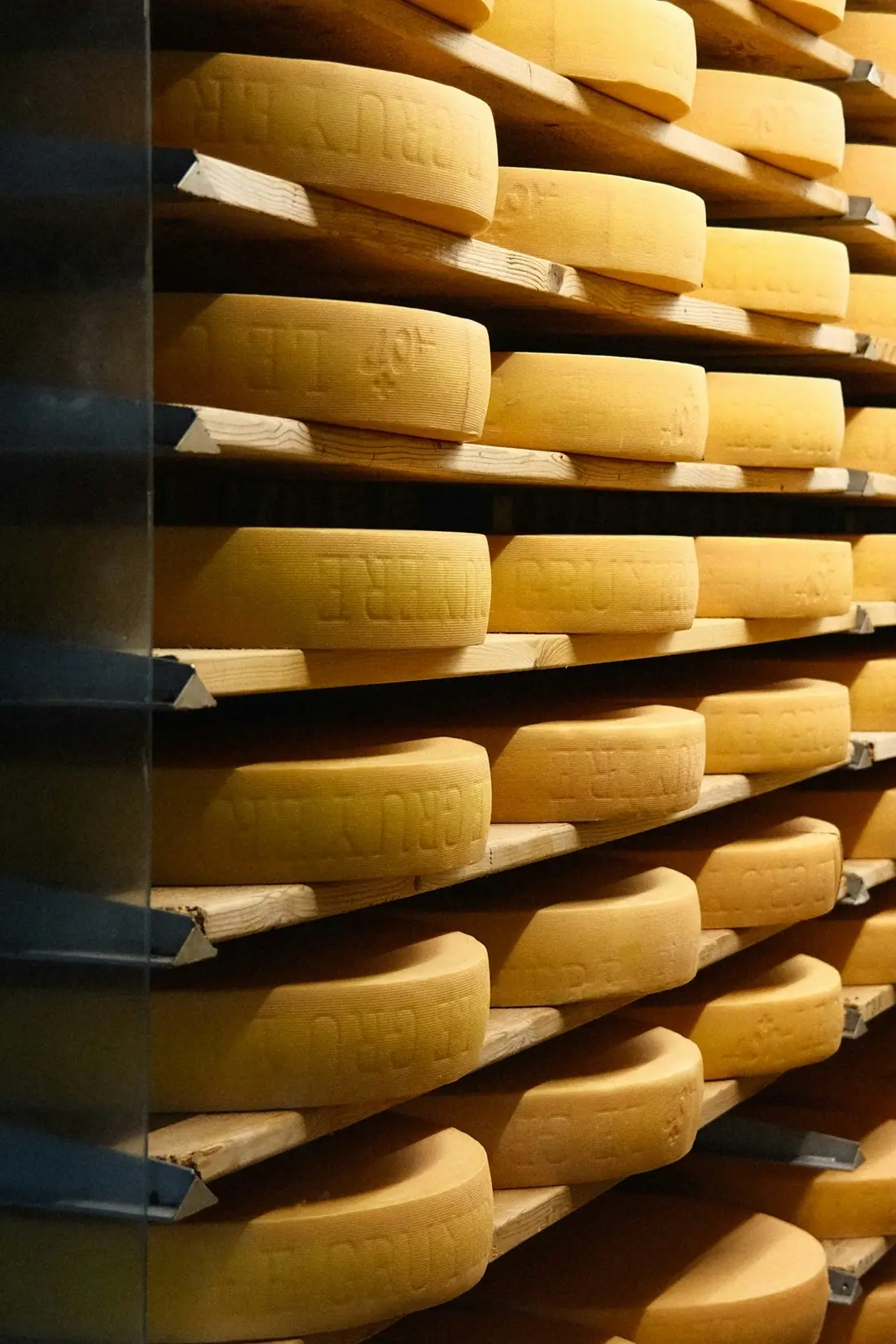
Many people know Gruyère as the classic cheese for fondue, but it deserves recognition far beyond that. It originated in the Swiss town of the same name, where it has been produced since the Middle Ages. Its texture is firm yet smooth, without the large holes often associated with Swiss cheeses.
As it matures, Gruyère develops increasing complexity. Younger versions offer buttery and creamy flavors, while older wheels reveal deeper nutty and slightly fruity notes.
It is perfect for fondue, gratins, and gourmet sandwiches, but it is equally enjoyable on its own, served with fresh grapes or pears.
Pecorino Romano (Italy)
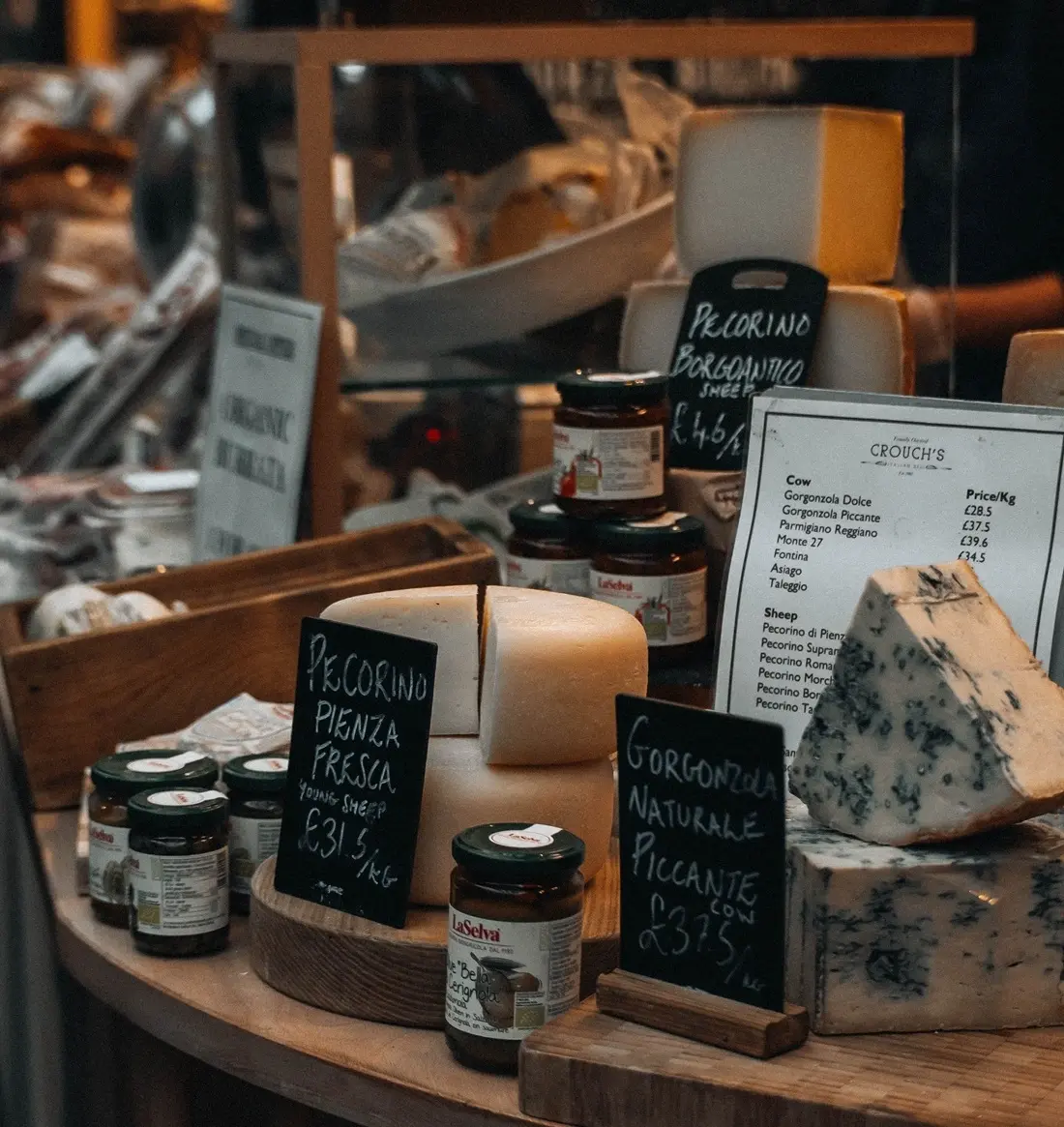
While Parmigiano is elegant and balanced, Pecorino Romano does not attempt to be subtle. Made from sheep's milk, it is one of the oldest cheeses in the world. Ancient Romans enjoyed it more than two thousand years ago, and today it remains an essential ingredient in classic Italian dishes such as Cacio e Pepe and Amatriciana.
Its bold, salty, and intensely savory flavor means that even a small amount adds remarkable character to a dish.
Pair it with honey or fresh figs, and you'll discover an entirely different side of this iconic Italian cheese.
Gorgonzola (Italy)
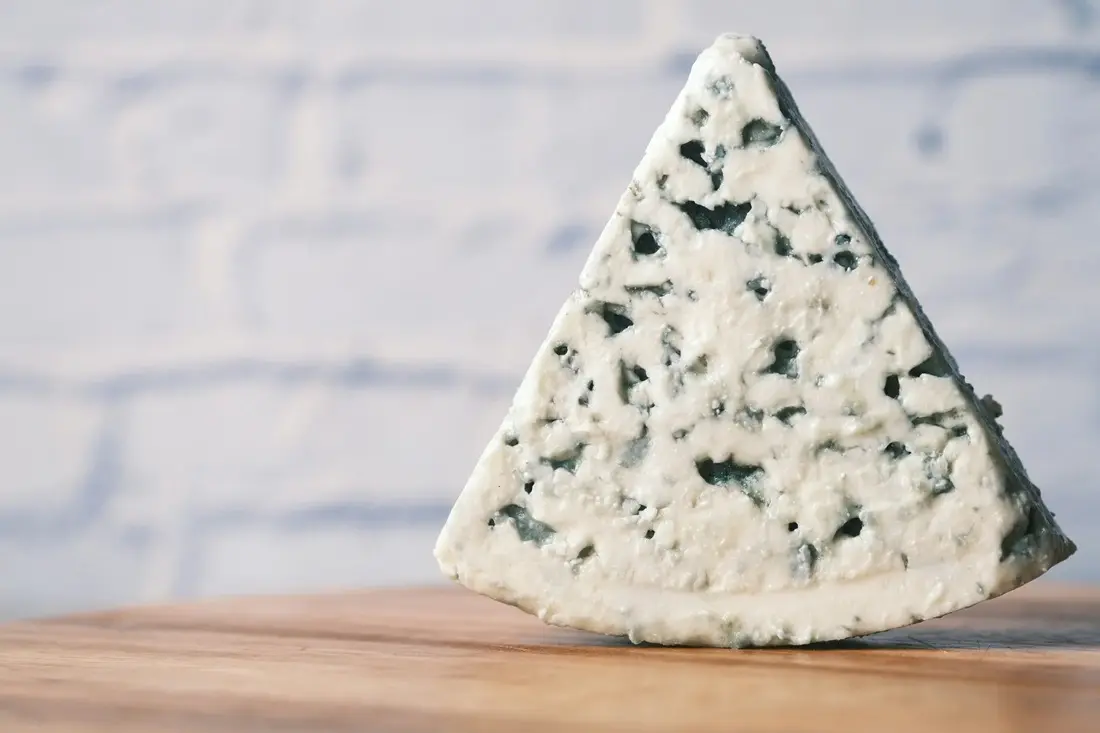
Few foods divide opinions as much as blue cheese. Gorgonzola is one of its most celebrated representatives. Produced in the Lombardy region for nearly a thousand years, its signature blue-green veins are the result of a carefully controlled aging process.
There are two main varieties. Gorgonzola Dolce is soft, creamy, and delicately sweet, while Gorgonzola Piccante is firmer, more mature, and noticeably stronger in flavor.
It pairs exceptionally well with pears, walnuts, honey, and dessert wines, and is considered by many to be one of the world's finest blue cheeses.
More Than Just Food
In Europe, cheese has never been merely something to eat. It is part of local identity, history, and the landscapes from which it comes. The Alpine pastures of Switzerland, the rolling hills of Tuscany, the dry plains of La Mancha, and the fertile countryside of Emilia-Romagna all leave their mark on every bite.
That is why the best way to discover these cheeses is not in a supermarket, but where they are made - in a small family-run dairy, at a local market, or around a table with a glass of wine while talking to the people who have been crafting them for generations.