Fifty Grams for Fifty Euros: The Story of the World’s Most Expensive Cheese

![[object Object]](https://api.hedonistmagazine.net/storage/images/2026/10/a9d8b713-cd8f-48f6-9484-3849fd94727f.webp)
It is made on a single farm, from milk drawn by hand, drop by drop, and sold by the gram- how a nature reserve near Sremska Mitrovica produced a cheese that was long believed impossible to make.
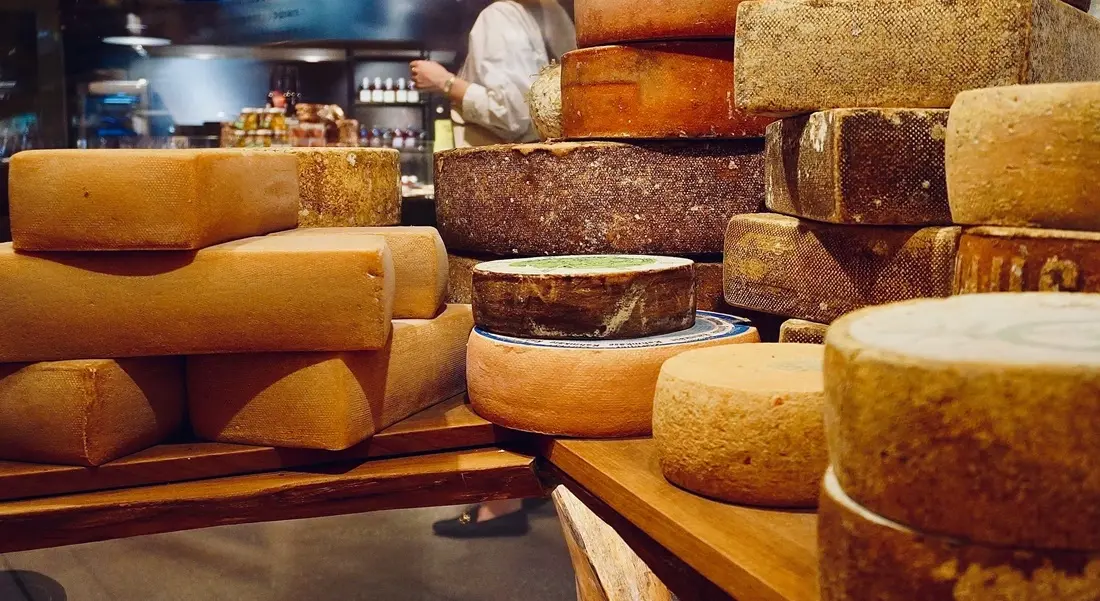
Fifty grams. That is how much fits into one package of donkey cheese from Zasavica, and in its luxury box it costs roughly fifty euros. The arithmetic is simple: a kilogram of pule, as the cheese is called, carries a price of 1,000 euros. So nobody buys it by the piece. It is bought the way one buys jewelry: by the gram, and with respect.
An Idea from the Bible, a Problem from Chemistry
Slobodan Simić, director of the Zasavica Special Nature Reserve, says it began more than two decades ago, with a story. Inspired by the tale of the donkey on which Jesus rode into Jerusalem, he bought a few donkeys. The herd grew, a farm took shape, and once it was on its feet, Simić began to think about cheese.
That was where the trouble started. Donkey milk contains only about half a percent fat, roughly the same as human milk. Cow’s milk has between 3.8 and 4.5 percent, buffalo’s up to six. And cheese, as Simić sums it up, is made from fat, not from water. The experts he hired tried and gave up, because the world considered it impossible. The solution finally came from a single technologist, armed with extensive reading, a little goat’s milk, and certain additives. The recipe, Simić insists, has never been revealed.
The Arithmetic That Hurts
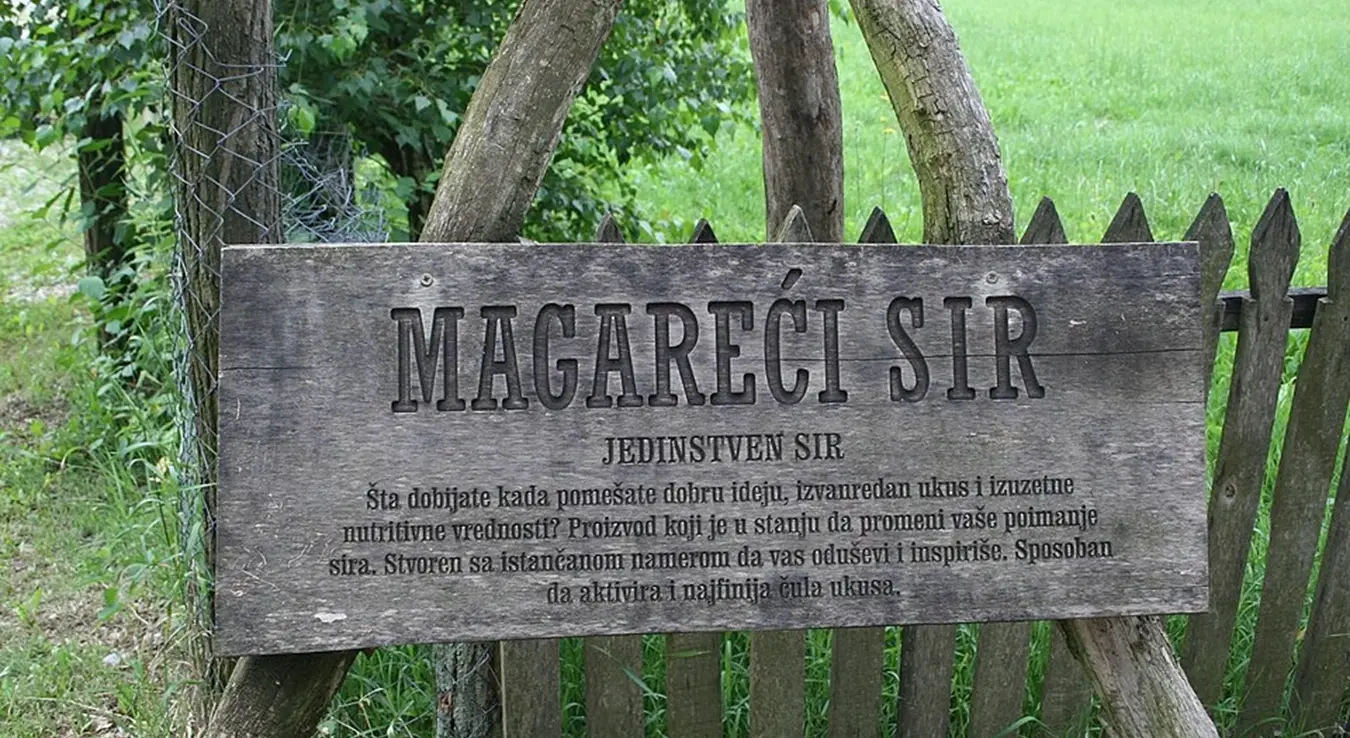
A kilogram of ordinary cheese takes four to five liters of milk. A kilogram of pule takes 25 liters. The donkeys are milked by hand, three times a day, in tiny quantities, and in 2013 Simić explained that 25 liters is what a single donkey yields in about half a year. Put differently, a kilogram of this cheese holds six months of one animal’s effort.
The price, in fact, is almost pure arithmetic. A thousand euros divided by 25 liters comes to 40 euros per liter of milk. There is no gold leaf and no truffle in it; the milk alone is what is expensive. How much is actually made depends on the year and on whom you ask: media reports put annual output anywhere from around ten kilograms (the figure Simić mentioned this year) to a hundred or so.
A Cheese That Cannot Travel
The world’s most expensive cheese comes with a paradox. Simić has explained that donkey milk is not recognized as a dairy product, so it cannot be exported, and the same goes for the cheese. Buyers must come to Zasavica and collect a pre-arranged quantity. The most expensive cheese in the world does not go to its customer; the customer goes to it.
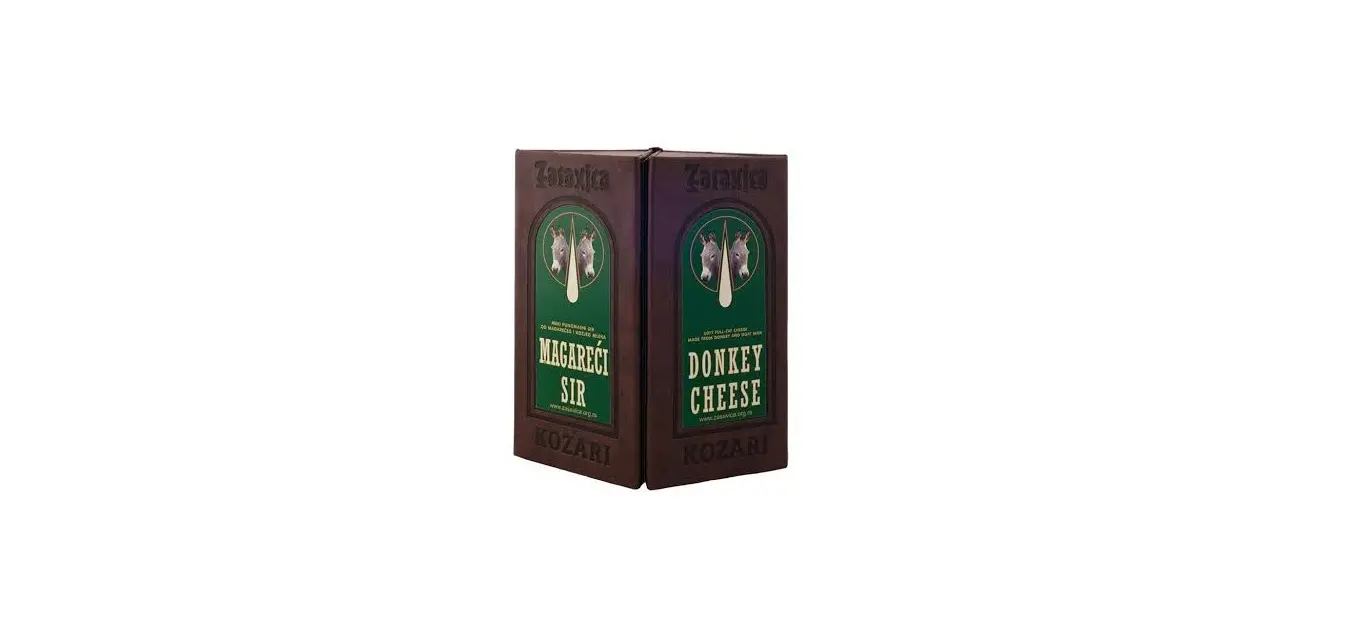
Come they have. According to Simić, the visitors have included ambassadors and foreigners. Robert Hardman, biographer of the British royal family, was the first prominent guest, and the cheese was later sent to the then Prince Charles and Camilla. A candidate for president of Ukraine bought the entire stock, and the largest single purchase was 12 kilograms, for a Singaporean tycoon.
In December 2012 the world read that Novak Djokovic had bought up the planet’s entire supply of donkey cheese for his restaurants. Djokovic denied it, saying that he had only just heard that donkey cheese existed, and that the farm had merely offered to work with him. The story went around the world anyway.
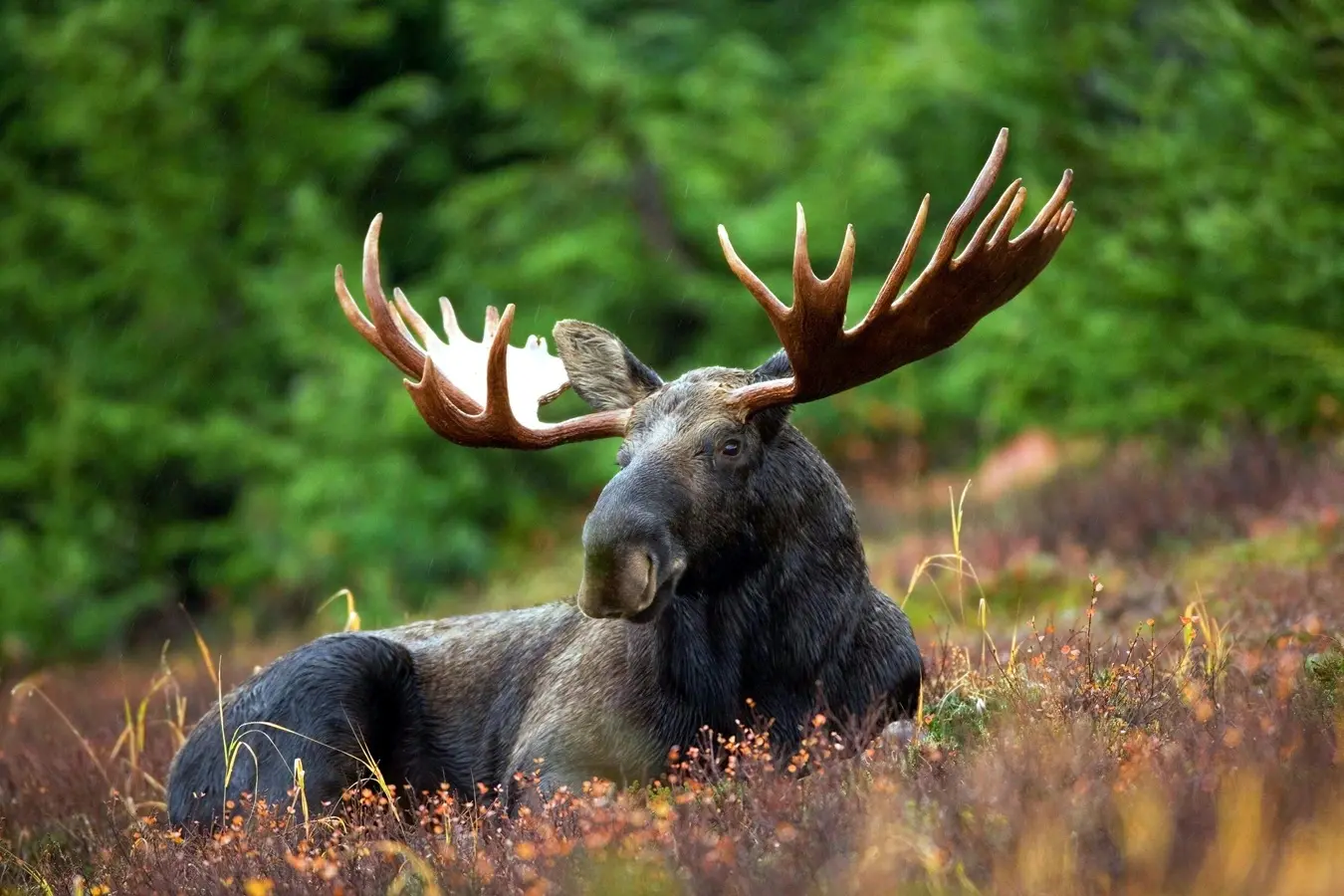
Pule has a serious rival, also from a single farm. At Älgens Hus in Sweden, three moose sisters, Gullan, Haelga and Juno, give milk from May to the end of September, and it becomes a cheese that sells for around 500 dollars a pound. On a ranking of the priciest cheeses published in 2022, as reported by the Slovenian daily Večer, donkey cheese comes first and moose cheese second.
The Taste of Rarity
What, finally, is in the box? A white, crumbly cheese. Simić describes it as pleasant, with a slight sweetness, and without the sharp, lingering flavor of a truffle. Others compare it to Manchego. It is served by the gram.
But the real taste may lie elsewhere. In an age when almost everything arrives instantly and in unlimited quantities, pule is a reminder that some things cannot be hurried. By Simić’s reckoning, every kilogram is half a year of one donkey. No wonder it is sold by the gram.