

Cola Wars (3): The War That Never Ended

![[object Object]](https://api.hedonistmagazine.net/storage/images/2026/07/9738e7c9-31b5-4e3a-858b-886ea75f0018.webp)
If the greatest marketing rivalry in history were decided solely by individual victories, Pepsi would probably be the world's leading soft drink brand today.
Over the past six decades, the company has won many of the battles that, at the time, seemed decisive. The famous Pepsi Challenge repeatedly demonstrated that, in blind taste tests, a significant number of consumers preferred Pepsi's flavor. The Pepsi Generation campaign transformed the way marketers understood young consumers. Michael Jackson, the biggest music star on the planet at the time, became the face of the brand, followed by Madonna, Britney Spears, Beyoncé, Pink, David Beckham, Lionel Messi, and countless other global icons. At various points, Pepsi produced bolder advertising, adopted a more contemporary voice, and often captured the cultural mood more effectively than its greatest rival.
And yet, when viewed through a global lens, the outcome appears almost paradoxical.
Coca-Cola remains the world's most valuable and recognizable non-alcoholic beverage brand. Its name is known in virtually every corner of the globe, its iconic red-and-white logo is recognized by more than 90 percent of the world's population, and its products are consumed every day in almost every country. Despite economic crises, changing consumer habits, and decades of relentless competition, Coca-Cola has managed to preserve the position it built in the early twentieth century.
How is that possible?
How did a company that lost so many marketing battles ultimately win the war? The answer does not lie in the formula. Nor does it lie in advertising, remarkable as Coca-Cola's campaigns have often been. It certainly is not found in the endlessly debated question of whether Coca-Cola tastes better than Pepsi or vice versa. Millions of consumers around the world continue to answer that question differently today, just as they did fifty years ago.
The real explanation runs much deeper. The rivalry between Coca-Cola and Pepsi stopped being a story about two carbonated drinks long ago. It is a story about consumer psychology, the power of emotion, habits passed from one generation to the next, and the extraordinary ability of a brand to become woven into everyday life. At the same time, it is a story about distribution, logistics, global expansion, and strategic decisions made decades before their impact becomes visible. In the world of marketing, there is a well-known truth: a superior product alone is rarely enough to secure market leadership. Few rivalries illustrate that principle more convincingly than the century-long contest between Coca-Cola and Pepsi.
In the first two installments of this series, we traced the origins of one of the most famous corporate rivalries of all time. We saw how Coca-Cola evolved from a local tonic in Atlanta into a global symbol of the American way of life, and how Pepsi - through more daring marketing and a sharper understanding of emerging generations - beced the first company to seriously challenge its decades-long dominance. Campaigns such as the Pepsi Generation and the Pepsi Challenge, partnerships with the world's biggest entertainment icons, and the dramatic New Coke episode all demonstrated that even the most powerful brands are far from invincible.
Yet it was the New Coke crisis that revealed something few people had fully understood until then. Consumers were not defending a recipe. They were defending their memories. Their outrage was not driven by the taste of the new product but by the feeling that a piece of their personal history had been taken away. Few moments in business history have demonstrated so clearly that the world's most valuable brands are not created in laboratories or built solely on product superiority. They are shaped over years, often over generations, through trust, consistency, and countless small moments that people come to associate with a single name.
That is why the story of Coca-Cola and Pepsi is far greater than the competition between the two soft drinks. It is, in many ways, the history of modern marketing itself. Virtually every major business theme of the past century can be found within this rivalry - from the rise of mass advertising and the golden age of television commercials to celebrity endorsements, consumer psychology, global distribution networks, and today's digital-first communication strategies. Many of the principles now taught in the world's leading business schools were first tested, refined, and proven in the decades-long battle between these two iconic brands.
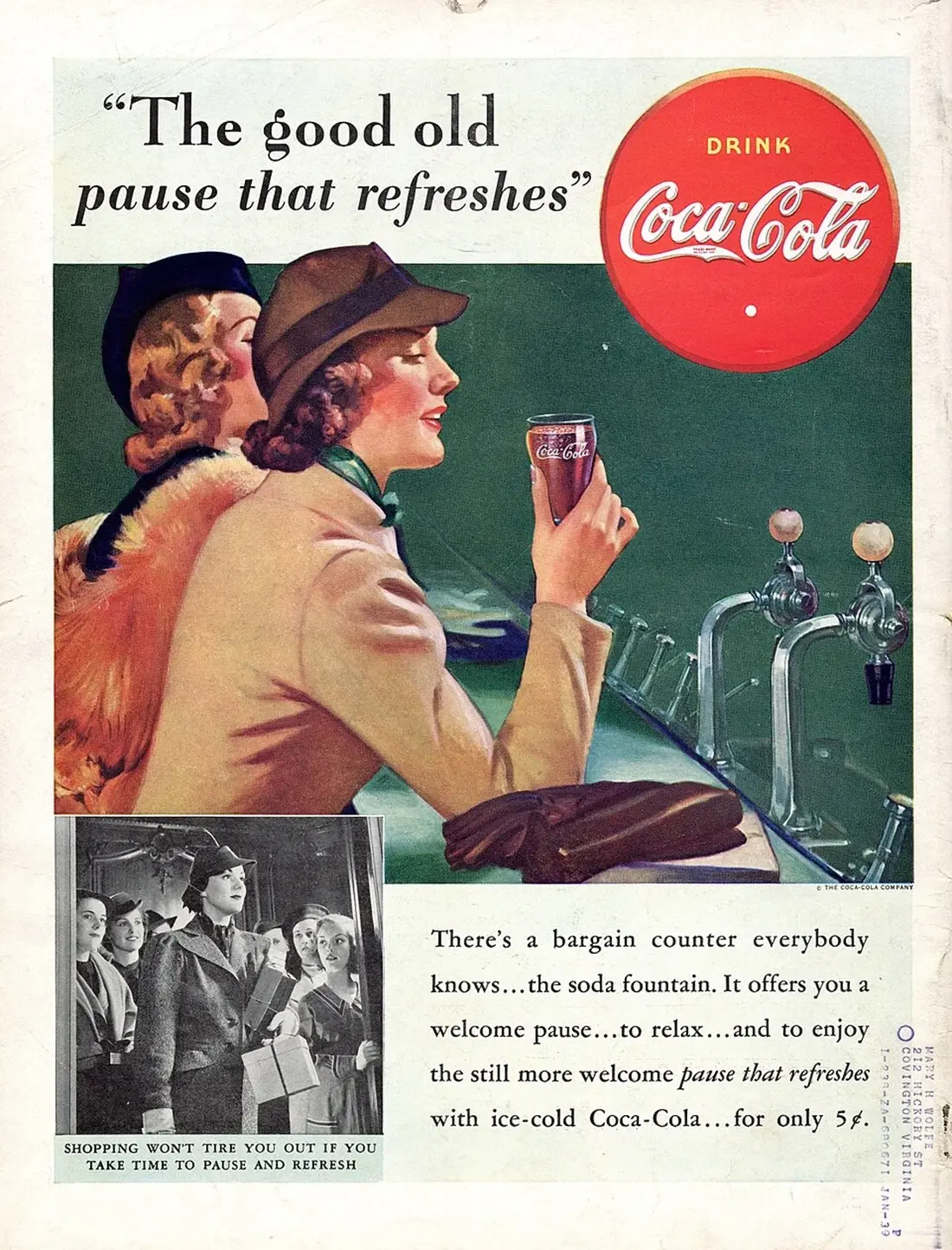
For that reason, the answer to why Coca-Cola ultimately won cannot be reduced to a single advertising campaign, one bold corporate decision, or a superior formula. Its success rests on a combination of factors that reinforced one another over more than a century. In the chapters that follow, we will unpack those elements - from consumer psychology and the enduring power of nostalgia to the distribution network that became Coca-Cola's greatest strategic weapon and the marketing philosophies that fundamentally reshaped the way the world thinks about brands.
Because the rivalry between Coca-Cola and Pepsi, despite its name, was never simply a battle for market share. It was a clash between two fundamentally different business philosophies, two competing visions of branding, and two distinct ideas about how consumer loyalty is won. That is precisely why, nearly 140 years after the first glass of Coca-Cola was served, the Cola Wars remain perhaps the greatest business story ever told in the history of marketing.
Why Coca-Cola Won
When people discuss the rivalry between Coca-Cola and Pepsi, the conversation almost always gravitates toward taste. Some insist Coca-Cola is more balanced; others argue Pepsi is sweeter and more flavorful, while many claim they can barely tell the difference. Yet the single greatest lesson of the Cola Wars is that taste was never the decisive factor. Had it been, history would almost certainly have unfolded very differently.
The Pepsi Challenge demonstrated that, in blind taste tests, many consumers genuinely preferred Pepsi. Yet that preference was never enough to claim the global crown. The reason is remarkably simple: markets are not always won by the objectively superior product - or even by the one that more people prefer in controlled tests. They are won by the product that is more visible, more accessible, and more deeply embedded in everyday life.
There is a well-known business maxim that captures this reality perfectly: "The best product is the one people can actually buy."
In other words, the best product is not necessarily the one with the best flavor or the most memorable advertising campaign. It is the one that is always within reach.
That was Coca-Cola's greatest competitive advantage.
The First-Mover Advantage
In economics, there is a concept known as the first-mover advantage - the strategic benefit enjoyed by companies that enter a market before their competitors. It does not guarantee long-term success, but it allows an early entrant to build systems and relationships that are exceptionally difficult for later rivals to replicate.
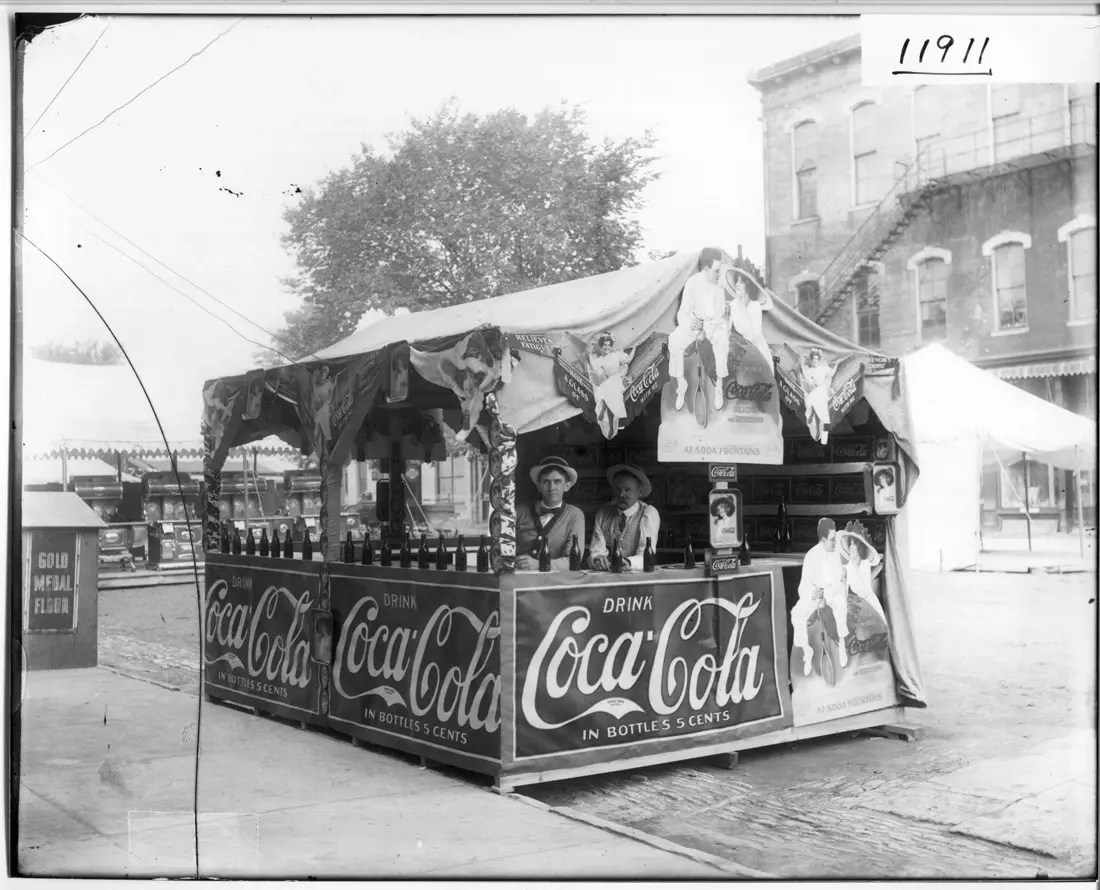
Coca-Cola was founded in 1886. Pepsi followed only a few years later. At first glance, the gap appears insignificant. In the business landscape of the late nineteenth and early twentieth centuries, however, those few years represented an enormous head start.
While Pepsi endured bankruptcies, ownership changes, and repeated struggles for survival, Coca-Cola quietly focused on building something far more valuable than short-term sales. It invested in a distribution network that would eventually prove almost impossible to challenge. The company recognized remarkably early that the future would depend not only on how much it could produce, but on how efficiently it could place its product in every town, every restaurant, and every neighborhood store.
That insight changed everything. Coca-Cola was not merely building factories. It was building a system.
The Bottling Revolution
One of the most visionary business decisions in Coca-Cola's history came at the end of the nineteenth century, when the company began licensing production to independent bottling partners.
Rather than shipping finished beverages from a single central factory across the country, Coca-Cola supplied its proprietary syrup to local bottlers, who mixed, bottled, and distributed the product within their own regions. At first glance, it appeared to be a straightforward logistical solution.
In reality, it was a business revolution.
The model allowed Coca-Cola to expand at a pace that traditional manufacturing could never have matched. Transportation costs were dramatically reduced, local jobs were created, and an entire ecosystem of independent entrepreneurs suddenly had a direct financial incentive to increase sales.
Over time, this vast network of bottling partners became one of the company's greatest strategic assets. While competitors fought to establish a foothold in individual markets, Coca-Cola already possessed an infrastructure that functioned like a global circulatory system, carrying its products almost everywhere consumers could be found.
A Drink That Was Everywhere
Marketing can persuade people to want a product. Distribution determines whether they can actually buy it. Coca-Cola understood this distinction decades before most of its competitors.
The company never wanted to be available only in supermarkets. Its ambition was both simpler and far more ambitious - to be present wherever people happened to be. At gas stations and railway terminals. In movie theaters and sports stadiums. In hotels, airports, restaurants, schools, beaches, vending machines, and neighborhood convenience stores.
Whenever someone felt like having a cold drink, Coca-Cola wanted the answer to be waiting right in front of them. That is why the company's iconic red coolers became almost as important as its advertising campaigns. They were never merely refrigeration units.
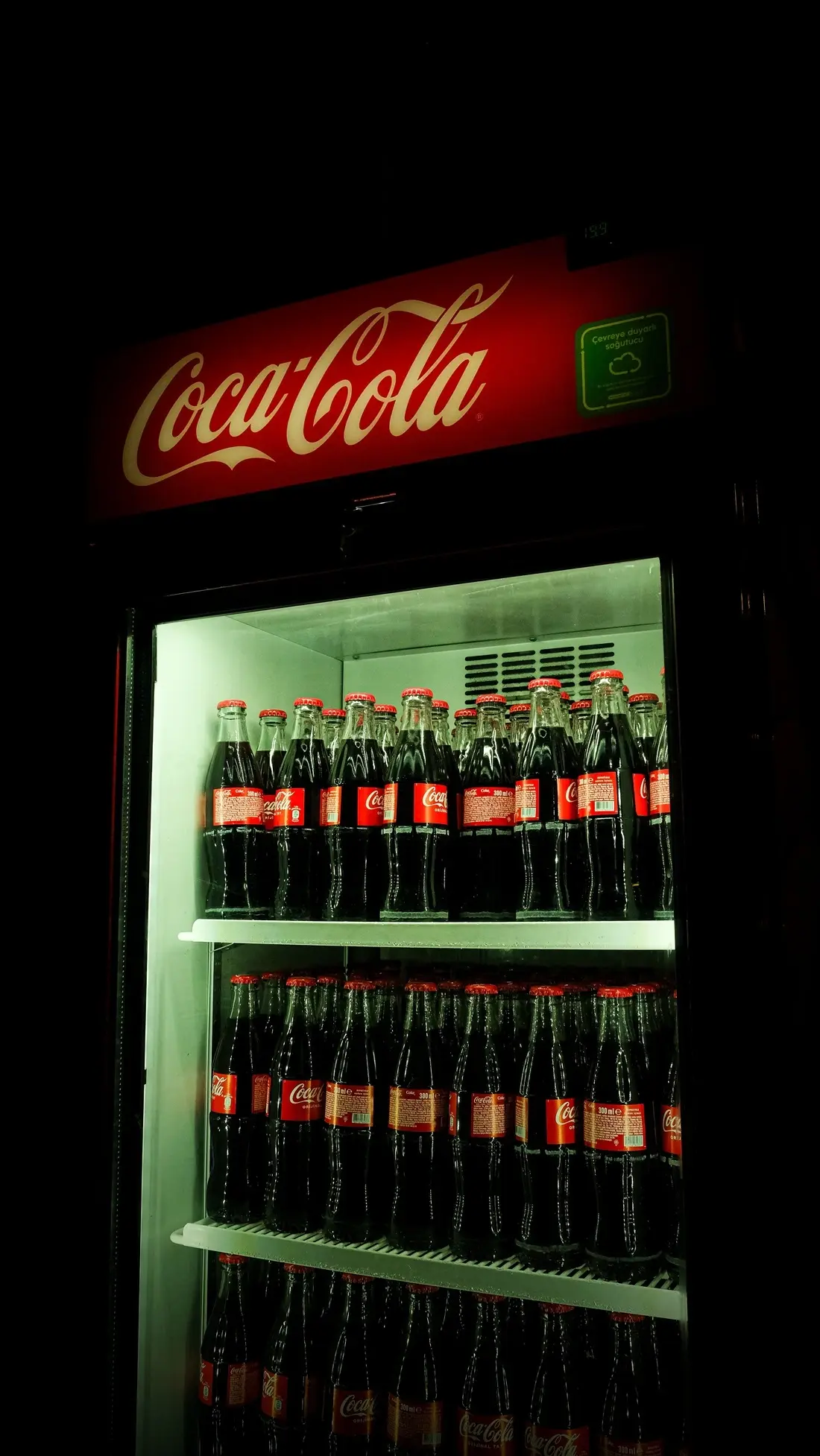
They were permanent, highly visible reminders that the brand was always close at hand.
While marketers focused on building emotional connections with consumers, distributors were fighting an entirely different battle - one for the best shelf space, the most prominent placement in restaurants, and the most visible position beside the checkout counter. In the end, both battles proved equally important.
The Battle for Restaurants
One of the least visible, yet most consequential, fronts in the Cola Wars unfolded far from television studios and advertising agencies. It took place in restaurants.
Walk into almost any fast-food restaurant today, and you will likely find that it serves either Coca-Cola or Pepsi - but rarely both. That is no coincidence.
For decades, the two companies competed fiercely for exclusive agreements with restaurant chains, hotels, movie theaters, stadiums, and entertainment venues. Winning one of those contracts meant securing daily exposure to millions of consumers, many of whom would develop lasting preferences simply because one brand was consistently available while the other was not.
Among all of these partnerships, one stands above the rest.
The Alliance That Changed the Industry
As McDonald's expanded from an American fast-food chain into a global phenomenon, Coca-Cola was already its principal beverage partner. Over time, the relationship evolved into one of the most successful corporate partnerships in the history of the food and beverage industry.
For millions of people around the world, their first Coca-Cola accompanied a hamburger and fries. The pairing became so familiar that, in many markets, the two brands came to feel almost inseparable.
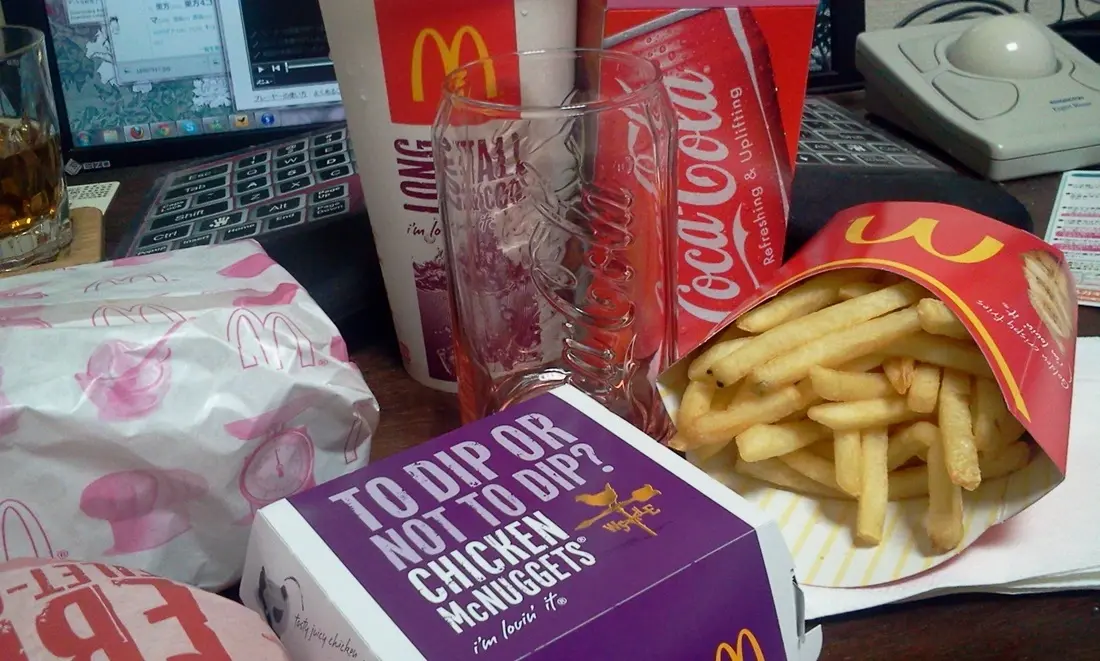
Even today, many McDonald's restaurants use specially designed Coca-Cola dispensing systems, with carefully calibrated syrup ratios, filtered water, and tightly controlled serving temperatures to ensure that the drink tastes as consistent as possible, whether it is served in Chicago, Tokyo, São Paulo, or Paris.
Partnerships of this kind generate far more than impressive sales figures. They create habits. And in marketing, habit is among the most valuable assets a brand can possess.
The Drink That Followed the Troops
The Second World War marked another defining moment in Coca-Cola's rise.
As millions of American soldiers were deployed across Europe and the Pacific, the company's leadership made a remarkable decision. Regardless of cost, every American serviceman should be able to buy a bottle of Coca-Cola for the same price he would pay back home.
To make that possible, Coca-Cola built bottling plants near military bases across the globe. At first glance, the initiative appeared to be an act of patriotism. Its business consequences were far more profound.
When the war ended, those bottling plants did not disappear. They remained in place, supplying local populations and providing the foundation for Coca-Cola's postwar international expansion. While many American companies were only beginning to explore foreign markets, Coca-Cola already possessed an operational infrastructure spanning multiple continents.
The company did not simply export a beverage. It exported a business system.
The Olympic Stage
Coca-Cola was also among the first corporations to recognize that major sporting events represented far more than advertising opportunities.
Beginning in the first half of the twentieth century, the company became one of the Olympic Games' most enduring partners, aligning its brand with ideals of friendship, unity, excellence, and international cooperation. Millions of viewers around the world watched the same competitions, the same ceremonies, and the same Coca-Cola messages, reinforcing the brand's identity on a truly global scale.
That level of recognition could never have been achieved through a single campaign. It was built patiently, decade after decade.
The Real Secret Was Never the Formula
When business historians ask why Coca-Cola managed to retain its leadership despite relentless competition, changing consumer preferences, and countless market disruptions, they increasingly look beyond the product itself.
The company's greatest competitive advantage was never its closely guarded formula. It was its extraordinary ability to be almost everywhere, almost all the time, for almost everyone.
Advertising created desire. Emotion built loyalty. Distribution transformed both into sales.
And perhaps that is the single greatest lesson of the Cola Wars: the world's most successful brands do not triumph simply because people love them. They triumph because they are always there - exactly where consumers expect to find them, at precisely the moment they decide to buy.
Related articles
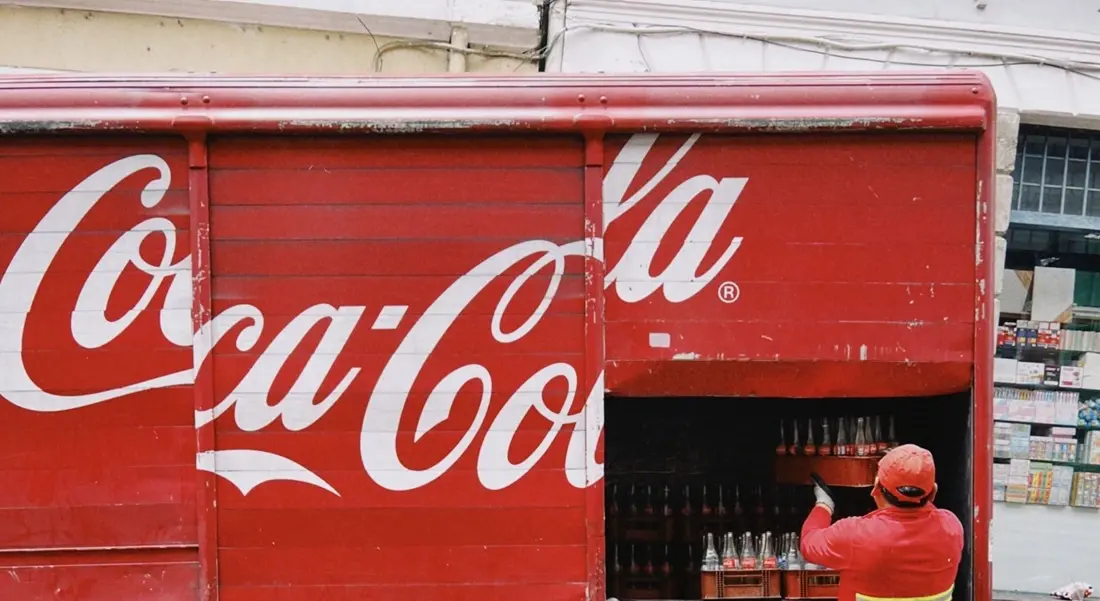
Cola Wars (Part 1): How Coca-Cola Won the Greatest Marketing Battle of All Time
Few corporate rivalries have influenced modern marketing as profoundly as the battle between Coca-Cola and Pepsi. For more than a century, the two soft drink giants have fought a war unlike any other - not with armies or weapons, but with billion-dollar advertising campaigns, celebrity endorsements, supermarket shelves, and, ultimately, consumers' taste buds.
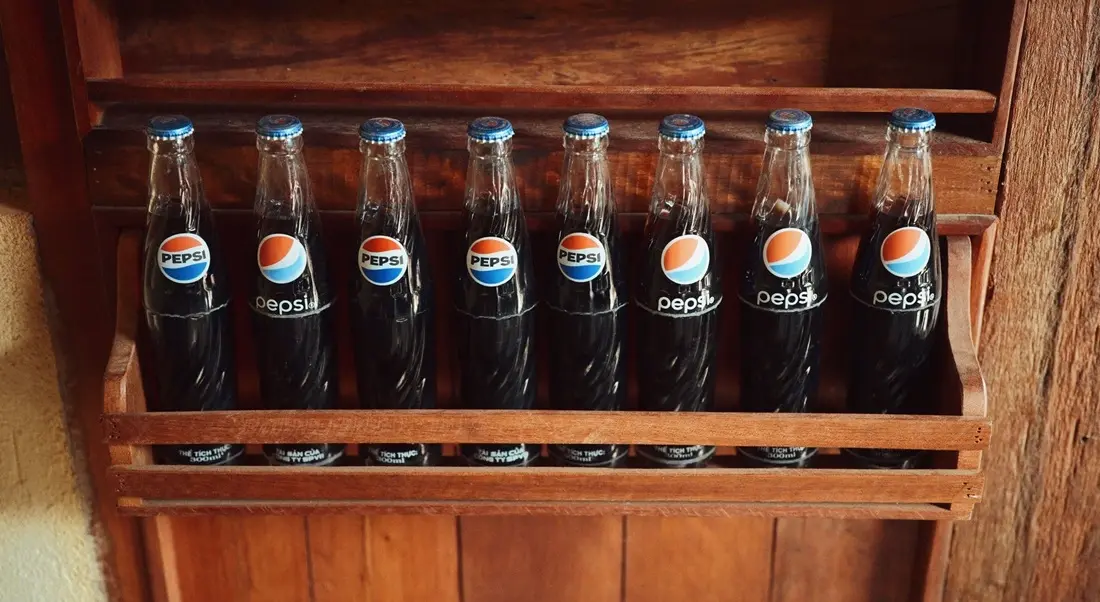
Cola Wars (2): How Pepsi Became Coca-Cola's First Real Threat
By the early 1970s, it seemed that one of the greatest business rivalries in history had already found its definitive winner. Coca-Cola was no longer simply the world's best-selling soft drink - it had become one of the most recognizable symbols of the American way of life.