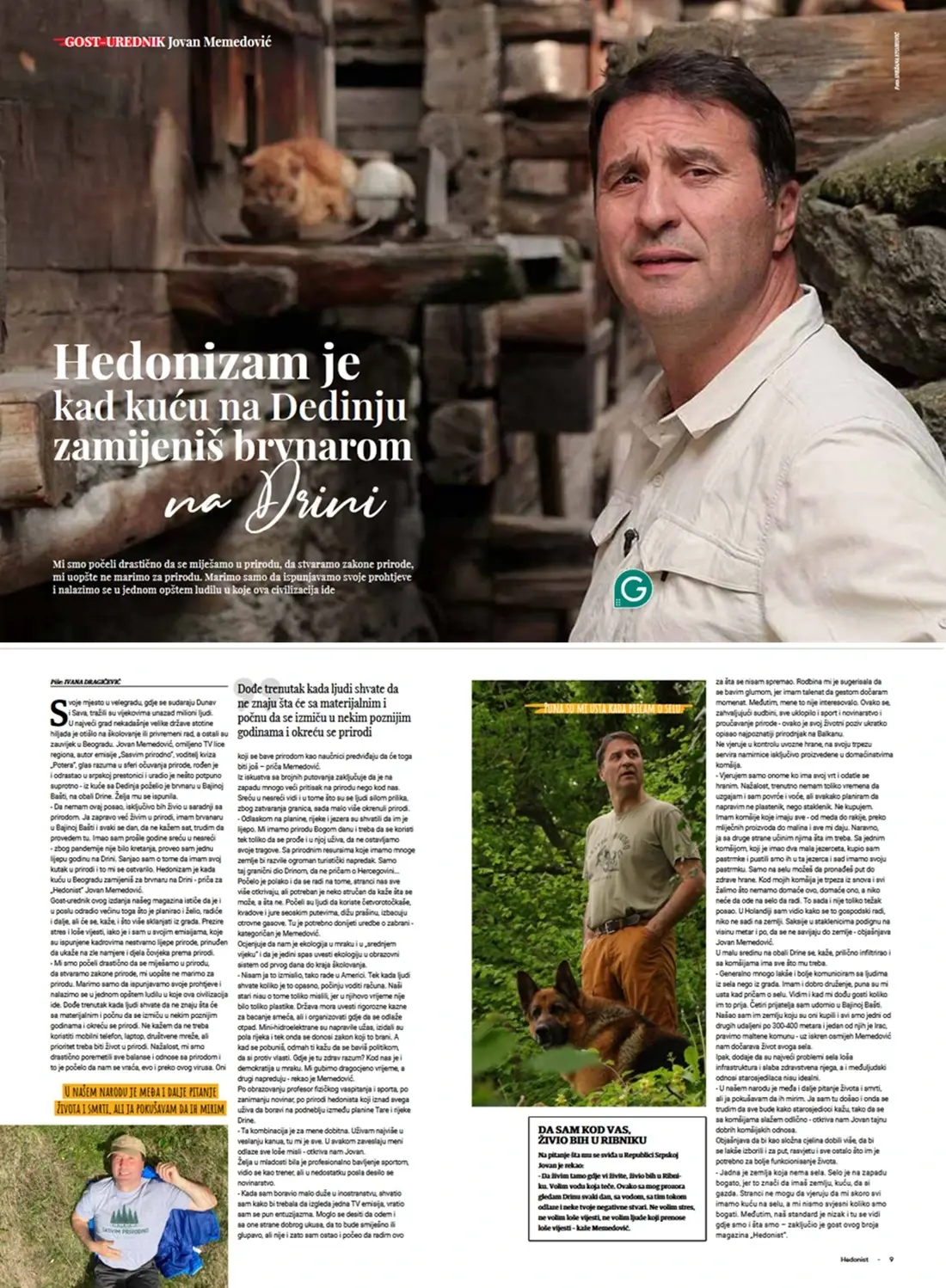
Jovan Memedović for HEDONIST: Hedonism Is When You Trade a House in Dedinje for a Log Cabin on the Drina River
![[object Object]](https://api.hedonistmagazine.net/storage/images/2026/06/25bf1dce-c58b-4738-ab6c-98da3916e9b1.webp)
For centuries, millions of people have searched for their place in the metropolis where the Danube and Sava rivers meet. Hundreds of thousands moved to Belgrade, the largest city of the former Yugoslavia, for education or temporary work and ended up staying there for life.
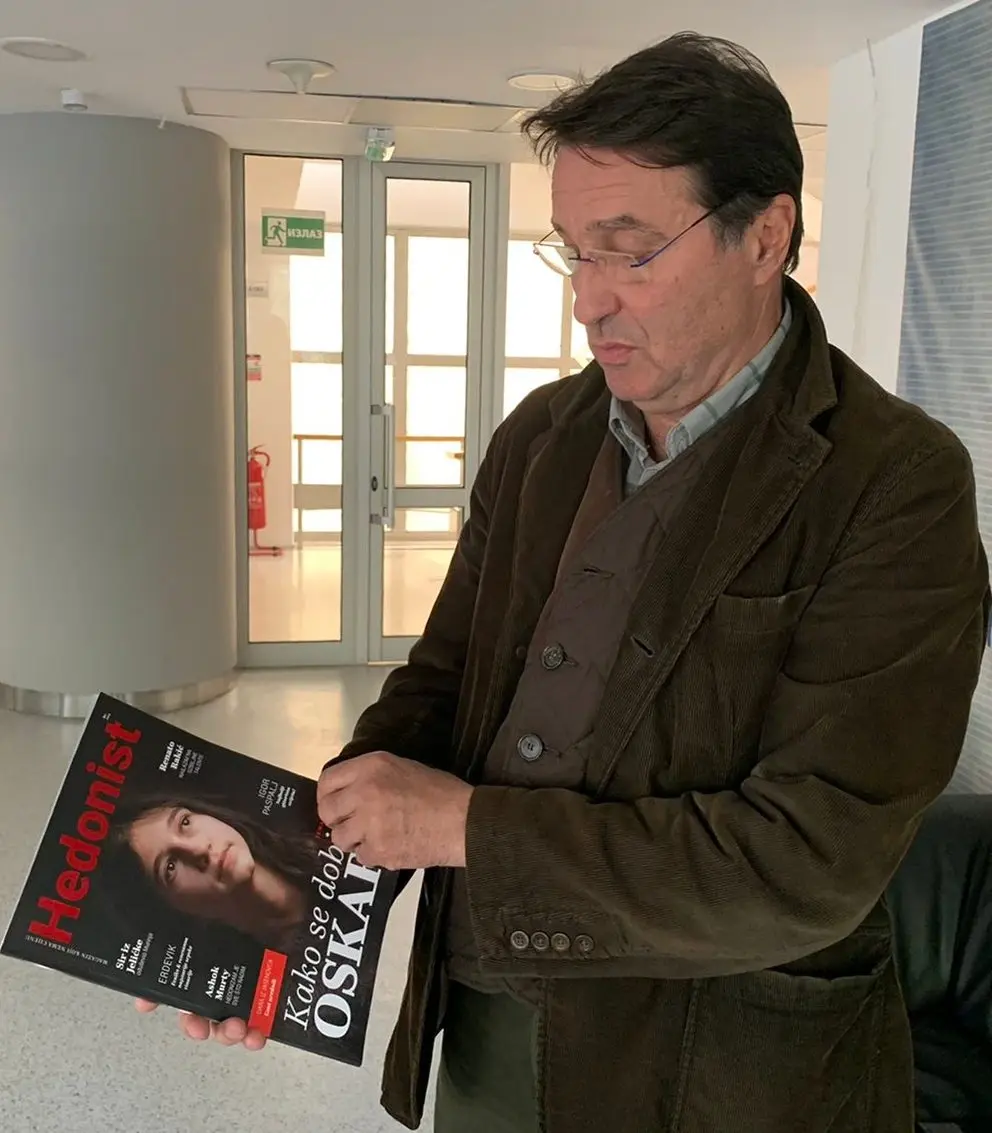
Jovan Memedović, one of the region’s most beloved television personalities, creator of the nature documentary series Simply Natural (Sasvim prirodno), host of the quiz show The Chase (Potera), and a respected voice for environmental protection, did exactly the opposite. Instead of embracing life in the capital, Memedović chose a different path. He traded a house in Belgrade’s prestigious Dedinje neighborhood for a log cabin in Bajina Bašta, on the banks of the Drina River. And in doing so, he fulfilled a lifelong dream.
“If I didn’t have this job, I would live entirely in harmony with nature. In fact, I already do. I have a log cabin in Bajina Bašta, and every day, every hour, if possible, I try to spend my time there. During the pandemic, despite all the difficulties, I had the chance to spend almost an entire year on the Drina. I had always dreamed of having my own corner of nature, and that dream came true. Hedonism is when you replace a house in Belgrade with a log cabin on the Drina,” Memedović told HEDONIST magazine.
Editor's Note: This interview is part of the HEDONIST archive and was originally published in the fifth print edition of the magazine in 2021.
Returning to Nature
Memedović says he has already achieved most of the professional goals he once dreamed of. He intends to continue working, but he also plans to spend as much time away from the city as possible.
He despises stress and bad news, even though his programs filled with breathtaking images of nature often force him to confront humanity’s destructive impact on the environment.
We have drastically disrupted every balance and relationship with nature, and it is beginning to come back to us.
“We have begun interfering with nature on a dramatic scale, acting as if we can create the laws of nature ourselves. We no longer care about nature; we only care about satisfying our own desires. Civilization is heading into a kind of collective madness. Eventually, people realize that material possessions alone cannot fulfill them, and later in life they begin turning back toward nature. I’m not saying we should stop using mobile phones, laptops, or social media, but our priority should be life in nature. Unfortunately, we have seriously disrupted the balance between humanity and the natural world, and it is starting to come back to us - even through events like the pandemic. Scientists who study nature predict that there is more to come,” he says.
A Country Blessed with Nature
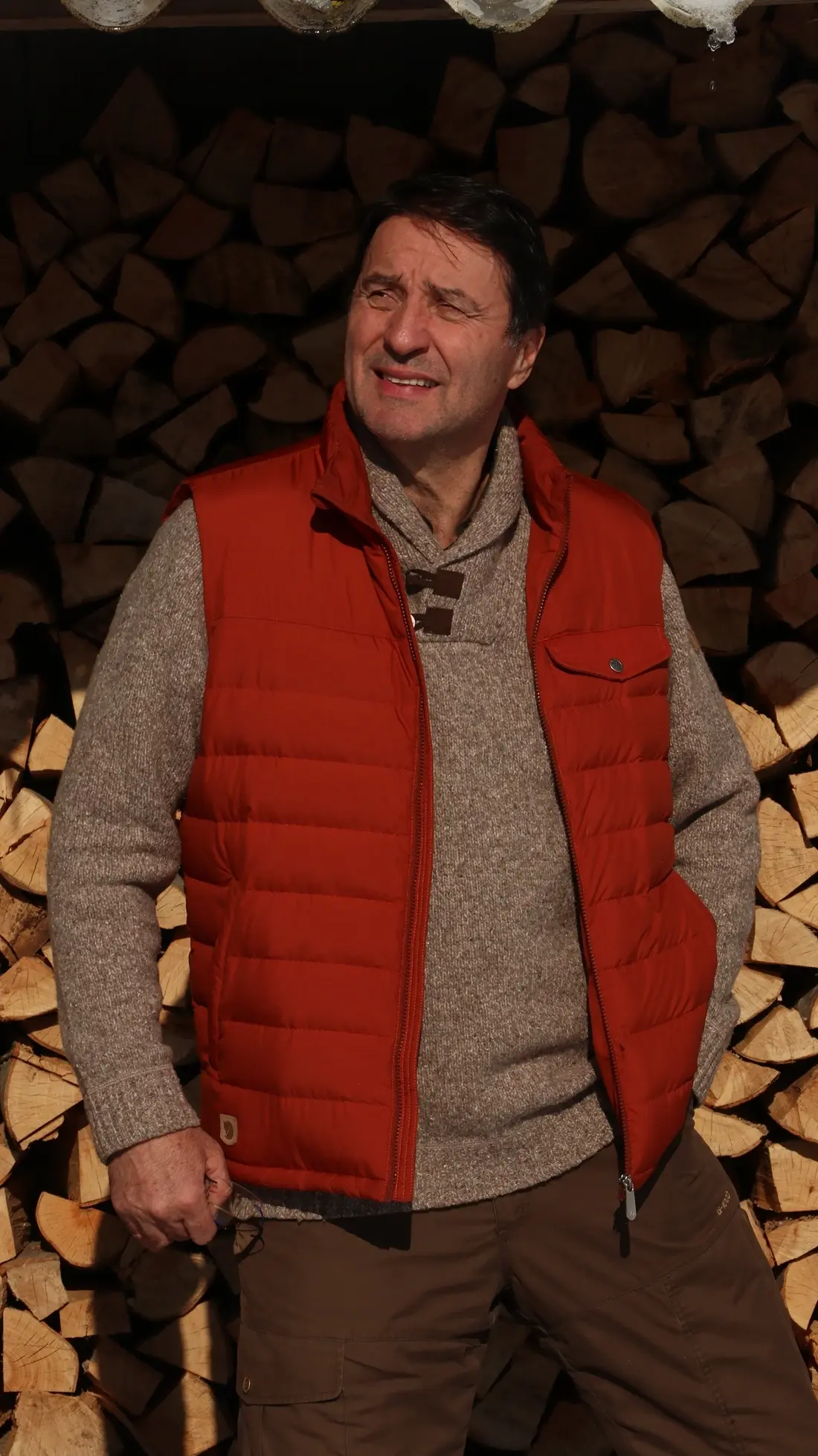
After years of travel, Memedović has concluded that pressure on nature is significantly greater in Western countries than in the Balkans. Yet he believes one positive consequence of travel restrictions and closed borders was that people rediscovered their own natural surroundings.
“People started visiting mountains, rivers, and lakes and realized how beautiful they are. We have been blessed with extraordinary nature. It should be used just enough to enjoy it, without leaving permanent scars behind. Many countries would build an enormous tourism industry around the natural resources we possess. Just look at the Drina River region, not to mention Herzegovina. Foreign visitors are discovering us more and more, but we need experts who can define what should and should not be allowed. People have started using ATVs and quad bikes everywhere, racing along rural roads, raising dust, and polluting the environment. Regulations are needed,” Memedović says firmly.
Ecology Must Become a Way of Life
According to him, environmental awareness in the region remains stuck in the past.
“Our environmental consciousness is still in the dark ages. The only real solution is to introduce ecology into the education system from the very first day of school. I didn’t invent that idea - it’s how things are done in the United States. Once people understand the dangers, they start paying attention. Our grandparents didn’t think much about these issues because there wasn’t nearly as much plastic. The state must introduce severe penalties for littering while also providing proper waste management systems. Small hydropower plants have caused enormous damage. Half the rivers were altered before legislation was introduced to stop it. And when you speak up, people immediately accuse you of being political. Where is the common sense? We are losing precious time while others move forward.”
Between Tara Mountain and the Drina River
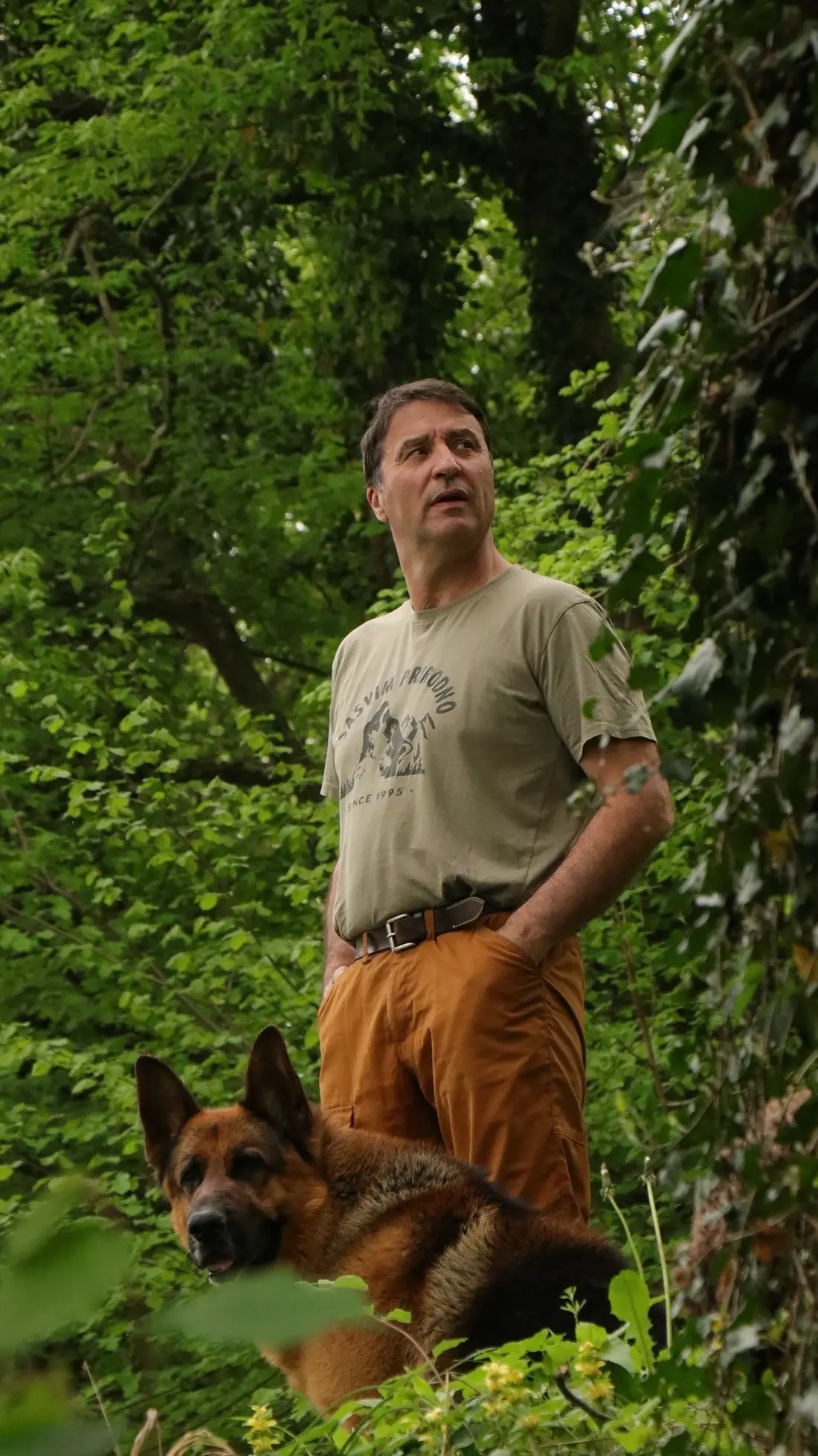
Although he graduated as a professor of physical education and sports and built his career as a journalist, Memedović describes himself as a hedonist above all - a man who enjoys life most in the landscape between Tara Mountain and the Drina River.
“That combination is perfect for me. What I enjoy most is canoeing. Everything I need is there. With every stroke of the paddle, all the negative thoughts disappear.”
As a young man, he imagined becoming a professional sports coach. Journalism happened almost by accident.
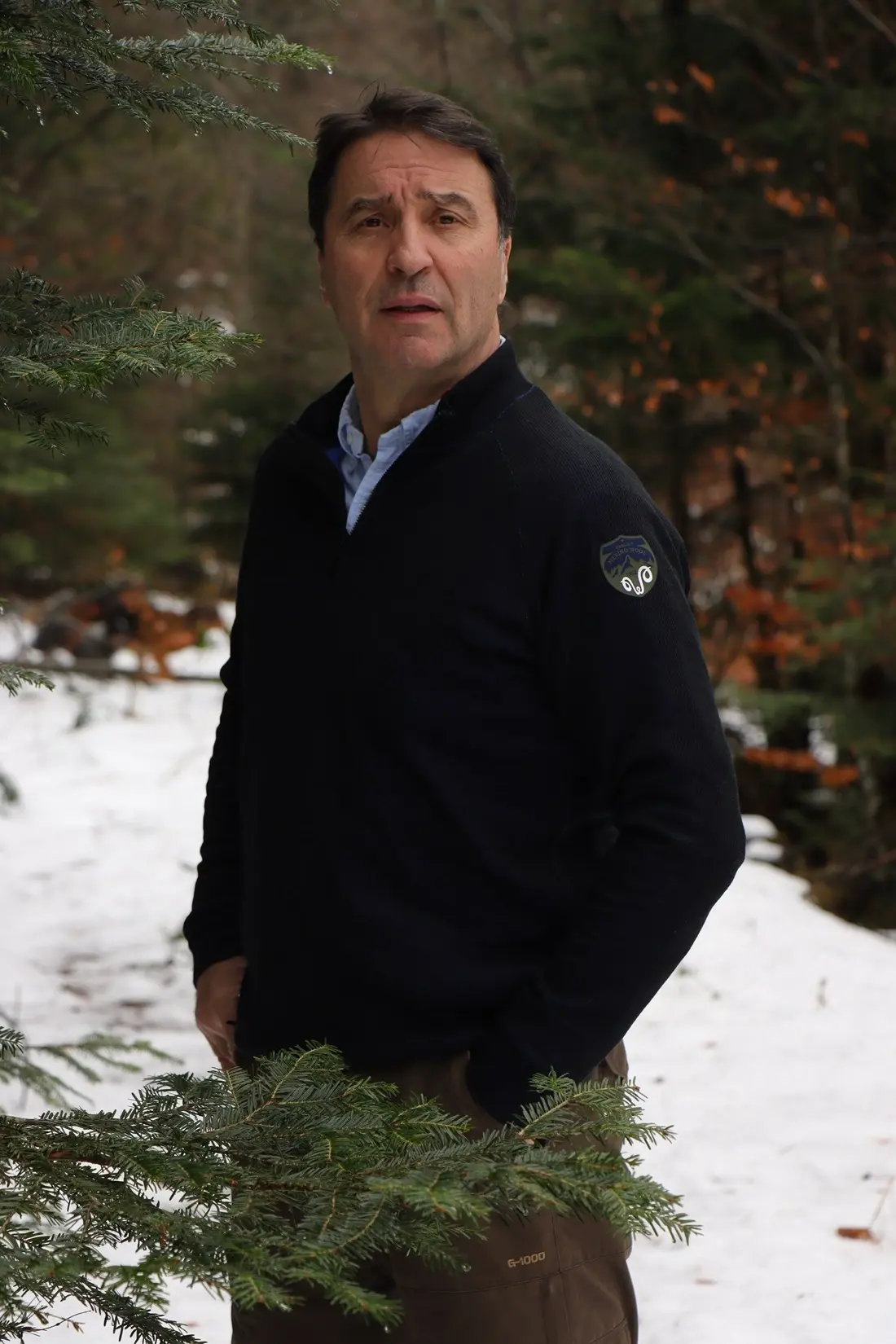
“After spending some time abroad, I realized what a television program should look like. I returned home full of enthusiasm. It could have gone completely wrong and become ridiculous, but it didn’t. That’s why I stayed and dedicated myself to something I had never planned to do. Some relatives suggested I become an actor because they thought I had a talent for expressing emotions through gestures. But that never interested me. Thanks to fate, everything came together - sports, journalism, and the study of nature.”
Trusting Local Food
Memedović admits that he has little faith in imported food. Instead, he relies almost entirely on products grown by local families and neighbors.
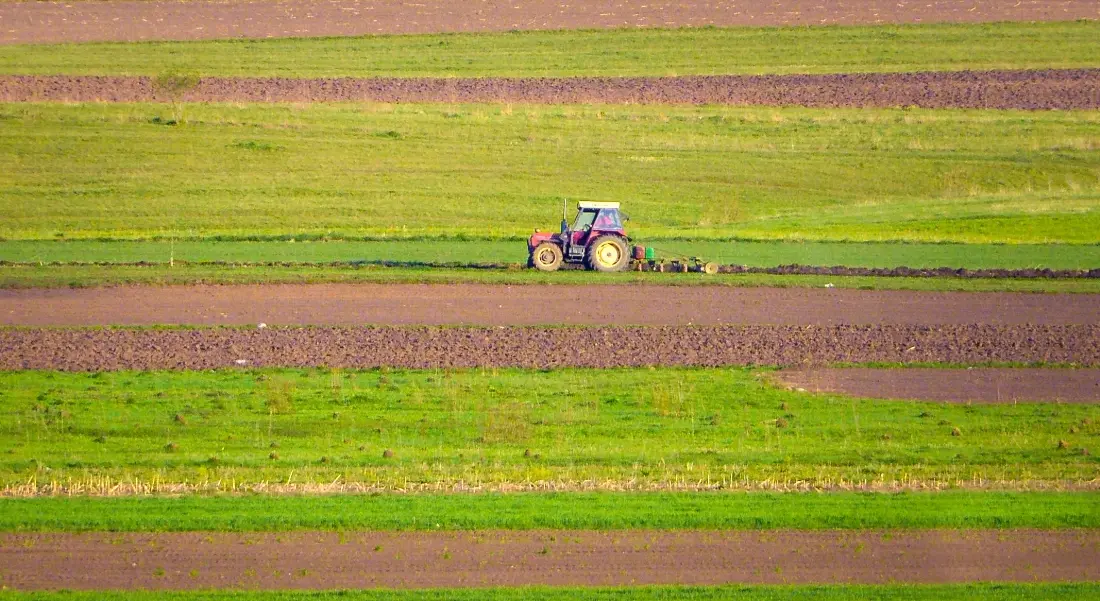
“I trust only people who grow their own food. Unfortunately, I don’t currently have enough time to cultivate fruits and vegetables myself, but I plan to build a greenhouse. I rarely buy anything. My neighbors have everything - from honey and rakija to dairy products and raspberries - and they generously share with me. Naturally, I help them whenever they need something. Together with one neighbor who had two small ponds, we bought trout and released them into the water. Now we have our own trout. Only in the countryside can you truly find healthy food. My neighbors have dream tables full of homemade products, and yet people complain that they can’t find authentic food while refusing to move to the countryside. Today, farming doesn’t even have to be physically exhausting. In the Netherlands, I saw greenhouses where plants were raised at waist height so people didn’t have to bend over.”
The Beauty of Rural Life
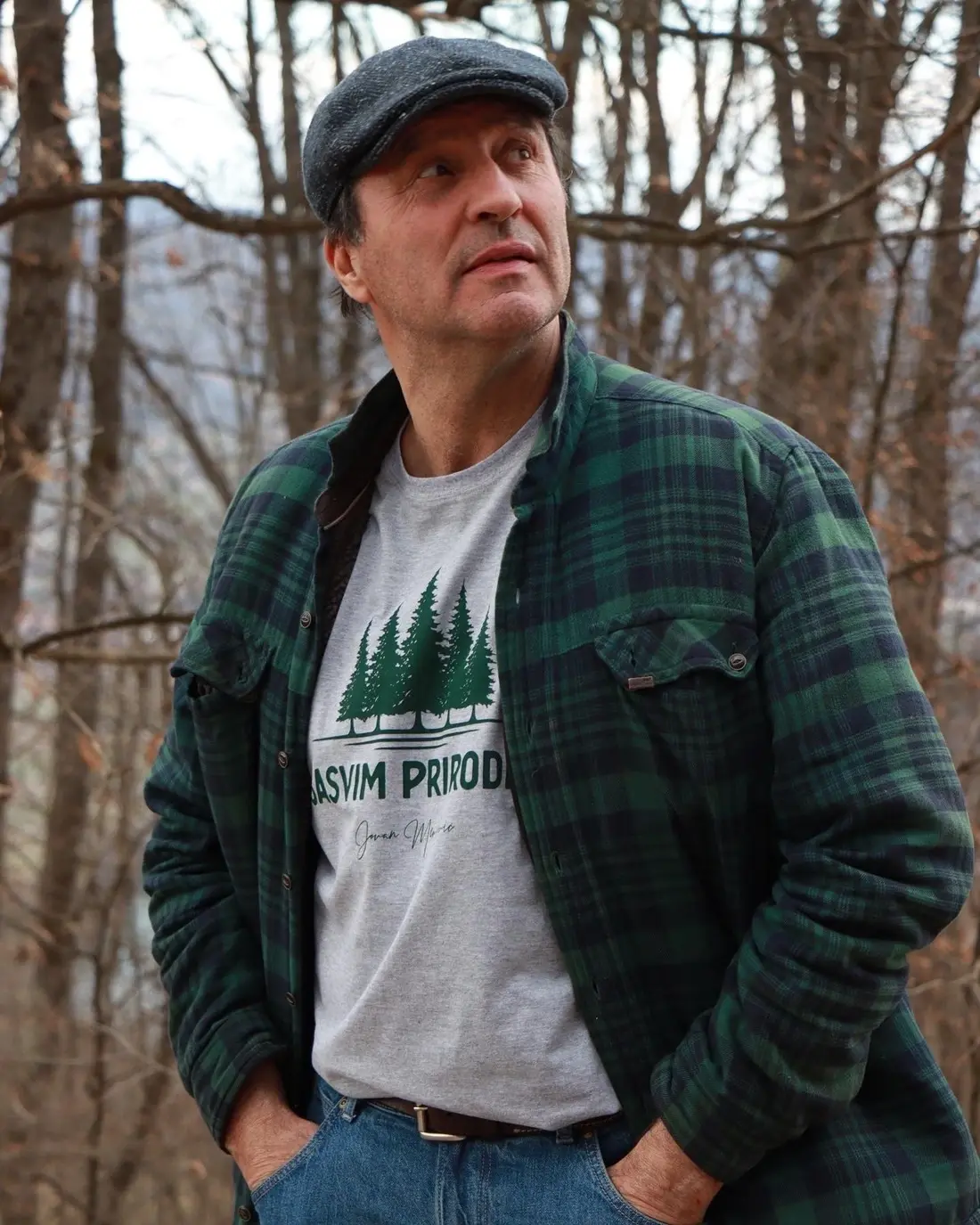
Memedović says he has become deeply integrated into the small community along the Drina River.
“In general, I communicate much more easily with people from villages than with people from the city. I can’t stop talking about rural life. Whenever guests come to visit, I see how much they enjoy it. I’ve even convinced four friends to settle in Bajina Bašta. I found land for them, they bought it, and now we all live within a few hundred meters of each other. One of them is Irish. We’ve practically created a small commune,” he says with a smile.
Still, he acknowledges that villages face significant challenges, including poor infrastructure, limited healthcare, and sometimes difficult relationships among longtime residents.
“In our culture, property boundaries can still become matters of life and death. I try to help people reconcile. Since I’m the newcomer, I always respect the local way of doing things, and that’s why I get along wonderfully with my neighbors.”
He believes rural communities would benefit greatly from greater cooperation.
“A country without villages is a poor country. In the West, living in the countryside is associated with wealth because it entails owning land and a house, and enjoying independence. Foreigners are amazed that so many of us already have houses in rural areas, while we fail to realize how rich we actually are. Unfortunately, our standard of living remains low, and that tells the story of where we stand today.”
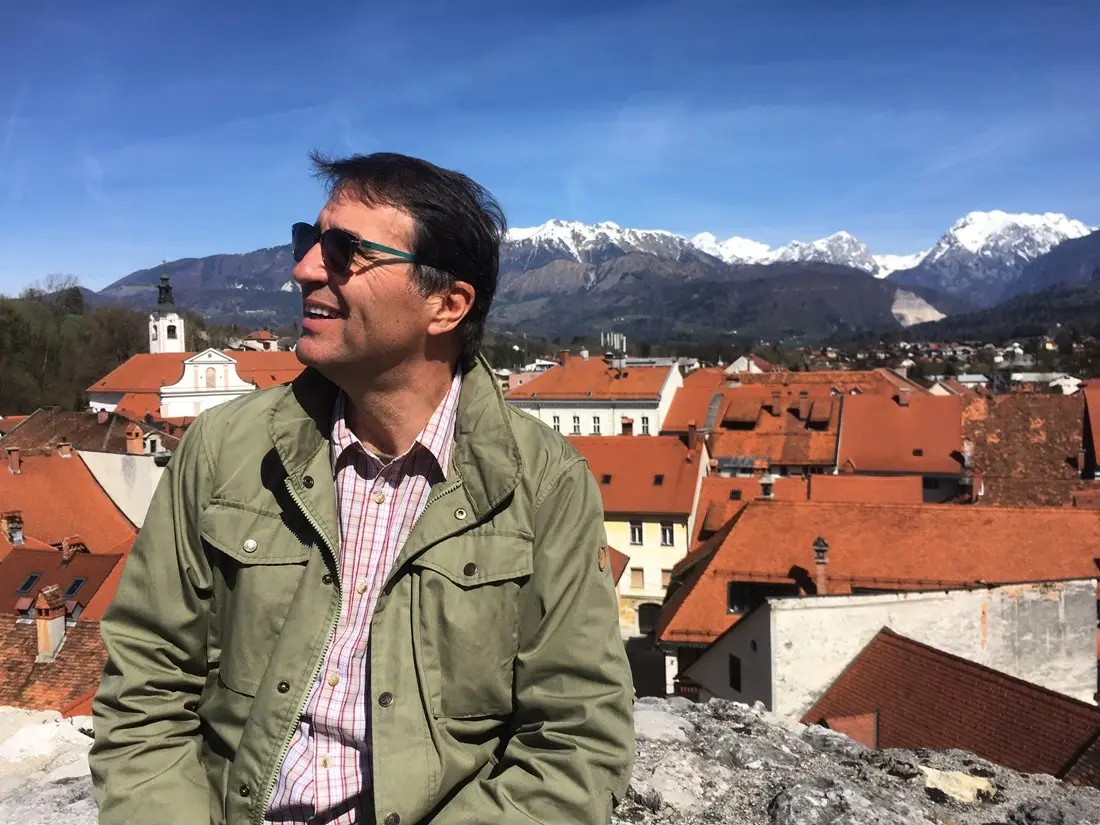
“If I Lived in Republika Srpska, I’d Choose Ribnik”
Asked what he likes most about Republika Srpska, Memedović did not hesitate.
“If I lived where you live, I would live in Ribnik. I love flowing water. From my window, I look at the Drina every day, and with the river’s current, many of your negative thoughts drift away as well. I dislike stress, bad news, and people who constantly spread negativity.”
First Taste the Best
Memedović also enjoys a good glass of red wine and believes quality can only be judged after experiencing the very best.
“I’ve had the privilege of tasting some of the finest wines in the world in Bordeaux. Before making comparisons, you should first experience the best. A young vineyard alone cannot produce great wine. What matters is a long tradition and an honest approach. In Bordeaux, some vineyards have been cultivated for more than 500 years. We have good wines and dedicated winemakers, and our region has excellent conditions for viticulture. We simply need patience and should avoid mass production because it inevitably lowers quality.”
- By Ivana Dragičević / HEDONIST
- Cover photo: Snežana Stojković
- Originally published in HEDONIST Magazine Issue No. 5, 2021.