

Why Japanese People Almost Never Tip

![[object Object]](https://api.hedonistmagazine.net/storage/images/2026/07/f51f6072-128a-42ea-ae68-53121167a2ec.webp)
Many travelers check local tipping customs before heading abroad. In most parts of the world, the answer is simple: tipping is appreciated and often expected. In Japan, however, the rules are entirely different.
If you leave money on the table after lunch or dinner, there's a good chance your server will run after you to bring it back. Not because they want more, but because they'll assume you simply forgot it.
Excellent Service Is Simply Expected
In Japanese culture, outstanding service is not something that deserves an extra reward. It is considered an essential part of the job.
Waiters, hotel staff, taxi drivers, and many other service professionals strive to ensure every guest is satisfied because they see it as both a professional duty and a personal responsibility. Courtesy, punctuality, and dedication are not viewed as qualities that earn a tip - they are the standard.
For this reason, many Japanese people believe that tipping sends the wrong message, suggesting that the quality of service depends on extra money.
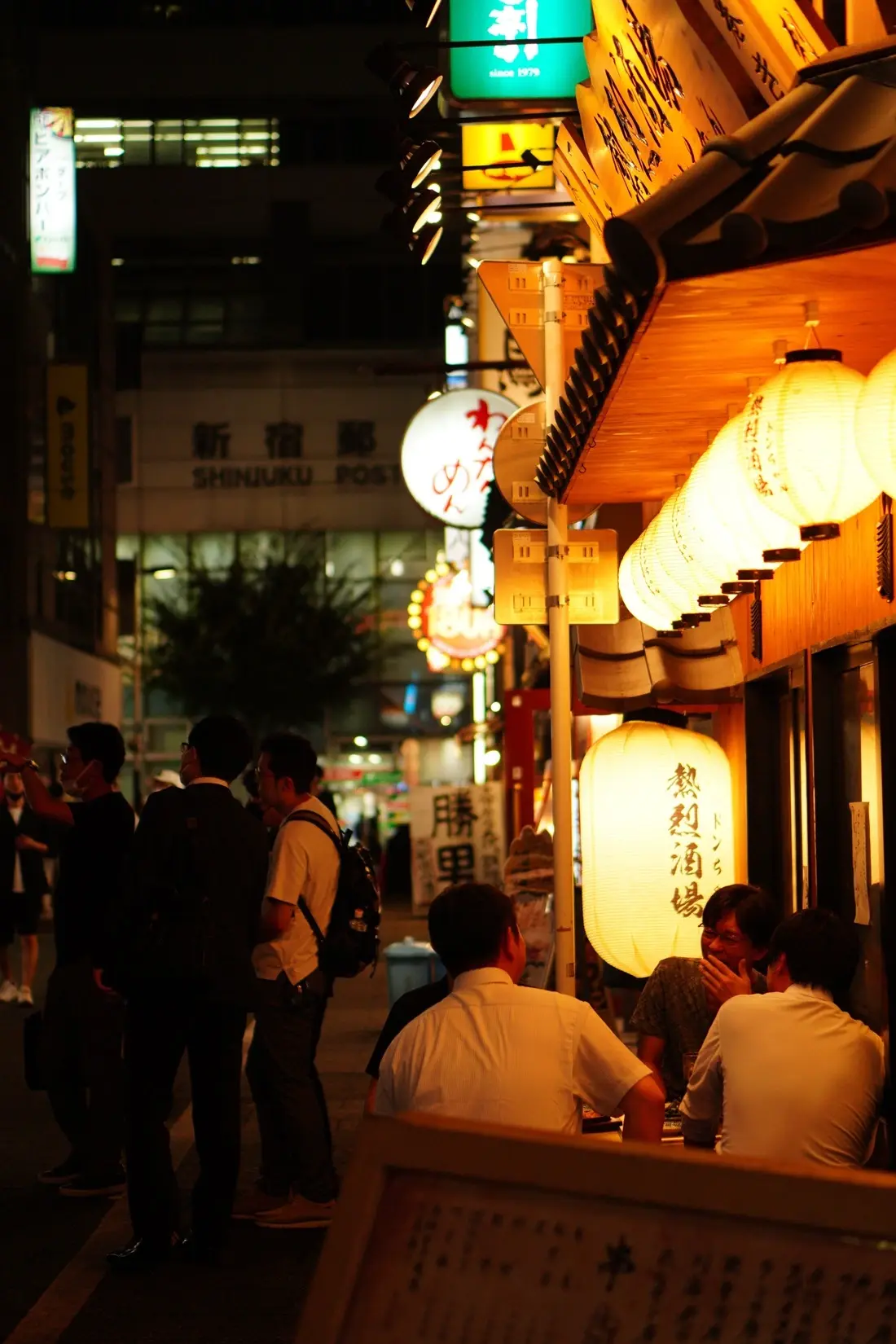
Tipping Can Make People Uncomfortable
What is considered a gesture of appreciation in many countries can actually create an awkward situation in Japan.
If you try to leave a few banknotes on the table or hand them directly to your server, they will most likely refuse politely. Some will return the money immediately, while others may even run after you if they notice you've left it behind.
This is not considered rude. Rather, it reflects a culture where professionalism is not associated with additional financial rewards.
There Are a Few Exceptions
Although the rule applies throughout most of Japan, there are a handful of situations where tipping may be accepted.
Luxury hotels operating under international standards or travel agencies serving foreign visitors may occasionally accept a tip, but even there, it is never expected.
In traditional Japanese inns, known as ryokan, some local guests discreetly present money to the host in a decorative envelope. This gesture is largely symbolic and rooted in local custom, making it quite different from the conventional tipping culture found elsewhere.
The Best Way to Say Thank You
If you want to express your appreciation for good service, a few sincere words are more than enough.
Simply saying "arigatō gozaimasu" ("thank you very much") or offering a polite bow leaves a far better impression than money left on the table.

This reflects one of the defining characteristics of Japanese culture: respect is shown through courtesy, good manners, and how people treat one another - not by the size of a tip.
A Small Custom That Says a Lot
At first glance, it may seem like a minor detail. Yet Japan's attitude toward tipping reveals a great deal about the country's way of thinking.
While in many parts of the world excellent service is often linked to the expectation of an extra reward, in Japan, providing the highest possible level of service is regarded as a matter of honor and professional pride.
That is why many travelers say they feel especially welcome in Japan - not because they left more money behind, but because hospitality is deeply woven into everyday life.