Cefalù: The Place Where Sicily Still Feels Real
![[object Object]](https://api.hedonistmagazine.net/storage/images/2026/05/4bc80e59-726b-4469-b61d-d383242d9d04.webp)
Cefalù, a small town on the northern coast of Sicily with around 14,000 residents, lies about seventy kilometers from Palermo and is one of the best-known destinations on this part of the island. During the summer, the number of people in town increases due to tourism, yet Cefalù still manages to preserve the atmosphere of a small Mediterranean town.
The town sits between the sea and the massive rock known as La Rocca, from which Cefalù takes its name. The name derives from the Greek word kephalē, meaning “head,” because the giant rock towering above the town resembles a stone head. At the top of La Rocca are the remains of ancient walls, proof that this area was inhabited long before the Middle Ages.
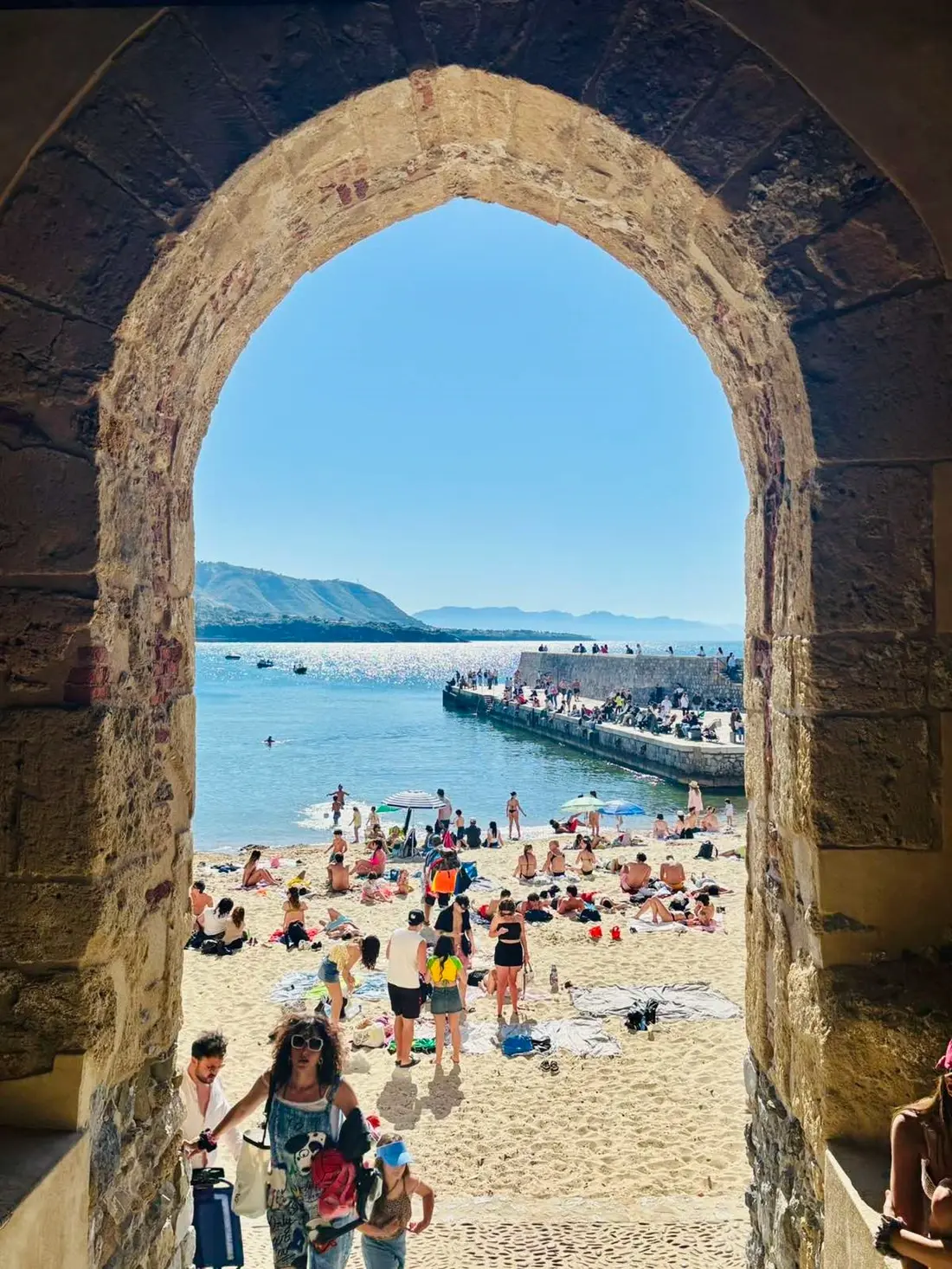
We began our walk through Cefalù at Lungomare Giuseppe Giardina, the long seaside promenade. We immediately stepped onto the beach and spent a few moments enjoying the view of the sea and the old part of town. Even at the end of April, the beach was already crowded and the atmosphere unmistakably summery - swimmers, families, and tourists everywhere.
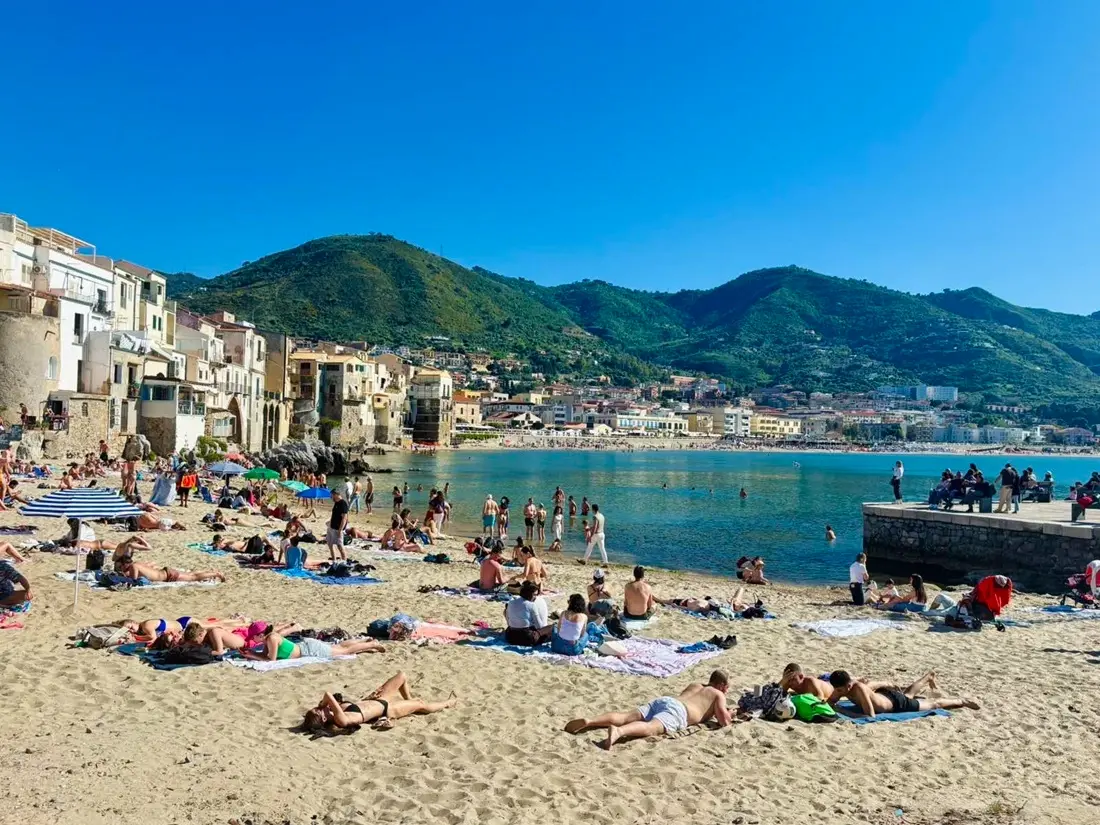
We continued toward Molo di Cefalù, the pier offering one of the most beautiful views of the town beach and the old houses lining the shore. We stopped there briefly, watching a few brave swimmers already in the water while the rest of the beach was filled with people soaking up the sun.
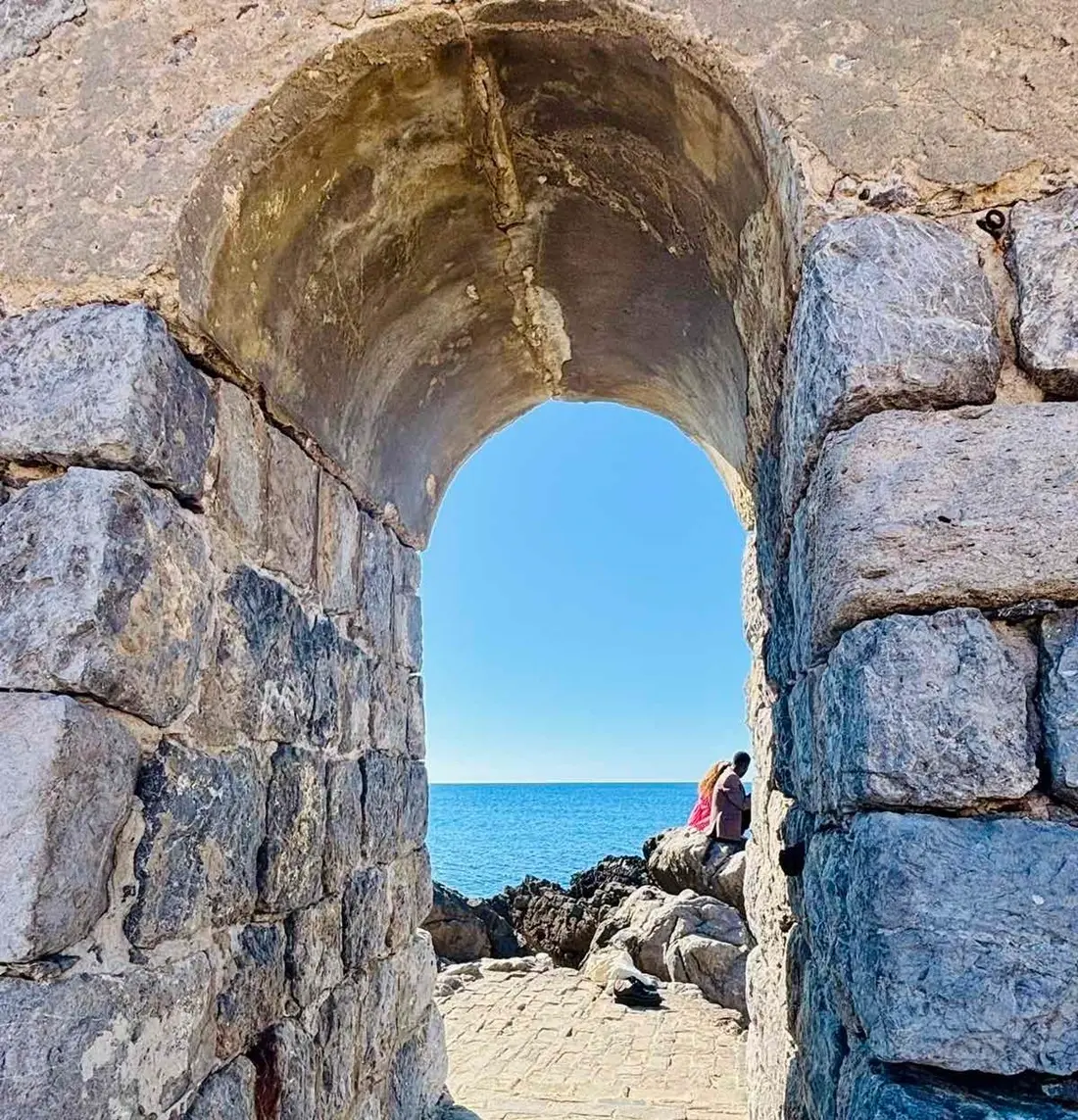
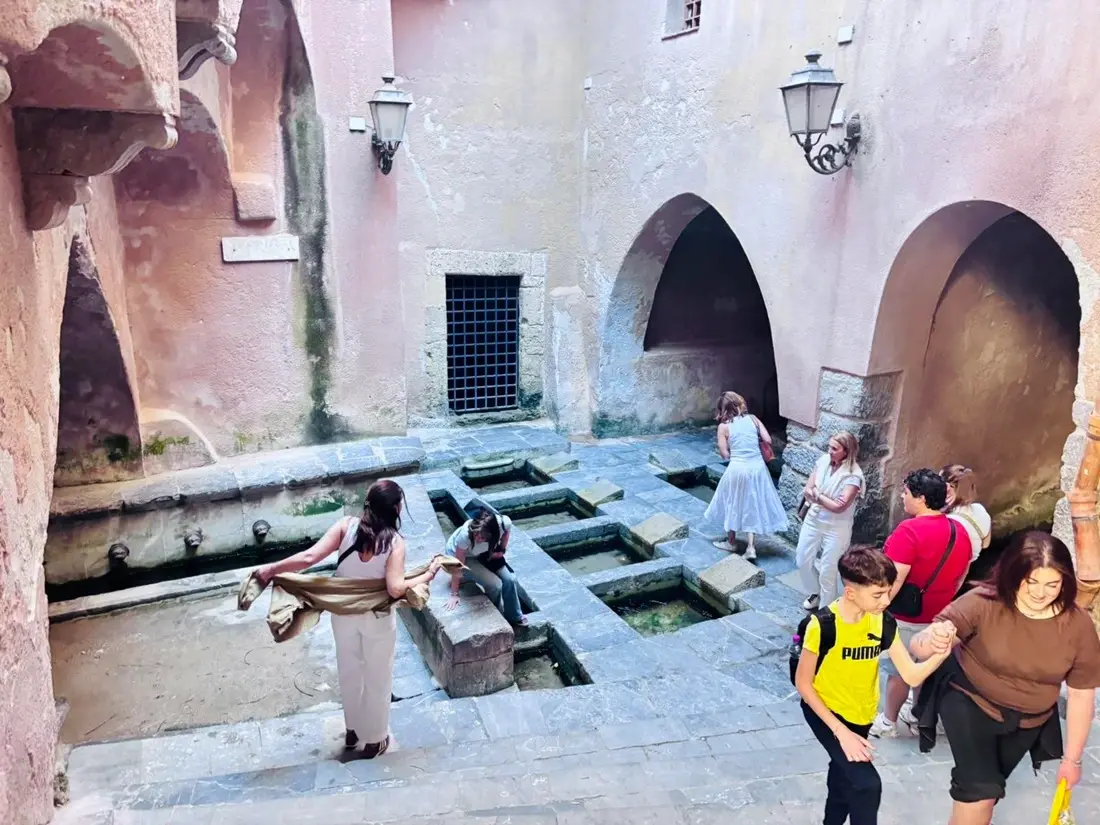
Along the way, we passed through Porta Pescara, the former gateway through which local fishermen once headed out to sea. Not far from there lies Lavatoio Medievale Fiume Cefalino, one of the most fascinating spots in the old town.
This medieval public washhouse is still fed by the waters of the Cefalino River. Women once gathered here to wash clothes, while the stone basins and stairways have remained almost unchanged to this day. There is also a local legend connected to the place, according to which the water represents the tears of a nymph mourning her unhappy love.
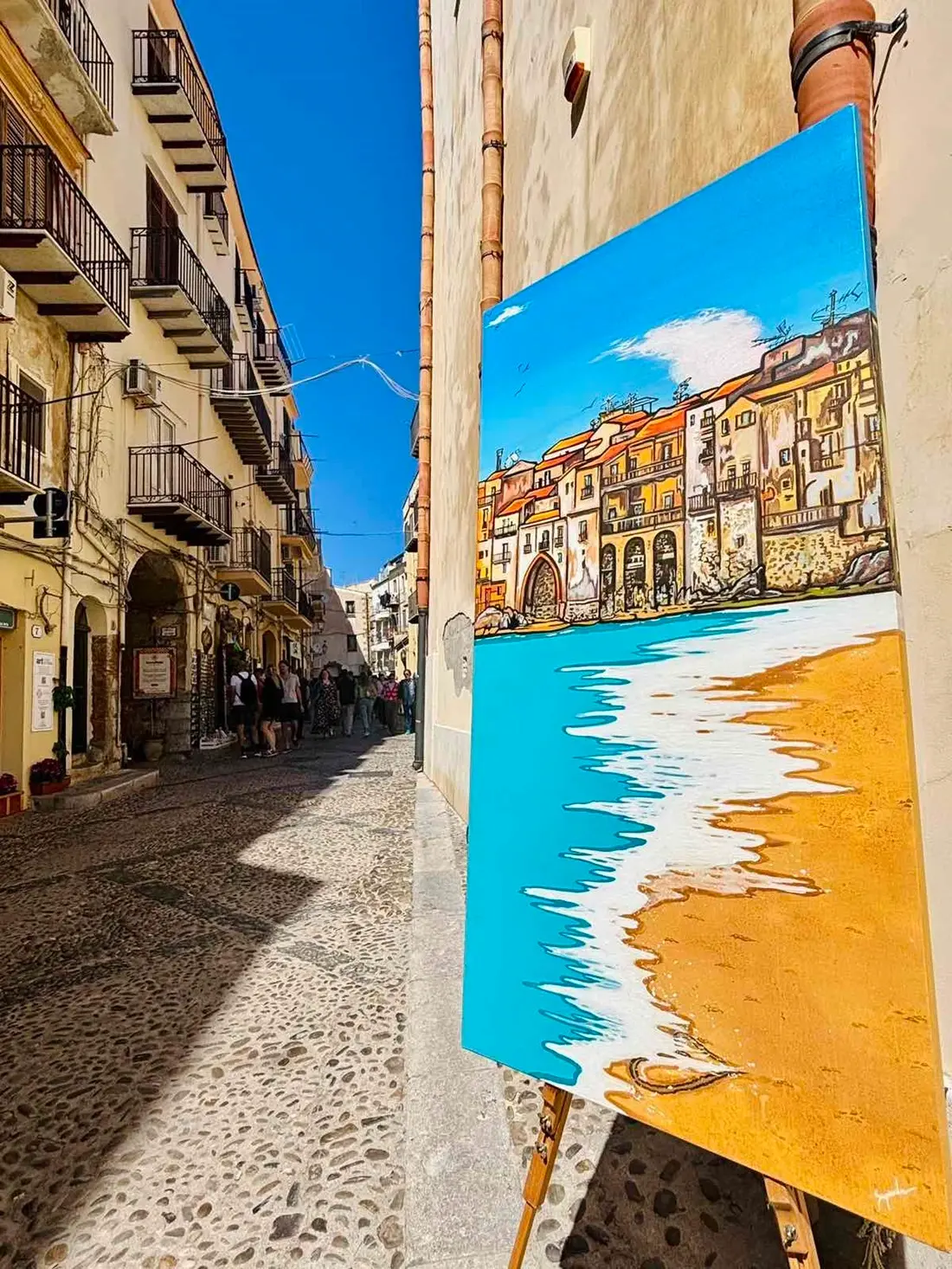
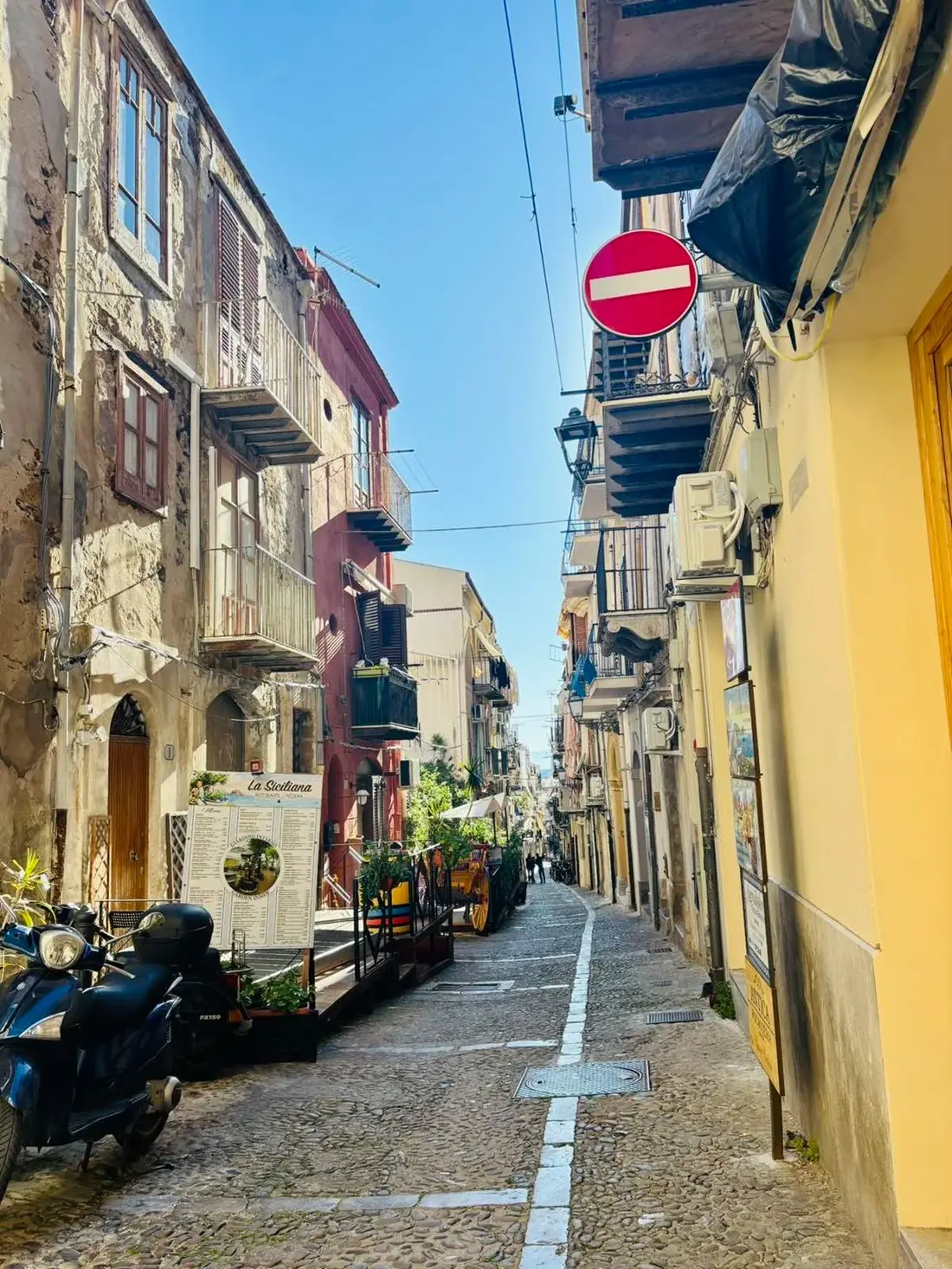
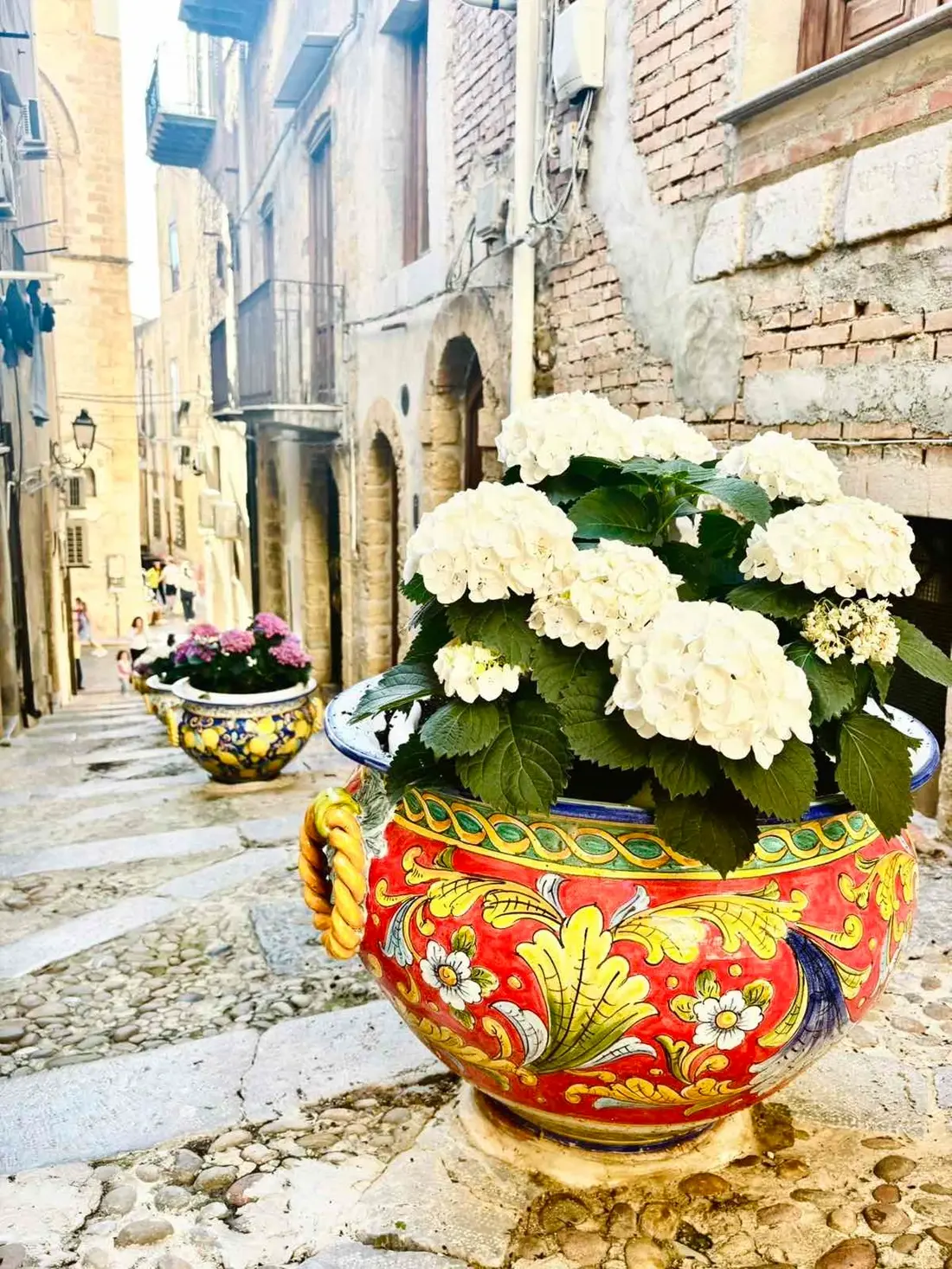
Afterward, we wandered through the narrow stone streets of the old town, filled with small restaurants, souvenir shops, and charming details that immediately catch the eye - colorful ceramic vases placed along stairways and hidden corners.
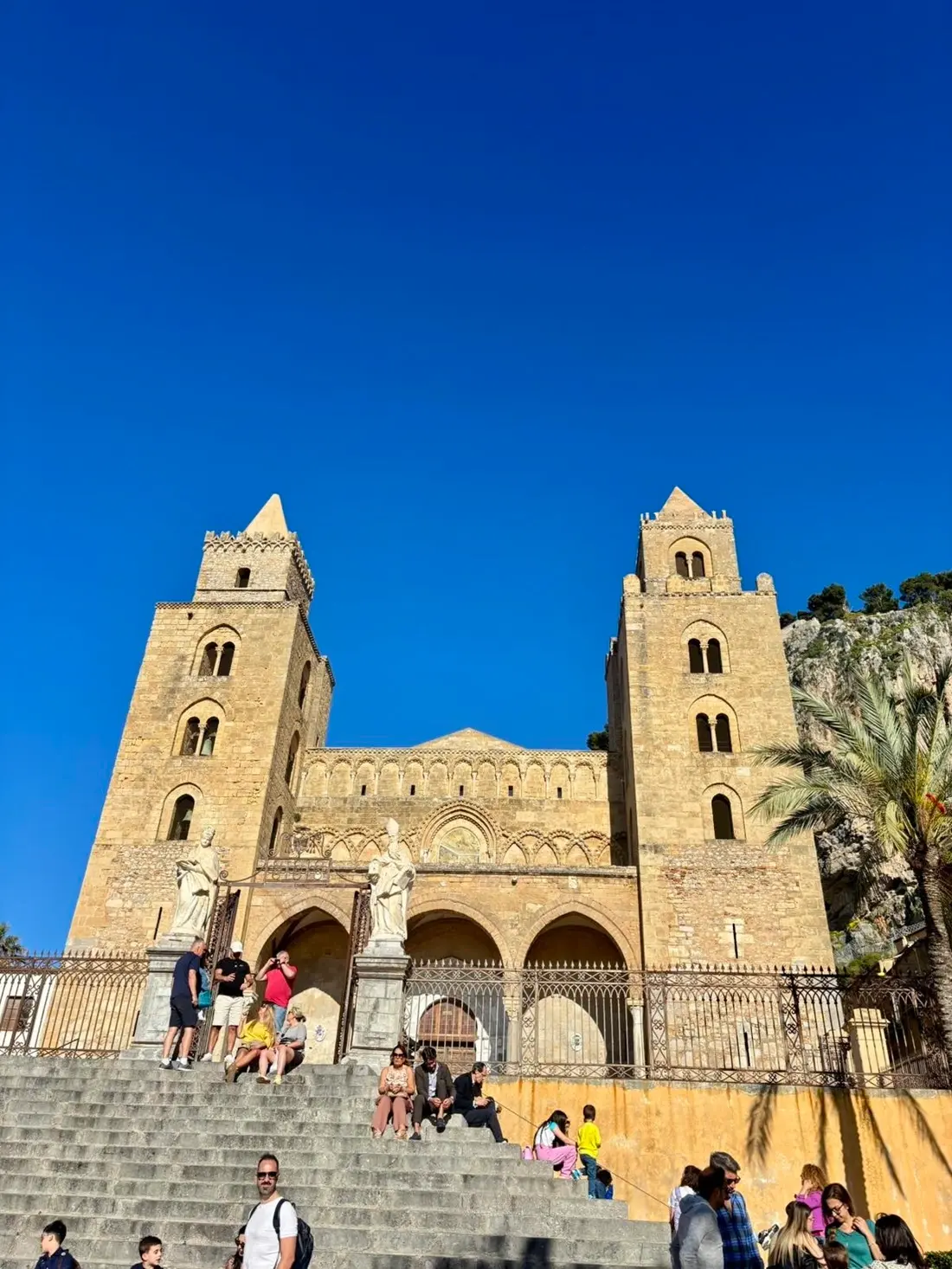
Our walk eventually led us to Cefalù Cathedral, the town’s most famous landmark. The cathedral was built in the 12th century by Roger II of Sicily, according to legend after he survived a violent storm at sea, and it was dedicated to the Transfiguration of Christ. The cathedral is part of the UNESCO World Heritage Site of Norman monuments in Sicily. It is considered one of the finest examples of the fusion of Norman, Byzantine and Arab culture on the island.
It is especially famous for its magnificent 12th-century golden mosaics, dominated by the monumental image of Christ Pantocrator in the apse, regarded as one of the most important works of Byzantine art in Italy.
It is precisely this combination of sea, history, and simple Mediterranean atmosphere that makes Cefalù one of the places travelers most often describe as an essential stop on their exploration of Sicily.
- Written by: Anja Petrović / HEDONIST