
Dubrovnik Through the Eyes of a Local: A City That Isn’t Seen, but Lived

![[object Object]](https://api.hedonistmagazine.net/storage/images/2026/05/1a4b2567-425c-486a-808e-119adb1666ad.webp)
Dubrovnik is often described as the pearl of the Adriatic, but for those who live there, it is far more than a tourist postcard. It is a way of life, a rhythm that refuses to rush, and a daily routine built around one simple philosophy - pomalo.
As tourist guide Ivan Vuković points out, a man who has travelled through 135 countries around the world, Dubrovnik cannot be understood only through its walls and famous views.
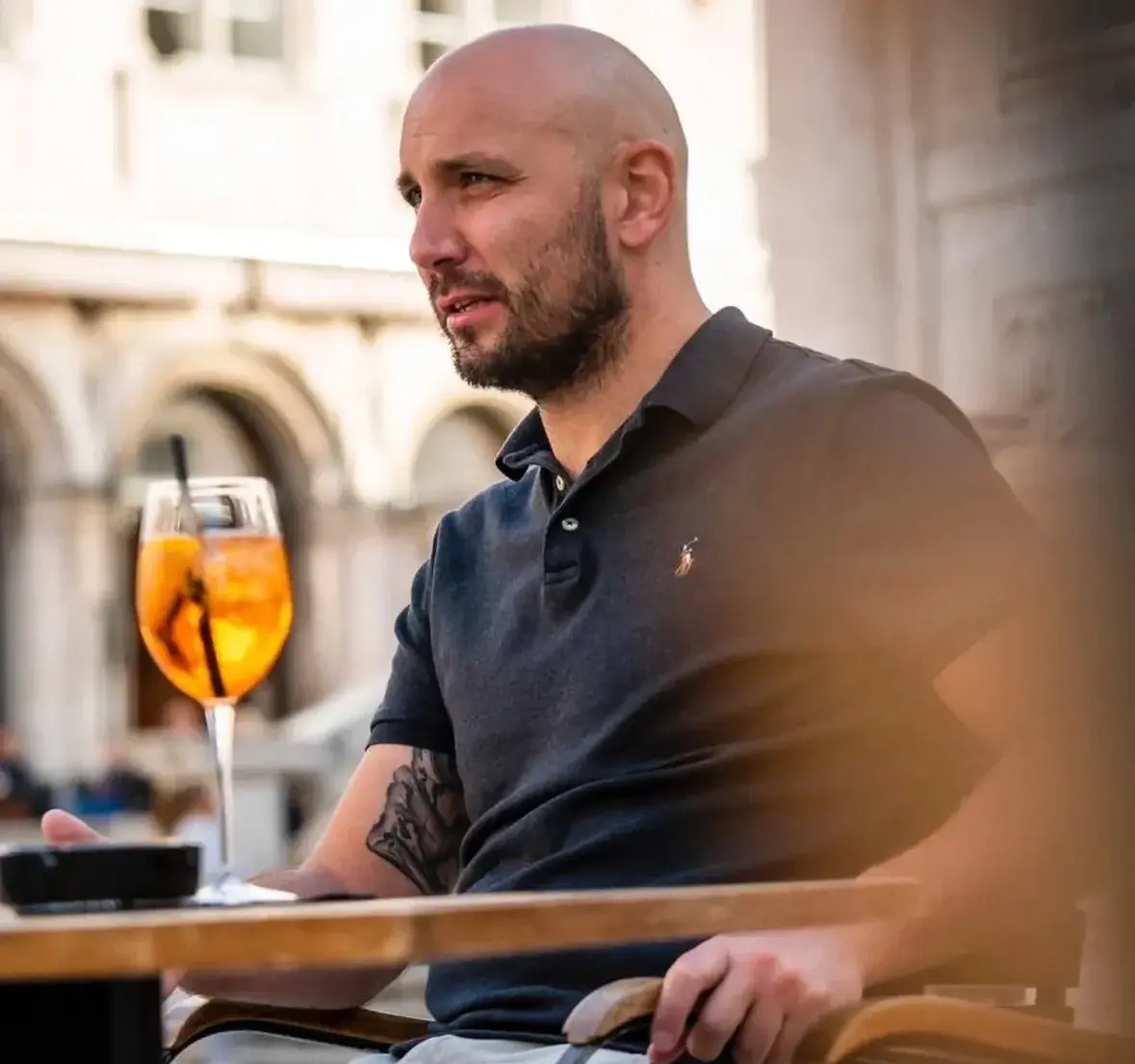
“I stand on the city’s front line and represent it with all my heart.”
“Dubrovnik is incredibly specific - as a place, through the people who live here, and through its entire lifestyle. It’s a small city built for a Pomalo way of life. I try to show every foreign visitor Dubrovnik through my local glasses,” says Vuković.
A City That Creates a “Wow” Effect
Even after travelling across almost the entire world, Dubrovnik, he admits, always brings him back to the same feeling of belonging. For him, the city is not only beautiful - it is personal.
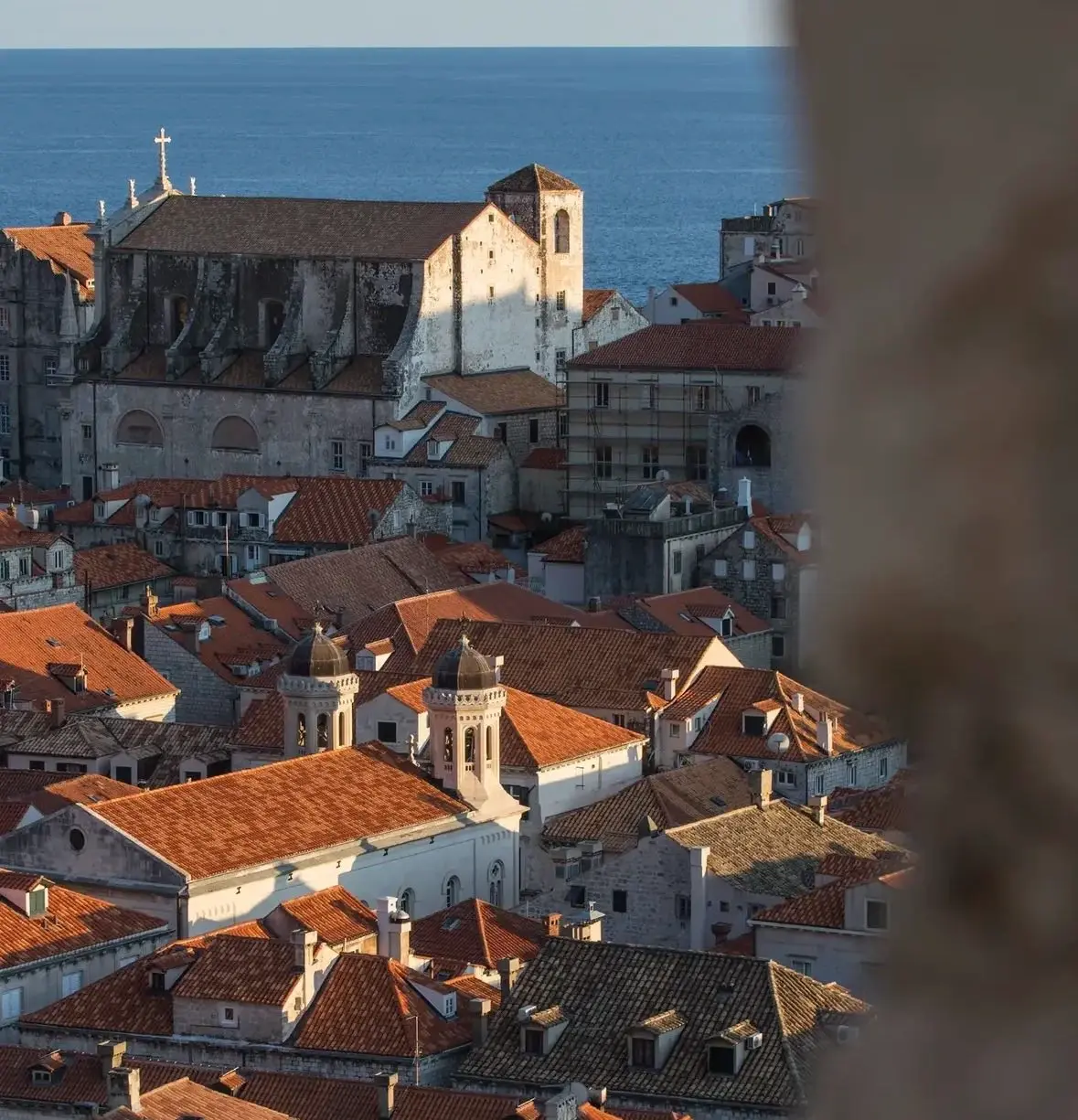
“After travelling through 135 countries, I can say that Dubrovnik is not only the pearl of the Adriatic, but its true jewel. Even though we have become victims of our own success, it remains a perfect place to live and a city that offers safety,” he says.
One moment that, according to him, never loses its magic is the first encounter with the city.
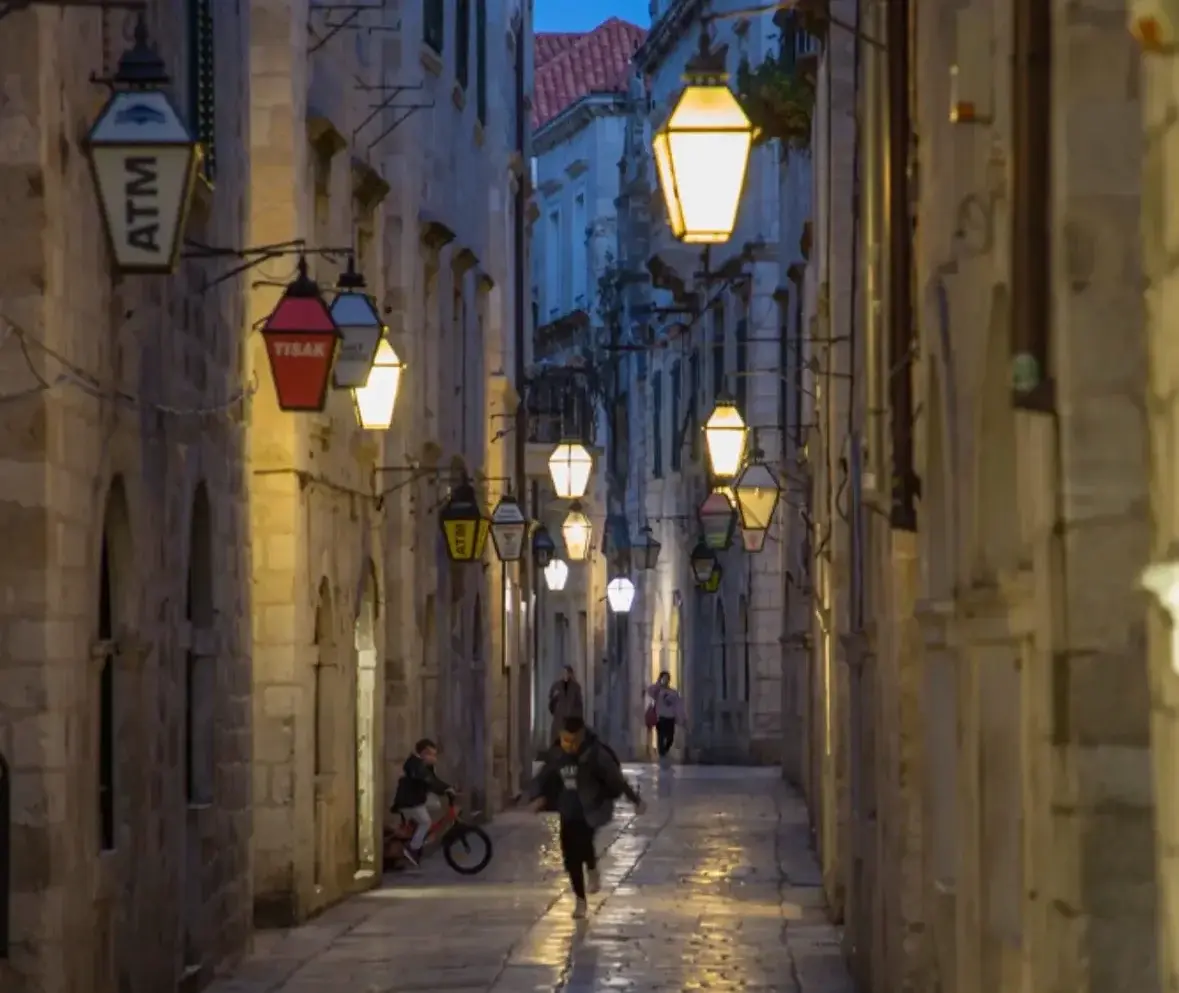
“That ‘wow’ effect when you first see Dubrovnik from an airplane or from the road is something unforgettable. I have only experienced that feeling a few times in my life around the world,” Vuković adds.
The Local Rhythm and Small Rituals
But what truly makes Dubrovnik special, in his view, is not only the appearance of the city, but the way its people live. The local rhythm is far removed from the hectic pace of major tourist destinations.
Locals here love slow mornings, long coffee rituals and socializing. Pomalo is a lifestyle, accompanied by the unmistakable feeling of fjaka - the small details visitors usually fail to notice.
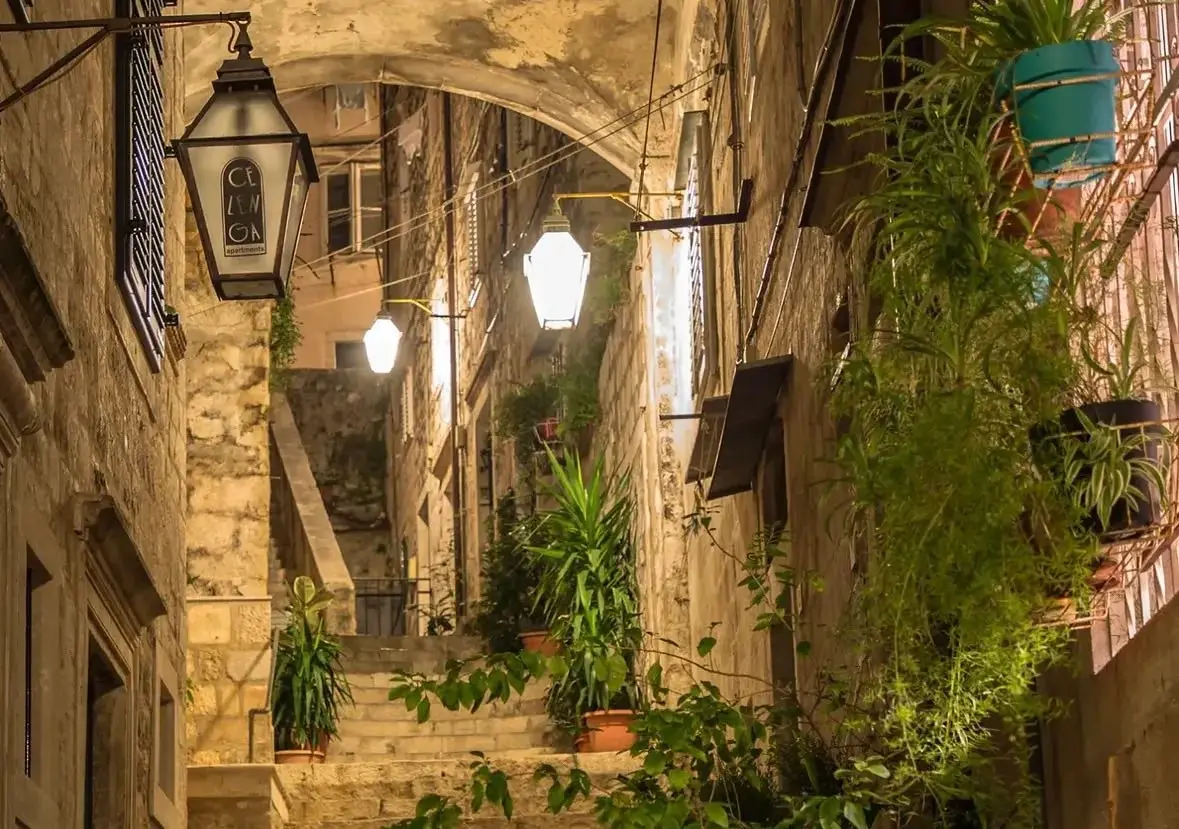
“Foreigners don’t understand our little rituals, and I love introducing them to those traditions while showing them the non-touristy parts of the city,” says Vuković.
Dubrovnik as Home and Safety
For Ivan, Dubrovnik is above all - home.
“Home is home. Dubrovnik is my home. I think every person needs a sense of belonging, a place they can return to even when life does not go according to plan,” he says, emphasizing his emotional connection with the city.
Despite his global experience, Dubrovnik remains for him a place where life can still be lived without fear.
“The world is beautiful, but there are very few cities like Dubrovnik - places without homeless people on the streets, without dangerous neighbourhoods, where you can walk freely and safely. Security is what makes it an even more desirable destination,” he adds.
A Job That Became a Passion
The work of a tourist guide, which he has been doing for more than twenty years, was never just a profession for him.
“I stand on the city’s front line and represent it with all my heart. Most of the time, it doesn’t even feel like work - it feels like passion. And trust me, it truly is,” says Vuković.
The stories he shares with visitors, he explains, are the key to understanding Dubrovnik.
“I love telling stories about the city and creating connections with tourists through those stories so they can understand Dubrovnik more easily. And then they appreciate it more,” he says.

Rakija as a Symbol of Connection
In the end, part of Dubrovnik’s spirit, for him, can also be found in one simple symbol of hospitality.
“Rakija brings people together. You can smooth over most misunderstandings with it - and it’s also great for disinfection,” he concludes with a smile.
And that is why Dubrovnik remains more than just a destination - it is a city that is not merely visited, but lived.
- Written by Anđelka Marković / HEDONIST
- Photos: Instagram / Dubrovnik Tourist Guide