

The Last Great European Road Trip: From Trieste to Kotor Without the Highway
![[object Object]](https://api.hedonistmagazine.net/storage/images/2026/05/fc3cef7c-db14-4928-af63-1ac0bc31a99a.webp)
There was a time when journeys were longer than the destinations themselves. People were not obsessed with arriving as quickly as possible. They did not track arrival times on navigation apps or calculate how many minutes they could save by taking a bypass. The road was part of the experience. Every town along the way had meaning, every coffee stop had a purpose, and every pause came with its own story.
Today, most of Europe is connected by highways faster than ever before. But speed often comes at a price. Between two points, landscapes disappear, chance encounters vanish, and so does the feeling that you are truly passing through a country.
That is why the most beautiful European road trip today is not through the Alps or across Scandinavia. It runs along the Adriatic coast, from Trieste to Kotor, without touching a highway.
This is a journey where the sea is rarely out of sight.
Trieste: Where the Journey Truly Begins
Few cities introduce a traveler to the Mediterranean as naturally as Trieste.
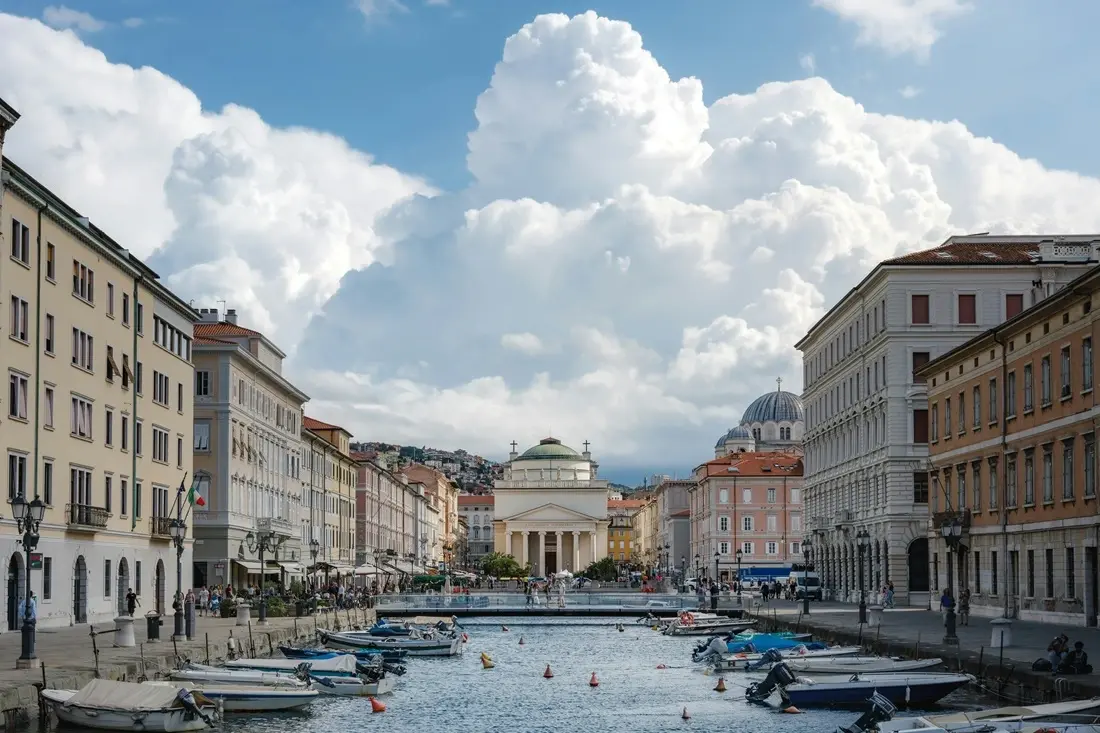
Still a little Austro-Hungarian, a little Italian, and a little Central European, Trieste feels like a place where cultures and continents meet over an espresso.
The morning begins at Piazza Unità d'Italia. Coffee is enjoyed more slowly than in the rest of Italy. The gaze drifts toward the sea. There is no rush anywhere.
And that is when it becomes clear that this is not a journey to be measured in kilometers.
Istria: The Most Beautiful Detour on the Adriatic
From Trieste, the road gently enters Istria.
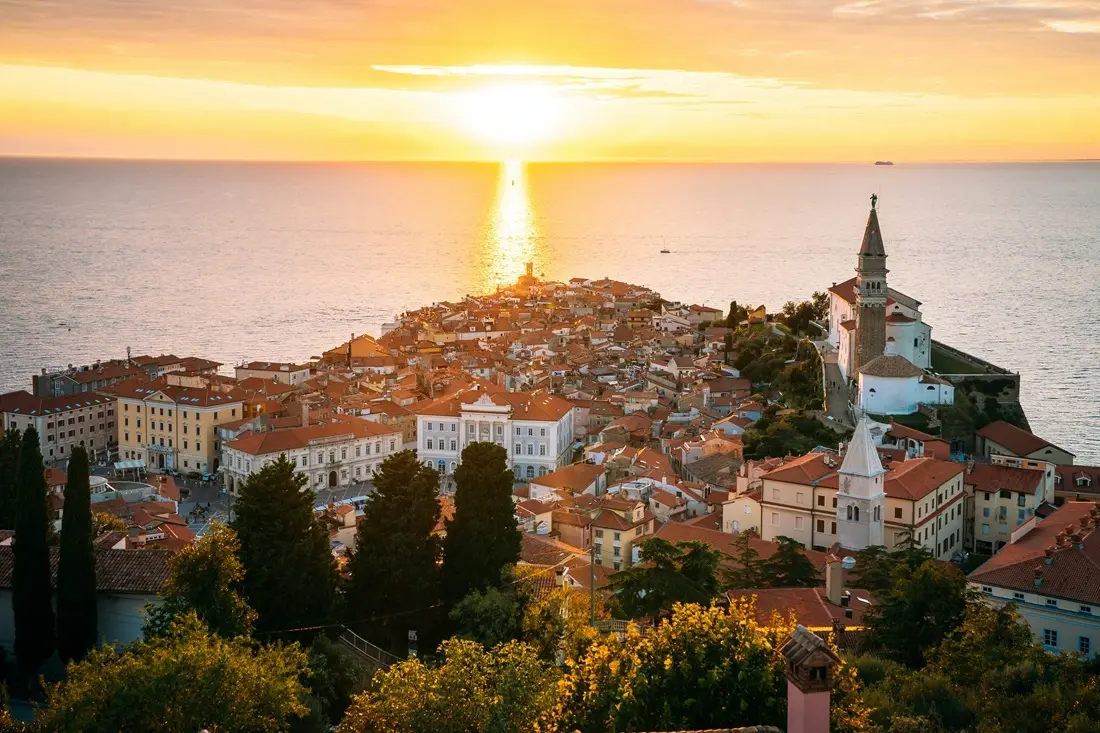
Many travelers head straight for the coast, but true hedonists turn inland. Grožnjan, Motovun, and small stone villages nestled among olive groves seem made for long summer afternoons.
Here, the journey slows down.
A plate of homemade pasta lasts longer than expected. One glass of Malvasia turns into two. The view across rolling hills removes any need for a schedule.
Kvarner: Where the Great Coastal Drive Begins
After Istria, the road descends toward the Kvarner region.
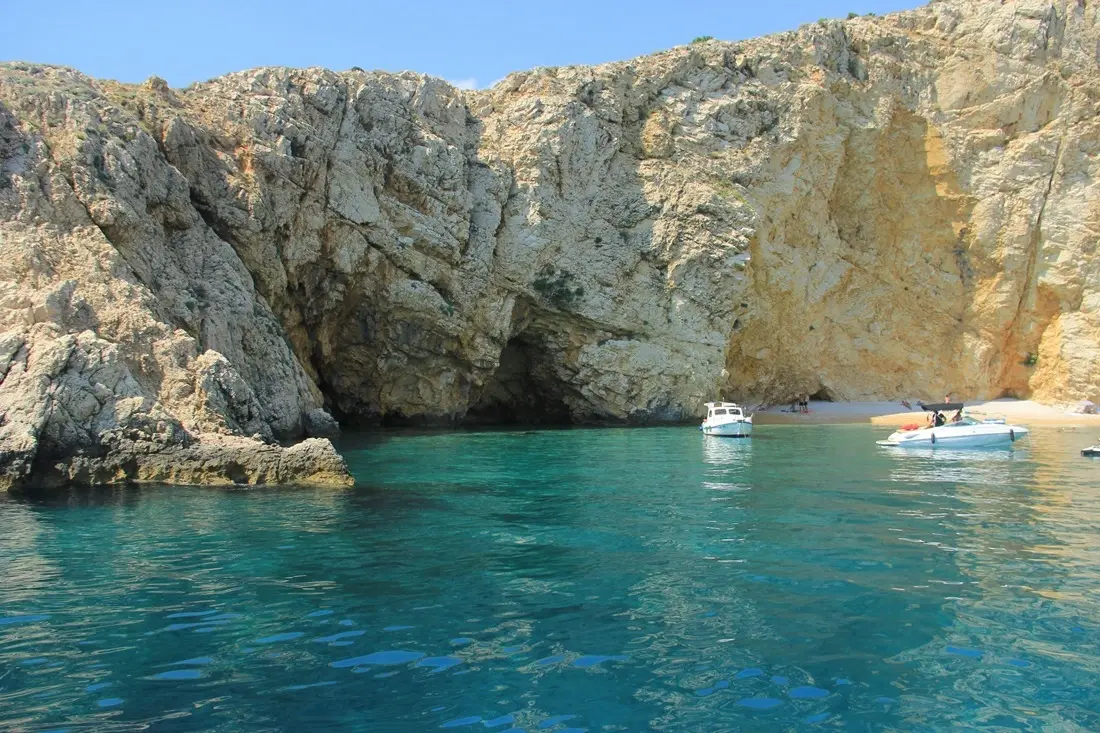
Here, the Adriatic begins to reveal its true character. Sea on one side. Mountains on the other. Between them, a ribbon of asphalt following the contours of the coastline.
The islands of Krk, Cres, Lošinj, and Rab appear on the horizon like scenes from an old movie.
Drivers often speak about Europe’s most beautiful roads. Few routes offer so many breathtaking views within such a short distance.
Zadar: The City That Knows How to Listen to the Sea
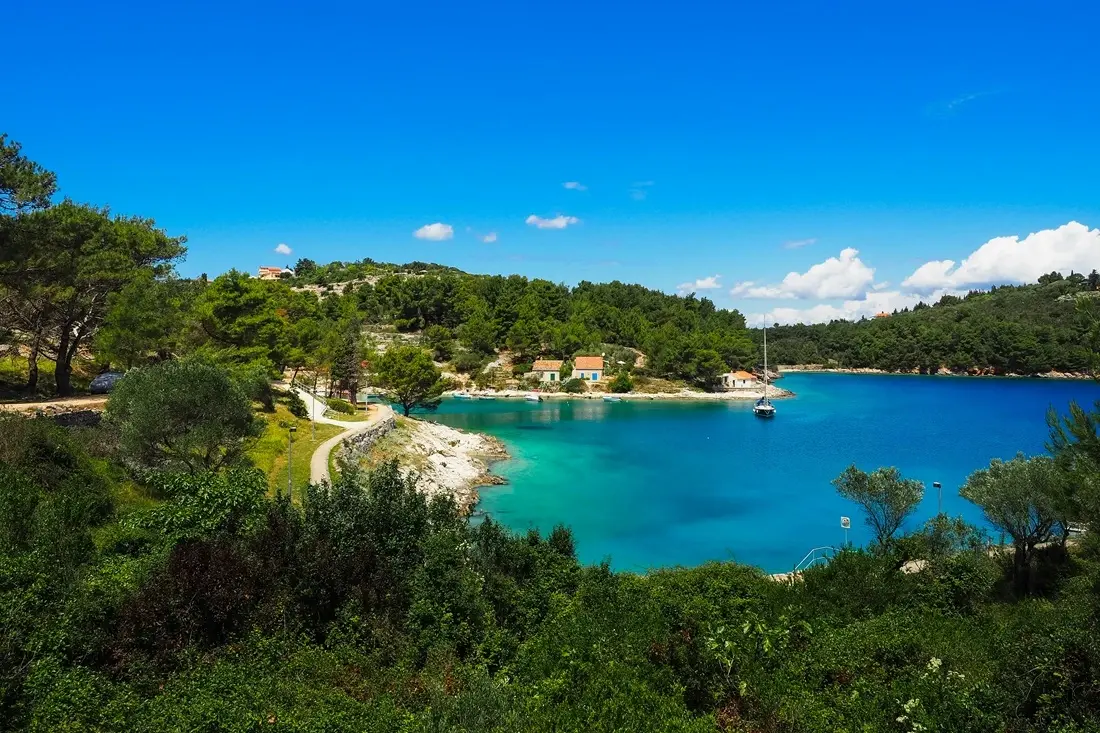
By evening, the road brings travelers to Zadar.
The city does not try to impress through grandeur. Its charm lies in the details: stone streets, spectacular sunsets, and the Sea Organ, which transforms the movement of waves into music.
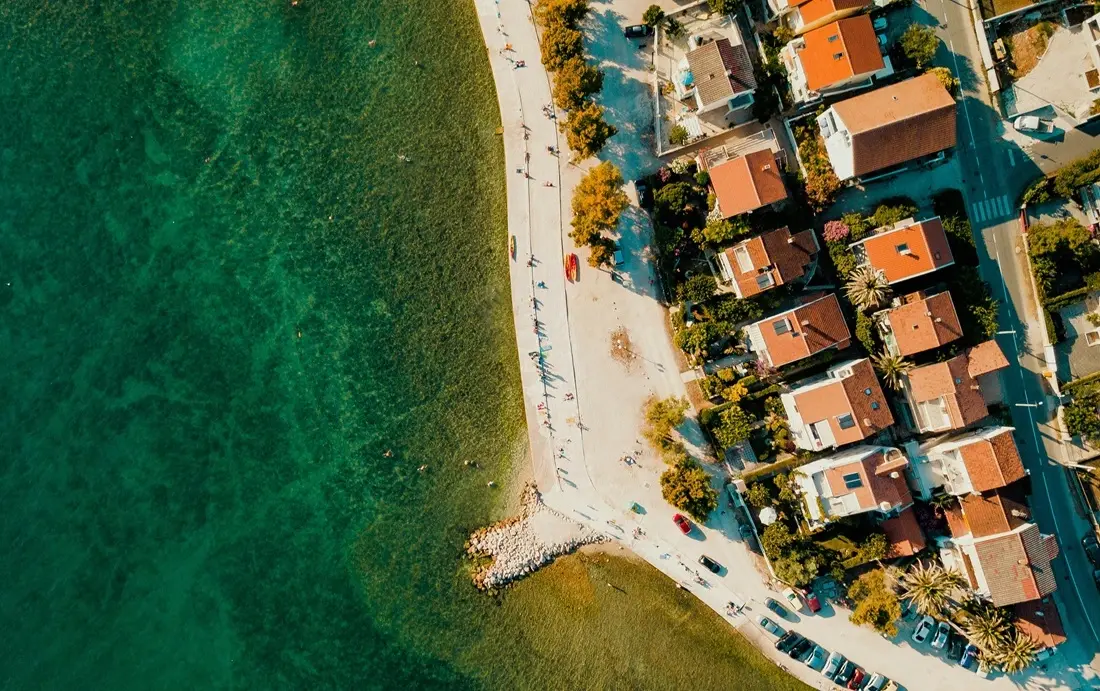
Alfred Hitchcock is said to have claimed that he witnessed the most beautiful sunset in the world right here.
It is difficult to prove he was right. Even harder to prove he was wrong.
Split: The Mediterranean Without Makeup
Beyond Zadar, the journey becomes livelier.
Split does not hide its virtues behind perfect façades. The city is loud, energetic, occasionally chaotic, and therefore authentic.
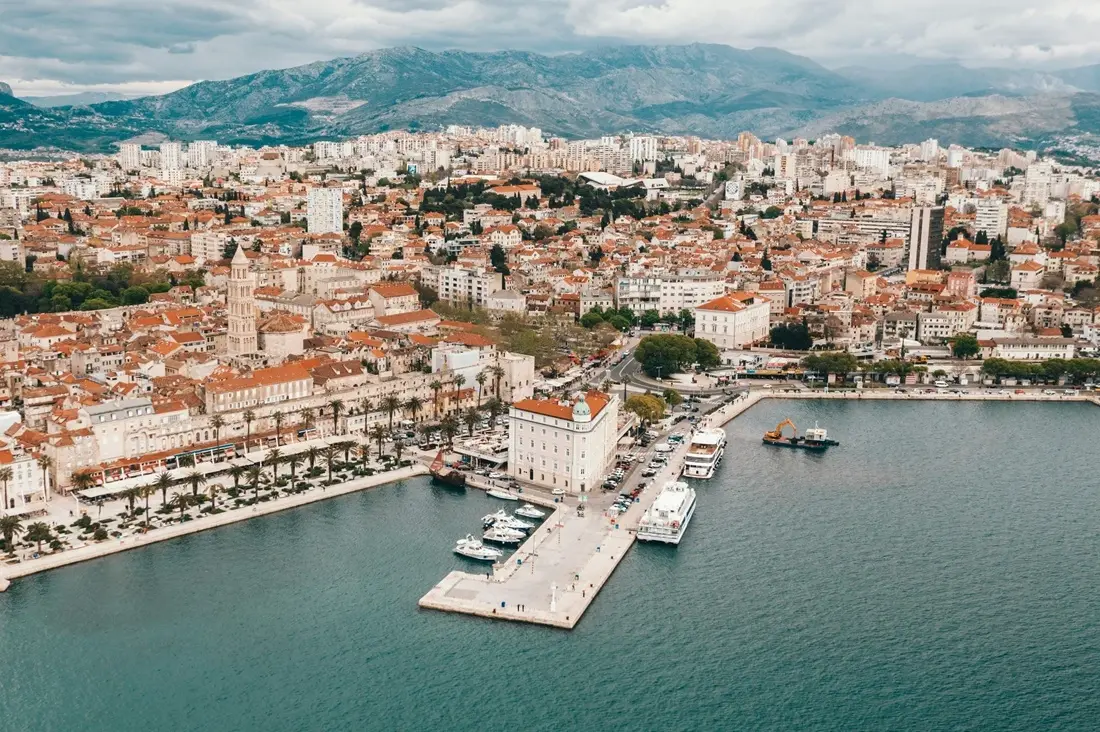
Coffee on the Riva. Conversations that begin spontaneously with strangers. Fishing boats and luxury yachts sharing the same horizon.
Split is a reminder that the Mediterranean was never meant to be perfect.
It was meant to be alive.
Makarska: The Road Between Mountain and Sea
This is where one of the most beautiful stretches of the entire journey begins.
The Biokovo mountain rises almost vertically above the coast. The sea appears impossibly blue. The road passes through small towns that seem wedged between cliffs and beaches.
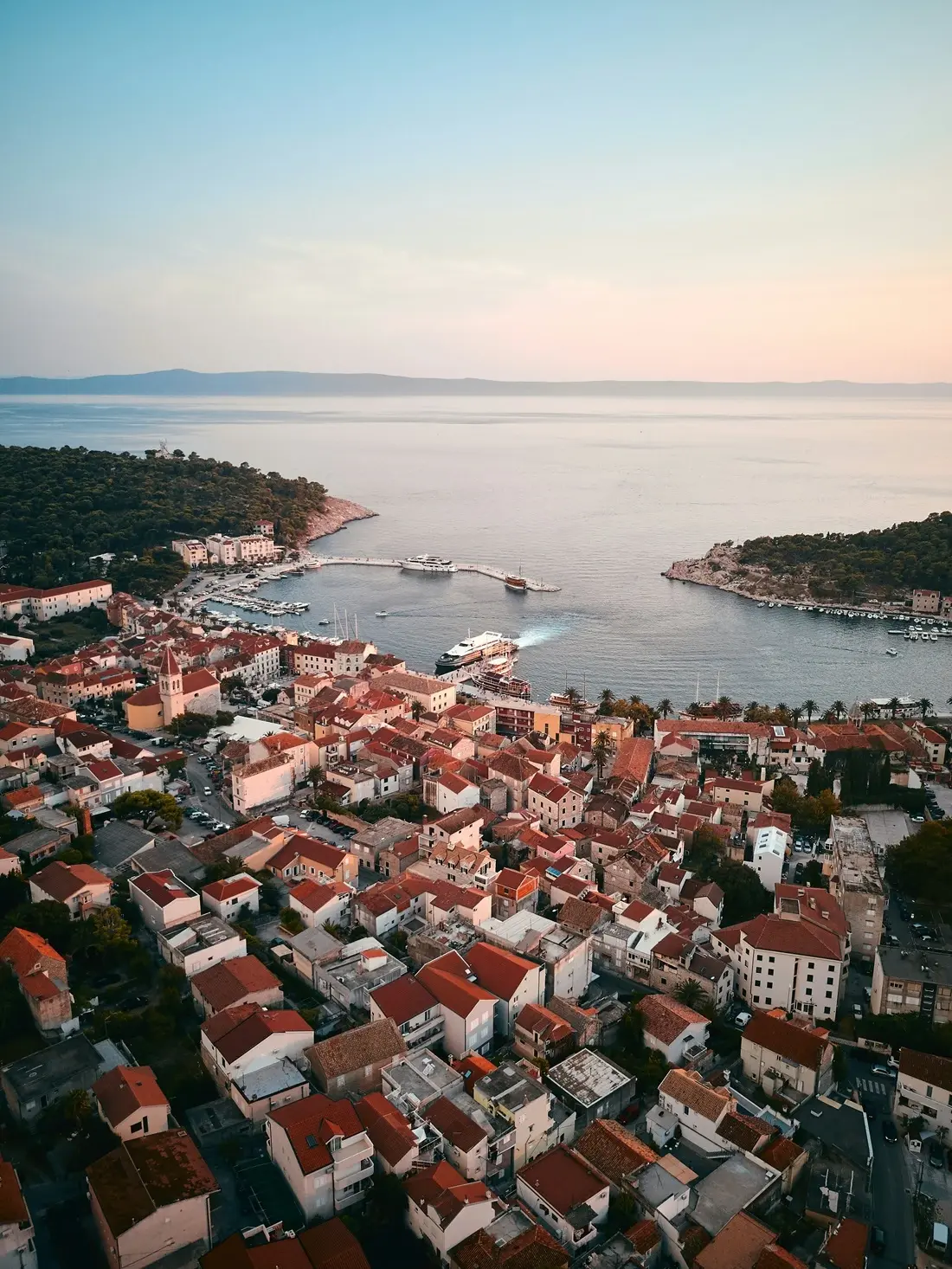
Driving itself becomes the experience.
There is no need for music. The landscape does all the work.
Dubrovnik: The Grand Finale Before the Border
Many cities try hard to make a powerful first impression. Dubrovnik does not need to.
The first glimpse of its walls and the sea beneath them is one of those images that remains in memory for years.
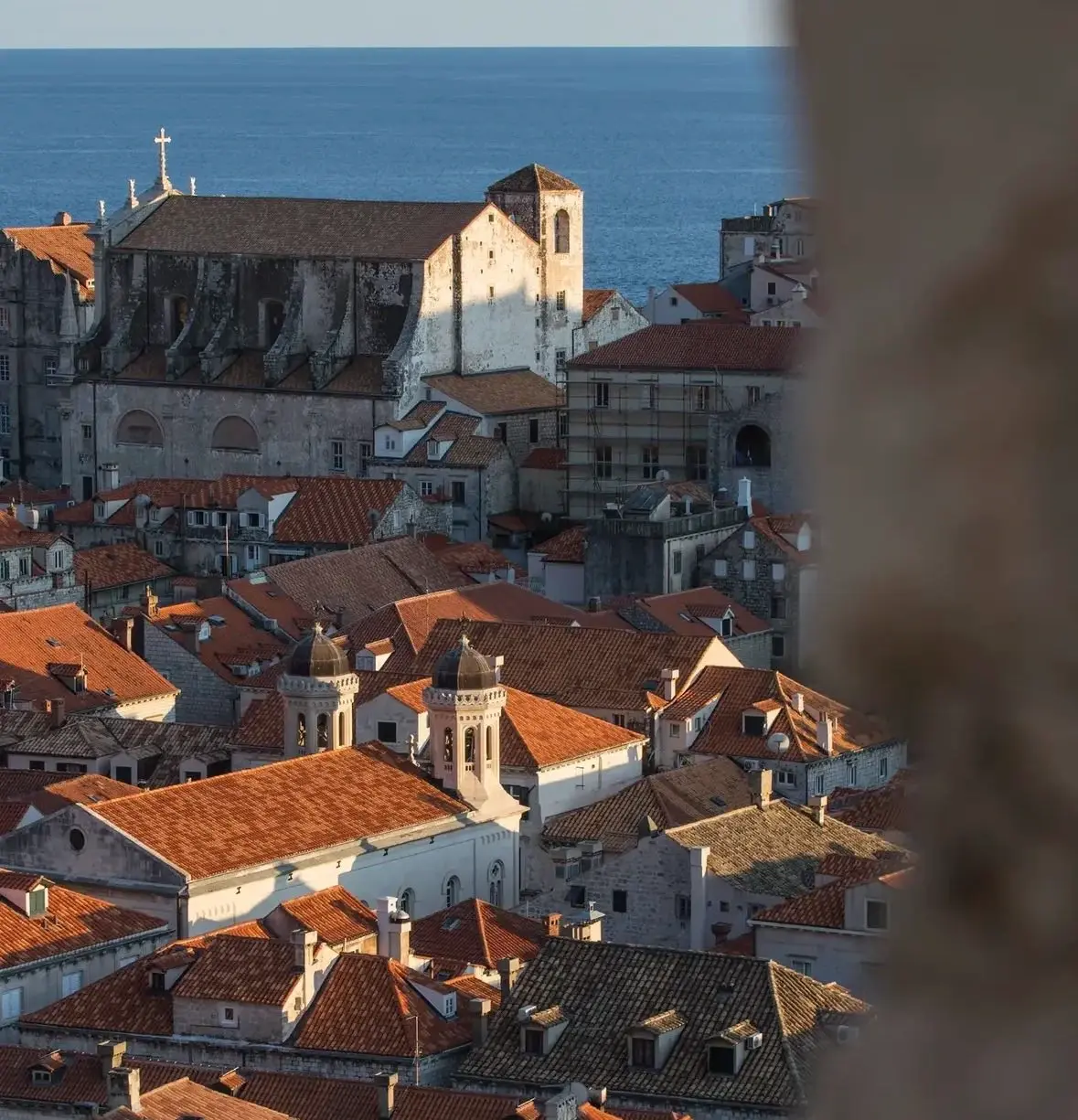
Yet the most beautiful Dubrovnik is often not the one tourists photograph.
It is the city before the crowds arrive. The scent of stone after the night air. The narrow streets slowly waking up with the sunrise.
Kotor: The End of a Journey You Do Not Want to Finish
After Dubrovnik, the road enters the Bay of Kotor.
The pace slows down. The views become even more beautiful. Time becomes less important.
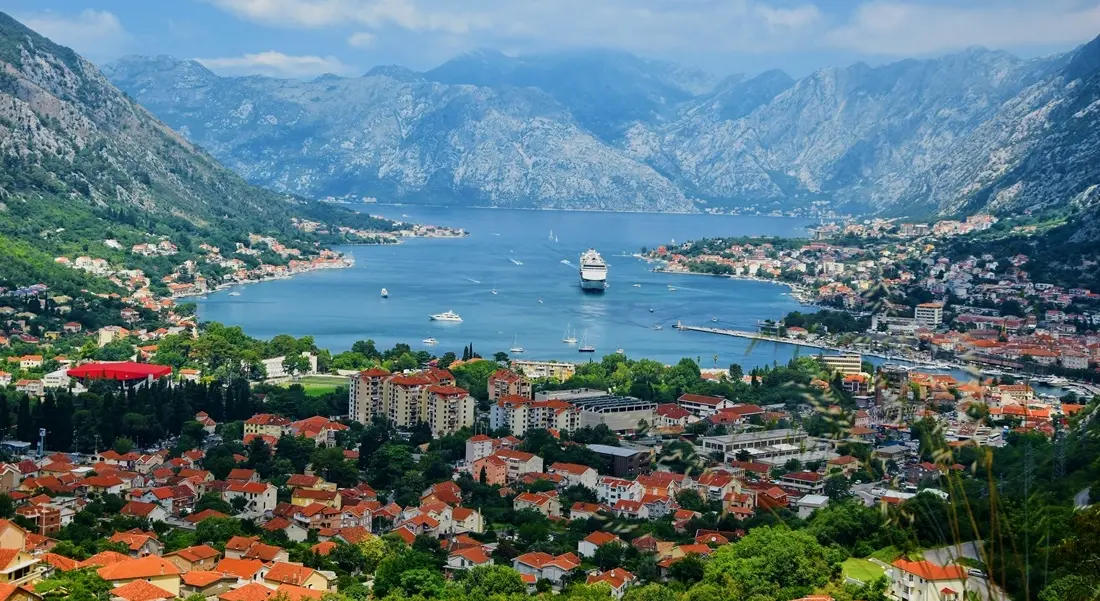
And then, around the final bend, Kotor appears.
Mountains plunging into the sea. A stone town. One of Europe’s most spectacular bays.
That is when it becomes clear that the greatest value of this journey is precisely what the modern world keeps trying to shorten.
The road itself.
Because between Trieste and Kotor there are more than a few hundred kilometers of coastline.
There lies one of the last parts of Europe where the journey can still be just as beautiful as the arrival.