

Tokoname: The Black City That Taught Fire to Speak

![[object Object]](https://api.hedonistmagazine.net/storage/images/2026/05/31664b5c-4308-4097-b8aa-57c9ebe8292a.webp)
At first glance, Tokoname doesn’t seem like a destination that wins you over instantly. There are no spectacular skyscrapers, no restless metropolitan rhythm, nor the tourist buzz that follows Japan’s more famous cities. But it has something else - an atmosphere that doesn’t reveal itself immediately, but unfolds slowly, like a glow beneath a layer of ash.
And it is precisely that ash, together with fire and clay, that has shaped the identity of this place.
A City Where Ceramics Is a Way of Life
Tokoname is one of the oldest and most important centers of Japanese ceramics, part of the renowned tradition of the “Six Ancient Kilns of Japan.” Here, ceramics is not seen as a craft, but as a way of thinking - slow, precise, and deeply connected to nature.
For centuries, masters in Tokoname have shaped clay from the local iron-rich soil, which, after firing, takes on a distinctive dark, almost black color. It is this very tone that gave the city its informal nickname - the “black city.”
But this black is not darkness. It is depth.
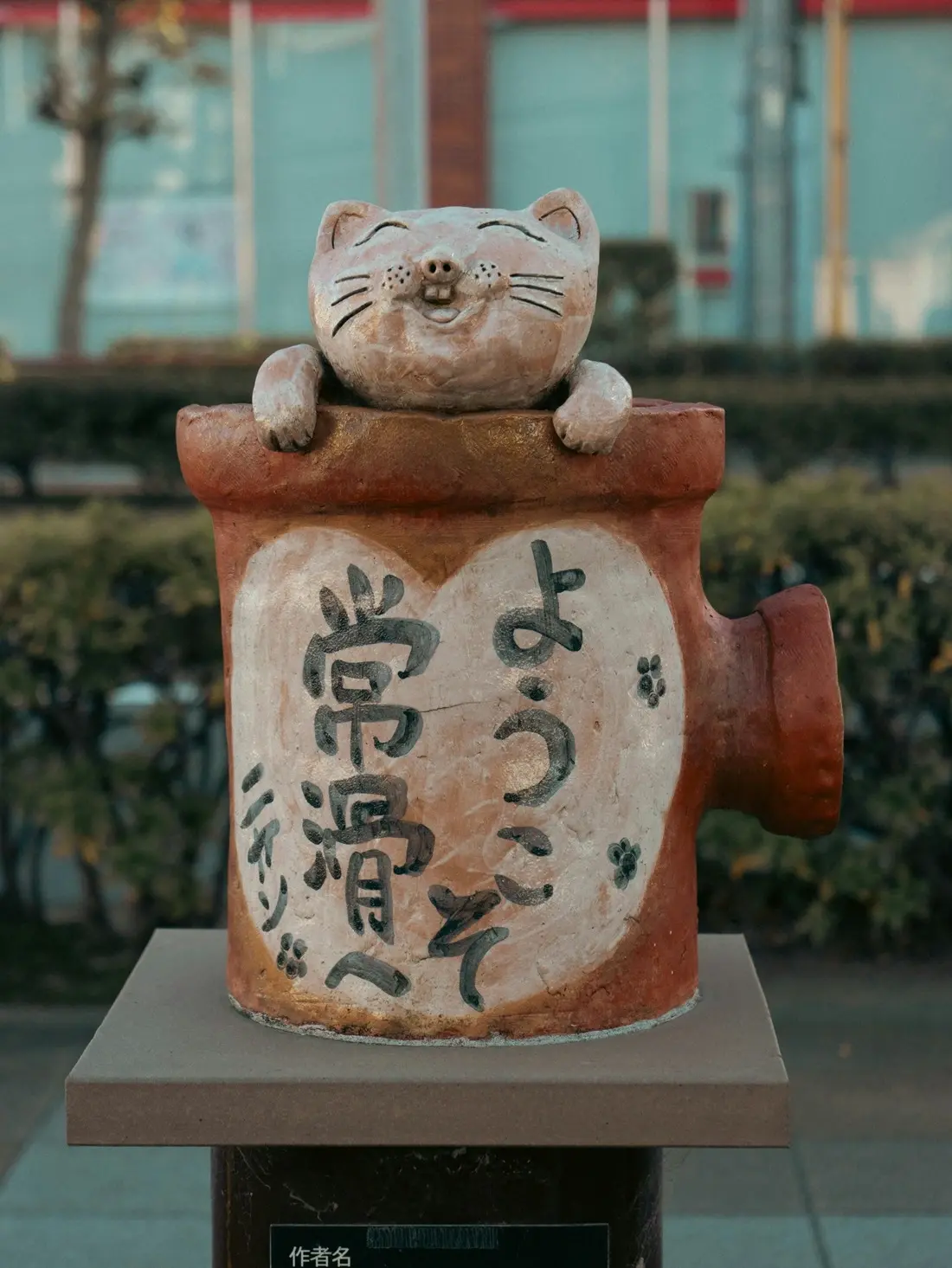
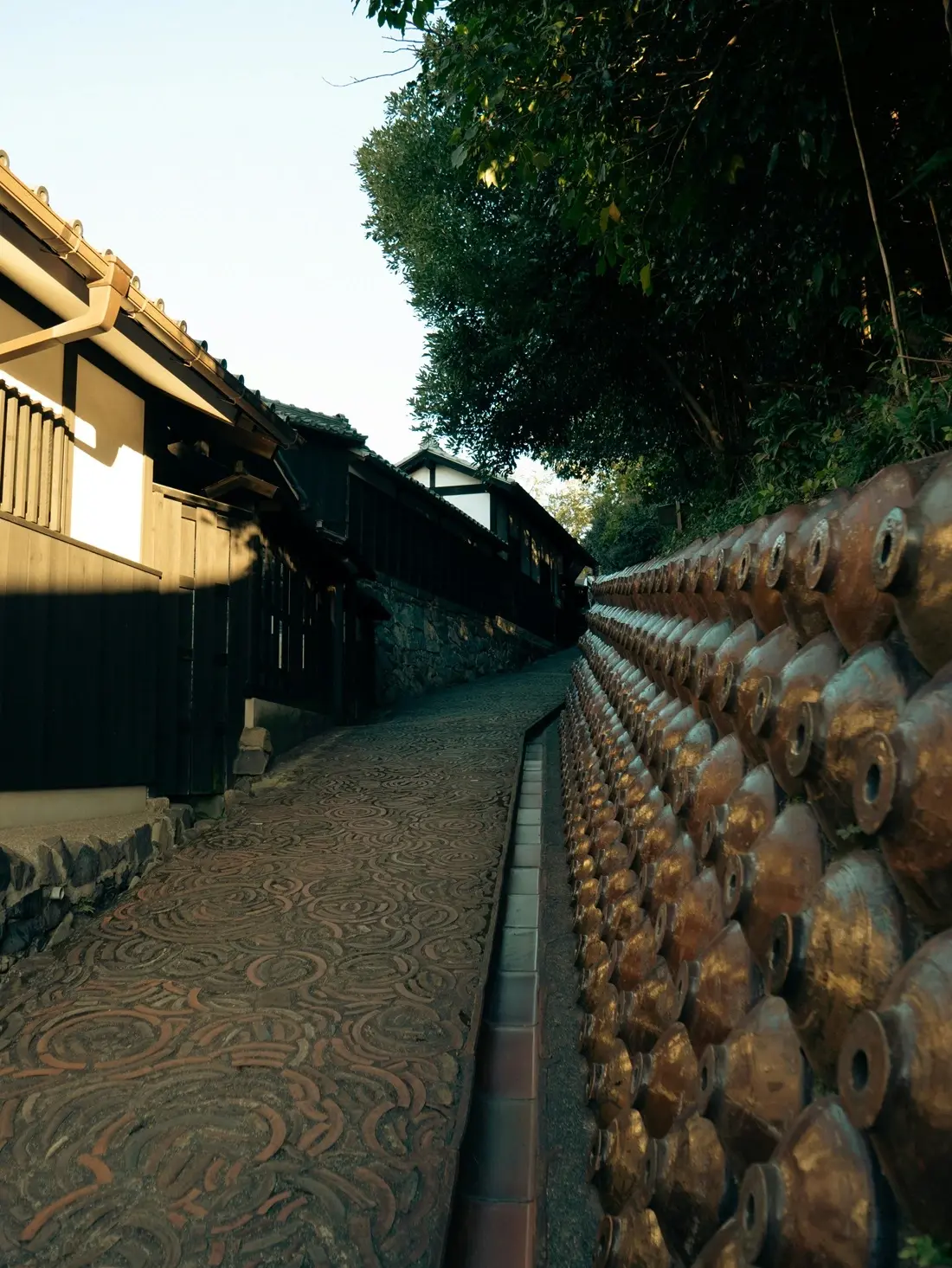
Streets That Remember Fire
A walk through the old parts of Tokoname, especially along the “Ceramic Path,” feels like traveling through time. Narrow, gently sloping streets are lined with walls made of ceramic pipes, tiles, and fragments that once served entirely different purposes.
Nothing here is discarded - everything is reused.
Smoke from the kilns, which has seeped into the pores of the material for centuries, has left its mark on the facades. The colors are muted, the tones subdued, and the light breaks differently than in the rest of Japan. Tokoname does not shine - it glows.
The Beauty of Imperfection
In a world that often strives for perfection, Tokoname reminds us of a philosophy that celebrates imperfection. The slight irregularity in the shape of a cup, the uneven tone on the surface of a teapot, the traces of fire that are never entirely predictable - these are the elements that create value here.
This is an aesthetic close to the Japanese concept of “wabi-sabi” - the beauty of transience and imperfection.
And perhaps that is why Tokoname is not a place to be “consumed” quickly. You won’t check it off your list after a single day. It asks for time, attention, and a willingness to slow down.
A City of Teapots and Silence
If there is one object that symbolizes Tokoname, it is the teapot. Handcrafted, elegant, often in dark tones, these teapots are not merely functional - they are an extension of ritual.
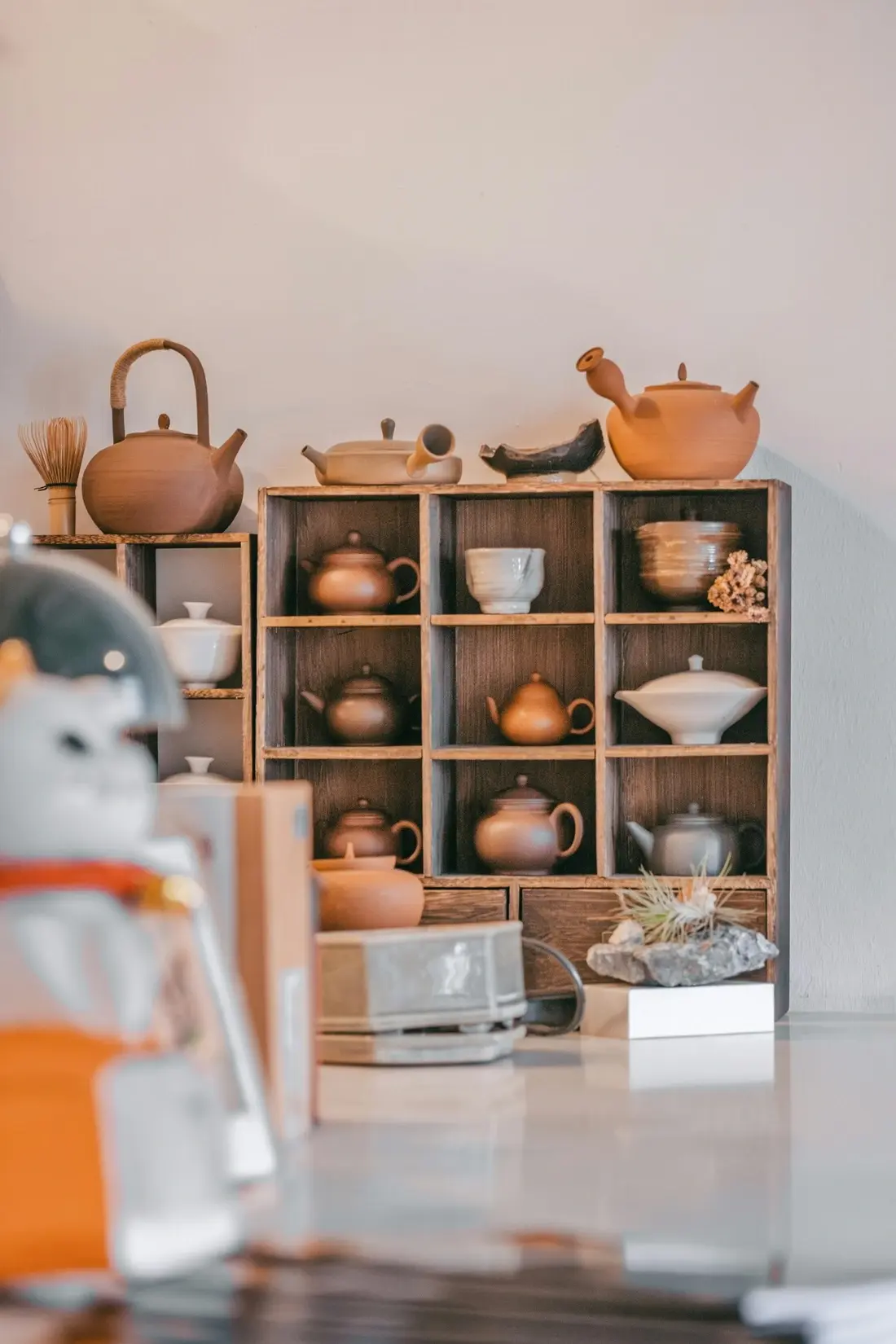
In Japan, tea is not a drink. It is a moment.
And Tokoname is a city that understands the value of that moment. In the quiet of the workshops, as a master shapes clay, time is not measured in hours, but in the movement of hands.