
Tbilisi: The Most Underrated Capital Between Europe and Asia

![[object Object]](https://api.hedonistmagazine.net/storage/images/2026/05/16b610a5-b74a-4a6f-b532-b5f327ec35f0.webp)
Carpets hang from the terraces of old houses, drying in the sun. Beneath them pass black Mercedes sedans from the 1990s, hipsters carrying analog cameras and women holding freshly baked bread still wrapped in paper from the oven. Somewhere, electronic music drifts up from a basement bar, while only a few streets away, old men play backgammon outside a small shop. Tbilisi does not feel like a city carefully designed to impress tourists. And that is exactly why it does.
While many European capitals in recent years have become polished, predictable, and transformed into backdrops for social media, Tbilisi has remained raw, contradictory, and remarkably alive. It is a city where a sophisticated wine bar can stand next to a crumbling Soviet-era building, and somehow the entire scene still feels completely natural.
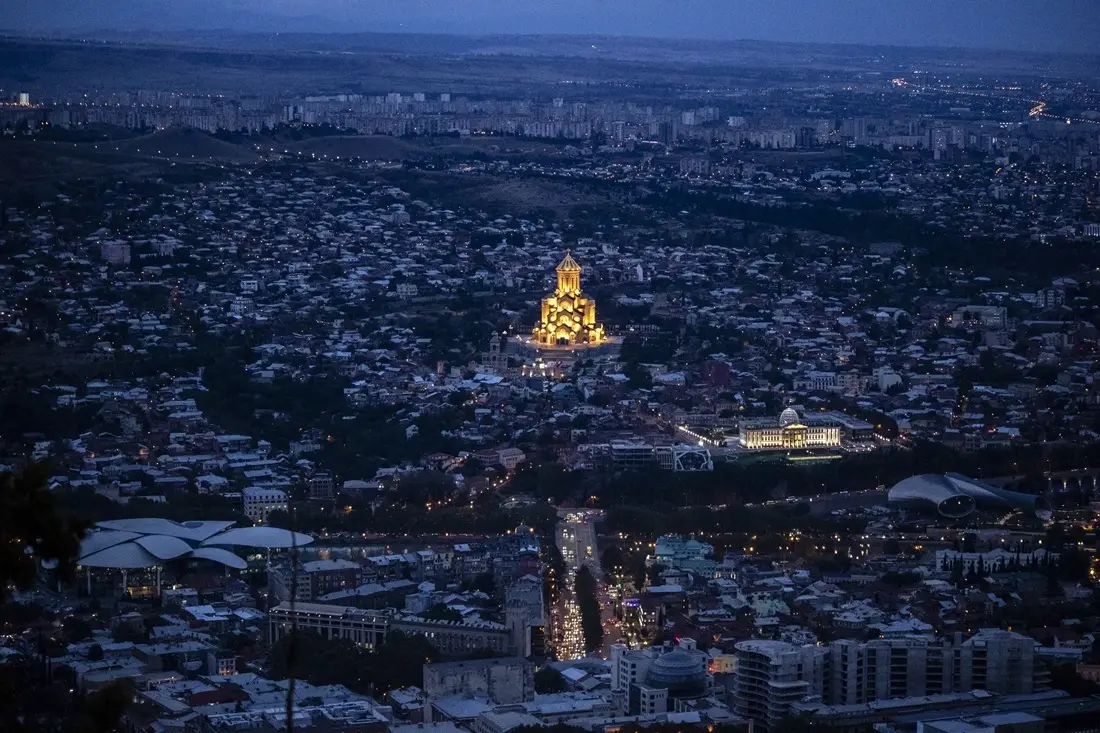
That is precisely why Tbilisi today feels like the most underrated capital between Europe and Asia.
A City That Feels Like Several Worlds Colliding
Very few cities manage to combine so many different identities into a single atmosphere.
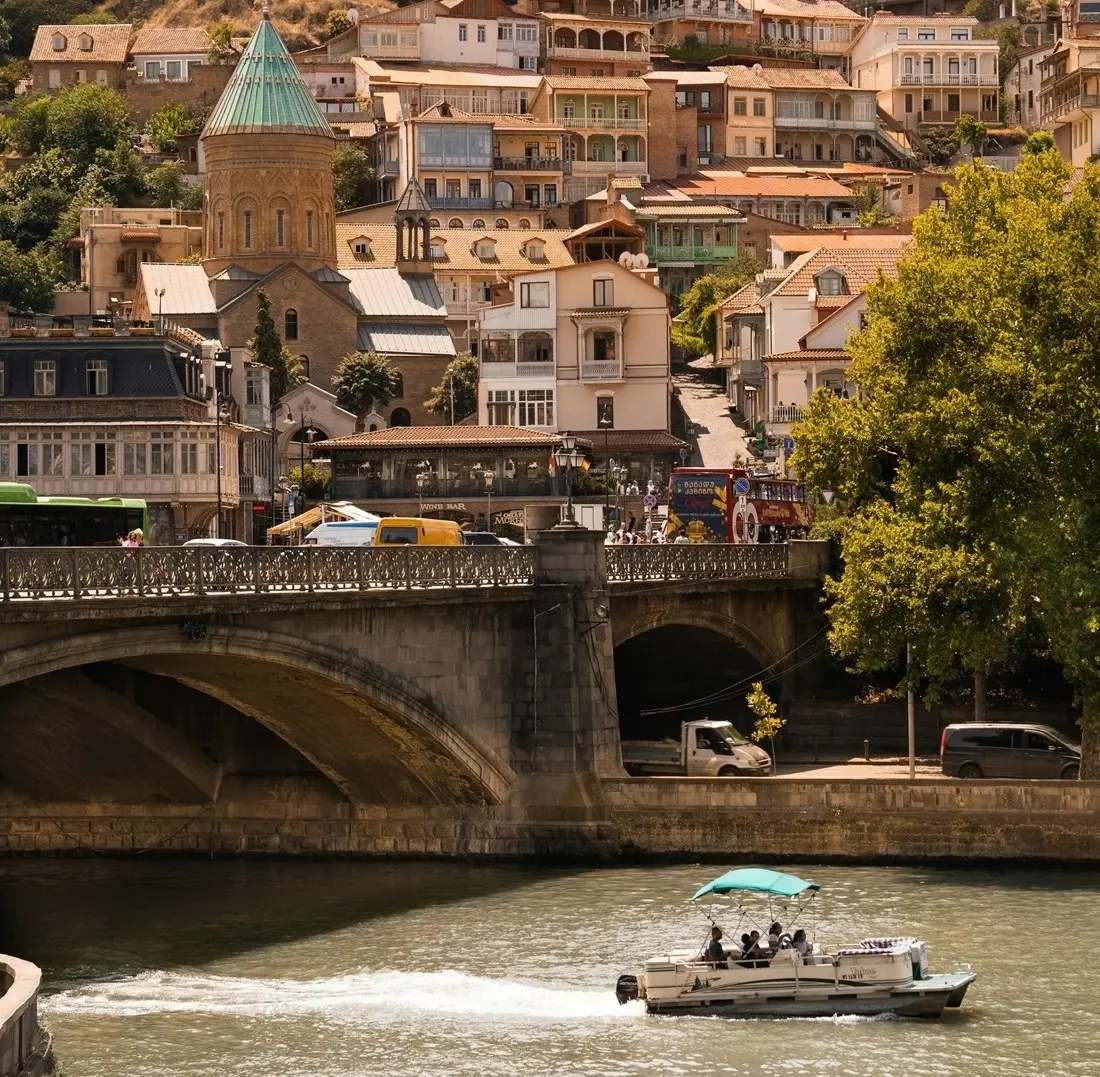
Tbilisi is at once: post-Soviet and Mediterranean, oriental and European, chaotic and elegant, rough and warm.
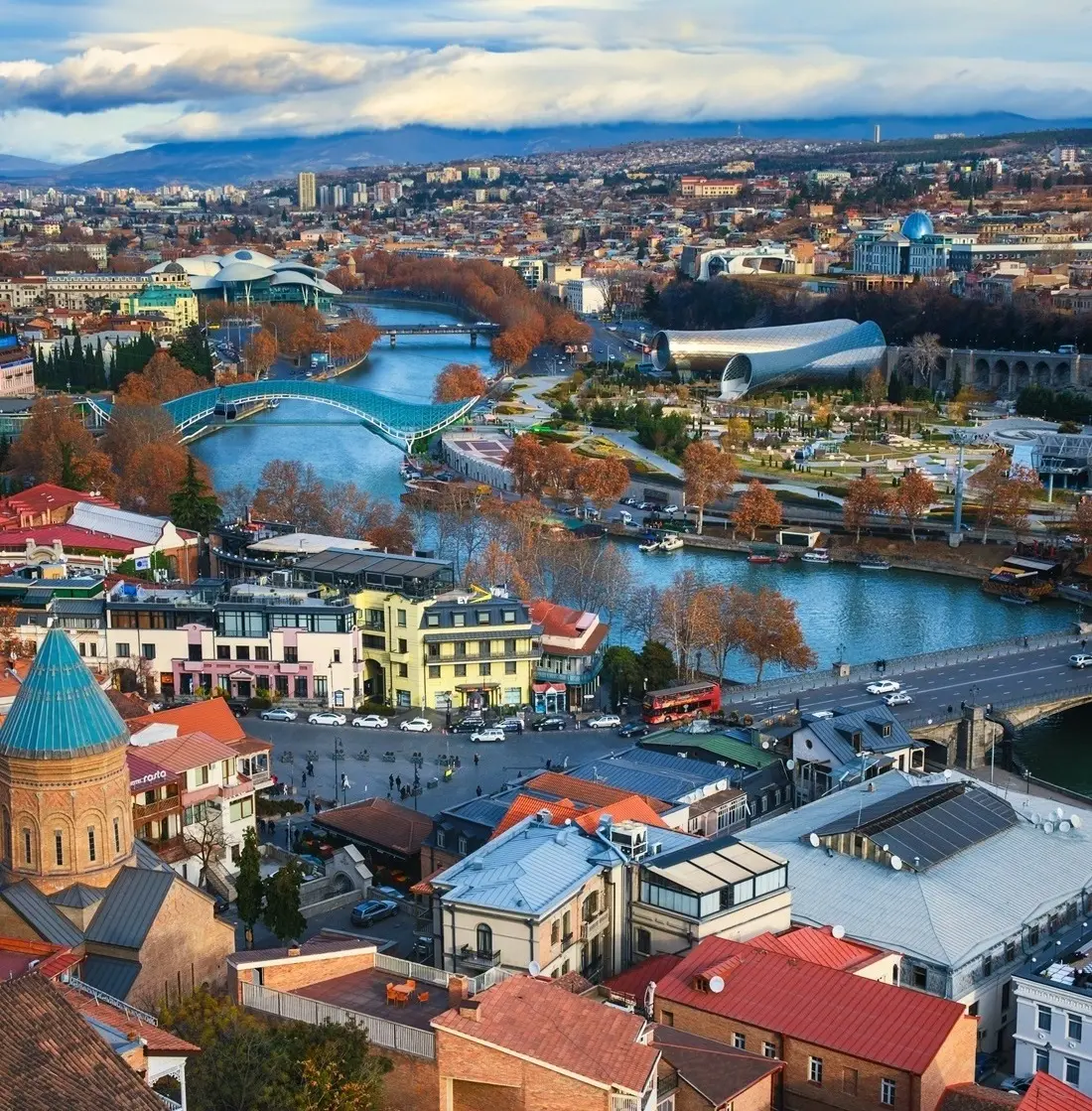
One part of the city is filled with old Orthodox churches and wooden balconies painted in colors almost erased by time. A few minutes later, Soviet brutalist buildings appear alongside abandoned factories turned into galleries and minimalist cafés that look as though they were transported directly from Copenhagen or Berlin.
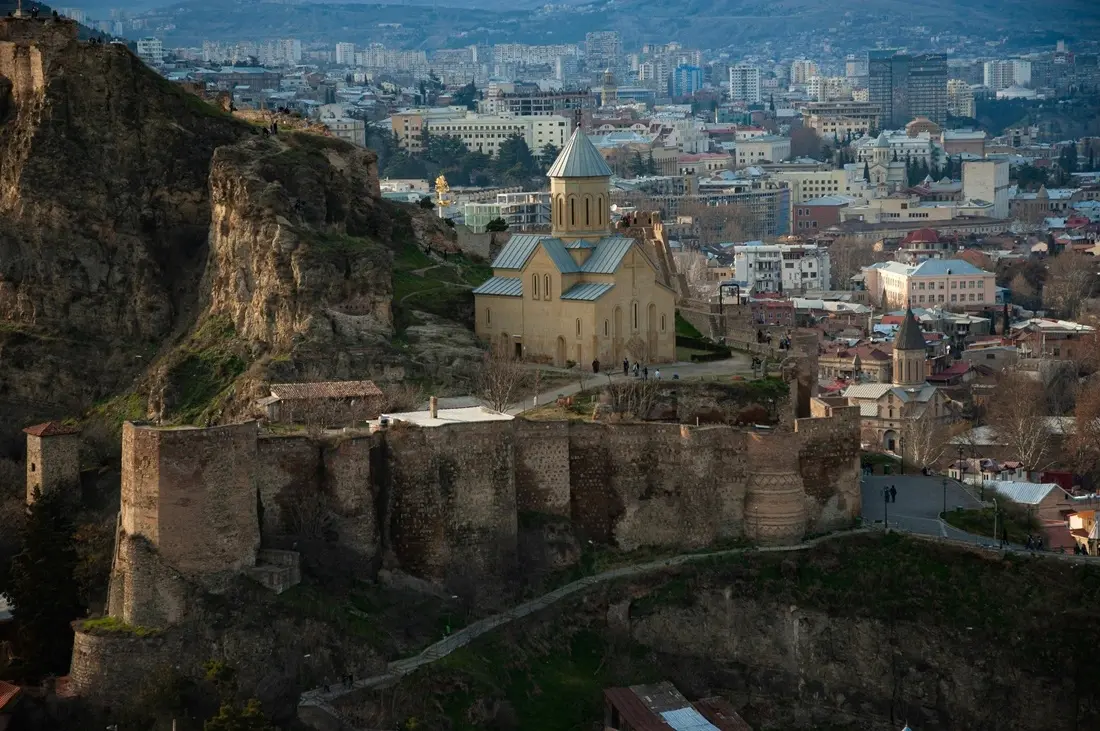
But unlike many modern lifestyle destinations, Tbilisi never feels like a city trying to be “cool.” Its character emerged naturally.
A Place Where Dinners Still Last for Hours
In Tbilisi, people still know how to sit for a long time.
Dinner here is not simply a meal - it is a social ritual that effortlessly stretches into hours. Tables fill with khachapuri, khinkali, grilled meat, fresh herbs, and wine that never seems to stop arriving.
Toasts are delivered with genuine seriousness. Conversations are not interrupted by constant glances at phones every few minutes. And slowly, time itself begins to lose importance.
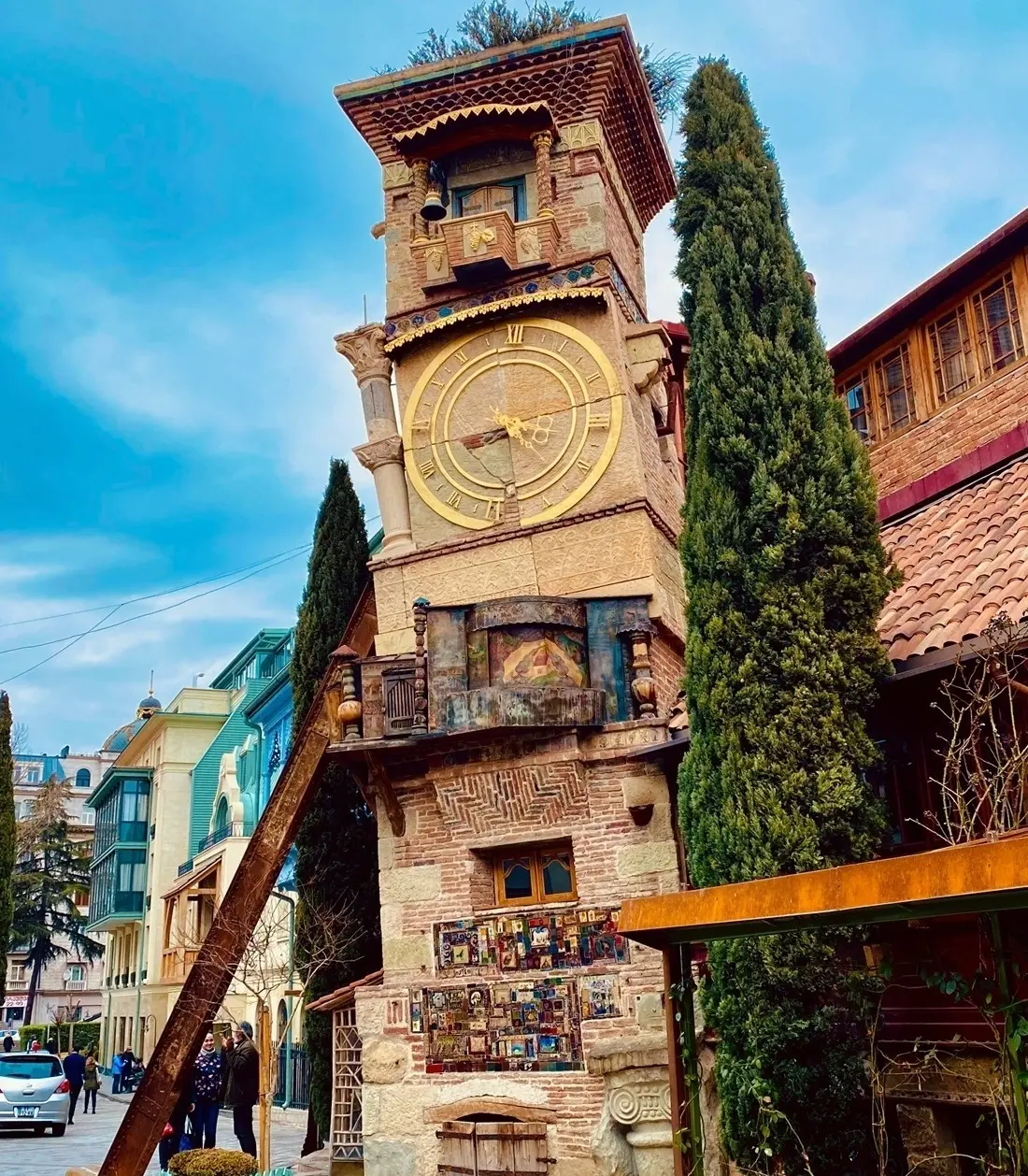
In a world obsessed with productivity, Tbilisi feels almost subversive. Like a place that still believes people do not always need to rush somewhere.
The New Capital of Creative Energy
Over the past few years, Tbilisi has become a magnet for artists, designers, photographers, DJs, and people exhausted by the sterility of modern cities.
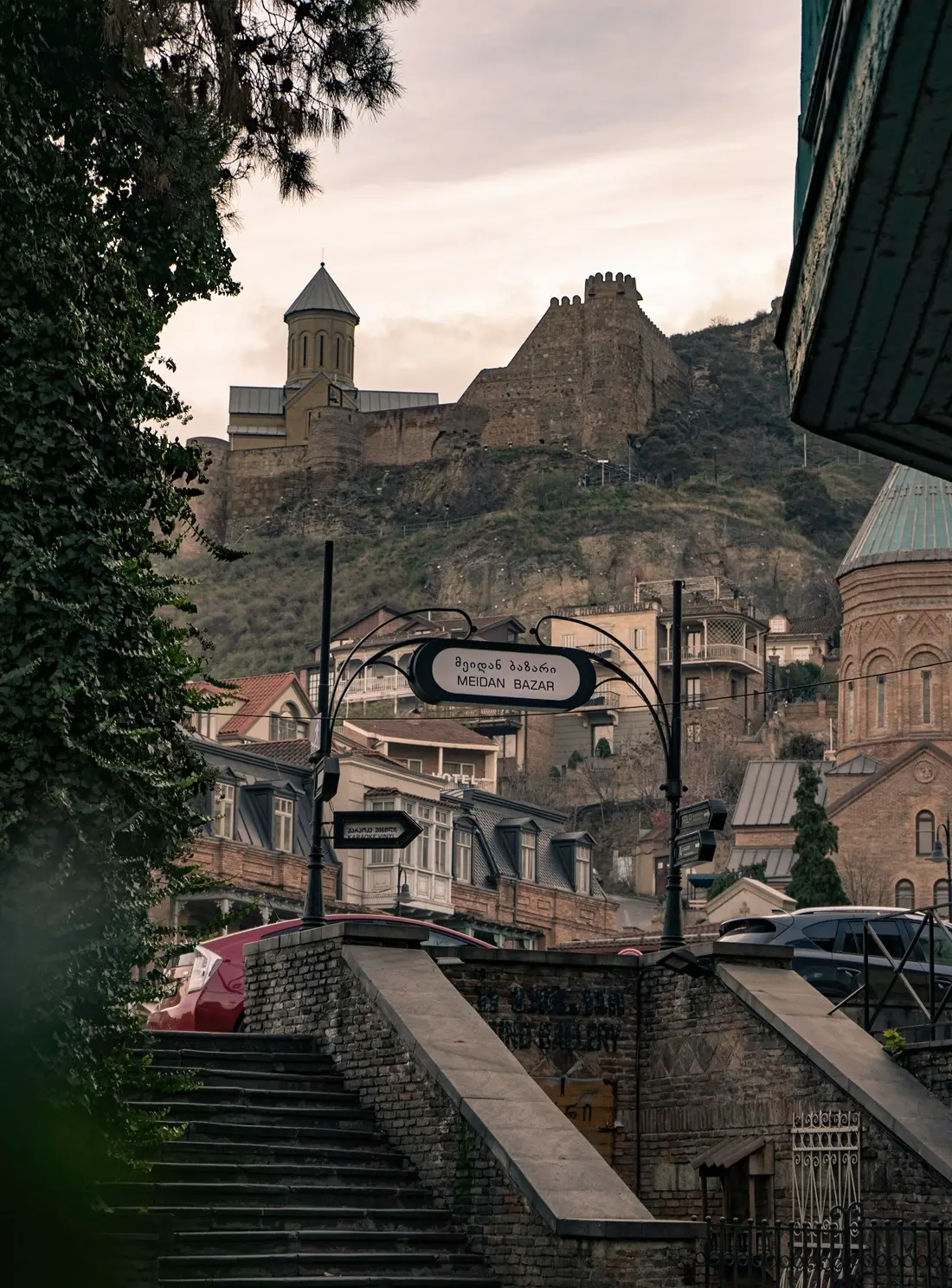
Part of that energy comes from the fact that the city has not yet been fully commercialized.
For years, rents remained lower than in Western Europe. The creative scene developed organically. Old factories were transformed into clubs, galleries, and coworking spaces without too much corporate polish.
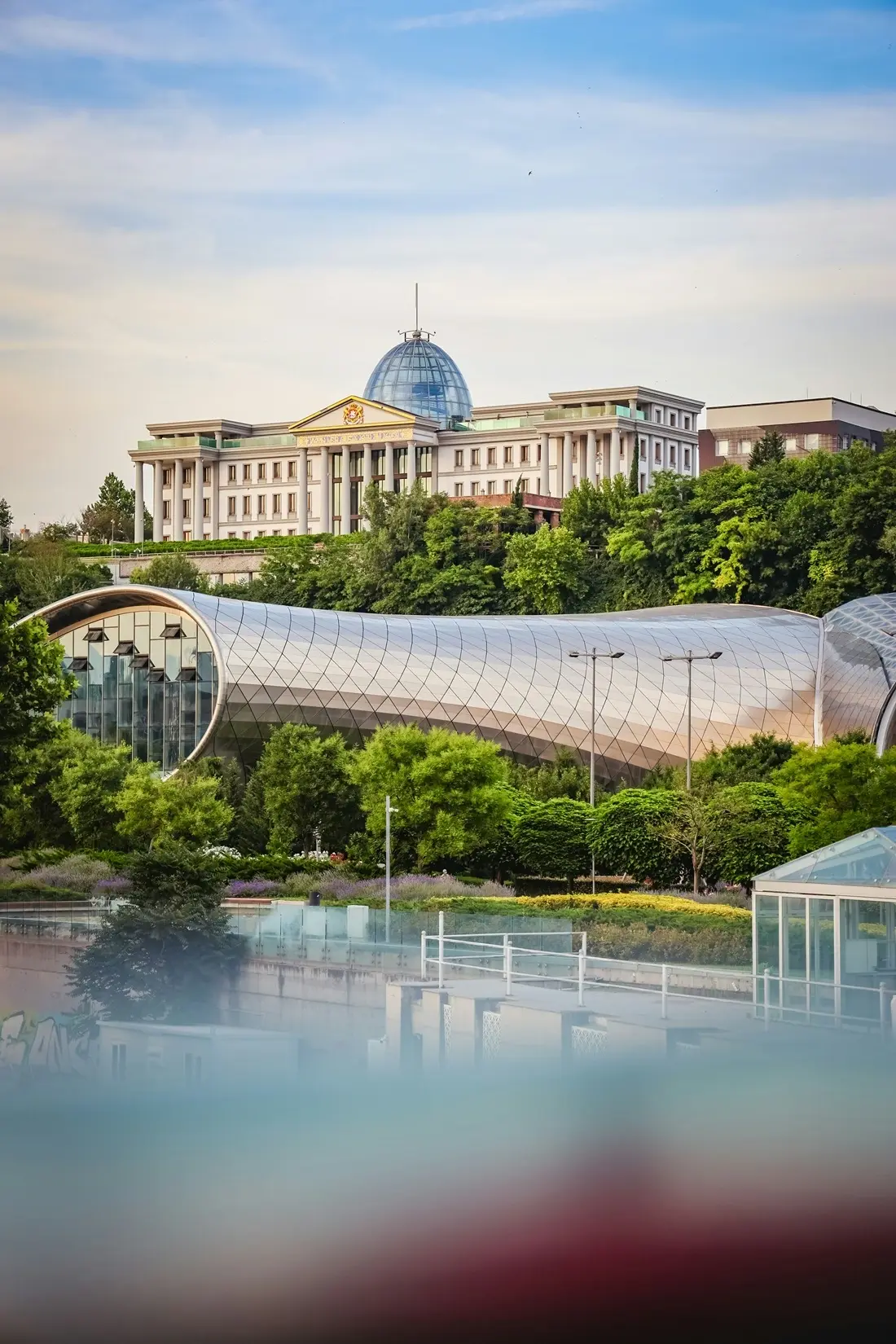
The most famous example is Fabrika Tbilisi - a former Soviet sewing factory turned into a hotel, bars, studios, and a social hub for a new generation of creatives.
But Tbilisi is fascinating not only for its aesthetics. It is fascinating because it has not yet lost its spontaneity.
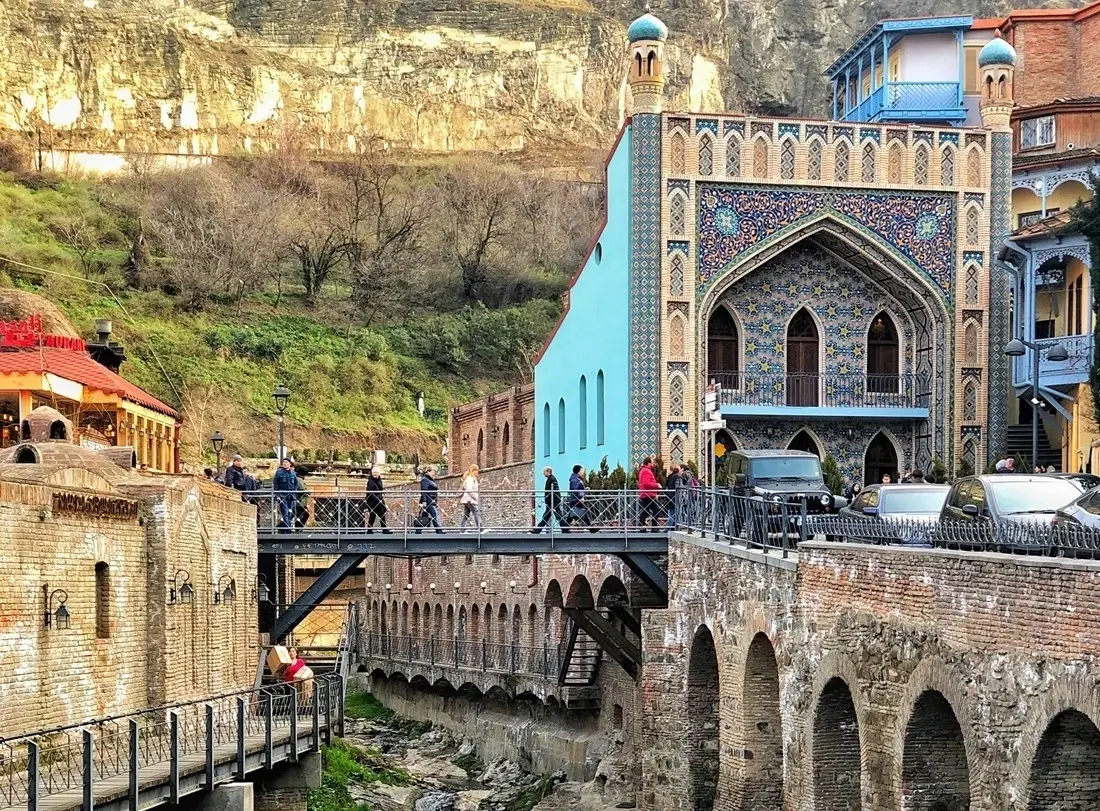
The Last Great Unpolished Capital
When night falls, Tbilisi takes on an entirely different energy. The lights from old balconies, the smell of grilled meat, music spilling out of basement bars, and people sitting outside long after midnight create an atmosphere that feels more cinematic than touristic.
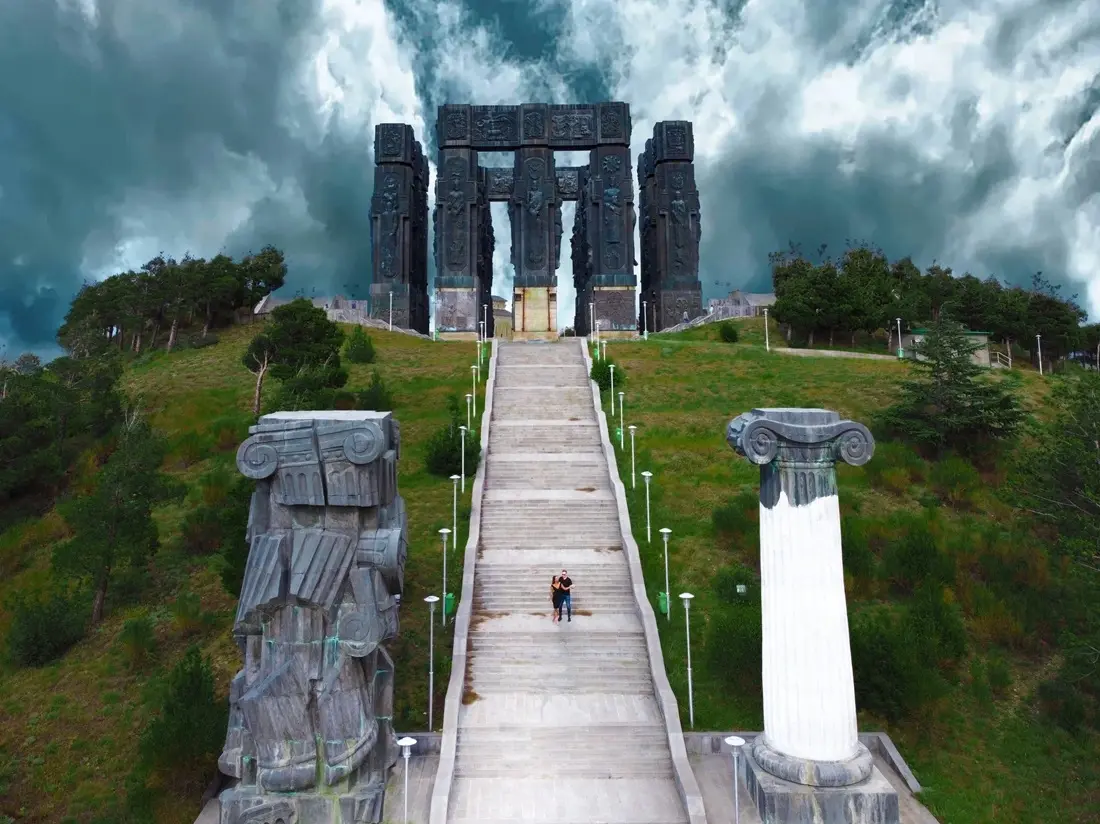
Perhaps that is why so many travelers leave Tbilisi genuinely surprised. Not because the city is perfect. But because it feels real.
Tbilisi does not have the perfection of Vienna, the luxury of Paris, or the organization of Copenhagen. And that is exactly where its appeal lies.
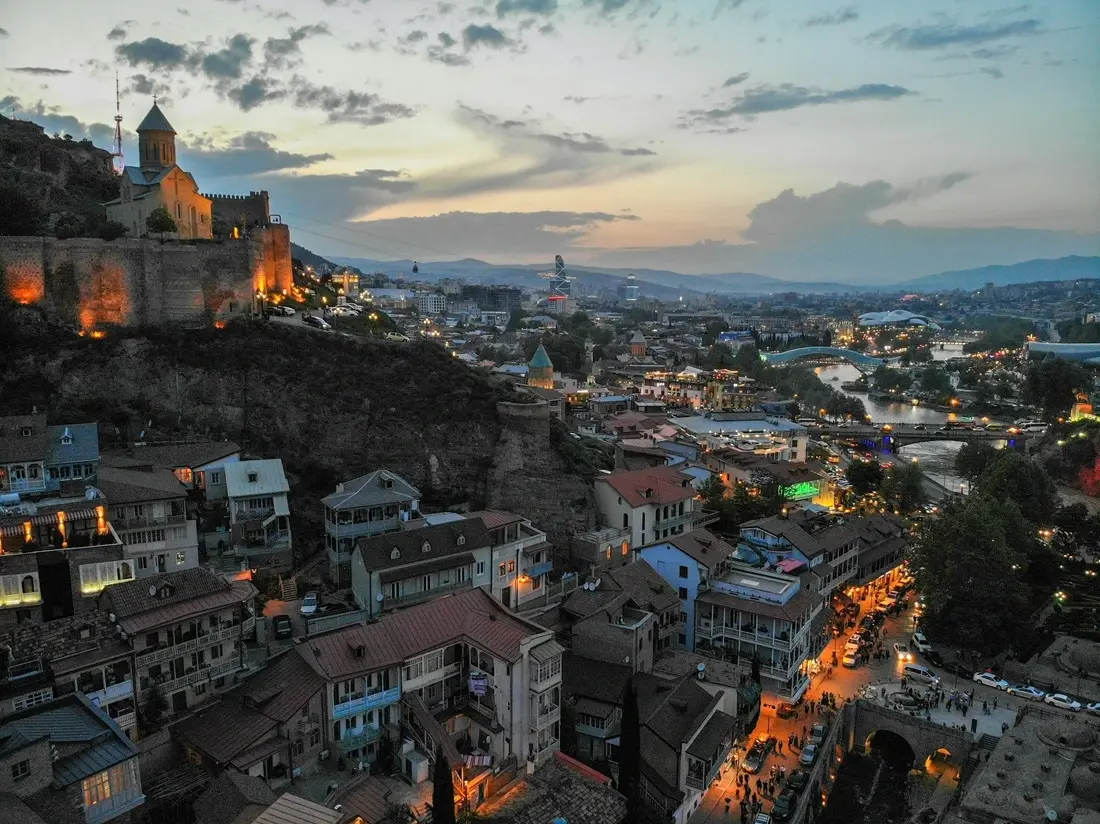
The city has not yet been completely “ironed out” for tourists. It has not lost its cracks, chaos, or improvisation. And those imperfections now feel precious in a world where more and more cities look the same.
Tbilisi may not win you over immediately. But it can very easily become one of those cities you keep thinking about far longer than you expected.