

Islands at the Edge of the World
![[object Object]](https://api.hedonistmagazine.net/storage/images/2026/03/8237bf32-cb87-4134-8f39-6af9bb199c0a.webp)
In an era when even the most remote destinations are just a few clicks and connecting flights away, the idea of places that are truly isolated seems almost unreal. And yet, they exist. These are islands where almost no one lives. Places where the signal fades, crowds don’t exist, and daily life is measured by the rhythm of nature - not the clock.
For some, they are just dots on the map. For others, they are the last traces of a world as it once was.
Faroe Islands: Where Nature Takes the Lead
Although not completely uninhabited, some of the smaller islands within the Faroe Islands feel as if they sit on the very edge of the world.
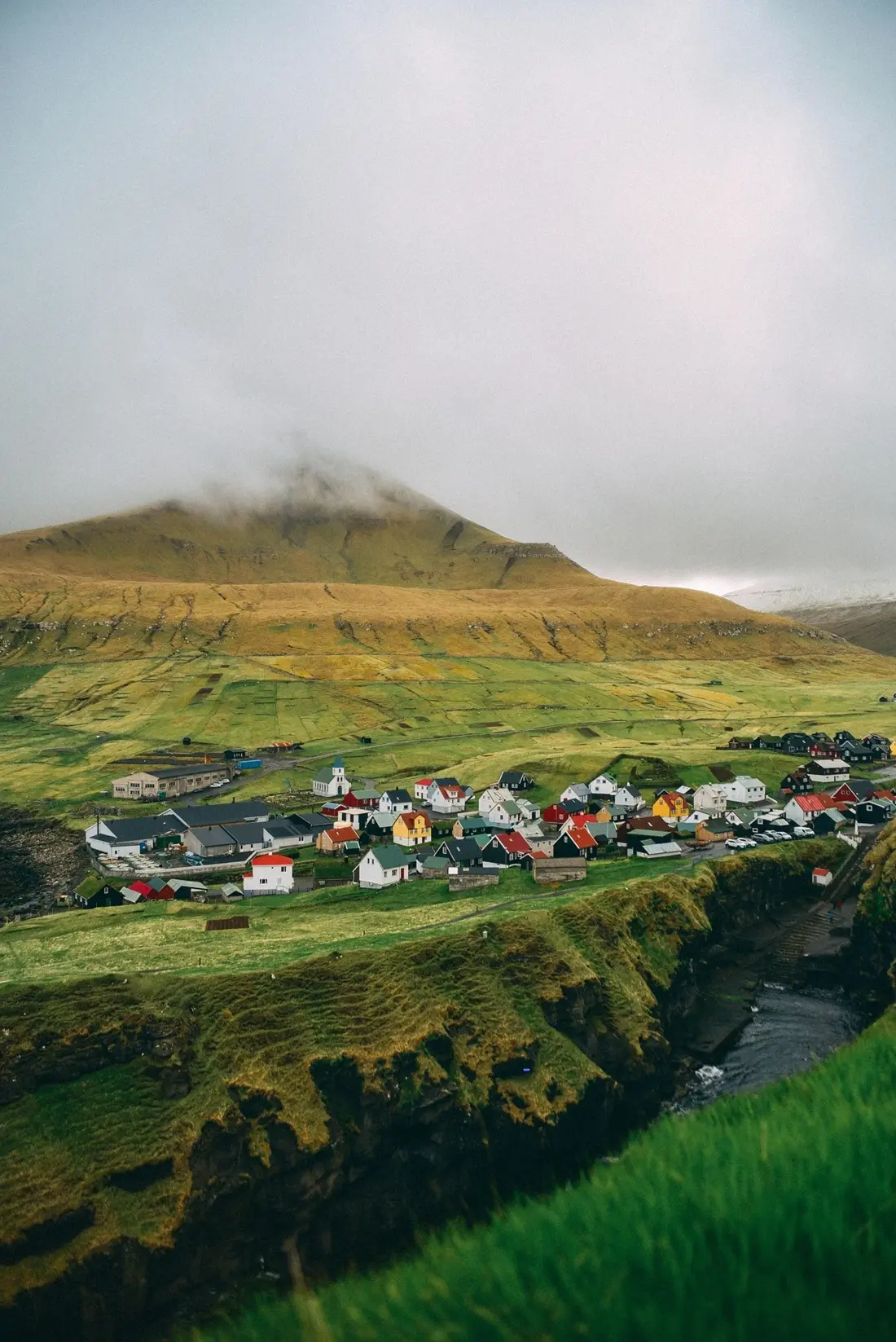
Fog, cliffs, and dramatic landscapes create an atmosphere that is closer to a film scene than to everyday life.
On some islands, only a handful of people live, sometimes outnumbered by sheep.
And yet, it is precisely this rawness and simplicity that make them one of the most authentic places in Europe.
Tristan da Cunha: The Most Remote Inhabited Place on Earth
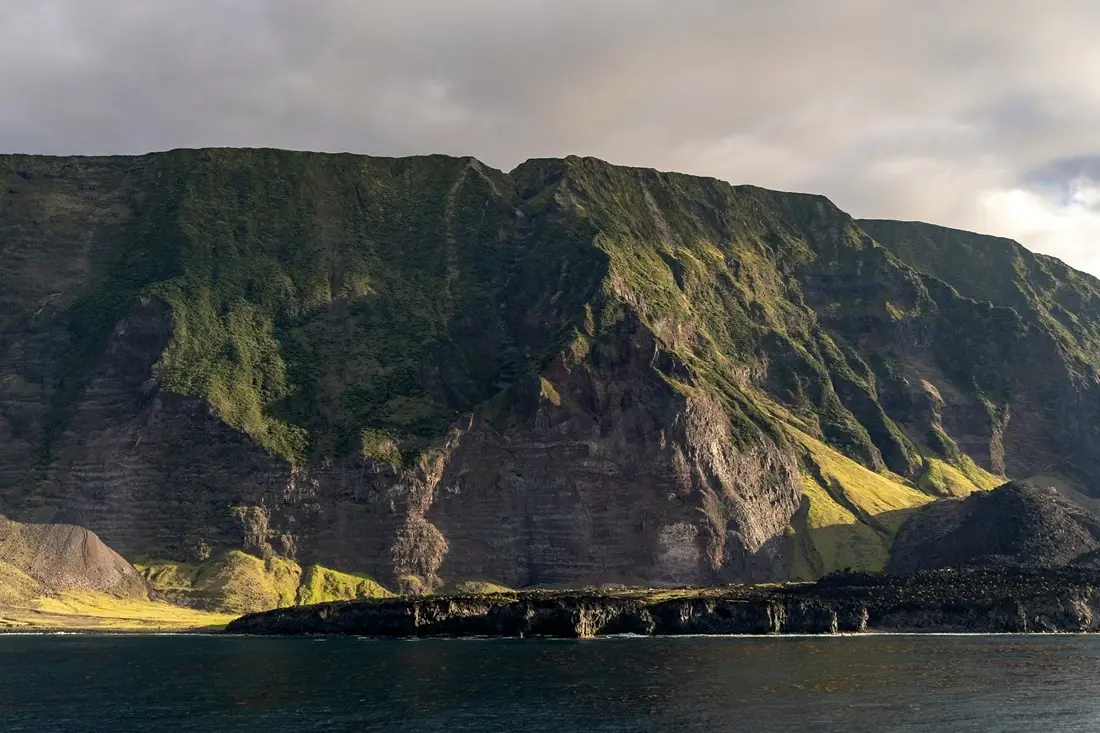
In the middle of the South Atlantic Ocean, thousands of kilometers from the nearest mainland, lies Tristan da Cunha - an island often described as the most isolated inhabited place in the world.
You can’t get there by plane. There are no airports. The only way to arrive is by ship, after a multi-day journey from Cape Town.
Only a few hundred people live here. They all know each other, sharing the same space, the same challenges, and the same view of the endless ocean.
There is no rush here. And no need for it.
Pitcairn Islands: A Community Smaller Than a Classroom
In the Pacific Ocean, far from tourist routes, lies Pitcairn - an island with one of the smallest populations in the world.
The number of residents rarely exceeds 50.
Its history is as fascinating as its isolation. The island was settled by descendants of the mutineers from the HMS Bounty, giving this tiny community an almost cinematic character.
Today, Pitcairn functions as a small, self-sustaining world.
No crowds. No noise. No anonymity.
Life Without Excess
On islands like these, life is stripped down to its essence.
There are no shopping malls. No constant connection. No overwhelming choices.
But there is silence, space, time...
And perhaps that is why the people who live here often have what others lack - a sense of peace.
Hedonism Without Luxury
At first glance, it’s hard to associate places like these with hedonism.
There are no luxury hotels. No fine dining. No nightlife.
But there is something else.
Hedonism in its purest form: fresh air, endless views, and the feeling of complete isolation.
It’s a kind of luxury you can’t book. Only experience.
Places That Remind Us What Matters
Islands at the edge of the world are not for everyone.
But they matter.
Because they remind us that another way of life exists - slower, quieter, simpler.
And perhaps that is why, in a time when we are all searching for more, they teach us how to appreciate less.
Because sometimes, the most distant places are not the ones we travel to - But the ones where we finally find peace.