Adventure Travel
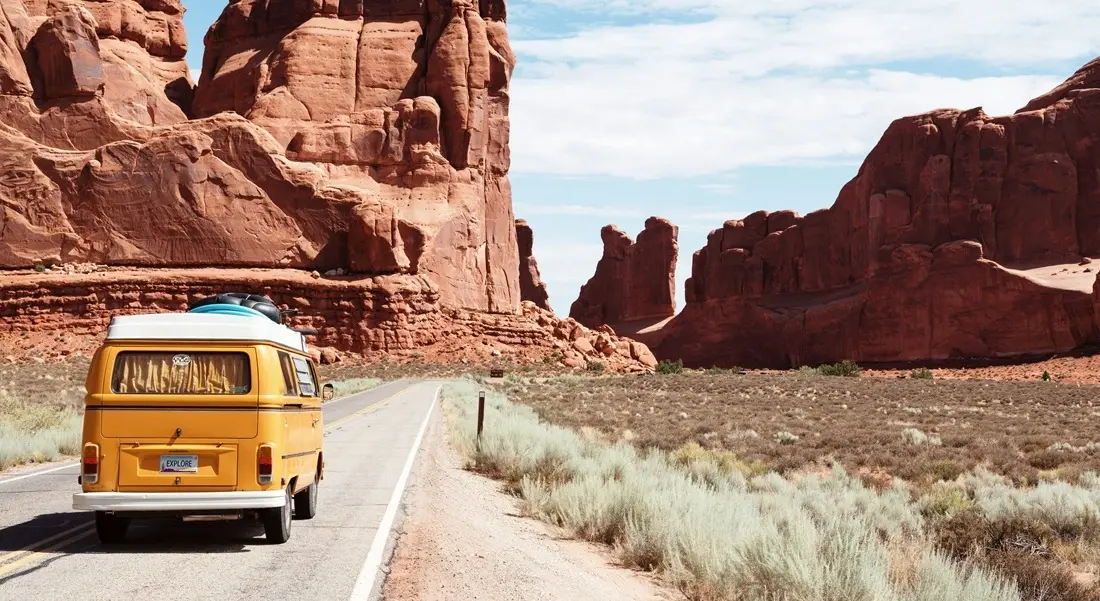
Around the World Without Flying – Is It Still Possible?
There comes a moment at almost every airport when travel stops feeling like a journey and becomes little more than logistics. A few hours after takeoff, we step out on the other side of the world, often with little sense of the immense distance we have actually covered. Time zones change, languages shift, yet the space between two points seems to disappear altogether.

The Man Who Invented the Holiday: How Modern Tourism Was Born
Morning slowly broke over industrial England. Thick smoke from factory chimneys hung above Birmingham, Manchester, and Leicester as the first locomotives thundered across a landscape transforming faster than ever before. Factories absorbed thousands of workers, cities expanded almost overnight, and railways connected places that had once been separated by days of travel by horse-drawn carriage.
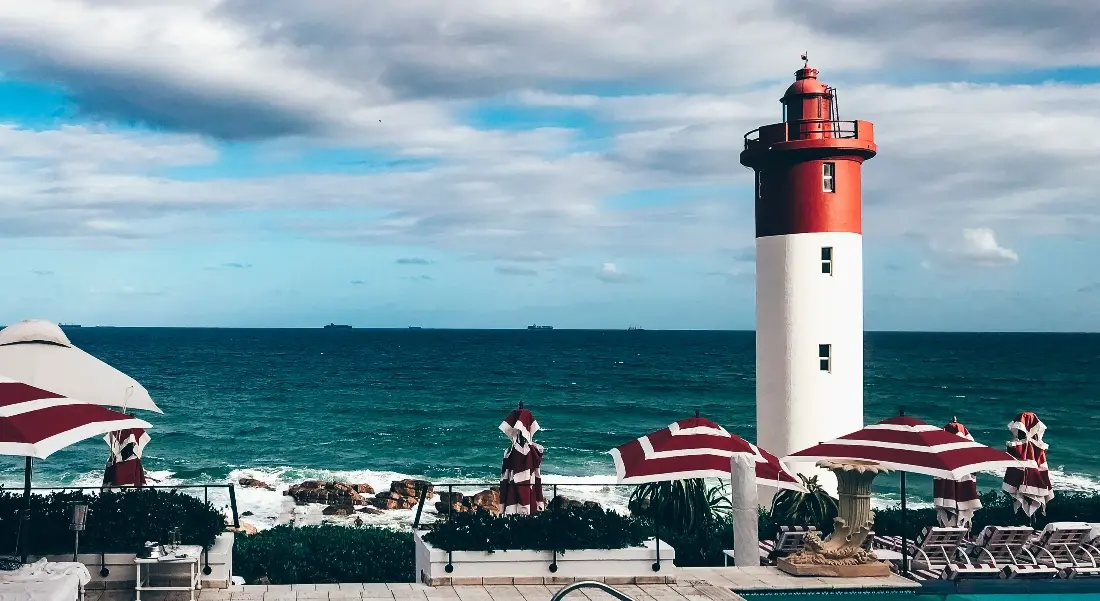
A Night at the Edge of the World: Why Lighthouse Hotels Have Become a Travel Trend
Not long ago, these buildings were home to lighthouse keepers whose job was to guide ships safely away from dangerous cliffs and hidden reefs. Today, the very same lighthouses welcome travelers looking to escape city noise, crowded hotels, and the pace of everyday life. Across Europe, historic lighthouses have become some of the most sought-after places to stay.
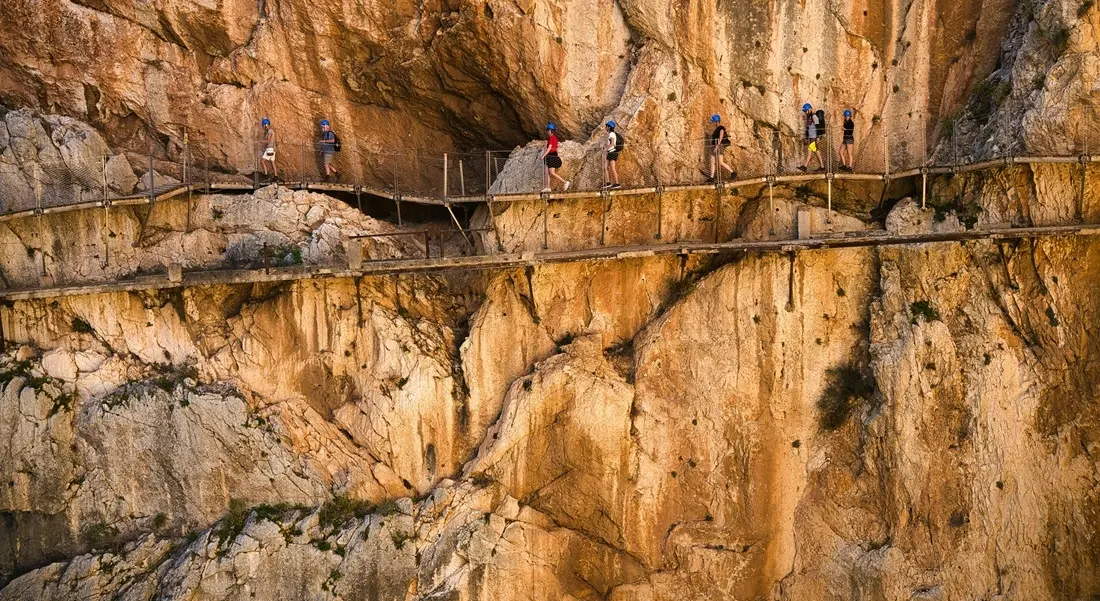
Above the Abyss: The Adventure That Gets Even the Bravest Hearts Racing
The first step feels completely ordinary. Just a few metres later, more than a hundred metres of empty space open beneath your feet, and a narrow wooden walkway clinging to sheer cliffs becomes the only link between the two sides of the canyon.
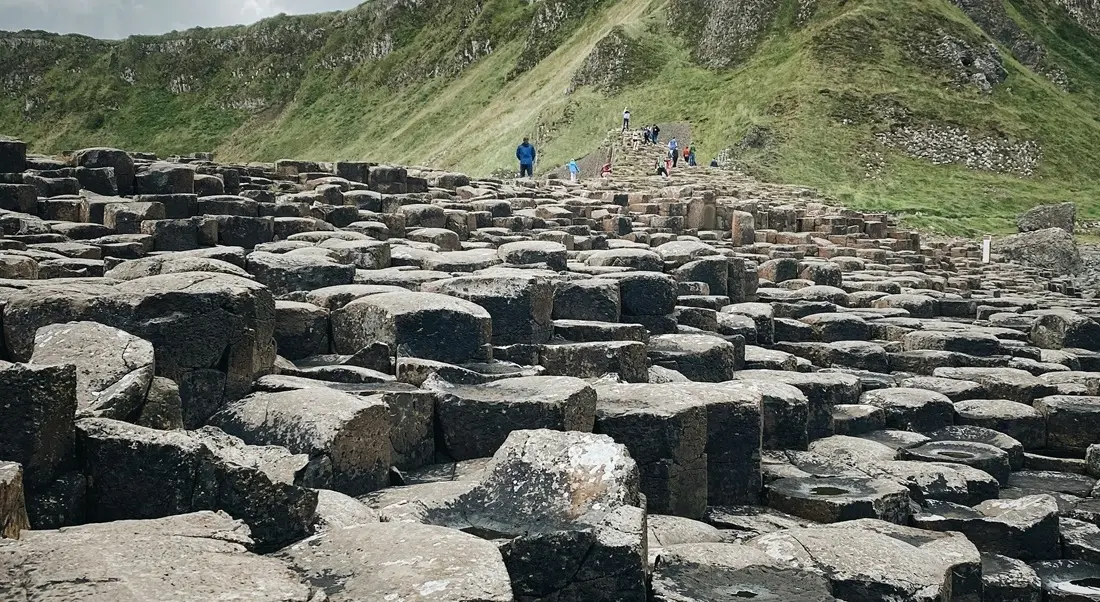
Places That Look Like They Exist Only in Legends
From monasteries suspended among the clouds and castles wrapped in vampire tales to stone towns slowly disappearing under the force of time, some places in the world seem so unreal that it is difficult to separate them from the legends that surround them. That is precisely why they continue to attract travelers, photographers, and dreamers from every corner of the globe.
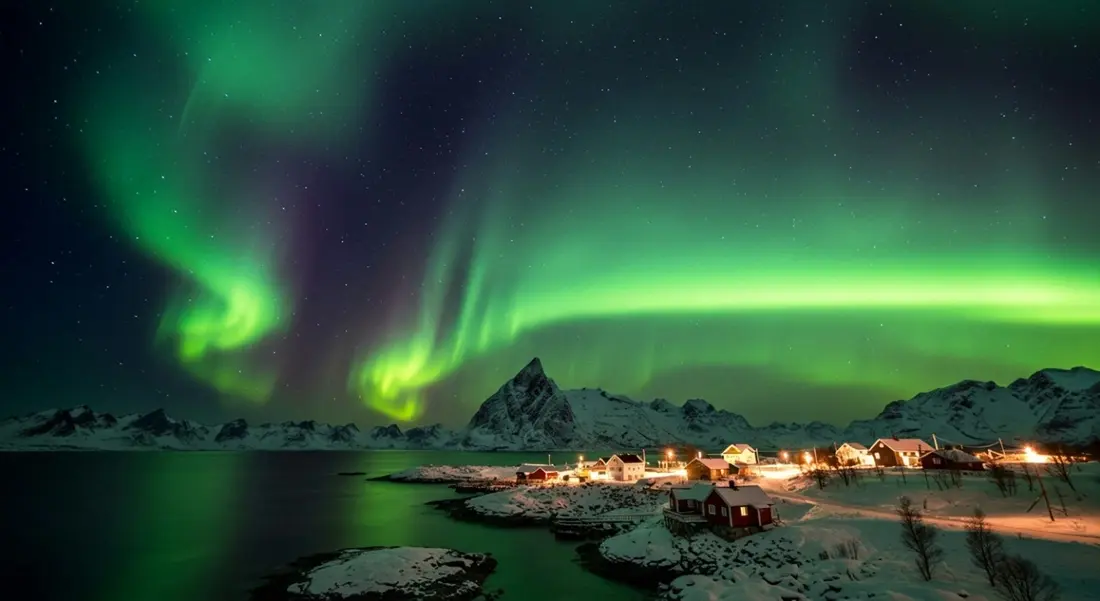
Hunting the Northern Lights: Four Arctic Destinations for the Adventure of a Lifetime
Few natural phenomena inspire as much awe as the Northern Lights. Green, purple, and blue curtains dancing across the night sky seem almost unreal, as if they belong to another world entirely. That is why most people immediately think of Iceland. Yet some of the most extraordinary encounters with the aurora take place far from the tourist crowds of Reykjavik.
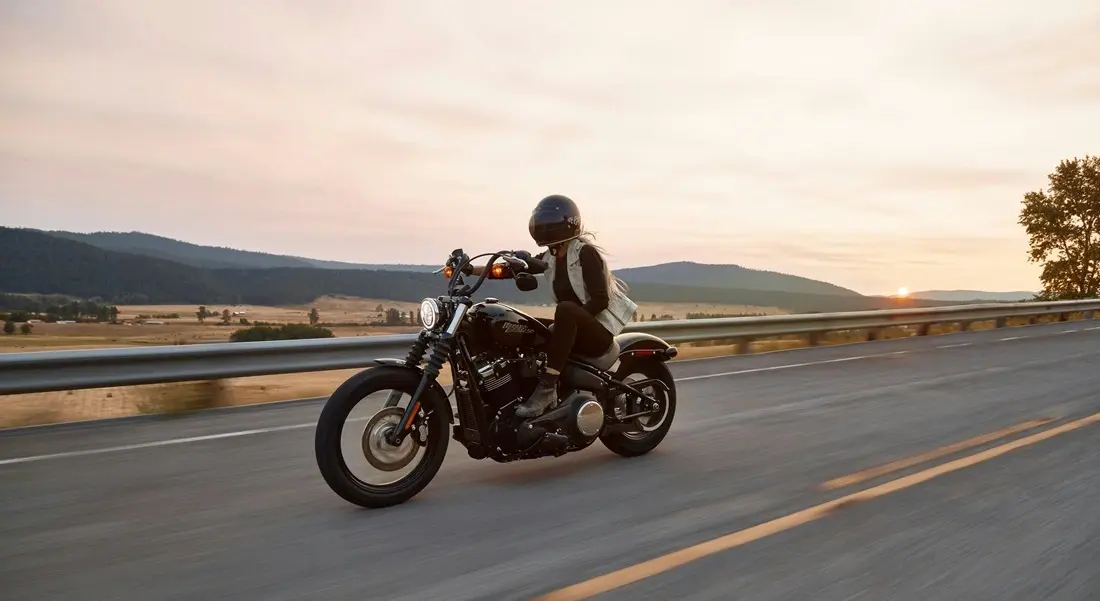
The Most Dangerous Balkan Roads That Bikers Love
There are still roads in the Balkans that do not forgive carelessness. Roads without the perfectly engineered safety of Western Europe, where asphalt sometimes disappears into mountain fog, and the next corner might reveal a cliff, a landslide, or a view so breathtaking that you completely forget why you started the journey in the first place. And that is exactly why bikers love them.
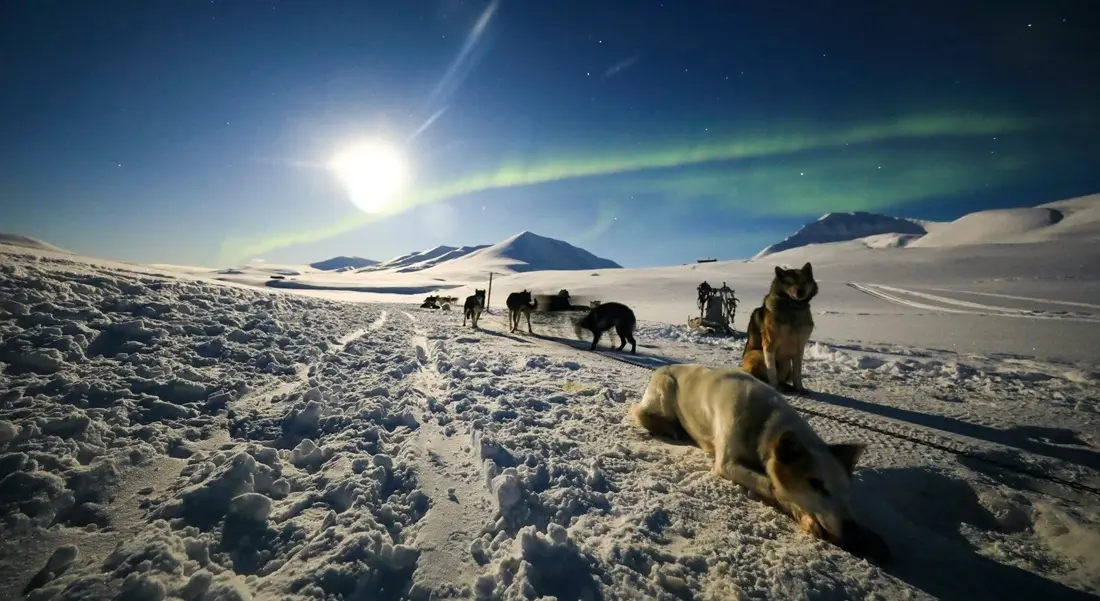
Safari Beyond Africa
When people hear the word safari, they almost always imagine the same thing: endless African savannas, lions hidden in tall grass, and a jeep slowly moving through a dusty landscape. But the true essence of a safari was never tied only to Africa. A safari is the feeling that you have stepped into a world where nature still has the final word. And places like that still exist all across the planet today.
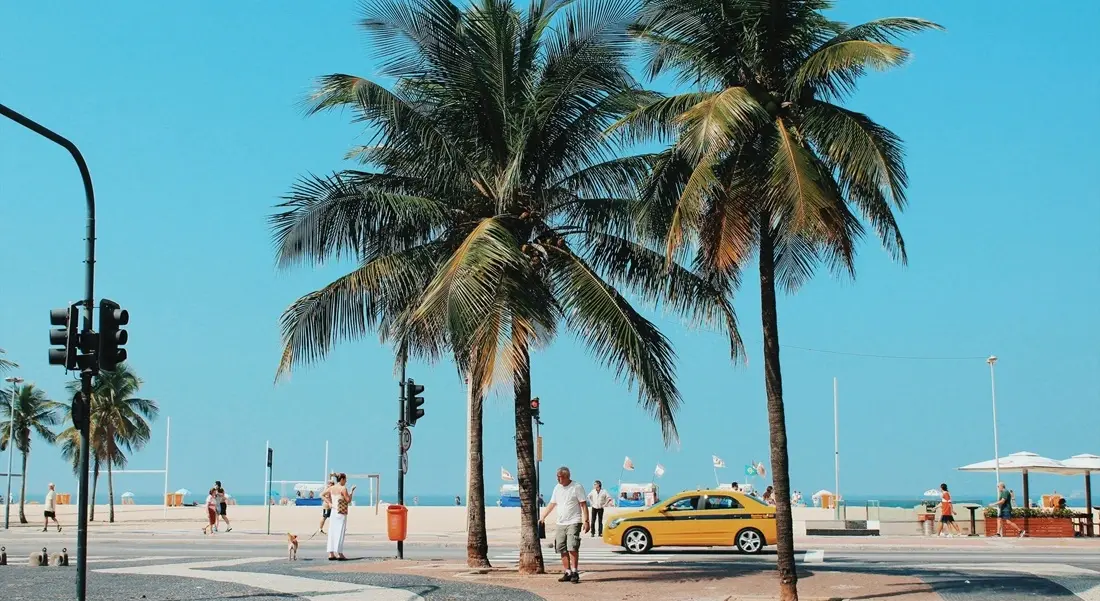
Rio: A City Dreamed of for a Lifetime
Robert Dacešin, a travel writer from Banja Luka who has explored more than half the world, told HEDONIST magazine that he had always had only one dream: to reach Brazil and spend a night in Rio de Janeiro. He wandered through train stations, slept on buses, and finally arrived at the place he had dreamed about for more than two decades, Copacabana Beach.
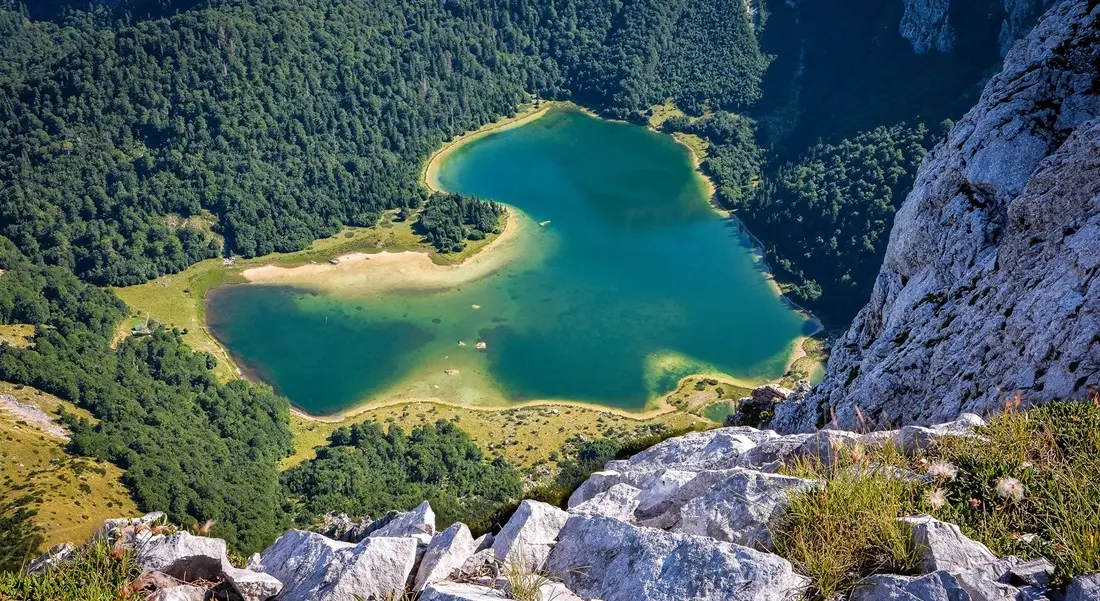
Sutjeska: Raw, Wondrous, Wild
Sutjeska National Park is the oldest and largest national park in Bosnia and Herzegovina, home to one of the last primeval forests in Europe, a place of adventure, and a natural gem of Republika Srpska. The highest peak, Maglić (2,386 m), is also located within the park, making it the highest point in the country.
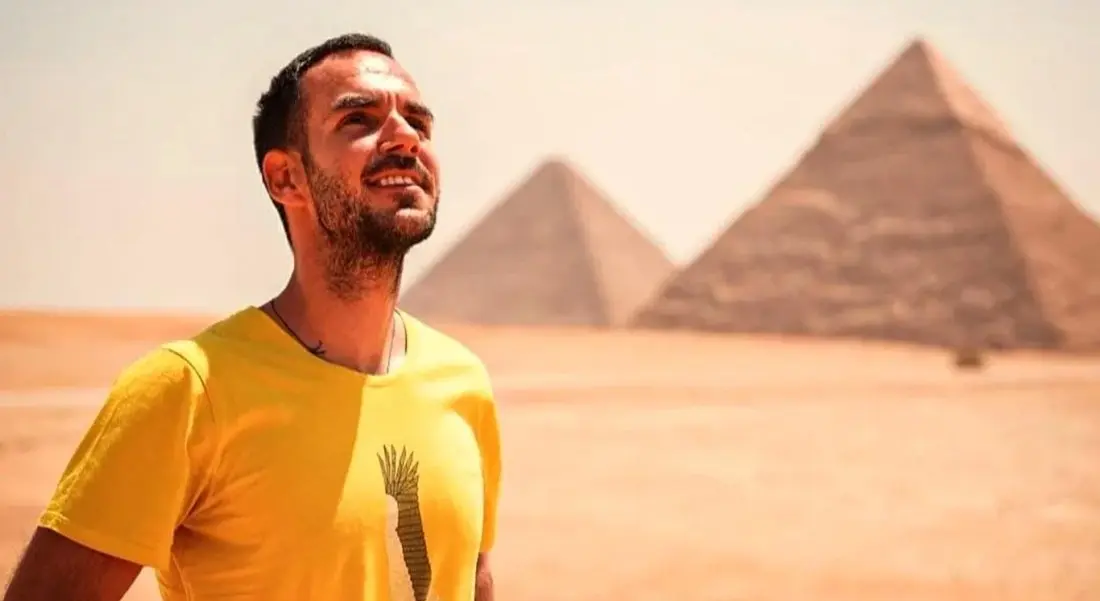
From Banja Luka to Half the World: How Robert Dacešin’s Story Began
“If you survived Brazil, you’ll survive Chile.” That’s what they told me. And in Santiago, my bag, which contained my phone, was stolen almost instantly. I reported everything to the police, but they couldn’t do anything - they said around 300 phones disappear there every day. I asked them to file a report, and they asked for my passport. I handed it over, but they couldn’t find Bosnia and Herzegovina in their system. Botswana was there, as was Burkina Faso, but not Bosnia.
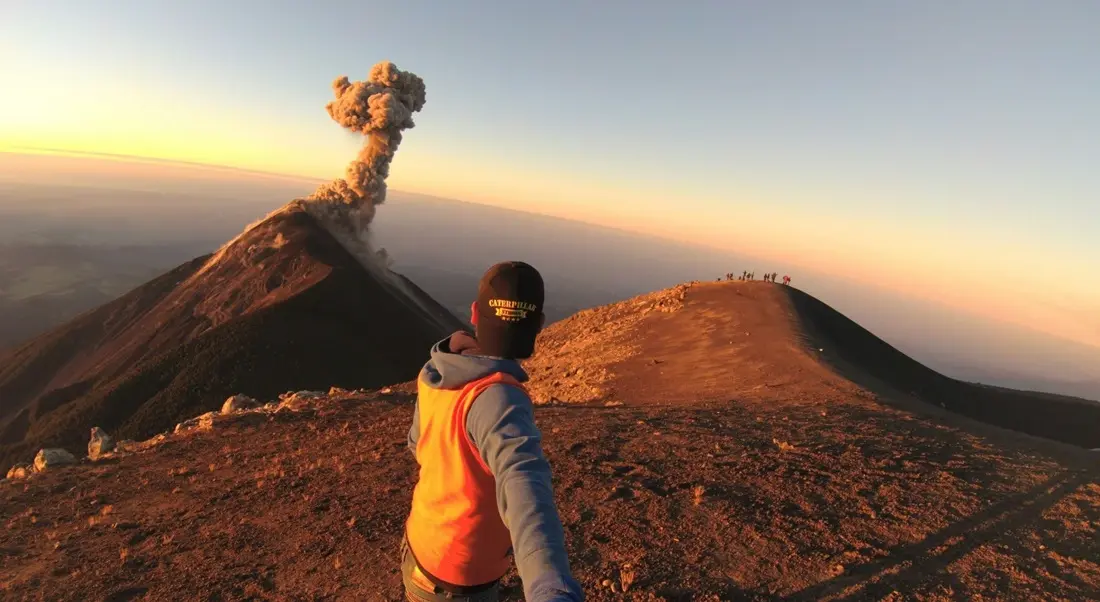
A Night on the Edge of the Earth: Sleeping on Acatenango Volcano
Some journeys take you somewhere. And some change you. A night spent on the slopes of Acatenango belongs to the latter.
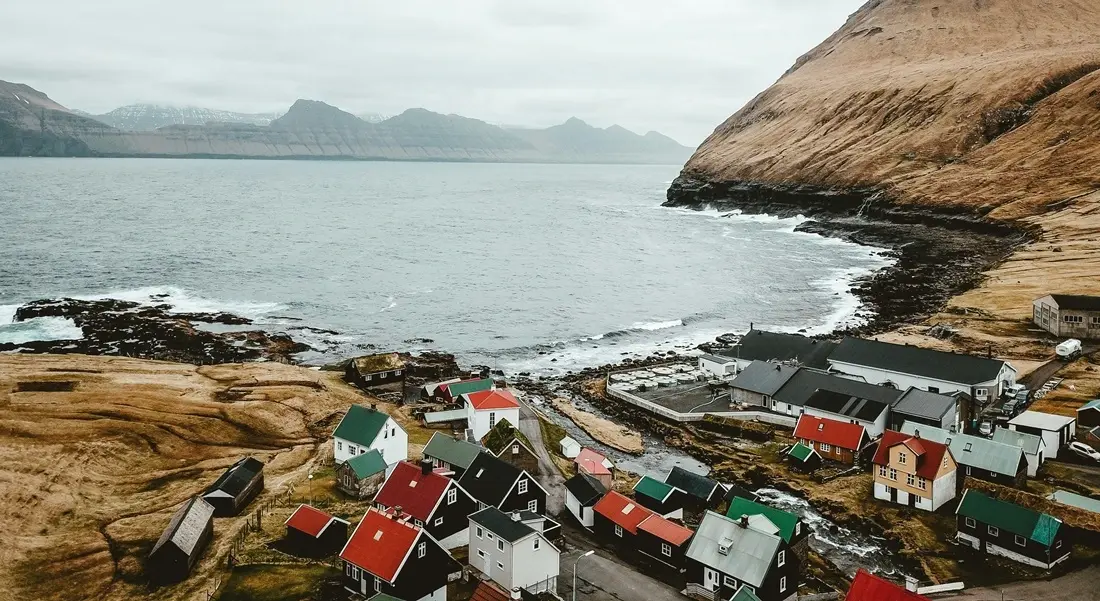
Islands at the Edge of the World
In an era when even the most remote destinations are just a few clicks and connecting flights away, the idea of places that are truly isolated seems almost unreal. And yet, they exist. These are islands where almost no one lives. Places where the signal fades, crowds don’t exist, and daily life is measured by the rhythm of nature - not the clock.
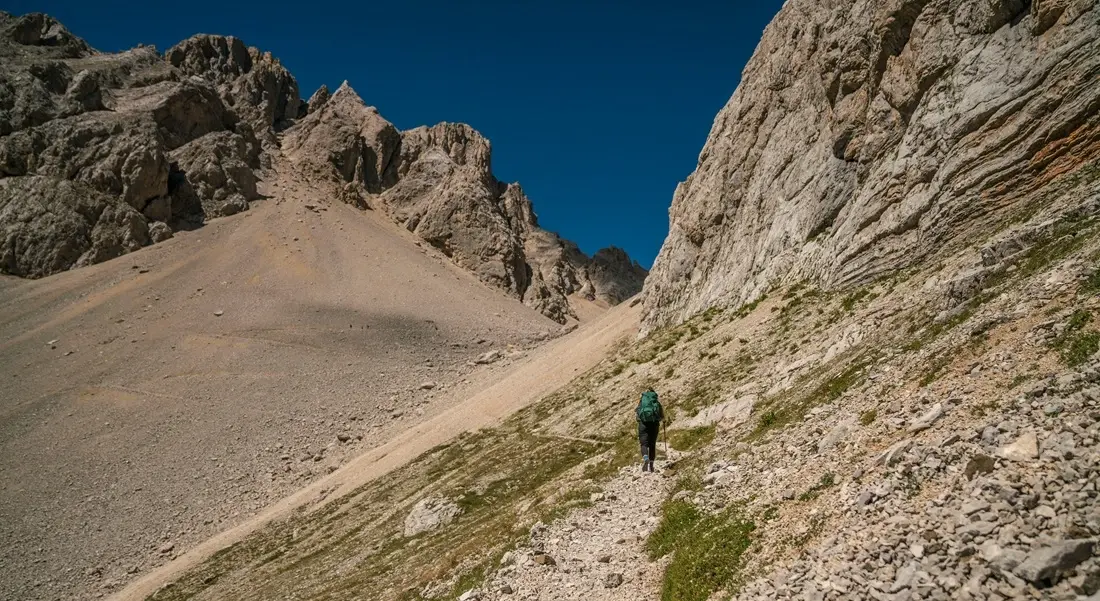
Via Ferrata: Between a Walk and an Expedition
Some people conquer peaks. And some want to feel the mountain - without extreme risk, heavy gear, or years of training. Between these two worlds, there is now a perfect middle ground: via ferrata.
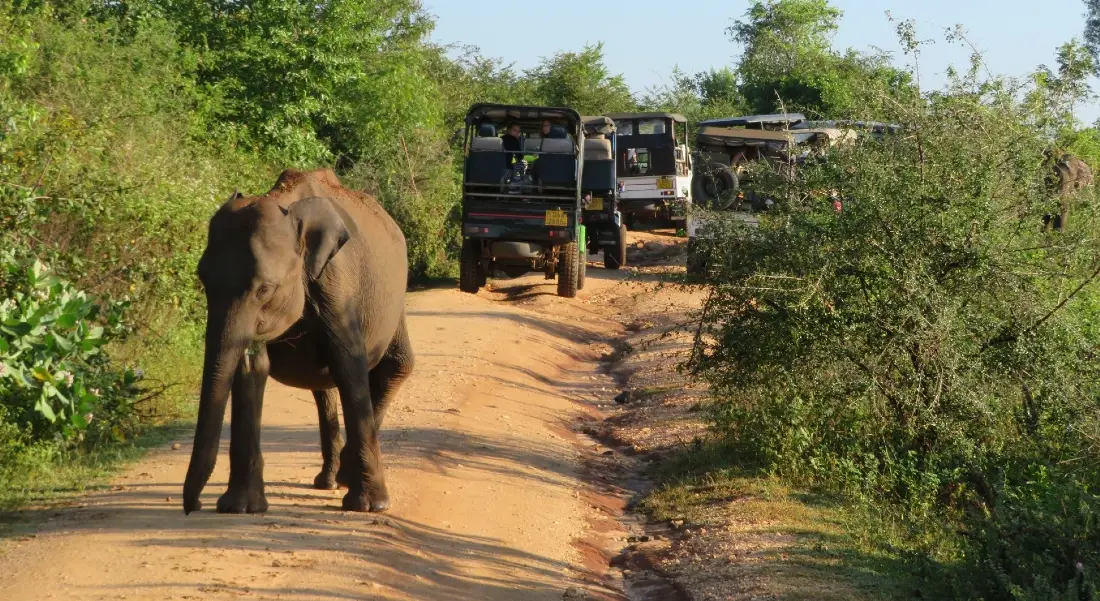
Milena and Nenad in Sri Lanka: From Ancient Cities to Ocean Waves
Five years of life in Asia - two in Bangladesh, two in the Philippines, and one in Sri Lanka - shaped the travel story of Milena and Nenad from Bijeljina, whose journey to the Far East began with Nenad’s job. For HEDONIST, they turned their impressions into a personal guide through countries that rarely become a traveler’s first choice, accompanied by photographs that best capture everyday life far from European habits.
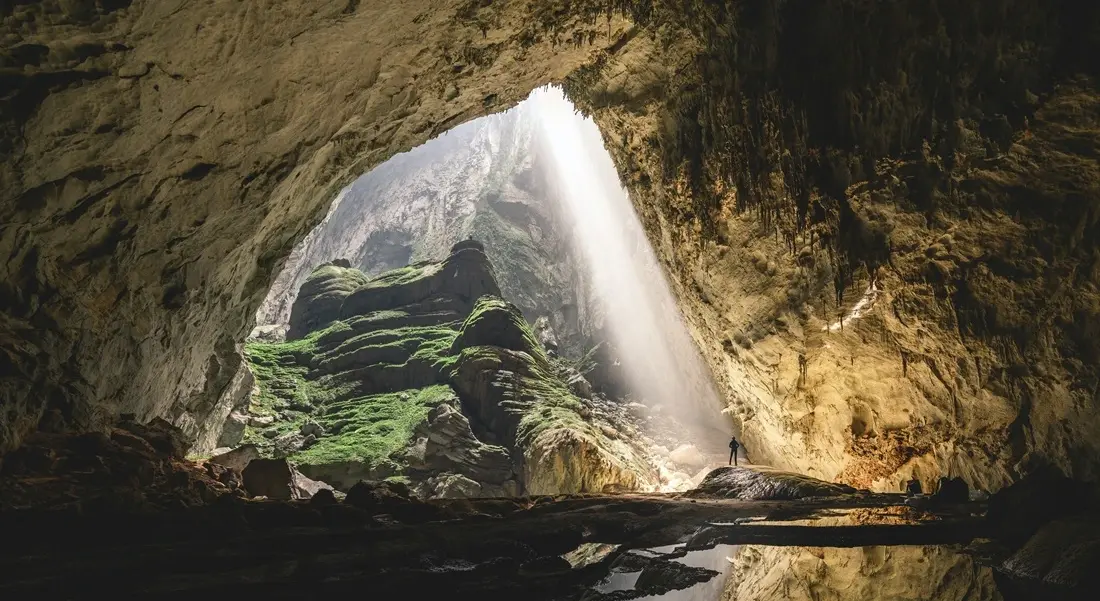
A World Beneath the World: The Most Unusual Caves on the Planet
Beneath the surface of the Earth lies a world we rarely think about. While cities, rivers, and forests stretch above us, deep underground, there are kilometers of passages, subterranean rivers, and vast chambers that have been forming for thousands, even millions, of years. Caves are among the last places on the planet where nature still operates almost entirely beyond human control.