

A Night at the Edge of the World: Why Lighthouse Hotels Have Become a Travel Trend

![[object Object]](https://api.hedonistmagazine.net/storage/images/2026/07/f22931ae-dfdf-48dc-b557-015790080d0d.webp)
Not long ago, these buildings were home to lighthouse keepers whose job was to guide ships safely away from dangerous cliffs and hidden reefs. Today, the very same lighthouses welcome travelers looking to escape city noise, crowded hotels, and the pace of everyday life. Across Europe, historic lighthouses have become some of the most sought-after places to stay.
More Than Just Accommodation
In recent years, more and more travelers have begun seeking memorable experiences rather than luxury alone. That is why treehouses, mountain cabins, vineyard estates, and converted lighthouses have become increasingly popular alternatives to traditional hotels.
Most lighthouse accommodations are located on secluded islands or rugged coastal headlands, far from urban crowds. Many offer only a handful of rooms, creating an atmosphere of complete privacy. They all share one thing in common - the sea surrounds you in every direction.
Croatia - Home to Some of Europe's Most Beautiful Lighthouses
Few countries have embraced lighthouse tourism as successfully as Croatia. Along the Adriatic coast, dozens of historic lighthouses have been carefully restored, with many now offering unique accommodation.
One of the best known is Porer Lighthouse, located on a tiny island just off the Istrian Peninsula. Accessible only by boat, the island offers little more than a few apartments, rocky shores, seagulls, and the endless Adriatic.
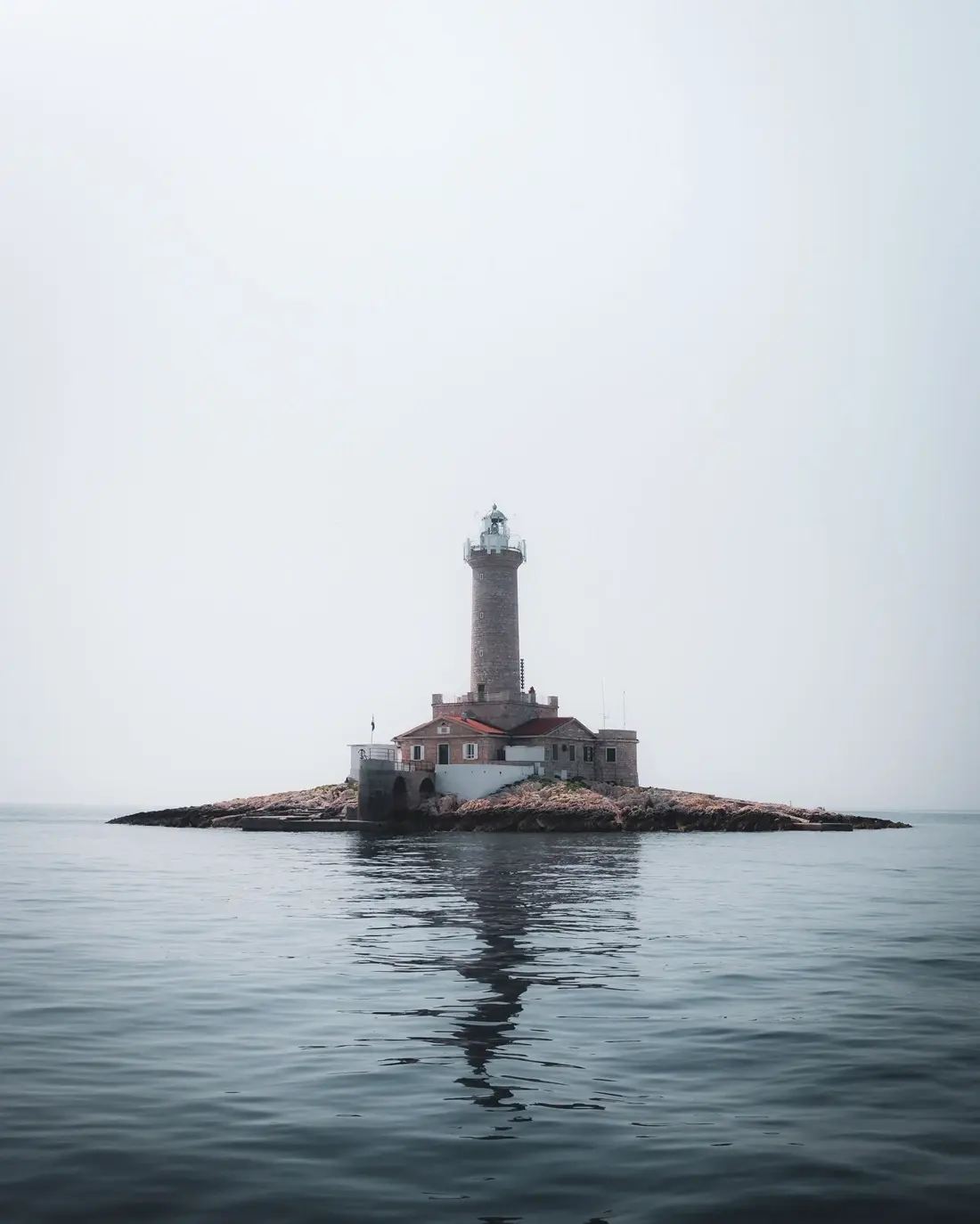
Other popular choices include Savudrija, the oldest lighthouse on the Adriatic, Host Lighthouse near the island of Vis, and the remote Palagruža Lighthouse, situated almost halfway between Croatia and Italy.
Staying in one of these lighthouses means embracing a different rhythm of life - morning swims, uninterrupted sunsets, and nights accompanied only by the sound of the waves and the slow sweep of the lighthouse beam.
Scotland – Where the Ocean Reveals Its Power
If Croatia's lighthouses embody the Mediterranean, Scotland's represent its dramatic opposite.
Along the country's rugged Atlantic coastline, many former lighthouse keepers' cottages have been transformed into charming holiday retreats.
Among the most famous is Rua Reidh Lighthouse, perched on a spectacular stretch of coastline overlooking the Atlantic Ocean. Guests often spend more time watching the sea than exploring the surrounding countryside.
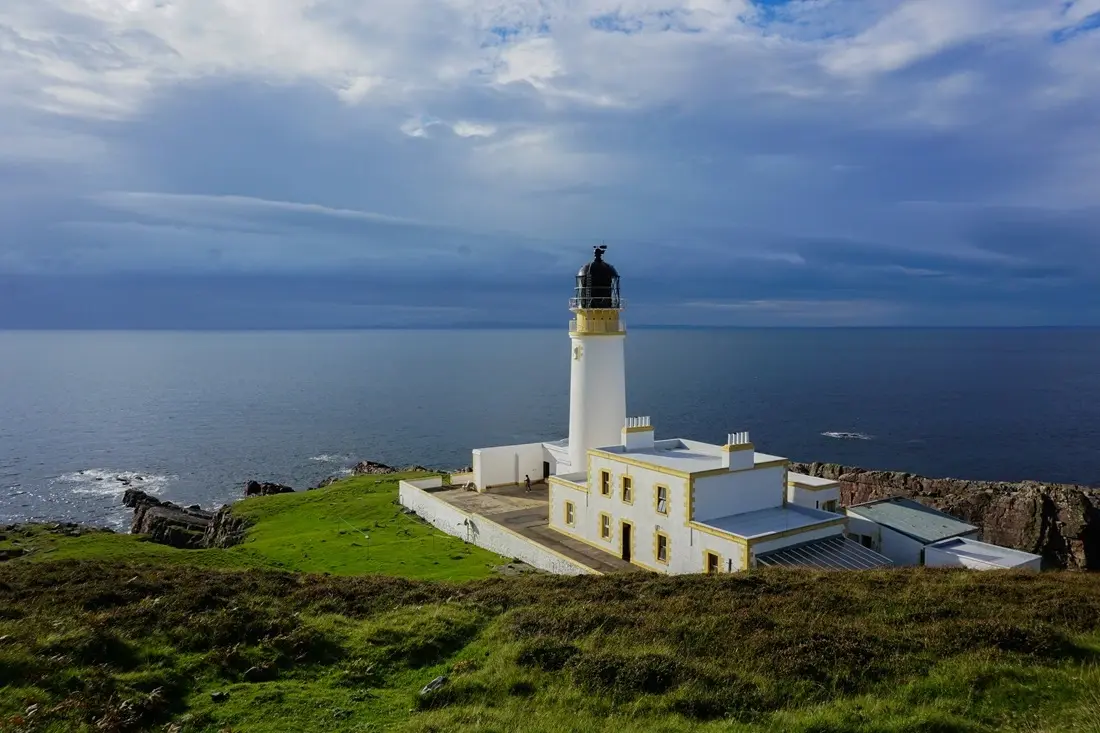
Whales, dolphins, and vast colonies of seabirds are frequent visitors, while powerful winds and crashing waves serve as a reminder of why lighthouses were once a matter of life and death for sailors.
Norway – A Night Beneath the Midnight Sun
With a coastline stretching more than 25,000 kilometers, Norway has a long tradition of preserving its historic lighthouses.
Today, some of them offer accommodation unlike anywhere else in Europe.
One of the best known is Kråkenes Lighthouse, located on Norway's western coast, where dramatic storms create scenes worthy of a feature film. During winter, guests can watch enormous Atlantic waves crash against the cliffs, while summer brings endless daylight beneath the Midnight Sun.
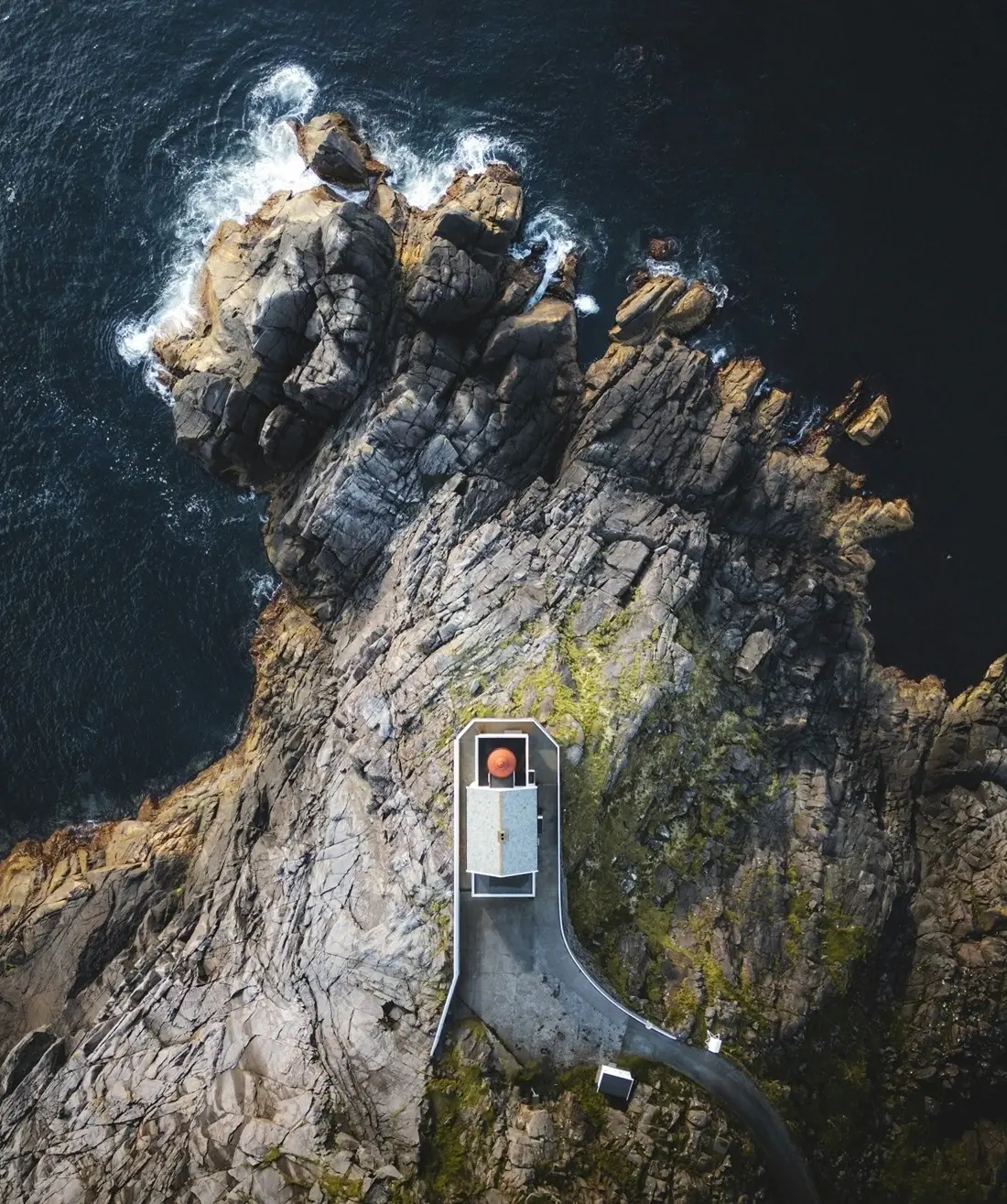
Farther south stands Lindesnes Lighthouse, Norway's oldest lighthouse, now surrounded by visitor facilities and exhibitions dedicated to the country's rich maritime heritage.
Portugal – Where the Ocean Meets Silence
Portugal is another country that has increasingly opened its historic lighthouses to visitors.
Several Atlantic lighthouses now offer a limited number of guest rooms, with reservations often booked months in advance.
Some of the most atmospheric are found on the island of Madeira and along Portugal's wild western coastline, where dramatic cliffs plunge directly into the Atlantic Ocean.
These places are not designed for travelers looking for nightlife or luxury spas. Instead, they attract those who consider a few peaceful days surrounded by the sea to be the greatest luxury of all.
Why Have Lighthouse Hotels Become So Popular?
At a time when many hotels feel increasingly alike, lighthouses offer something that simply cannot be replicated.
Each has its own history, distinctive architecture, and breathtaking view unlike any other. Once home to lighthouse keepers, these buildings now provide an experience that no conventional hotel can match.
There are no endless corridors, oversized lobbies, or hundreds of guests. Instead, there is only the sea, the horizon, and the feeling that, for a few unforgettable days, you have stepped away from the rest of the world.
Related articles
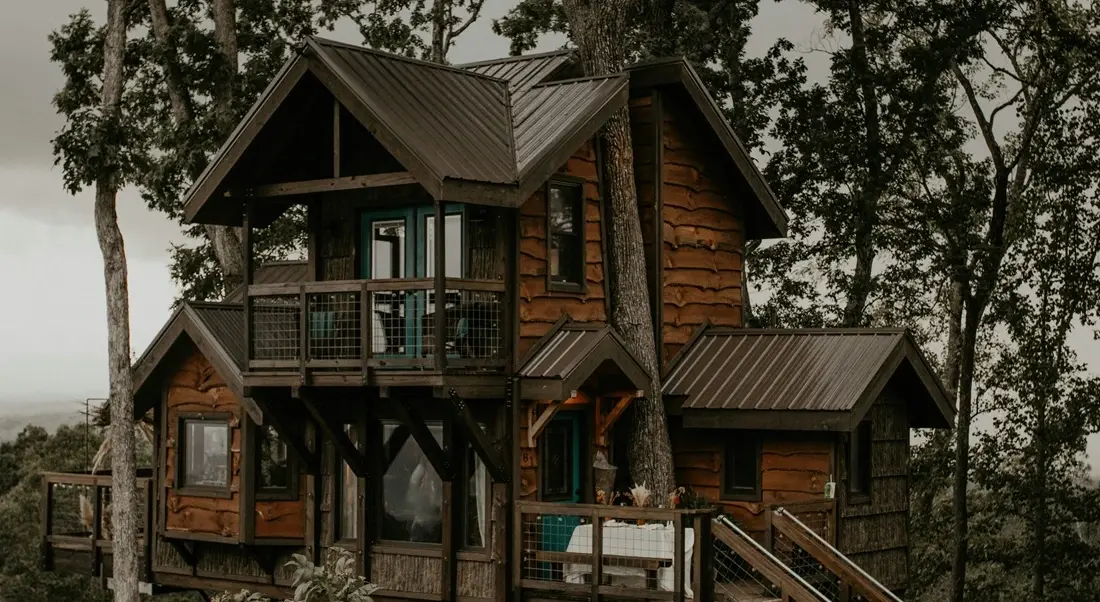
A Night in a Treehouse: An Adventure That Feels Like a Movie
There’s a moment when you realize you’ve truly stepped out of your everyday life. Not because you’re far away, but because everything around you feels different. The road to Japodski otoci isn’t spectacular in itself, but the last few minutes change the rhythm. You leave your car behind and continue on foot, crossing wooden bridges that creak softly under each step. Beneath them, water. Not still, but alive, constantly moving.
A Night to Remember: The World’s Most Unusual Hotels
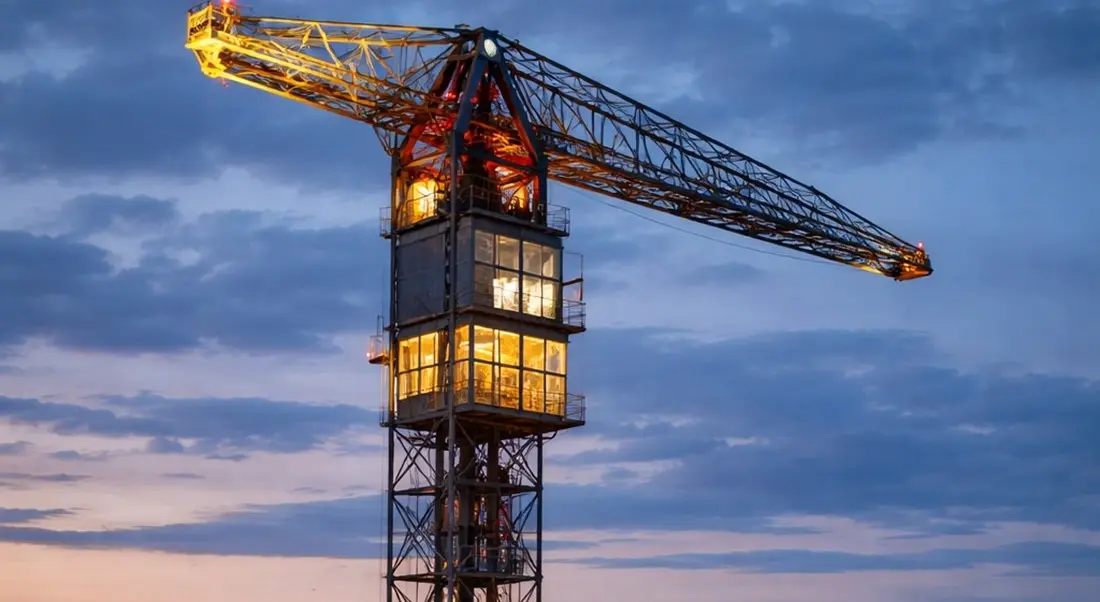
Travel is often most vividly remembered through cities, landscapes, and the people we encounter. But sometimes what stays with you the longest is the place where you spent the night. Around the world, some hotels are far more than accommodation - they are experiences in themselves: rooms inside cranes, airplanes, lighthouses, or even deep underwater. In places like these, a night’s stay becomes an adventure, and the view from the window turns into a story you never forget.