

A World Beneath the World: The Most Unusual Caves on the Planet
![[object Object]](https://api.hedonistmagazine.net/storage/images/2026/03/57baf9a8-a6a6-4fe6-bbbe-e25c4e6356c0.webp)
Beneath the surface of the Earth lies a world we rarely think about. While cities, rivers, and forests stretch above us, deep underground, there are kilometers of passages, subterranean rivers, and vast chambers that have been forming for thousands, even millions, of years. Caves are among the last places on the planet where nature still operates almost entirely beyond human control.
For travelers seeking unusual experiences, they represent an entrance to another world - a world of darkness, silence, and geological wonders that often appear almost unreal.
The Largest Cave in the World (Son Doong)
Hidden in the jungles of central Vietnam is a cave so vast that it contains what is almost a complete ecosystem within it. Son Doong is the largest known cave on the planet and was only discovered at the end of the 20th century.
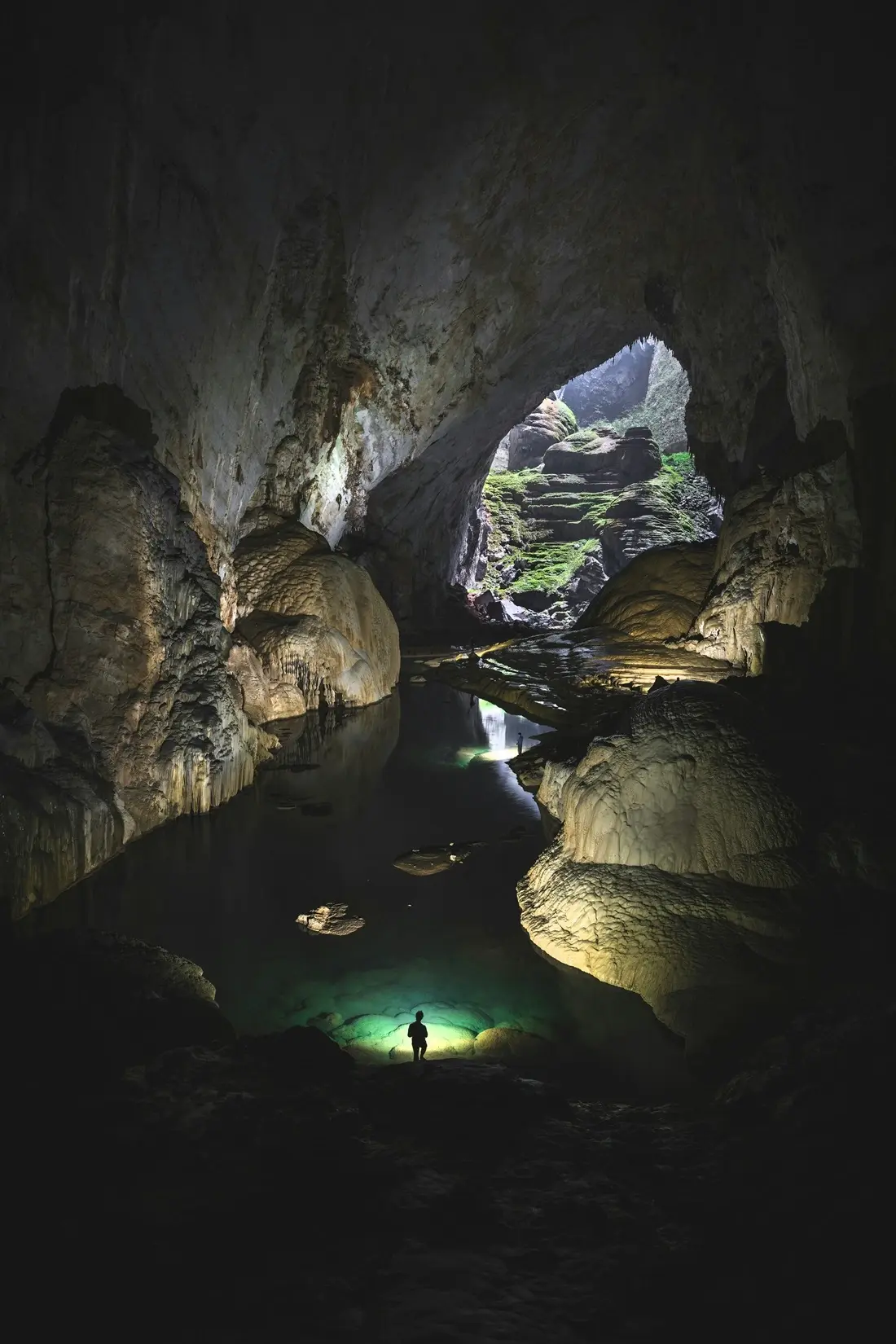
In some places its ceiling has collapsed, allowing sunlight to reach deep into the cave and create extraordinary scenes. Thanks to this light, even small forests have formed inside, while a river flows through its underground space. Some chambers rise more than 200 meters high - large enough to fit an entire city block.
The Cave That Looks Like a Starry Sky
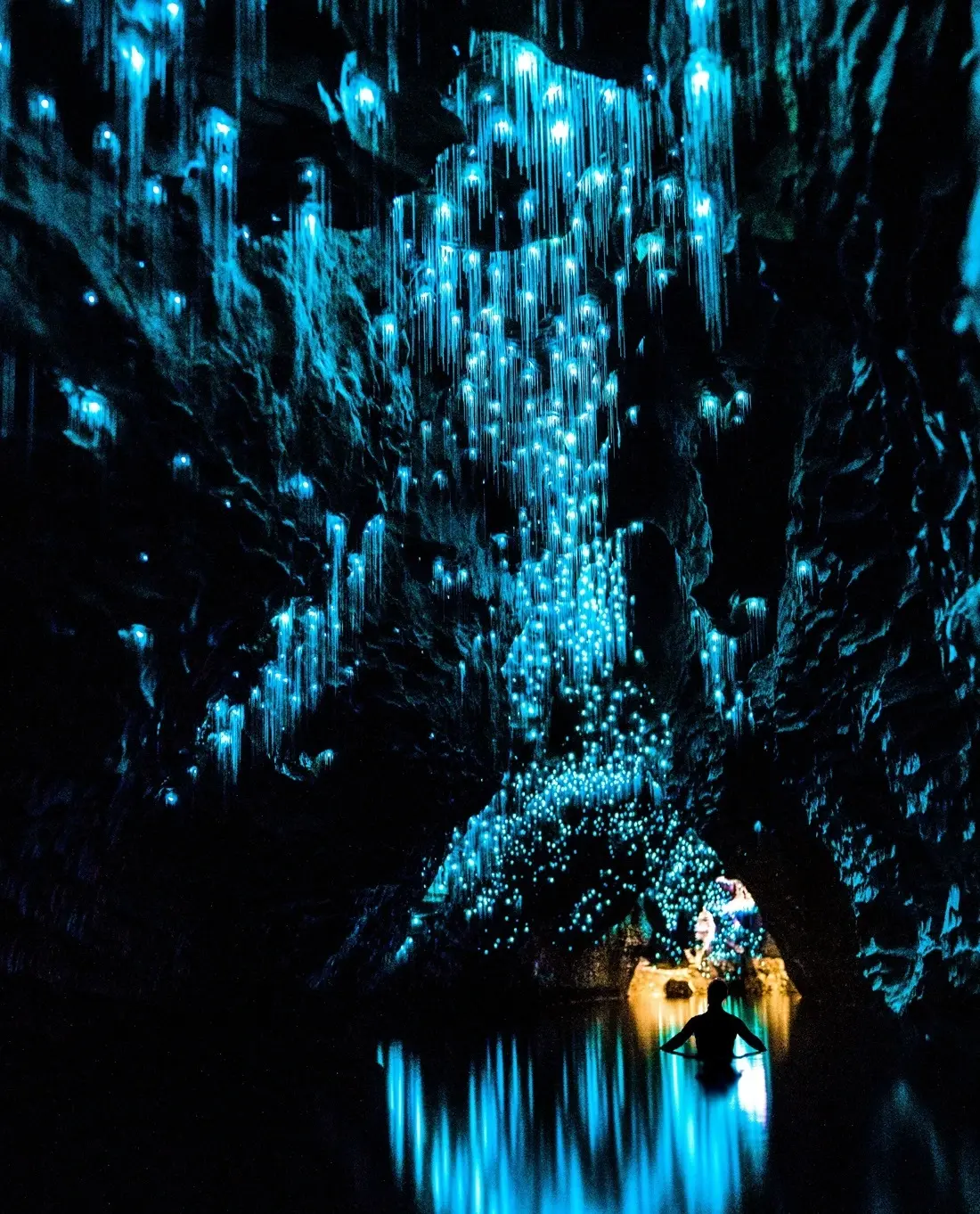
In New Zealand, there is a cave where the dark ceiling transforms into something resembling a night sky. The effect is created by tiny bioluminescent larvae that emit a soft bluish light.
Visitors move through the cave by boat while thousands of shimmering points glow above them. In complete silence and darkness, the experience feels almost surreal - as if one had drifted into a small underground galaxy.
Europe’s Underground Jewel (Postojna Cave)
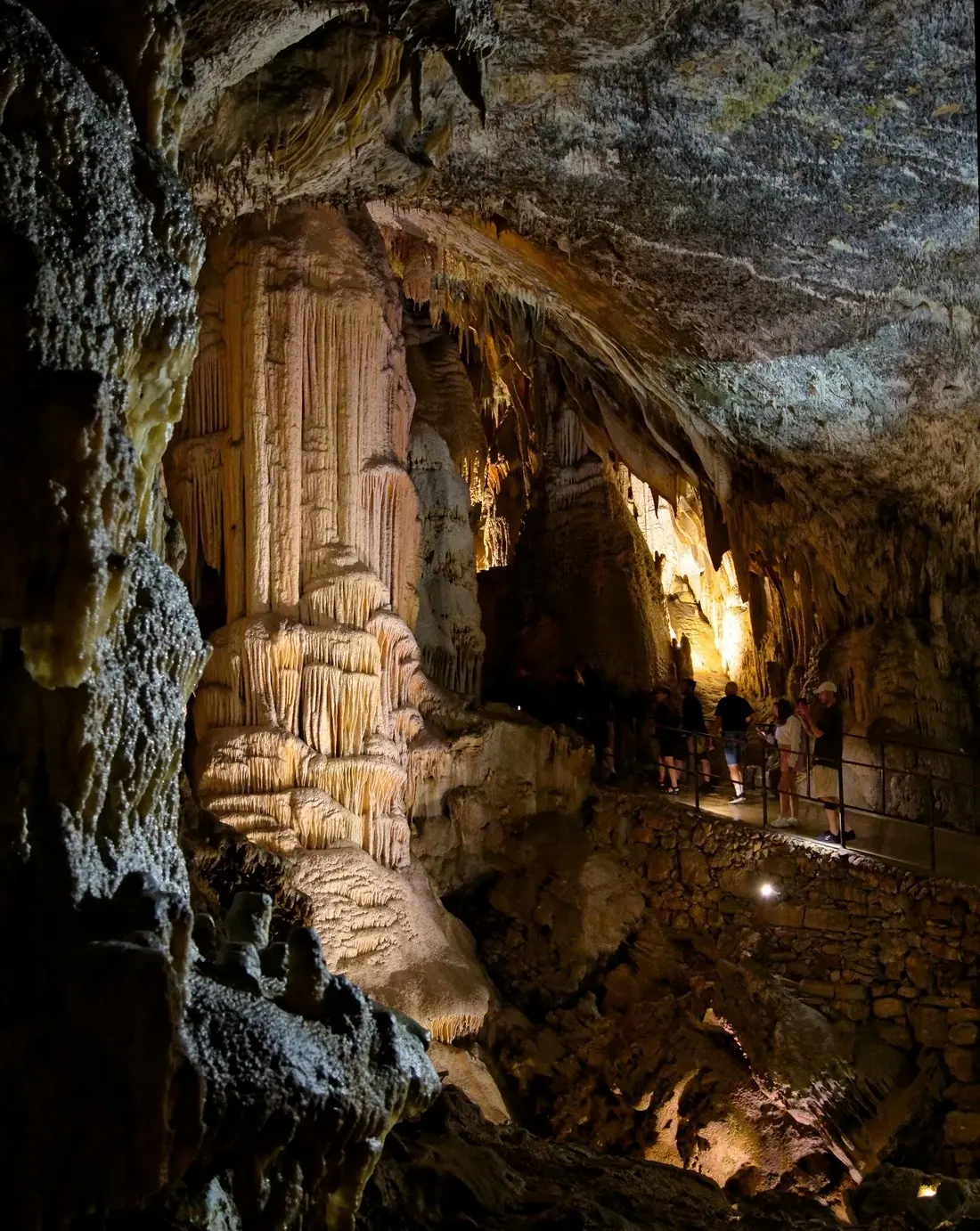
One of Europe’s most famous caves is located in Slovenia. Postojna Cave has been attracting travelers from around the world for more than two centuries, and its network of passages stretches for over 20 kilometers.
A unique feature of this cave is the underground railway that takes visitors through its largest chambers. Alongside impressive stalactites and stalagmites, the cave is also home to an unusual creature - the olm, a blind amphibian that has become a symbol of the underground world in this part of Europe.
Icy Wonders Beneath the Earth (Eisriesenwelt Ice Cave)
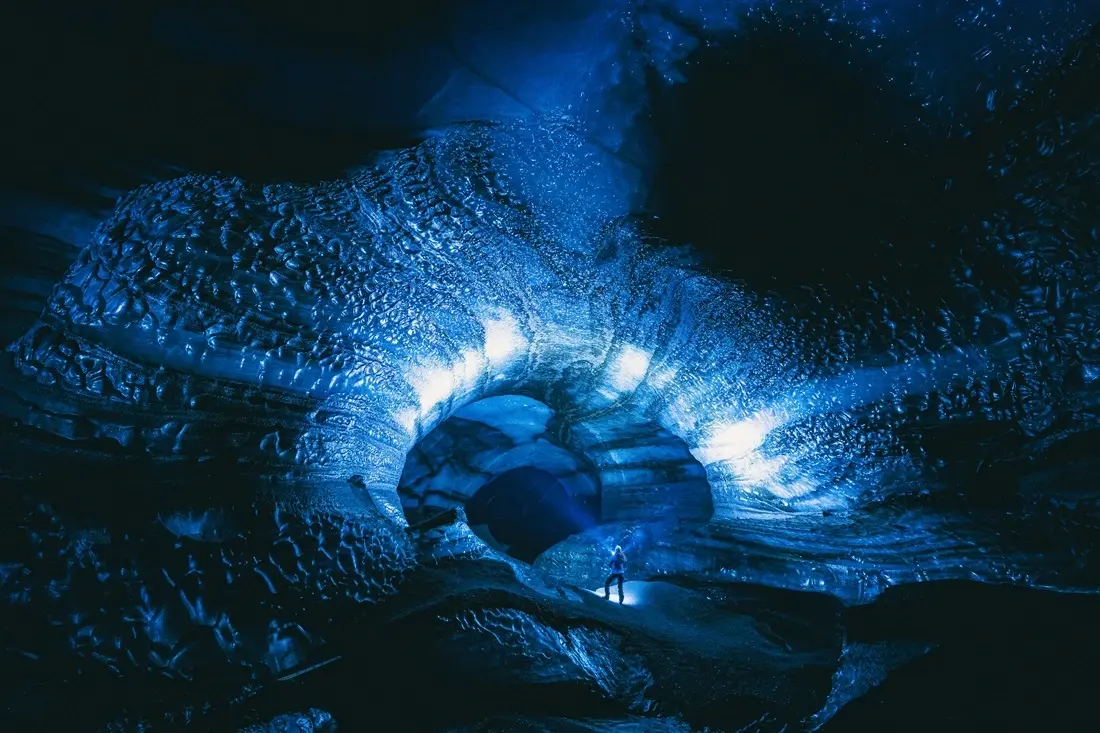
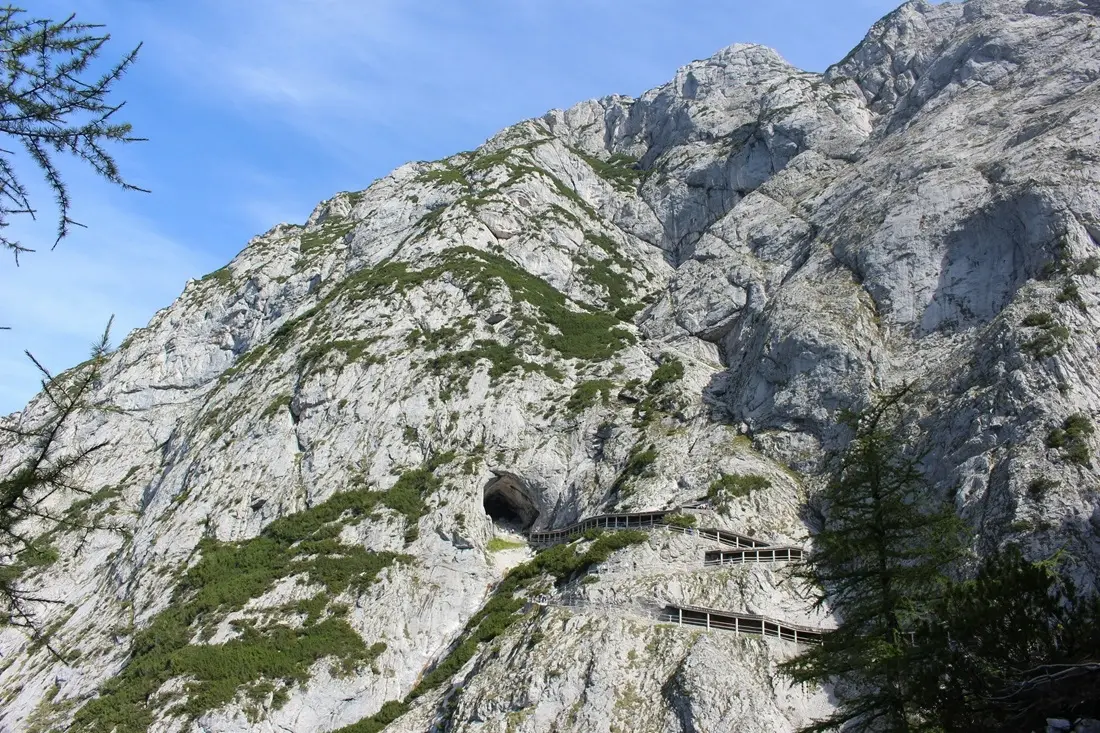
In the Austrian Alps lies one of the most fascinating ice caves in the world. Eisriesenwelt - which translates as “the world of the ice giants” - hides kilometers of frozen formations that resemble solidified waves and crystal towers.
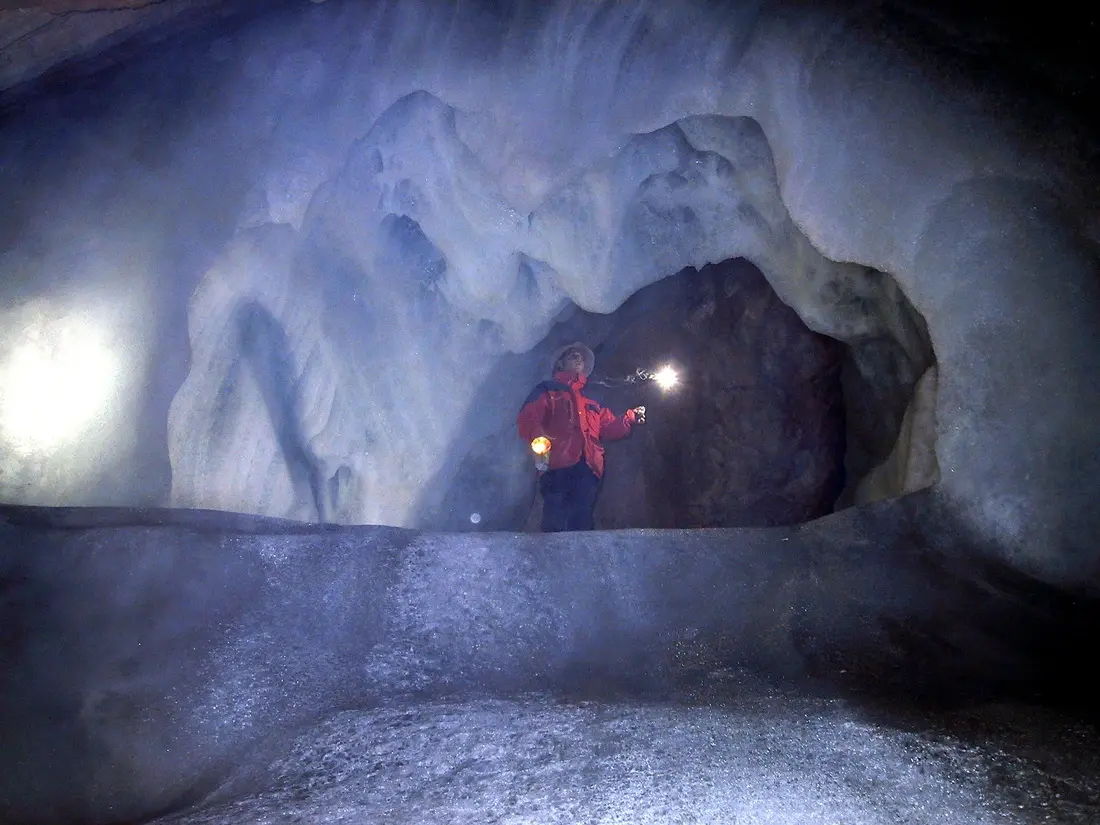
During winter, cold air penetrates deep into the cave and creates enormous ice sculptures. When illuminated by torches or spotlights, the entire space takes on an almost otherworldly appearance.
The Silent Underground World (Reed Flute Cave)
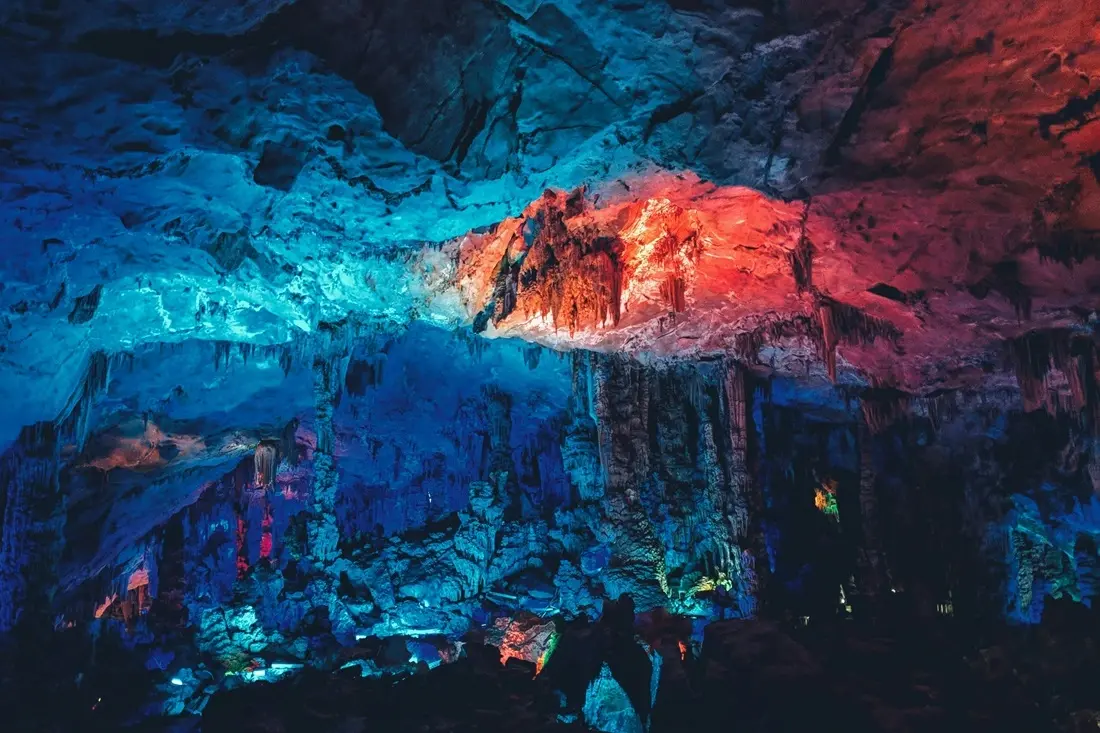
In the Chinese city of Guilin, there is a cave famous for its rich mineral formations that resemble giant stone sculptures. Stalactites and stalagmites here form shapes that look like mountains, waterfalls, and castles.
The cave takes its name from the reeds growing nearby, which were once used to make traditional Chinese flutes. Today, it is known for spectacular lighting that highlights the dramatic forms created by nature over thousands of years.
A World That Still Holds Secrets
Although many caves have already been explored, experts believe that a large part of the planet’s underground world remains undiscovered. New passages and chambers are found every year, often in places where no one expected them.
For travelers and lovers of nature, caves hold a special attraction. Inside them, there is no city noise, no phone signal, and time itself seems to move more slowly. What remains is the feeling of standing in a place that began forming long before us - and will continue long after we are gone.
That is why caves remain one of the most powerful reminders that the planet we live on is still full of hidden wonders.
- Written by: Ognjen Tešić / HEDONIST