

Safari Beyond Africa

![[object Object]](https://api.hedonistmagazine.net/storage/images/2026/05/f571e860-024e-4ee6-973c-cc3200e64d92.webp)
When people hear the word safari, they almost always imagine the same thing: endless African savannas, lions hidden in tall grass, and a jeep slowly moving through a dusty landscape. But the true essence of a safari was never tied only to Africa. A safari is the feeling that you have stepped into a world where nature still has the final word. And places like that still exist all across the planet today.
Some of them have neither zebras nor elephants. Instead, they offer icy fjords, active volcanoes, polar bears, whales, enormous glaciers, and landscapes that seem to belong to another world. These are journeys where wilderness looks completely different - and perhaps because of that, feels even more powerful.
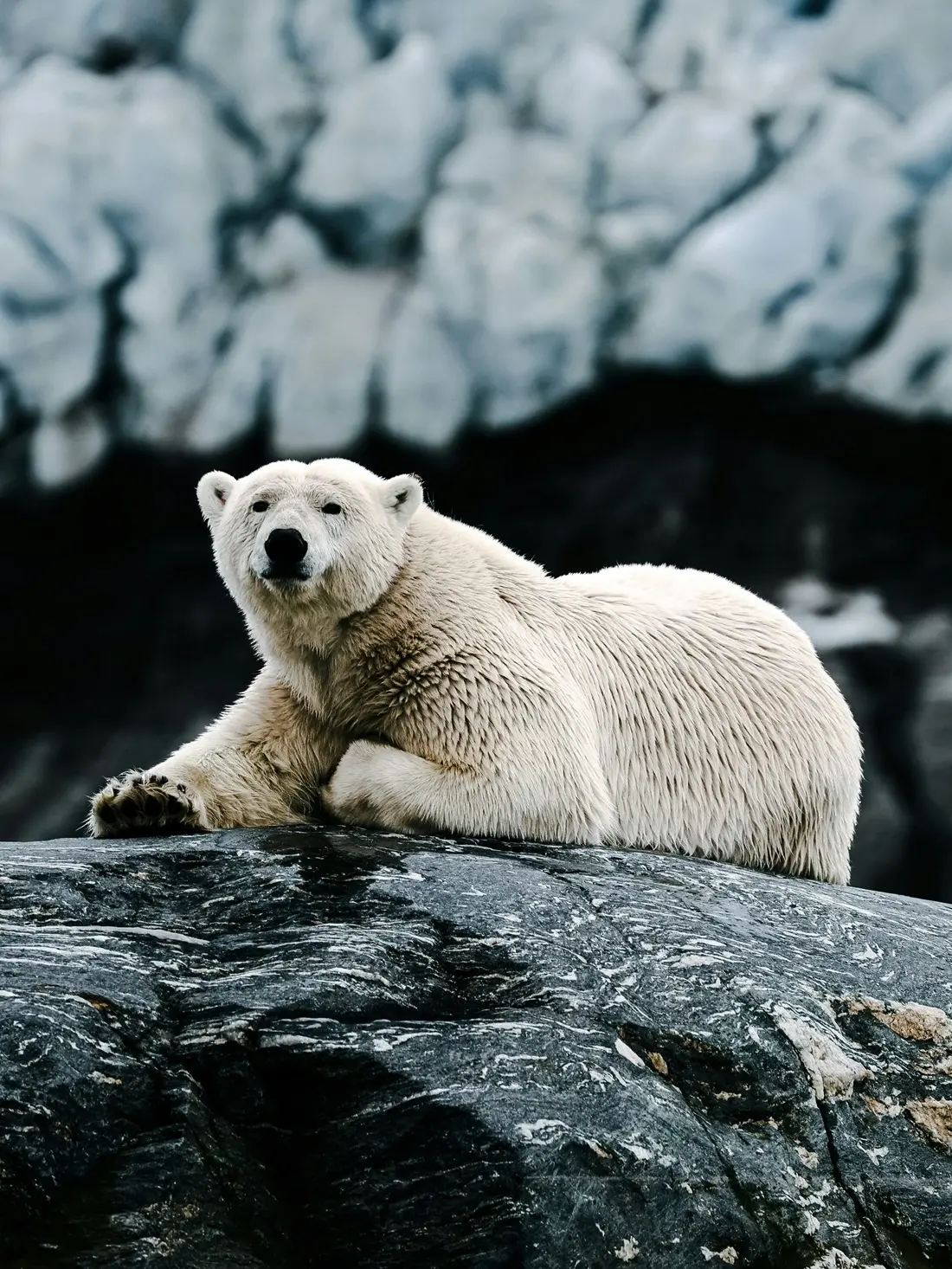
Svalbard - A Safari at the Edge of the World
There are a few places on Earth where a person feels so small as in Svalbard.
This Norwegian archipelago, deep inside the Arctic Circle, feels like the last stop before the end of the world. Frozen fjords, endless snow, and complete silence create a sense of isolation that is both mesmerizing and slightly unsettling.
Here, polar bears rule the landscape.
In Svalbard, there are almost as many polar bears as people, which is why guides often carry rifles when leading tours outside inhabited areas. That detail alone says enough about how dominant nature still is here.
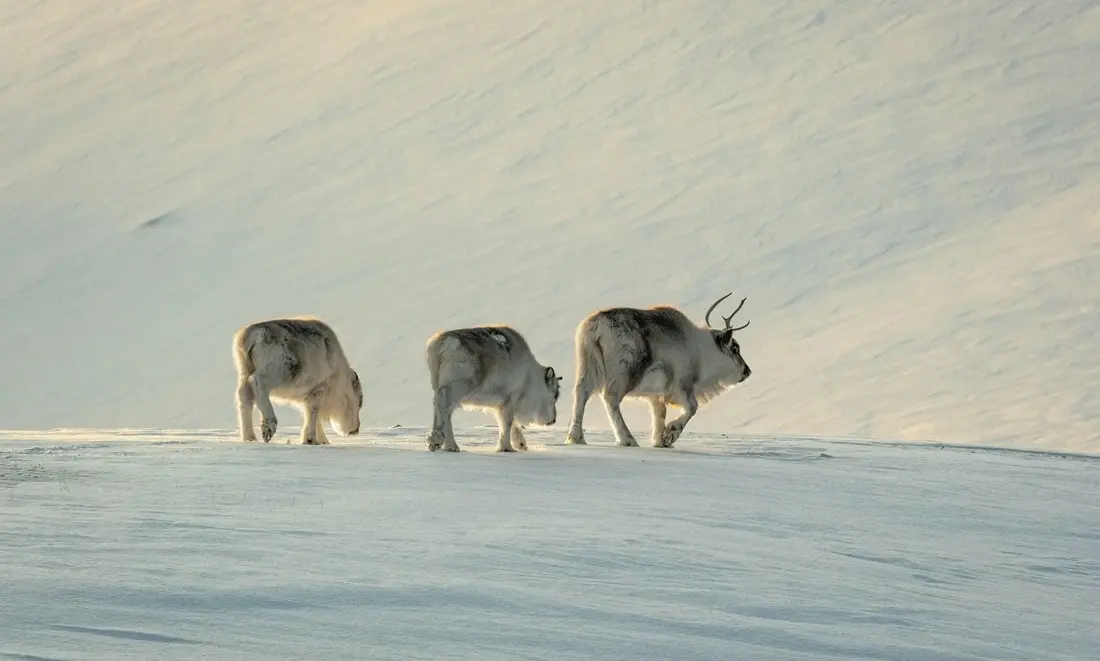
A safari in Svalbard does not look like a traditional wildlife expedition. It is a journey through an icy world where you may see walruses resting on floating ice, Arctic foxes disappearing into the snow, and whales emerging from nearly black waters.
And then comes the moment of absolute silence, when you realize that around you there is nothing except ice, wind, and an endless horizon.
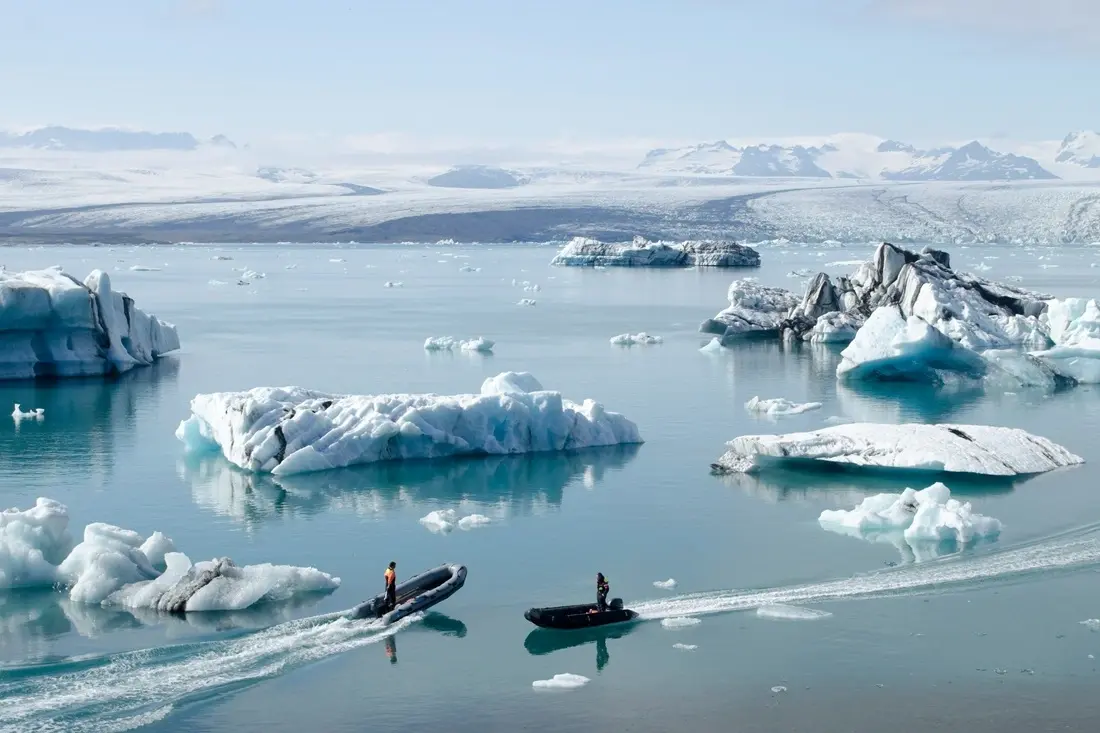
Iceland - A Safari Among Volcanoes
Iceland proves that safaris do not always have to revolve around animals. Sometimes the planet itself is wild enough.
On this island, nature feels as if it is still being created. The earth smokes, boiling water rises from underground, volcanoes shape entire landscapes, and massive glaciers descend almost all the way to the ocean.
Driving across Iceland often feels like traveling through several planets at once. One moment you are surrounded by black volcanic fields, and only a few kilometers later you find yourself among green canyons, waterfalls, and icy lagoons.
The island’s remote interior offers a particularly powerful experience, where almost no traces of civilization remain. That is when Iceland becomes a true safari through raw and untamed nature.
Still, the wildlife should not be overlooked. Watching whales in the icy Atlantic, seeing colonies of puffins, and encountering Iceland’s famous horses only strengthen the feeling that you have arrived in a place where nature has not yet lost its original force.
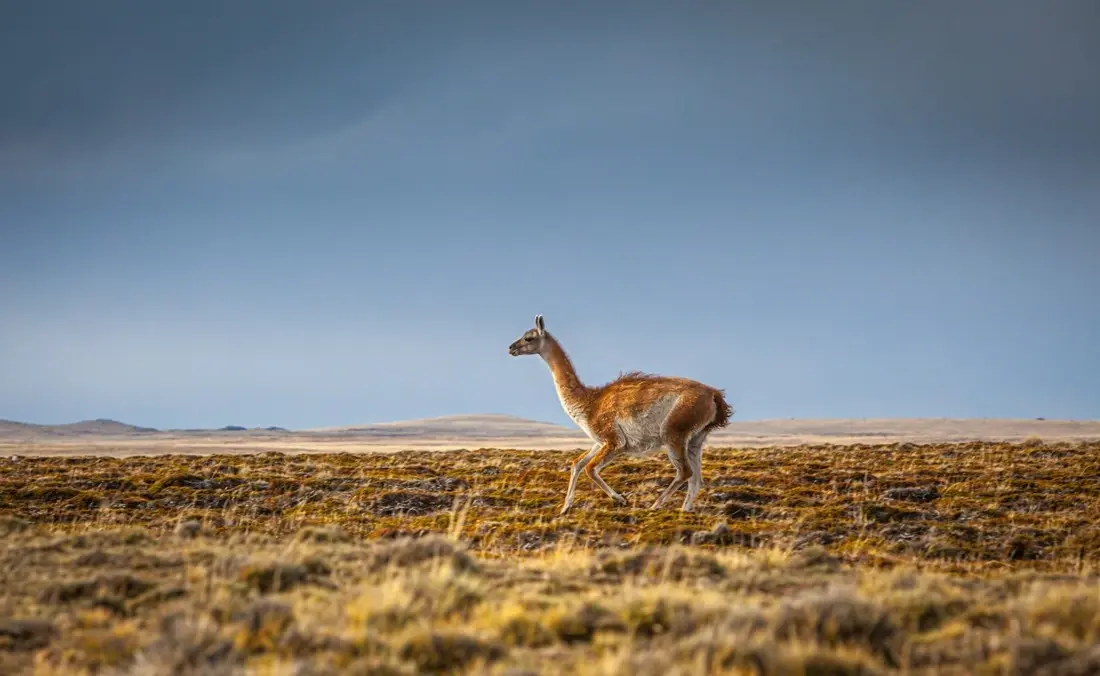
Patagonia - The End of the World in the South
Patagonia does not try to impress. It simply exists in all of its vastness.
At the southern edge of South America, the landscapes feel so immense and empty that a person quickly realizes how insignificant they are compared to nature. The winds here rarely stop, the mountains appear harsh and unreachable, and glaciers crack with sounds resembling distant thunder.
A safari in Patagonia is not about spotting large numbers of animals. It is about discovering a sense of complete freedom.
And yet, this is where you can encounter pumas, condors, wild guanacos, and whales along the Argentine coast. Chile’s Torres del Paine National Park is especially famous for expeditions where nature feels almost cinematic.
Patagonia has a rare ability to calm you and push you far beyond your comfort zone at the same time. Perhaps that is exactly why it leaves such a lasting impression on everyone who experiences it.
Kamchatka - Asia’s Wildest Safari
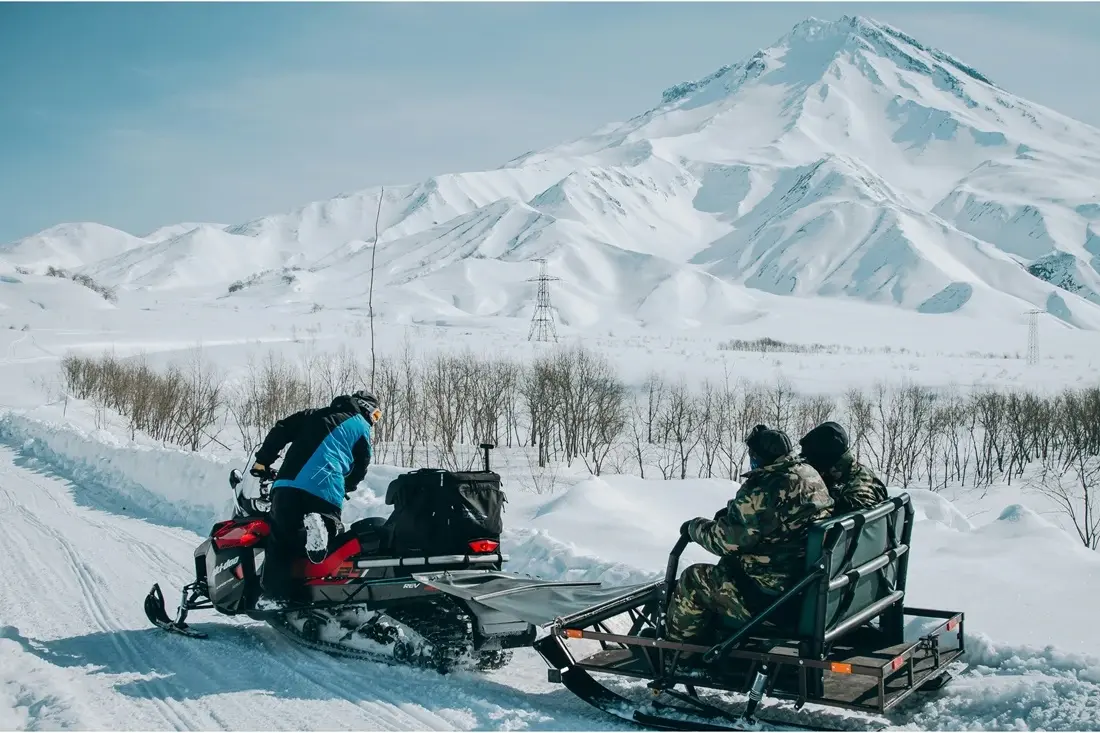
If there is a place that looks like a lost world, it is Russia’s Kamchatka Peninsula.
This enormous landmass is filled with active volcanoes, geothermal valleys, and untouched wilderness. It is so isolated that many areas can only be reached by helicopter.
And then the bears appear.
Kamchatka is home to one of the largest populations of brown bears on Earth. During salmon season, visitors can watch them fishing in rivers, completely indifferent to the people observing them from a safe distance.
The sight of a bear standing beneath a smoking volcano feels almost unreal.
Kamchatka is not a luxury adventure. It is raw, unpredictable, and extreme. That is precisely why many people describe it as the last true safari for travelers who want to experience what the planet looks like without too much human influence.
Galápagos - Where Animals Are Not Afraid of Humans
On the Galápagos Islands, safari takes on an entirely different meaning.
There is no sense of hunting for the perfect photograph or searching endlessly for rare animals. Wildlife is simply everywhere around you, behaving as though humans do not exist.
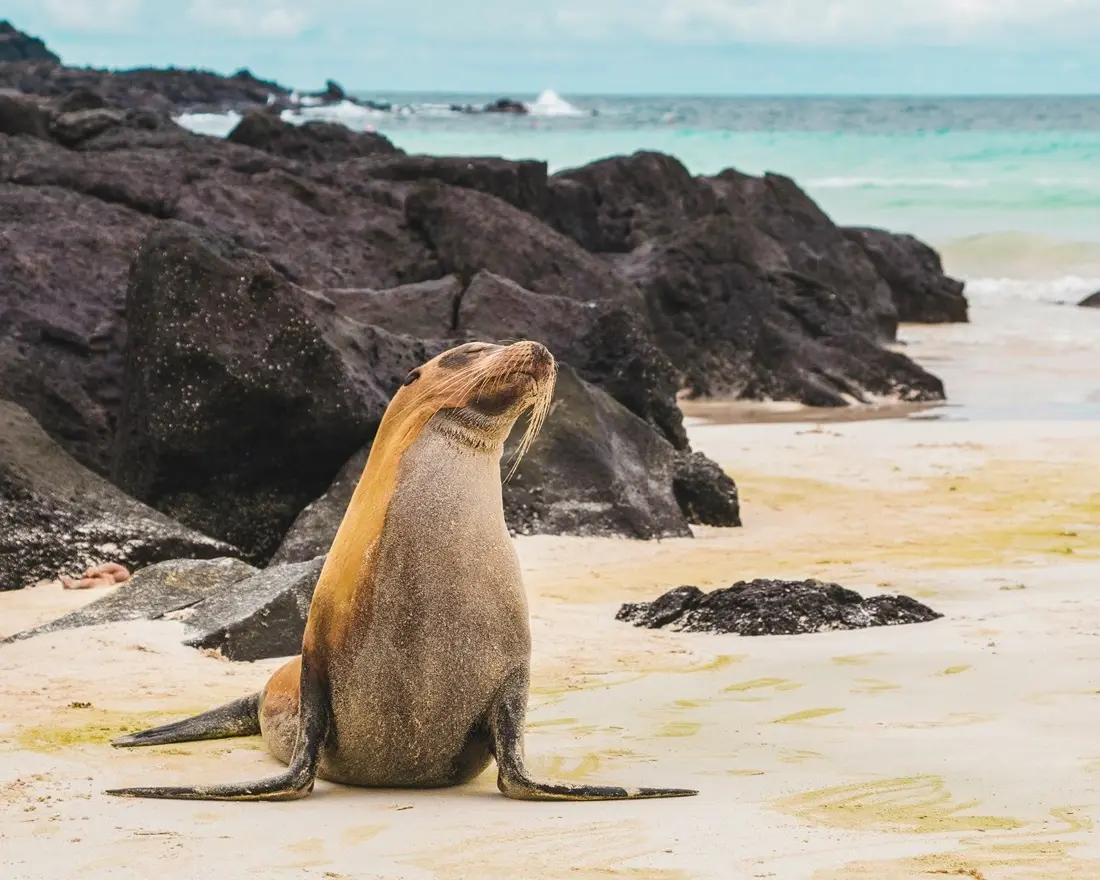
Sea lions sleep on the beaches, iguanas rest on volcanic rocks, and giant tortoises slowly move through landscapes that inspired Darwin’s theory of evolution.
It is this closeness to nature that makes the Galápagos one of the most extraordinary places on Earth.
For the first time, you begin to understand what an ecosystem looks like when it has never learned to fear people.
Safari as a Feeling, Not a Destination
Perhaps that is why the most exciting safaris are no longer tied only to Africa.
A safari is not defined by a specific animal, a luxury lodge, or a famous destination. A safari is the moment when nature stops being a backdrop and becomes the main character of the journey.
It may be a polar bear in the Arctic, a volcano in Iceland, a brown bear in Kamchatka, or the silence of Patagonia that feels larger than anything you have ever seen.
There are still places in the world where humans have not completely tamed nature. Places where landscapes seem to belong to another era.
And perhaps those are the last true safaris left today.