

Places That Look Like They Exist Only in Legends
![[object Object]](https://api.hedonistmagazine.net/storage/images/2026/06/c7171378-7ab1-49b5-8bf7-61ec18a5b76a.webp)
From monasteries suspended among the clouds and castles wrapped in vampire tales to stone towns slowly disappearing under the force of time, some places in the world seem so unreal that it is difficult to separate them from the legends that surround them. That is precisely why they continue to attract travelers, photographers, and dreamers from every corner of the globe.
Although they have inspired myths, stories, and folklore for centuries, these places are not products of imagination. They are very real. And once you see them with your own eyes, it becomes easy to understand why they have become part of humanity’s collective imagination.
Meteora - Monasteries Among the Clouds
In the heart of Greece, enormous stone pillars rise from the earth, crowned by monasteries that appear to float between heaven and earth.
According to legend, angels built the first structures on these inaccessible cliffs, as it seemed almost impossible for humans to reach their summits. The truth is slightly less mystical, but equally fascinating. For centuries, monks used ropes, nets, and wooden constructions to transport materials and build their sanctuaries.
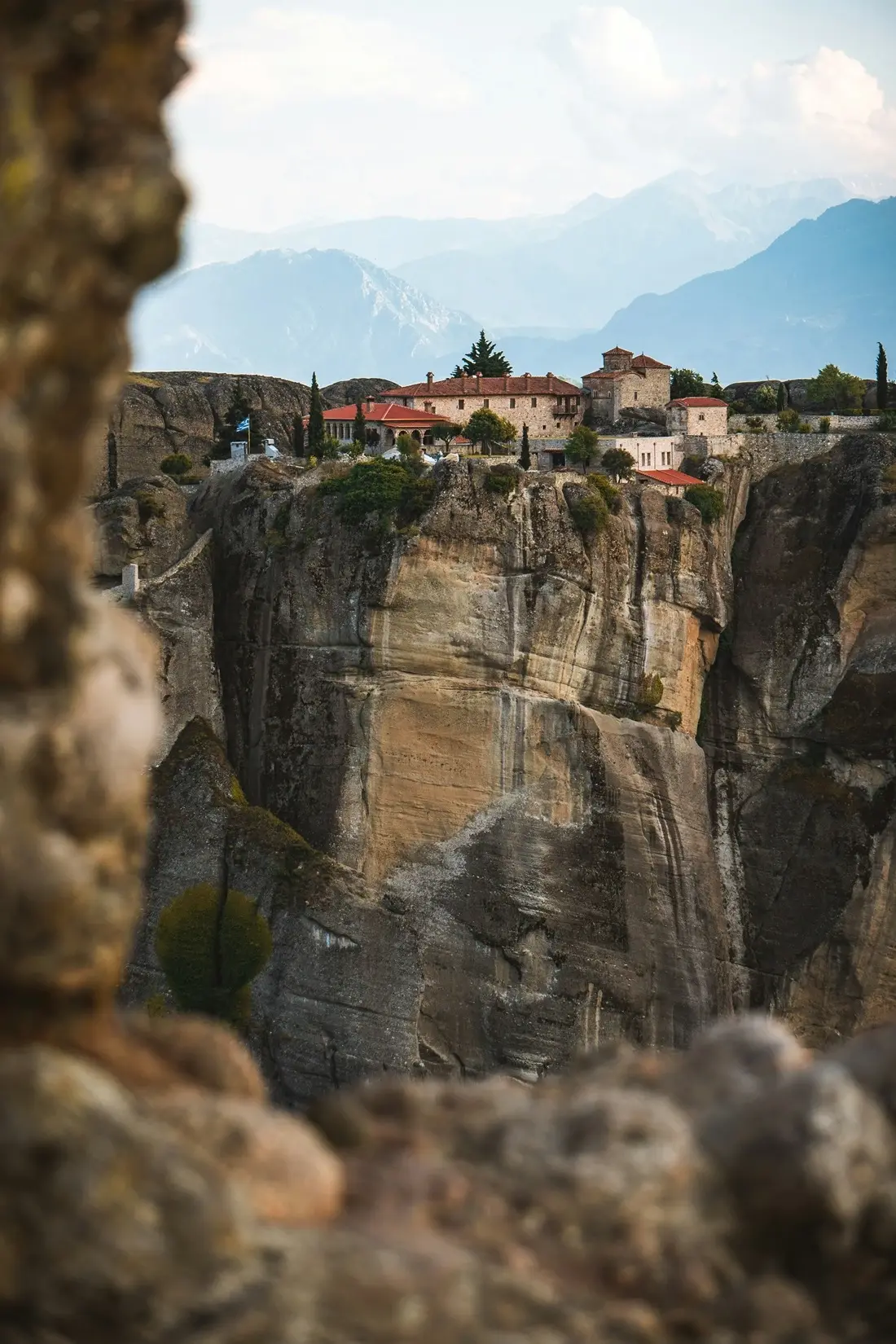
Today, Meteora is one of Europe’s most breathtaking destinations, leaving even the most experienced travelers speechless.
Mont Saint-Michel - The Island That Disappears and Reappears
In northern France stands a place that looks as if it were lifted straight from a medieval fairy tale.
Legend has it that the Archangel Michael appeared to a local bishop and instructed him to build an abbey on a rocky island surrounded by the sea. Thus, Mont Saint-Michel was born, becoming one of the most iconic islands in the world.
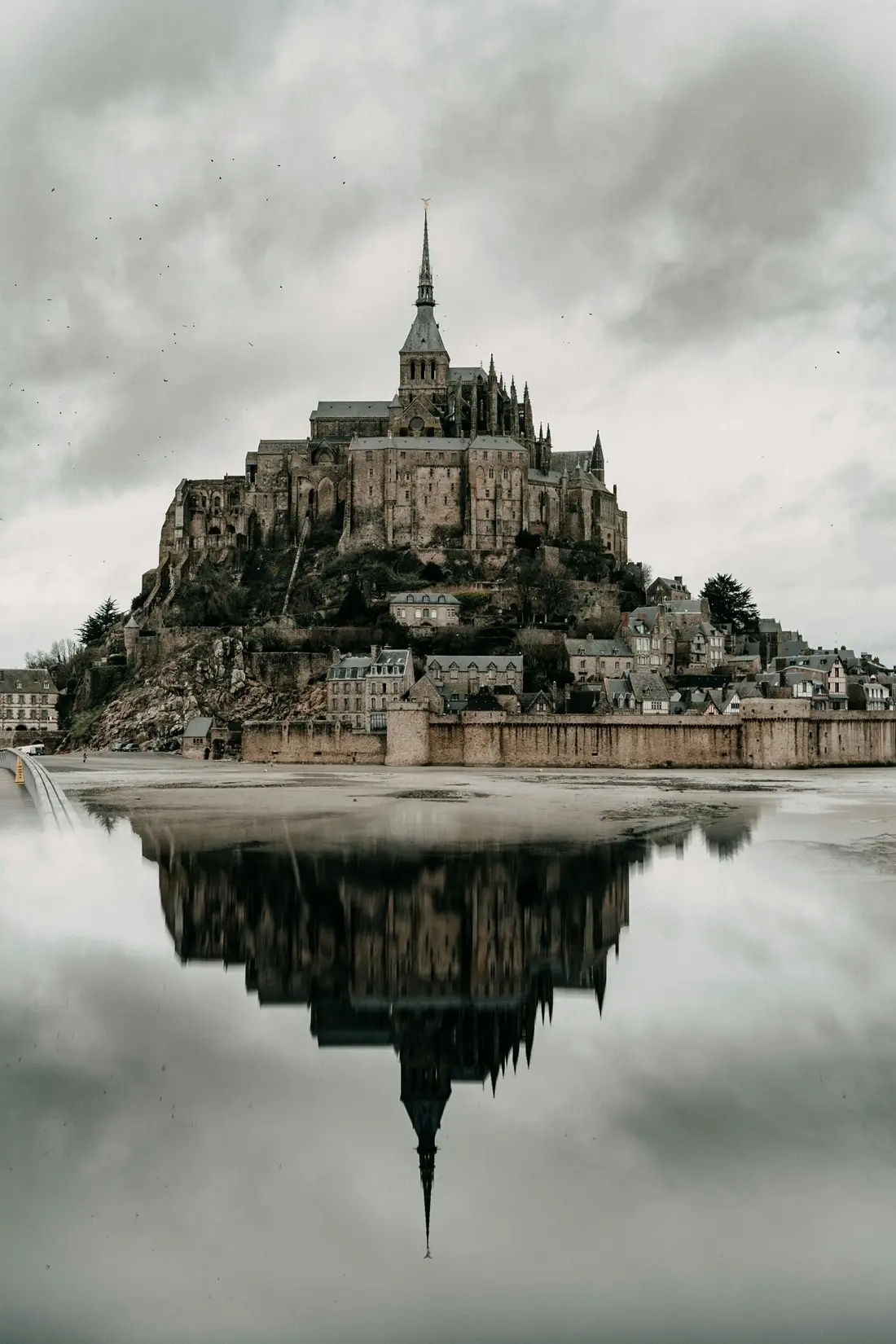
At high tide, the sea almost surrounds the rock, while at low tide vast stretches of sand emerge. This daily transformation creates the impression that the island vanishes and is reborn with every passing day.
Bran Castle - The Home of Count Dracula
Few legends are as famous as that of Dracula.
Nestled among the forested mountains of Transylvania, Bran Castle has attracted visitors for decades in search of traces of the world’s most famous vampire. Although historical evidence linking Vlad the Impaler to the castle is limited, its dark silhouette and dramatic location atop a rocky hill made it the perfect setting for one of literature’s most enduring legends.
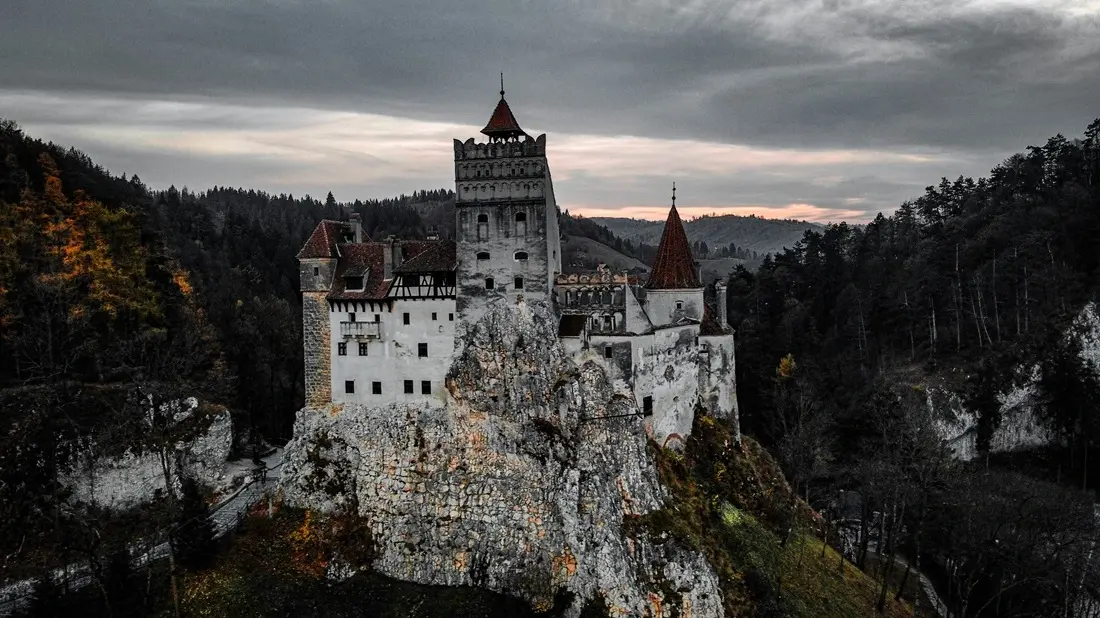
When mist descends upon the surrounding forests, it becomes easy to believe that the story is still alive within its ancient walls.
Bled - The Island of Wishes
Slovenia is home to a scene that looks as though it belongs in a children’s storybook.
In the middle of an emerald-green lake rises a tiny island crowned by a church whose bell tower dominates the landscape. According to local legend, the church houses a wishing bell. It is said that anyone who rings it with a sincere heart will have their wish granted.
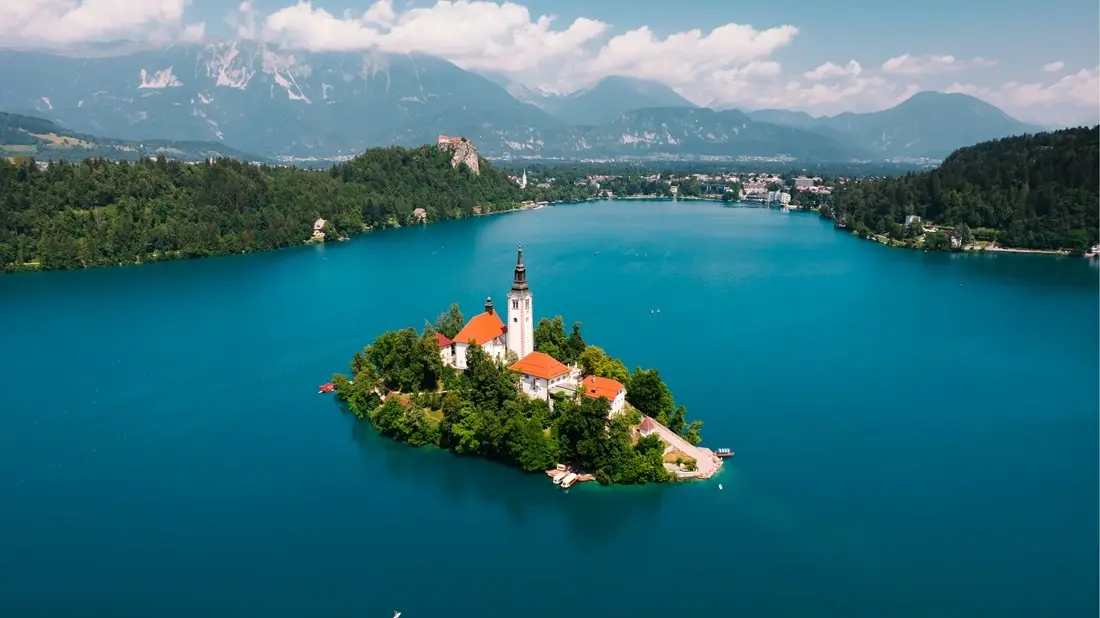
Whether you believe in legends or not, it is difficult to remain indifferent to the sight of the island reflected in the calm waters of the lake, with the Julian Alps rising majestically in the background.
Giant’s Causeway - The Road Built by Giants
On the coast of Northern Ireland lies one of Europe’s most extraordinary natural wonders.
More than 40,000 perfectly shaped basalt columns appear as though someone carefully arranged them to create a stone pathway leading into the sea. Scientists explain that they were formed by volcanic activity millions of years ago.
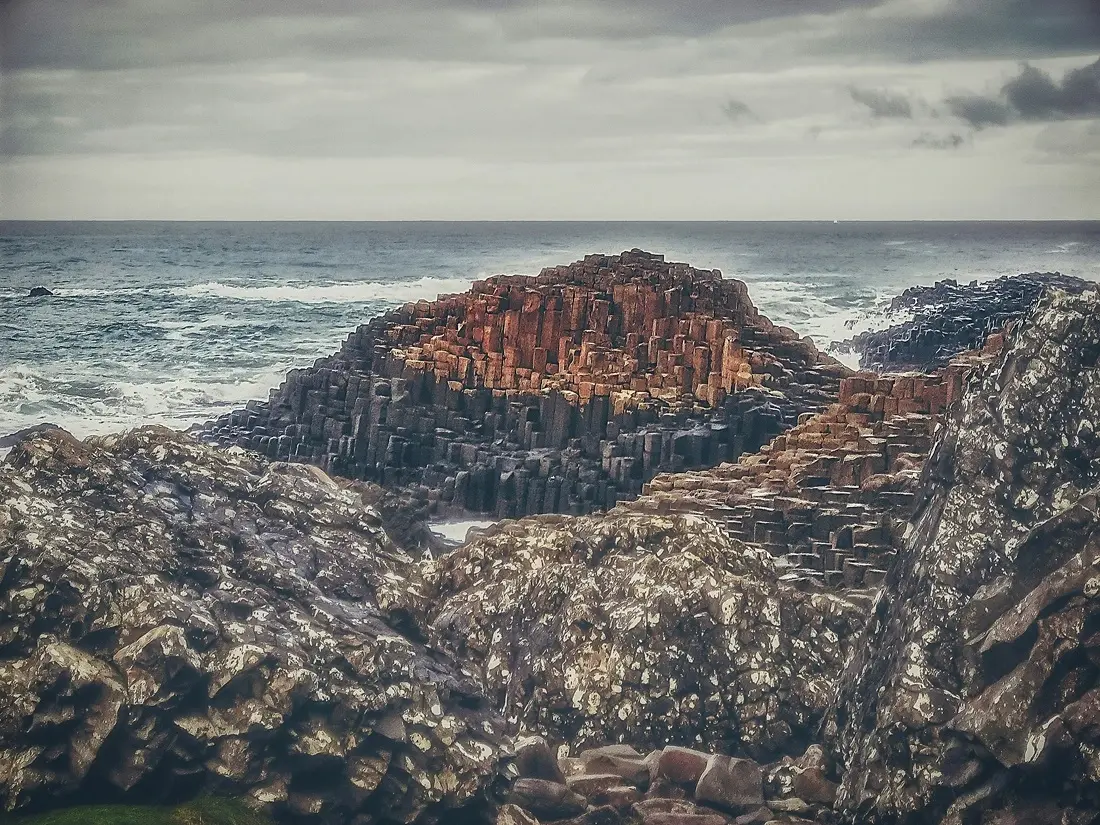
Legend offers a different explanation.
According to Irish folklore, the giant Finn McCool built this stone bridge so he could cross the sea and confront his rival in Scotland. Standing among these remarkable formations, it is easy to understand why such a story was born.
Civita di Bagnoregio - The Town Slowly Disappearing
Perched atop a volcanic rock formation in central Italy sits one of the continent’s most unusual settlements.
The town can only be reached by a pedestrian bridge, and with every passing century the rock beneath it becomes smaller due to erosion. For this reason, Civita is often referred to as “the dying city.”
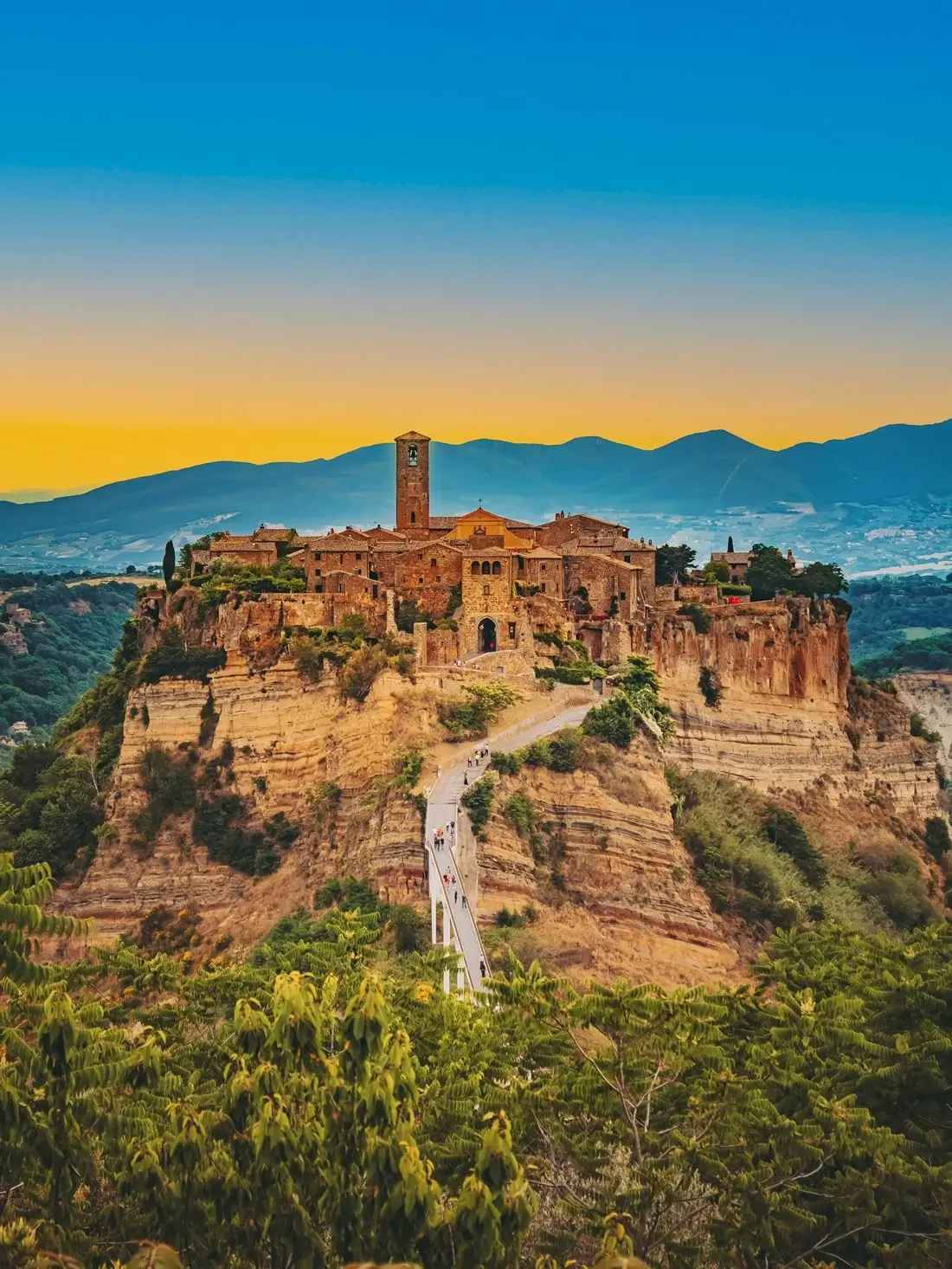
Yet despite the threat of disappearance, the town looks more beautiful than ever. Stone houses, narrow streets, flower-filled balconies, and panoramic views of the Lazio countryside create the feeling of stepping into another era.
Perhaps it is this awareness of impermanence that gives the town its unique charm.
Machu Picchu - The Lost City of the Incas
High in the Peruvian Andes lies one of the world’s greatest archaeological wonders.
Hidden from the outside world for centuries, Machu Picchu has inspired countless theories and legends. Some believe it was a royal retreat, while others argue that it served as a sacred site connected to astronomy and religion.
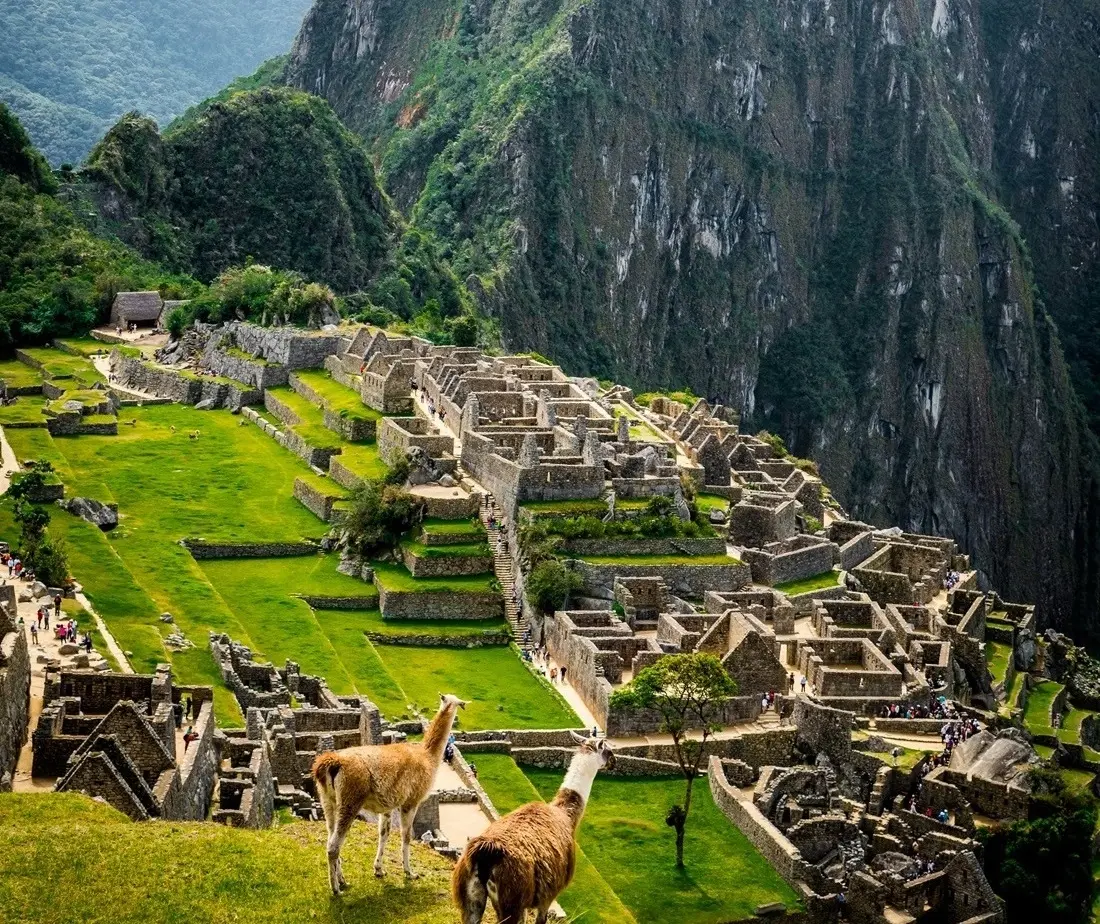
Whatever its original purpose, the sight of the stone city emerging from the clouds creates the impression of entering a lost world.
Even today, more than five centuries after its creation, Machu Picchu continues to fascinate scientists, adventurers, and romantics alike.
Stories That Outlive Time
The most fascinating aspect of these places is not only their architecture, landscapes, or history. What truly makes them special are the stories that accompany them.
Legends of angels, giants, vampires, and lost civilizations may not always be historically accurate, but they reveal something important about humanity’s desire to give extraordinary places extraordinary meaning.
Perhaps that is why destinations like these remain in our memories far longer than ordinary tourist attractions. Because some places do not captivate us merely with what we see. They captivate our imagination.