

Milena and Nenad in Sri Lanka: From Ancient Cities to Ocean Waves
![[object Object]](https://api.hedonistmagazine.net/storage/images/2026/03/4880c75d-13f1-499c-b2dd-f08bea6b1b43.webp)
Five years of life in Asia - two in Bangladesh, two in the Philippines, and one in Sri Lanka - shaped the travel story of Milena and Nenad from Bijeljina, whose journey to the Far East began with Nenad’s job. For HEDONIST, they turned their impressions into a personal guide through countries that rarely become a traveler’s first choice, accompanied by photographs that best capture everyday life far from European habits.
Sri Lanka is a destination we wholeheartedly recommend - ideally for at least three weeks, so you can experience everything at a relaxed pace. Colombo, like most capital cities in South and Southeast Asia, tends to leave a better impression the less time you spend there. Still, it serves as a perfectly decent starting and ending point for a journey around the island, worth setting aside three to four days. It offers something for everyone: remarkable Buddhist and Hindu temples, colonial landmarks, modern shopping centers, the ocean and sandy beaches, as well as access to a variety of global cuisines.
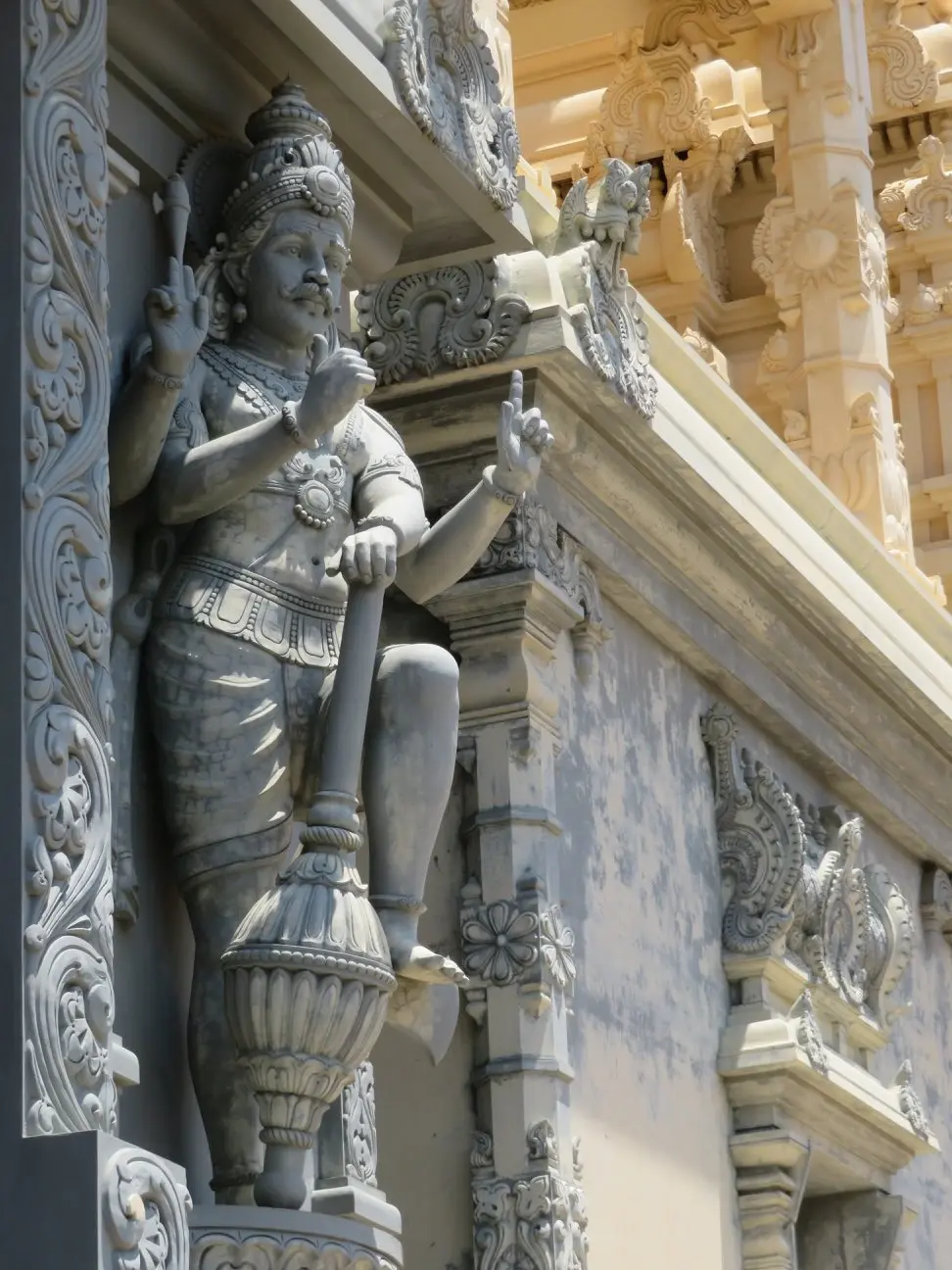
Together with its surroundings, it is the only multi-million-dollar city in the country, which is reflected in both its appearance and the lifestyle of its residents (though you may not notice it right away). Whatever your reason for visiting Sri Lanka, it is unlikely to disappoint.
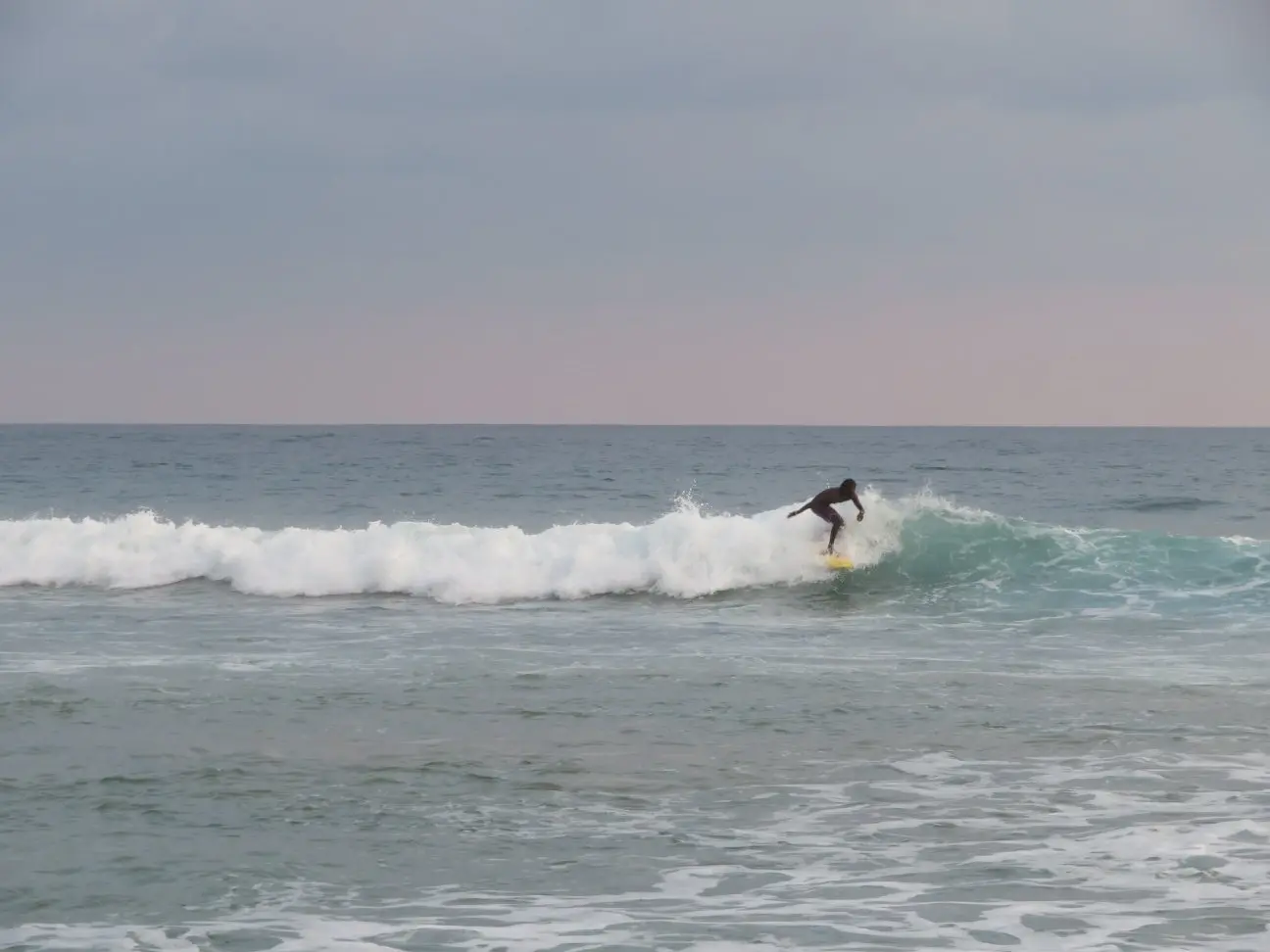
They say it’s a surfer’s paradise. We tested it from a beginner’s perspective - and we can confirm: it truly is. There are waves of all sizes, open seas and sheltered bays, and it seems as though nearly every local knows how to surf. Many of them, it appears, could do it on their heads.
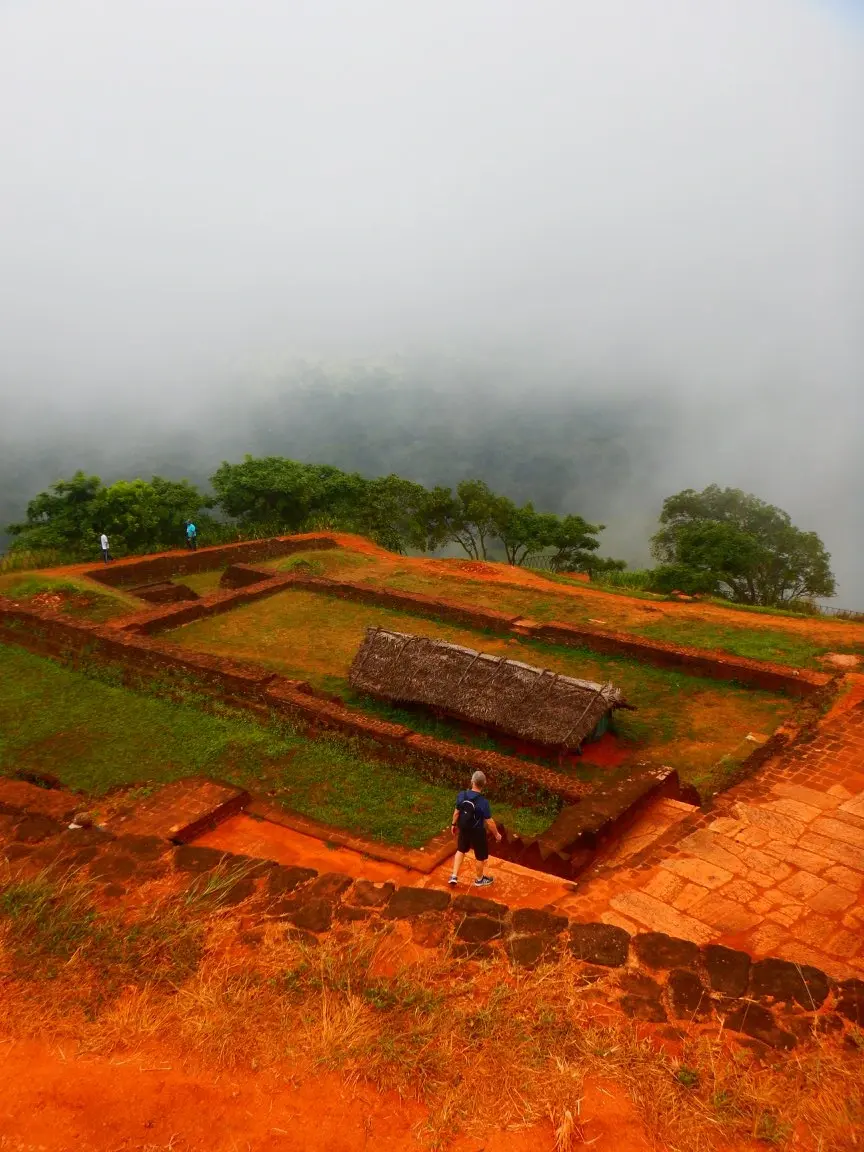
Adventure? Plenty. Cultural and historical landmarks are everywhere - countless official ones and likely just as many hidden gems. All of them are worth visiting. Sigiriya is a rock rising about 180 meters high, crowned by a fortress and royal complex built in the 5th century. Anuradhapura is one of the world's oldest continuously inhabited cities. Historical records trace its origins to the 5th century BC, while archaeological findings suggest settlements as early as the 10th century BC. Considering its age, the walls and structures of this site are remarkably well-preserved, making it an important pilgrimage destination on the island.
Alongside these two historic capitals, Polonnaruwa also deserves mention - a 12th-century राजधानी and another UNESCO-protected site, preserved in excellent condition. Dambulla is a complex of five caves set into a 160-meter-high rock, housing 153 statues of Buddha and offering a view of nearby Sigiriya. Although the population is predominantly Buddhist, the country is rich in places of worship from various religions. White or earth-toned Buddhist stupas, colorful Hindu temples, and modestly decorated mosques coexist throughout the island, each with its devoted followers, leaving visitors unsure which is more beautiful.
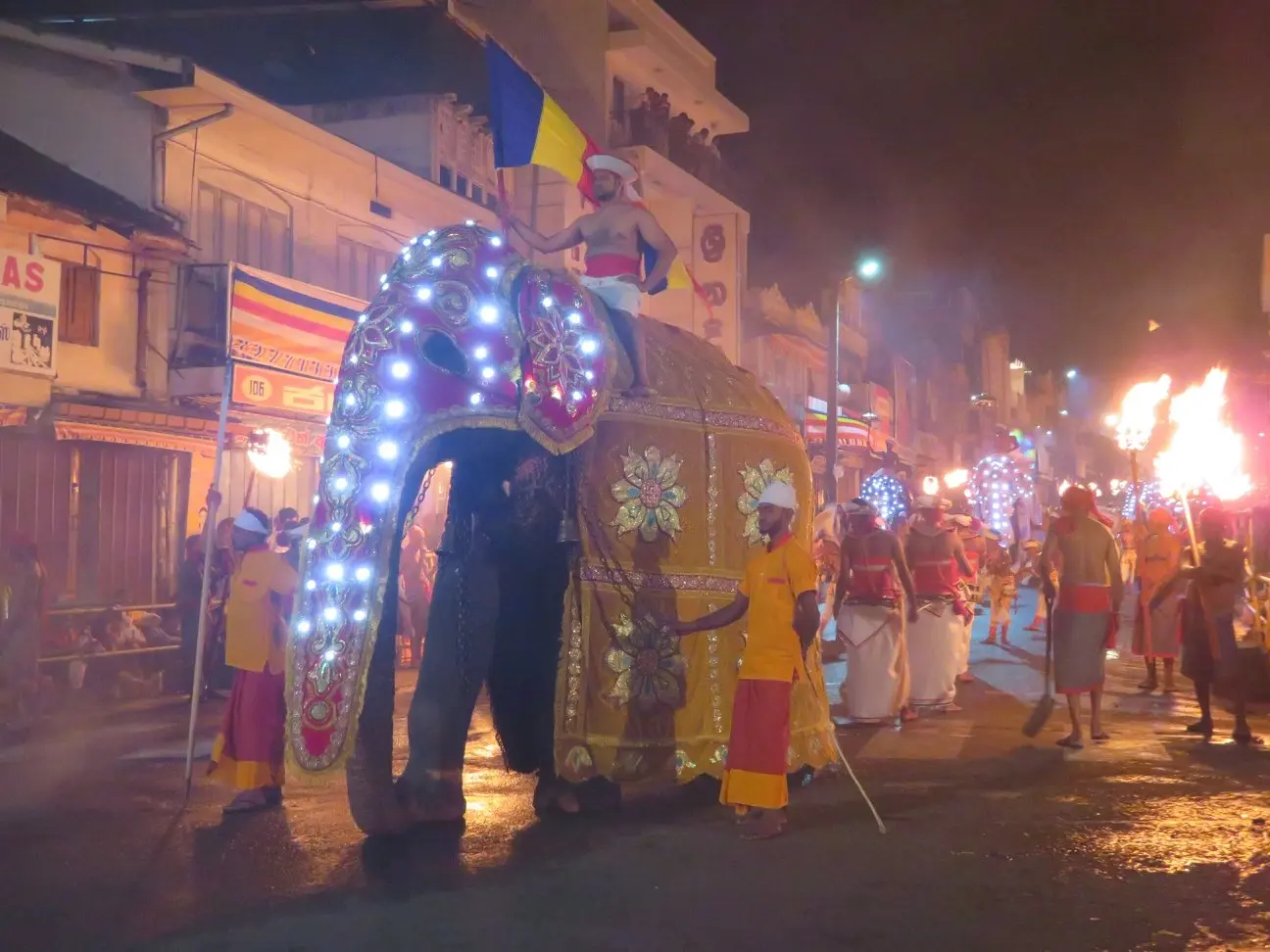
If your timing allows, stay at least one night to witness the Perahera festival, held annually in Kandy - the last royal capital before colonization-during July or August, depending on the full moon. According to legend, this city houses a sacred relic: Buddha’s tooth. During the festival, it is paraded from the temple in a spectacular procession accompanied by fire, drums, dancers, and elephants. A truly unforgettable three-hour performance.
One might assume that such cultural richness leaves little room for nature and wilderness - but that would be a mistake. Sri Lanka currently has 26 national parks and around 7,500 wild elephants. It’s not uncommon to see road signs warning of elephants crossing, and in such cases, it is human settlements that are fenced and protected - while the elephants roam free.
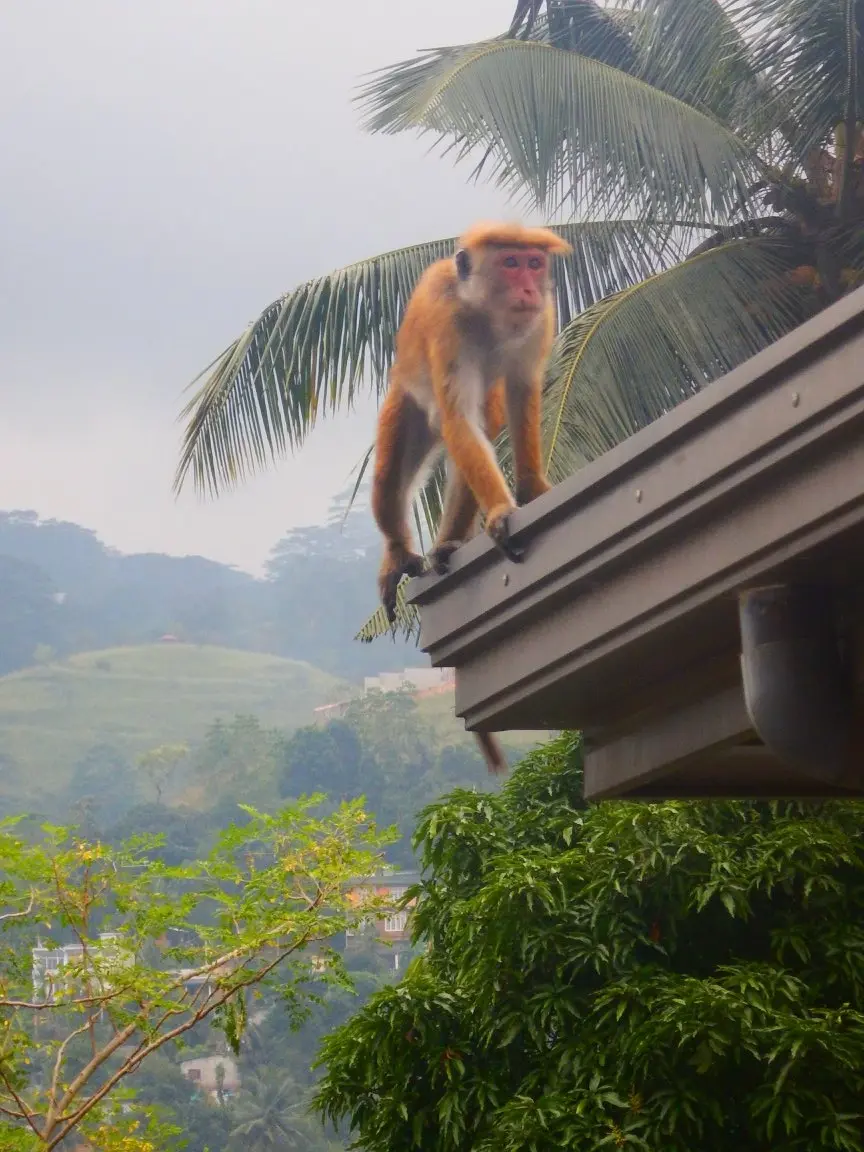
We also encountered mongooses, wild boars, squirrels, Nile monitor lizards, monkeys (mostly macaques, but also langurs), and a variety of birds - all as part of everyday life.
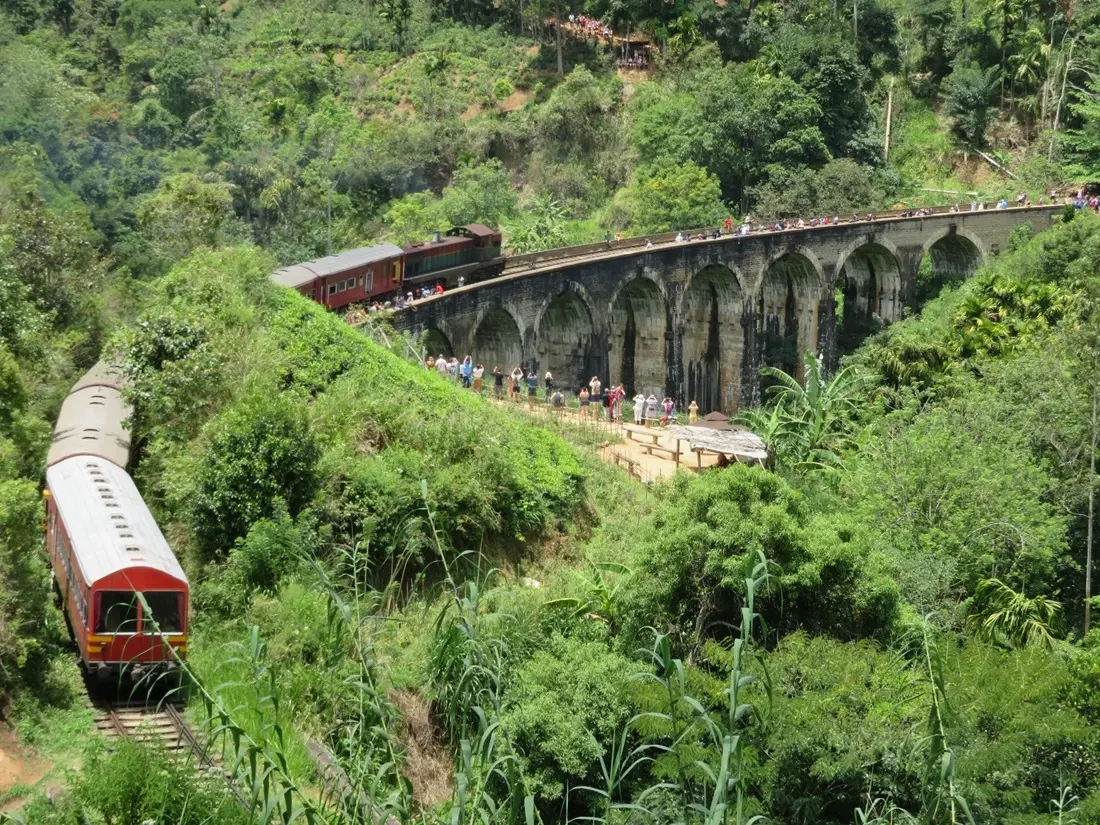
Rail transport is the most common form of travel on the island. We would describe it as a perfect blend of comfort and practicality, and above all, extremely affordable. There is even a seven-hour train journey from Kandy to Ella (or vice versa), considered one of the most scenic in the world. And yes - it’s absolutely worth the ride.
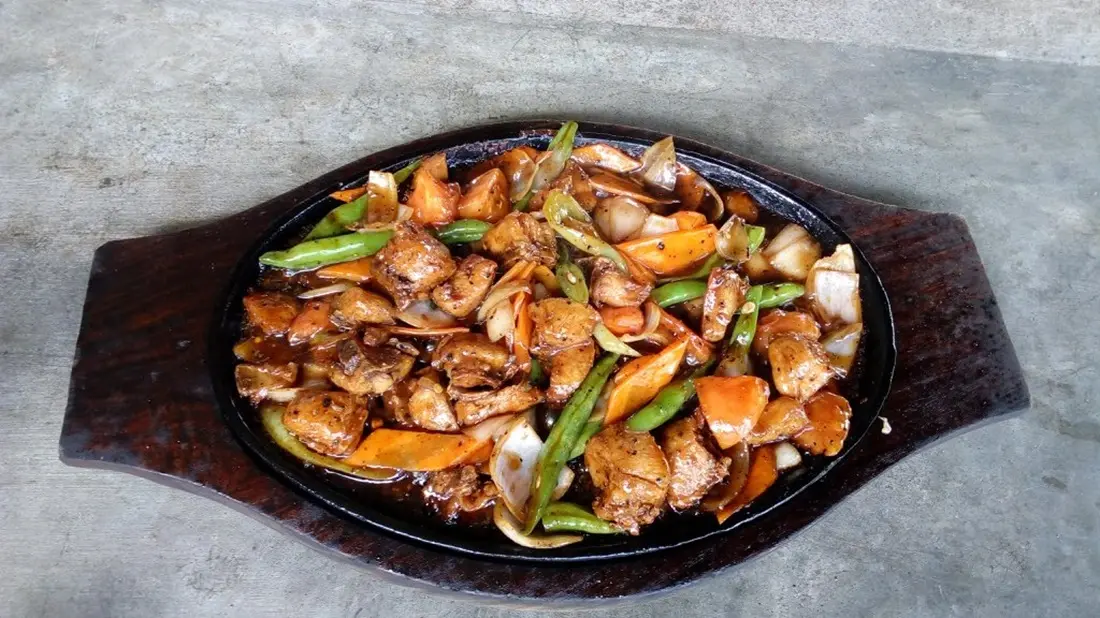
Finally, we must praise the local cuisine. Due to the diversity of religions and mutual respect, it is largely based on rice, vegetables, fish, and chicken. Even these last two are not available on Poya days (the monthly full moon holiday), when alcohol is also not sold. The staple lunch dish is “rice and curry.” To our taste - perfectly spiced, nutritious, and always satisfying. More than enough reason to recommend it.
Naturally, the traditional beverage is black tea. Although introduced during British colonial rule, it has become deeply rooted in local culture. Endless emerald hills only add to the island’s beauty. And speaking of emeralds, due to its geological age, Sri Lanka is rich in precious and semi-precious stones, often available at relatively affordable prices.
- Interview by: Ognjen Tešić / HEDONIST
Related articles
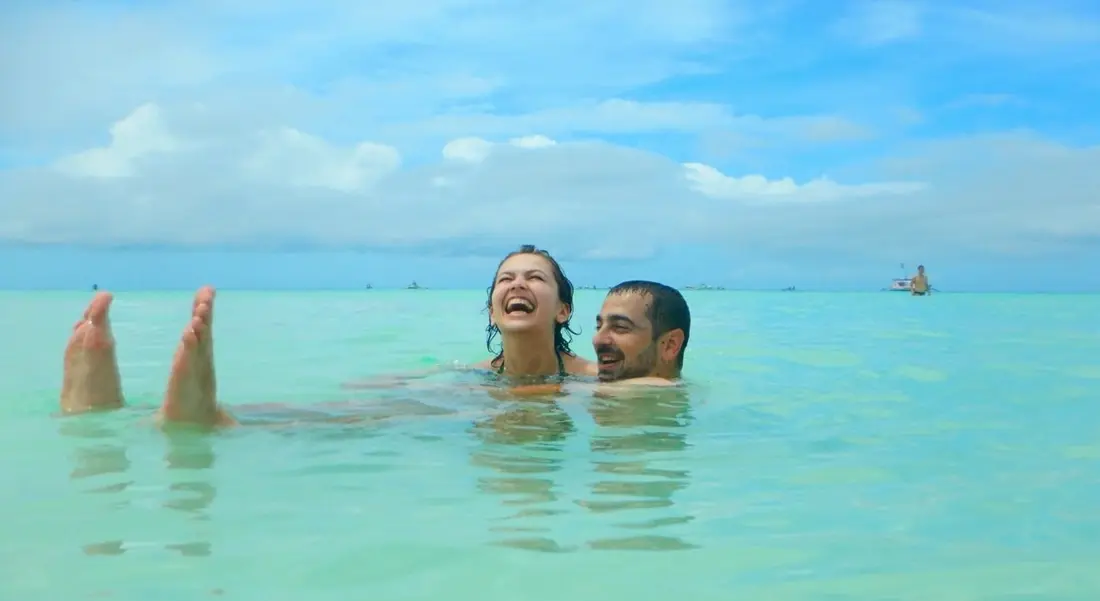
Milena and Nenad in the Philippines: From the Concrete Jungle to Paradise Islands
Five years of life in Asia - two in Bangladesh, two in the Philippines, and one in Sri Lanka - shaped the travel story of Milena and Nenad from Bijeljina, whose journey to the Far East began with Nenad’s job. For HEDONIST, they turned their impressions into a personal guide through countries that rarely become a traveler’s first choice, accompanied by photographs that best capture everyday life far from European habits.
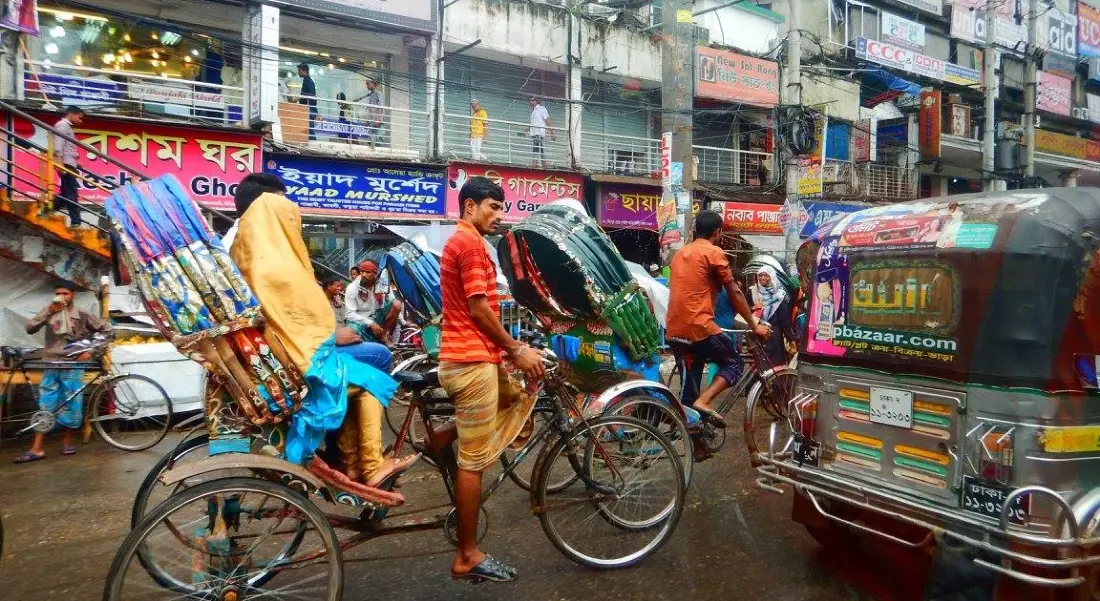
How Milena and Nenad Discovered Asia: Bangladesh Without Filters
Five years of life in Asia, two in Bangladesh, two in the Philippines, and one in Sri Lanka, shaped the travel story of Milena and Nenad from Bijeljina, whose journey to the Far East began with Nenad’s job. For HEDONIST, they turned their impressions into a personal guide through countries that rarely become a traveler’s first choice, accompanied by photographs that best capture everyday life far from European habits.