

Hunting the Northern Lights: Four Arctic Destinations for the Adventure of a Lifetime

![[object Object]](https://api.hedonistmagazine.net/storage/images/2026/06/16c02524-945a-48dd-8364-6b7b539a7861.webp)
Few natural phenomena inspire as much awe as the Northern Lights. Green, purple, and blue curtains dancing across the night sky seem almost unreal, as if they belong to another world entirely. That is why most people immediately think of Iceland. Yet some of the most extraordinary encounters with the aurora take place far from the tourist crowds of Reykjavik.
In recent years, the aurora borealis has become one of the most compelling reasons to travel to Northern Europe. Photographs flood social media, tours sell out months in advance, and chasing the lights has evolved into a modern-day adventure.
But there is another way. Instead of heading to the most popular destination, more and more travelers are choosing places where nature remains the true star of the show.
Finland: The Silence of Lapland
If there is a place made for watching the Northern Lights, it is Finnish Lapland. Winter here feels almost cinematic. Endless snow-covered forests, frozen lakes, and wooden cabins surrounded by white wilderness create the sensation of standing at the edge of the world.
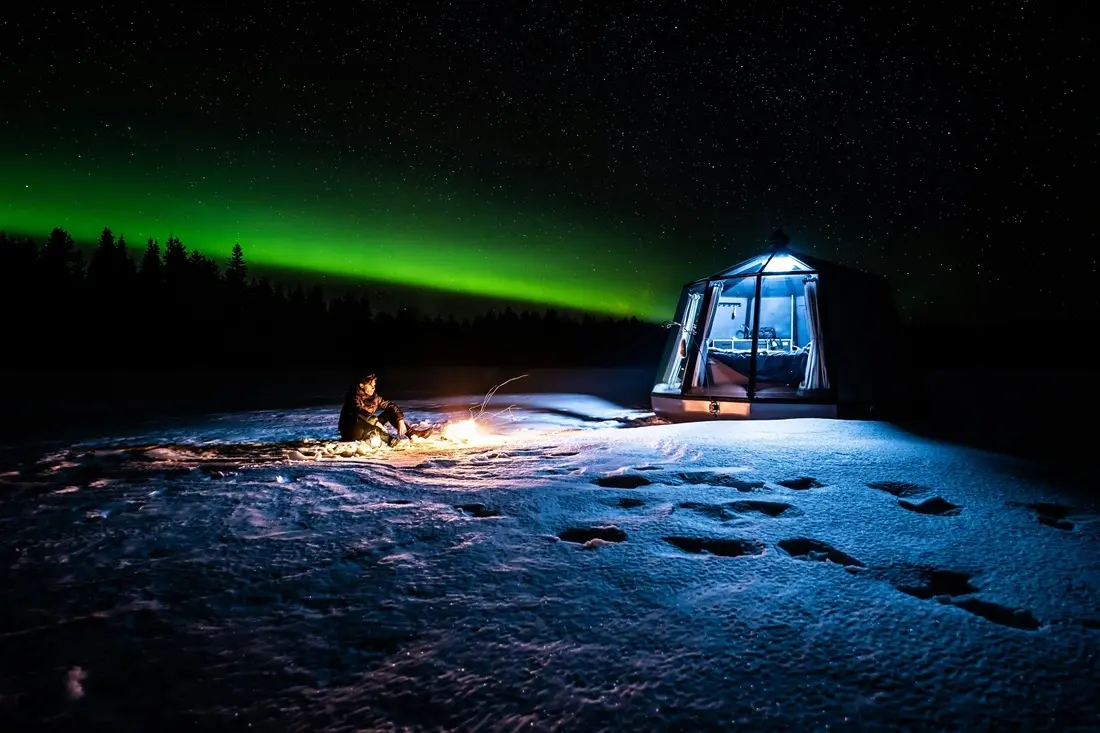
Well-known destinations such as Saariselkä and Rovaniemi offer excellent conditions for aurora viewing, but the real magic begins once you leave the town lights behind.
Then it is just you and the sky. And that is precisely when you understand why so many travelers insist that the Northern Lights are far more impressive in person than in photographs.
Norway: Aurora Above the Fjords
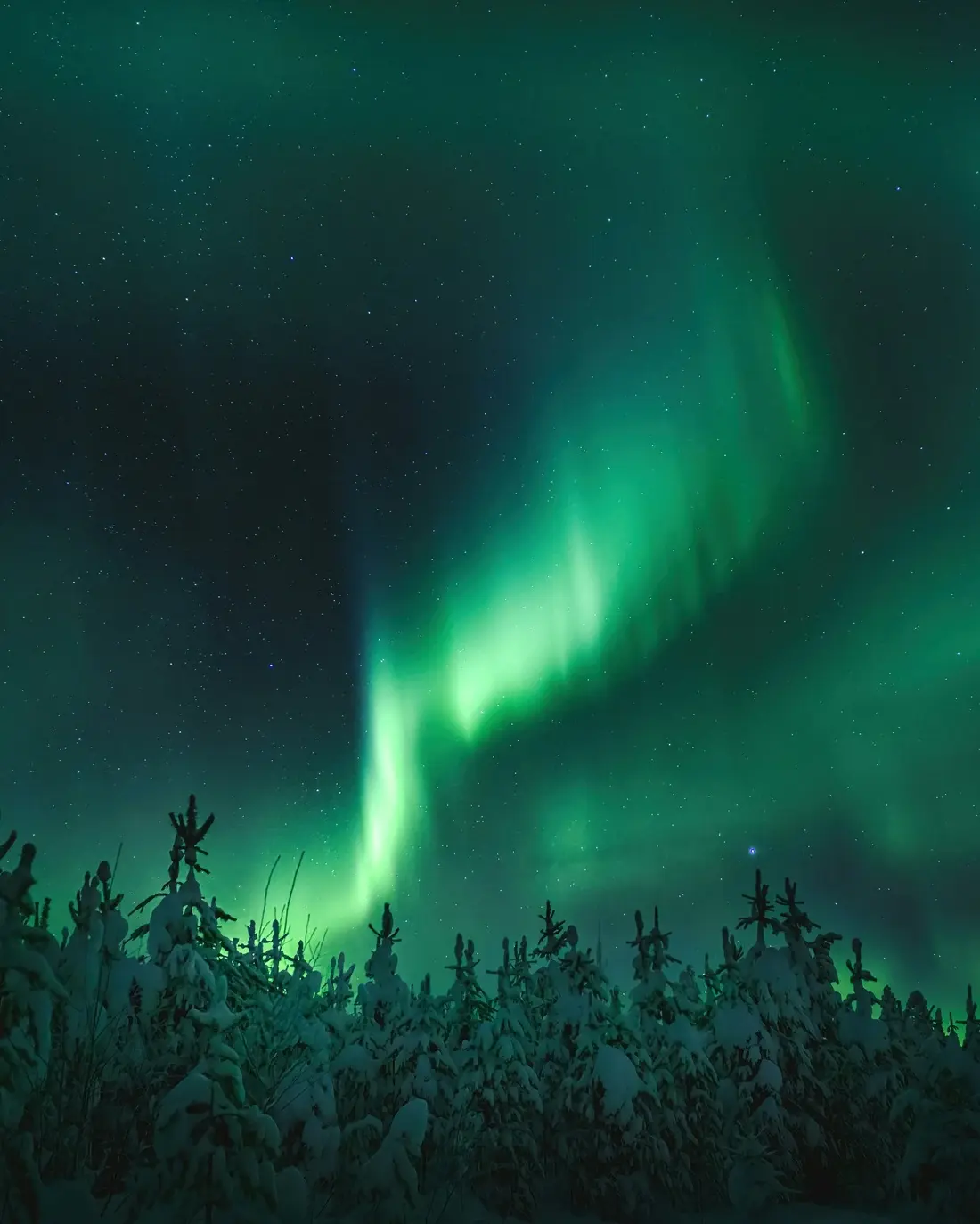
Norway combines two spectacular sights in a single frame. Above, ribbons of green light dance across the sky. Below, dramatic fjords, rugged mountains, and frozen seas create landscapes that seem lifted from a science-fiction film.
The city of Tromsø has long been considered one of the best starting points for aurora hunting, but the most breathtaking views are often found beyond the city limits.
Driving through the Arctic landscapes of northern Norway in winter is an adventure in itself. And when the lights appear above the mountain peaks, it becomes easy to understand why many consider it one of the most remarkable experiences on Earth.
Sweden: The Most Underrated Arctic Destination
While most travelers choose Norway or Iceland, Sweden often remains overlooked. And that is exactly its advantage.
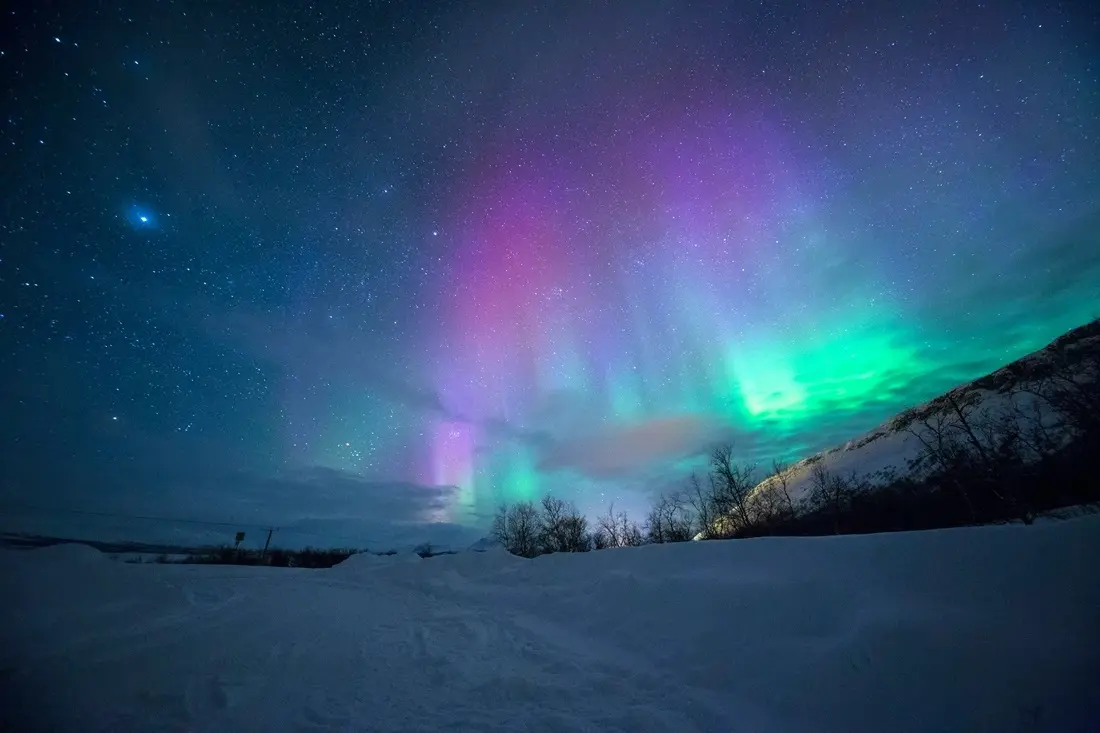
Swedish Lapland offers nearly identical natural conditions but with far fewer crowds. Abisko National Park enjoys almost legendary status among photographers and astronomers thanks to its unique microclimate, which often brings clear skies even when surrounding regions remain cloud-covered.
For those looking to combine adventure with photography, there are few better places in Europe. The days are short, the nights are long, and the wilderness feels wonderfully untouched.
Greenland: The Last Great Wilderness
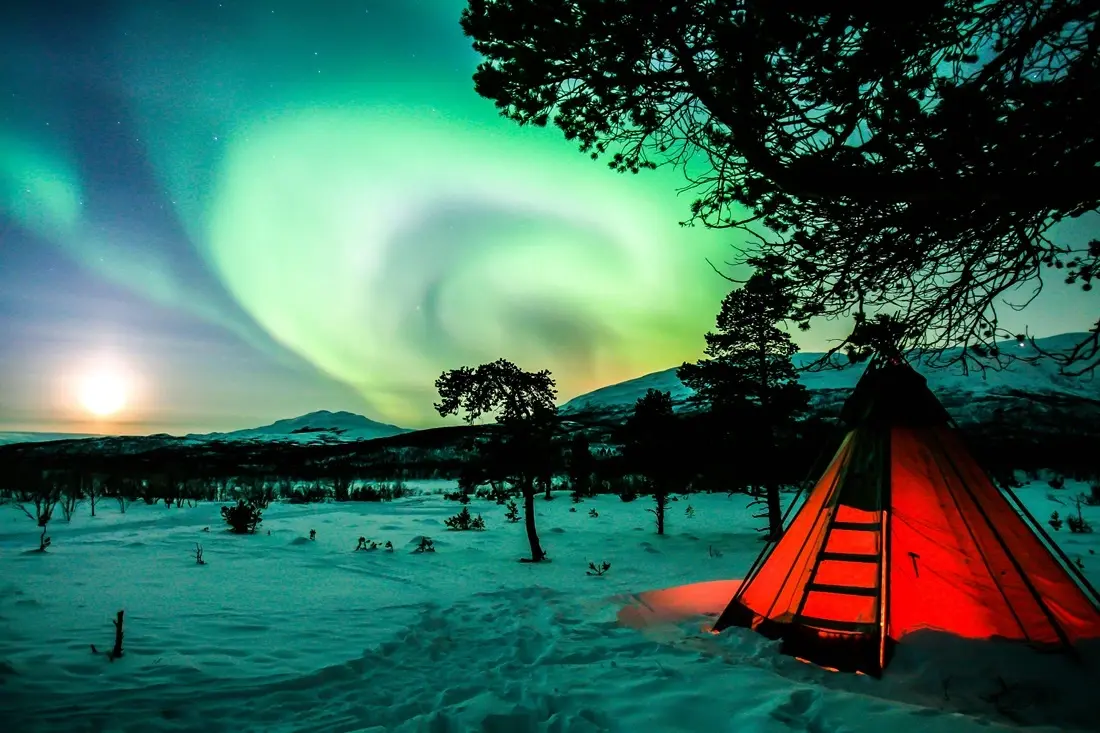
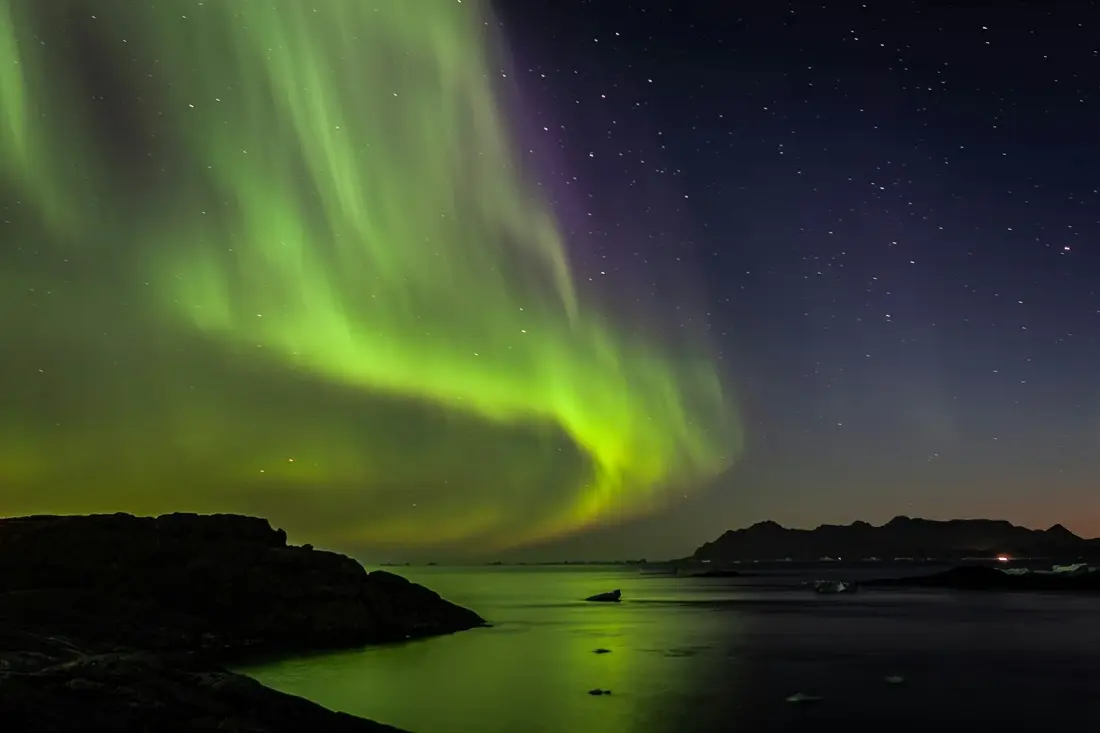
If there is one destination that turns Northern Lights hunting into a true expedition, it is Greenland. There are few roads. Few cities. No mass tourism. Instead, there is ice, mountains, remote coastal settlements, and vast expanses of Arctic wilderness.
Here, the aurora often appears above icebergs and frozen bays, creating scenes that look more like another planet than Earth.
Reaching Greenland requires more planning than visiting other Nordic destinations, but that remoteness is part of its appeal. Some adventures simply should not be too easy.
When the Search Matters More Than the Photograph
Most people travel today in pursuit of the perfect photograph. Chasing the Northern Lights is different. You may spend hours waiting in sub-zero temperatures. The clouds may refuse to clear. The aurora may appear for only a few fleeting minutes.
Yet that uncertainty is precisely what makes the experience so special. The Northern Lights are not a performance that can be scheduled. They appear only when they choose to.
And when the first green traces finally emerge across the dark Arctic sky, it becomes clear why people travel thousands of kilometers to witness them. It is not just about the photograph. It is about the feeling that, for a brief moment, you have witnessed one of the last great spectacles that nature still performs without an audience.