

A Shortcut to Childhood: Why Smell Takes Us Back More Powerfully Than an Image

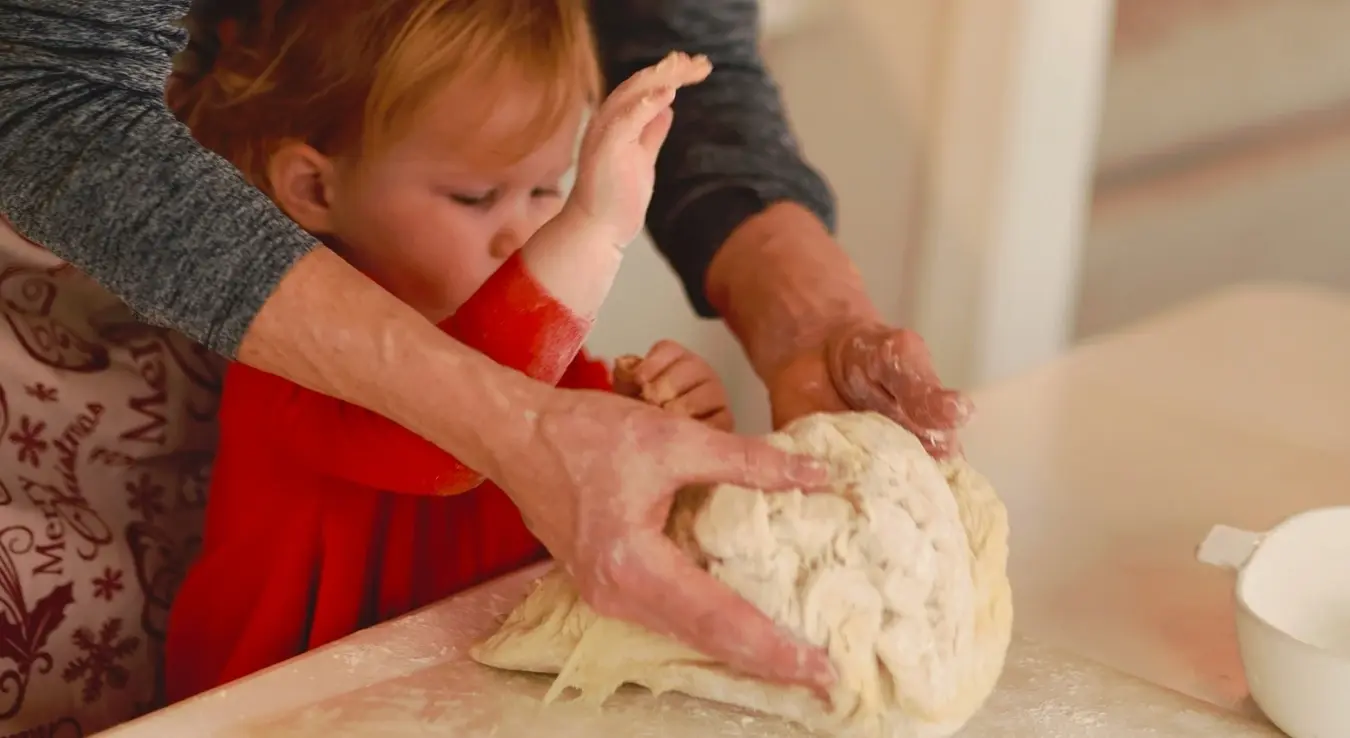
From Proust’s madeleine to brain scans: smell doesn’t necessarily bring memories back faster than a photograph does, but it brings them back differently. Here is what science actually knows about it.
Some feel it on a stairwell, when the smell of coffee rising in a džezva drifts out of a neighbor’s apartment. Some in a hotel bathroom, when they catch the scent of a soap just like the one at their grandmother’s. Some on a Sunday, as a lunch that isn’t theirs wafts down the hallway. For a few seconds, you are not where you are. Why smell, of all things?
The Madeleine Was Only Third
The best-known description of that feeling comes from the first volume of In Search of Lost Time, published in 1913. The narrator’s mother offers him tea, which he doesn’t normally drink, and he dips a piece of madeleine in it. The moment the warm liquid and the crumbs touch his palate, a shudder runs through him. He remembers Sunday mornings in Combray, when his aunt Léonie would give him a bit of madeleine dipped in her own lime-blossom tea.

In the early drafts of the manuscript, there was no madeleine at all. The trigger was toasted bread with honey, then a hard biscuit, and the madeleine appears only in the third version. Psychologists named the scene the Proust phenomenon, and have been testing it in laboratories ever since.
A Short Route to Emotion
When you inhale, the signal from your nose reaches the brain’s first station for processing smells, and from there it is only one step further to the amygdala, the part responsible for emotion. No other sense has such a short route. By that short route, smell also reaches the hippocampus, the part of the brain that stores memories and retrieves them. On top of that, unlike the other senses, it doesn’t have to pass first through the thalamus, a kind of central station of the brain.
An image takes a longer route: before it reaches the hippocampus, it passes through several parts of the cerebral cortex. That doesn’t mean smell is faster; it's just wired differently.
Stronger, but Not Necessarily Faster
In 2004, Rachel Herz scanned the brains of participants as they recalled events tied to a particular perfume, once cued by its scent and once by a photograph. The scent produced stronger activity in the amygdala and hippocampal regions, and the photograph in the visual parts of the brain. The sample was small, just five people, but later studies have recorded similar activity.
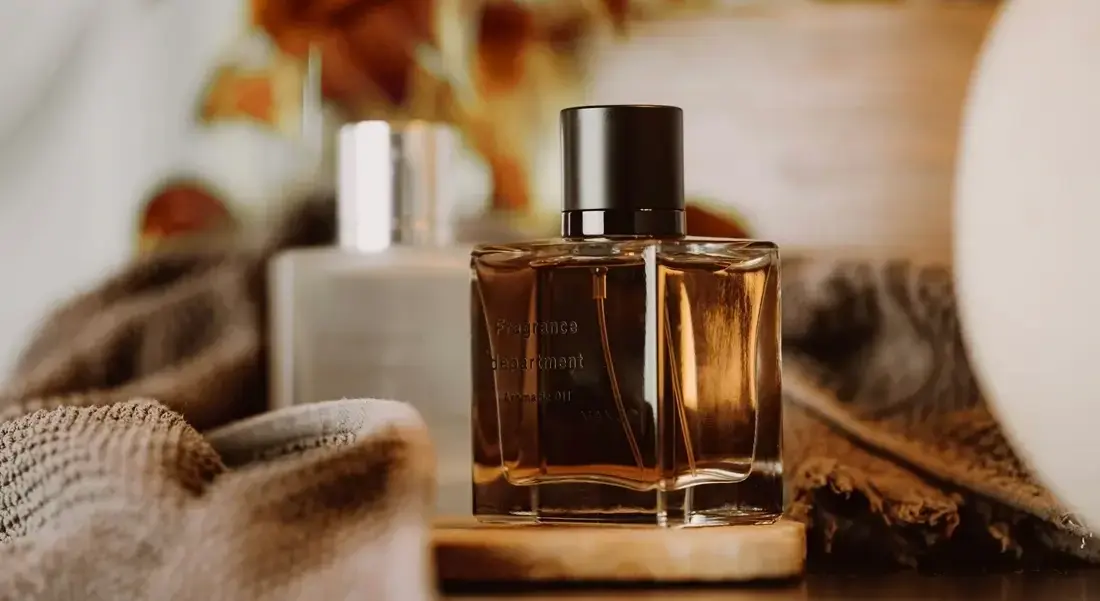
Herz and Schooler showed in 2002 that memories evoked by smell are more emotional than those evoked by other stimuli. Willander and Larsson found in 2006 that they are also older: most came from the first decade of life, whereas memories cued by words and images most often dated from ages 11 to 20.
There is another side to it. Smell evokes fewer memories than words or images do. In a radio interview, Herz also explained that a memory triggered by smell is not more accurate, but more emotional. It is a key that rarely works, but opens the oldest doors.
As for speed, confirmation comes from a study of people with mild Alzheimer’s disease: memories were retrieved faster with a smell than with an image or a word.
Smell Means Nothing Until We Learn It
So why does your coffee lead to that particular kitchen? Because we learn most of what smells mean through experience. Herz showed in 2004 that liking a smell is learned: participants who played a frustrating game alongside a new scent later rated it as more unpleasant. The best-known example is wintergreen, a smell that Americans know from candy and chewing gum and Britons from medicine, particularly from the painkillers of the Second World War. In a British study from 1966, it was rated among the most unpleasant, and in an American one from the late 1970s as the most pleasant.

A new study from December 2025 (106 participants) separates two things: recognizing a smell (“I’ve smelled this before”) and summoning a memory with it. The strongest memories were stirred by smells that people described in a unique way.
When Smell Disappears
Smell is now also being used to try to treat memory. In a 2023 study, 43 older people (aged 60 to 85) were divided into two groups. Members of one group inhaled one of seven scents for two hours every night for six months. Their score on a word-list learning test was 226 percent better than in the control group, with improved functioning in one brain pathway. The sample is small, so confirmation is needed.
The weight of smell is best shown by losing it. People with long-term loss of smell often have symptoms of depression, damaged self-esteem, and a weaker intensity of emotional experience. In a study of 487 patients who lost their sense of smell because of COVID, they rated the importance of smell significantly higher after the loss than before.
Proust’s narrator tried the tea three times, and on the third the feeling had faded. That may be the most accurate observation in the whole novel: a memory that smell brings back doesn’t like to be summoned.