

Matcha: The Powder That Created a Shortage

How a tea from Japanese tea houses became a global phenomenon, why there isn’t enough of it, and how much of the story is marketing.
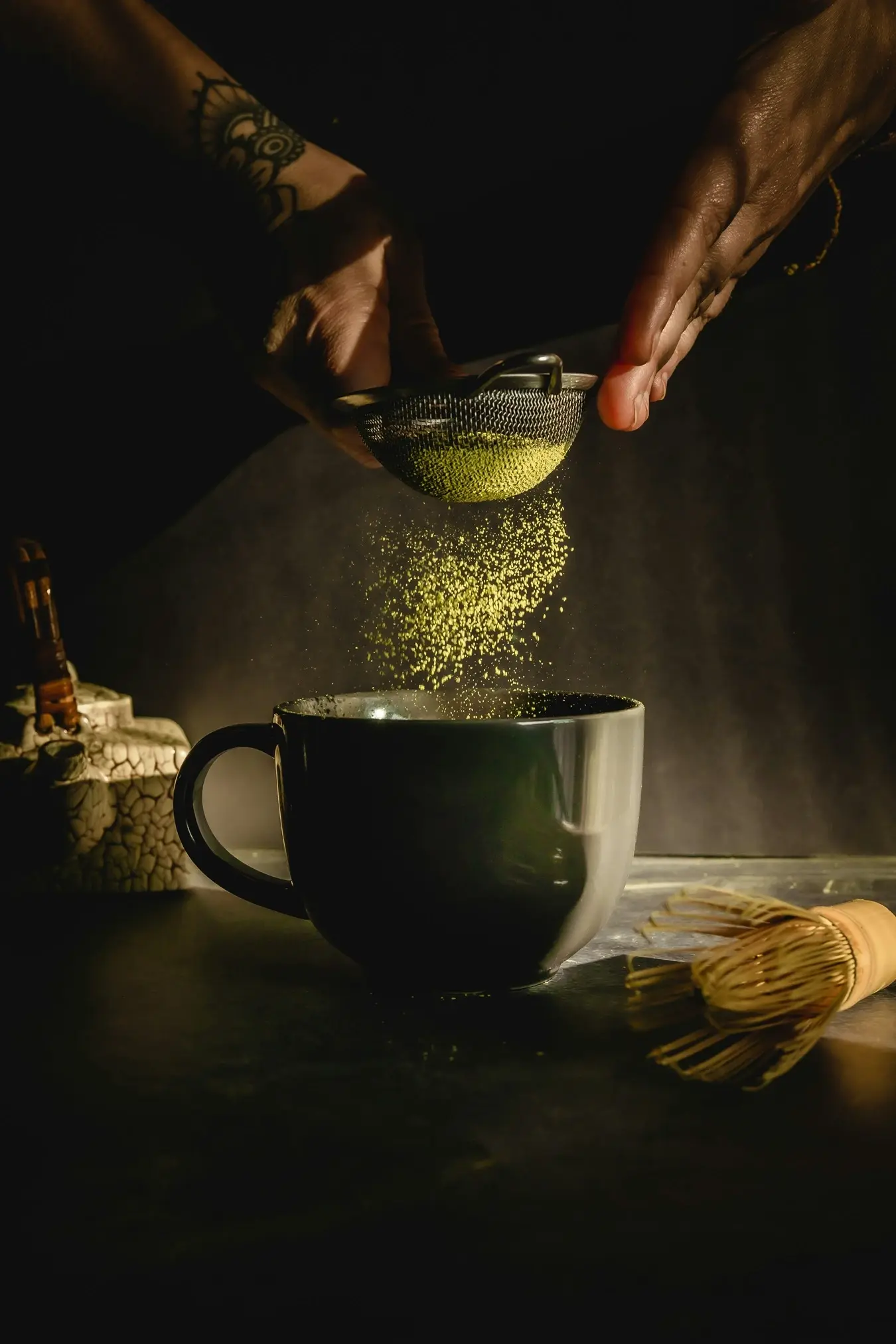
A modern mechanized stone mill grinds matcha at 30 to 40 grams of powder an hour. A kilogram, then, takes 25 to 33 hours of work from a single stone. Keep that figure in mind, because it explains most of what follows.
A Tea Invented in China and Lost in China
Matcha was not invented in Japan. In Song-dynasty China (960–1279), tea was ground to a powder and whisked into foam with a bamboo whisk. The stone mill and the whisk reached Japan around 1250, and by the 16th century they had given rise to the tea ceremony, chanoyu. In China, the powder disappeared in 1391, when the first emperor of the Ming dynasty decreed that only loose-leaf tea would be accepted as tribute. Japan became the only place in the world where matcha was still drunk.
Historians regard the story of the monk Eisai bringing matcha to Japan as legend. Eisai wrote about the health benefits of tea, but the tea he recommended was probably not matcha.
It is made from tencha, the leaves of the tea bush, which are shaded for several weeks before harvest so that they keep their green color and their theanine. Only the youngest leaves are picked, by hand, in spring. They are steamed, dried, stripped of stems and veins, and only then ground. The first harvest is the best. What is picked in spring becomes matcha ready to drink in autumn, when in Japan the new harvest is opened at tea gatherings.
Westerners, however, didn’t care for it. In 1895, the Canadian Katharine Schuyler Baxter wrote that it was a drink as thick as pea soup and not at all palatable. A journalist who covered a ceremony at the 1904 World’s Fair in St. Louis concluded that, without sugar or milk, it was unpleasant to the uninitiated. Today matcha is drunk mostly with sugar and milk.
From Ceremony to Latte
The boom began about ten years ago, and in 2025 it exploded. It was driven by Instagram and TikTok, by big chains such as Starbucks, and by independent cafés around the world. In March 2026, at the World Baseball Classic, players on Japan’s national team celebrated with a gesture of whisking matcha, and the video went around the world. On April 1 of the same year, Heinz UK “announced” a matcha mayonnaise. It was an April Fools’ joke, but the kind that only works when a trend is already everywhere.
And what is actually being sold? The label “ceremonial grade,” which appears on nearly every expensive tin, is not a Japanese standard. The historian Rebecca Corbett of the University of Southern California writes, in a peer-reviewed article from September 2026, that it is a relatively recent, made-up marketing term. There is no global body that oversees quality labels for matcha, and the American FDA does not regulate them either, so anyone can put the label on anything. A 2025 study in the Journal of Food Measurement & Characterization concluded that culinary-grade matcha is an economical choice for those who want the highest levels of phenolic compounds, flavonoids, and catechins (what was measured was composition, not taste).
The confusion goes further. “Blue matcha” is a powder made from butterfly pea flowers, which is not tea at all, and “ceremonial hojicha” is also on sale, even though hojicha is a roasted tea, not tencha. According to the Global Japanese Tea Association, there have also been cases of Chinese leaves being sold as “Uji matcha.” That is why, in May 2026, the International Matcha Association (IMA) and 38 Japanese trading houses issued a joint statement on the integrity of the market, followed in June by basic guidelines on labeling and classification.
A record number of foreign tourists (36.9 million in 2024) also brought “Japan hauls”: suitcases full of matcha carried home. Marukyu Koyamaen warned customers not to order for resale.
The Stone Can’t Go Faster
Tencha makes up a small part of Japan’s tea production. Output was 5,336 tons in 2024, nearly 2.7 times more than ten years earlier, but demand has grown faster. Expansion is not simple. Shading requires steel or bamboo structures, and dryers and other equipment require investments of tens of millions of yen. A new tea field takes about five years to reach full harvest, and tencha is harvested once a year. The agriculture ministry offers growers machinery, special soil, assistance and advice, but many, according to the Associated Press, are reluctant to switch for fear the trend will pass.
Tea growers are aging: Japan’s total tea production in 2025 was 75,100 tons, a quarter less than twenty years ago. Kyoto, which supplies about a quarter of Japan’s tencha, was hit in 2024 by record heat waves, and the 2025 harvest was weaker.
The Numbers
Japan’s exports of green tea exceeded 10,000 tons in 2025 for the first time in 71 years. In fiscal 2025 (through March 2026), they reached 13,125 tons, 42 percent more, while their value more than doubled, to 84.7 billion yen. About 70 percent of the volume is powdered tea, and the biggest buyer is the United States, with more than 30 percent of exports.
Prices followed exports. At the Kyoto auction in May 2025, the average was 8,235 yen per kilogram of tencha, 170 percent more than a year earlier and well above the previous record of 4,862 yen from 2016. A year later, that record fell too: in May 2026 the average was 13,972 yen, about 1.7 times higher. The Uji market ended the season with a record 595 tons of tencha, the most since the market opened in 1974, and with an average price for machine-harvested tencha of 17,250 yen per kilogram, the highest since records began in 1996.
Companies felt it first. In October 2024, Marukyu Koyamaen announced that demand had exceeded production capacity and imposed quantity limits on all matcha products, warning of a possible sellout before the next harvest. Ippodo, at the same time, limited or pulled part of its range. American tariffs of 15 percent on Japanese imports pushed prices up further.
There is also an unintended consequence. As fields are switched to tencha, production of gyokuro, sencha and kabusecha falls, and according to the Yomiuri, their prices have risen from 30 percent to more than double, while wholesalers in Kyoto fear that people will turn away from tea altogether.
A bowl of thin tea (usucha) takes about two grams of matcha, which means three to four minutes of work for a single stone. That is why this phenomenon may be the only one among today’s trends that cannot be sped up.
Related articles
Salt: The Only Rock Humans Eat
Of all the minerals on the planet - and there are thousands, from quartz to diamond - only one does a human deliberately put directly into their mouth every day, in enormous quantities. Salt, chemically halite, is the only rock that isn't a decoration, a tool, or a building material, but an ingredient.
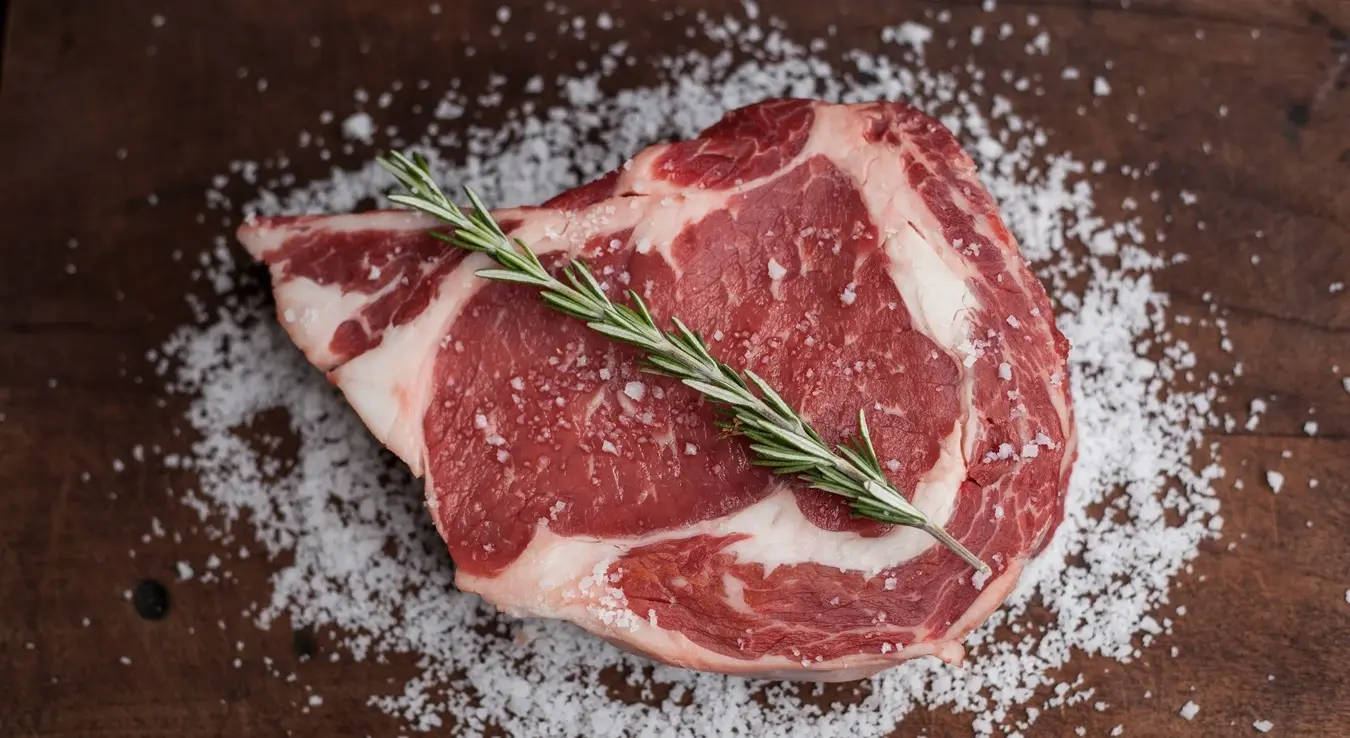
Steak: What Actually Makes the Perfect Steak
Steak is often presented as one of the simplest dishes to prepare: a quality cut of beef, salt, high heat, and a few minutes on the grill or in the pan. In practice, however, the dish's simplicity leaves little room for error. There is nowhere to hide behind a sauce, marinade or elaborate side dish. The quality of the meat, the cut you choose, and the cooking technique directly determine the final result.
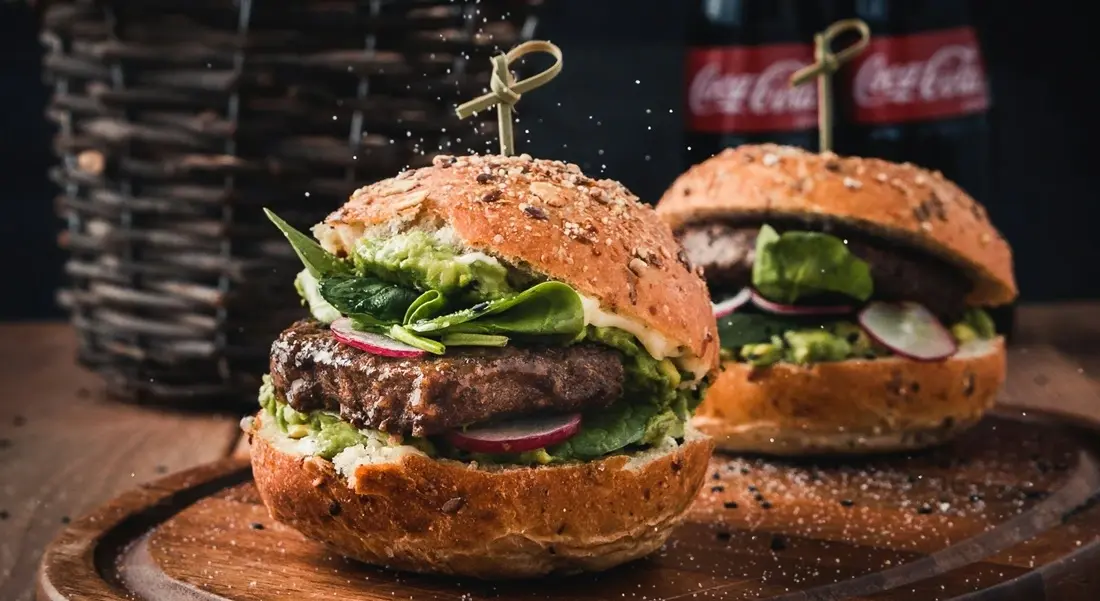
The Burger: A History of the Sandwich Nobody Invented and Everybody Perfected
At the 1904 World's Fair in St. Louis, among pavilions promising the future - automobiles, electric lighting, iced tea served cold for the first time - one stand offered something far humbler: ground meat between two pieces of bread. None of the visitors that day could have guessed that this modest sandwich, not the cars or the electricity, would become one of the defining symbols of the century that followed.
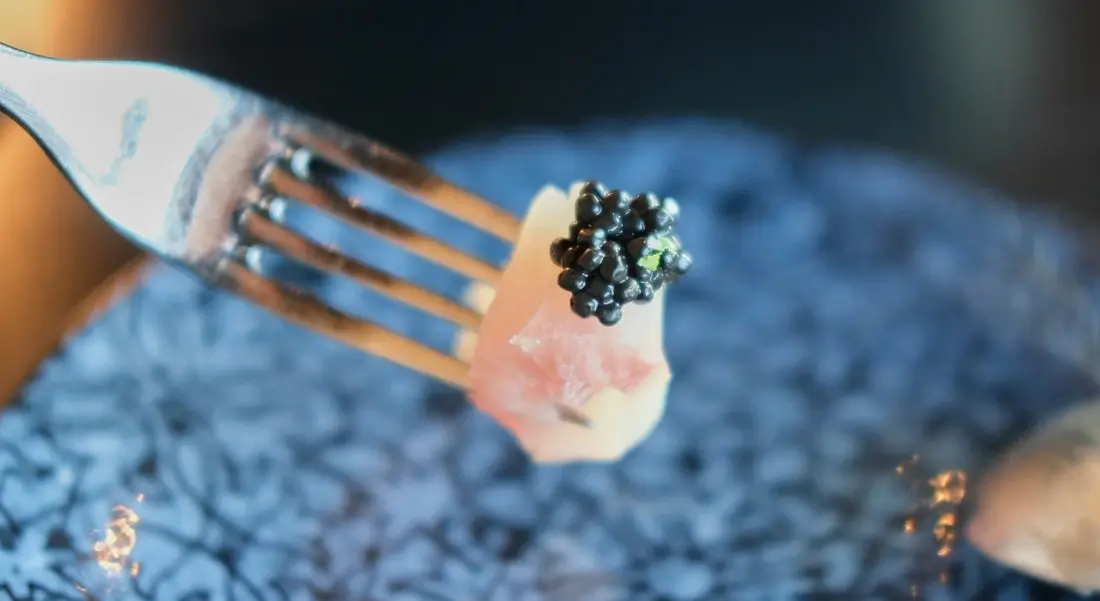
The History of Caviar: How Food for the Poor Became the World's Most Expensive Delicacy
Today, it is almost impossible to imagine a gala dinner, a luxury hotel, or a private yacht without a small tin filled with shimmering black or golden pearls worth more than many fine watches or works of art. Yet the history of caviar is anything but a story of aristocracy.