

Steak: What Actually Makes the Perfect Steak
![[object Object]](https://api.hedonistmagazine.net/storage/images/2026/09/d480d68c-37a3-443d-8211-2a07056fbc65.webp)
Steak is often presented as one of the simplest dishes to prepare: a quality cut of beef, salt, high heat, and a few minutes on the grill or in the pan. In practice, however, the dish's simplicity leaves little room for error. There is nowhere to hide behind a sauce, marinade or elaborate side dish. The quality of the meat, the cut you choose, and the cooking technique directly determine the final result.
That is why a good steak does not begin in the pan. It begins at the butcher’s counter, with choosing the right cut. Ribeye, sirloin, filet, and T-bone each have different structure, fat content, and character, so choosing between them isn't simply a matter of price or personal preference. It also depends on the kind of result you want on the plate.
Ribeye, Sirloin, Filet or T-Bone?
Ribeye is one of the most highly regarded cuts for steak precisely because of its pronounced marbling. It comes from the rib section, where characteristic deposits of intramuscular fat run through the muscle. During cooking, that fat renders and contributes to the steak’s juiciness and depth of flavor. Ribeye is therefore particularly well suited to those who prefer a richer, more intensely flavored steak.
Sirloin is leaner and firmer than ribeye, but a quality sirloin can offer a pronounced beef flavor and excellent juiciness. Its strength lies in the balance between texture and fat content, making it a classic choice for those who want a steak with a clear beef character without an overly rich, fatty profile.
Filet, or tenderloin, represents almost the opposite approach to ribeye. Its defining quality is exceptional tenderness, while its level of intramuscular fat is relatively low. As a result, filet has a finer, more delicate texture, but generally lacks the intensity of flavor associated with a well-marbled ribeye. Its high price is primarily a reflection of its tenderness and the limited quantity of this cut available from each animal.
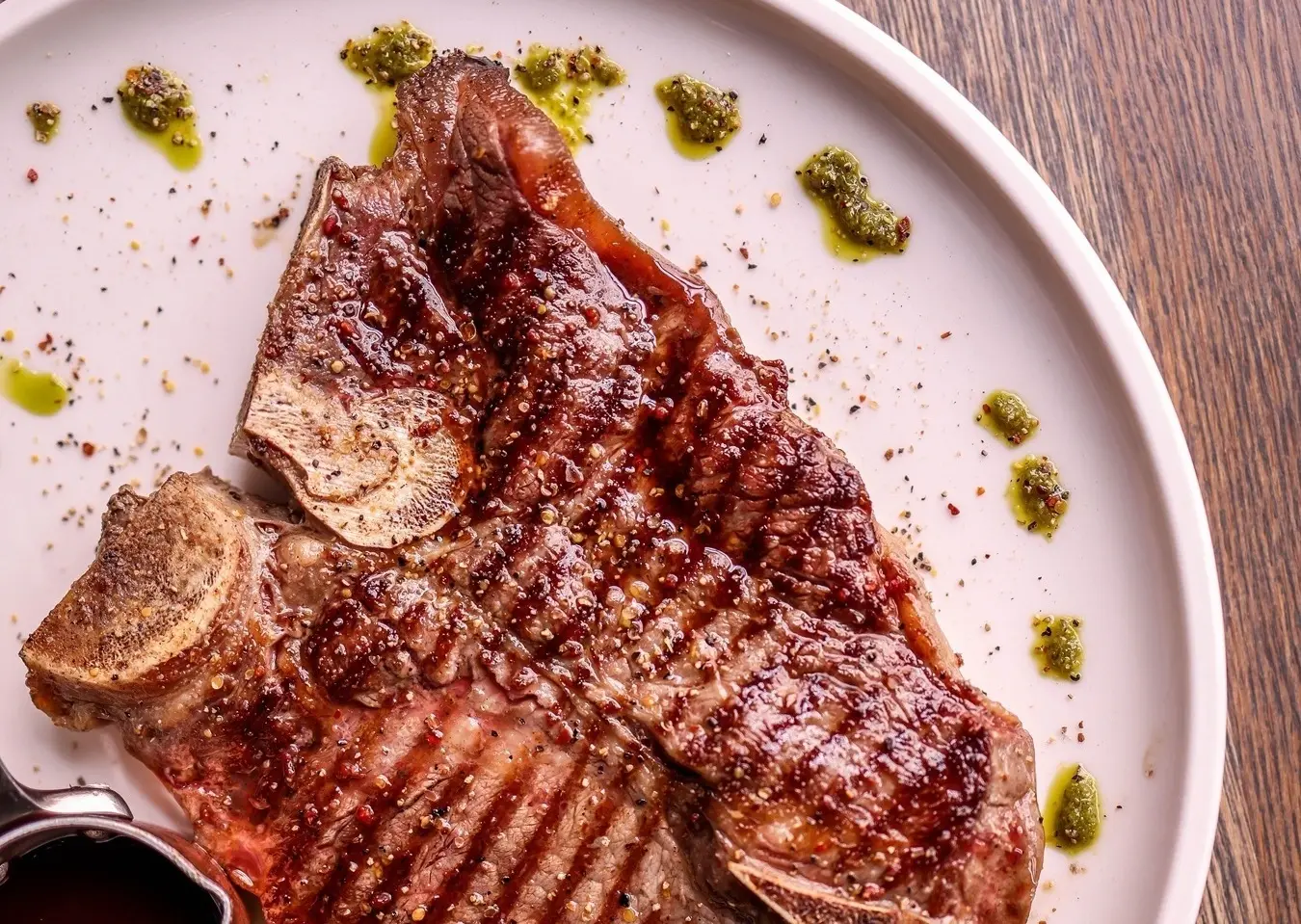
T-bone is distinctive because it combines two different cuts in a single steak. The T-shaped bone separates the strip steak from a smaller portion of tenderloin. The result is two different textures and levels of flavor on the same plate. T-bone requires somewhat more attention during cooking because the two sections do not behave in the same way under high heat.
Marbling Matters More Than It May Seem
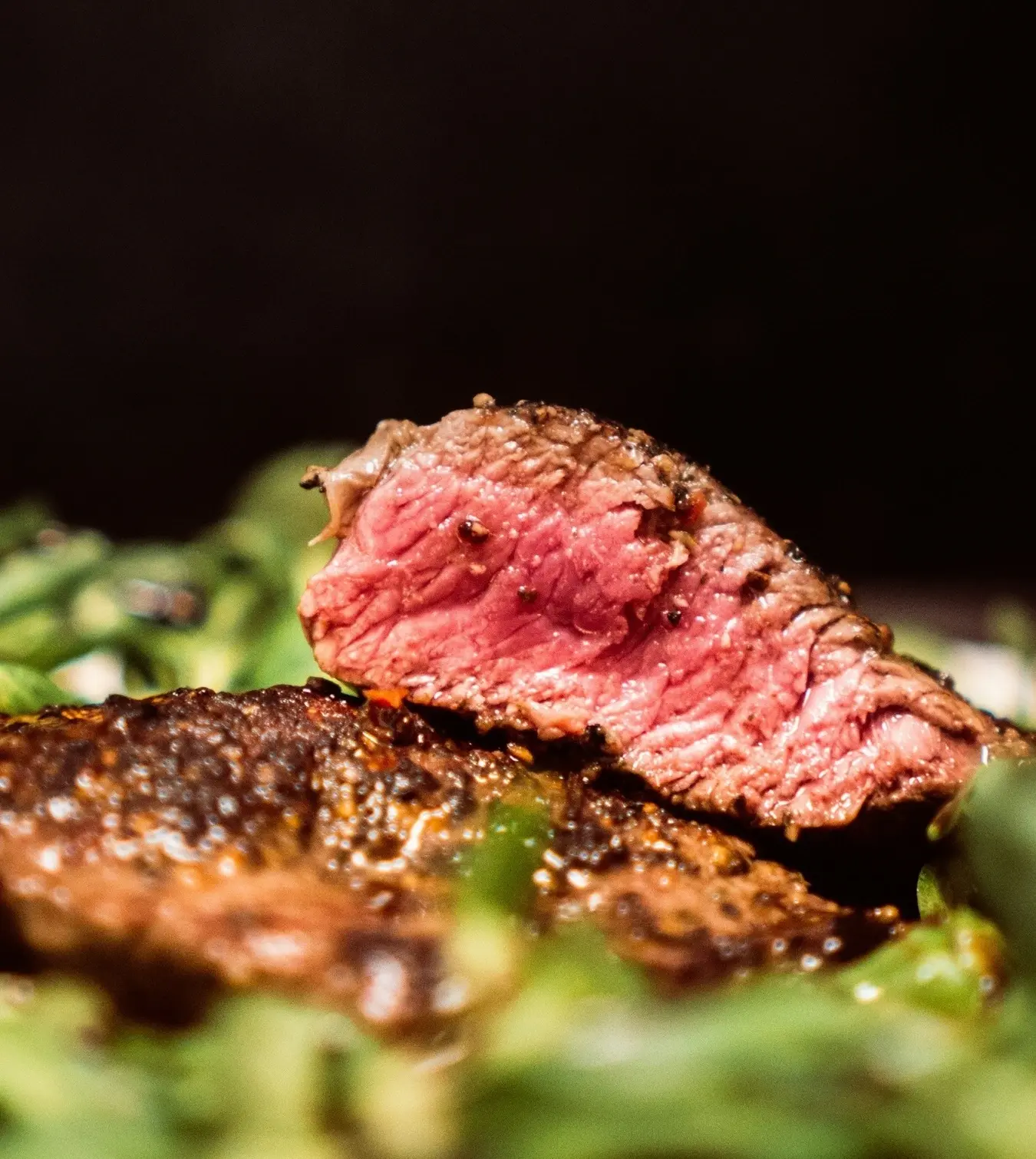
One of the key indicators of steak quality is marbling - the amount of fat distributed within the muscle tissue. Unlike the layer of fat found on the outside of the meat, intramuscular fat affects the steak’s juiciness, texture, and flavor as it cooks.
That does not mean that the steak with the highest amount of fat is automatically the best. Meat that is excessively lean can become dry and tough, while too much fat can dominate the dish. The goal is to find a balance appropriate to the particular cut and cooking method. More pronounced marbling is naturally associated with ribeye, while filet is expected to have an entirely different profile.
It is also important to distinguish the quality of the marbling from its mere presence. Fine, evenly distributed streaks of intramuscular fat are generally more desirable than large, irregular deposits. This is why marbling is considered one element of an overall assessment of beef quality, alongside factors such as origin, breed, diet and farming practices.
Aging Changes the Meat
After slaughter, meat undergoes natural biochemical processes that affect its structure and texture. Controlled aging allows these processes to take place under conditions designed to improve certain characteristics of the meat.
With dry aging, the meat is stored under carefully controlled conditions of temperature and humidity. The loss of some moisture concentrates its flavor, while enzymatic processes contribute to tenderization. Longer aging can produce more pronounced flavors, often described as nutty, buttery or intensely savory.
Wet aging, by contrast, takes place in vacuum-sealed packaging. The meat retains more of its moisture and does not develop the same intensity of flavor associated with dry aging, but enzymatic processes still contribute to tenderization.
That is why the word “aged” alone does not tell you enough. It is important to know how the meat was aged, for how long and under what conditions. A dry-aged steak and a vacuum-aged steak may come from the same cut of beef, but they can deliver distinctly different experiences on the plate.
Preparation Begins Before the Heat
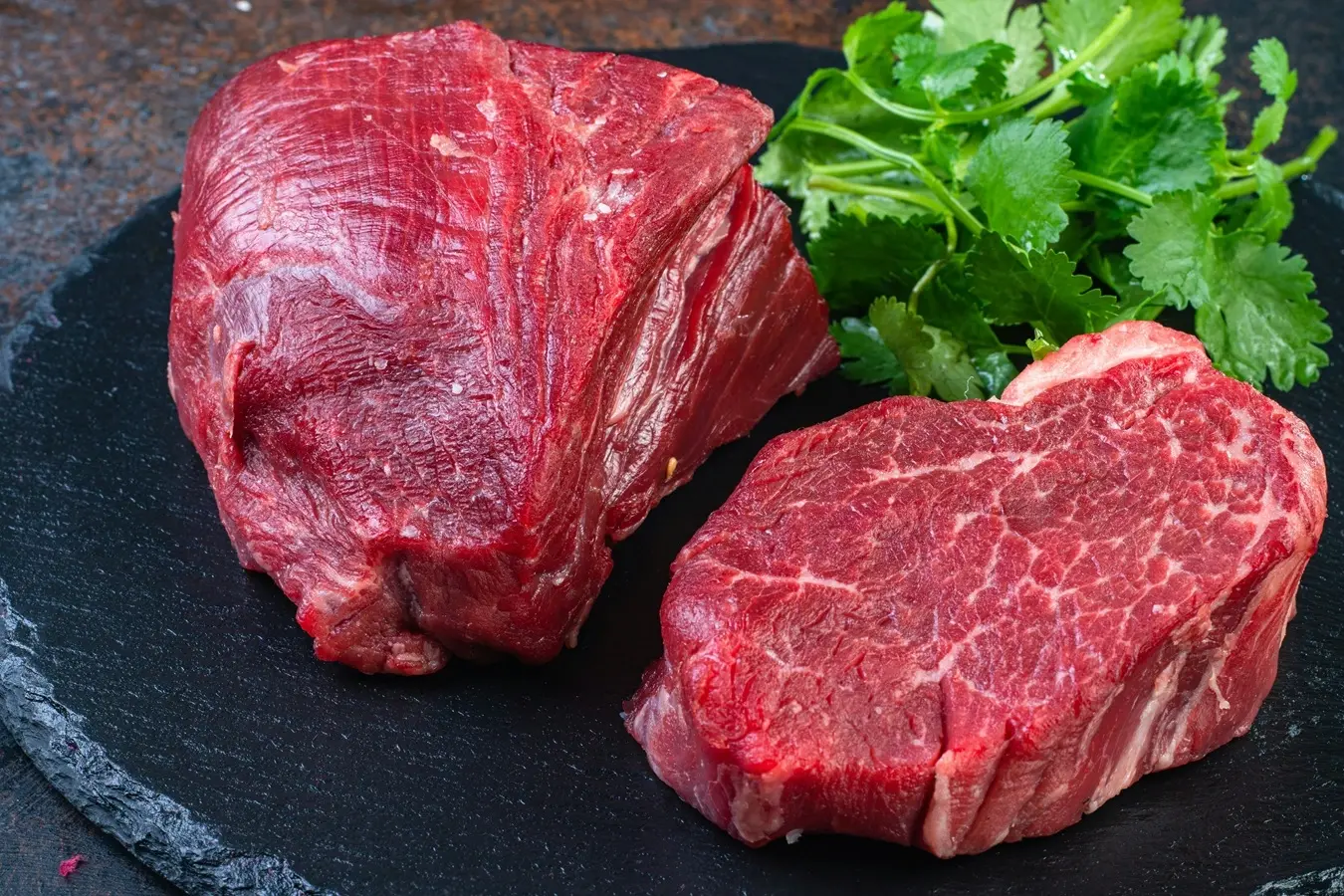
Even an exceptional cut of meat can be poorly prepared. First, the steak should be removed from its packaging and its surface thoroughly dried. Any moisture on the surface must evaporate before the meat can develop a deeply browned crust.
The cooking surface needs to be very hot. Whether using a quality cast-iron skillet, steel pan or grill, the objective is to create a strong reaction between the surface of the meat and the heat source. This is where complex aromas develop and the characteristic brown crust forms, distinguishing a properly seared steak from a piece of meat that has simply been cooked through.
Problems arise when the cooking surface is not hot enough or when too much meat is placed in the pan at once. The temperature then drops sharply, the meat begins releasing moisture, and instead of intense searing, it starts heating more slowly and cooking in its own juices.
The Crust Is More Than Just Appearance
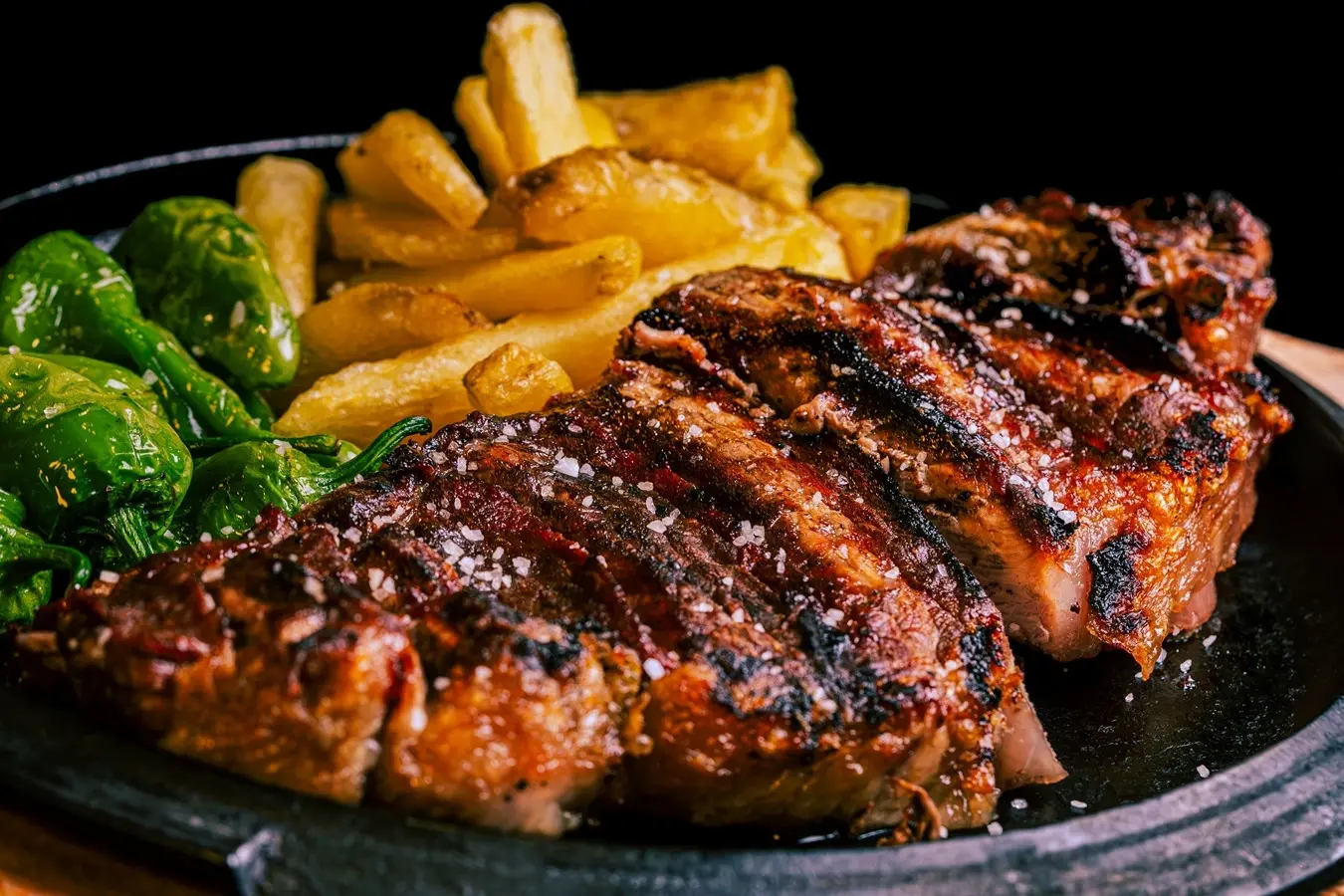
A well-developed crust is one of the defining characteristics of a quality steak. It requires high heat and a sufficiently dry surface. Chemical reactions take place on the surface of the meat, most importantly the Maillard reaction, producing hundreds of new aromatic compounds.
For that reason, there is no need to constantly turn a steak out of fear of ruining the crust. What matters more is controlling the temperature and total cooking time. The steak must also have enough contact with the hot metal or grill grates to develop a proper sear.
With thicker cuts, another challenge appears: the crust can develop long before the center reaches the desired temperature. The cooking technique therefore needs to be adapted to the thickness of the meat. This is why high-end steak restaurants often combine an intense initial sear with controlled finishing in the oven or over indirect heat.
Salt Should Enhance the Meat, Not Cover It
Seasoning a steak is relatively simple. Quality beef generally does not require a marinade or a long list of spices. Salt is the most important addition because it enhances the meat’s natural flavors and affects the way its texture is perceived.
The timing of salting can depend on the cooking technique. If a steak is salted immediately before cooking, most of the salt remains on the surface. If it is salted earlier and given sufficient time, the salt can gradually penetrate deeper into the meat. With thicker cuts, this approach can be useful because the seasoning is not limited to the outer layer.
Black pepper is a matter of preference, but at very high temperatures it can burn. For that reason, many cooks add it after searing or toward the end of the cooking process.
Butter Comes Last
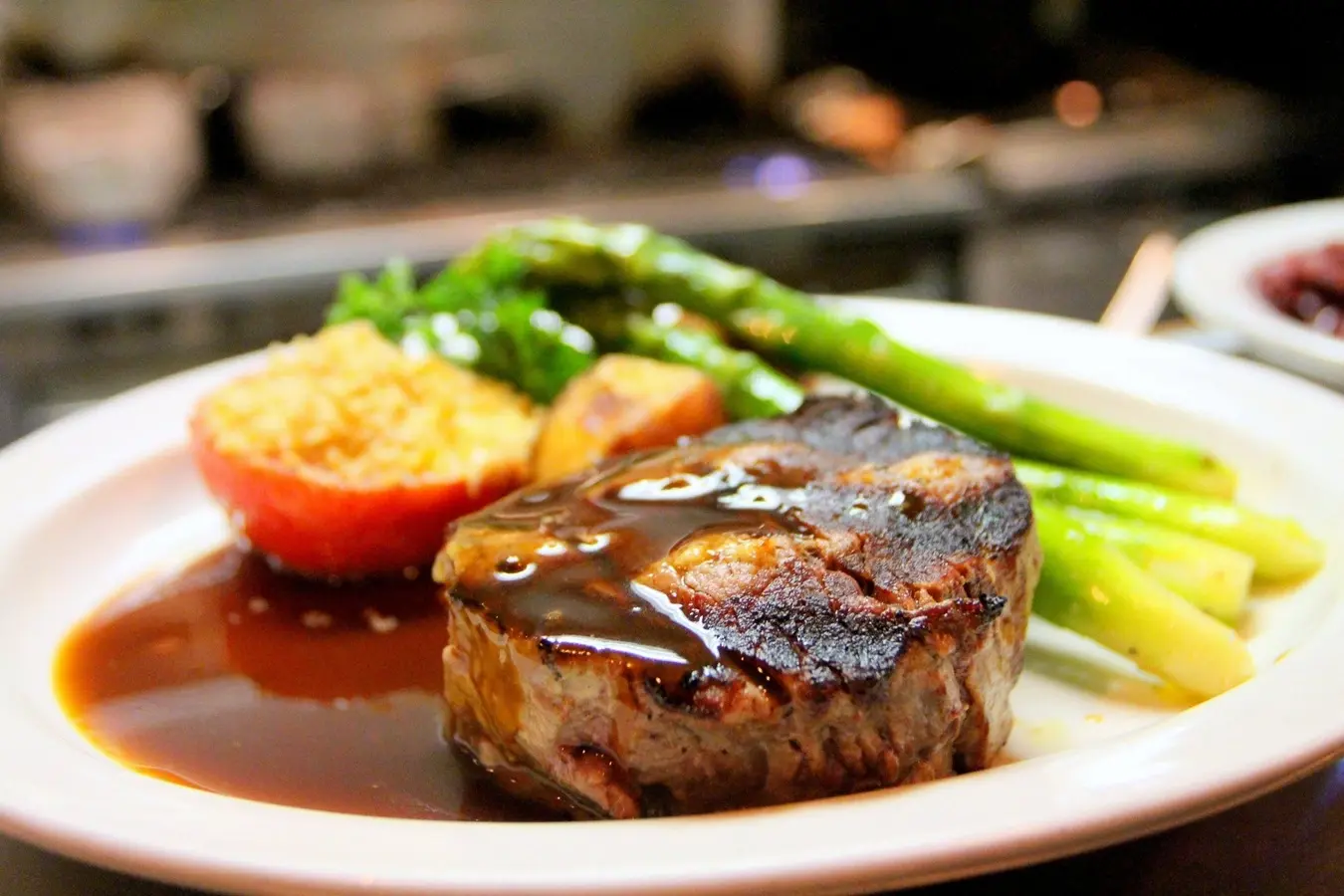
Butter is a common addition when cooking steak in a pan, but its purpose should not be to disguise the meat. Added toward the end of cooking, together with garlic and herbs, it can be used to finish the steak with additional aroma.
Timing is crucial. If butter is added too early at a very high temperature, it can burn quickly. It is therefore usually added once the steak has already developed the desired crust, allowing the heat to be reduced enough for the butter to be used for brief basting and final aromatization.
With high-quality beef, restraint is important. If the sauce, butter, and seasonings become the dominant elements of the dish, the very qualities that justified choosing a premium cut of beef can be lost.
Temperature Determines the Final Result
A steak should be cooked according to its internal temperature rather than simply by the clock. Two steaks of the same weight may require different cooking times because of differences in thickness, starting temperature, shape and heat intensity.
That is why a kitchen thermometer is one of the most useful tools for preparing steak. It allows you to monitor the internal temperature and reduces the risk of ending up with a beautifully seared exterior while the center is either undercooked or overcooked.
It is important to distinguish culinary preferences from food-safety recommendations. Levels such as rare, medium-rare, medium, and well-done describe different degrees of cooking, while food-safety recommendations have their own criteria. The U.S. Department of Agriculture recommends that whole cuts of beef reach a minimum internal temperature of 62.8°C (145°F), followed by at least three minutes of rest.
For home cooking, therefore, saying that a steak should be “cooked for five minutes on each side” is far less precise than referring to its internal temperature.
Resting Is Part of the Cooking Process
A steak should not be sliced immediately after coming off the heat. A short resting period allows the temperature inside the meat to stabilize and helps prevent the juices from being released immediately when the steak is cut.
The appropriate resting time depends on the size of the cut, but a few minutes is common practice. Very thick steaks will generally benefit from a longer rest than thin cuts.
Resting is not a way to rescue an overcooked steak. If the meat has been cooked beyond the desired level, resting cannot reverse that. Its purpose is to allow a properly cooked steak to settle before it is served.
So, What Does a Truly Great Steak Look Like?
When all the elements are considered, the perfect steak is not the result of a single trick. It is the sum of a series of decisions that begin with selecting the meat and end with the way it is served.
Ribeye offers a different experience from filet. A well-marbled cut will behave differently from an exceptionally lean one. Dry-aged beef will have a different character from wet-aged beef. A steak cooked over insufficient heat will not develop the same crust as one exposed to a properly heated surface. And precise control of internal temperature will make a greater difference than another spoonful of sauce.
The quality of a steak, therefore, cannot be reduced to a single characteristic. A good cut of meat requires the right technique, and the right technique means little without good meat.
Ultimately, the choice comes down to personal taste. Those looking for a richer, more intensely flavored steak may gravitate toward ribeye. Those who value tenderness may prefer filet. Sirloin offers pronounced beef flavor with less fat, while T-bone combines two distinct textures in a single cut.
That is precisely what makes steak so compelling: there is no single cut that is best for everyone, but there is a right way to bring out what makes each quality cut worth choosing.