sport

Tijana Bošković for HEDONIST: I Always Take the Opportunity to Say Who I Am and Where I Come From
When Tijana Bošković put away her 33rd point in the Champions League final at Istanbul's Ülker Arena on May 3, 2026, she was really finishing a job she'd been working on for years. VakıfBank beat Eczacıbaşı 3–1 (25–20, 25–21, 21–25, 25–18) to claim a record seventh European title, and along with her first Champions League trophy, she took home the awards for Most Valuable Player and Best Opposite of the Final Four.
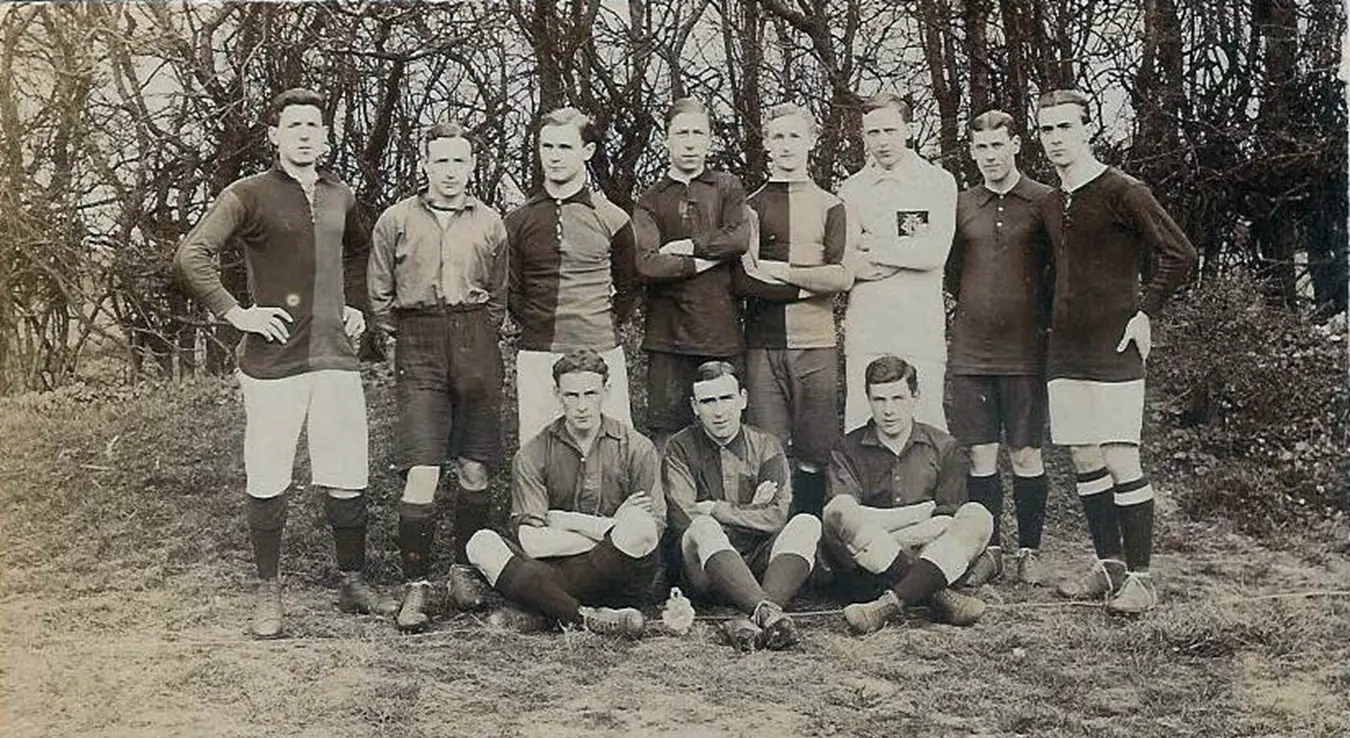
The Club That Invented Football and Stayed in the Seventh Tier
The club that wrote football's first rulebook holds its meetings in a pub today. Not as a figure of speech - Sheffield FC's headquarters really is the Coach and Horses, an ordinary pub in Dronfield, and the club currently plays in the seventh tier of English football, in front of crowds that rarely top a few hundred people.
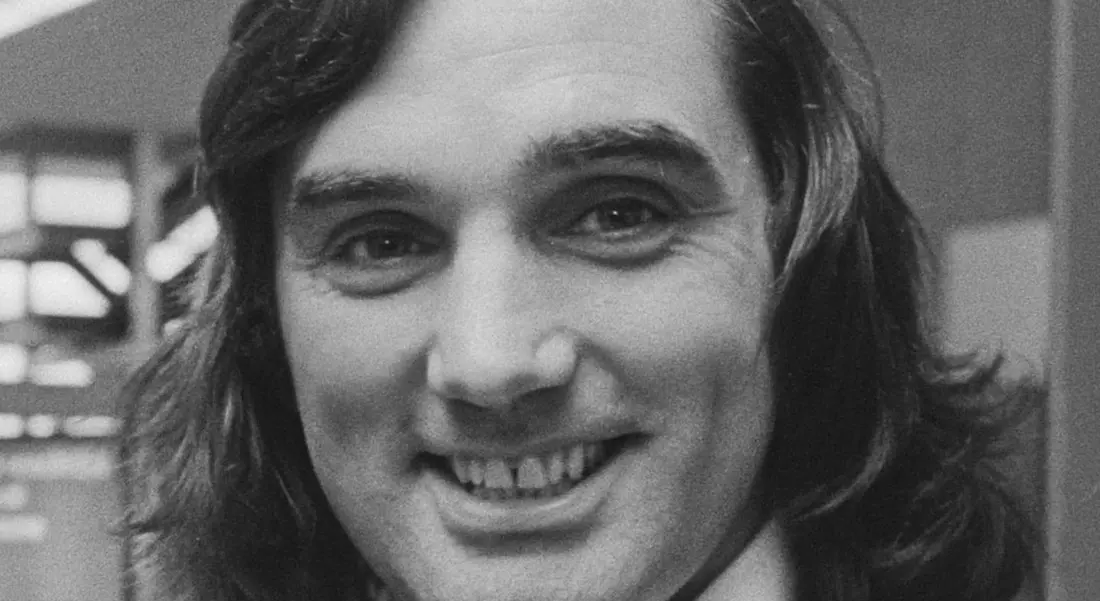
George Best: The First Footballer Who Became a Rock Star
At a time when footballers were known almost entirely for what they did on the pitch, George Best started drawing attention long after the final whistle. He had a film star's face, a haircut that echoed the Beatles, wore sharply tailored suits, Chelsea boots, and clothes that belonged more to a London club than a football dressing room.
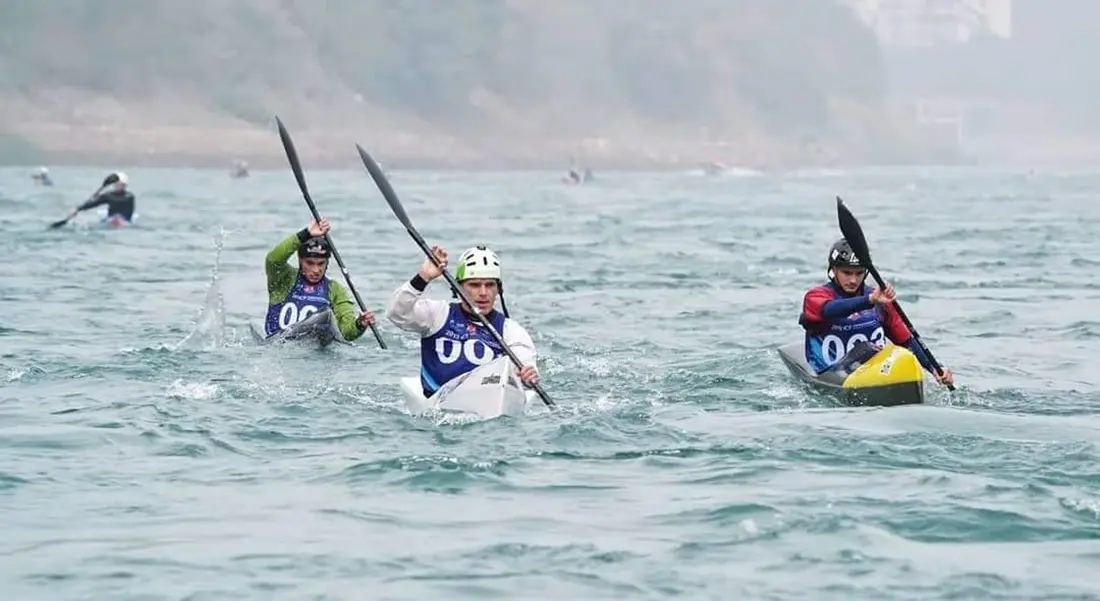
The Guardians of the Vrbas: Eight Decades of Shaping Banja Luka's Story
The Kayak Canoe Club Vrbas has been part of Banja Luka's identity for so long that its history predates many of the city's most recognizable landmarks. Founded in 1947, it predates the iconic Boska department store by more than three decades, the Borik Sports Hall by twenty-six years, the Fallen Krajina Soldiers Monument by fourteen, and even Miro Janjanin's beloved song This Is My City by nearly half a century.
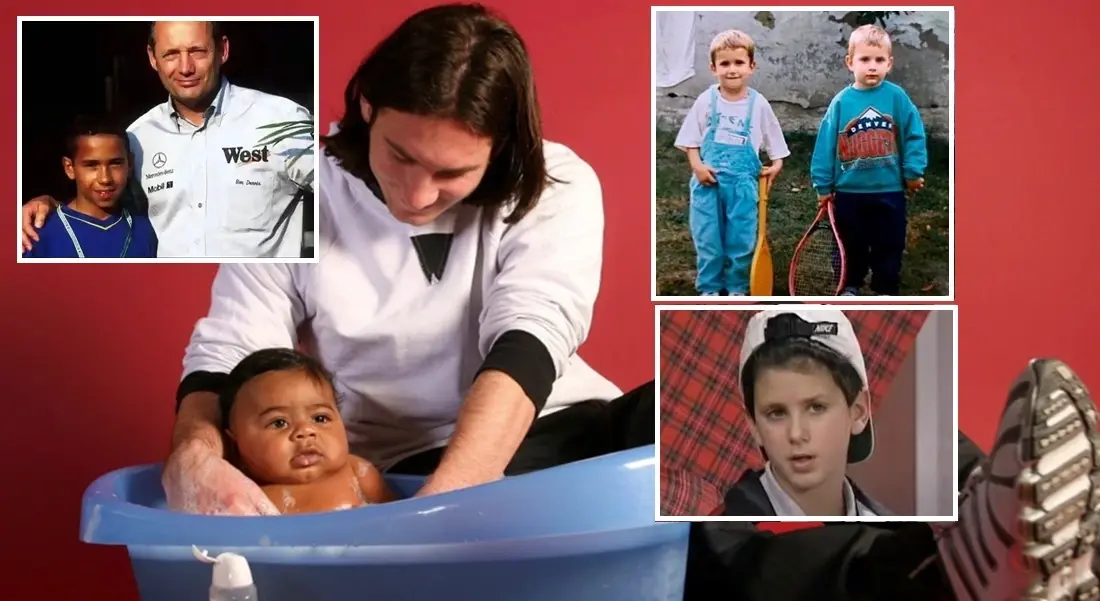
When Fate Writes the Script: Four Sports Stories That Feel Like They Were Directed by Hollywood
Some sporting stories are written on the field. They are decided by a single goal, a split second, or one decisive point. Others, far rarer, seem to have been written long before the opening whistle ever blew.
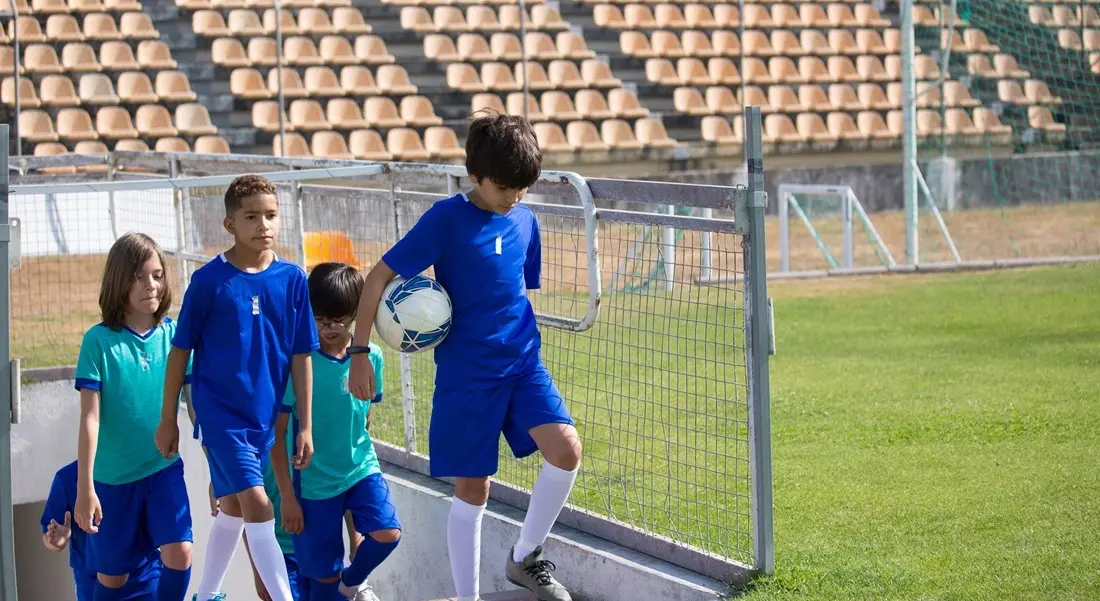
What Influences Young Children When Choosing a Sport?
When was the last time you saw a meadow filled with children making up their own rules for a game of football? Nearby, a group of girls claims part of the field for volleyball, while others play hopscotch on a patch of asphalt. For generations of parents, this was a familiar childhood scene. Today, however, times have changed.
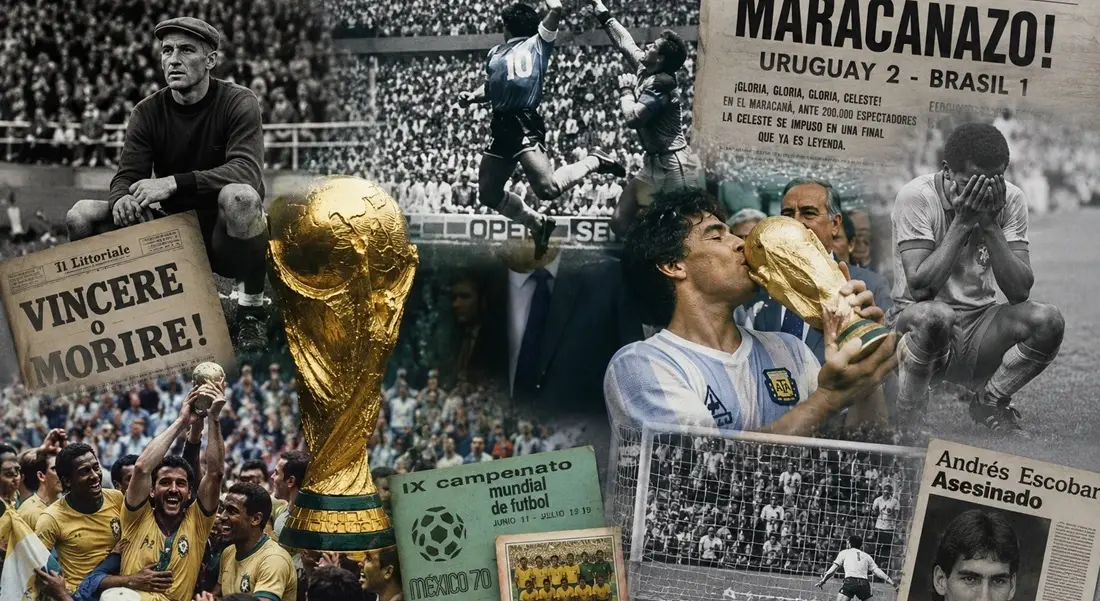
This Is the World Cup Too: Stories More Incredible Than Football Itself
Behind the goals, trophies and legendary champions lie stories that have shaped the history of the FIFA World Cup just as profoundly as the matches themselves. From political pressure and controversial decisions to human tragedies, collecting crazes and moments that became part of popular culture, these are the stories that prove the World Cup has always been much more than a football tournament.
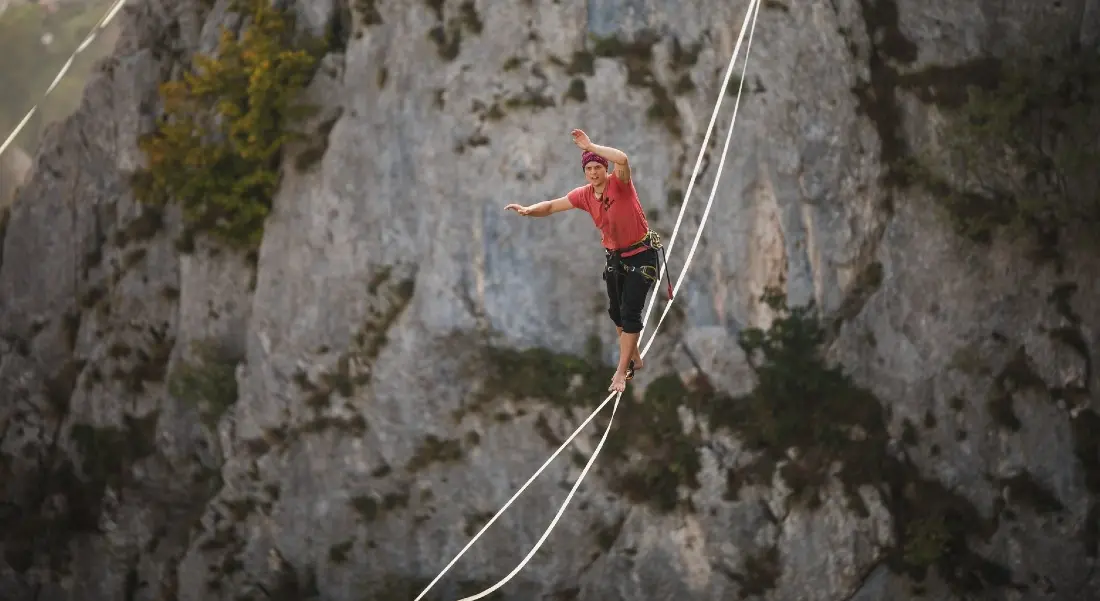
Banja Luka, You Don’t Expect: A City of Unusual Sports
Banja Luka is football. Banja Luka is a handball. Banja Luka is involved in boxing and basketball, too. But Banja Luka is also home to lesser-known and unusual sports such as fencing, sport climbing, and Chinese martial arts - the discipline the world first came to know through Bruce Lee as kung fu.
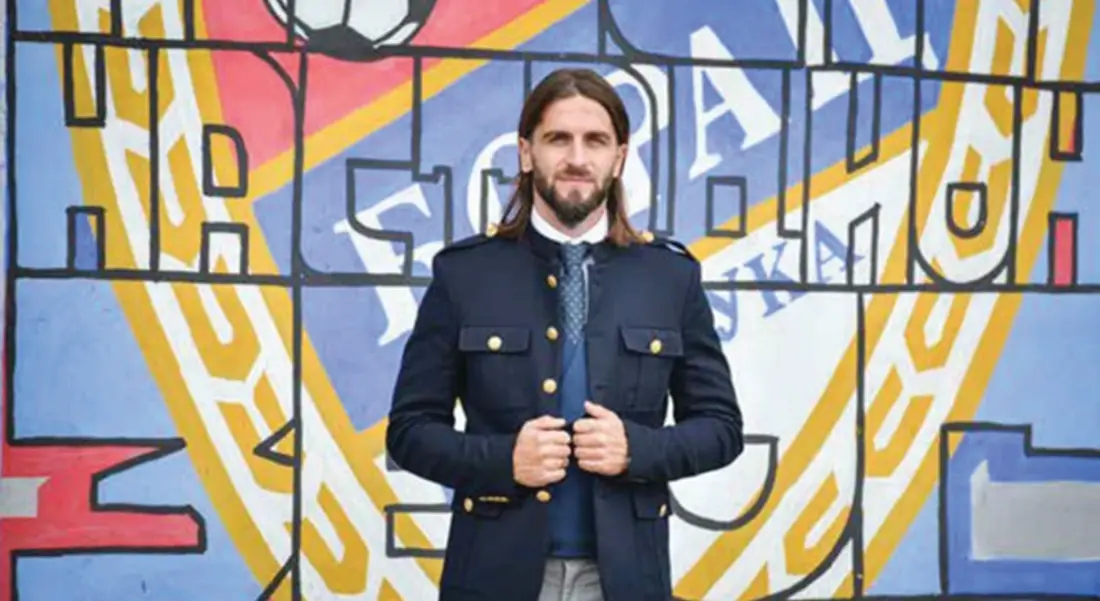
Stojan Vranješ for HEDONIST: Goals Are My Fuel
The English often say that goals are like double-decker buses - you wait and wait, and then several arrive at once. Few understand that better than Stojan Vranješ, who recently made his 300th appearance for FK Borac Banja Luka. One of the most decorated footballers ever to come from the city on the Vrbas River, Vranješ won four Bosnian Premier League titles with the red-and-blue side.
Why Novak Doesn’t Need Applause
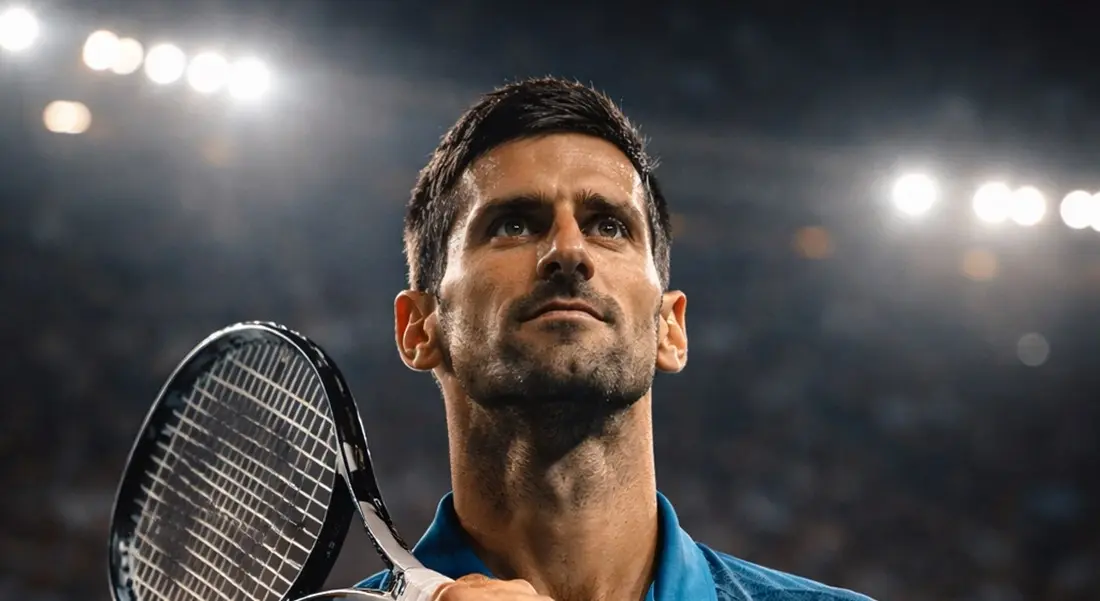
Some athletes grow on applause. And then there are those rare ones who do not depend on it. Novak Djokovic belongs to that second, almost forgotten kind, the kind that no longer seeks validation from the outside because it has long since found balance within.
Gone with the Wind: Has Sport Lost Its Soul?
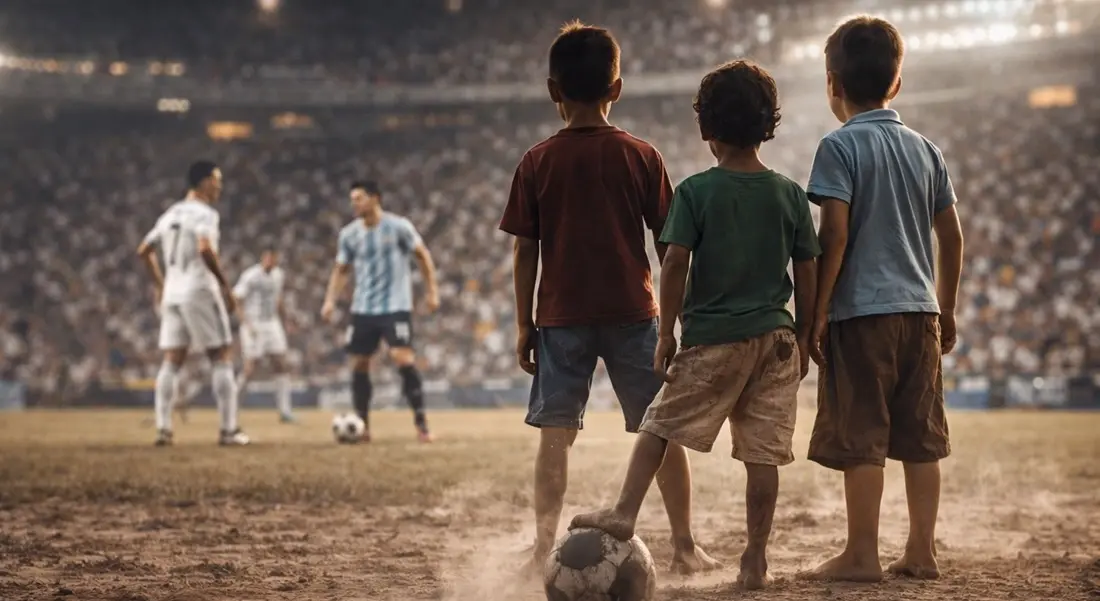
At the end of the promenade, near Ciglana and Vitanova Bara, right by the large bend where the Danube forms whirlpools capable of spinning the boats of careless fishermen for hours, lies Ledine. It is a meadow where a small-sided football tournament is held every sunny Sunday, and where, every other day, rain or shine, muddy kids from the surrounding alleyways chase a ball day and night.