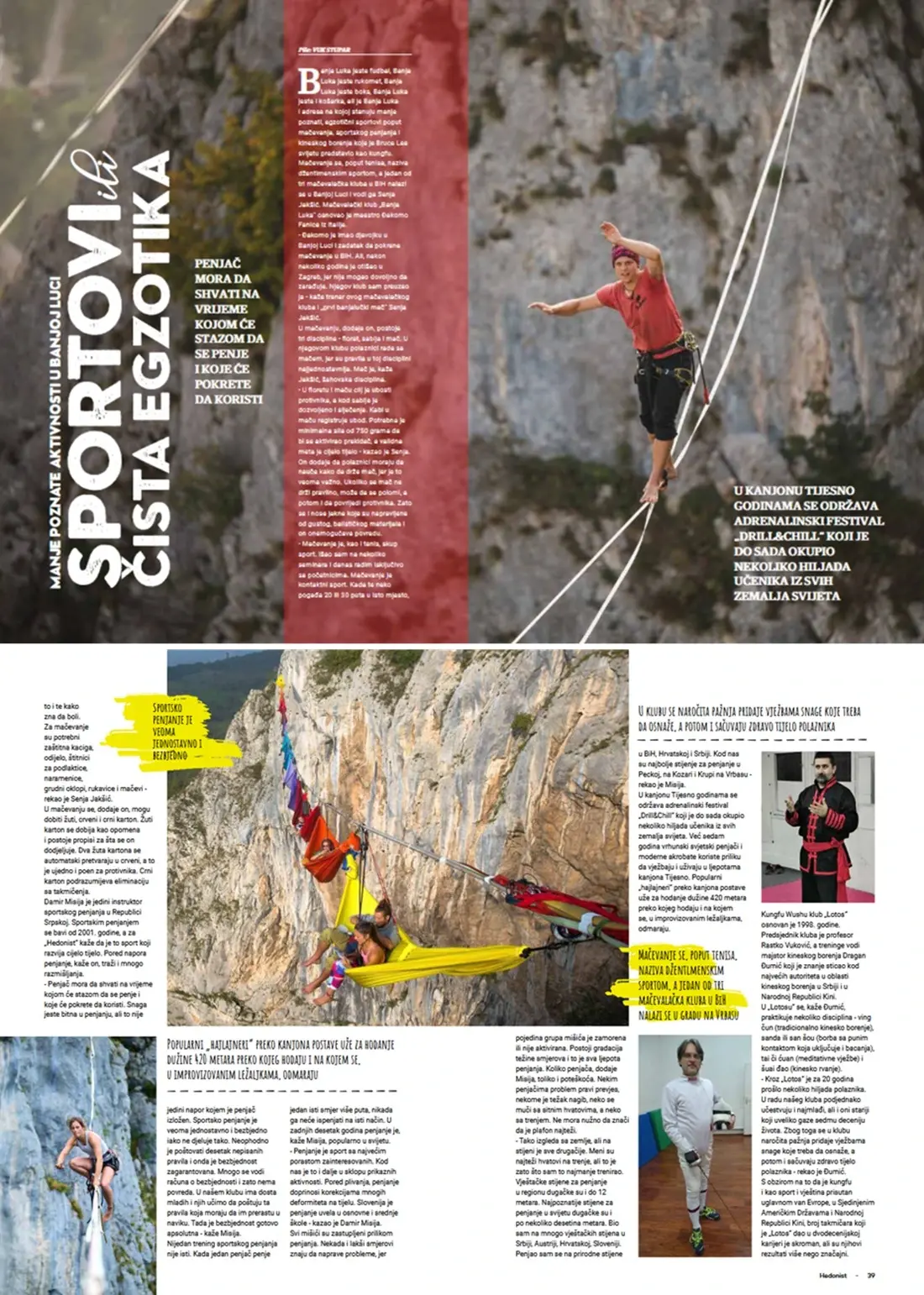
Banja Luka, You Don’t Expect: A City of Unusual Sports

![[object Object]](https://api.hedonistmagazine.net/storage/images/2026/05/771dfbf4-3a14-451c-9edf-80bcb4f683e2.webp)
Banja Luka is football. Banja Luka is a handball. Banja Luka is involved in boxing and basketball, too. But Banja Luka is also home to lesser-known and unusual sports such as fencing, sport climbing, and Chinese martial arts - the discipline the world first came to know through Bruce Lee as kung fu.
Fencing, much like tennis, is considered a gentleman’s sport, and one of only three fencing clubs in Bosnia and Herzegovina is located in Banja Luka and is led by Senja Jakšić. The “Banja Luka” Fencing Club was originally founded by Italian maestro Giacomo Fanica.
“Giacomo had a girlfriend in Banja Luka and was tasked with developing fencing in Bosnia and Herzegovina. But after a few years, he moved to Zagreb because he couldn’t make enough money here. I eventually took over the club,” says Senja Jakšić, the club’s coach and what locals jokingly call “Banja Luka’s first sword.”
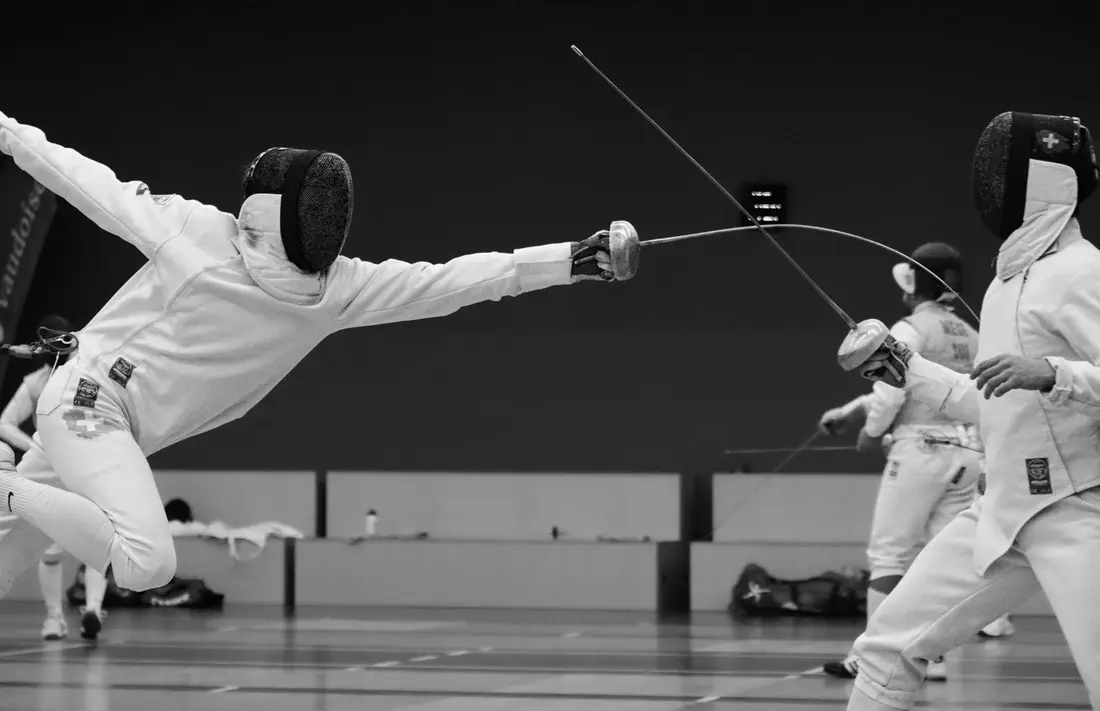
In fencing, he explains, there are three disciplines - foil, sabre, and épée. His club trains primarily in épée because its rules are the simplest. According to Jakšić, épée is almost like chess.
“In foil and épée, the goal is to hit the opponent with the tip of the blade, while sabre also allows cutting motions. In épée, a cable registers the hit. A minimum force of 750 grams is required to activate the sensor, and the entire body counts as a valid target,” says Jakšić.
He adds that students first have to learn how to properly hold the sword, since improper handling can cause the blade to break and potentially injure the opponent. That is why fencers wear jackets made of dense ballistic material designed to prevent injuries.
“Fencing, like tennis, is an expensive sport. I attended several seminars, and today I work mainly with beginners. It’s also a contact sport. When someone hits the same spot twenty or thirty times, it definitely hurts. Protective masks, suits, forearm guards, shoulder protectors, chest protectors, gloves, and swords are all necessary,” Jakšić explains.
Like many competitive sports, fencing also has yellow, red, and black cards. A yellow card serves as a warning. Two yellow cards automatically become a red card, which awards a point to the opponent. A black card means elimination from the competition.
Climbing as a Conversation Between Body and Mind
Damir Misija is the only certified sport climbing instructor in Republika Srpska. He has been climbing since 2001 and tells HEDONIST Magazine that climbing develops the entire body. Beyond physical effort, climbing also requires intense mental focus.
“A climber must understand in time which route to take and what movements to use. Strength matters, but it’s not the only challenge. Sport climbing is actually very simple and safe, although it may not look that way. There are around ten unwritten rules that must be respected, and once they become habit, safety is almost absolute,” says Misija.
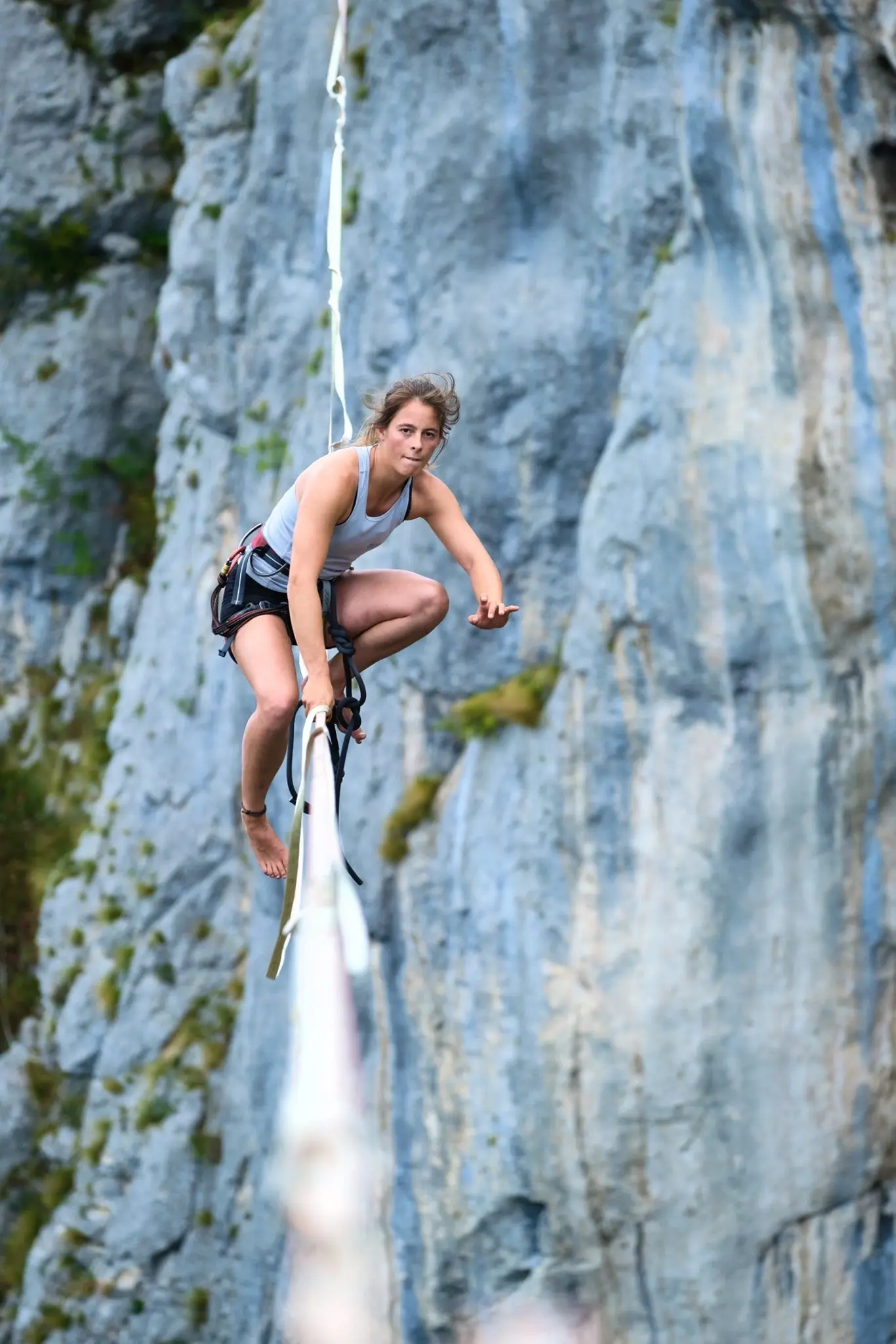
No climbing session is ever identical. Even when climbers repeat the same route several times, they never climb it exactly the same way twice.
Over the past decade, climbing has become increasingly popular worldwide.
“It’s one of the fastest-growing sports globally. Here, it’s still mostly considered a recreational activity. Alongside swimming, climbing helps correct many physical deformities. Slovenia has even introduced climbing into elementary and high schools,” he says.
Every muscle group is activated while climbing. Sometimes, even easier routes can become difficult because a certain muscle group is fatigued or not properly engaged. Different climbers struggle with different challenges - overhangs, inclines, tiny holds, or friction-based routes.
“What looks hardest from the ground is not always the hardest on the wall. Personally, friction holds are the most difficult for me because I trained them the least,” says Misija.
Artificial climbing walls across the region can reach heights of up to 12 meters, while some of the world’s most famous climbing walls stretch several dozen meters high. Misija has climbed artificial walls in Serbia, Austria, Croatia, and Slovenia, as well as natural cliffs across Bosnia and Herzegovina, Croatia, and Serbia.
“The best climbing spots here are in Pecka, Kozara, and Krupa na Vrbasu,” he says.
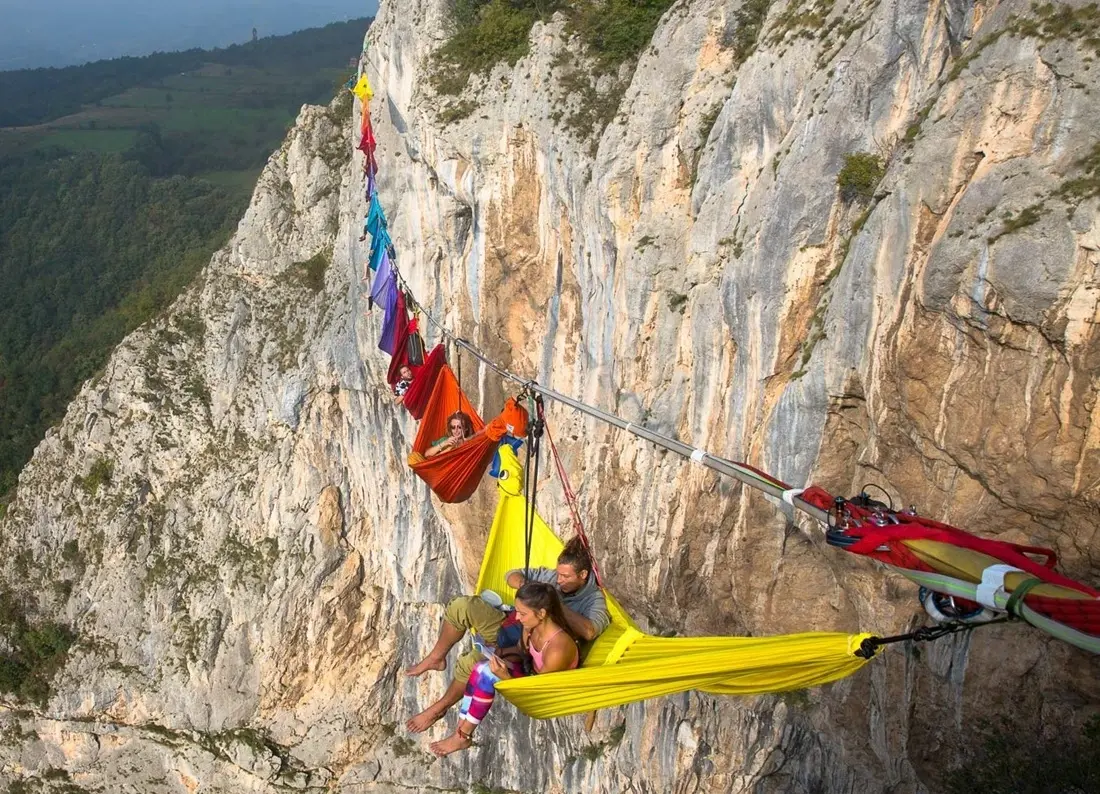
For years, the Tijesno Canyon near Banja Luka has hosted the adrenaline festival “Drill & Chill,” gathering thousands of participants from around the world. Elite climbers and modern acrobats regularly come to practice and enjoy the beauty of the canyon. Highliners stretch a 420-meter slackline across the canyon and even rest on suspended improvised hammocks above the void.
Kung Fu in the Heart of the Balkans
The Kung Fu Wushu Club “Lotos” was founded in 1998. Its president is Professor Rastko Vuković, while training sessions are led by Chinese martial arts master Dragan Đumić, who studied under some of the greatest authorities in Chinese martial arts in Serbia and the People’s Republic of China.
According to Đumić, the club practices several disciplines: Wing Chun (traditional Chinese martial arts), sanda or san shou (full-contact fighting that includes throws), tai chi chuan (meditative exercises), and shuai jiao (Chinese wrestling).
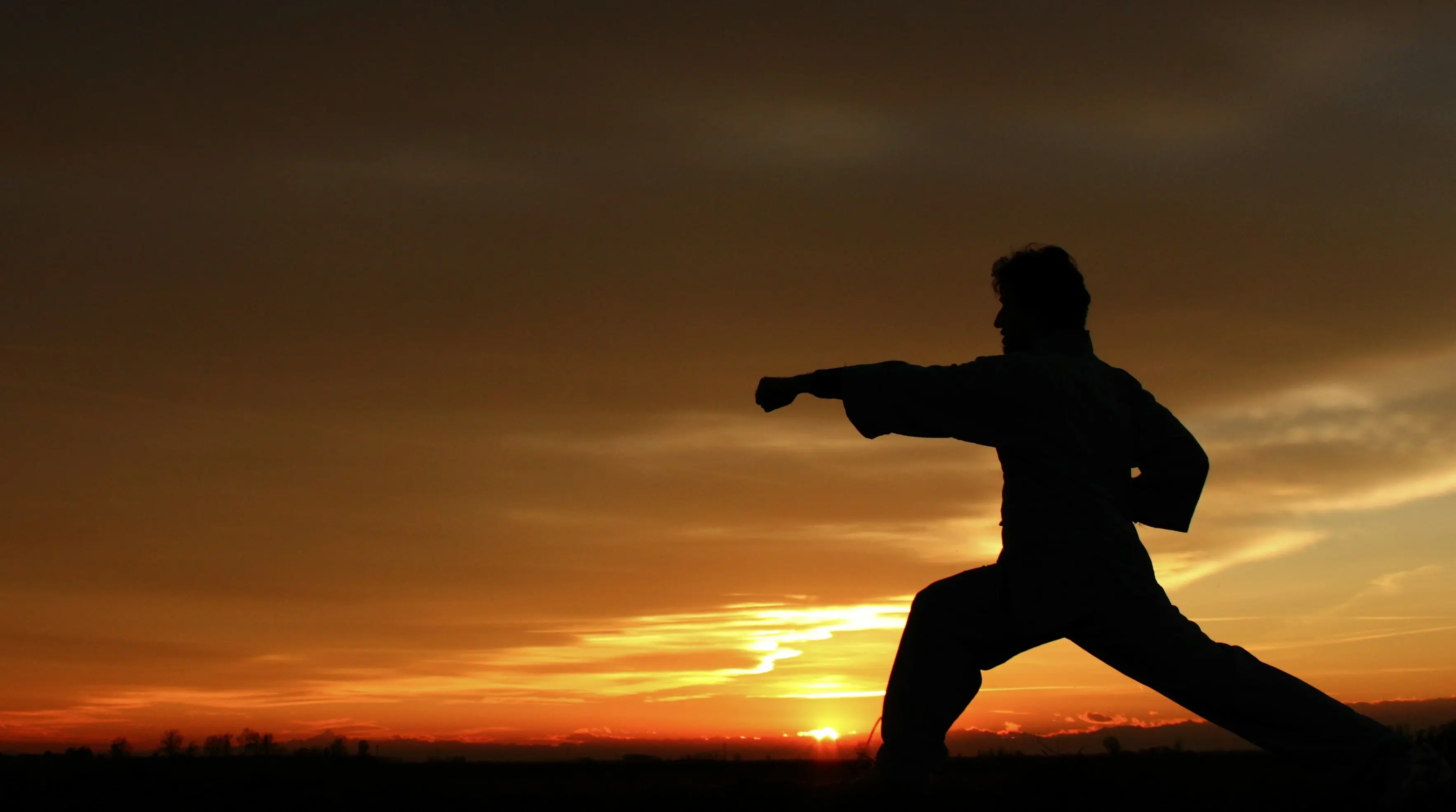
“Over the past twenty years, several thousand people have trained at Lotos. Our members range from children to people already in their seventies. That’s why we pay special attention to strength exercises that help build and preserve a healthy body,” says Đumić.
Since kung fu, as both a sport and martial art, is still primarily associated with the United States and China rather than Europe, the number of competitors produced by the club may be modest, but their achievements remain significant.
- Written by Goran Dakić / HEDONIST
- Originally published in HEDONIST Magazine Issue 05, 2021