

Tijana Bošković for HEDONIST: I Always Take the Opportunity to Say Who I Am and Where I Come From
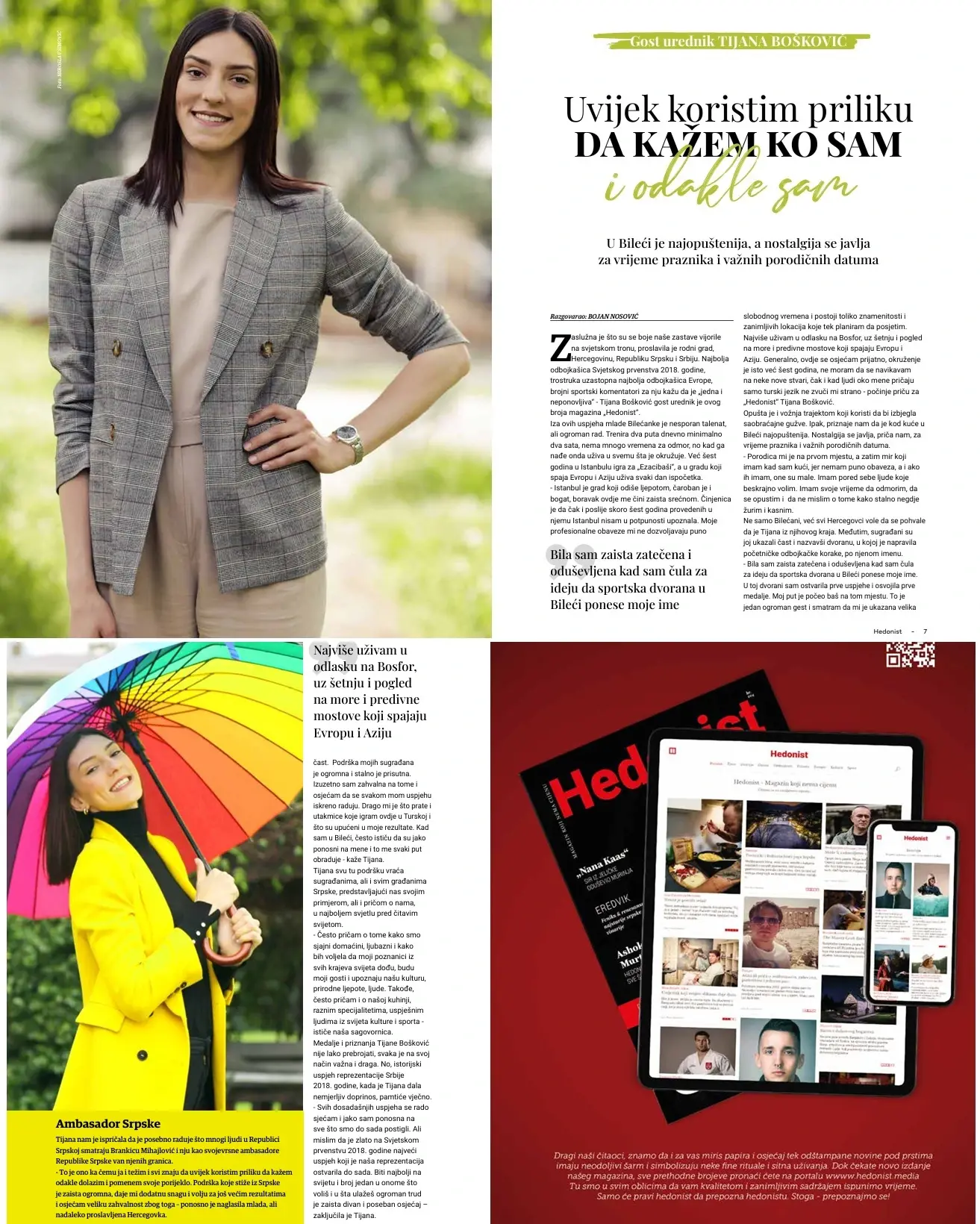
![[object Object]](https://api.hedonistmagazine.net/storage/images/2026/09/1052eb90-112c-4362-a741-ed38172c1fbd.webp)
When Tijana Bošković put away her 33rd point in the Champions League final at Istanbul's Ülker Arena on May 3, 2026, she was really finishing a job she'd been working on for years. VakıfBank beat Eczacıbaşı 3–1 (25–20, 25–21, 21–25, 25–18) to claim a record seventh European title, and along with her first Champions League trophy, she took home the awards for Most Valuable Player and Best Opposite of the Final Four.
The defeated side was the club where she had spent ten years, a detail that added extra weight to the night.
When she spoke to Hedonist in 2021, she was standing at just one stop along that road. Behind her already were the 2018 World Championship gold, three consecutive Best European Volleyball Player titles, and an Olympic silver from Rio. Everything that followed shows just how right the "guest editor" of that year was to talk about herself as an athlete who was only now entering her best years.
A city that never stops surprising her
At the time of the interview, Istanbul had been her home for almost six years. That figure has since grown to eleven. She has changed clubs in the meantime, but not cities: after ten seasons at Eczacıbaşı, she moved in 2025 to VakıfBank, the other major Istanbul club.
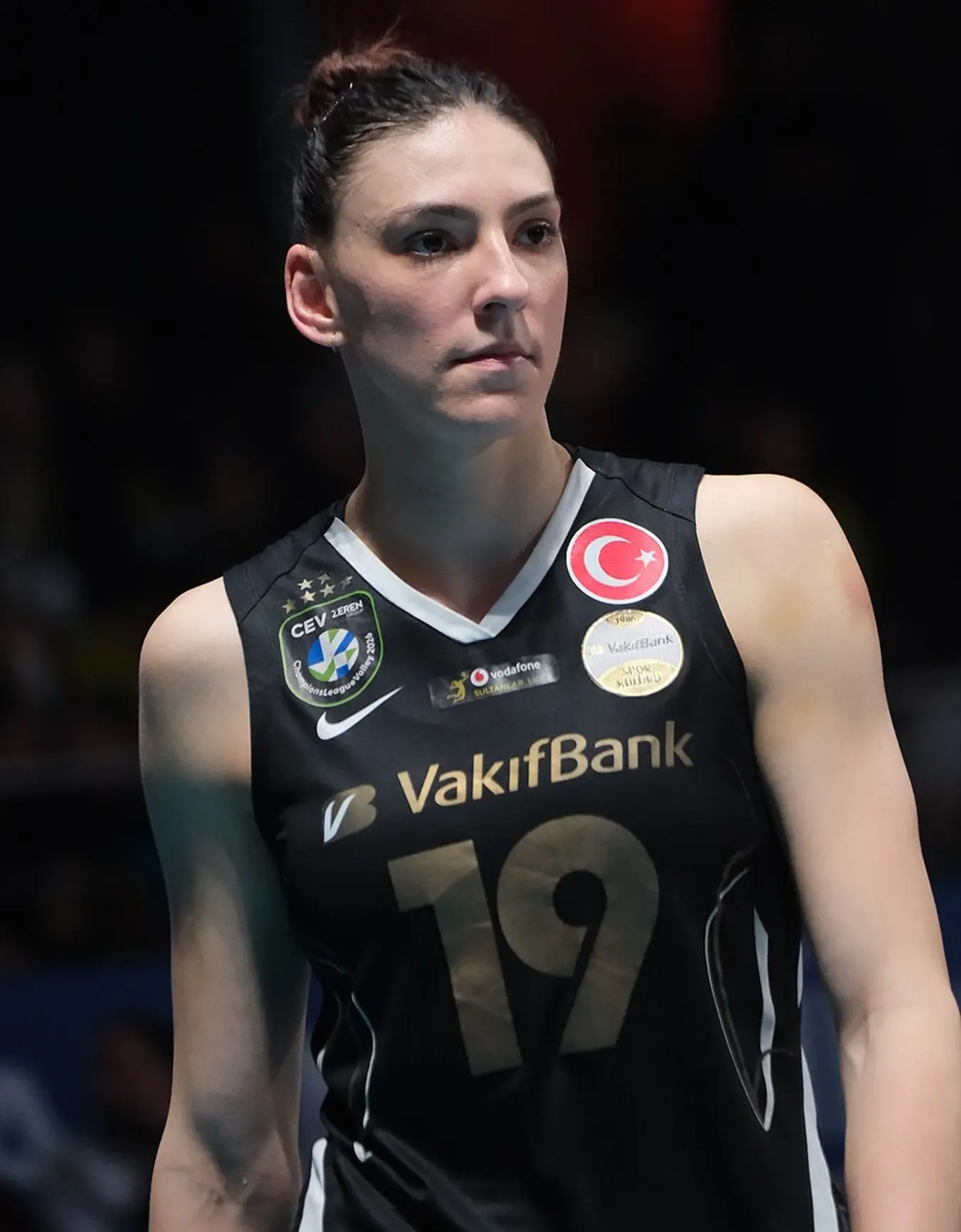
"Istanbul is a city that radiates beauty; it's enchanting and rich, and being there truly makes me happy. The fact is that even after almost six years spent there, I haven't fully gotten to know Istanbul. My professional obligations don't leave me much free time, and there are so many landmarks and interesting places I'm still planning to visit. What I enjoy most is going to the Bosphorus, walking along it and looking out at the sea and the beautiful bridges that connect Europe and Asia," she said at the time.
She trains twice a day, at least two hours each session, so room for wandering the city came down to rare free moments. Which is exactly why, as she put it, a walk along the Bosphorus, or a ferry ride to avoid the traffic jams, became her way of unwinding.
Home, the hall, and the older sister who went first
She started playing volleyball in her hometown of Bileća, following her older sister Dajana, and the sports hall where she took those first steps was named after her in July 2019, when Tijana and the then-Speaker of the National Assembly of Republika Srpska, Nedeljko Čubrilović, unveiled the plaque together. Later, after the silver at the 2021 European Championship, she also officially opened a renovated multipurpose court in Bileća, which likewise bears her name.
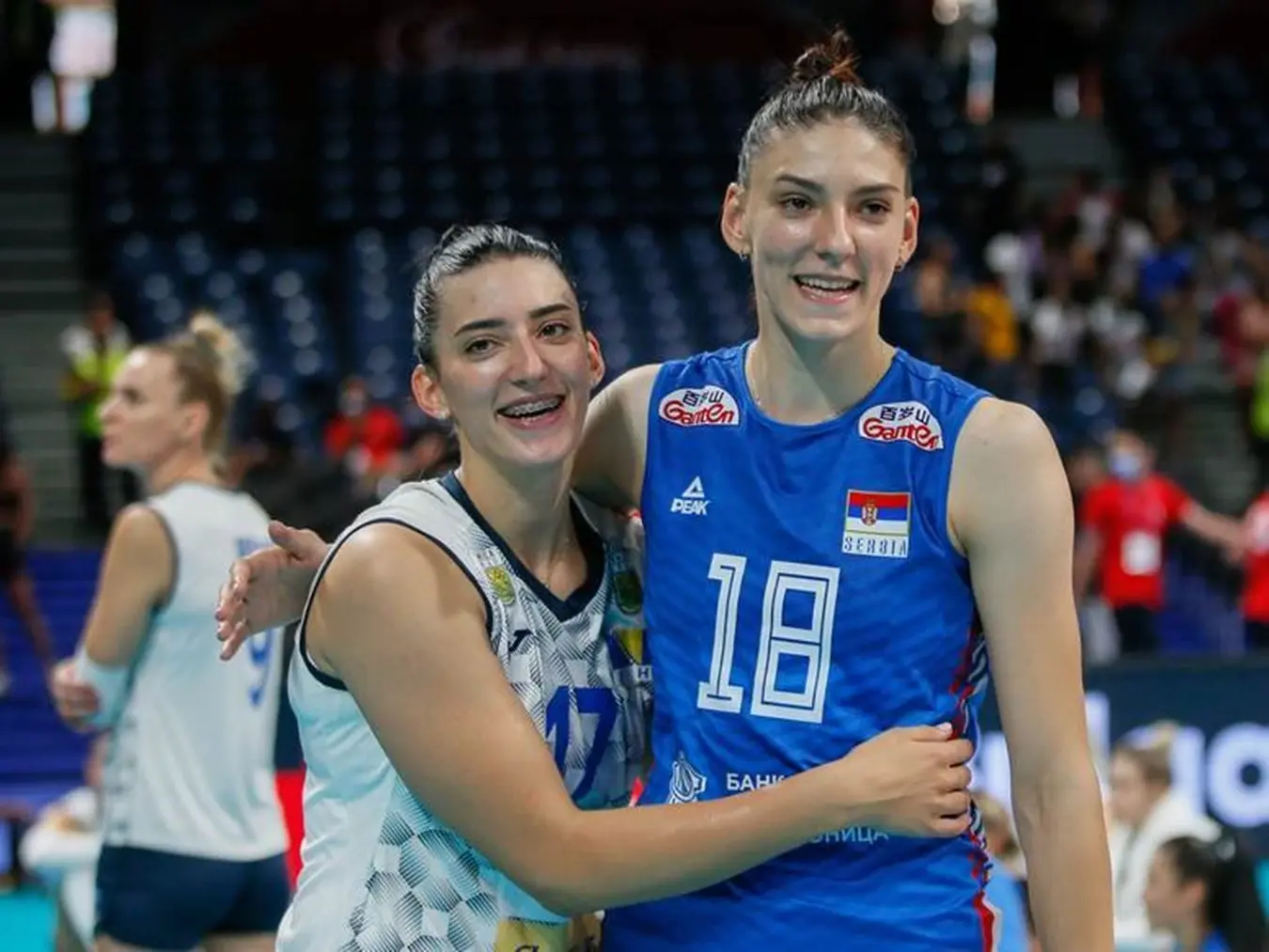
"I was genuinely taken aback and thrilled when I heard about the idea that the sports hall in Bileća should carry my name. In that hall I achieved my first successes and won my first medals. My journey began right there. It's an enormous gesture, and I feel honored. The support of my fellow townspeople is huge and constantly present. I'm extremely grateful for it, and I feel they truly rejoice in every one of my successes."
Bileća has remained the place she returns to for peace, not obligations. "Family comes first, and then the peace I have when I'm home, because I don't have many responsibilities, and when I do, they're small. I have people beside me whom I love endlessly. I have my own time to rest, to unwind, and not to think about how I'm constantly rushing somewhere and running late."
Five years on: medals, records, and one difficult August
Since that Hedonist interview, Tijana has kept stacking up results, but she has also faced situations she rarely had to deal with before.
The summer of 2021 brought a bronze medal from the Tokyo Olympics, won by beating South Korea, followed by silver at the European Championship, where, in the semifinal against Turkey, she recorded a world record for spike speed of 110.3 kilometers per hour. A year later, at the World Championship in the Netherlands and Poland, Serbia defended its title, and Bošković was once again named tournament MVP and Best Opposite. That made her only the second volleyball player in history, after Cuba's Regla Torres, to win back-to-back MVP awards at the World Championship.
The 2023 European Championship ended in silver, after a five-set final against Turkey in which she scored 37 points, and later that same year, in December, she was named MVP of the Club World Championship in Hangzhou, China, with Eczacıbaşı. Serbia then secured its place at the Paris Olympics in Ningbo, where it was stopped in the quarterfinals by Italy, the eventual Olympic champion.
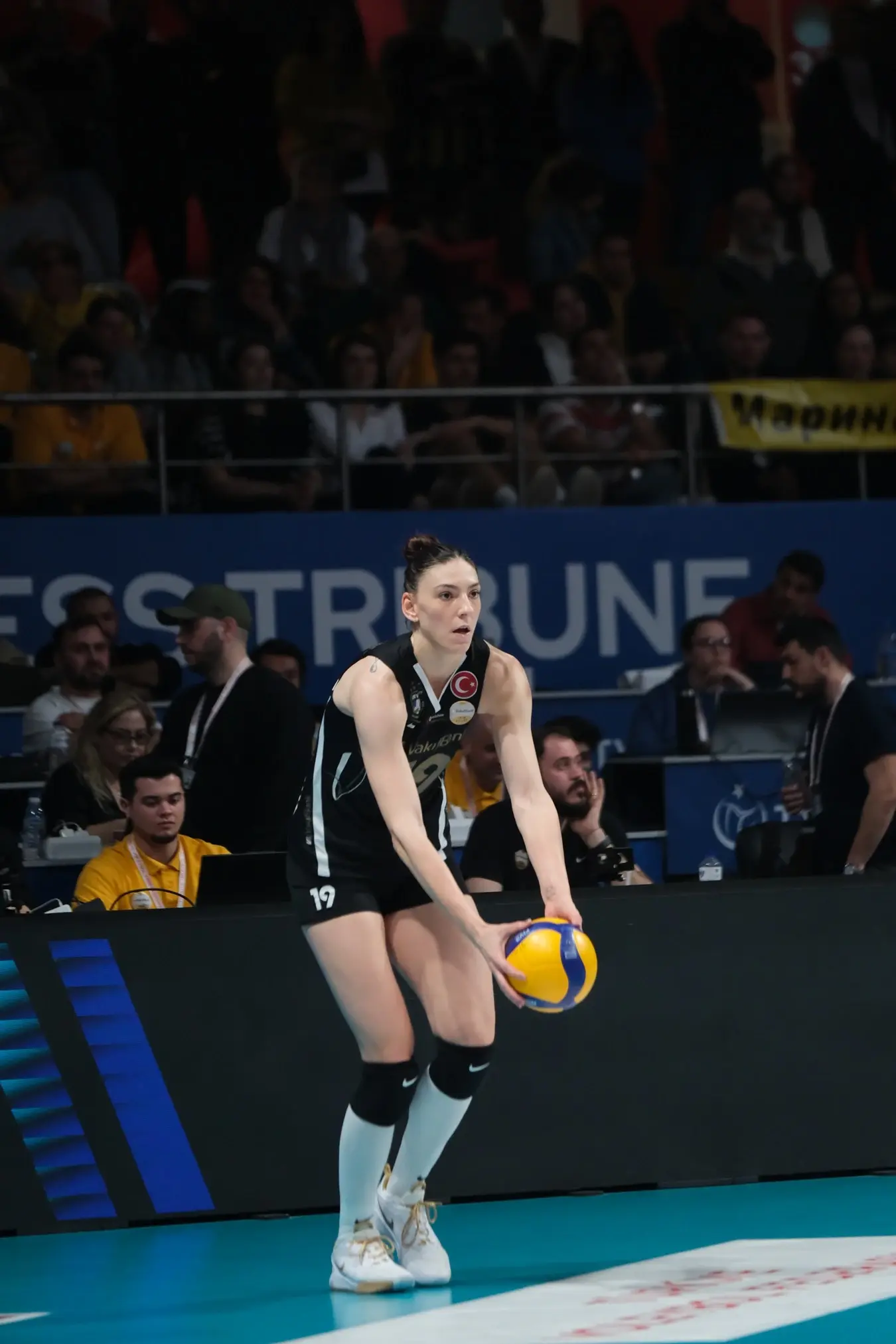
August 2025 brought the hardest moment of this stretch. At the World Championship in Thailand, where Serbia was attempting to defend its title for a third time in a row, the team captain injured her ankle in the group stage against Cameroon. Without her, Serbia lost to the Netherlands 3–2 in the round of 16, and Bošković watched the match from the bench. The episode showed how much the team depends on her presence, but also how ready the generation coming up behind her is to carry some of the load: in that match, Aleksandra Uzelac scored 31 points.
The response came the following season. In her debut year with VakıfBank, she won the Turkish league, then the Champions League. Just a few months later, on September 6, 2026, in the same city, in the European Championship bronze-medal match against Poland, she scored 29 points, and her final point sealed a 3–1 win and bronze for Serbia, its sixth consecutive medal from European championships. The squad included nine debutantes alongside the veteran Maja Ognjenović, and Tijana admitted this medal is especially meaningful to her precisely because it was won with a considerably younger team.
An ambassador who never forgets where she's from
As one of the most recognizable faces from Republika Srpska in world sport, Tijana took on the role of an ambassador willingly, and before anyone had formally assigned it to her.
"I often talk about how wonderful hosts we are, how kind, and how I'd love for my acquaintances from all over the world to come, be my guests, and get to know our culture, our natural beauty, our people. I also often talk about our cuisine, our various specialties, and successful people from the worlds of culture and sport."
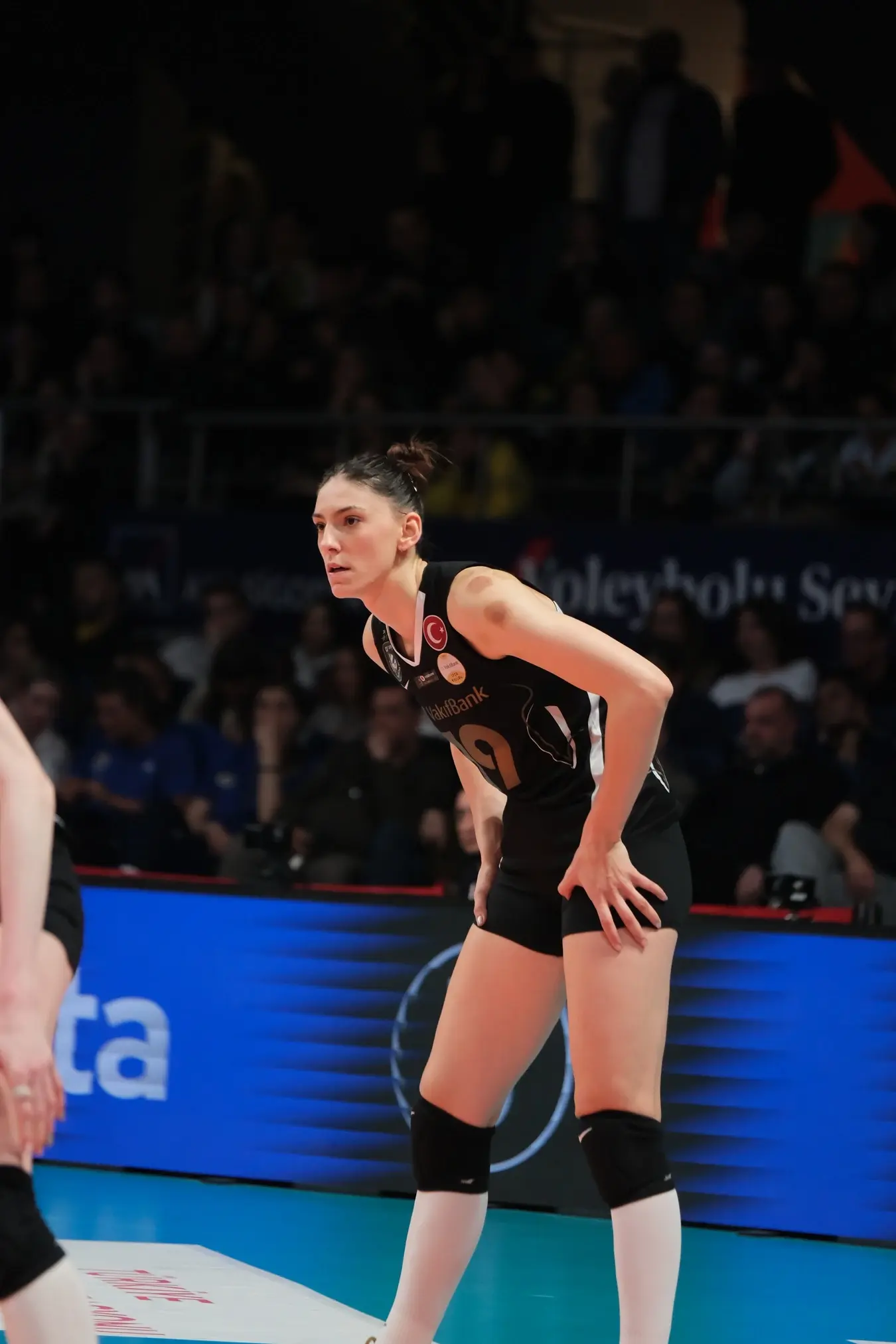
She says she always takes the opportunity to speak about where she comes from and mention her roots.
“The support that comes from Republika Srpska is truly immense. It gives me additional strength and motivation to achieve even greater results, and I feel deeply grateful for it,” she told HEDONIST.
The gold that remains the benchmark, and the one still missing
Asked in 2021 which success she considers the greatest, she pointed to the gold from Japan. "I fondly remember all of my successes so far, and I'm very proud of everything we've achieved. But I think the gold at the 2018 World Championship is the greatest success our national team has achieved so far. Being the best in the world and number one at what you love and put enormous effort into is truly a wonderful and special feeling."
She has since repeated that gold in 2022, and her collection today includes two golds from World Championships and two from European Championships, two Olympic medals (silver from Rio and bronze from Tokyo) and, since May 2026, a Champions League title. Just one thing is still missing, the one that in sport can't be skipped: Olympic gold. The next chance comes at Los Angeles 2028, and judging by how she has responded to every setback in recent years, Tijana Bošković will have plenty of reason not to let it slip away.
- Interview: Bojan Nosović / HEDONIST
- Photographer: Miroslav Simović
Related articles
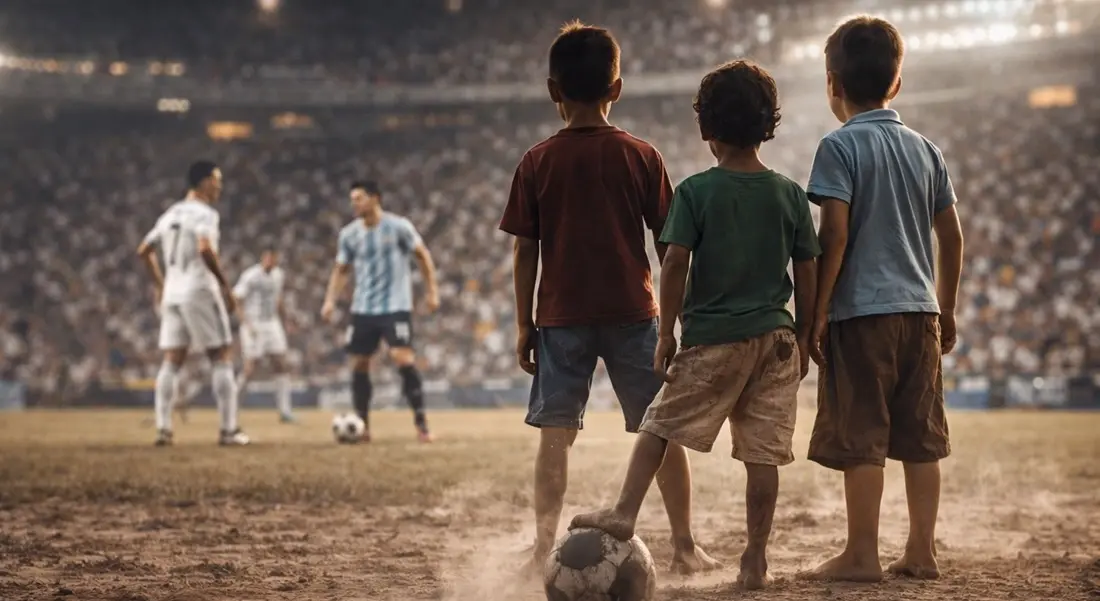
Gone with the Wind: Has Sport Lost Its Soul?
At the end of the promenade, near Ciglana and Vitanova Bara, right by the large bend where the Danube forms whirlpools capable of spinning the boats of careless fishermen for hours, lies Ledine. It is a meadow where a small-sided football tournament is held every sunny Sunday, and where, every other day, rain or shine, muddy kids from the surrounding alleyways chase a ball day and night.
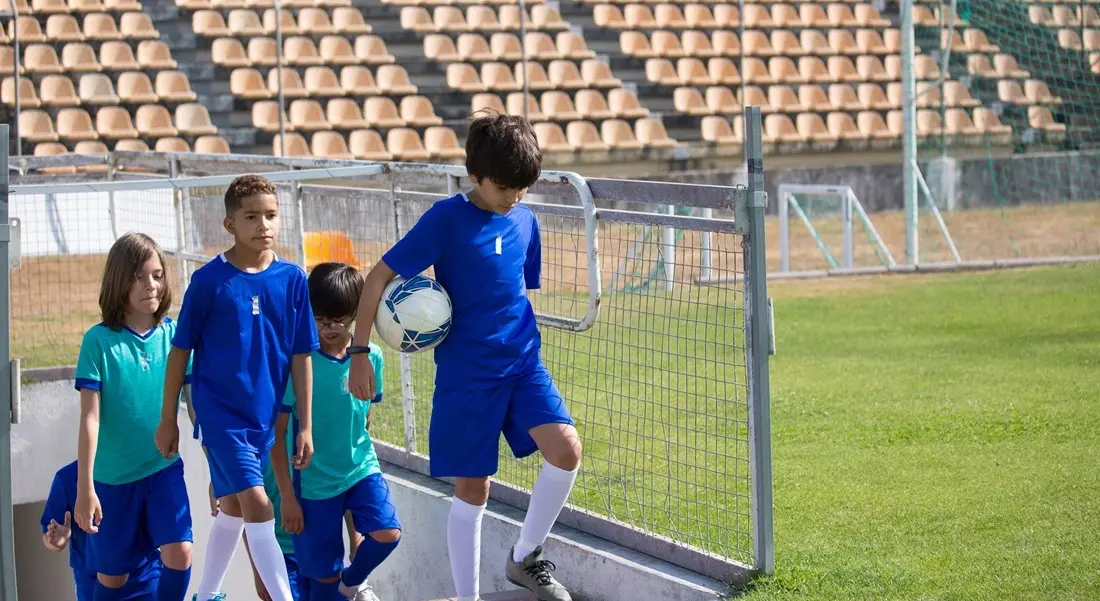
What Influences Young Children When Choosing a Sport?
When was the last time you saw a meadow filled with children making up their own rules for a game of football? Nearby, a group of girls claims part of the field for volleyball, while others play hopscotch on a patch of asphalt. For generations of parents, this was a familiar childhood scene. Today, however, times have changed.
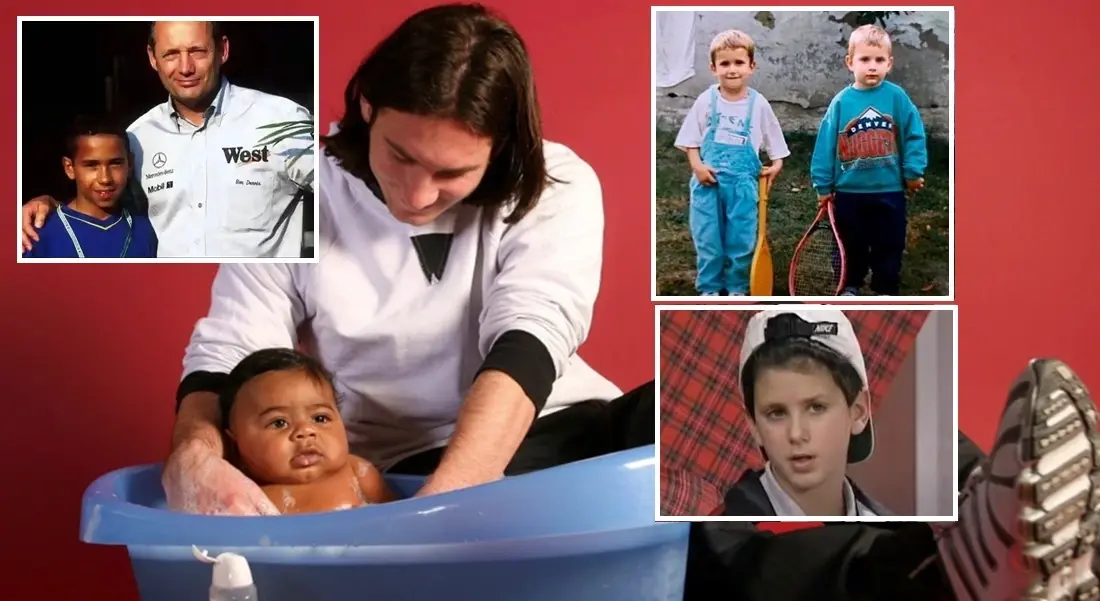
When Fate Writes the Script: Four Sports Stories That Feel Like They Were Directed by Hollywood
Some sporting stories are written on the field. They are decided by a single goal, a split second, or one decisive point. Others, far rarer, seem to have been written long before the opening whistle ever blew.