

The Club That Invented Football and Stayed in the Seventh Tier
![[object Object]](https://api.hedonistmagazine.net/storage/images/2026/09/c876177c-316e-4045-825b-b3180e22dcc1.webp)
The club that wrote football's first rulebook holds its meetings in a pub today. Not as a figure of speech - Sheffield FC's headquarters really is the Coach and Horses, an ordinary pub in Dronfield, and the club currently plays in the seventh tier of English football, in front of crowds that rarely top a few hundred people.
That same club decided, a little under two centuries ago, what the word "football" would mean for the billions of people who now watch the game - and FIFA honoured it with a recognition it has, to this day, handed out to only one other club on the planet: Real Madrid.
A Cricket Club's Winter Pastime
The story begins in 1857, when two young members of the Sheffield Cricket Club, Nathaniel Creswick and William Prest, wanted something to keep themselves and their teammates active over the winter, while the cricket season lay dormant. They founded a society they called, simply, the Sheffield Football Club. The first meeting took place on 24 October 1857 at a house called Parkfield, in the suburb of Highfield, and the first "clubhouse" was a greenhouse borrowed from the first club president's father, with the adjacent field serving as their first pitch.
The trouble was that no one else at the time played this game the way they'd imagined it, so the club first had to play against itself. The first matches were arranged by splitting their own members into two sides - married men against single men, or "professionals" against the rest of the group. It wasn't until a year later, in 1858, that Creswick and Prest sat down to write out the rules for the game they'd invented, realising that without an agreed set of rules, no other club would ever be able to play against them. Those rules, later known as the Sheffield Rules, would look fairly strange by today's standards: they had no offside rule in anything like the form we know it, they allowed players to push an opponent off the ball with their hands, allowed shoulder-charging an opponent even without the ball, and a goalkeeper who caught the ball could, quite literally, be barged straight over the goal line, ball and all. It was much closer to a hybrid of rugby and what we'd now call football than to the precise game we know today.
The World's First Derby
By 1860, the idea had spread so far through Sheffield that the city had fifteen football clubs, including the newly founded Hallam FC. On that very date, 26 December 1860 - Boxing Day, as it's known in England - these two clubs played what football historians today consider the first city derby in the history of the sport, a match that, because it was played under the Sheffield Rules, is still known as the "Rules Derby." The hosts, Hallam, welcomed their guests at their home ground, Sandygate, and Sheffield won 2–0.
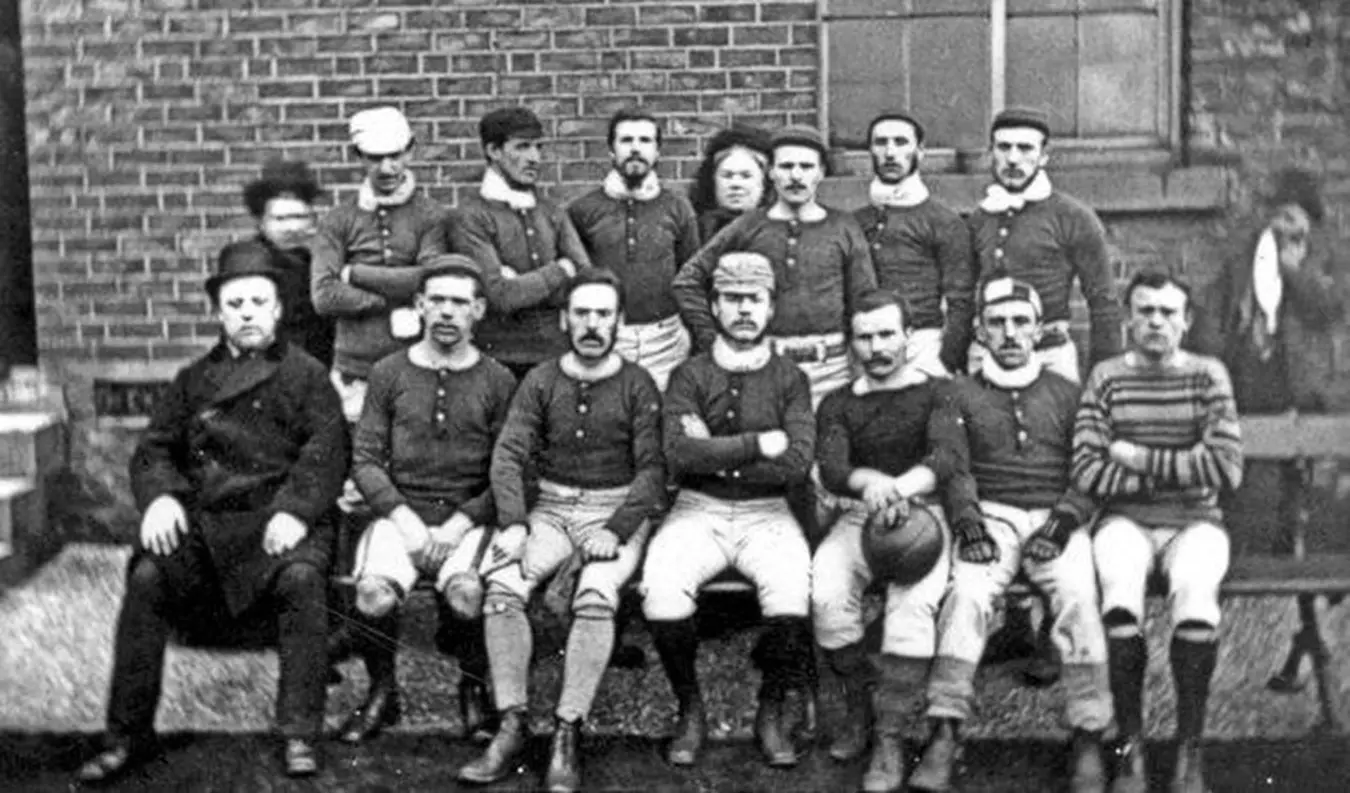
Sandygate itself carries its own title: the Guinness Book of Records officially recognises it as the oldest football ground in the world in continuous use, with a history stretching back to 1804, when it was first used for cricket. Today it holds roughly a thousand spectators, two hundred and fifty of them seated - a figure that sounds almost symbolically modest for the place where the world's first football derby was played.
A Recognition It Shares Only With Real Madrid
What sets Sheffield FC apart from any other "first" institution in the history of sport is that it never stopped existing. The club still plays today, now in the Northern Premier League, Division One - the seventh tier of English football, eleven levels below the Premier League, home to clubs whose names are known to fans the world over. It's precisely that unusual combination - historic significance with not a single trophy to show for it at the top level - that led FIFA, in 2004, to award Sheffield its Order of Merit, a recognition handed out only twice in history: to Sheffield FC, for creating the game, and to Real Madrid, for carrying that very same game to the peak of its glory.
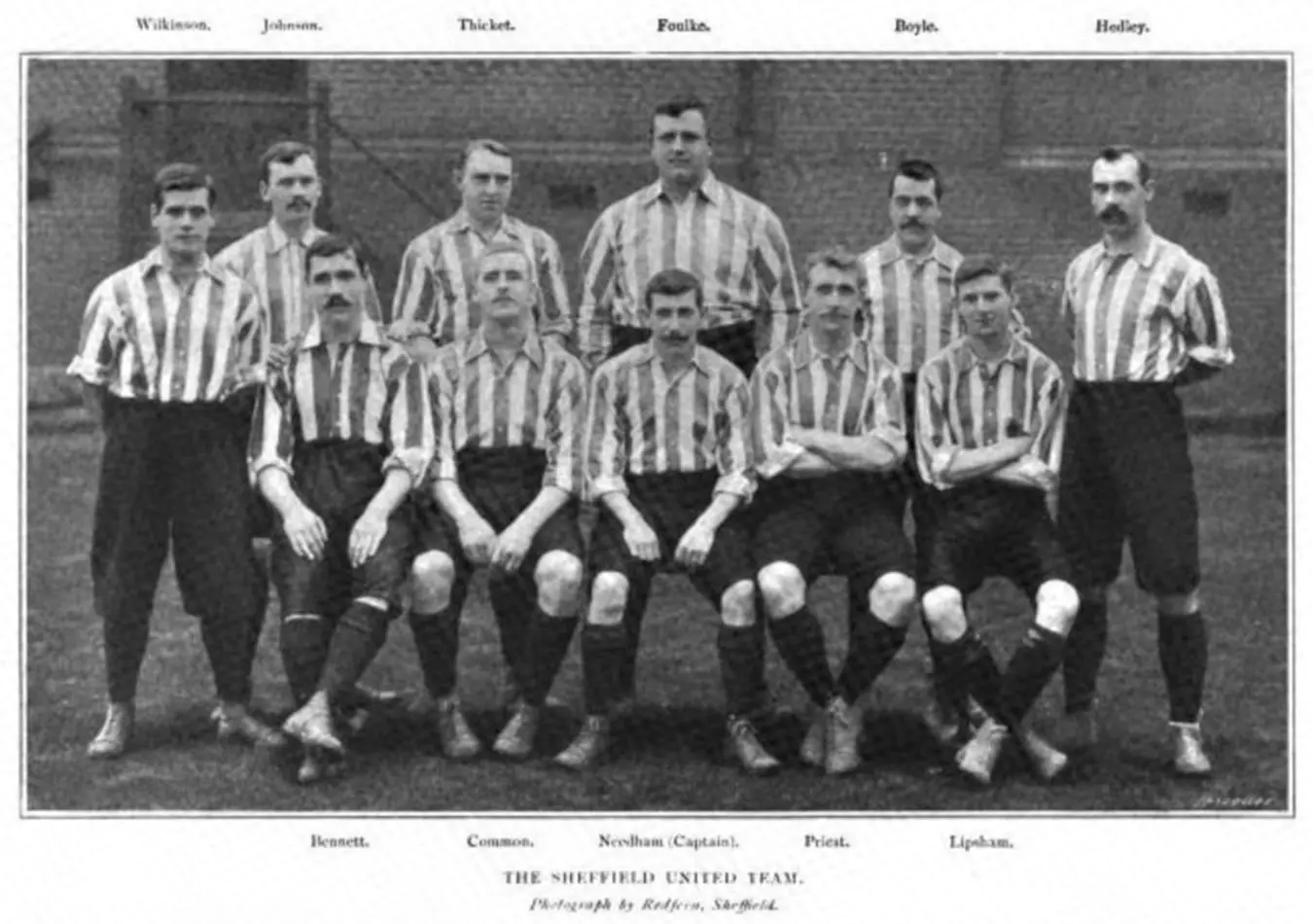
The club today counts four players who once wore the England shirt, including Charles Clegg, who played for England in 1872, from the very generation that founded the club. But Sheffield's identity was never built on those individual achievements. It rests on a simple, almost unbelievable fact: a group of young men who wanted something to do over the winter, while waiting for the next cricket season, happened to write the blueprint for a game now watched by most of humanity - and that, a hundred and sixty-nine years after that blueprint was written, they're still there, in the same city, still playing, still gathering, now just in a pub instead of a greenhouse.